Equip-Link Equip-Link

2026 Best Hot Swappable Transceiver Options for Global Buyers?

Time:2026-08-29 Author:Henry
0%

In the fast-paced world of networking, choosing the right hot swappable transceiver is crucial. These devices have transformed how we manage our network systems. They allow for quick upgrades and replacements without downtime. For global buyers, finding the best options can be overwhelming.

The challenge lies in identifying reliable brands and products. Many transceivers claim compatibility, yet some lack performance. A hot swappable transceiver shouldn't just fit; it needs to work seamlessly with your existing infrastructure. Quality must be prioritized to avoid unexpected failures.

As technology advances, so does the need for adaptability. Buyers often overlook specific features that can significantly impact performance. With the right guidance, selecting a hot swappable transceiver can be less daunting. In this article, we will explore various options that stand out in 2026. Make informed choices that strengthen your network today.
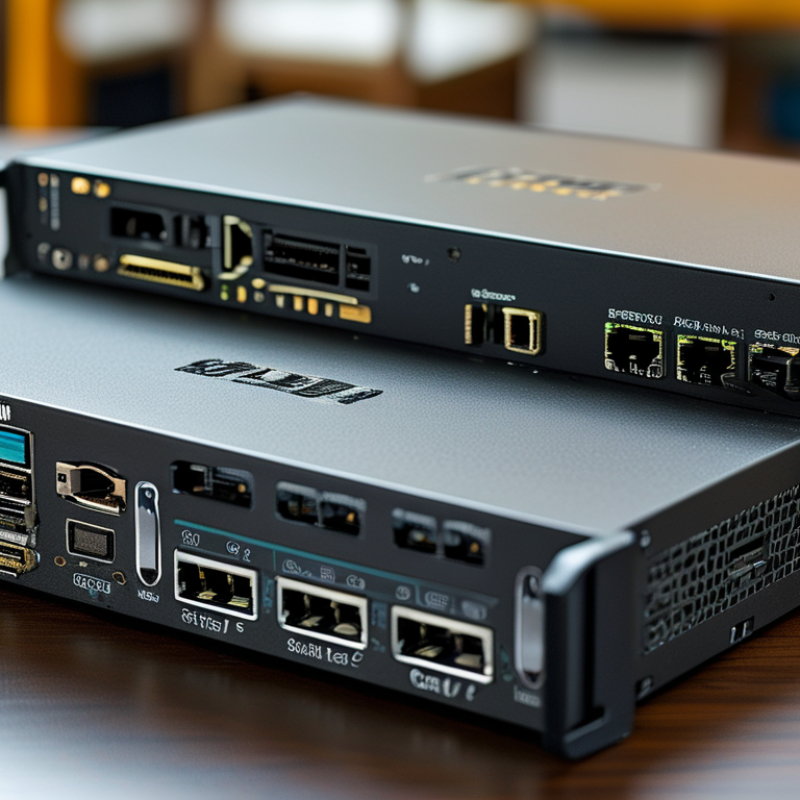
2026 Best Hot Swappable Transceiver Options for Global Buyers?

Top Features to Consider When Choosing Hot Swappable Transceivers

When selecting hot swappable transceivers, several key features should be prioritized. First, compatibility is critical. Ensure that the transceiver integrates seamlessly with your hardware. This can prevent connectivity issues, saving organizations time and resources. The IEEE 802.3 standard highlights the importance of compatibility for various fiber and copper options.

Another important feature is data rate support. Transceivers vary widely in their capabilities. According to a recent industry report, the demand for 100G and 400G options is rapidly increasing. Businesses must assess their current and future bandwidth needs to make a well-informed decision. Additionally, power consumption is a key factor. Efficient transceivers reduce operational costs and promote sustainability.

Considering the operational environment is essential. Factors like temperature tolerance and durability can impact performance. For example, harsh environments can lead to quicker degradation of less robust transceivers. Look for models with enhanced protection features.

Select a transceiver from a reliable supplier to ensure authenticity. Given the recent increase in counterfeit products, verify the provider's reputation through certifications. Keep informed about the latest technological advancements to stay ahead. Test configurations before finalizing any purchase to guarantee they meet your specific needs.

Popular Types of Hot Swappable Transceivers for Different Applications

Hot swappable transceivers play a crucial role in modern networking. They allow operators to replace or upgrade components without shutting down the system. This feature is vital for maintaining uptime in various applications. According to a recent industry report, hot swappable transceivers are expected to see a market growth of around 8% annually over the next five years.

There are several popular types of hot swappable transceivers available. These include SFP, SFP+, and QSFP modules. SFP modules are commonly used in 1G networks, with data rates of up to 1.25 Gbps. SFP+ modules support 10G networks, making them suitable for higher bandwidth requirements. QSFP, on the other hand, caters to data centers, enabling up to 100 Gbps of throughput. A study indicated that over 60% of data center operators prefer QSFP for its efficiency and speed.

Different applications influence transceiver choices. For example, telecommunications primarily utilize SFP+ for its scalability. Meanwhile, enterprises may favor QSFP for their large-scale needs. Reflecting on these options, users should consider their specific requirements carefully. Picking the right type affects not only performance but also total cost of ownership. Adapting to evolving technology remains a challenge for many.

Comparative Analysis of Leading Brands in Hot Swappable Transceivers

Hot swappable transceivers are essential in modern networking. They provide flexibility and efficiency, allowing users to replace components without shutting down systems. This can reduce downtime and maintenance costs, especially in large-scale environments.

A comparative analysis reveals varying strengths among leading brands. Some excel in speed, while others prioritize compatibility across devices. Features like power consumption and heat dissipation also come into play. Users must consider their unique needs when selecting a transceiver, which can complicate the decision-making process.

While many brands claim reliability, performance can change based on specific setups. Users may experience issues related to firmware updates or compatibility with older hardware. It’s vital to research and validate claims through user reviews and expert insights. Balancing cost against performance is another challenge, leading to potential overspending if rushed.

Future Trends in Hot Swappable Transceiver Technology for 2026

As the network infrastructure evolves, hot swappable transceivers are becoming essential for flexibility and uptime. In 2026, we can expect advances in modular design, allowing users to replace transceivers without powering down systems. This capability enhances operational efficiency and reduces downtime significantly. It’s a game-changer for data centers and enterprises with high traffic demands.

Future trends may also include improved compatibility across various networking standards. The focus will be on increasing data rates and lowering latency. Enhanced user interfaces will simplify the installation process. Users will require less technical expertise, making the technology more accessible. However, challenges remain. We need to ensure that these advancements do not compromise reliability. Testing for durability and performance should be a priority.

Another intriguing aspect is the potential for sustainability in hot swappable transceivers. As energy consumption becomes a critical concern, eco-friendly designs will be a focus. Manufacturers will work to create solutions that consume less power. The market will also likely see an increase in recyclable materials. These trends will shape the direction of transceiver technology. As buyers, it is vital to stay informed and make choices that align with these emerging practices.

Global Market Insights and Buyer Guidance for Hot Swappable Transceivers

The global market for hot swappable transceivers is evolving rapidly. These components are essential for network upgrades and maintenance. Users often prioritize ease of use. Fast replacements reduce downtime significantly. This feature stands out in modern data centers. As businesses grow, the demand for efficient solutions increases.

When selecting a hot swappable transceiver, consider compatibility with existing systems. Not all devices function well together. Check technical specifications carefully. Buyers should also look for reliability in data transfer. High performance is vital for seamless operations. Some options might not meet expectations. Researching past user experiences can provide valuable insights.

Pricing plays a crucial role in decision-making. While some transceivers are cost-effective, others may come with hidden costs. It's important to evaluate the total value rather than just the sticker price. Warranty and support also matter. Without proper backup, even top products can underperform. Engaging with industry experts can clarify these aspects.

FAQS

: What is the most important factor when choosing hot swappable transceivers?

: Compatibility is critical. Ensure the transceiver works well with your hardware to avoid connectivity issues.

How can data rate support influence my choice of transceivers?

Transceivers support different data rates. Assess your future bandwidth needs to ensure optimal performance.

Why should I consider power consumption in transceivers?

Efficient transceivers lower operational costs. They also promote sustainability in your network solutions.

What should I know about durability and temperature tolerance?

Tough environments may affect performance. Choose models with protections for harsh conditions to prevent issues.

How can I verify the authenticity of a transceiver supplier?

Research the supplier’s reputation. Look for certifications and reviews to ensure you're purchasing reliable products.

Are there risks associated with brand comparisons?

Yes, some brands excel in specific features, but others may not meet expectations in your setup.

What common issues may arise after purchasing a transceiver?

Users often face firmware update challenges or compatibility problems with older devices. Research to mitigate these risks.

How important is warranty and support for transceivers?

They are crucial. Lack of support can hinder performance, even with high-quality products.

How can I avoid overspending on transceivers?

Evaluate the total value, not just the initial price. Hidden costs can add up quickly.

Why is user feedback valuable when choosing transceivers?

Past user experiences offer insights into reliability. These details can help inform a better purchasing decision.

Conclusion

The article "2026 Best Hot Swappable Transceiver Options for Global Buyers" provides comprehensive insights into the essential aspects of selecting hot swappable transceivers. It outlines critical features to consider, including compatibility, performance, and ease of installation, which can significantly impact user experience. The discussion also covers various types of hot swappable transceivers suitable for diverse applications, helping buyers identify the right options for their specific needs.

Furthermore, the article presents a comparative analysis of leading brands, highlighting their strengths and weaknesses in the hot swappable transceiver market. It explores future trends in technology that may shape the industry by 2026, as well as offers global market insights to guide buyers in making informed decisions. By understanding these elements, customers can effectively navigate the evolving landscape of hot swappable transceivers and choose solutions that best fit their operational requirements.

Henry

Henry

Henry is a dedicated marketing professional with a profound expertise in the company's offerings. With years of experience in the industry, he possesses an impressive understanding of the market dynamics and consumer behaviors that drive success. Henry is committed to sharing his insights through......