Equip-Link
Equip-Link
Equip-Link
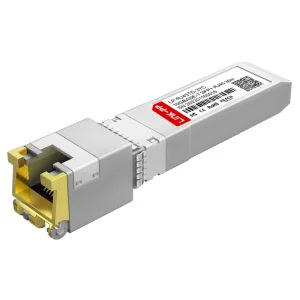
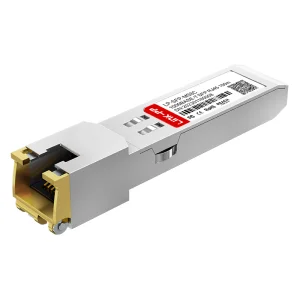
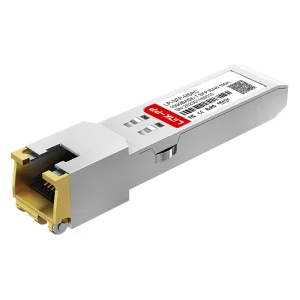
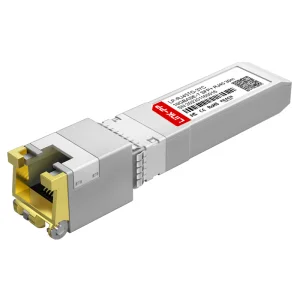
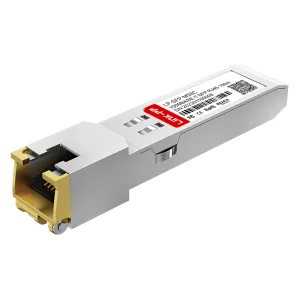
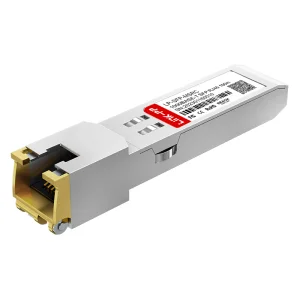
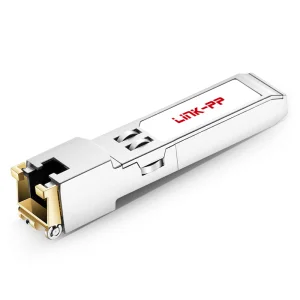
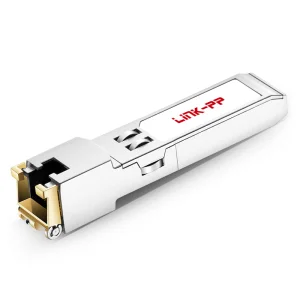
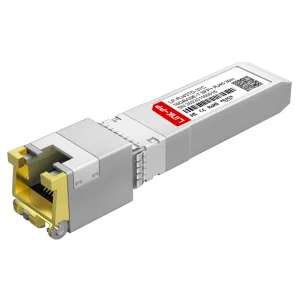
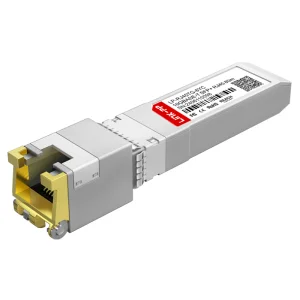
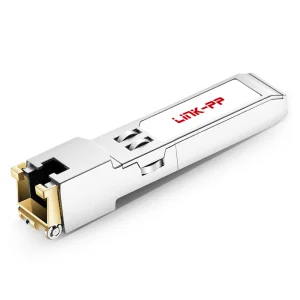
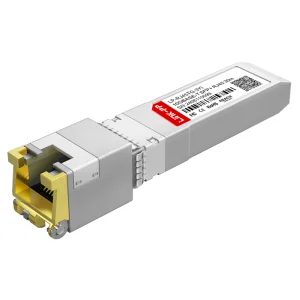
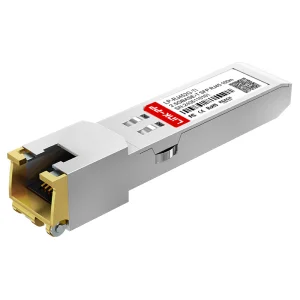
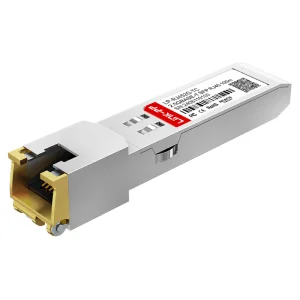
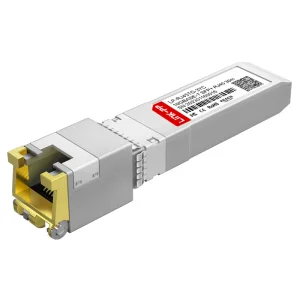
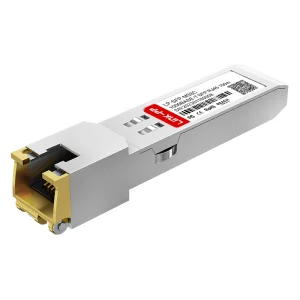
Modern networking demands structural flexibility, particularly in high-density data centers and distributed enterprise Local Area Networks (LANs). While single-mode and multi-mode optical fibers serve backhaul infrastructures, the strategic utilization of RJ45 Copper SFP modules remains a vital cornerstone for cost-effective, high-bandwidth interconnectivity. By converting the SFI/SGMII interfaces of network switches to standard RJ45 ports, organizations bypass complex fiber splicing, utilizing existing Structured Cat6a/7 copper channels.
Equip-Link's range of optical transceivers bridges the physical gap between legacy copper layouts and state-of-the-art optical routing hardware. Our copper SFP transceivers support auto-negotiating operations spanning multi-gigabit rates (1G/2.5G/5G/10G), providing a seamless migration path from classic gigabit topologies to demanding 10Gbps pipelines without replacing foundational cabling runs.
Optical fibers necessitate costly optical-to-electrical conversions at multiple network points. Utilizing a direct-attach RJ45 transceiver minimizes latency inside active racks. Standard copper SFP architectures operating under Multi-Source Agreements (MSA) offer low power consumption (typically below 1.6W to 2.5W depending on link length and chip parameters). This heat containment strategy prevents thermal overloading in high-density switches, leading to higher system MTBF (Mean Time Between Failures) and predictable overall power profiles.
A thorough engineering evaluation of our RJ45 SFP module architectures. Engineered to meet strict electrical, electromagnetic, and structural thresholds, our modules offer stable link integrity across multi-rate protocols.
| Module Category | Supported Data Rates | Max Cabling Reach | Connector Type | Typical Power Consumption | Compatibility Target |
|---|---|---|---|---|---|
| 10GBASE-T SFP+ | 10 Gbps (Multi-Rate Auto-Negotiation) | 30m / 80m / 100m (Cat6a/Cat7) | Shielded RJ-45 | 1.6W to 2.3W (Config-Dependent) | Cisco, HPE Aruba, Ubiquiti, Juniper |
| 2.5GBASE-T SFP | 100M / 1G / 2.5G Multi-Rate | 100m over Cat5e / Cat6 | Shielded RJ-45 | < 1.2W | Broadcom & Marvell Switch PHYs |
| 1000BASE-T SFP | 10/100/1000 Mbps Auto-Negotiation | 100m over Cat5 / Cat5e / Cat6 | Shielded RJ-45 | < 1.0W | Cisco GLC-TE, HPE J8177D Equivalent |
| SGMII Copper SFP | 10/100/1000 Mbps with SGMII Interface | 100m over standard UTP | Shielded RJ-45 | < 0.9W | Enterprise Routing & Edge Hardware |
Equip-Link cooperates with primary silicon providers (Marvell and Broadcom) to integrate energy-efficient PHY chipsets into our SFP architectures. High-performance DSP algorithms compensate for high-frequency attenuation and crosstalk within copper lines, reducing Bit Error Rates (BER) to less than 1E-12. This ensures robust data transfers over the maximum rated distances of Cat6a networks.
Copper transceivers generate higher thermal footprints than optical transceivers. To combat this, Equip-Link uses optimized zinc alloy enclosures and integrated internal heat dissipating elements. These elements efficiently transfer heat away from the core silicon to the switch chassis, ensuring modules stay within safe operating ranges, even in uncooled or industrial environmental racks.
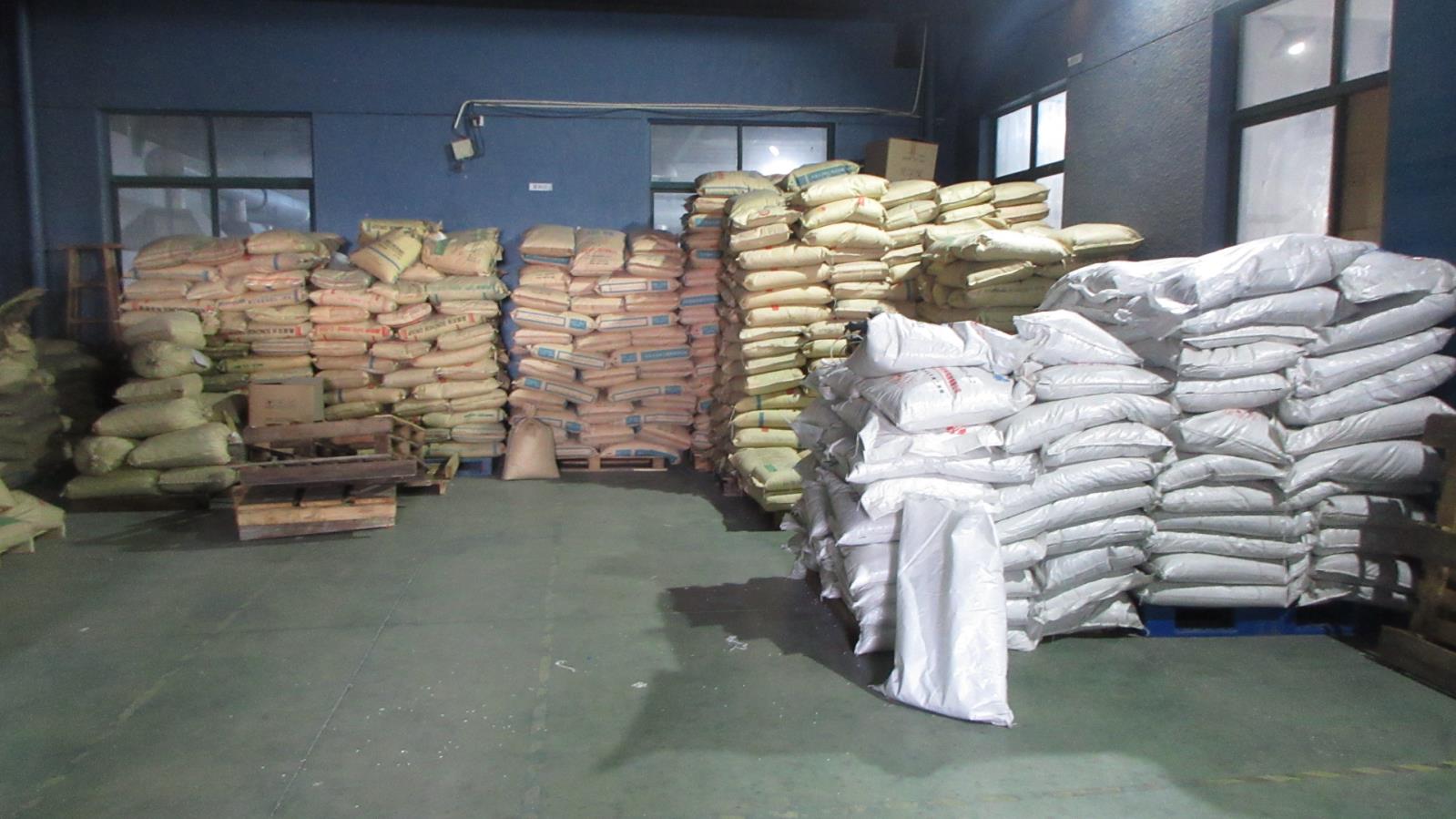
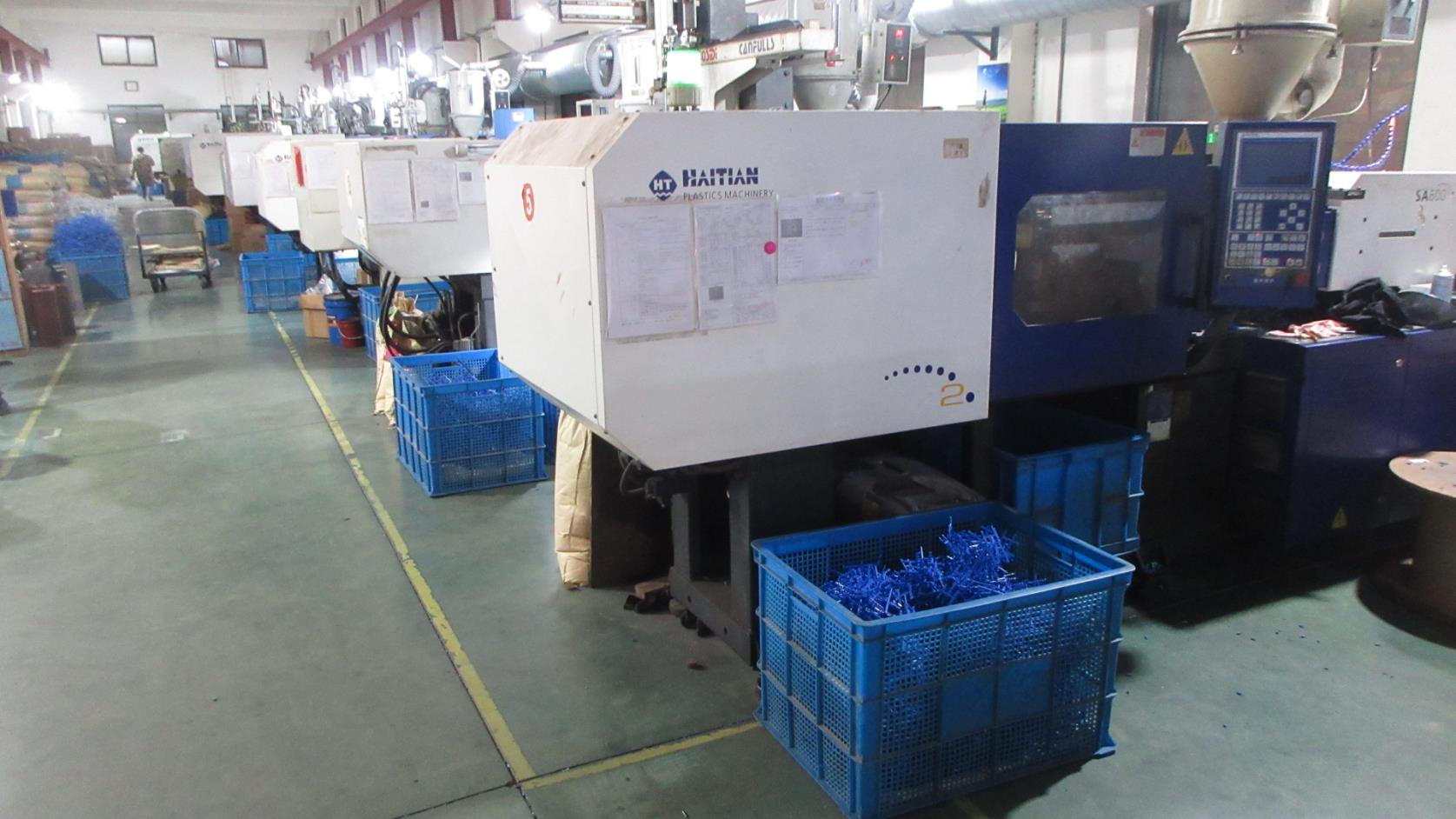
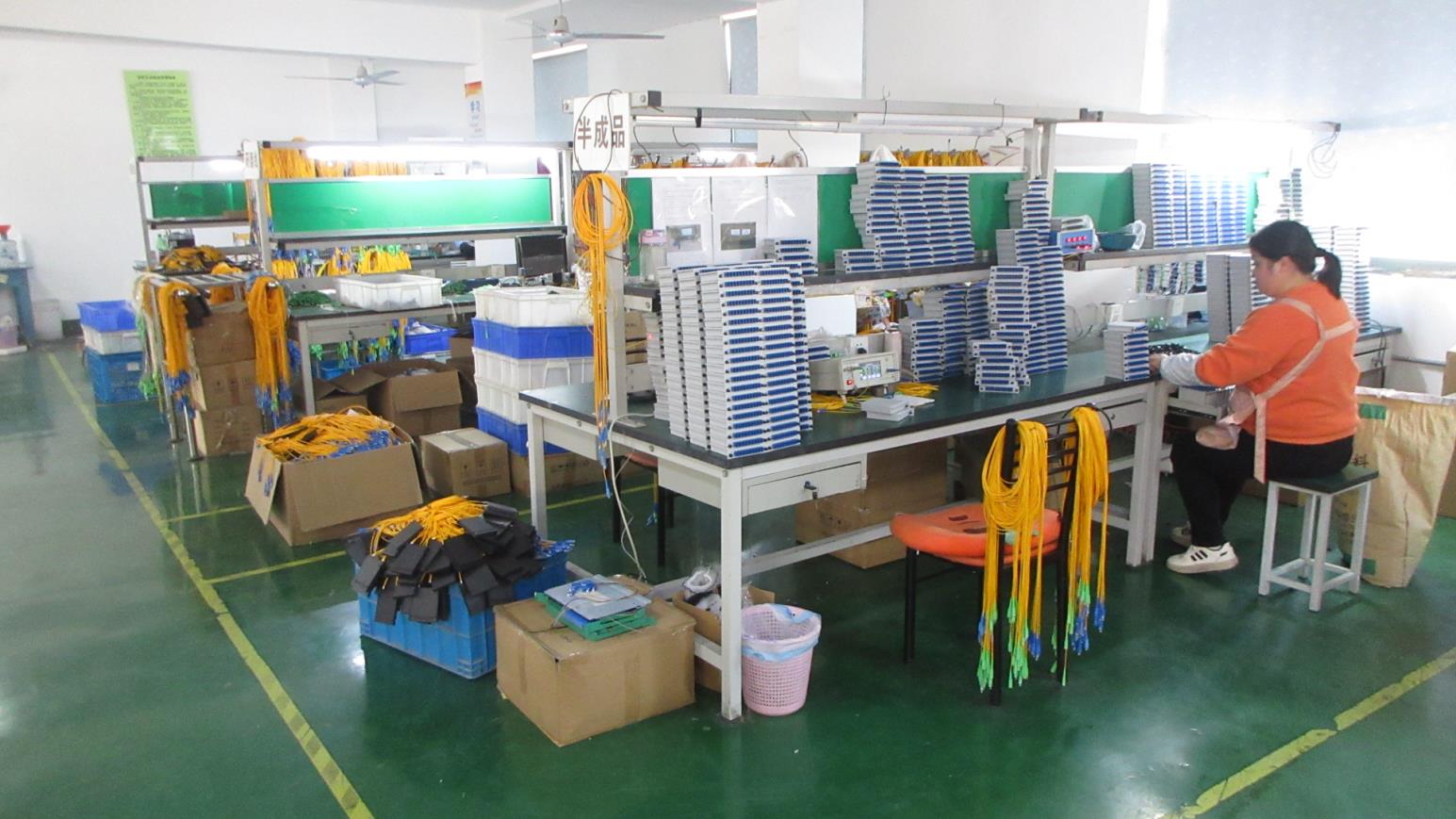
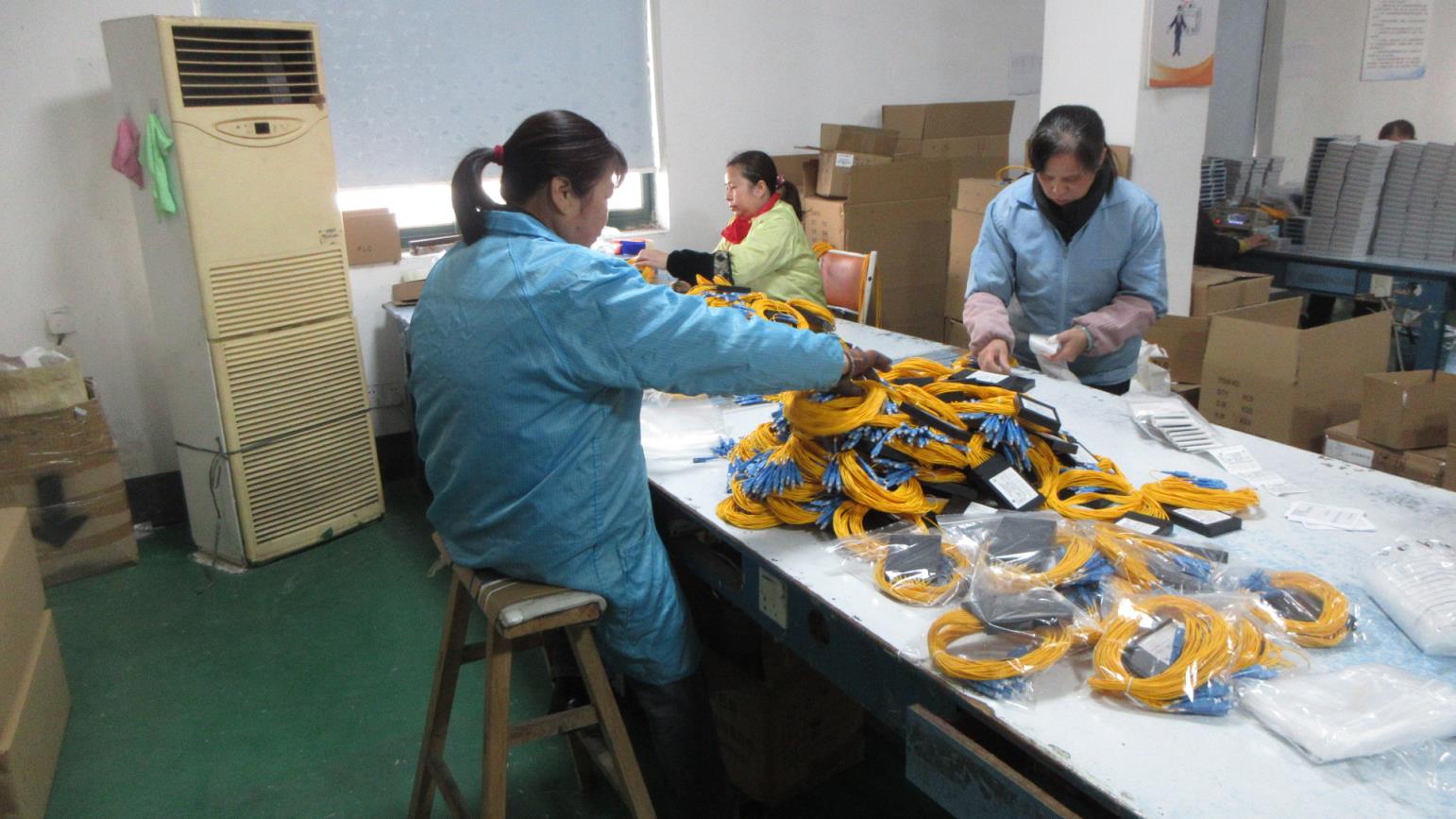
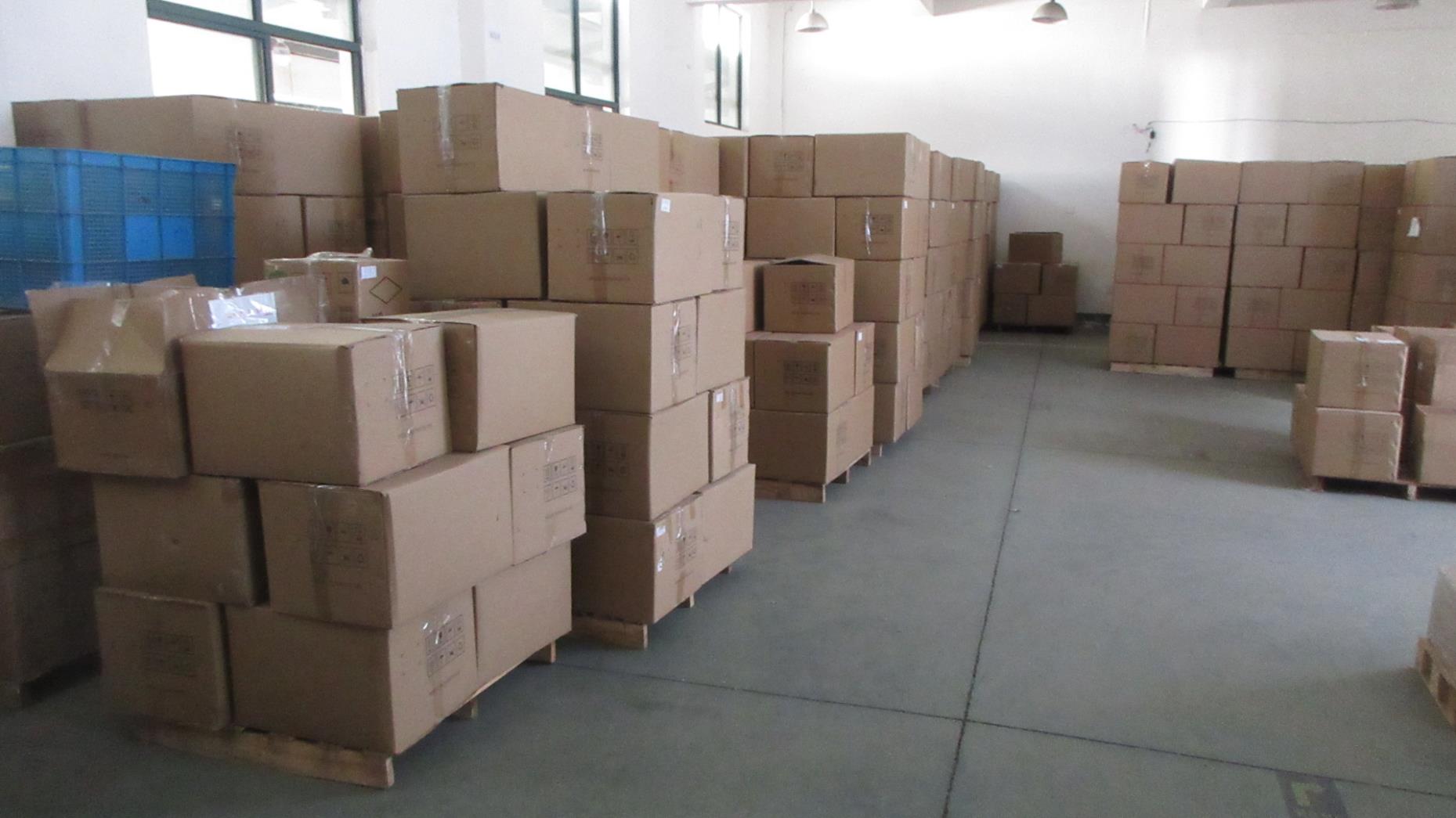
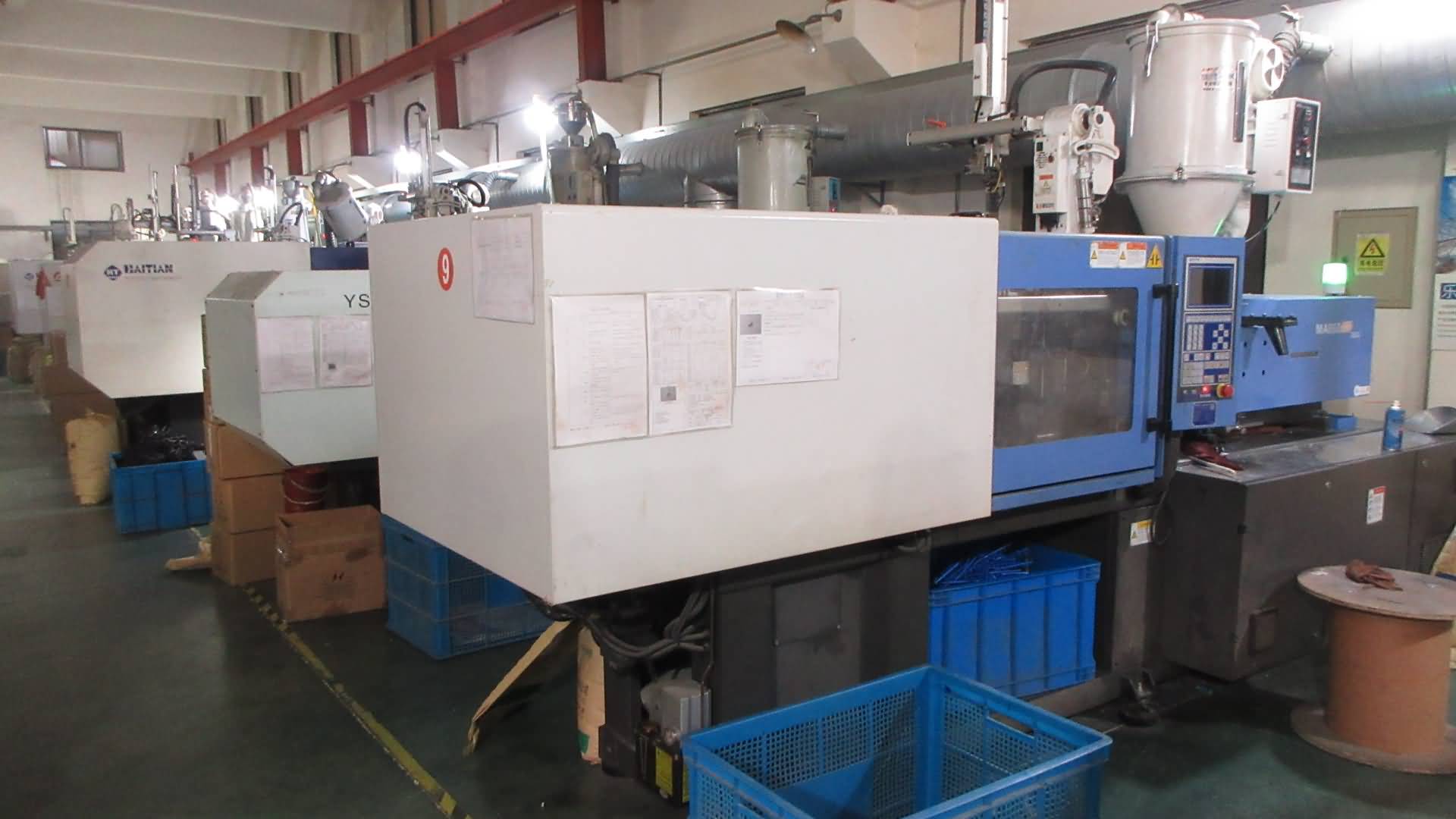
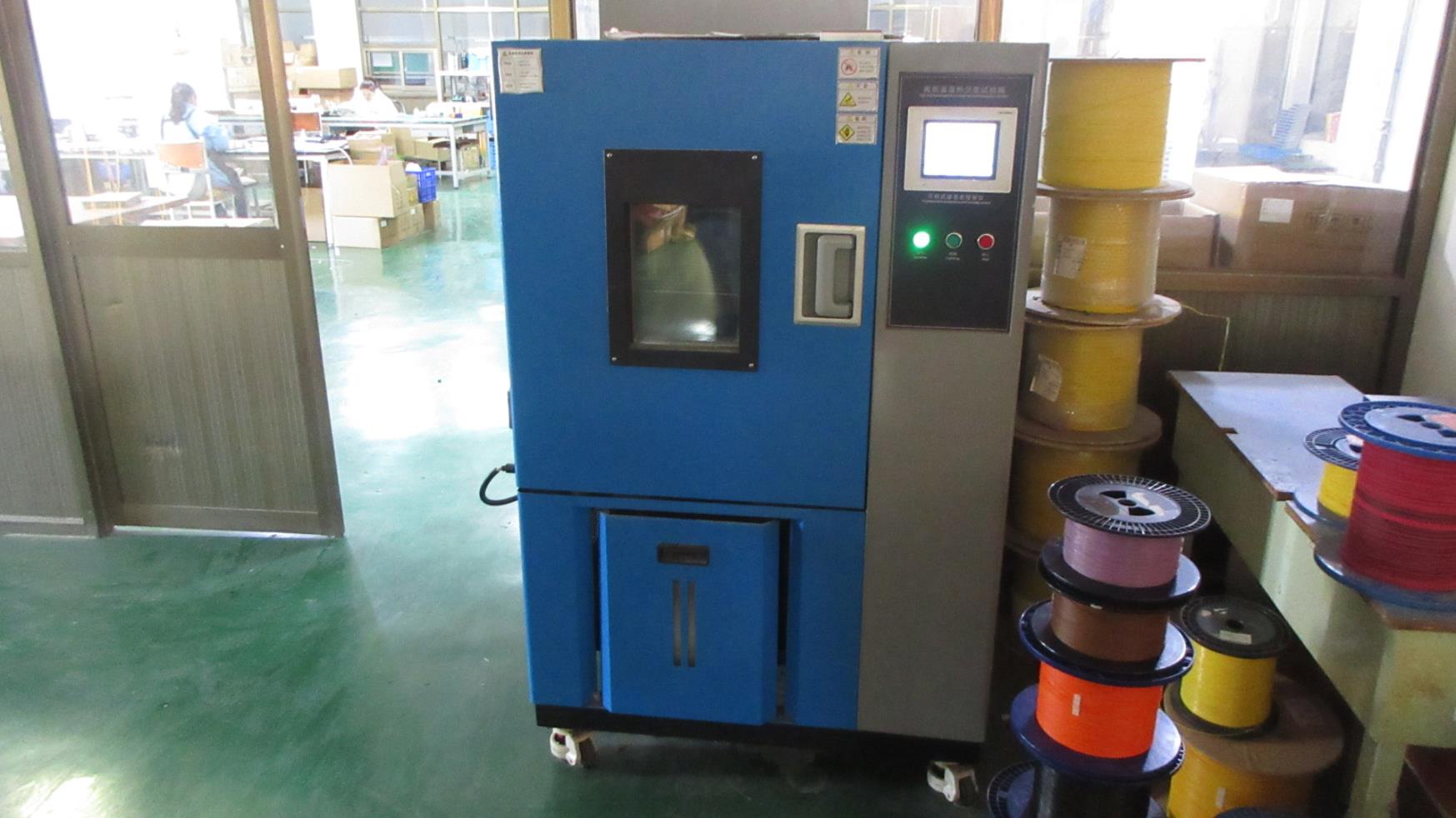
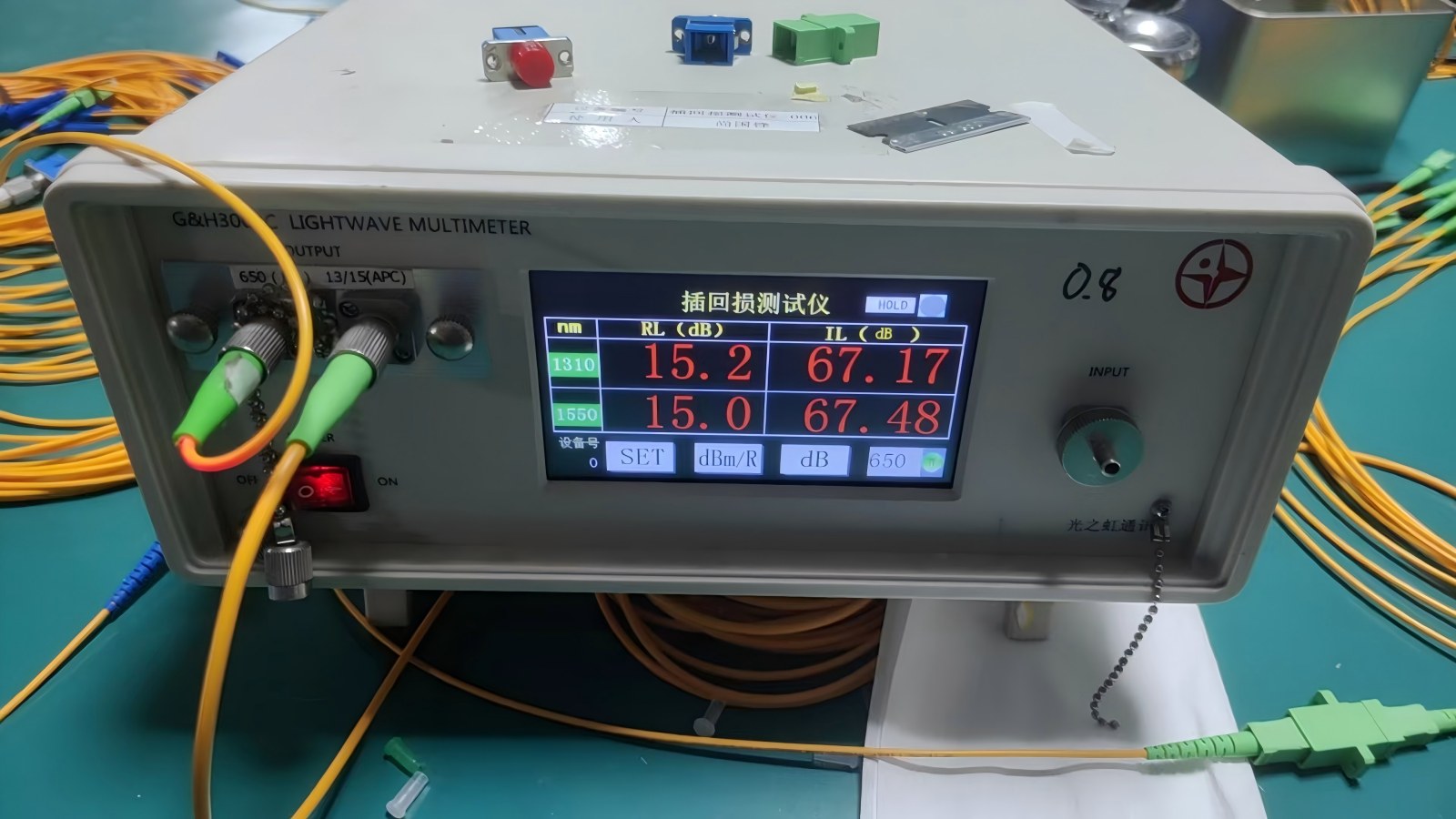
Located in Shenzhen, the heart of global electronics engineering, Equip-Link operates an advanced manufacturing system. From raw materials to final functional QC testing, our processes guarantee quality control, consistent unit output, and direct-from-factory cost efficiency.
In dense leaf-spine topologies, interconnecting servers and storage nodes to top-of-rack switches can become costly with optical fiber patch cords. Utilizing 10GBASE-T copper SFPs enables secure 10G links over Cat6a copper patches for distances up to 30m. This lowers SFP acquisition costs while maintaining standard data center latency thresholds.
Modern enterprise campuses deploying Wi-Fi 6E/7 Access Points face bandwidth requirements exceeding 1 Gbps. Upgrading to 2.5G/5G multi-rate copper SFPs allows existing Cat5e/Cat6 runs to support these elevated speeds. This saves organizations from having to execute expensive cable replacement campaigns inside building walls.
Industrial deployments face environmental challenges like extreme temperatures, electromagnetic interference, and dust. Our industrial-grade copper SFP modules operate reliably between -40°C and 85°C. Features like integrated ESD protection shields guarantee packet delivery in factories and outdoor smart city enclosures.
The primary concern for engineers procuring replacement or expansion transceivers is system compatibility. Many tier-one networking equipment manufacturers design their host devices to reject transceivers that do not have matching vendor cryptographic signatures stored in the module's onboard EEPROM.
Equip-Link employs specialized testing matrices and hardware programmers to upload compatible configurations for Cisco, HPE Aruba, Ubiquiti, Juniper, Arista, Dell, and Netgear systems. This careful process ensures our SFP transceivers pass compatibility handshakes upon installation. The host switch detects the module as if it were an original component, enabling full readouts of digital diagnostics (DDM/DOM), temperature, voltage, and signal strength.
With 9 years of export experience and an extensive supply chain containing more than 1,280 qualified partners, Equip-Link has streamlined custom ODM/OEM production routes. We support private labeling, custom firmware programming, and bespoke packaging styles for distributors and system integrators worldwide.
Our Quality Management System (QMS) includes incoming material inspections and automated optical testing. Combined with our 36-inspector QA team, we guarantee consistent quality and high yields, avoiding the field failures common in low-grade copper alternative transceivers.