Equip-Link
Equip-Link
Equip-Link
Explore our top-tier, multi-vendor compatible optical modules engineered for high reliability in rugged networking environments.
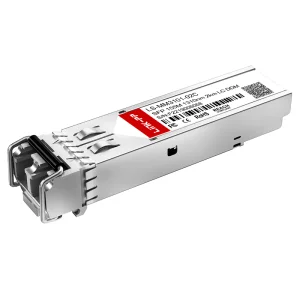
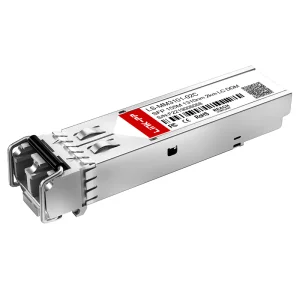
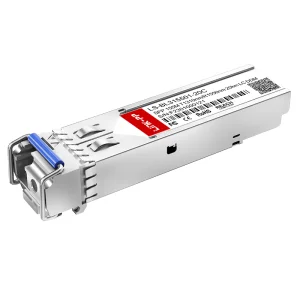
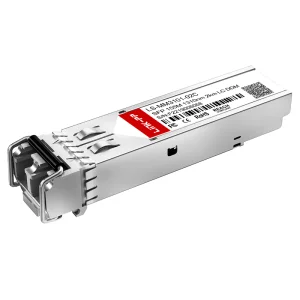
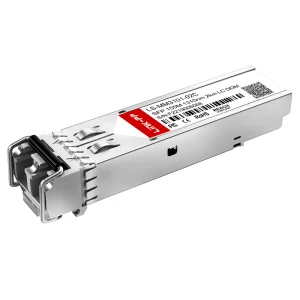
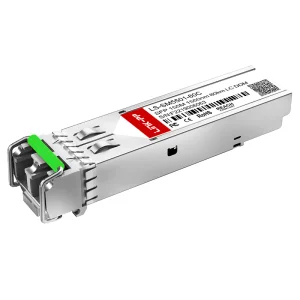
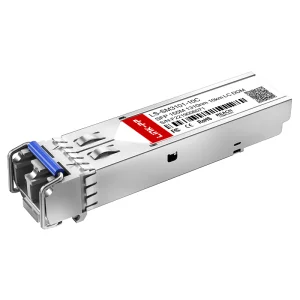
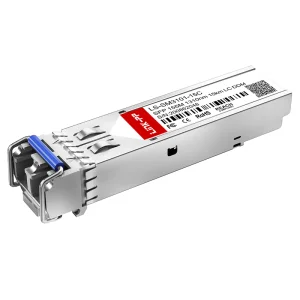
In an era dominated by Terabit optical transport networks and hyperscale data centers, low-speed optical transceivers operating at 155 Mbps (Fast Ethernet / STM-1 / OC-3) and 622 Mbps (STM-4 / OC-12) remain indispensable pillars of global critical infrastructure. While commercial networks focus heavily on 400G and 800G, industrial, utility, municipal, and transportation networks require persistent, deterministic, and highly reliable optical channels. These legacy platforms demand high-quality hardware replacements with modern engineering standards to avoid devastating system downtime.
As an industry-leading manufacturer and developer, Equip-Link Intelligent Equipment (Shenzhen) Co., Ltd. has dedicated over 14 years of engineering expertise to bridge the gap between historical infrastructure demands and modern, high-precision manufacturing. Through our robust inventory, multi-vendor custom firmware configurations, and rigorous environmental stress testing, we secure active lifecycles for critical telecom and industrial networks across 50+ countries.
The global market for 155M and 622M optical transceivers is primarily characterized by the maintenance, retrofitting, and expansion of deterministic OT (Operational Technology) networks. Mainstream telecom suppliers have gradually phased out support for low-speed legacy modules to focus on high-margin, high-speed modules. However, this has created a critical availability gap for systems that simply do not require Gigabits of throughput but absolutely require 99.999% uptime.
Unlike consumer or enterprise networks, industrial networks rely on legacy protocols such as SDH (Synchronous Digital Hierarchy), SONET (Synchronous Optical Network), and ATM (Asynchronous Transfer Mode). A failure in a 155M STM-1 optical link in a power grid substation or railway signaling system is not just an inconvenience; it represents a systemic failure that can impact public safety. As a result, the commercial demand for high-reliability, long-life, and wide-temperature 155M/622M SFP modules is actually growing in specialty sectors where stability outperforms sheer bandwidth.
We deploy specialized 155M and 622M optical solutions across a wide range of specific local environments where reliability is non-negotiable:
Modern power systems rely on the IEC 61850-3 standard, which requires communications equipment to withstand extreme electromagnetic interference (EMI) and temperature swings (-40°C to +85°C). Our industrial 155M SFP transceivers link protective relays and bay controllers back to central SCADA systems via single-mode fiber over distances up to 80km.
Urban rail and long-distance passenger transit systems rely on Communications-Based Train Control (CBTC) systems. In these environments, Moxa and Hirschmann Ethernet switches are populated with our 155M SFPs to maintain real-time, low-latency communication with wayside equipment. Trackside enclosures experience intense vibrations and thermal loads.
Explosive atmospheres and corrosive marine environments require certified optical modules. BiDi (Bidirectional) simplex SFP modules are widely deployed here because they reduce the physical fiber count in expensive offshore subsea cables, allowing companies to run critical low-speed sensor data over a single strand of fiber (up to 20km or 40km).
To help engineers and procurement teams select the appropriate module, the table below outlines the core differences and capabilities of legacy rate SFP transceivers:
| Module Type | Standard / Rate | Wavelength (nm) | Fiber Type | Max Distance | Laser Source | Application Environment |
|---|---|---|---|---|---|---|
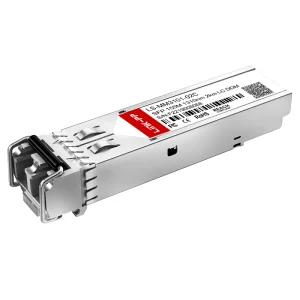
| 155M MMF 2km | 100BASE-FX / STM-1 | 1310nm | Multimode (OM1/OM2) | 2 km | FP Laser | Intra-facility, legacy switches, short-haul plant networks |
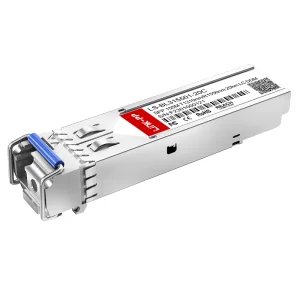
| 155M SMF 15km/20km | 100BASE-LX / STM-1 | 1310nm / 1550nm | Single Mode (OS2) | 15 - 20 km | FP / DFB Laser | Inter-station telecom, municipality rings, SCADA networks |
| 155M SMF 80km | 100BASE-ZX / STM-1 | 1550nm | Single Mode (OS2) | 80 km | DFB Laser | Long-haul power grid, railway trunking, remote sensor backhaul |
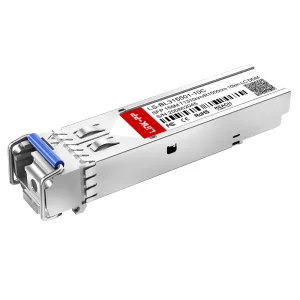
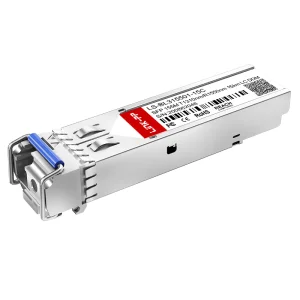
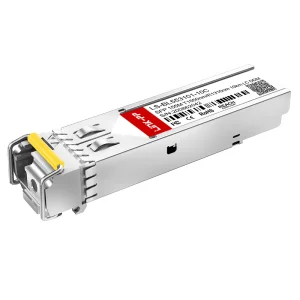
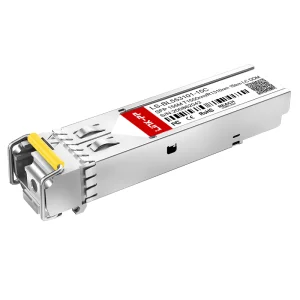
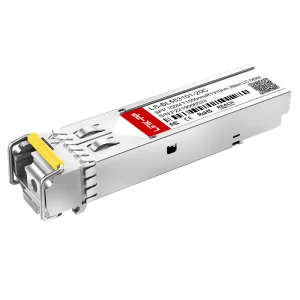
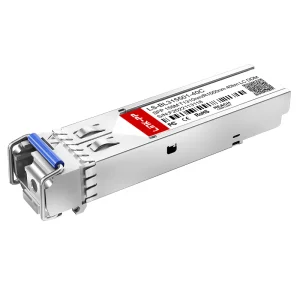
| 155M BiDi Simplex | BiDi Fast Ethernet | 1310Tx/1550Rx | Single Mode (OS2) | 10km - 40km | FP / DFB / PIN | Fiber-constrained links, long-distance industrial rings |
| 622M SMF Duplex | STM-4 / OC-12 | 1310nm / 1550nm | Single Mode (OS2) | 2km - 80km | DFB Laser | Legacy carrier transport networks, metropolitan legacy rings |
Combining strategic domestic resource ecosystems with stringent engineering standards to guarantee continuous B2B delivery.
Operating out of our high-precision assembly facility in Shenzhen, China, Equip-Link leverages a massive upstream supply ecosystem of more than 1,280 qualified partners. This integration allows us to keep raw material costs low, mitigate component shortages, and ensure a stable lead time for custom production runs.
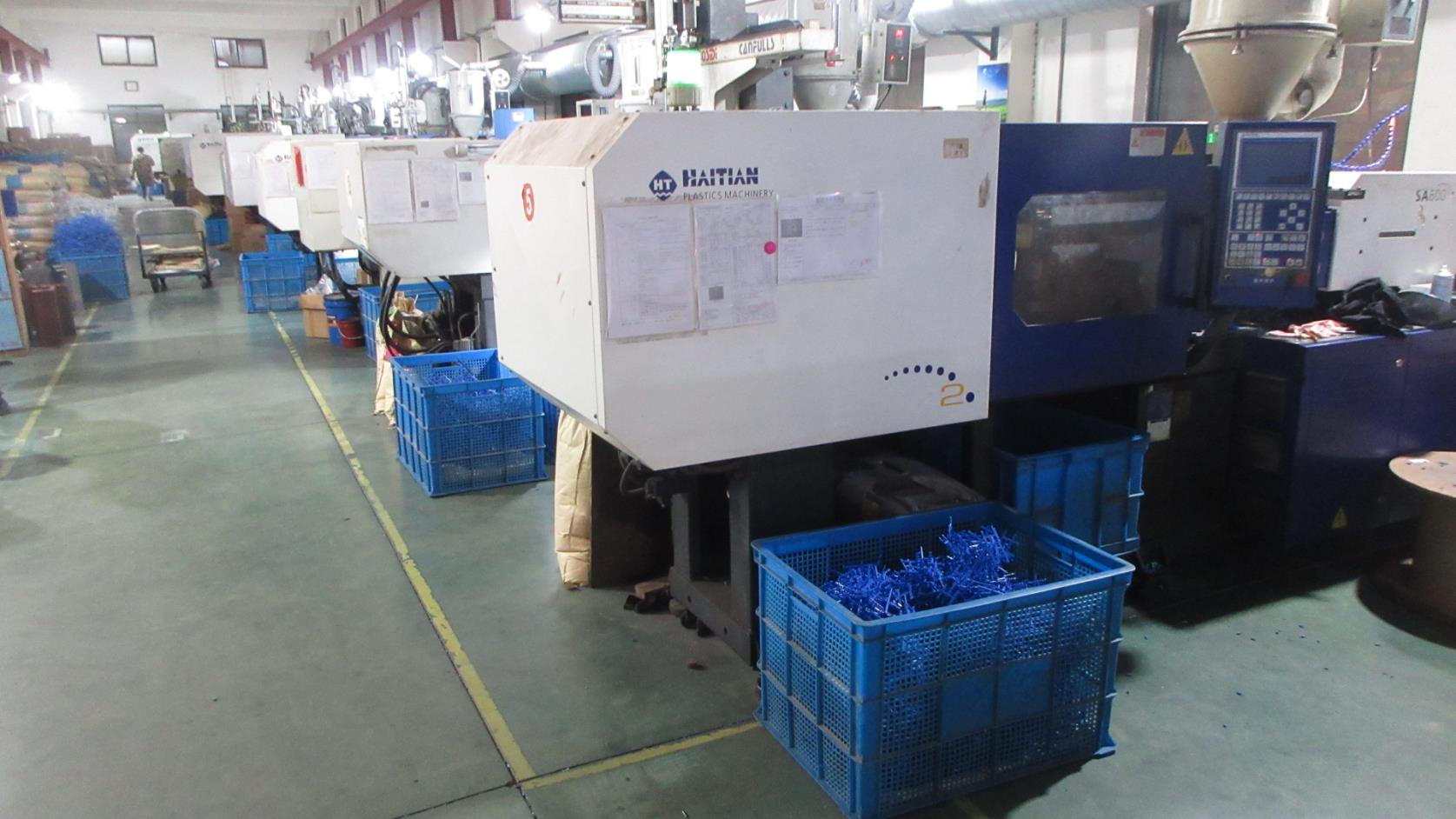
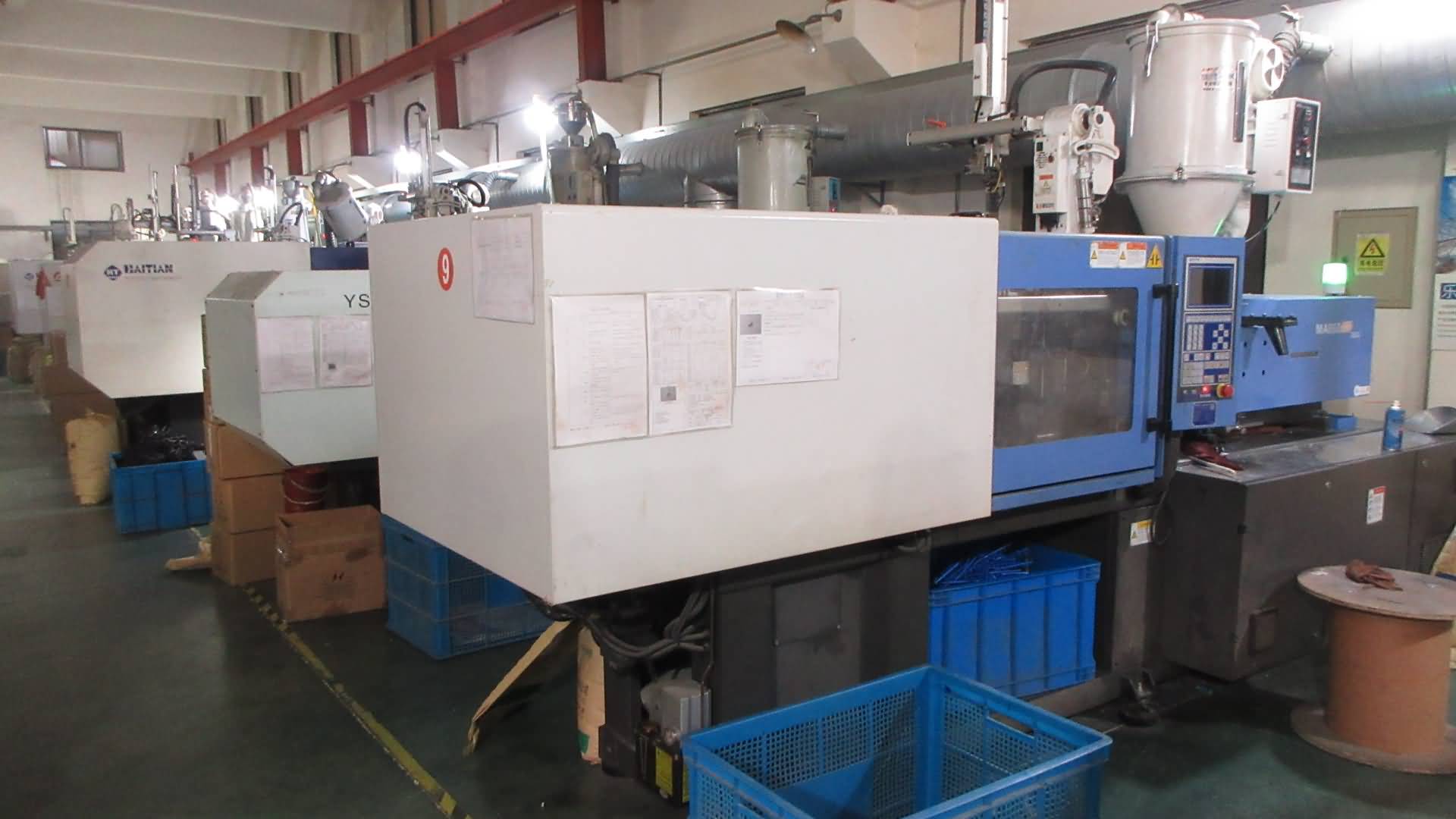
While our core physical assembly facility spans a highly optimized, high-efficiency space, it represents only the final stage of our extensive production capacity. By partnering with heavy-duty injection molding, optical sub-assembly (OSA), and PCB fabrication hubs across the region, we manage an annual export portfolio exceeding USD 18 million.
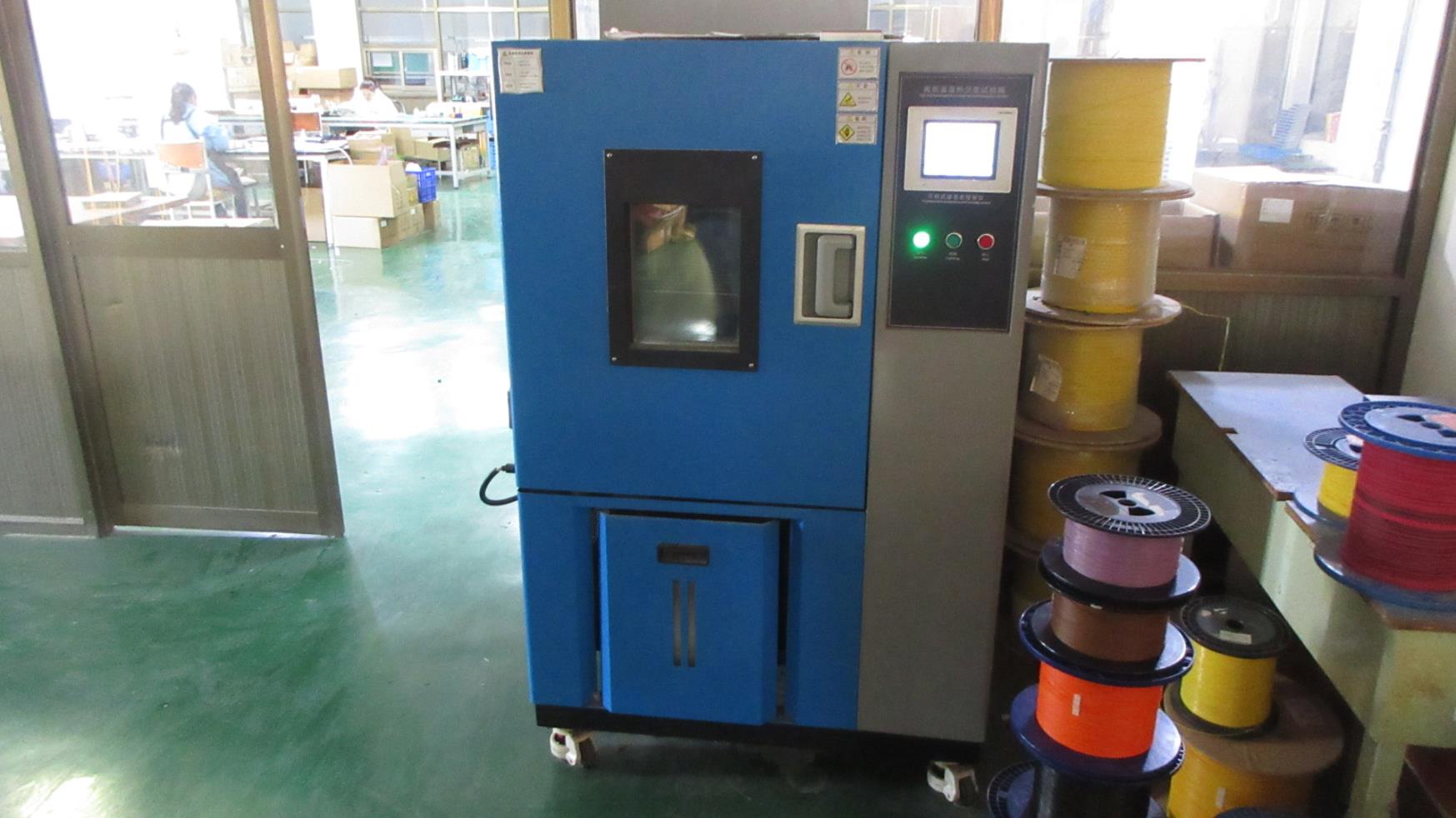
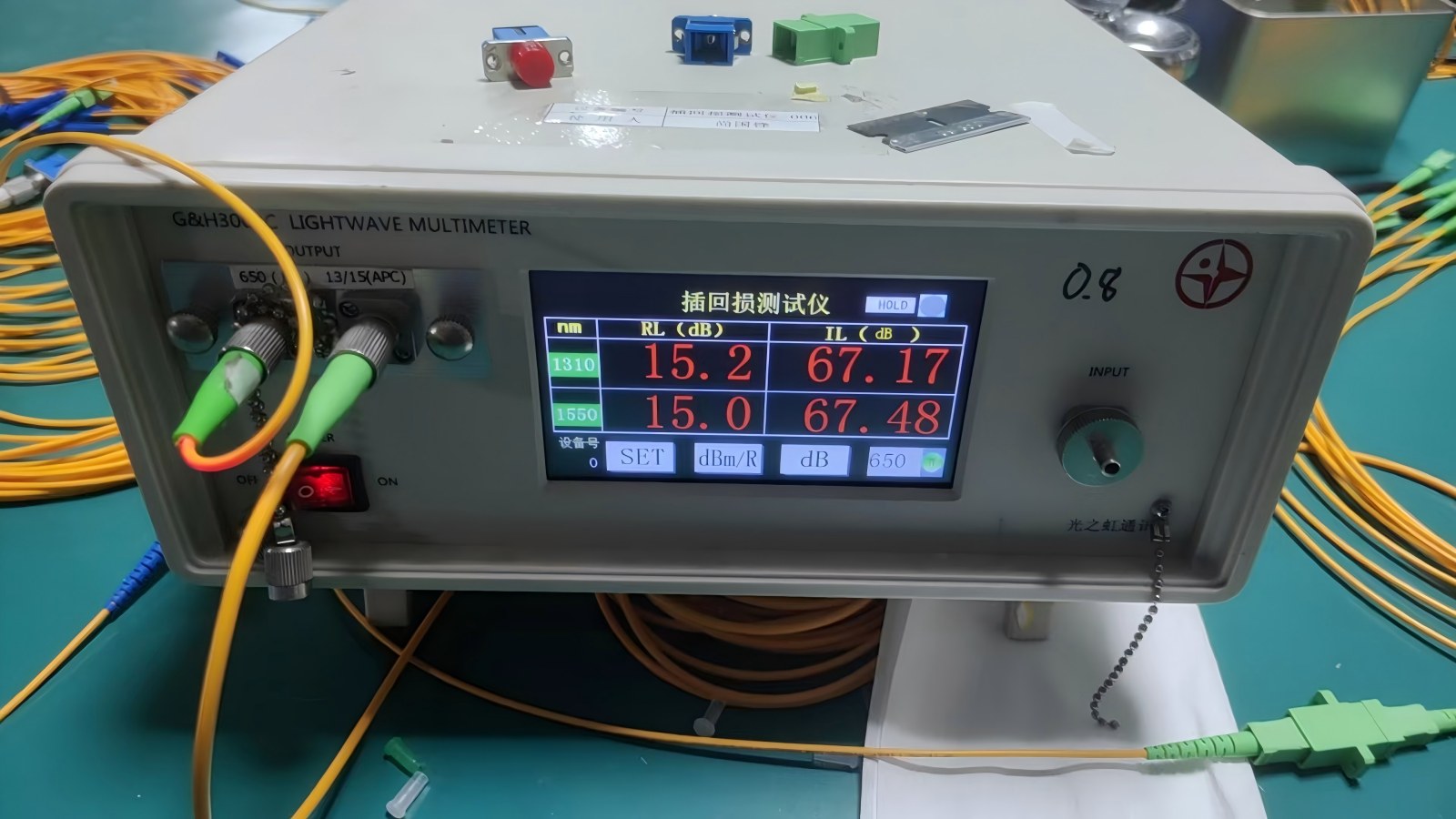
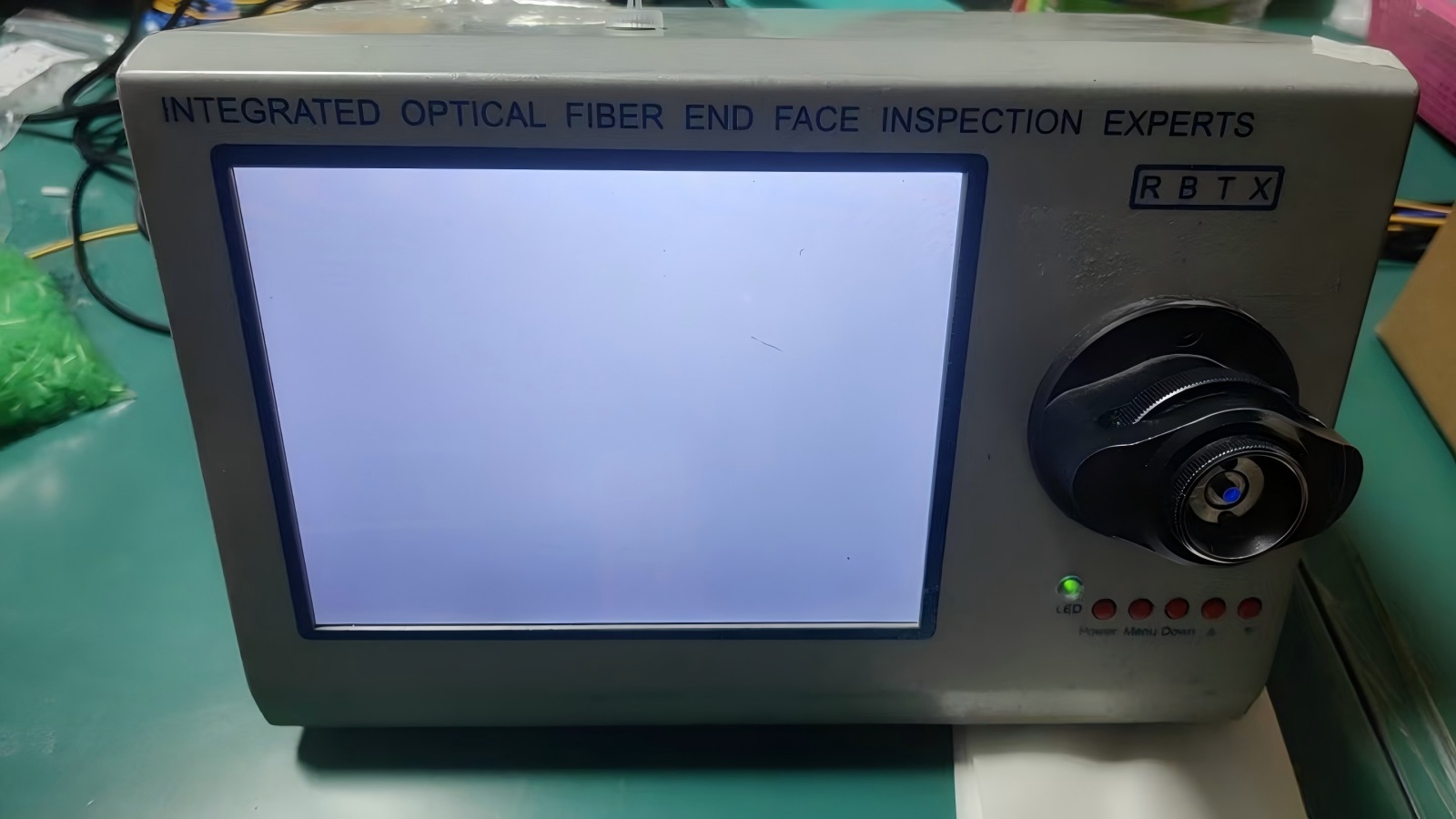
Our quality management system is supported by a dedicated team of 36 experienced QA inspectors. Every single transceiver is run through multi-phase quality gates—ranging from raw materials inspections to high-temperature damp heat test chambers and live optical performance profiling—ensuring error-free compatibility with leading switch brands.
How Equip-Link ensures long-term lifecycle management for critical networks.
We are continuously upgrading the chipsets in our 155M and 622M SFP transceivers. The latest generations utilize ultra-low-power laser drivers, reducing power consumption by up to 30%, which lowers operational heat and significantly extends the hardware lifetime inside enclosed industrial cabinets.
Historically, legacy low-speed transceivers lacked comprehensive telemetry. Equip-Link is integrating high-fidelity DDM microcontrollers across all single-mode 155M/622M modules, enabling operators to remotely monitor real-time metrics such as temperature, optical TX power, optical RX power, and laser bias current.
Through active EEPROM research and firmware analysis, our R&D department continues to expand the compatibility database. Last year alone, we deployed 126 new compatible variations, securing seamless plug-and-play operations with legacy hosts from Moxa, Hirschmann, Cisco, Juniper, HP, and Alcatel-Lucent.
Procuring industrial hardware from China requires strict adherence to international safety and compatibility standards. Equip-Link provides a comprehensive suite of compliance certifications to satisfy the risk management boards of global utility operators and public-funded infrastructure projects:
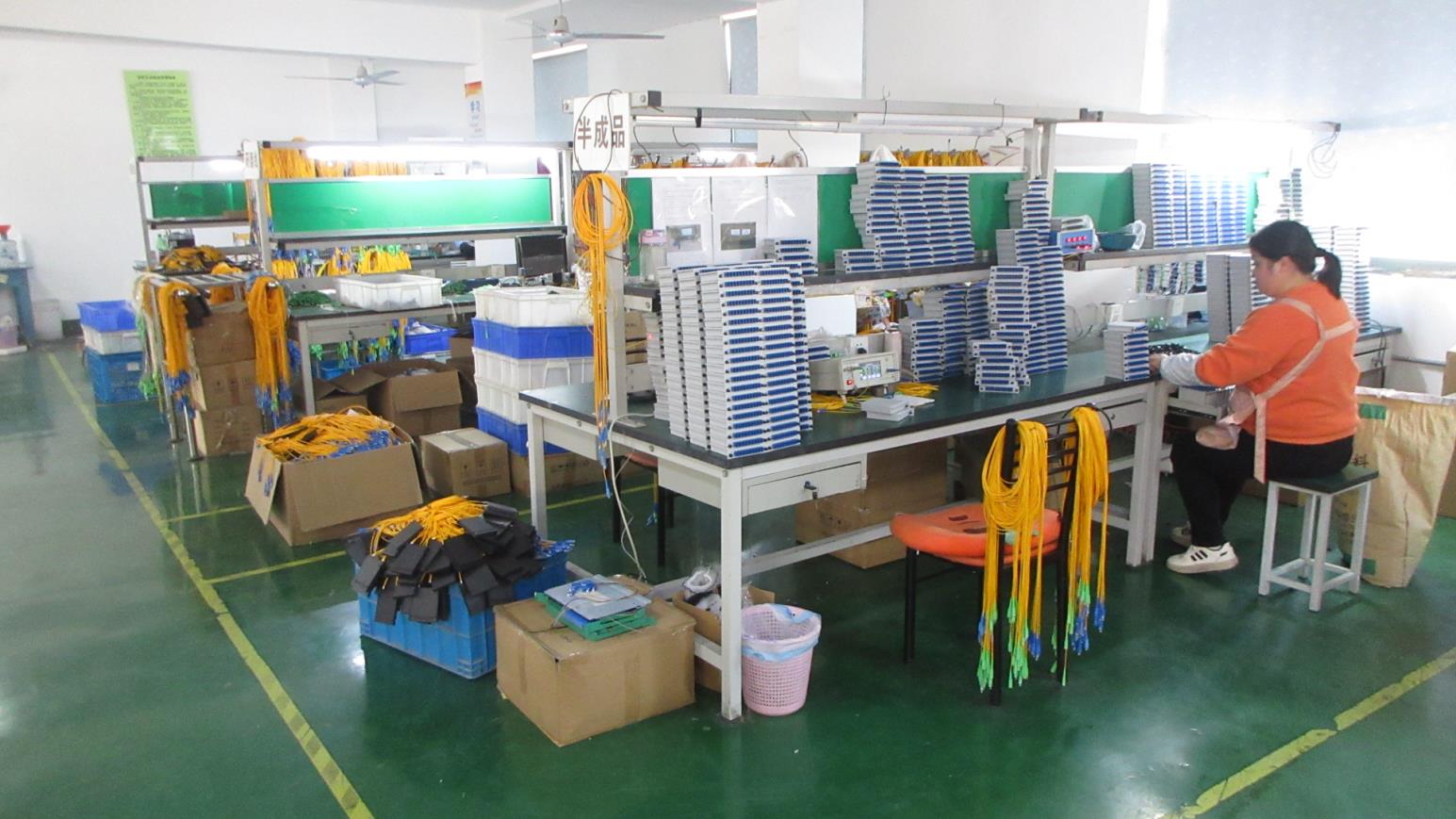
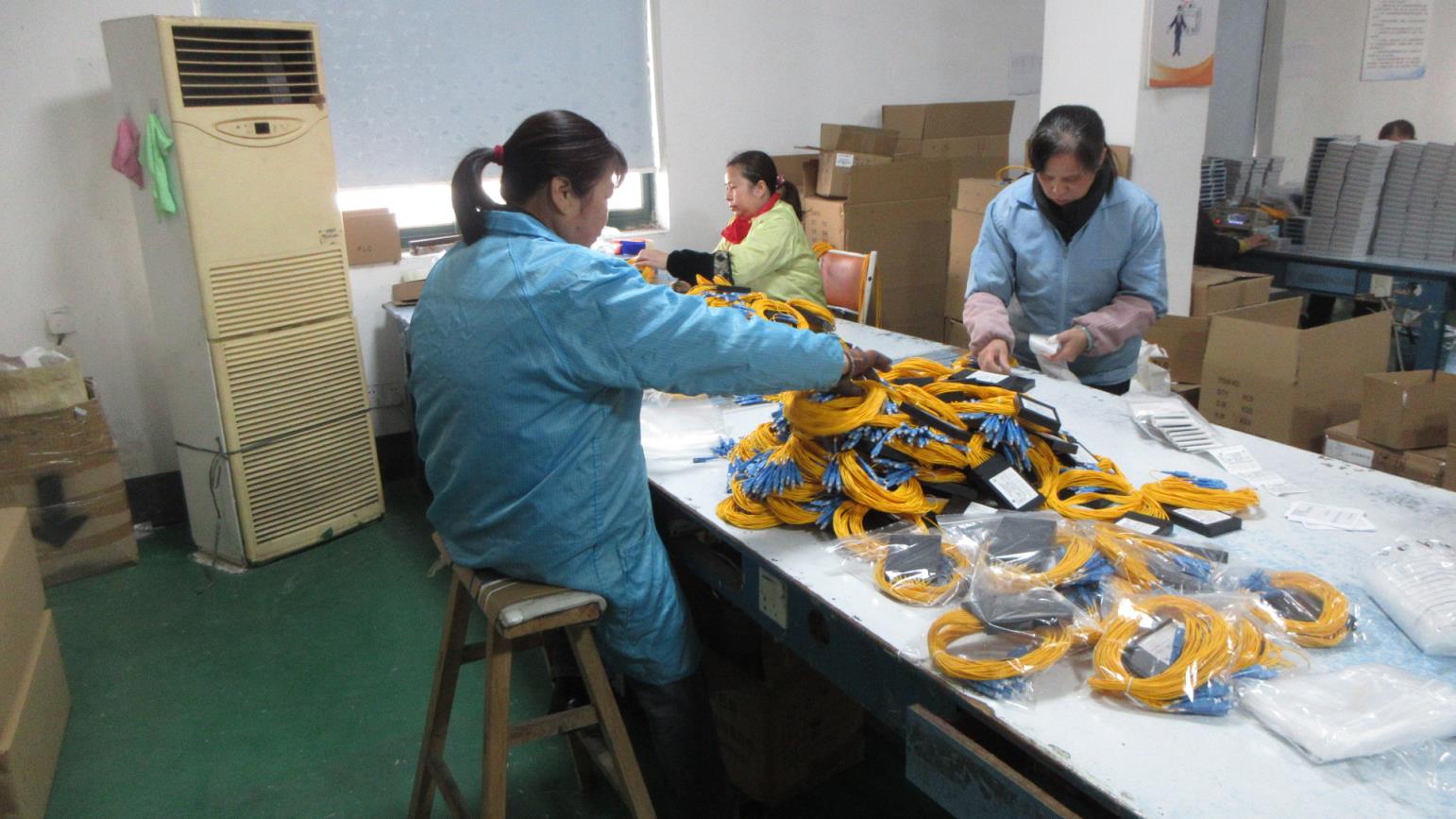
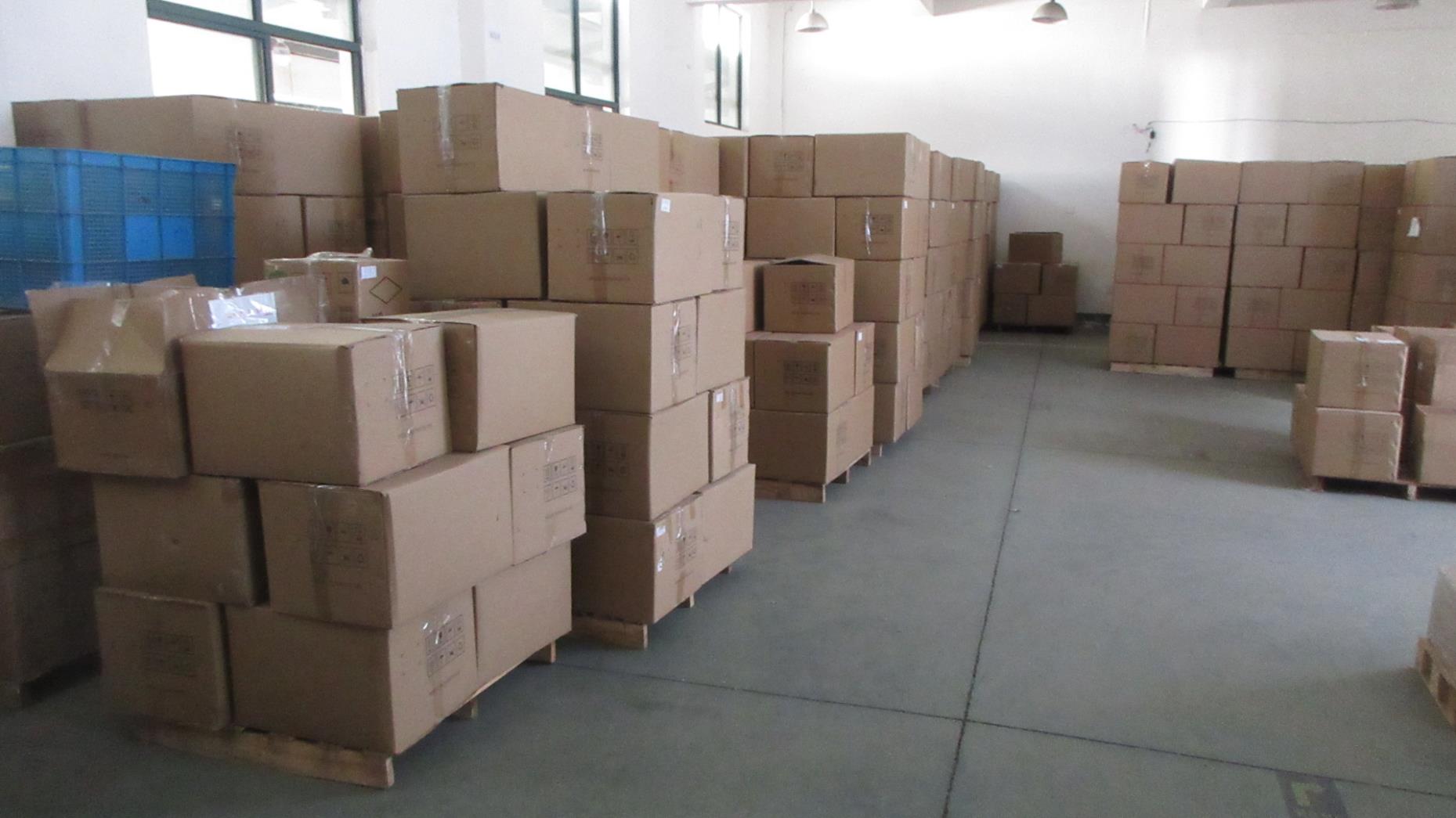
A look inside Equip-Link’s advanced manufacturing workflow, raw material sorting, assembly lines, and optical validation labs.

Answers to complex B2B engineering and procurement questions surrounding legacy optical networks.
Complete your deployment with our range of Single Mode, BIDI, and long-reach transceivers designed for high-density optical switches.