Equip-Link
Equip-Link
Equip-Link
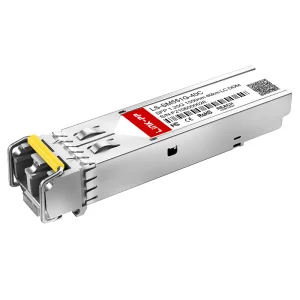
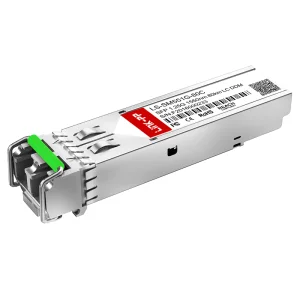
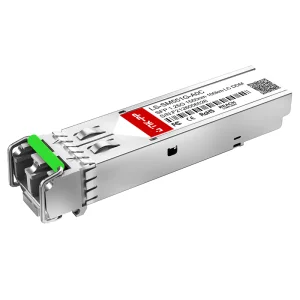
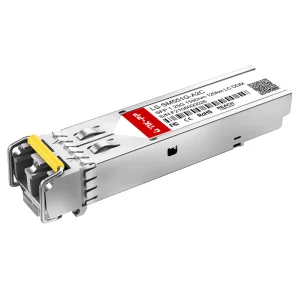
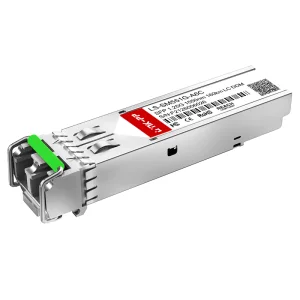
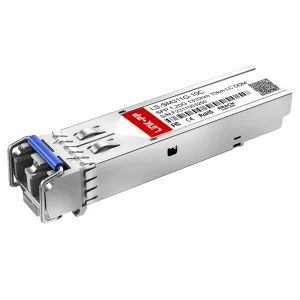
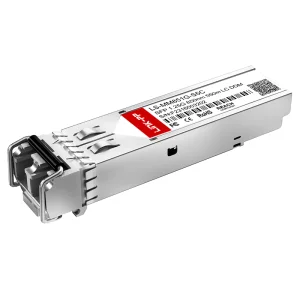
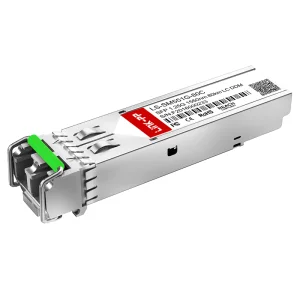
Explore our top-selling 1.25G SFP transceivers engineered for unmatched stability, long transmission distances, and robust multi-vendor compatibility.
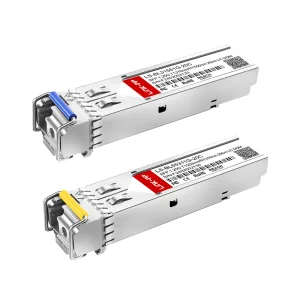
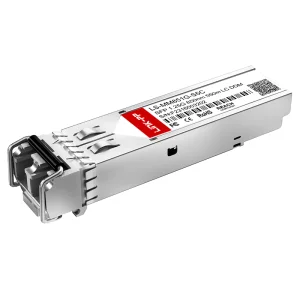
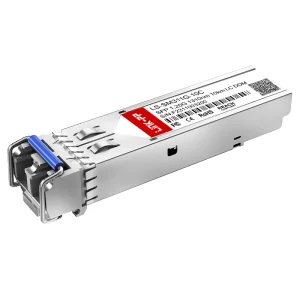
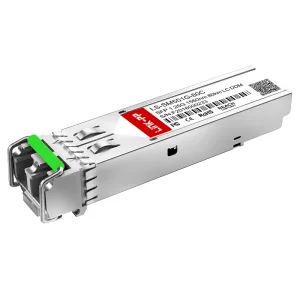
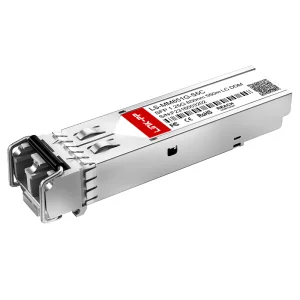
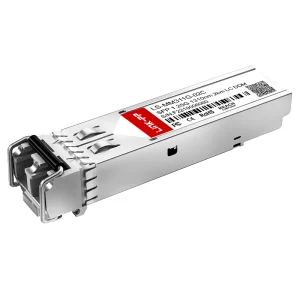
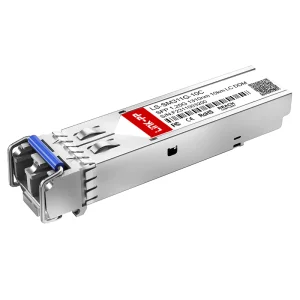
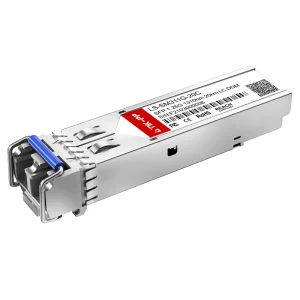
Founded in 2017, Equip-Link Intelligent Equipment (Shenzhen) Co., Ltd. has established itself as an authoritative leader in high-performance optical transceiver engineering. Supporting major international operators and cloud architectures, our scientific R&D coupled with strict quality validation standards underpins our market leadership.
Our modern 380 square meter facility operates with state-of-the-art clean-room standards, utilizing high-precision optical alignment tools and performance validation systems to exceed the strict tolerances demanded by global networks.
Exploring the technical resilience, cost efficiency, and performance engineering of 1.25Gb/s Small Form-Factor Pluggable (SFP) architectures.
While global hyper-scale data centers aggressively scale towards 400G and 800G optical engines, 1.25G SFP transceivers remain an indispensable foundation for optical access networks, enterprise campuses, and industrial automation networks. The longevity of 1.25Gb/s networks is driven by their unmatched balance of power efficiency, thermal endurance, and cost effectiveness. In applications such as Fiber-to-the-Home (FTTH) backhaul, industrial IoT (IIoT) sensor networks, and legacy telecom networks, transitioning to higher bandwidth formats is economically and structurally unnecessary.
Moreover, the technological progression within 1.25G architectures has not stagnated. Modern SFP transceivers leverage state-of-the-art optical sub-assemblies (TOSA/ROSA) to support advanced multiplexing methods like Bidirectional (BiDi) transmission. By sending and receiving signals over a single strand of fiber using distinct wavelengths (e.g., 1310nm-TX/1550nm-RX), operators can immediately double their fiber capacity without running new cables, saving significant infrastructure capital.
Global optical transceiver procurement has shifted from a raw cost-per-unit focus to analyzing the Total Cost of Ownership (TCO) and system availability. Enterprise IT leaders, system integrators, and telecom operators prioritize optical modules that deliver high reliability and absolute compatibility. The primary issue with budget-grade transceivers is their high failure rate under thermal stress and their inability to communicate with host platforms due to proprietary software lockouts.
Equip-Link meets these critical enterprise requirements by delivering transceivers that comply with MSA standards and support Digital Optical Monitoring (DOM) per SFF-8472. DOM provides network administrators with real-time access to critical operating metrics such as laser bias current, optical output power, receiver sensitivity, operating temperature, and voltage. This enables proactive network maintenance, minimizing unplanned downtime and protecting mission-critical operations.
Our 1.25G SFP modules are deployed across diverse sectors to solve various networking challenges:
From premium materials to rigorous optical testing, explore our transparent manufacturing process ensuring high reliability.


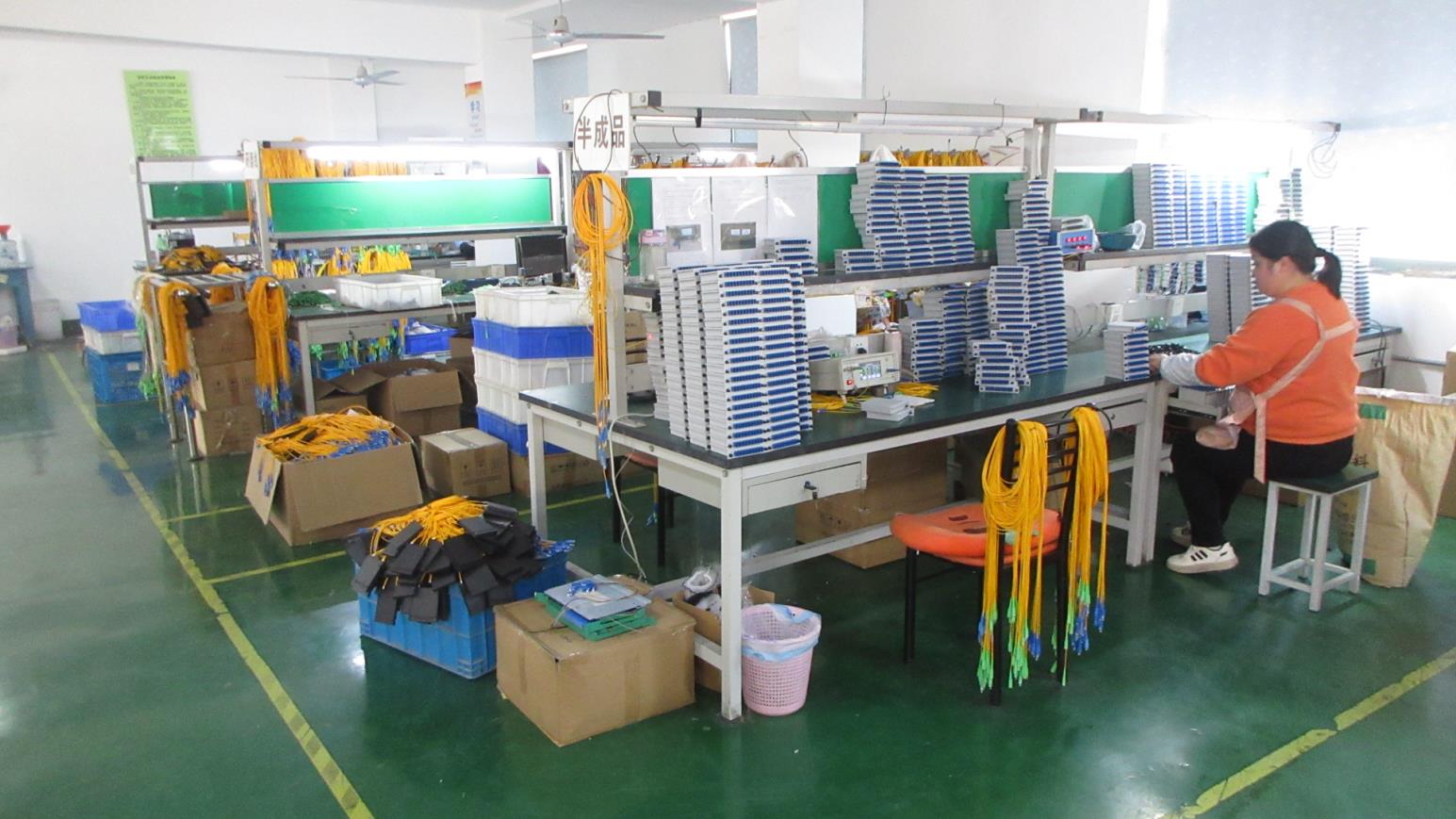

Our managed warehouse maintains optimized stock levels of core 1.25G SFP components to support fast global shipping and high-volume demand.

Every batch of transceivers undergoes rigorous optical performance and environmental stress testing using advanced testing systems.

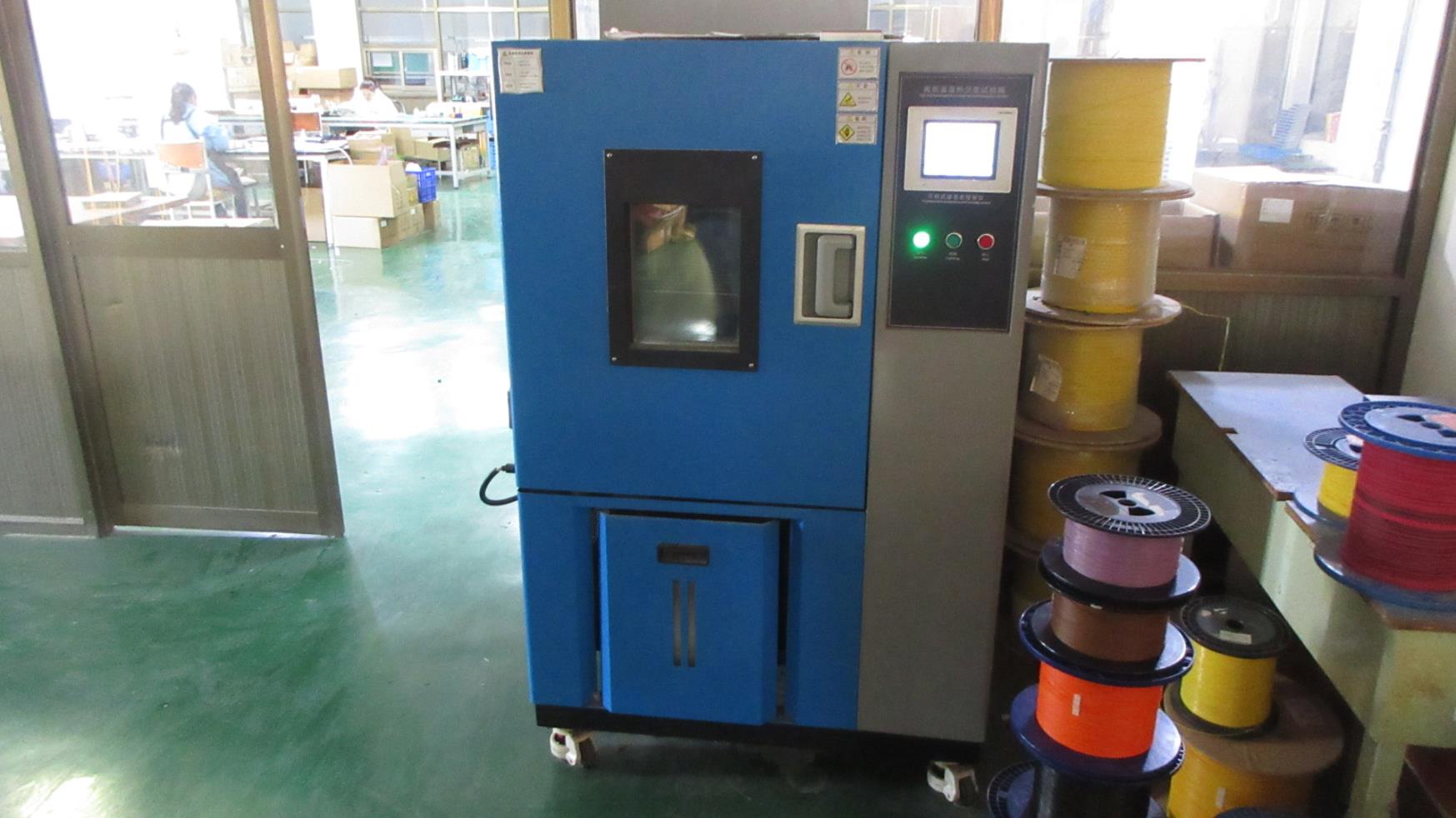
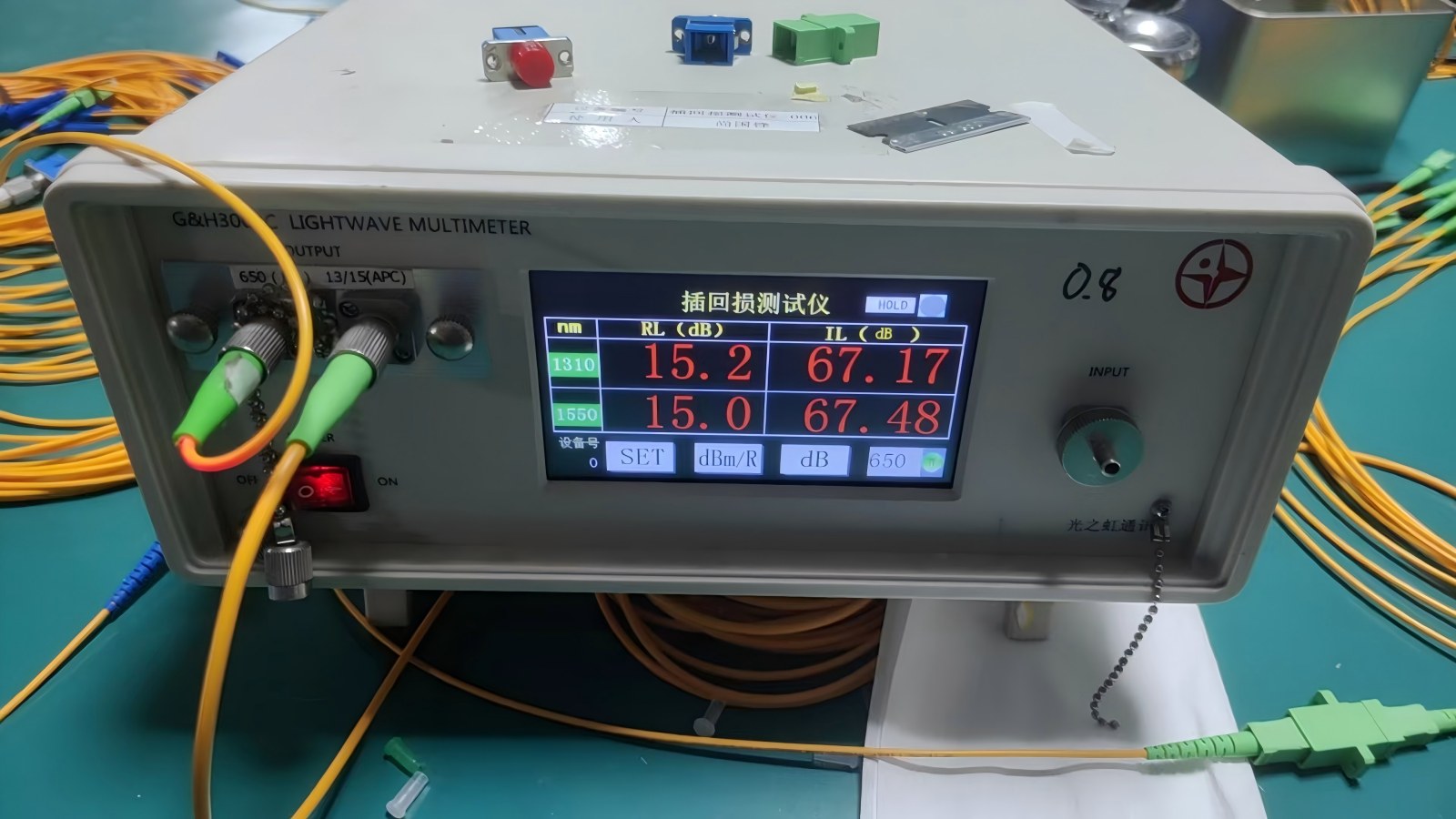
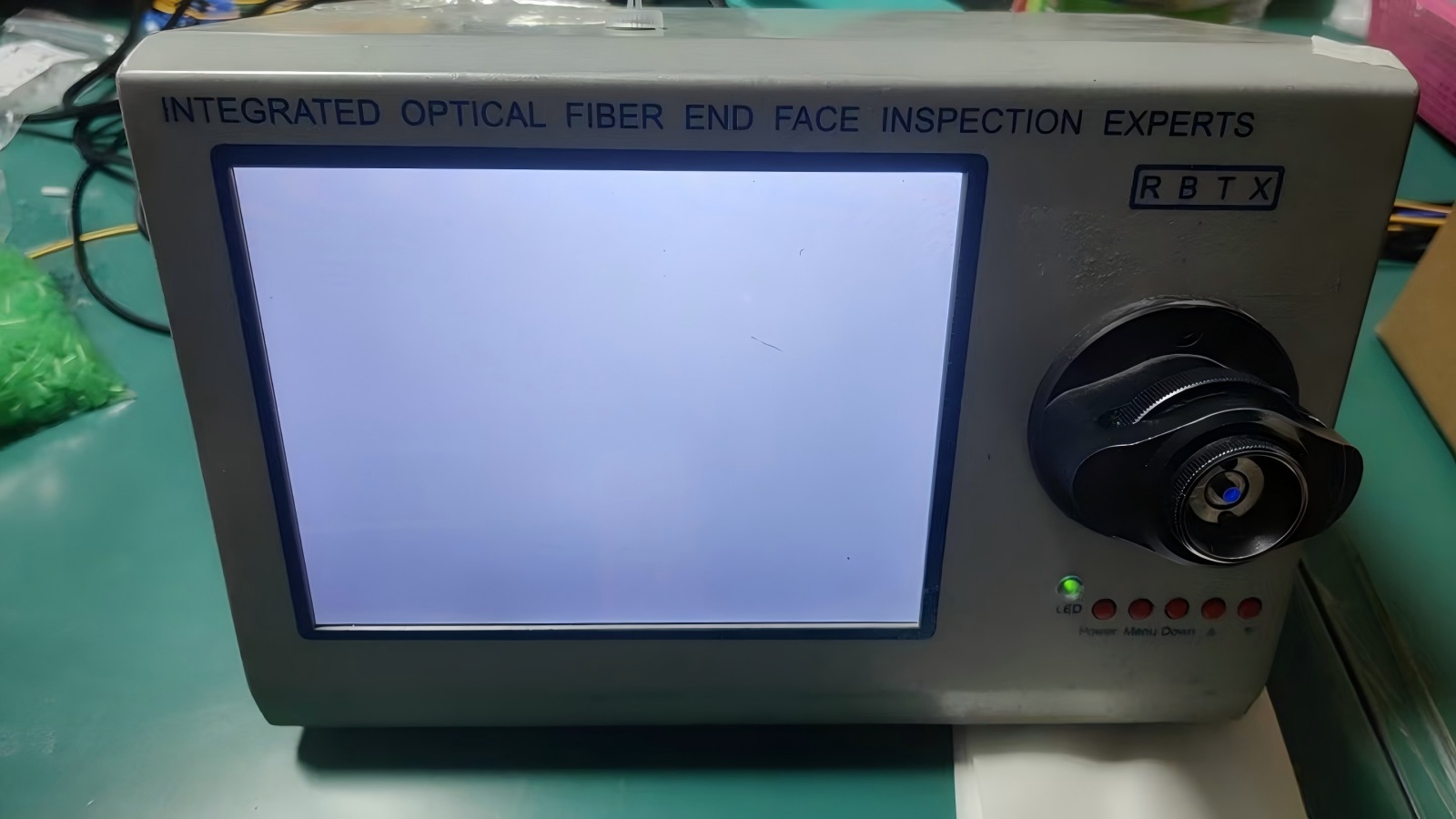
Uncleaned optical connector end faces are the leading cause of signal degradation and transceiver failure. Our testing process ensures zero dust contamination and perfect geometry on every fiber mating surface.
Overcoming vendor lock-in with precise EEPROM programming and customized hardware design.
Modern networking switches use software lockouts to prevent the use of third-party transceivers. To bypass this, Equip-Link's engineering team maintains a database of host configuration codes for major switches like Cisco, Juniper, HPE, Arista, Dell, and Huawei.
By custom-programming the transceiver's onboard EEPROM to match these device profiles, our modules integrate seamlessly, preventing error codes like "transceiver unrecognized" and enabling smooth operation.
Our engineering roadmap highlights key trends in edge and industrial networks.
Reducing power consumption to under 0.8W per module to lower energy costs in large deployments.
Scaling 1.25G Single-Fiber BiDi links to 160km to optimize optical distribution networks.
Developing multi-rate transceivers that adapt from 1G to 10G, supporting step-by-step network upgrades.
Get expert answers to technical and compatibility questions regarding 1.25G SFP modules.
Explore our long-haul and industry-standard SFP optical transceivers, designed to maintain link stability across long distances and demanding conditions.