Equip-Link
Equip-Link
Equip-Link
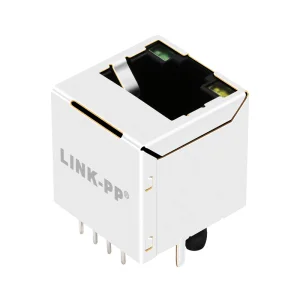
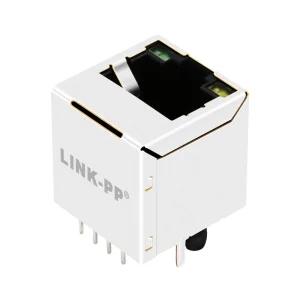
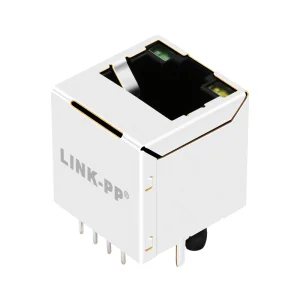
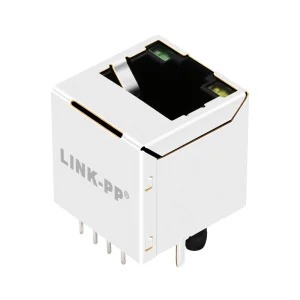
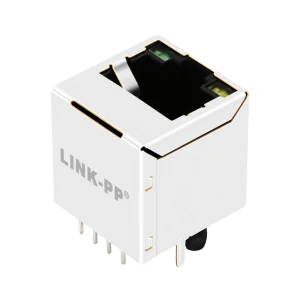
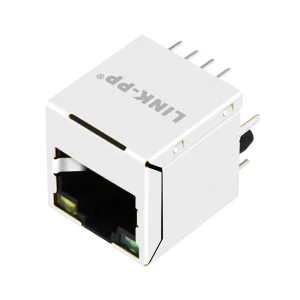
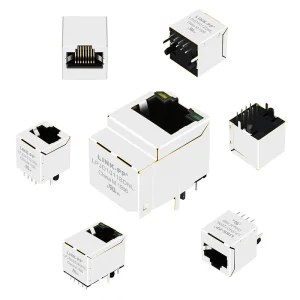
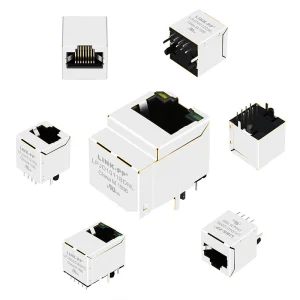
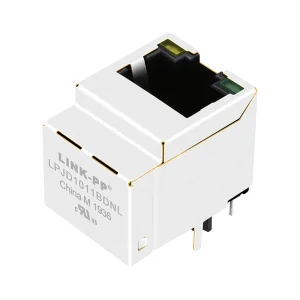
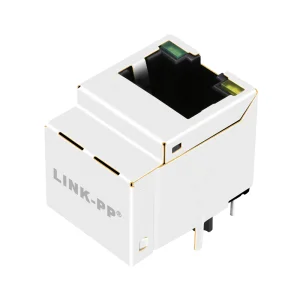
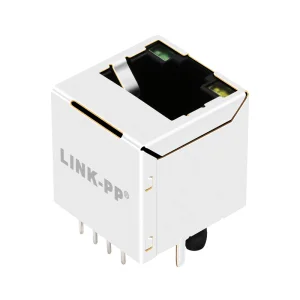
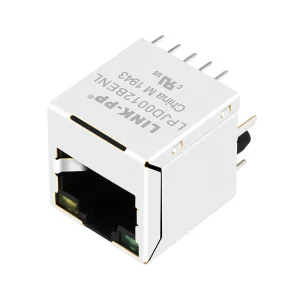
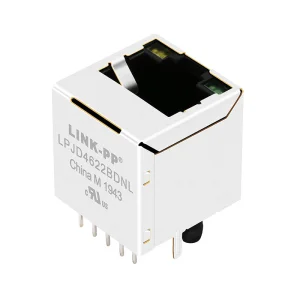
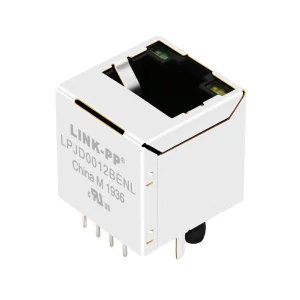
In the realm of high-speed data transmission and PCB layout engineering, mechanical orientation defines performance limits. The Vertical RJ45 Connector (commonly known as a top-entry RJ45 connector) represents a critical design paradigm. Unlike standard right-angle connectors that route signals parallel to the PCB surface, the vertical RJ45 female connector stands perpendicular to the board surface. This structural layout provides hardware engineers with three main engineering advantages: PCB real estate optimization, thermal mitigation space, and balanced signal routing pathways.
As transmission standards evolve from Gigabit Ethernet to 2.5G, 5G, and 10G Base-T speeds, the vertical design minimizes the footprint requirement on density-constrained PCBs. This footprint reduction is particularly critical in industrial blade servers, high-density routers, IoT gateways, and modular telecommunications frames where horizontal edge space is highly restricted. By moving the mating axis to 90 degrees relative to the PCB plane, designers can pack multiple vertical ports adjacent to other system components, optimizing overall space efficiency.
High-frequency data rates demand strict impedance control and crosstalk containment. Vertical RJ45 connectors feature shorter, symmetrical internal lead frames that help match differential impedance, reducing Near-End Crosstalk (NEXT) and Far-End Crosstalk (FEXT). Additionally, with the rise of PoE, PoE+, and PoE++ (IEEE 802.3bt), connectors must support currents up to 960mA per pair without degradation. Robust manufacturing tolerances ensure that vertical RJ45 jacks dissipate thermal buildup safely away from dense adjacent surface-mount components, preventing delamination or localized system overheating.
Industrial procurement departments faces several sourcing challenges: fluctuating raw material costs (particularly copper and specialized high-temperature plastics), shipping delays, and compliance issues like RoHS, REACH, and UL certification. Sourcing standard connectors requires balancing unit pricing, component durability, and long-term supply chain reliability.
Industrial applications in North America, Germany, Japan, and other technology centers require components that withstand continuous operation. In factories, automated warehouse machinery, and outdoor base stations, connectors are subjected to thermal stress, mechanical vibration, and electromagnetic interference (EMI). As a result, procurement specialists must evaluate critical performance parameters:
1. Shielding & EMI Suppression: Fully shielded metal housings with integrated grounding tabs prevent electromagnetic noise from degrading high-frequency data packets.
2. Magnetic Integration (MagJacks): Built-in isolation transformers and common mode chokes reject noise and protect delicate physical-layer (PHY) silicon from high-voltage spikes.
3. Solder Process Compatibility: Connectors must survive standard Reflow Soldering (for SMT) or Wave Soldering processes, demanding high-temperature LCP (Liquid Crystal Polymer) insulating housings that prevent blister packaging defects during processing.
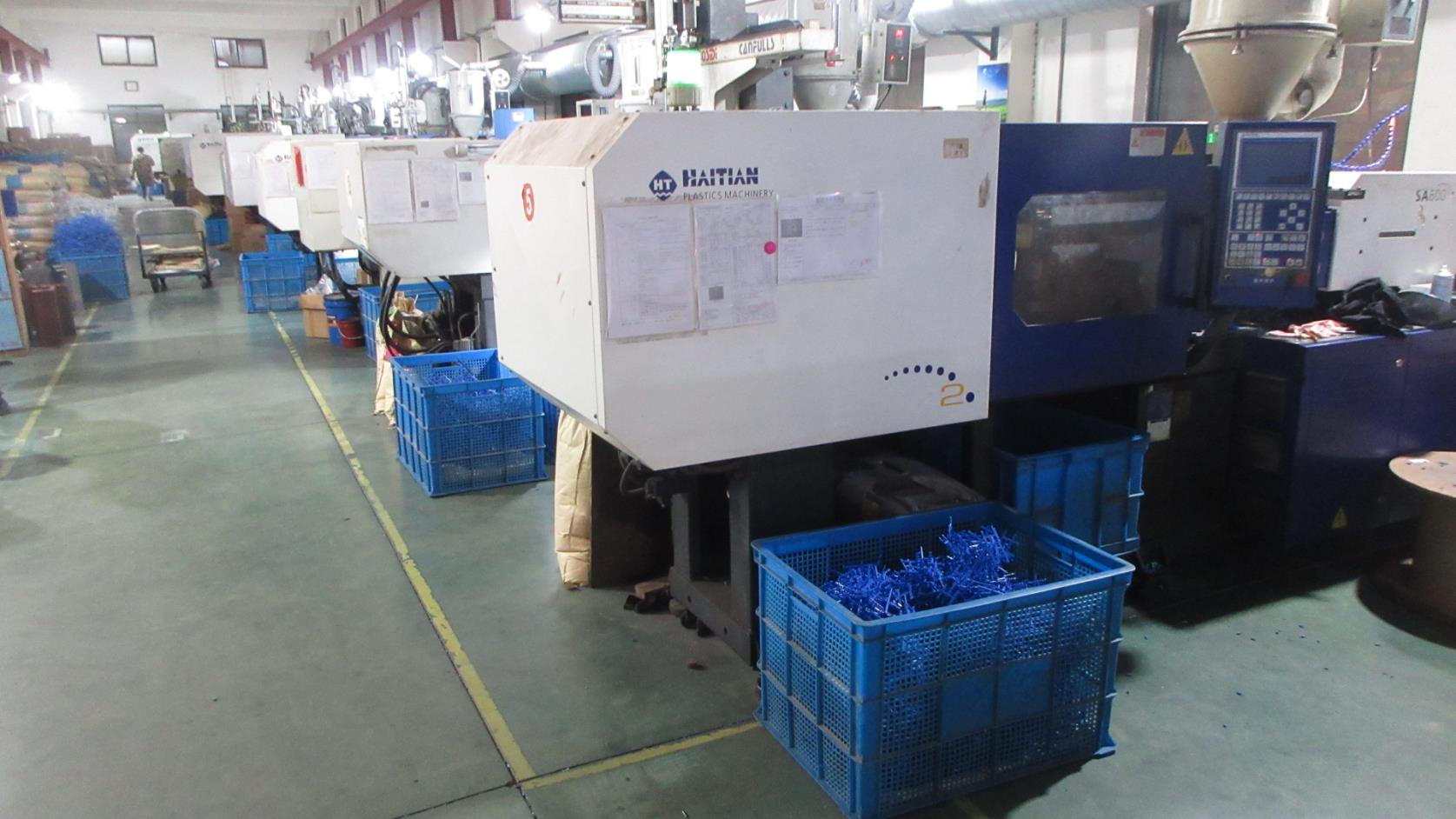
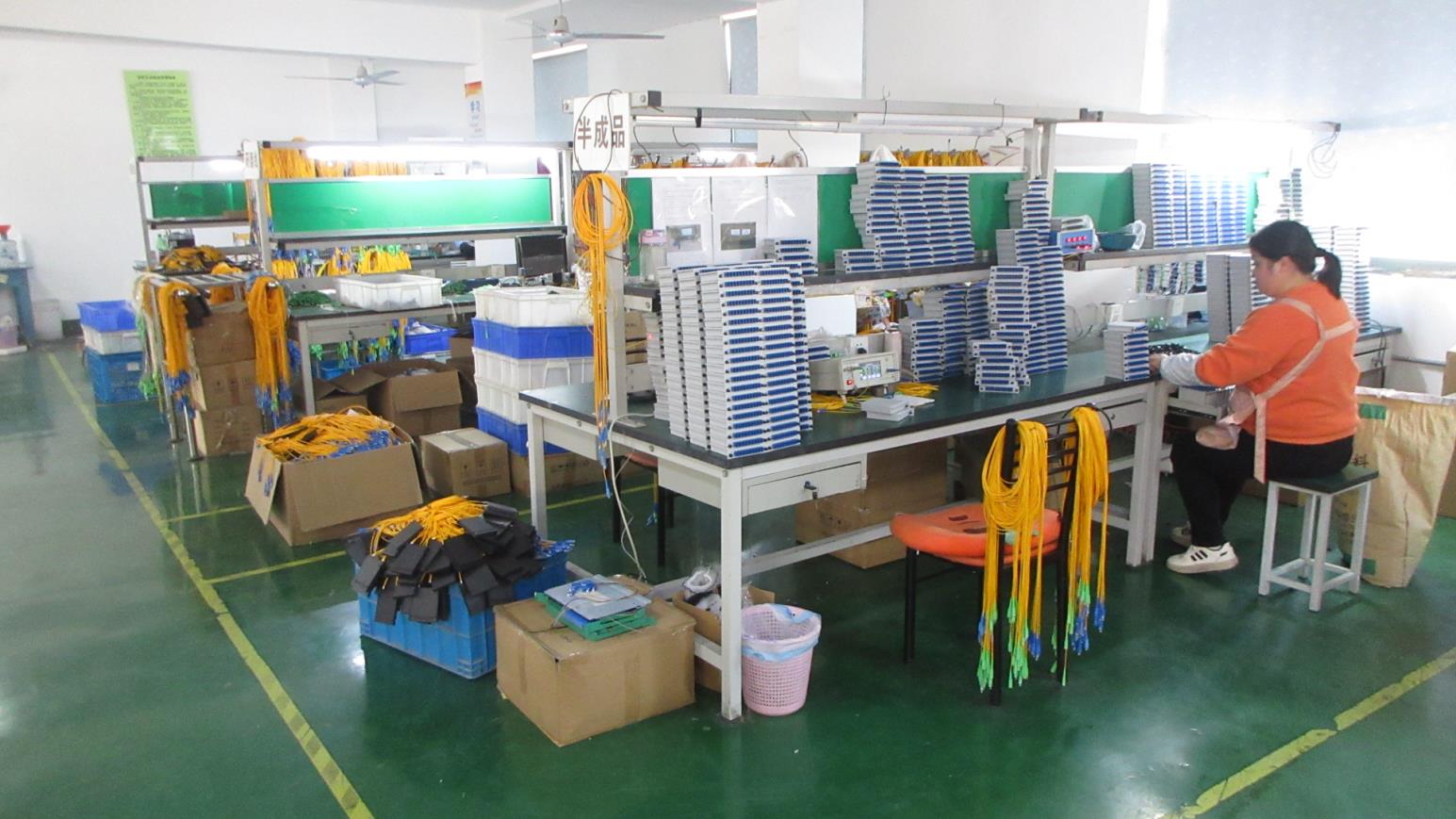
As global industries demand shorter production cycles and strict component consistency, leading Chinese manufacturers are adopting Factory 4.0 automation. Advanced connector assembly processes utilize precision injection molding, high-speed automated stamping, and intelligent vision-based quality control to ensure zero-defect production runs.
A prime example of this industrial capability is Equip-Link Intelligent Equipment (Shenzhen) Co., Ltd.. Founded in 2017, Equip-Link has evolved into a key supplier of optical and copper interconnect solutions. Backed by 9 years of export experience and 14 years of industry expertise, our engineering teams design high-speed communication products, including transceivers (ranging up to 800G) and vertical board-level RJ45 connectors.
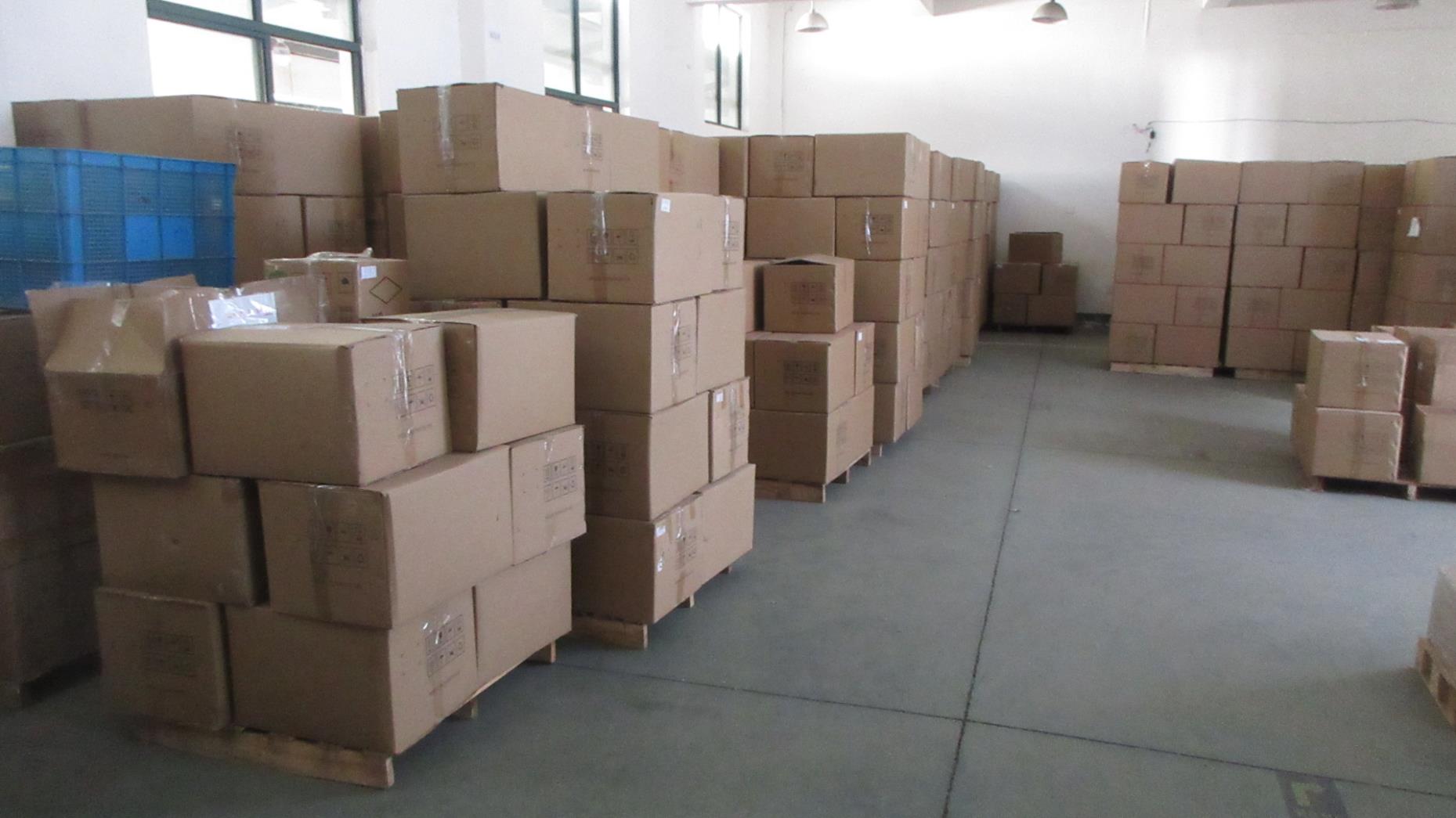
Our modern manufacturing facility covers a specialized area of 380 square meters and is equipped with advanced production and testing machinery to ensure consistent quality and reliable performance. With an annual export revenue exceeding USD 18 million, Equip-Link maintains partnerships with customers in more than 50 countries across North America, Europe, Southeast Asia, the Middle East, and South America. Our supply chain includes over 1,280 qualified partners, ensuring stable production capacity and prompt delivery schedules.

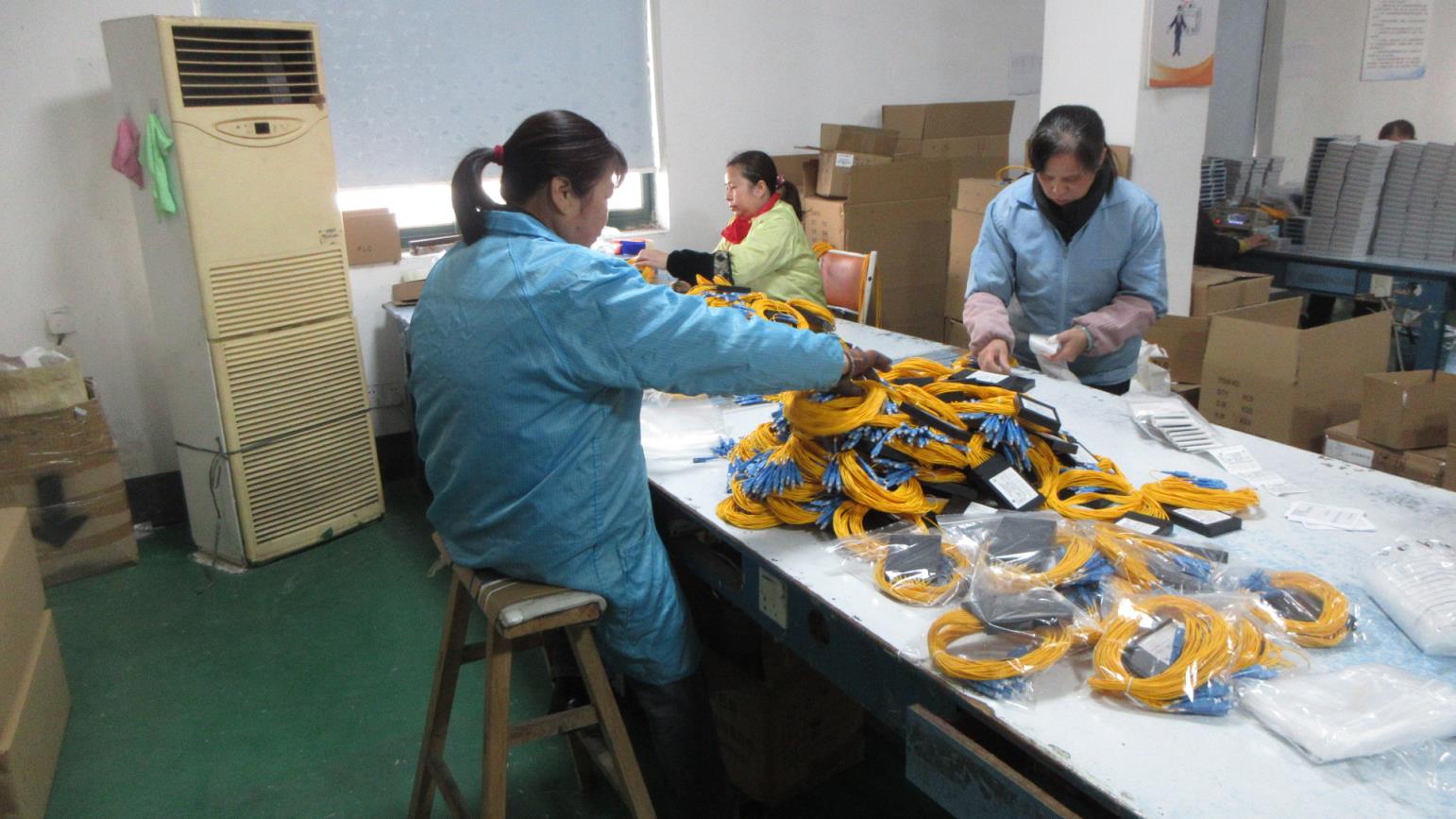
Product reliability is verified through strict, multi-stage testing. Every production batch undergoes raw material inspection, in-process quality control, and final testing. Our quality control team includes 36 experienced inspectors who verify that all products comply with technical datasheets and international telecommunication standards.
To ensure consistent mechanical and electrical performance over years of service, our laboratories utilize specialized environmental simulation and signal testing equipment:
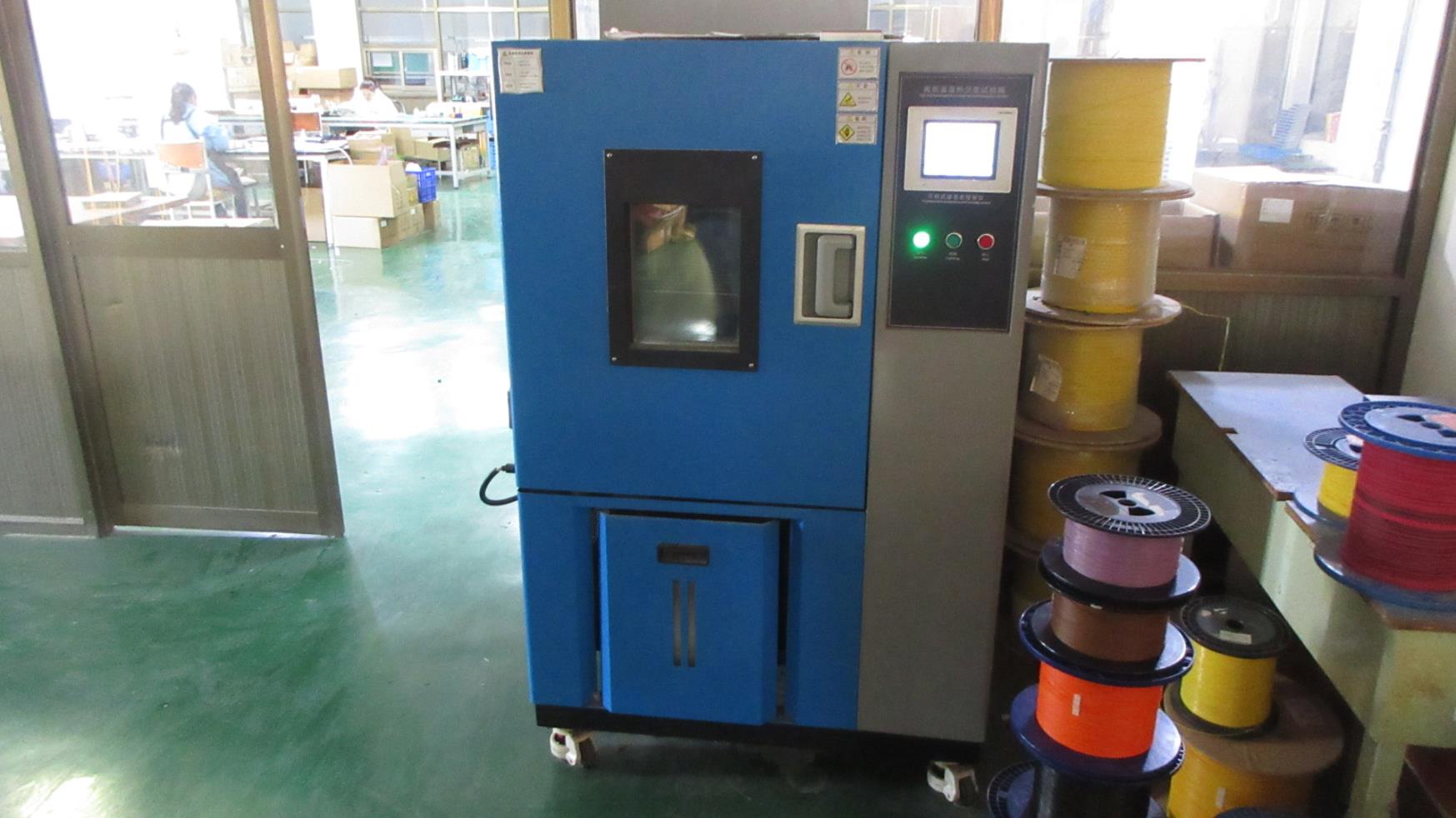
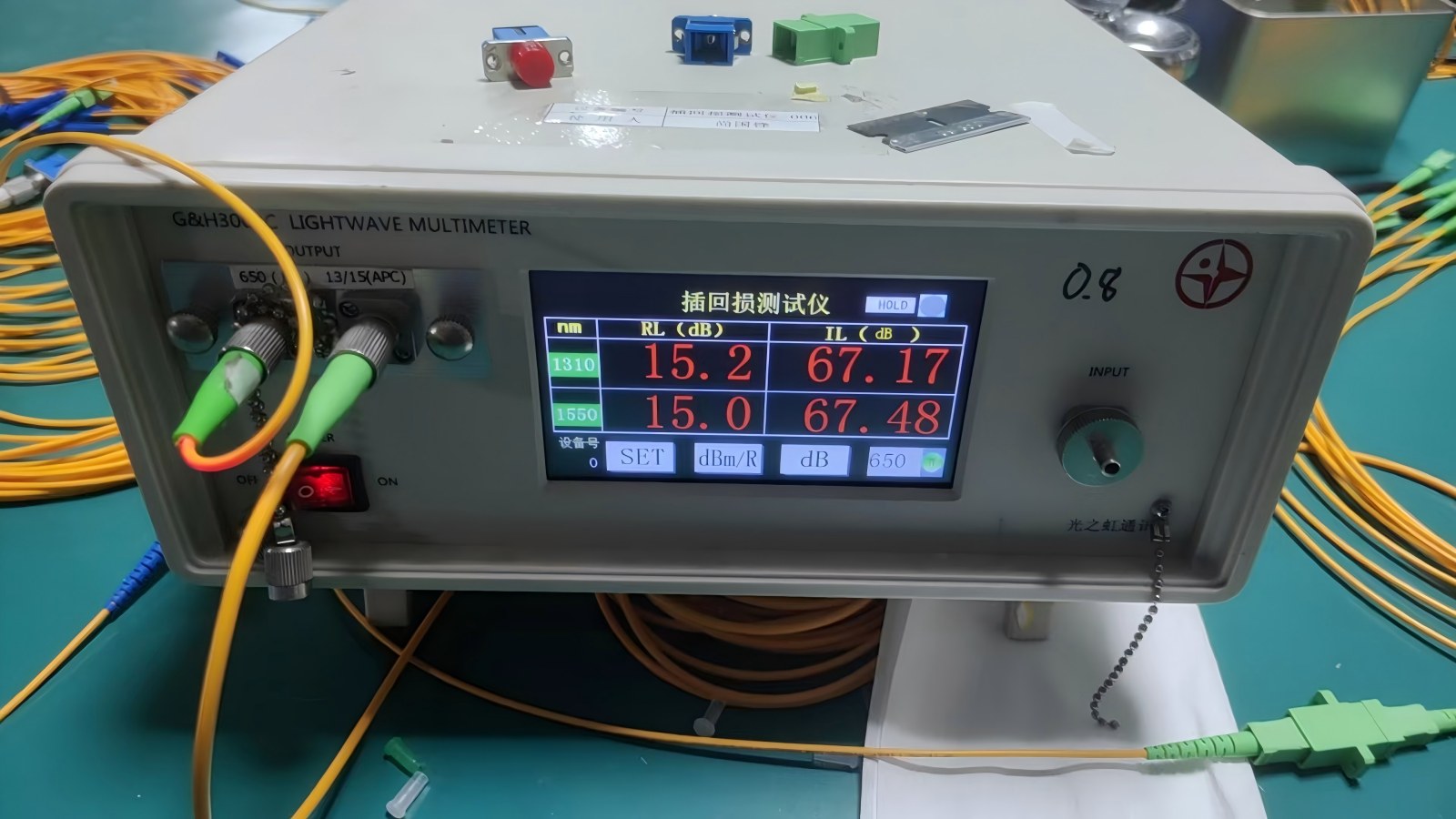
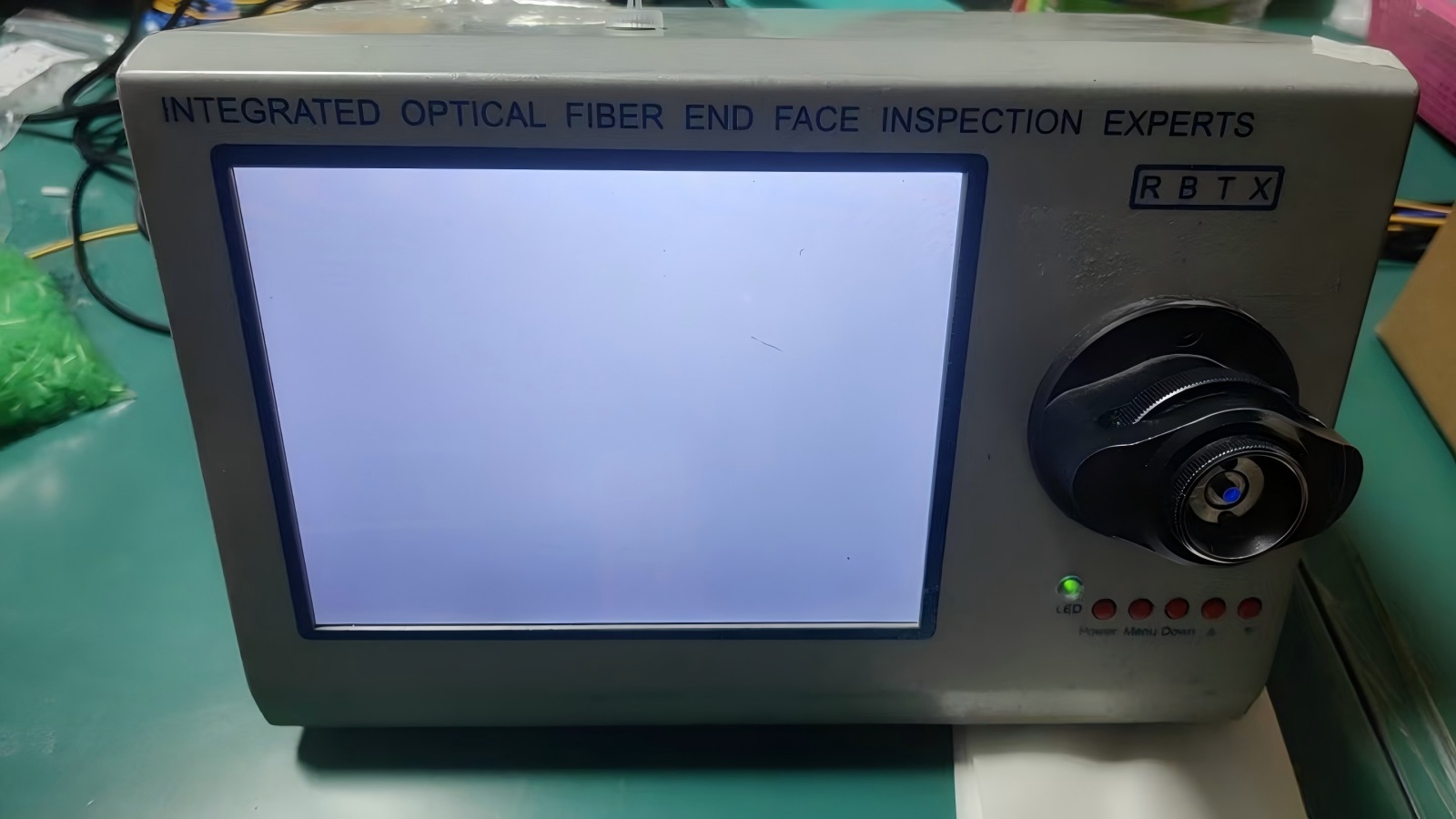
Beyond optical solutions, our facilities feature automated test stations to evaluate RJ45 contact mating force, pin alignment coplanarity, dielectric withstanding voltage, and high-frequency network performance using high-bandwidth vector network analyzers.
The mechanical structure of the top-entry vertical RJ45 female connector makes it suitable for specific industry applications:
In standard DIN-rail mounted Programmable Logic Controllers (PLCs) and industrial gateways, vertical orientation allows patch cables to plug directly in, simplifying routing inside tight electrical cabinets.
Indoor/outdoor cell towers, base stations, and optical-network units (ONUs) use vertical RJ45 jacks to feed cables vertically, optimizing strain relief in compact enclosures.
With high-density server configurations demanding optimal airflow, vertical RJ45 connectors route networking cables straight up, reducing physical blockage of air passages across components.