Equip-Link
Equip-Link
Equip-Link
Engineered for seamless integration, MSA compliance, and optimal optical performance across long-haul and short-reach links.
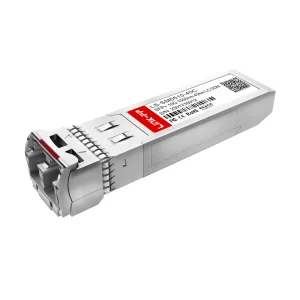
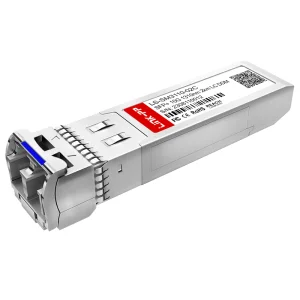
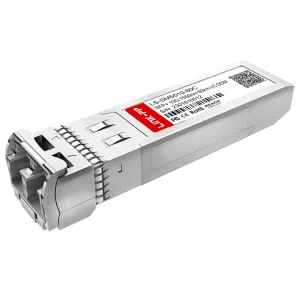
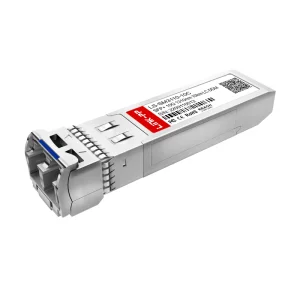
In the modern data-driven landscape, the demand for stable, high-bandwidth communication infrastructure is paramount. While hyperscale systems push the envelopes of 400G and 800G connectivity, 10G and 16G SFP+ optical transceivers remain the backbones of mid-range storage, cloud computing gateways, and metropolitan access points. Their robust physical layer, energy efficiency, and cost-effectiveness make them indispensable for hybrid networking deployments.
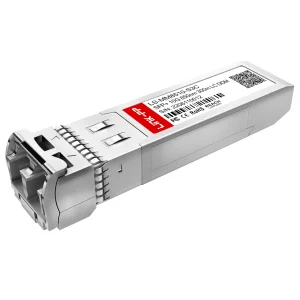
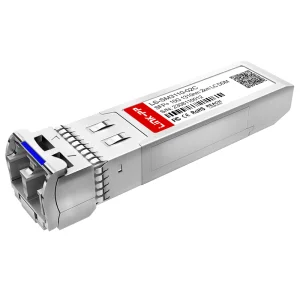
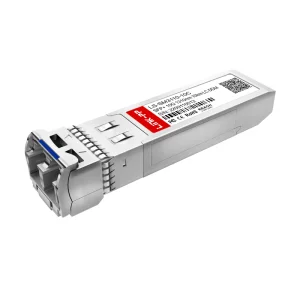
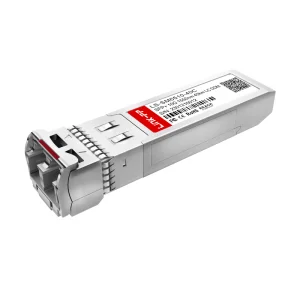
A SFP+ (Small Form-factor Pluggable Plus) module operating at 10 Gbps or 16 Gbps utilizes SFF-8431 and SFF-8472 Multi-Source Agreements (MSA) to ensure interoperability across various router, switch, and host bus adapter (HBA) ecosystems. By leveraging advanced laser technologies—ranging from 850nm Vertical-Cavity Surface-Emitting Lasers (VCSEL) for short-range deployments over multi-mode fiber (MMF) to 1310nm/1550nm Distributed Feedback (DFB) and Electro-absorption Modulated Lasers (EML) for single-mode fiber (SMF) distances reaching up to 120km—these transceivers support high data integrity with minimal signal attenuation.
The 16G SFP+ form factor is primarily deployed in high-performance Storage Area Networks (SANs) using the Fibre Channel protocol (16GFC). When compared to standard 10G Ethernet, 16GFC offers double the signaling speed over equivalent optical distances with strict protocol parameters optimized for zero-packet loss database transactions and high-speed backups. For enterprise-level storage virtualization and data replication, 16G SFP+ modules with Digital Optical Monitoring (DOM) offer predictive failure warnings, protecting critical corporate databases from network disruption.
Globally, telecom infrastructure is undergoing a transition driven by carbon reduction initiatives and hardware consolidation. Modern 10G and 16G SFP+ modules are engineered to operate at lower power envelopes—often below 1.0 Watt per port. This thermal reduction is vital in dense 48-port switch configurations, directly cutting cooling costs in edge and centralized server facilities.
Moreover, the modern procurement model focuses on software-defined optics. Major operators avoid proprietary vendor locks. Through custom firmware programming, a single SFP+ hardware platform can be configured on-site to be compatible with Cisco, Juniper, Arista, Huawei, HP, and Dell systems. This flexibility minimizes inventory overheads and reduces deployment lead times across international data centers.
How Equip-Link combines strict quality assurance, automated production, and engineering precision to supply the global market.
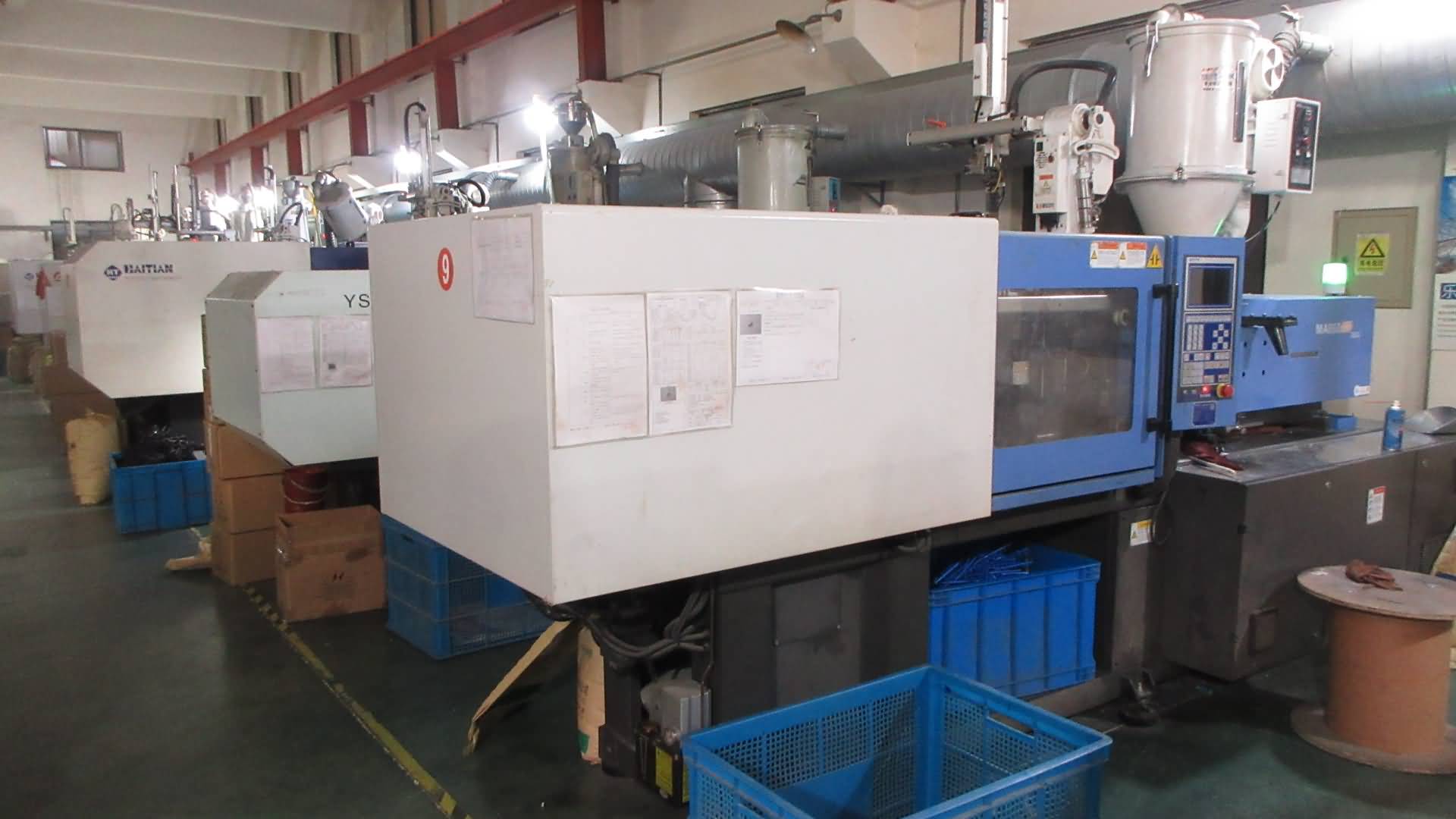
As a specialized manufacturer, Equip-Link Intelligent Equipment (Shenzhen) Co., Ltd. (founded in 2017) maintains a lean, high-efficiency manufacturing plant in Shenzhen, the silicon hub of Asia. Our manufacturing process integrates automation with rigorous verification stages to maintain product quality. From automatic die bonding to precise optical alignment, every step is traceably tracked to guarantee a low Return Material Authorization (RMA) rate of less than 0.05%.
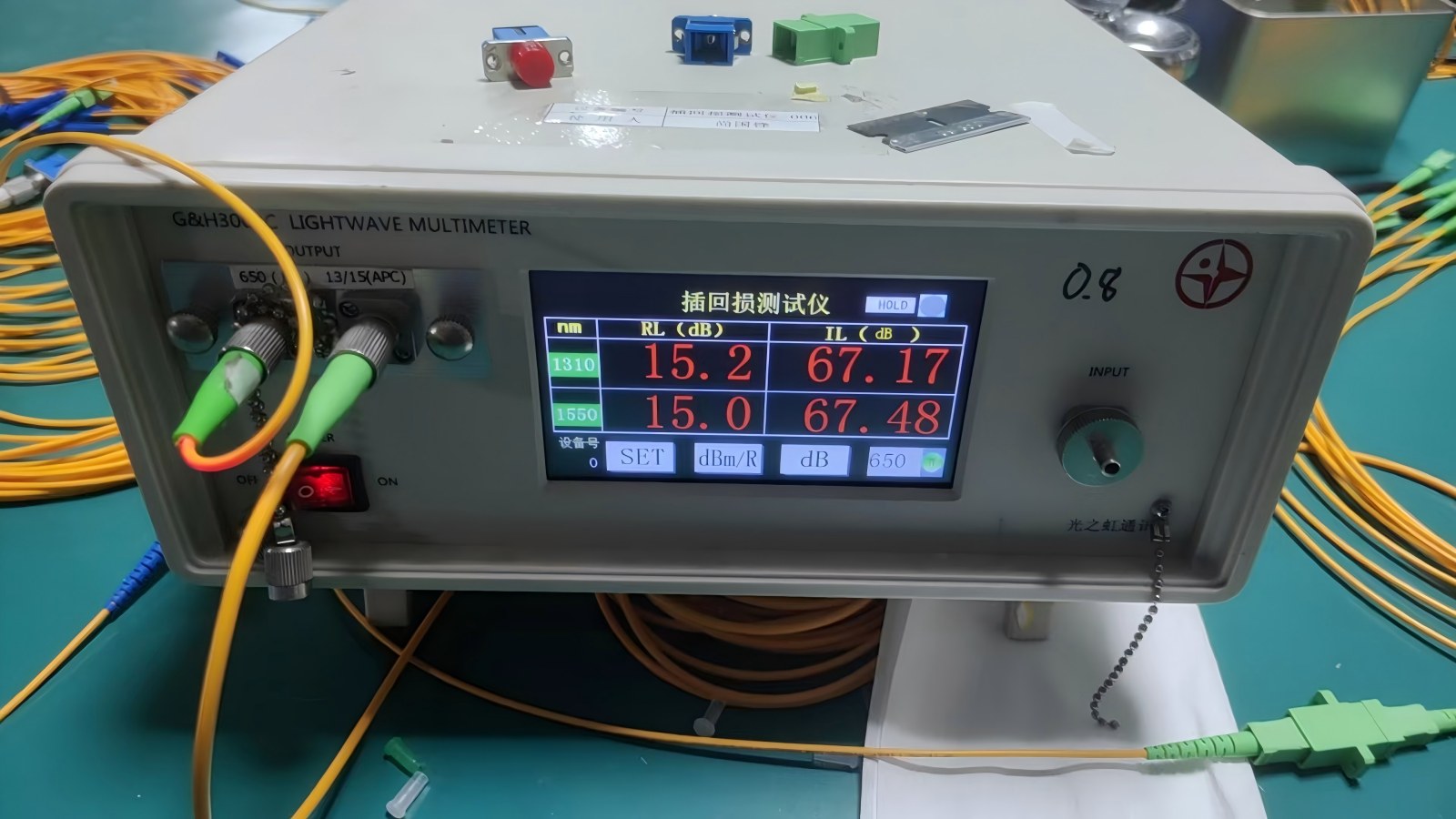
Supported by 36 experienced quality inspectors and using state-of-the-art optical performance analyzers, we verify parameters such as Bit Error Rate (BER), optical eye diagrams, and receiver sensitivity. This rigorous testing protocol satisfies global network operators and mission-critical cloud providers, making Equip-Link a trusted partner in North America, Europe, Southeast Asia, the Middle East, and South America.

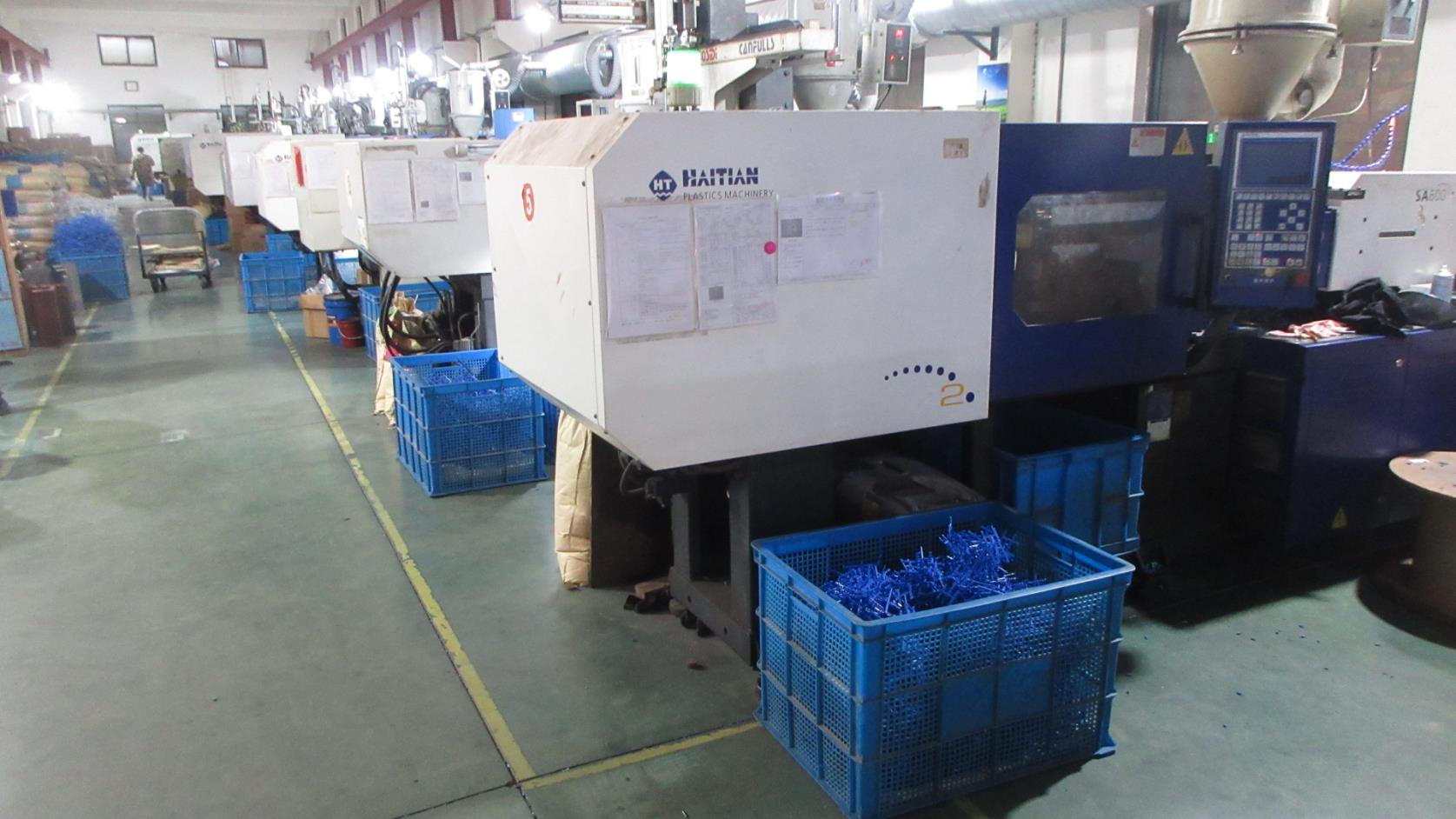
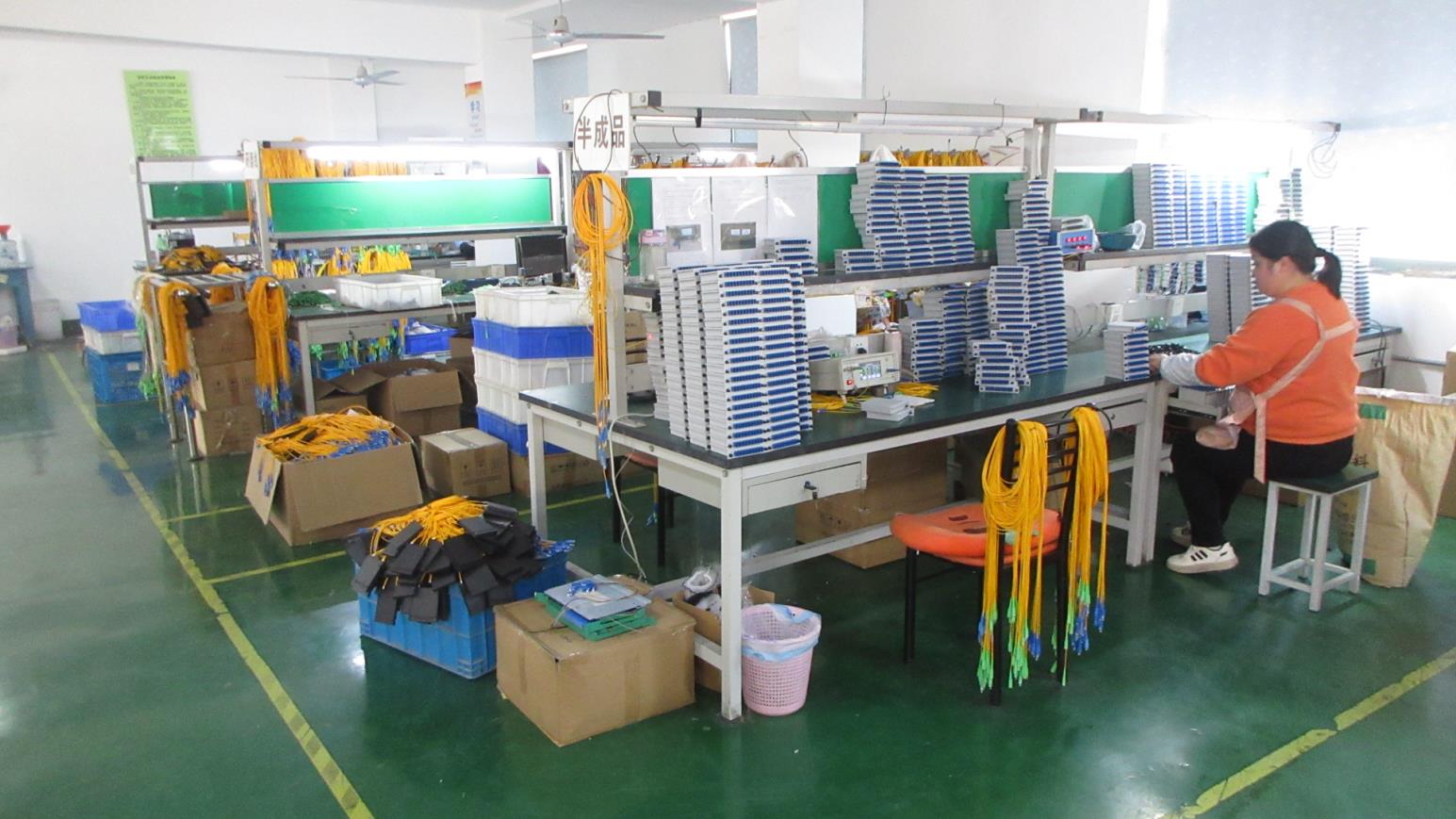
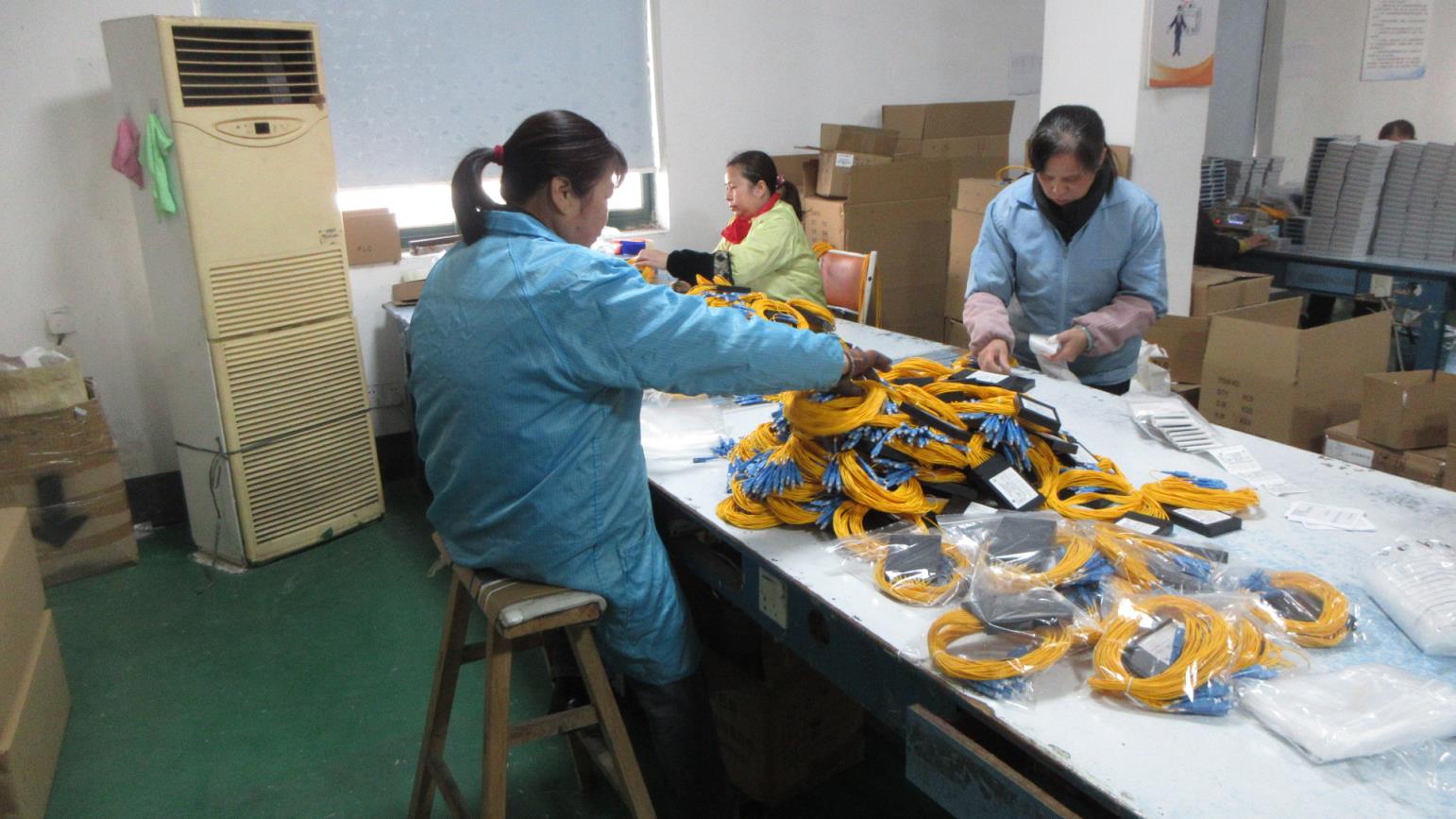
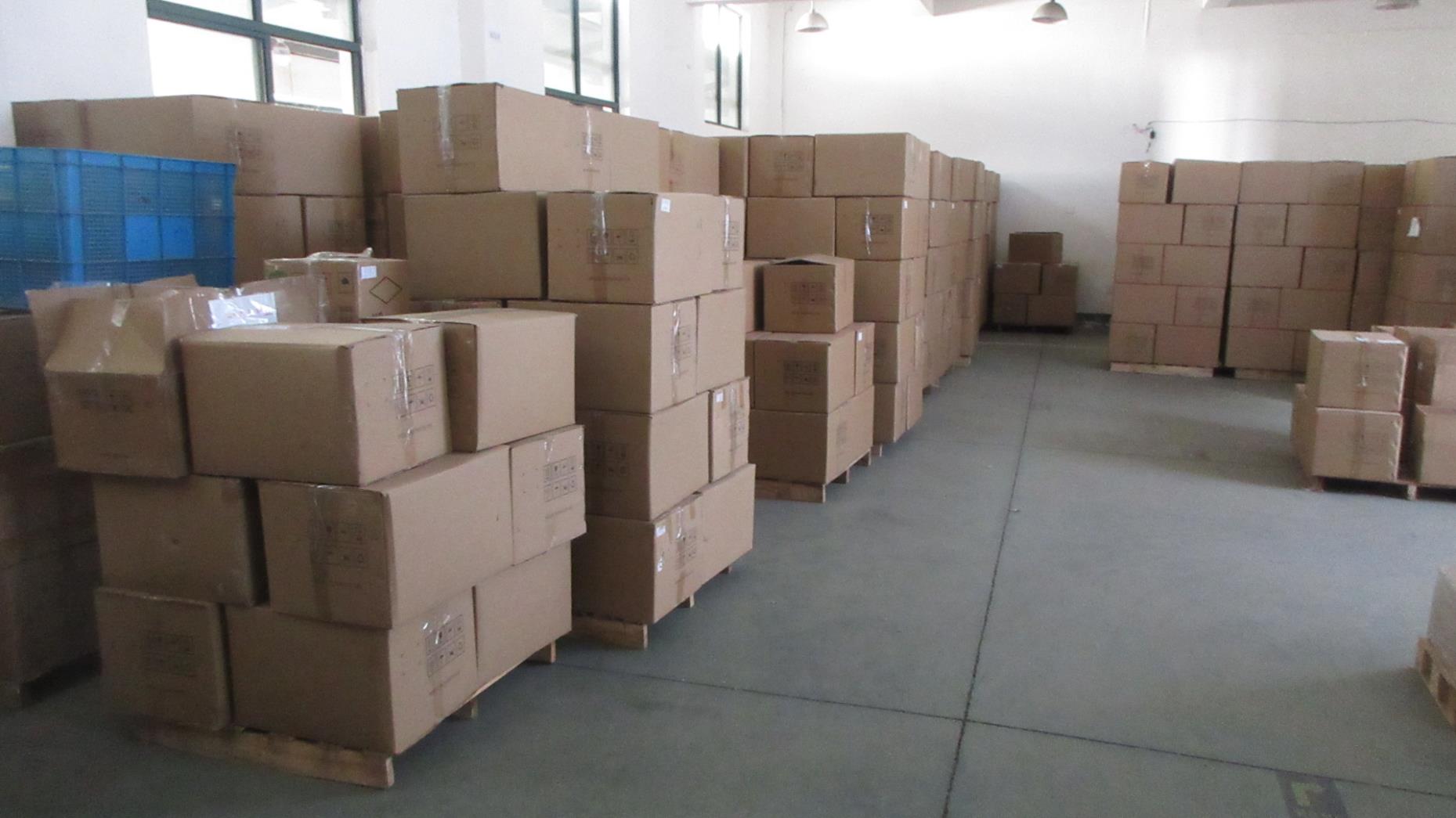
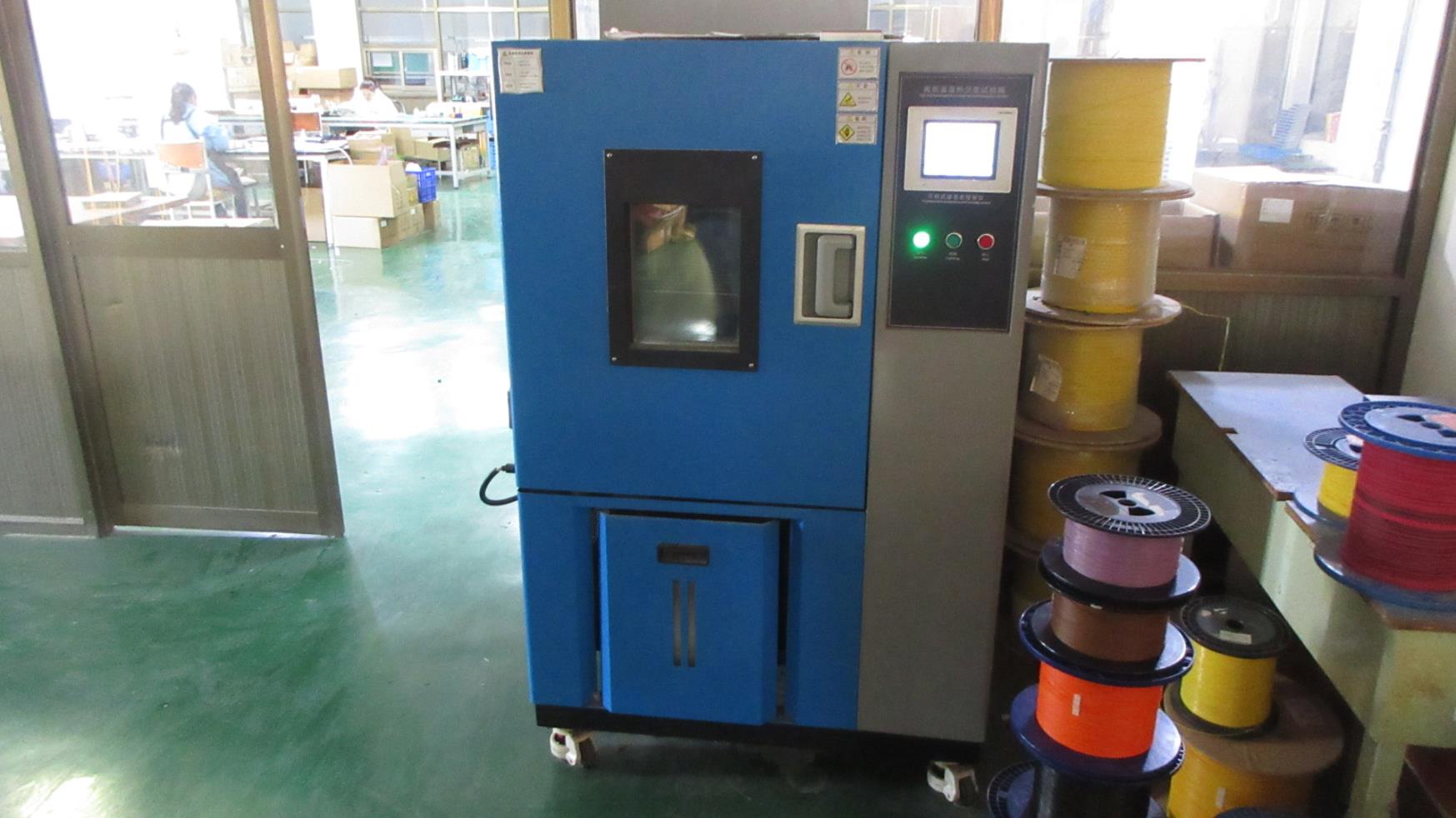
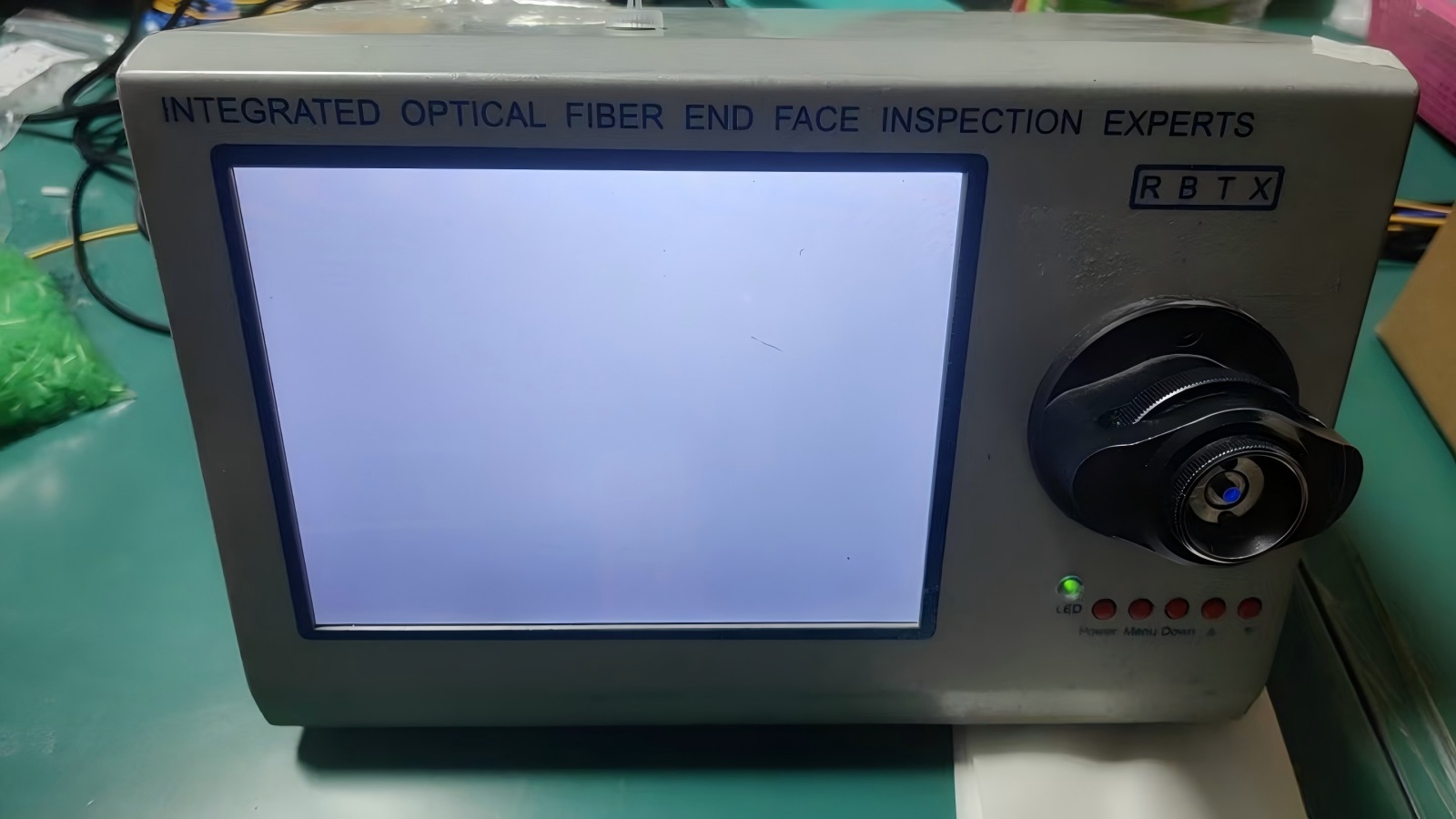
Every transceiver is subjected to extreme thermal stresses and comprehensive optical alignment assessments before shipping.
From metropolitan fiber rings to critical telecom backhauls, 10G/16G SFP+ modules offer highly reliable solutions.
10G SFP+ modules form the bedrock of metropolitan networks (Metro Rings) and edge-routing devices, carrying broadband user traffic back into core carrier systems efficiently and with low latency.
Optimized 16G SFP+ transceivers support high-speed Fibre Channel protocols to link mission-critical server arrays with SAN storage devices, guaranteeing zero-jitter, non-blocking data pathways.
Ensures optimal throughput inside high-density multi-tenant cloud centers. Standardized physical form-factors minimize port footprint while providing diagnostic access via digital telemetry.
Essential technical explanations to assist procurement engineers and network architects during selection.
Equip-Link employs specialized compatibility software programming. Using target-vendor EEPROM code tables, we program compatibility registers on each device. This ensures our 10G/16G SFP+ modules work seamlessly with equipment from Cisco, Juniper, Arista, HP, Dell, and other major vendors without triggering error flags.
16G SFP+ Fibre Channel modules operate at a higher transmission rate (14.025 Gbps line rate) optimized for block-level storage command processing. They utilize storage-centric routing protocols that prioritize zero packet loss and low latency, making them ideal for SAN environments compared to standard packet-based Ethernet.
Yes. Equip-Link produces both Commercial Temperature (0°C to 70°C) and Industrial Temperature (-40°C to 85°C) modules. Industrial modules are ruggedized with hardened components to prevent optical wavelength drift in extreme outdoor telecom cabinets or industrial settings.
Every transceiver goes through a multi-stage quality control process: component verification, optical sub-assembly alignment, high/low temperature alternating damp heat stress testing, optical insertion and return loss validation, fiber end face inspection, and final host compatibility programming and network traffic tests.
Tailored OEM/ODM alternatives providing identical transmission features at optimized budgets.