Equip-Link Equip-Link

What Is the Best Optical Transceiver Price in China?

Time:2026-10-24 Author:Charlotte
0%

What Is the Best Optical Transceiver Price in China? This question sounds simple, but the answer depends on technology, testing, quantity, and supplier reliability. A 10G SFP+ module may cost only a few dollars, while a 400G QSFP-DD unit can cost hundreds. The label alone does not tell the whole story.

Jimmy Yu, Vice President at Dell’Oro Group, has observed, “Bandwidth growth continues to drive demand for optical networking.” This insight helps explain China’s wide pricing range. Data center expansion, 5G deployment, and cloud traffic keep increasing demand for higher-speed transceivers. However, low pricing does not always mean good value. A cheaper module may use less rigorous testing, limited monitoring functions, or unclear component sources.

Details matter.

This guide examines the real factors behind optical transceiver price in China. It considers speed, transmission distance, wavelength, fiber type, coding, compatibility, and order volume. It also reviews practical purchasing issues, including sample testing, minimum order quantities, warranty terms, certificates, and shipping conditions. For example, a 100G module designed for 10 kilometers should not be compared directly with a 100G unit built for 40 kilometers.

My experience with supplier comparisons suggests that buyers often focus too narrowly on the quotation. That is a mistake. A stable module with documented test results can reduce replacement work and network downtime. Still, no supplier is perfect, and published specifications deserve verification. The best optical transceiver price is therefore not the lowest number. It is a balanced cost supported by performance, compatibility, traceability, and dependable after-sales service.
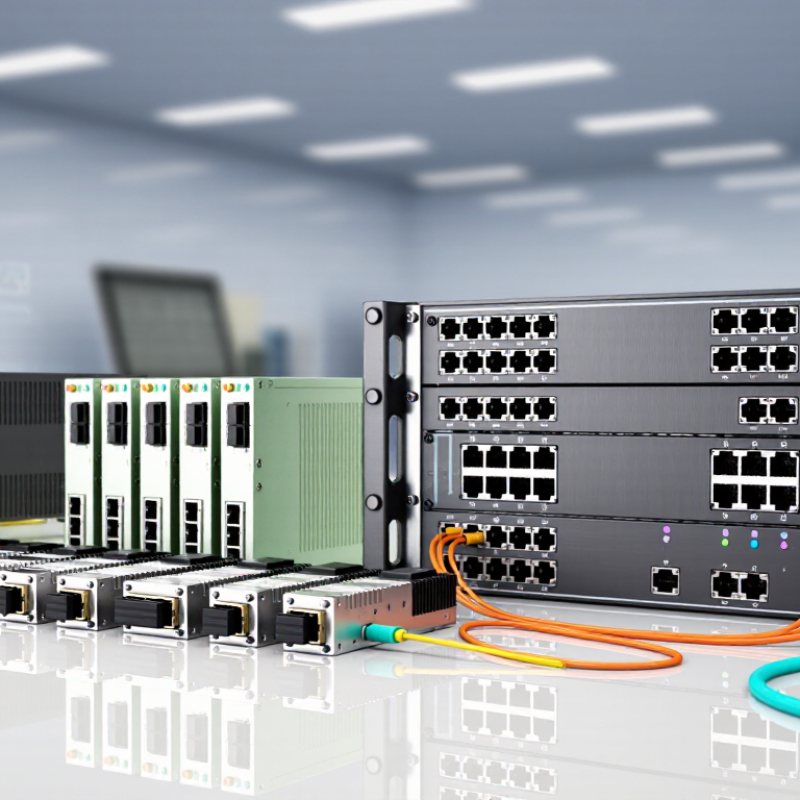
What Is the Best Optical Transceiver Price in China?

Optical Transceiver Types and Their Roles in Network Systems

What Is the Best Optical Transceiver Price in China?

Optical transceivers convert electrical signals into light and return them to data. Their type determines network distance, speed, compatibility, and total cost.

Short-reach multimode modules suit data center links between nearby racks. Single-mode modules support longer connections across buildings or metropolitan networks.

Copper-based transceivers can reduce costs for short copper runs, but they may consume more power. Temperature-rated versions are useful in outdoor cabinets or industrial rooms.

During procurement, I compare more than the unit price. A 10G module may look affordable, yet its connector, wavelength, reach, and monitoring functions affect performance.

Data center links often need digital diagnostics for checking temperature, voltage, and optical power. In my experience, compatibility testing prevents many expensive delays.

Still, price comparisons can be imperfect. A lower quotation may exclude testing, packaging, replacement stock, or technical support. I once focused too heavily on price and underestimated installation time. That decision required rechecking the entire link budget.

Tips:

Confirm the required speed and fiber type before requesting quotations. Check transmission distance with real cable loss included. Ask for test reports and a clear warranty period. Keep spare modules for critical links. Do not mix modules only because their labels appear similar. Compare power consumption, diagnostics, delivery terms, and quality control together. A practical supplier should explain these details clearly and provide traceable inspection records.

Key Factors That Determine Optical Transceiver Prices in China

What Is the Best Optical Transceiver Price in China?

Key Factors That Determine Optical Transceiver Prices in China

Optical transceiver prices in China vary widely because specifications, testing, and order volume differ. A low quote does not always mean better value. Data rate is a major driver. A 10G module usually costs less than a 100G or 400G model. Transmission distance also matters. A short-range module may use multimode fiber, while long-range versions need stronger optical components.

Wavelength, connector type, operating temperature, and power consumption influence the final price. Industrial-temperature modules often cost more because they require stricter testing. Digital monitoring can add value by showing temperature, voltage, and optical power. Compatibility is equally important. A module may look affordable but fail during installation if its coding does not match the network equipment.

Supplier experience should be checked through test records, sample results, and clear warranty terms. In practical purchasing, buyers should request an optical test report for every production batch. They should also compare insertion loss, receiver sensitivity, and maximum reach. Small details matter. Packaging, customs handling, and replacement costs can change the real budget. I have seen buyers focus only on unit price and overlook these expenses. That approach is understandable, but incomplete. Even experienced teams may misjudge demand and order too many units. A balanced decision considers performance, reliability, lead time, and total ownership cost rather than the cheapest quotation.

What Is the Best Optical Transceiver Price in China?

Key factors such as data rate, transmission distance, optical wavelength, form factor, temperature rating, and production volume determine optical transceiver prices in China.

The chart shows indicative China market price ranges in USD per unit for commonly used optical transceiver categories. Prices are typical reference ranges rather than quotations and may vary according to reach, fiber type, coding, temperature grade, testing requirements, order volume, and customization.

Typical Price Ranges by Speed, Distance, and Transceiver Standard

What Is the Best Optical Transceiver Price in China?

China’s optical transceiver prices vary sharply by speed, reach, and standard. Typical 1G SFP modules cost about US$3–15 for short links. Ten-gigabit SFP+ units usually range from US$8–35. A 25G SFP28 module often costs US$12–45. These estimates generally assume standard temperature and short-distance fiber. Prices rise for 10km or 40km versions. DOM monitoring, industrial temperature ratings, and customized coding also add cost.

For higher bandwidth, 100G QSFP28 modules commonly sell for US$35–120. Four-hundred-gigabit QSFP-DD modules may range from US$180–500, depending on optical design and reach. Eight-hundred-gigabit products remain more expensive and less standardized. LightCounting’s 2024 optical communications forecast identifies strong demand from data-center upgrades. Dell’Oro Group also reports continuing investment in higher-speed data-center networking. These reports explain demand pressure, but they do not replace a factory quotation.

The best price is not always the lowest offer. A module priced at US$9 may exclude testing, EEPROM programming, or shipment inspection. Check connector type, wavelength, transmission distance, and switch compatibility. Ask for an optical test report, not only a product photograph. A neat price sheet can still mislead. China sourcing becomes more reliable when buyers compare identical standards, distances, and warranty terms. My practical concern is simple: some buyers compare prices before confirming specifications. That mistake can make a cheap module expensive.

How to Compare Chinese Optical Transceiver Suppliers and Products

The best optical transceiver price in China is not always the lowest quotation. A reliable comparison starts with the exact specification: speed, wavelength, transmission distance, connector type, fiber mode, and operating temperature. I also check the coding requirement, digital monitoring functions, and interoperability with existing equipment. A cheaper module may fail during testing if its firmware or optical tolerance differs. That delay can cost more than the original saving.

Tips: Request a complete datasheet, test report, sample, warranty terms, and production lead time. Ask whether each unit receives individual optical testing. Compare minimum order quantities and replacement procedures. Small details matter.

Supplier evaluation should include technical communication and quality control, not only price. Experienced suppliers can explain insertion loss, receiver sensitivity, power consumption, and error performance in practical terms. They should provide traceable inspection records and clear responses about customization. I prefer comparing samples under the same switches, cables, and temperature conditions. Laboratory results alone can be incomplete. Real network behavior matters.

Calculate the landed cost, including packaging, freight, duties, testing, and possible returns. A supplier offering a slightly higher price may provide stronger consistency and faster support. However, a polished presentation does not prove quality. I have seen attractive quotations hide unclear warranty limits and changing component sources. My comparison may still miss future supply risks, so I review performance quarterly rather than trusting one purchase.

Ways to Verify Quality, Compatibility, Warranty, and Total Cost

What Is the Best Optical Transceiver Price in China?

The best optical transceiver price is rarely the lowest quotation. A reliable comparison includes performance, testing, warranty, and delivery risk. Ask for a test report covering wavelength, power, sensitivity, temperature, and error rates. Photos of labels and packaging can reveal careless handling. Request samples before placing a large order. A short trial often exposes problems that certificates miss.

Compatibility needs careful checking. Match the data rate, fiber type, transmission distance, connector, and operating temperature with your equipment. Confirm whether the module requires specific coding or digital monitoring. A transceiver may fit physically but still fail during installation. That mistake can delay a project for days. It happens more often than buyers expect.

Tips: Compare at least three written quotations with identical specifications. Check production lead time, sample charges, shipping terms, taxes, and replacement procedures. Ask how defective units are tested after return. A clear warranty should state coverage, duration, response time, and who pays transport. Keep records of test results and communication. They become useful evidence when a dispute occurs. Do not trust vague claims such as “factory quality.” One practical lesson is uncomfortable: even a careful spreadsheet can miss compatibility details. A small engineering review before payment may save more than a cheaper unit. Total cost includes installation labor, spare modules, downtime, and possible customs delays. Ask for these figures before judging the price.

FAQS

What determines the price of an optical transceiver?

Data rate, transmission distance, wavelength, connector, temperature rating, and power use affect price. Testing and order volume also matter. The cheapest quote is not always the best value.

Which transceiver suits a short data center connection?

A short-reach multimode module often suits nearby racks. Check the actual cable length and fiber type. Nearby does not always mean simple.

When is a single-mode transceiver more suitable?

Single-mode modules support longer links between buildings or across metropolitan networks. They need correct distance, wavelength, and connector specifications. Cable loss still matters.

What specifications should buyers confirm before requesting quotations?

Confirm speed, fiber type, reach, connector, wavelength, temperature range, and monitoring needs. Include real cable loss. Small omissions can cause large delays.

How can buyers test transceiver quality?

Request samples and optical test reports before ordering in bulk. Check wavelength, transmit power, receiver sensitivity, temperature, and error rates. A certificate alone may not reveal every problem.

How can compatibility problems be avoided?

Match the module with the equipment’s speed, fiber, connector, reach, and operating temperature. Check coding requirements and digital diagnostics. Physical fit proves very little.

What should a clear warranty include?

It should state coverage, duration, response time, testing procedures, and transport responsibility. Keep communication and test records. Vague promises are risky.

What costs should be included beyond the unit price?

Include testing, packaging, shipping, taxes, installation labor, spare units, support, and possible delays. I once focused too heavily on price. Rechecking the link budget became necessary.

Conclusion

Choosing the best optical transceiver price in China requires more than comparing the lowest quotation. Optical transceivers serve different network roles, including short-distance data center connections, long-distance telecom links, and high-speed backbone transmission. Their prices are influenced by speed, transmission distance, fiber type, transceiver standard, operating temperature, manufacturing quality, and order volume. In general, higher speeds, longer ranges, stricter environmental requirements, and advanced standards lead to higher costs, while commonly used specifications may offer more competitive pricing.

To compare Chinese suppliers effectively, buyers should evaluate product specifications, coding and compatibility, test procedures, production consistency, warranty terms, delivery capacity, and technical support. A reliable purchasing decision should consider total cost rather than unit price alone, including shipping, testing, replacement risks, and after-sales service. By verifying performance documentation, requesting samples, checking interoperability with existing equipment, and confirming clear warranty conditions, buyers can identify a suitable optical transceiver price that balances quality, reliability, compatibility, and long-term network value.

Charlotte

Charlotte

Charlotte is a seasoned marketing professional with a deep understanding of the company's portfolio and a passion for elevating its presence in the market. With a keen eye for detail and a commitment to excellence, she ensures that our professional blog is regularly updated with insightful articles......