Equip-Link
Choosing the right QSFP-DD transceiver is crucial for optimizing your network performance. Since modern networks demand high bandwidth, selecting the best transceiver can significantly impact efficiency. QSFP-DD transceivers support data rates up to 400 Gbps, making them ideal for data centers and enterprises.
Understanding the specifications, compatibility, and applications of QSFP-DD transceivers is essential. There are various brands and types available, each with unique features. Evaluation should focus on your specific needs, such as distance and environment. A careful selection process can reduce costs and enhance network reliability.
However, the market is complex. Not all QSFP-DD transceivers are created equal. Misleading marketing can lead to poor choices. Engaging with trusted vendors and seeking expert advice will guide you. Remember, the goal is to build a robust network that meets current and future demands.
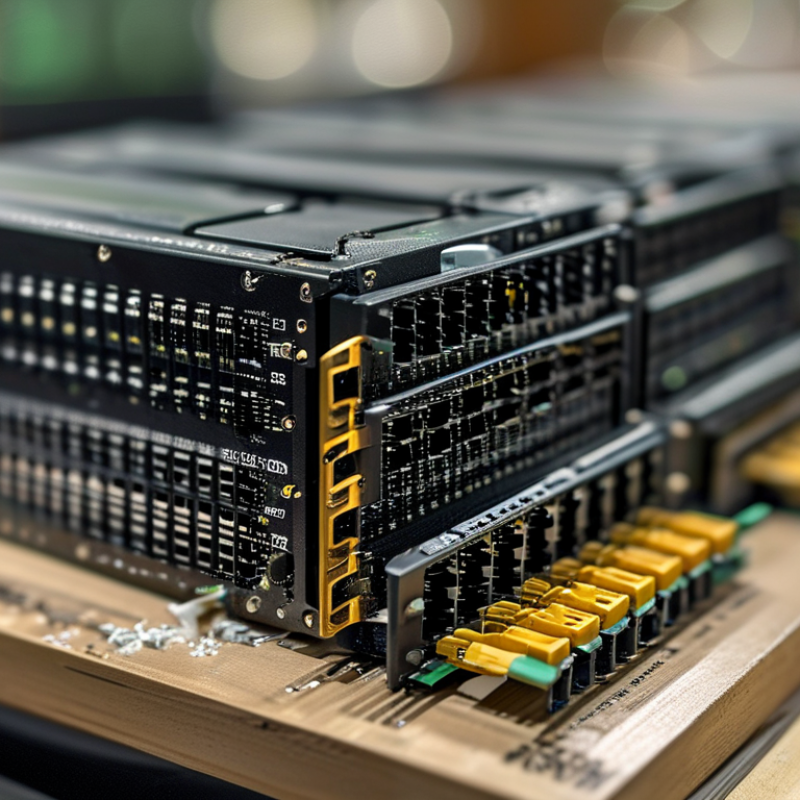
QSFP-DD transceivers are essential for modern networks. These devices support high data rates, making them ideal for data centers and enterprise environments. They typically offer a bandwidth of up to 400 Gbps, which is crucial for handling increasing amounts of data traffic.
Understanding the functionality of QSFP-DD transceivers is key for network reliability. They work by converting electrical signals into optical signals and vice versa. This conversion allows data to travel over long distances without significant signal loss. Additionally, the double-density design increases port density, offering more connections within a compact space.
Choosing the right QSFP-DD transceiver requires careful consideration. It's vital to assess compatibility with existing network hardware. Ensure that the transceiver supports the desired data rates and distances. Also, consider the operating environment. Some transceivers perform better in specific conditions, like temperature ranges. Gathering information from reliable sources can aid in making informed decisions.
When selecting QSFP-DD transceivers for your network, several key factors should be evaluated. Start by assessing the required data rate. QSFP-DD supports speeds up to 400 Gbps. Different applications require various speeds, so understanding your network’s demands is essential.
Compatibility is also crucial. Ensure that the transceiver is compatible with your existing equipment. Checking the manufacturer’s specifications can help. Some models may not work well with all switches and routers. Testing in your environment before a full deployment can be beneficial.
Tips: Look into the power consumption of each transceiver. Power efficiency can affect overall operational costs. Also, consider the distance for transmission. Different transceivers are optimized for various ranges—short, medium, or long haul. A mismatch may lead to inefficiencies.
Certifications matter. Using certified products can ensure reliability and performance standards are met. Something to reflect on is whether your team is trained to install and troubleshoot these components effectively. Poor installation can lead to failures and wasted resources. Proper training and documentation are invaluable.
When selecting a QSFP-DD transceiver, performance specifications are crucial. Understanding data rates, reach, and power consumption can greatly impact your network's efficiency. The QSFP-DD standard supports various data rates, notably 100G, 200G, and even 400G. Each transceiver model may deliver different levels of speed, which can be vital for high-bandwidth applications.
The reach of a transceiver often varies based on its design and intended use case. Some transceivers excel at short distances, while others are optimized for longer connections. Analyzing the distances your application requires can help streamline your choices. Power consumption is another measure worth consideration. Lower power usage reduces operational costs. However, balancing performance with power efficiency can be a challenge.
It is essential to examine these specifications from multiple sources. Researching compatibility with your existing infrastructure is also necessary. Communication between different manufacturers may not always be straightforward. Manufacturers provide data sheets, but they are not always clear or transparent. Taking the time to double-check specifications against real-world scenarios will lead to better decision-making. Getting input from trusted professionals can also help in navigating the complexities.
When selecting the best QSFP-DD transceiver, compatibility with your existing network infrastructure is critical. It's essential to assess the current equipment, including switches and routers. A study by the Optical Internetworking Forum indicates that nearly 70% of network issues arise from compatibility mismatches. A careful review of your hardware specifications can prevent costly upgrades.
Evaluate the supported protocols. QSFP-DD transceivers often align with various standards such as Ethernet and Fibre Channel. According to a report from the International Data Corporation, compatibility plays a significant role in achieving optimal performance. Transceivers that do not meet the required standards can lead to degraded connectivity and increased latency.
Consider optical reach and data rate as well. A compelling factor is how well the transceiver performs across distances. For instance, a transceiver that matches your fiber type can maintain signal integrity effectively. An analysis from LightCounting shows that choosing the right transceiver can result in a 25% improvement in bandwidth efficiency. It's vital to ensure that your choice aligns with the network's growth and scalability. Flexibility may be necessary as your network evolves.
| Transceiver Model | Max Data Rate | Distance Supported | Connector Type | Wavelength | Power Consumption | Compatibility |
|---|---|---|---|---|---|---|
| Model A | 200 Gbps | 500 m | MPO-12 | 850 nm | 3.5 W | Single-mode and Multi-mode |
| Model B | 400 Gbps | 2 km | LC | 1310 nm | 6 W | Single-mode |
| Model C | 100 Gbps | 150 m | MPO-8 | 850 nm | 2.5 W | Multi-mode |
| Model D | 400 Gbps | 10 km | LC | 1550 nm | 8 W | Single-mode |
When selecting a QSFP-DD transceiver, assessing cost versus benefits is crucial. Organizations often face pressure to reduce expenses. However, the cheapest option isn't always the best choice. A more expensive transceiver may offer better performance and reliability.
Consider the specific needs of your network. Some transceivers provide higher bandwidth, which can enhance data transfer rates. Others may have lower latency. Evaluating these factors helps justify the initial costs. Long-term savings can actually come from investing in higher quality equipment. You might have to invest more upfront, but the performance gains can lead to fewer issues down the line.
Another point to reflect on is support services. Cheaper transceivers might lack adequate customer service or technical support. This can result in challenges during troubleshooting. Investing in a quality product from a reputable source can provide peace of mind. In a rapidly evolving tech landscape, ensuring reliability should never be an afterthought.
: QSFP-DD transceivers are devices used in networks, supporting high data rates up to 400 Gbps.
They convert electrical signals to optical signals and back, allowing long-distance data travel with minimal loss.
Compatibility ensures the transceiver works with existing hardware, avoiding potential connection issues and inefficiencies.
Assess your network's demands. Different applications require varying speeds, so understanding those needs is crucial.
Power efficiency affects operational costs. Lower power consumption can reduce expenses over time.
Certifications ensure the transceivers meet reliability and performance standards, which is important for efficient operations.
Yes, proper training is essential. Poor installation can lead to failures and wasted resources.
Different transceivers perform better under specific conditions, like temperature ranges. Assess your environment carefully.
Mismatched transceivers can cause inefficiencies and operational issues, reflecting unpreparedness in planning.
Yes, testing in your environment is beneficial to ensure compatibility and performance before large-scale implementation.
Choosing the right QSFP-DD transceiver is crucial for optimizing network performance. This article outlines key factors to consider when selecting a QSFP-DD transceiver, including understanding their functionality and the various performance specifications available. Important aspects such as compatibility with existing network infrastructure and a thorough cost-benefit analysis are also discussed to ensure that the chosen transceiver aligns with operational needs and budget constraints.
When comparing different QSFP-DD transceivers, it's essential to evaluate their technical specifications, such as data rates and reach, as well as their interoperability with current systems. By carefully considering these factors, network managers can make informed decisions that enhance network efficiency while staying within budget, ensuring the selected QSFP-DD transceiver meets both current and future demands.