Equip-Link
Choosing the right 800G optical transceiver can significantly impact your network performance. These devices are essential for high-speed data transmission. However, the variety of options available may overwhelm you. It is crucial to understand your specific requirements to make the best choice.
The 800G optical transceiver market is rapidly evolving. Different types are designed for various applications. You need to consider factors like compatibility, power consumption, and range. Some products excel in certain conditions but may fall short in others. Researching the technical specifications can lead to informed decisions.
Consulting with experts can improve your selection process. Yet, personal preferences and unique network demands play a vital role. Reflect on your experiences and needs. Engage with forums and product reviews. This way, you will develop a deeper understanding of which 800G optical transceiver suits you best.
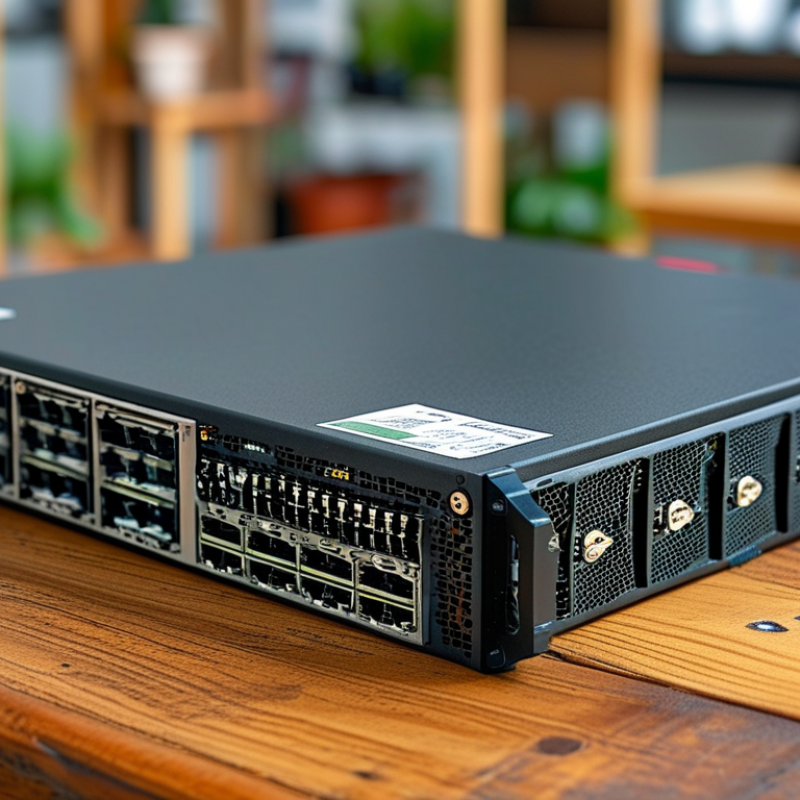
When choosing an 800G optical transceiver, it's essential to understand its basics. These devices facilitate high-speed data transmission over fiber optic networks. They operate by converting electrical signals into optical signals and vice versa. The significance of 800G transceivers lies in their ability to handle enormous bandwidth. They cater to the increasing demands for faster and more efficient data transfer.
An 800G optical transceiver typically features different forms, such as QSFP-DD and OSFP. Each form factor has distinct characteristics and compatibility with various network infrastructures. Choosing the right fit involves evaluating specific requirements, such as distance, power consumption, and environmental conditions. Recognizing that not all transceivers are created equal is crucial. Some may perform well in optimal settings but struggle in challenging environments.
While understanding these technical aspects is helpful, real-world applications often reveal unexpected complexities. Sometimes, an ideal transceiver may not meet practical needs due to unforeseen compatibility issues or installation challenges. Continuous testing and evaluation can provide valuable insights into performance. This hands-on experience is vital for making informed decisions about 800G optical transceivers. An open mindset toward learning and adapting can lead to better choices in technology selection.
When selecting the best 800G optical transceiver, it's crucial to focus on key specifications. The critical factors include data rate, reach, and the type of optical fibers used. According to a recent industry report, 800G transceivers are expected to dominate the market, accounting for over 45% of the optical transmission segment by 2025. This indicates the technology's rapid advancement and growing necessity.
Compatibility is another vital consideration. Ensure the transceiver aligns with existing network infrastructure to avoid costly upgrades. Interoperability with various equipment can enhance flexibility. However, don't overlook power consumption. A report by the Optical Society of America highlights that the power usage of high-speed transceivers can vary significantly across models. Discrepancies in performance should prompt careful evaluation.
Tips: Look for transceivers with advanced technologies like PAM4 to maximize performance. Evaluate the total cost of ownership, factoring in long-term operational expenses. Always test before fully deploying to mitigate risk. Not all products will meet expectations, so maintain a critical approach throughout sourcing.
| Specification | Description | Importance Level |
|---|---|---|
| Transmission Distance | Maximum distance the transceiver can cover (e.g. 500m, 2km) | High |
| Operating Wavelength | Wavelength at which the transceiver operates (e.g. 850nm, 1330nm) | Medium |
| Interface Type | The type of interface supported (e.g. QSFP28, CFP8) | High |
| Power Consumption | Average power the transceiver consumes (e.g. 3.5W, 10W) | Medium |
| Compatibility | Whether it is compatible with existing networking equipment | High |
| Modulation Format | Type of modulation used for data transmission (e.g. PAM4) | Medium |
| Temperature Range | Operating temperature range (e.g. 0°C to 70°C) | Low |
When selecting an 800G optical transceiver, understanding the available types is crucial. These transceivers typically come in several formats, including QSFP-DD and OSFP. Each format has unique features and interfaces. The QSFP-DD is compact, offering higher density, while the OSFP provides excellent thermal management. Choosing between them often depends on your system requirements and available space.
Consider the application when comparing types. For data centers requiring high bandwidth, the QSFP-DD may be ideal. However, if your setup prioritizes cooling efficiency, the OSFP may outperform others. Evaluate the specific needs of your infrastructure to make an informed decision.
**Tip:** Check the compatibility of transceivers with existing equipment. Mismatch can lead to performance issues.
Another factor to think about is the transmission distance. Some transceivers work best over longer distances, using advanced technologies like coherent optics. If maintaining signal integrity over several kilometers is necessary, opt for models designed specifically for that purpose.
**Tip:** Don't overlook future scalability. Select transceivers that can adapt to evolving network demands.
Ultimately, weigh all aspects, including performance, efficiency, and compatibility, to find the perfect fit for your 800G optical transceiver needs. Each choice has its trade-offs, and staying informed can lead to better network reliability.
When selecting an 800G optical transceiver, compatibility with your existing networking equipment is crucial. A recent report from LightCounting indicates that 60% of network failures stem from equipment mismatches. This statistic highlights the importance of ensuring that new transceivers can seamlessly integrate with your current hardware.
It is essential to verify the specifications of your network switches and routers. Check if they support the same protocols as the transceiver. For instance, using an 800G transceiver that supports 400G interfaces may limit your network's performance. Many operators overlook this aspect, which can lead to significant downtime. Additionally, assessing the cabling infrastructure is vital. Transceiver performance can drastically decline if cables are not rated for higher speeds.
Another important factor is the optical module's form factor. Various installations such as QSFP-DD or OSFP require different configurations. Research shows that about 30% of infrastructure upgrades fail due to overlooked form factor compatibilities. Taking the time to match these aspects can improve system efficiency. Regular reflection on compatibility issues can guide future purchases, ensuring optimal performance and reducing operational headaches.
When selecting an 800G optical transceiver, understanding cost and performance trade-offs is essential. The transmission distance, bandwidth, and reliability directly impact your overall investment. For instance, a recent industry report suggests that high-speed transceivers can decrease latency by up to 50%. This speed boosts overall network efficiency, but it often incurs higher upfront costs.
Consider your specific needs. If you require long-distance data transmission, investing in a high-performance transceiver is crucial. However, mid-range options may suffice for shorter networks. It’s vital to weigh performance against budget constraints. Often, organizations compromise on this balance, opting for cost-effective solutions that may not provide desired efficiency.
Tip: Calculate the total cost of ownership, not just the initial price. This includes maintenance, potential upgrades, and energy consumption. Performance metrics can vary widely. Some transceivers may promise high throughput but fail under certain conditions.
Tip: Test equipment before full deployment. This can help avoid purchasing mistakes. Many users report dissatisfaction when assumptions are made based on specifications alone. A hands-on trial reveals real-world performance shortcomings. In the end, aligning your choice with both performance expectations and budget realities is a nuanced process that demands careful consideration.
: They are used for high-speed data transmission over fiber optic networks.
They convert electrical signals into optical signals and vice versa.
Different form factors, like QSFP-DD and OSFP, have unique characteristics that affect compatibility.
Equipment mismatches can cause network failures, which is a significant risk.
If cables aren’t rated for higher speeds, performance may drastically decline.
It provides insights into performance and helps in making better choices.
Verify that your networking equipment supports the same protocols as the transceiver.
It can lead to unforeseen compatibility issues and potentially significant downtime.
It can guide future purchases and improve overall system efficiency.
No, some perform well in perfect conditions but struggle in harsher environments.
When selecting the best 800G optical transceiver for your networking needs, it is essential to grasp the basics of these advanced components. A thorough understanding of key specifications, such as data rates, distance capabilities, and form factors, will help narrow down suitable options. Comparing different types of 800G optical transceivers available in the market enables you to identify which models align with your performance criteria and application scenarios.
Additionally, evaluating the compatibility of the chosen 800G optical transceiver with your existing networking equipment is crucial to ensure seamless integration. Cost and performance trade-offs must also be assessed to find a solution that meets your budget while delivering the required efficiency. This comprehensive approach will empower you to make an informed decision and optimize your network’s capabilities.