Equip-Link Equip-Link

How to Choose the Best QSFP56 Transceiver for Your Needs?

Time:2026-07-02 Author:Ethan
0%

Choosing the best QSFP56 transceiver starts with understanding your specific needs. These transceivers have become essential in high-speed data communications. They offer robust performance, but not all options are suitable for every application.

Many factors influence your choice. The data rate, reach, and power consumption are critical. For instance, the QSFP56 transceiver can handle 200G speeds, making it ideal for modern data centers. However, without analyzing your requirements, you may end up with a suboptimal choice.

Additionally, it’s vital to consider compatibility with existing systems. Mismatches can lead to wasted investments. Some buyers overlook this aspect, assuming all transceivers are interchangeable. This can lead to frustration and added costs. Remember, informed decisions lead to better results in the long run.
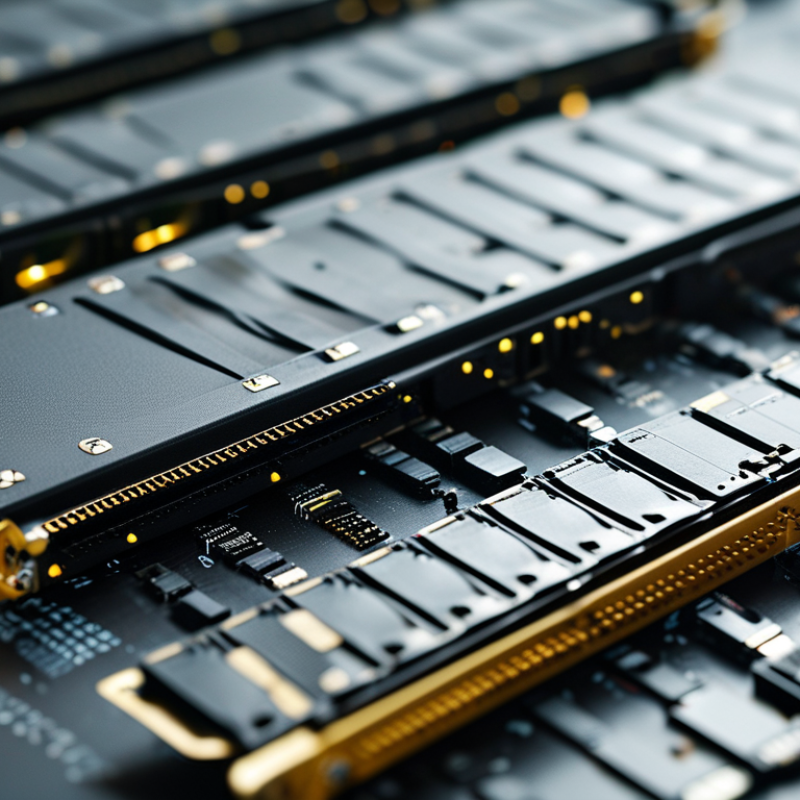
How to Choose the Best QSFP56 Transceiver for Your Needs?

Understanding QSFP56 Transceiver Basics and Specifications

Understanding QSFP56 transceiver basics and specifications is crucial for effective network solutions. These compact modules provide high-speed data transmission, supporting up to 400 Gbps. Key specifications to consider include protocol compatibility and distance capabilities. QSFP56 supports various protocols like Ethernet, InfiniBand, and Optical Transport Network. The choice may depend on existing network architecture and future scalability needs.

In essence, examining the form factor is vital. QSFP56 modules fit seamlessly into switches and routers designed for high-density port configurations. When selecting a transceiver, consider the optical connections, whether you need single-mode or multi-mode fibers. Each type has distinct advantages, impacting deployment cost and overall performance.

Usage scenarios also play a role. If your setup is for short-range needs, multi-mode fibers could suffice. However, a long-distance solution may necessitate single-mode options. Each installation may expose potential challenges. For example, pairing mismatched components can lead to inefficiencies. Understanding the relationship between various specifications and your specific environment is essential. It helps in making informed decisions to optimize your network's performance.

Identifying Your Network Requirements for Optimum Performance

Choosing the right QSFP56 transceiver can significantly impact network performance. A thorough understanding of your network requirements is key. Consider the data rates you need. For example, QSFP56 transceivers can handle up to 400G. Are you planning for future growth? Make sure your choice supports scalability.

Tip: Evaluate the distance between devices when selecting a transceiver. Short-range options differ greatly from long-range ones. Poor distance matching can lead to high latency and data loss. It's essential to match your transceiver capabilities with the network layout.

In addition to speed and distance, assess the type of data being transmitted. Different applications may require varied performance. Video streaming demands low latency, while storage solutions may prioritize consistency over speed. Reflect on these needs to avoid potential bottlenecks in your system.

Tip: Review how often you upgrade equipment. Continuous changes can lead to mismatches. Having a flexible approach allows for adjustments without complete overhauls. Thoughtful planning prevents wasted resources and ensures reliable performance as your network evolves.

Comparing Different QSFP56 Models and Features

When selecting a QSFP56 transceiver, understanding the features of different models is crucial. These transceivers support high-speed data transfer, but not all models are the same. Pay attention to factors such as data rate, distance, and compatibility with existing infrastructure. Some models offer 200G performance over shorter distances, while others excel in long-range applications.

Consider the physical design as well. Some transceivers have a compact form-factor, enabling better airflow. This is essential in high-density environments where space is limited. Additionally, evaluate the power consumption. Efficient models can save operational costs while maintaining performance.

Reading user reviews can also provide insights. Sometimes, the specifications look perfect on paper, but real-world performance may vary. Take note of common complaints or praises. This information can influence your choice significantly. Buying a transceiver isn't just about numbers; it's about finding a reliable solution that fits your specific needs.

Evaluating Compatibility with Existing Network Infrastructure

When evaluating compatibility with existing network infrastructure, it’s essential to examine several factors while selecting a QSFP56 transceiver. Assess the current hardware, including switches and routers. Ensure that the transceiver supports the same protocols as your existing devices. According to a report by the Ethernet Alliance, many organizations face compatibility issues due to outdated equipment. This can lead to connectivity problems and reduced performance.

Tips: Always verify the form factor and pinout requirements before purchasing. This can save significant time and resources. Additionally, check that the optical standards match your current cabling, as mismatches can hinder data rates.

It’s also vital to consider the environmental conditions where the transceiver will operate. Some components may not perform well in extreme temperatures. A study by the International Data Corporation (IDC) indicates that improper alignment can reduce performance by as much as 30%. Before making a decision, consult with network specialists to ensure that your choice meets both current and future demands. Understanding the nuances of your infrastructure can prevent wasted investments and operational disruptions.

Budgeting and Cost Considerations for QSFP56 Transceivers

When selecting a QSFP56 transceiver, budgeting is a key consideration. The cost of these transceivers can vary significantly. Factors such as specifications and vendor reputation influence overall pricing. It’s essential to establish a budget before exploring options. Having a clear budget can help narrow down choices and prevent overspending.

Another important aspect is performance versus cost. Higher-priced models may offer better features, such as enhanced speed and reliability. However, do you need those advanced capabilities? Analyzing your specific requirements is crucial. Sometimes, a mid-range option may fulfill your needs. You might save money and still maintain adequate performance.

Consider long-term costs as well. A cheaper transceiver may lead to higher maintenance expenses. Evaluate the potential for future upgrades. Investing upfront can lead to better performance and lower costs in the long run. This assessment can be challenging and requires careful thought. Balancing cost with quality requires experience and an informed approach to your choices.

FAQS

: What factors should I consider when choosing a QSFP56 transceiver?

: Consider data rates, distance between devices, and the type of data being transmitted.

How does distance affect transceiver selection?

Matching distance capability is crucial. Poor distance matching can lead to latency and data loss.

Why is scalability important when selecting a transceiver?

Future growth planning is essential. Ensure your choice supports scalability to meet evolving network needs.

What role do user reviews play in choosing transceivers?

User reviews provide real-world insights. Complaints and praises can significantly influence your choice.

How can budgeting impact my transceiver selection?

Establishing a budget helps narrow down options. It prevents overspending and ensures a better fit for needs.

Is it wise to opt for cheaper transceivers?

Cheaper options may lead to higher maintenance costs. Sometimes, a mid-range option is more suitable.

How can I prevent wasted resources with my network?

Thoughtful planning and a flexible approach prevent mismatches and ensure reliable performance.

What features should I evaluate in different QSFP56 models?

Key features include data rate, distance capability, compatibility, and power consumption efficiency.

How important is the physical design of a transceiver?

The design affects airflow and space usage. Compact designs are better in high-density environments.

Do I need advanced features in my transceiver?

Analyze your specific requirements. Higher-priced models may not be necessary for every situation.

Conclusion

When selecting the best QSFP56 transceiver for your needs, it's essential to first understand its basic specifications and capabilities. QSFP56 transceivers offer high-speed data transmission, typically supporting 200Gbps. Identifying your specific network requirements is crucial, as factors like distance, transmission medium, and data rate affect performance.

Next, comparing different QSFP56 models and their features can help ensure you select a transceiver that meets your unique needs. Compatibility with your existing network infrastructure must also be evaluated to avoid integration issues. Finally, consider budgeting and cost implications, as QSFP56 transceivers come at varying price points, which can impact your overall investment in networking technology. Selecting the right transceiver will ultimately enhance your network's efficiency and performance.

Ethan

Ethan

Ethan is a seasoned marketing professional with a deep expertise in our company's innovative product line. With a passion for sharing knowledge and insights, he takes the lead in regularly updating our corporate blog, where he explores industry trends, product features, and effective marketing......