Equip-Link
Fiber optic transceivers play a crucial role in modern communication systems. They facilitate high-speed data transmission over long distances. By converting electrical signals into light, these devices ensure that information travels efficiently through fiber optic cables.
Understanding how a fiber optic transceiver works can be complex. These transceivers consist of a transmitter and receiver. The transmitter emits light signals, while the receiver detects them. This conversion process is vital for maintaining signal integrity and speed. In many cases, users may overlook the importance of these components in their network designs.
As technology evolves, the demand for faster and more reliable connections increases. Fiber optic transceivers must meet these growing needs. It is essential to choose the right specifications for specific applications. Observing performance can lead to insights about future improvements. Addressing any shortcomings can enhance overall network efficiency. The journey into fiber optic technology is ongoing and warrants careful consideration.
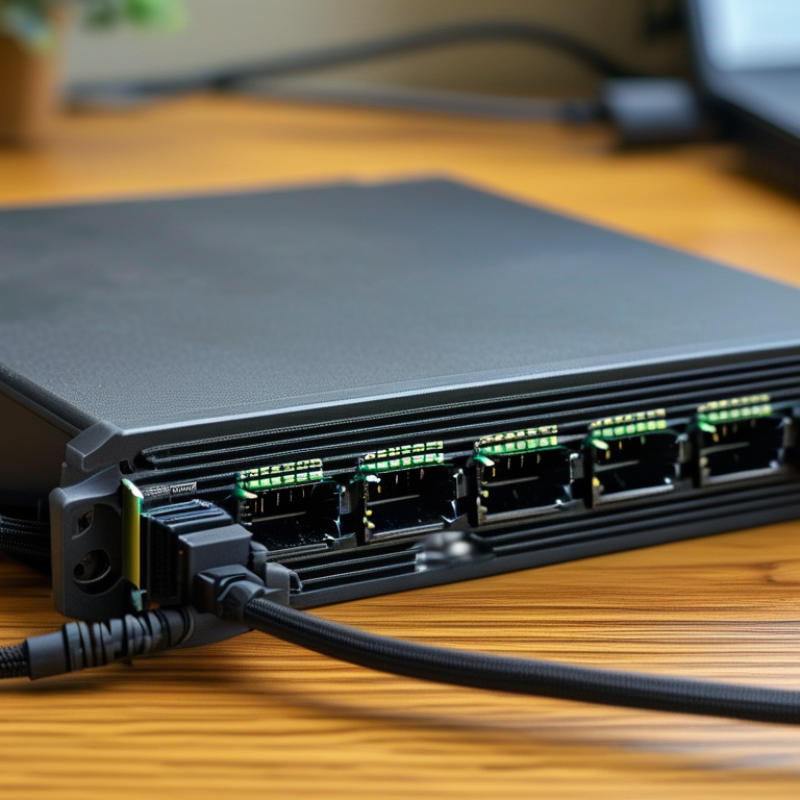
Fiber optic transceivers play a crucial role in modern communication systems. They are devices that convert electrical signals into optical signals and vice versa. This conversion enables data to travel long distances with minimal loss. This technology is vital for high-speed internet and telecommunications.
Typically, these transceivers consist of a light source, such as a laser, and a receiving component. The light source emits light signals, which travel through fiber optic cables. The receiver then detects these signals and converts them back into electrical signals. This process allows for fast and efficient data transmission.
Tips: When selecting a fiber optic transceiver, consider the required transmission distance. Different types are suited for varying distances. Moreover, ensure compatibility with existing network hardware. Knowledge of the specific application can guide your choice.
These devices may seem straightforward, but their operation can be complex. Users might overlook the importance of compatible connectors and cable types. Misalignment in the optical path can cause signal degradation. It's essential to have a basic understanding of the technology to optimize performance.
Fiber optic transceivers are crucial for high-speed data transmission. They convert electronic signals into optical signals. In this process, light travels through fiber cables. This technology enables rapid communication across long distances. Each component of a transceiver plays a specific role in ensuring efficient data transfer.
The key components include the transmitter, receiver, and optical interface. The transmitter converts the electric signal into a light signal. It uses lasers or LEDs for this purpose. The receiver, on the other hand, performs the reverse operation. It detects the light signals and converts them back into electrical signals. The optical interface connects the transceiver to the fiber optic cable. Proper alignment is vital to minimize signal loss.
Understanding these components can be challenging. Many people overlook the importance of each part. Ensuring optimal performance means paying attention to detail. For example, a poorly aligned optical interface can lead to significant data loss. It's essential to regularly maintain and test the equipment. This vigilance helps ensure reliability in communication systems.
Fiber optic transceivers are vital components in modern communication systems. They convert electrical signals into light signals and vice versa. This process enables high-speed data transfer over long distances. The heart of the transceiver comprises a light-emitting diode (LED) or laser for transmission. For receiving, it features a photodetector. Understanding this mechanism reveals the sophistication behind everyday digital communication.
The process begins when an electrical signal enters the transceiver. The signal triggers the light source, which emits light pulses. These pulses travel through the fiber optics, fundamentally relying on total internal reflection. At the receiving end, the photodetector captures the light. It then converts the light back into an electrical signal. Each step, though straightforward, holds challenges. For instance, signal degradation can occur over distance.
In practice, environmental factors can affect performance. Temperature changes or physical strain on fibers often lead to signal loss. Addressing these issues requires careful installation and maintenance. The balance between speed and quality is a continuous consideration. As technology evolves, improvements in transceiver designs will likely address these existing shortcomings.
| Parameter | Description | Value |
|---|---|---|
| Wavelength | The light wavelength used for transmission | 850 nm, 1310 nm, 1550 nm |
| Data Rate | Maximum data transfer speed | 1 Gbps, 10 Gbps, 100 Gbps |
| Distance | The maximum length of cable for effective transmission | Up to 40 km (single mode), Up to 550 m (multimode) |
| Connector Type | Type of connector used for fiber termination | LC, SC, ST |
| Power Budget | Difference in power between transmitted and received signals | Up to 30 dB |
| Operating Temperature | Range of temperature in which the transceiver operates | -40°C to +85°C |
| Protocol Support | Networking protocols that the transceiver can support | Ethernet, Fibre Channel, SONET |
Fiber optic transceivers play a crucial role in data communication. Understanding the types available helps in choosing the right one for your needs. Basic models include SFP, SFP+, and QSFP, each serving different applications. According to industry data, the global fiber optic transceiver market is projected to reach $7 billion by 2025. SFP models typically offer single-channel connections, while SFP+ supports higher data rates, up to 16 Gbps. QSFP, on the other hand, provides multiple channels, facilitating 40 Gbps or higher.
When evaluating options, consider distance and bandwidth requirements. Standard models vary in reach, from short-range to long-range. SFP typically covers up to 100 meters, while QSFP may extend beyond a kilometer. Choosing the right model can optimize network performance.
Tips: Always assess the compatibility of transceivers with your existing infrastructure. Misalignment can lead to suboptimal performance. Keep in mind that some transceivers may not function as expected in non-standard scenarios. Regular updates and trainings are essential to stay informed about the latest advancements in this fast-evolving field.
Fiber optic transceivers play a crucial role in modern networking. They facilitate high-speed data transmission over long distances by converting electrical signals to optical signals and vice versa. This technology is widely used in various applications, enhancing the efficiency and speed of data communication.
In today’s world, fiber optic transceivers are essential in data centers. They support dense networks that require fast data transfer rates. For instance, organizations use them to connect multiple servers and switches. This minimizes latency and maximizes bandwidth. Educational institutions also benefit from fiber optics. They create reliable networks for research and online learning. However, as networking needs evolve, finding the right transceiver for specific situations can be challenging.
Telecommunications is another field where these transceivers shine. They enable faster internet connections for homes and businesses. Such advancements have transformed how people communicate. Yet, not all fiber optic transceivers are alike. Understanding the differences can be daunting. Users must consider compatibility and performance. This evolving technology continues to push the boundaries of what networking can achieve. It raises questions about future advancements and sustainability in networking solutions.
: It converts electronic signals into optical signals and back again for data transmission.
The key components are the transmitter, receiver, and optical interface.
It converts electrical signals into light signals using lasers or LEDs.
The receiver detects light signals and converts them back into electrical signals.
It connects the transceiver to the fiber optic cable, ensuring minimal signal loss.
Poor alignment can lead to significant data loss during the conversion process.
Environmental factors like temperature changes and physical strain can cause signal degradation.
Regular testing and maintenance ensure reliable performance and communication systems.
Signal degradation is a common issue that can occur as signals travel further.
Improvements in designs aim to address existing performance shortcomings.
A fiber optic transceiver is a crucial device in modern networking, serving as a bridge between electrical signals and optical signals. It comprises key components such as light sources, detectors, and electronics that work together to transmit and receive data over fiber optic cables. Understanding the roles of these components is essential for grasping how fiber optic transceivers function effectively.
The operational process begins with the conversion of electrical signals into light signals for transmission through optical fibers. Various types of fiber optic transceivers are available, each tailored for specific applications and networking requirements. Their versatility makes them an integral part of contemporary communication infrastructures, supporting high-speed data transfer in various settings, from telecommunications to data centers.
