Equip-Link
The SFP+ transceiver market is evolving rapidly, driven by increasing demand for high-speed data transmission. According to a report by MarketsandMarkets, the SFP+ transceiver market is projected to reach USD 4.1 billion by 2026. This growth is influenced by the expansion of data centers and network infrastructure, requiring reliable connectivity solutions.
Choosing the right SFP+ transceiver is critical for meeting specific networking needs. These small form-factor pluggable transceivers provide flexibility for various applications, including telecommunications and data center interconnections. A detailed understanding of their performance parameters can significantly impact network efficiency. However, not all SFP+ transceivers are created equal. It is essential to consider factors like compatibility, transmission distance, and data rate.
In this dynamic landscape, the challenge lies in selecting the most suitable SFP+ transceiver that aligns with both current and future requirements. Buyers should avoid common pitfalls, such as overestimating their bandwidth needs or neglecting compatibility issues. Making informed decisions requires balancing technical specifications with real-world application scenarios.
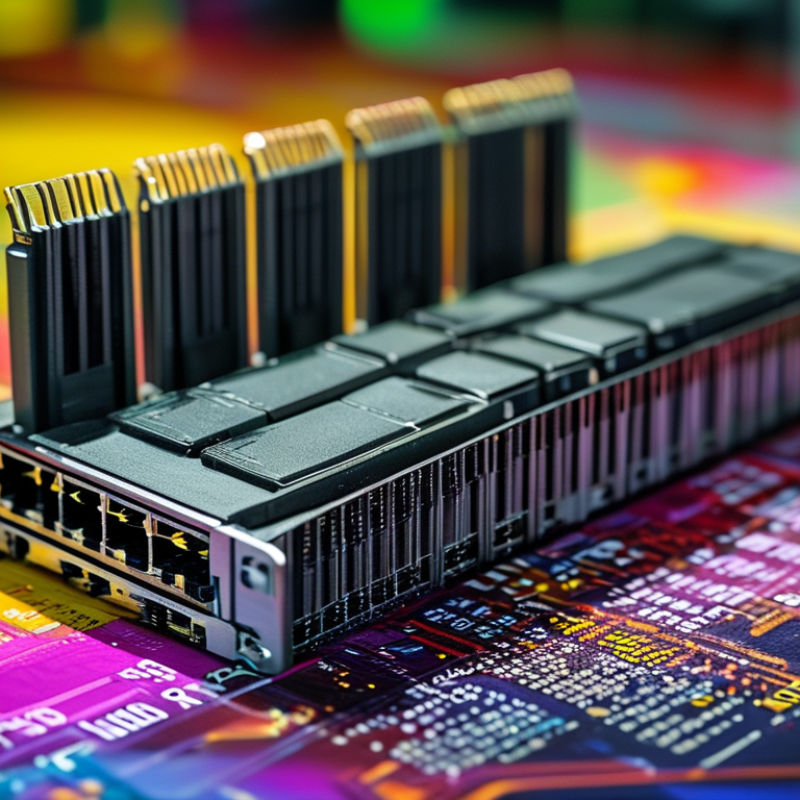
SFP+ transceivers are crucial for high-speed data transmission over fiber optic cables. They typically support 10 Gigabit Ethernet (10GbE) applications. Understanding the different types can help meet specific network requirements, such as distance and bandwidth.
There are various types of SFP+ transceivers, like SR, LR, and ER. The SR (Short Range) transceivers operate over short distances, typically up to 300 meters. In contrast, LR (Long Range) transceivers can extend signals up to 10 kilometers. This versatility in functions allows organizations to tailor their network infrastructure accordingly. According to a recent report by MarketsandMarkets, the SFP+ transceiver market is projected to grow at a CAGR of 17% from 2021 to 2026. This growth reflects an increased demand for bandwidth and better connectivity.
When choosing an SFP+ transceiver, consider factors like distance, environment, and compatibility. A transceiver may excel in a specific environment but falter in another. For instance, high-temperature conditions could limit performance. Firms must evaluate these details carefully to avoid network issues in the future. As with any technology, striking the right balance between cost and performance is essential. Making informed choices here can significantly impact overall network efficiency.
When selecting the right SFP+ transceiver, key specifications are crucial. Understanding the data transmission rate is essential. Most SFP+ transceivers support 10 Gbps, but others can achieve higher speeds. Evaluate your network’s bandwidth requirements first. A mismatch could result in bottlenecks.
Another important aspect is the reach. Different transceivers have varying distances. For instance, short-range modules work well for connections up to 300 meters, while long-range options reach up to 80 kilometers. Assess your application's physical layout and needs to avoid connectivity issues.
Tips: Always verify compatibility with your existing hardware. Check technical documentation for supported standards. Sometimes, even newer hardware might not work with all transceivers.
Wavelength is also significant. SFP+ transceivers can operate on multiple wavelengths, impacting performance in specific environments. Moreover, consider the type of cabling required. OM3 or OM4 multimode fibers are common, but single-mode fibers may be necessary for greater distances. These choices influence installation cost and future upgrades. Make sure to evaluate resource limitations during your selection process.
When selecting SFP+ transceivers, compatibility is crucial. Different devices have unique specifications, affecting overall performance. Always check your equipment’s documentation for supported modules. This ensures smooth integration and optimal data transfer speeds.
Consider the distance your data needs to travel. For shorter runs, copper SFP+ may suffice. For longer distances, fiber optic options are better. Assessing your network layout can help determine the appropriate choice. It’s important to reflect on these aspects before purchasing.
Tips: Look for transceivers that provide detailed compatibility lists. Pay attention to the maximum distance requirements. Verify that the optics type matches your existing infrastructure. Compatibility is key to unlocking the full potential of your network setup.
When selecting an SFP+ transceiver, performance metrics are critical. Speed often tops the list. Standard SFP+ transceivers support speeds of up to 10 Gbps. However, some high-end models can reach beyond this, offering enhanced capabilities for data centers and high-demand applications. The IEEE standardized these speeds to ensure reliable data transmission across networks.
Distance is another crucial factor. Transceivers are not created equal in terms of reach. Typical ranges for SFP+ modules vary from 300 meters with multimode fiber to 80 kilometers with single-mode fiber. According to recent industry reports, organizations often underestimate this aspect, leading to network design issues. It's essential to understand your environment before making a choice.
Power consumption can significantly impact overall operational costs. More efficient models use less energy while delivering the same performance levels. Reports indicate that energy-efficient transceivers can reduce power usage by up to 30%. However, some users overlook this when selecting their equipment, potentially incurring higher expenses. Evaluating these performance metrics will help streamline your decision-making process and ensure that your SFP+ transceivers align with your specific needs.
When budgeting for SFP+ transceivers, numerous factors should be considered. The cost varies significantly based on the type, speed, and distance range required for your network. It’s crucial to analyze your specific needs. Some might focus on short-range connections, while others may need long-range capabilities. This selection directly affects pricing.
One pitfall to avoid is settling for the cheapest option available. While budget constraints are important, extremely low-cost transceivers can lead to performance issues. In the long run, a reliable, slightly more expensive option often proves to be a better investment. Sometimes, sparing a little more can enhance overall network performance.
Don’t forget to account for potential additional costs. Installation and maintenance can add up over time. Carefully plan for these factors in your budget. You'll need to assess your organization’s growth and technology advancements. This foresight can prevent overspending later on. Be ready to adapt your budget as technology evolves and needs change.
| Transceiver Type | Max Distance | Data Rate | Cost (USD) | Notes |
|---|---|---|---|---|
| SR | 300m (Multimode) | 10 Gbps | $80 | Best for short-range connections |
| LR | 10km (Single-mode) | 10 Gbps | $150 | Ideal for long-distance connections |
| ER | 40km (Single-mode) | 10 Gbps | $250 | For very long-range connections |
| ZR | 80km (Single-mode) | 10 Gbps | $400 | Suitable for metropolitan area networking |
| CWDM | 100km (Multiple wavelengths) | 10 Gbps | $350 | Used for aggregating multiple signals |
: SFP+ transceivers facilitate high-speed data transmission over fiber optic cables, typically supporting 10 Gigabit Ethernet.
Types include SR (Short Range), LR (Long Range), and ER, varying by distance and application.
SR transceivers can transmit up to 300 meters, while LR transceivers can extend signals up to 10 kilometers.
Consider distance, environment, and compatibility to ensure optimal performance and avoid future network issues.
Compatibility influences overall performance. Mismatched specifications can lead to issues with data transfer speeds.
Wavelength impacts performance. Different cabling types may be required for varying distances, influencing installation costs.
Not always. New hardware may not support all types of transceivers. Verify compatibility before purchasing.
Yes, using mismatched transceivers can create bottlenecks. Assess bandwidth needs to prevent this.
Reflect on your network layout, distance requirements, and existing hardware specifications to make informed choices.
Balancing cost and performance is essential. Informed decisions can impact overall network efficiency and budgeting.
Choosing the best SFP+ transceiver for your needs involves understanding the different types and functions these components offer. SFP+ transceivers are crucial for high-speed network connections, and it's important to evaluate key specifications such as data rate, distance, and power consumption. Compatibility with your existing equipment should also be a primary concern, as mismatched components can lead to inefficiencies and technical issues.
In addition to technical specifications, performance metrics play a significant role in your selection process. Assessing how well an SFP+ transceiver meets your speed requirements and operational range will help ensure optimal performance. Finally, budgeting for your SFP+ transceiver needs is essential; understanding the costs involved can help you make informed decisions while balancing quality and affordability. By considering these factors, you can effectively choose the right SFP+ transceiver that aligns with your specific networking goals.
