 Equip-Link
Equip-Link
Equip-Link
The QSFP28 transceiver has emerged as a critical component in modern data communication networks. This advanced optical transceiver supports data rates up to 100 Gbps, meeting the growing demands for bandwidth in cloud computing and data centers. According to a recent report by MarketsandMarkets, the global market for high-speed transceivers, including QSFP28, is projected to reach $1.7 billion by 2025. Such growth highlights the importance of this technology in supporting high-speed connectivity.
Dr. Emily Turner, a leading expert in optical communication systems, emphasizes, "The QSFP28 transceiver is vital for improving network efficiency." This statement reflects the transceiver’s role in reducing latency and maximizing throughput in data transmission. The QSFP28 can handle multiple channels in a compact design, making it a preferred choice for operators that demand high performance in limited space. However, the rapid pace of technological evolution means constant adaptation is essential, and many institutions still face challenges in integrating these advanced systems.
As more organizations transition to 400G technology, the importance of the QSFP28 transceiver cannot be overstated. Its ability to support higher bandwidths while maintaining operational reliability is crucial. Despite its advantages, many businesses might overlook the need for ongoing training and infrastructure upgrades. Embracing the QSFP28 can foster greater innovation, but it requires a strategic approach to deployment and management.
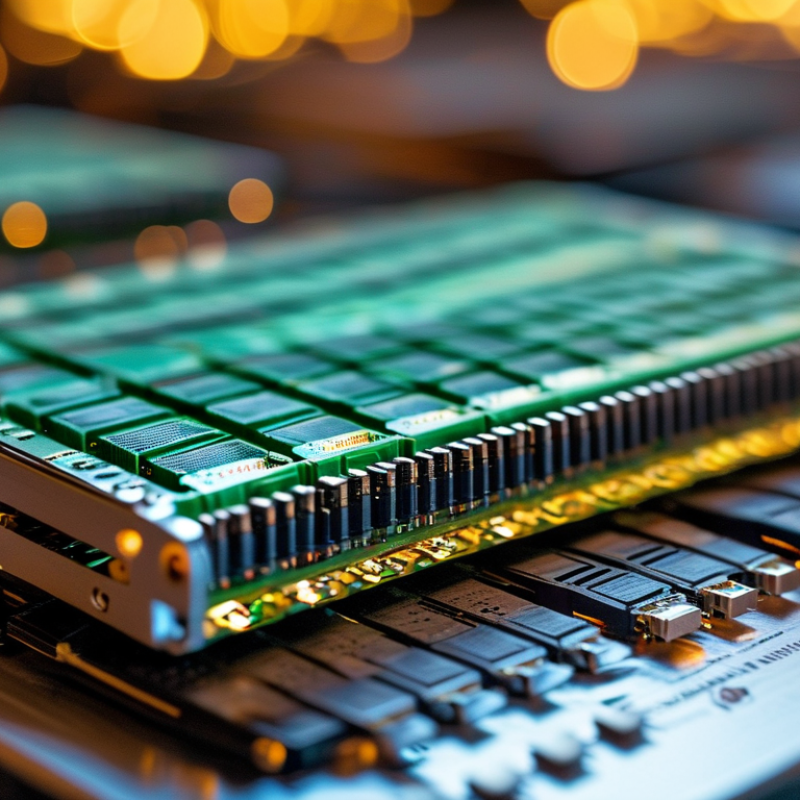
The QSFP28 transceiver is a high-speed interface widely used in data center environments. This device supports 100G Ethernet communication, making it crucial for high-bandwidth applications. It allows multiple data streams to be transmitted simultaneously, helping to increase overall network efficiency.
In terms of functionality, the QSFP28 transceiver operates over different mediums, including fiber optics and copper cables. Its compact design enables space-saving solutions in networking hardware. The ability to achieve high data rates while maintaining low power consumption is noteworthy. However, ensuring compatibility with existing infrastructure can pose challenges.
While the technology is advanced, not all installations might benefit from a QSFP28 upgrade. Some networks may not require the high throughput it provides. Therefore, careful assessment of needs and infrastructure is recommended before proceeding with such integration. Each organization should evaluate whether the QSFP28 aligns with its operational goals.
| Parameter | Description |
|---|---|
| Type | QSFP28 |
| Maximum Data Rate | 100 Gbps |
| Interface | PCIe, Ethernet, Infiniband |
| Transmission Distance | Up to 100m (Hang Xia Fiber) |
| Connector Type | MTP/MPO |
| Applications | Data centers, High Bandwidth Applications |
| Wavelength | 1310 nm for multimode, 850 nm for single-mode |
| Power Consumption | Less than 4 Watts |
: It is a high-speed interface used in data centers for 100G Ethernet communication.
It supports high-speed connectivity, which is essential for large data demands and efficient networking.
It can function with fiber optics and copper cables, providing versatility in network hardware.
Compatibility with existing infrastructure can be difficult; not every network needs such high throughput.
It is used in high-frequency trading, video streaming, and remote work solutions.
Good cable management can improve airflow and reduce the risk of overheating in setups.
Innovations in energy efficiency and thermal management are expected to improve performance.
Regular testing can help detect potential issues, ensuring uninterrupted service is maintained.
Yes, relying on a single technology might lead to bottlenecks or failures in the future.
Engaging with industry forums and attending webinars can provide valuable insights into upcoming trends.
The QSFP28 transceiver is a high-speed optical module designed to transmit data at rates up to 100 Gbps, making it crucial for modern data centers and networking infrastructures. It supports a variety of applications, including high-performance computing, cloud services, and large-scale data storage. The key specifications of the QSFP28 transceiver include its compact size, power efficiency, and compatibility with multiple fiber types, which enhance its versatility and deployment flexibility.
One of the main advantages of the QSFP28 transceiver over previous generations is its ability to deliver higher data rates while consuming less power, thus maximizing throughput and minimizing operational costs. As technology evolves, future trends indicate further advancements in QSFP28 technology, such as increased integration capabilities and enhanced performance features, ensuring its continued relevance in the fast-paced world of connectivity and networking.
