Equip-Link
Equip-Link
Equip-Link
Founded in 2017, Equip-Link Intelligent Equipment (Shenzhen) Co., Ltd. stands as a premier technological hub in China, specializing in designing, developing, and manufacturing high-performance optical transceivers and advanced fiber optic communication solutions. With over 14 years of industry expertise and 9 years of export experience, our core engineering team has driven innovation across global data centers, telecommunication carriers, enterprise networking environments, and high-density AI infrastructure deployments.
We serve a global footprint that spans North America, Europe, Southeast Asia, the Middle East, and South America. Leveraging our robust supply chain network of over 1,280 qualified partners, we ensure stable raw material access, unparalleled manufacturing precision, and absolute compatibility across different networking systems.
Power over Ethernet (PoE) technology has transformed from a simple convenience for IP telephony into a critical pillar of modern smart infrastructure. By delivering both low-voltage DC power and high-speed data communications over a single Ethernet cable (such as Cat5e, Cat6, or Cat6a), PoE minimizes installation complexity, reduces wiring costs, and mitigates safety risks associated with high-voltage AC mains. The integration of PoE in commercial buildings, automated manufacturing floors, and public security frameworks is accelerating rapidly due to the explosive growth of Internet of Things (IoT) sensors, Wi-Fi 6E/7 Access Points, and intelligent edge AI nodes.
As network demands escalate, the IEEE standards have evolved systematically. From the original 802.3af standard providing up to 15.4W of power to the 802.3at (PoE+) supplying 30W, the industry has now shifted towards the 802.3bt (PoE++) standard. This latest iteration can deliver up to 90W or even 100W of power. This allows high-draw equipment like pan-tilt-zoom (PTZ) IP security cameras, commercial digital signage, smart LED lighting systems, and embedded computing boards to run directly from centralized network switches, eliminating localized electrical outlets.
| Standard Type | IEEE Standard | Max Power at PSE (Source) | Max Power at PD (Device) | Supported Cable Categories | Typical Network Applications |
|---|---|---|---|---|---|
| PoE (Type 1) | IEEE 802.3af | 15.4W | 12.95W | Cat3 / Cat5 | IP Phones, static surveillance cameras, simple IoT gateways |
| PoE+ (Type 2) | IEEE 802.3at | 30.0W | 25.5W | Cat5e / Cat6 | Dual-band Wi-Fi APs, PTZ cameras, biometric readers |
| PoE++ (Type 3) | IEEE 802.3bt | 60.0W | 51.0W | Cat6 / Cat6a | Video conferencing terminals, Wi-Fi 6 APs, building automation |
| PoE++ (Type 4) | IEEE 802.3bt | 90.0W - 100.0W | 71.3W | Cat6a / Cat7 | Digital signage, smart LED lighting grids, thin clients, IoT edge computers |
In the highly regulated markets of the European Economic Area (EEA) and global business sectors, the "CE" mark is not merely a label—it is a mandatory legal requirement and a badge of safety, performance, and trust. For Power over Ethernet components, CE certification guarantees compliance with three primary European directives: the Electromagnetic Compatibility (EMC) Directive (2014/30/EU), the Low Voltage Directive (LVD) (2014/35/EU), and the Restriction of Hazardous Substances (RoHS) Directive. Because PoE cables carry both current and high-frequency data, substandard hardware can suffer from electrical crosstalk, excessive thermal build-up, and electromagnetic emissions that degrade neighboring networking gear. Deploying CE-certified components from Equip-Link ensures that your enterprise networks remain physically safe, electrically stable, and compliant with global telecom guidelines.
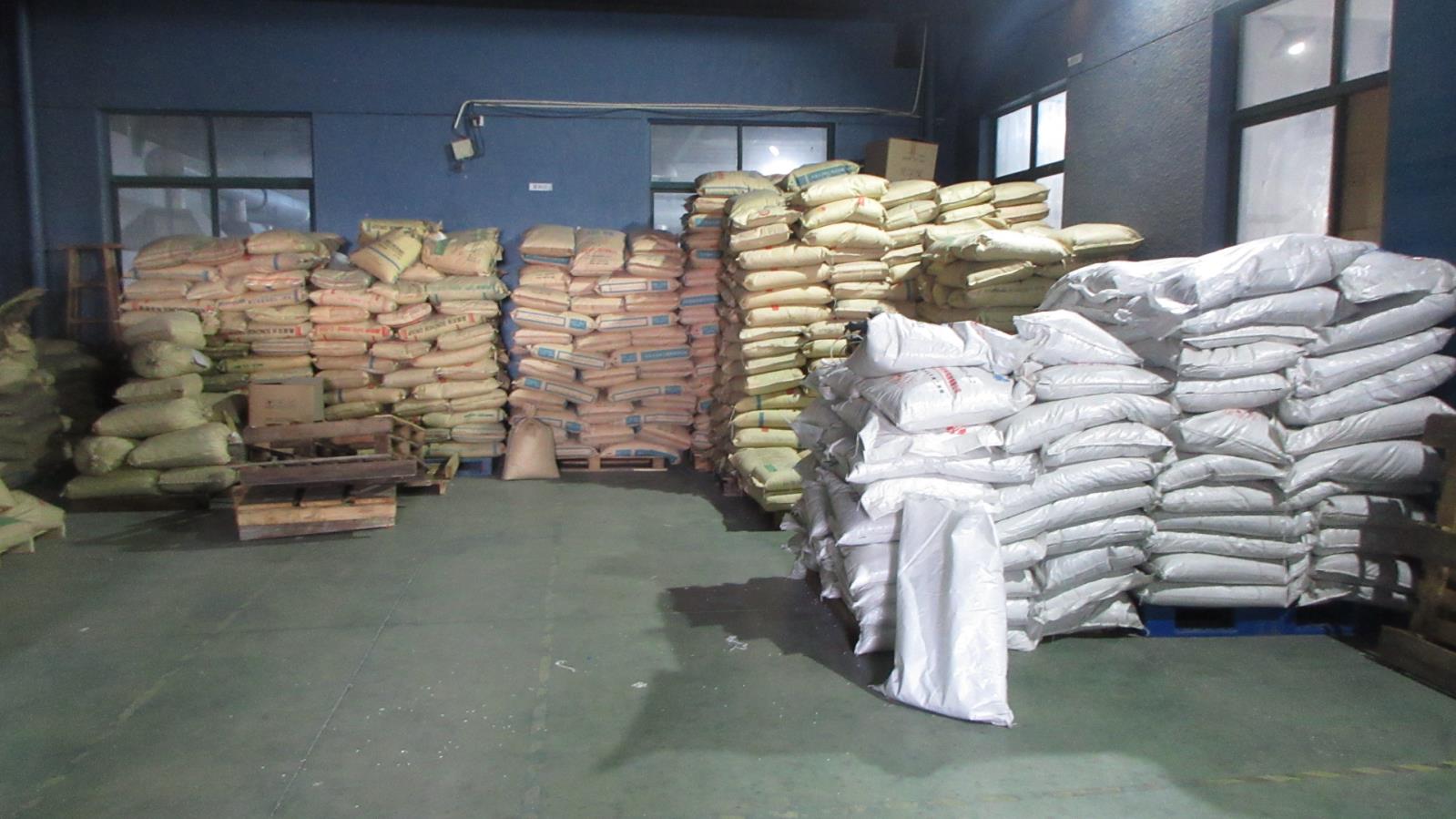
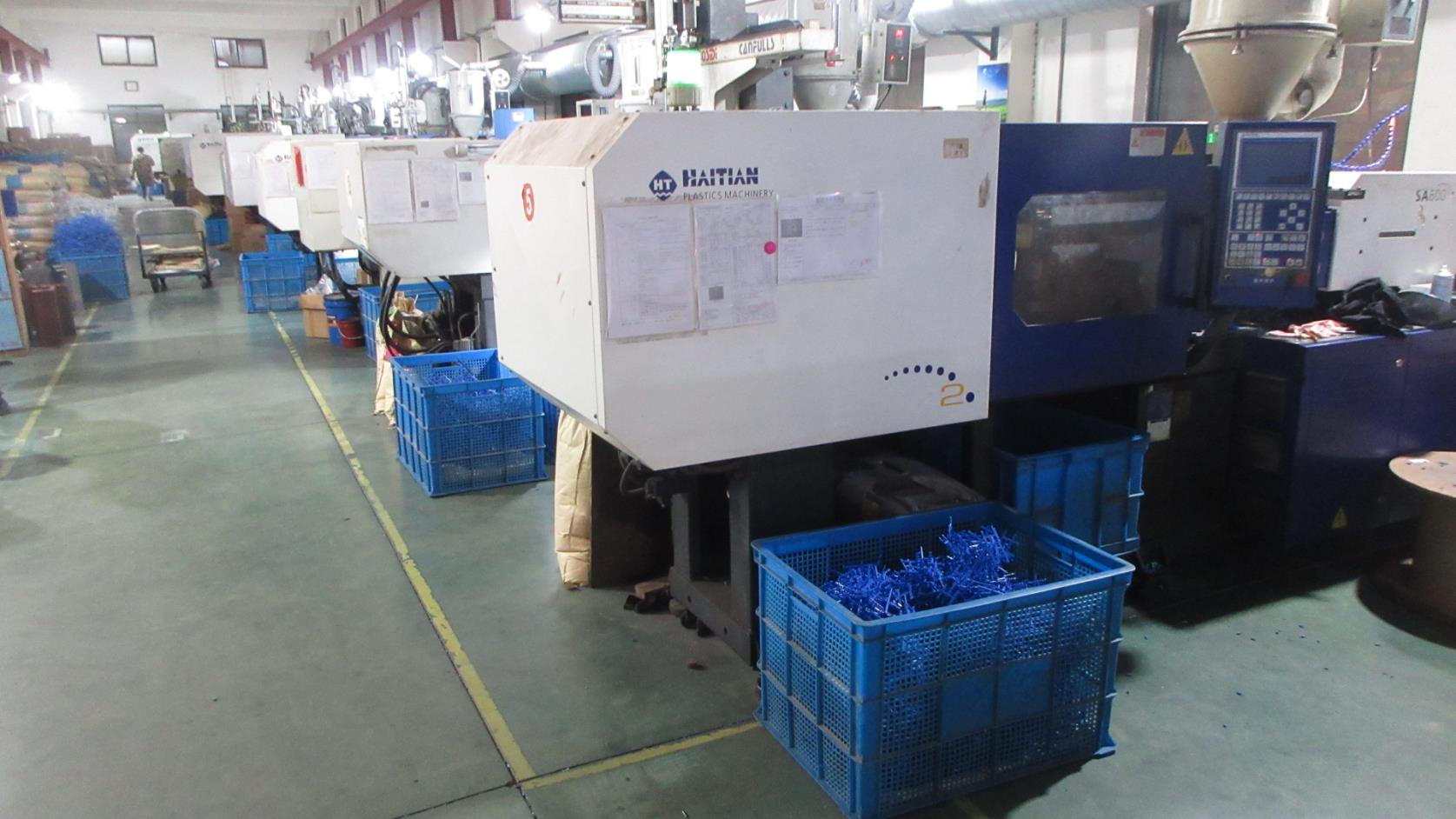
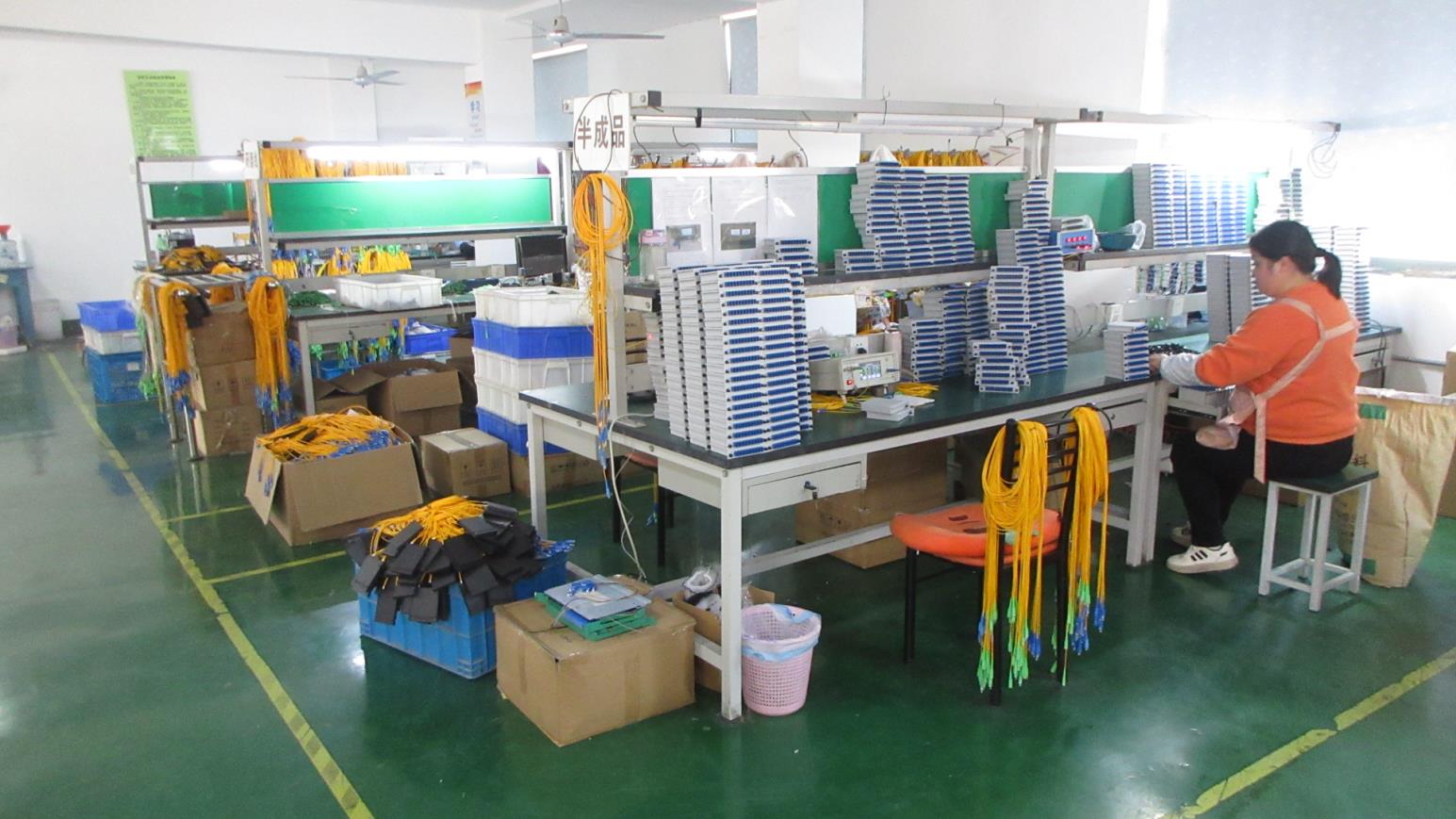
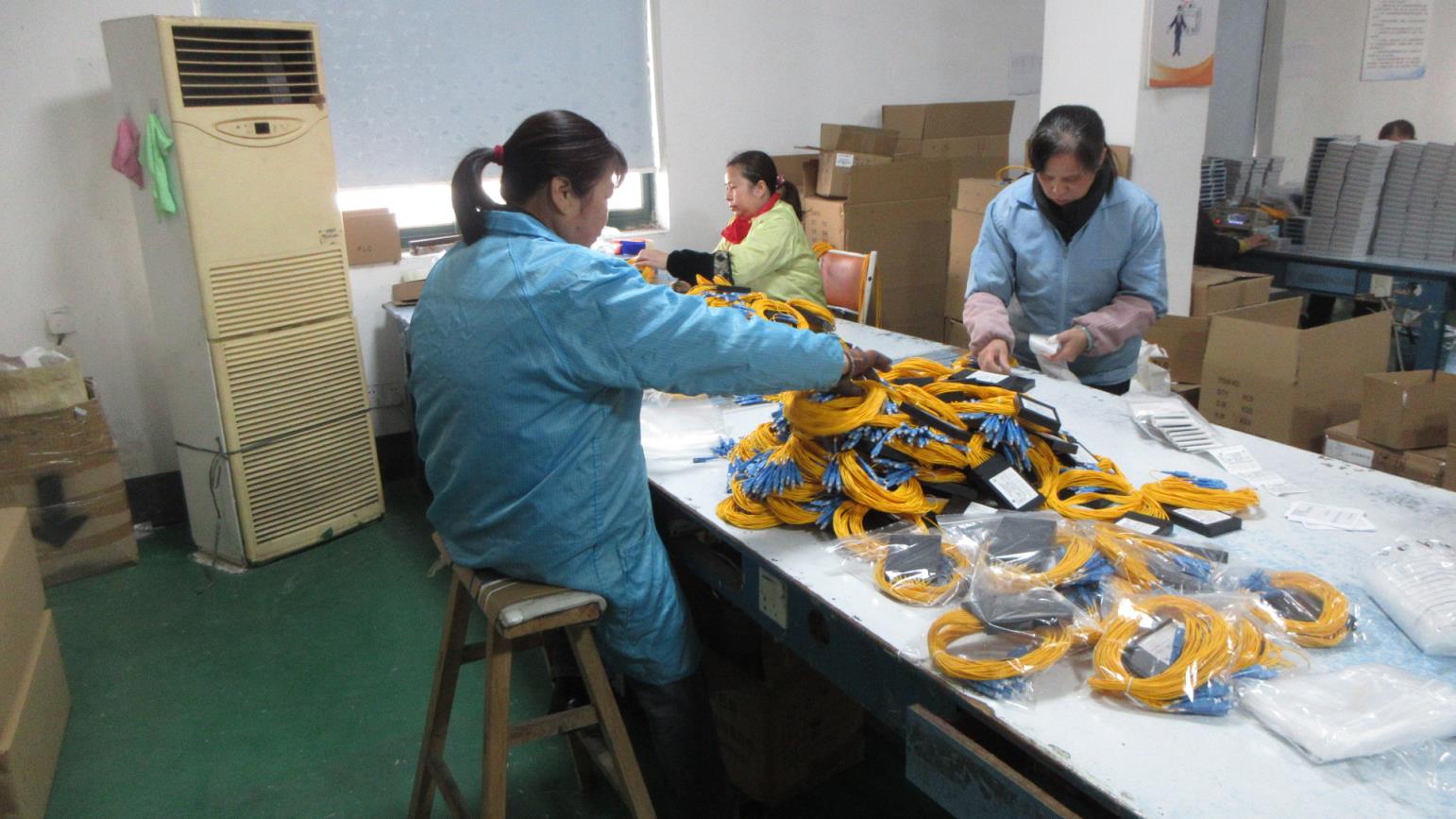
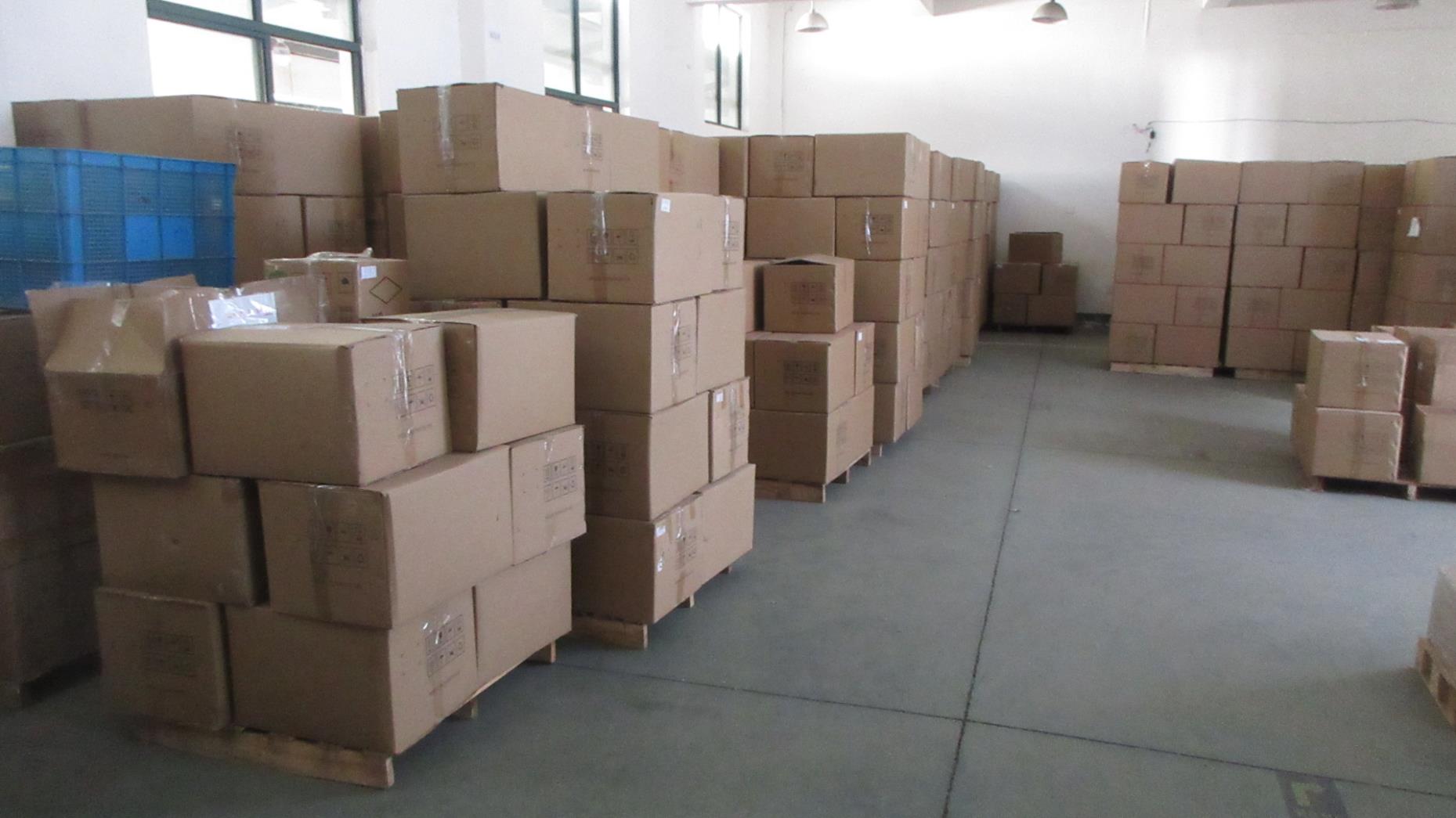
Shenzhen, China, stands as the undisputed global capital of hardware innovation and electronics manufacturing. At Equip-Link’s advanced production and testing facility, we combine our regional industrial advantages with standardized operational controls. The unique positioning of our factory in Shenzhen grants us direct, immediate access to high-grade raw materials, specialized molding technologies, and world-class mechanical engineering talent. By cutting out supply-chain intermediaries, we can rapidly engineer components, perform high-speed validation, and transition from prototype designs to full-volume runs much faster than Western competitors.
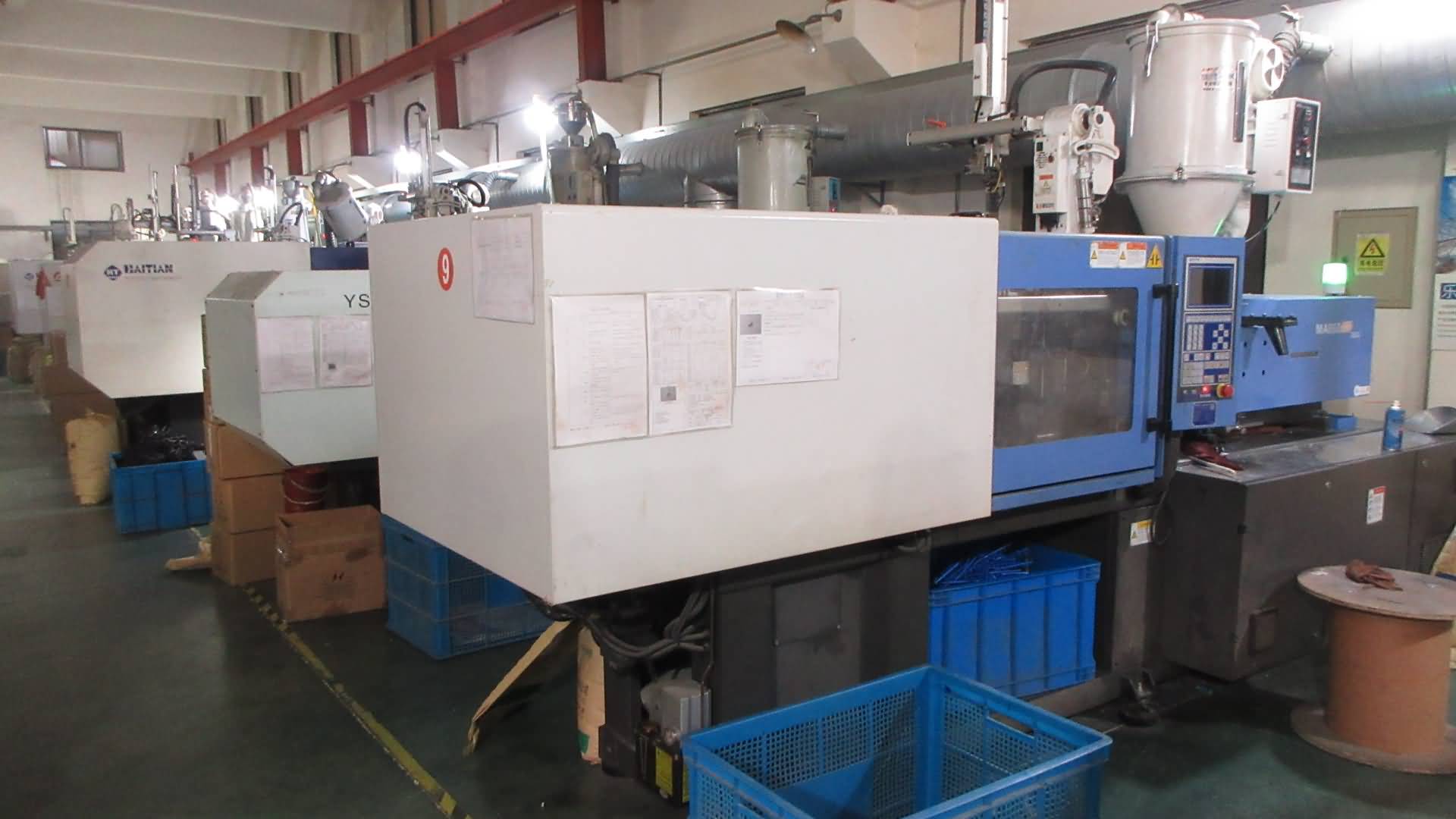
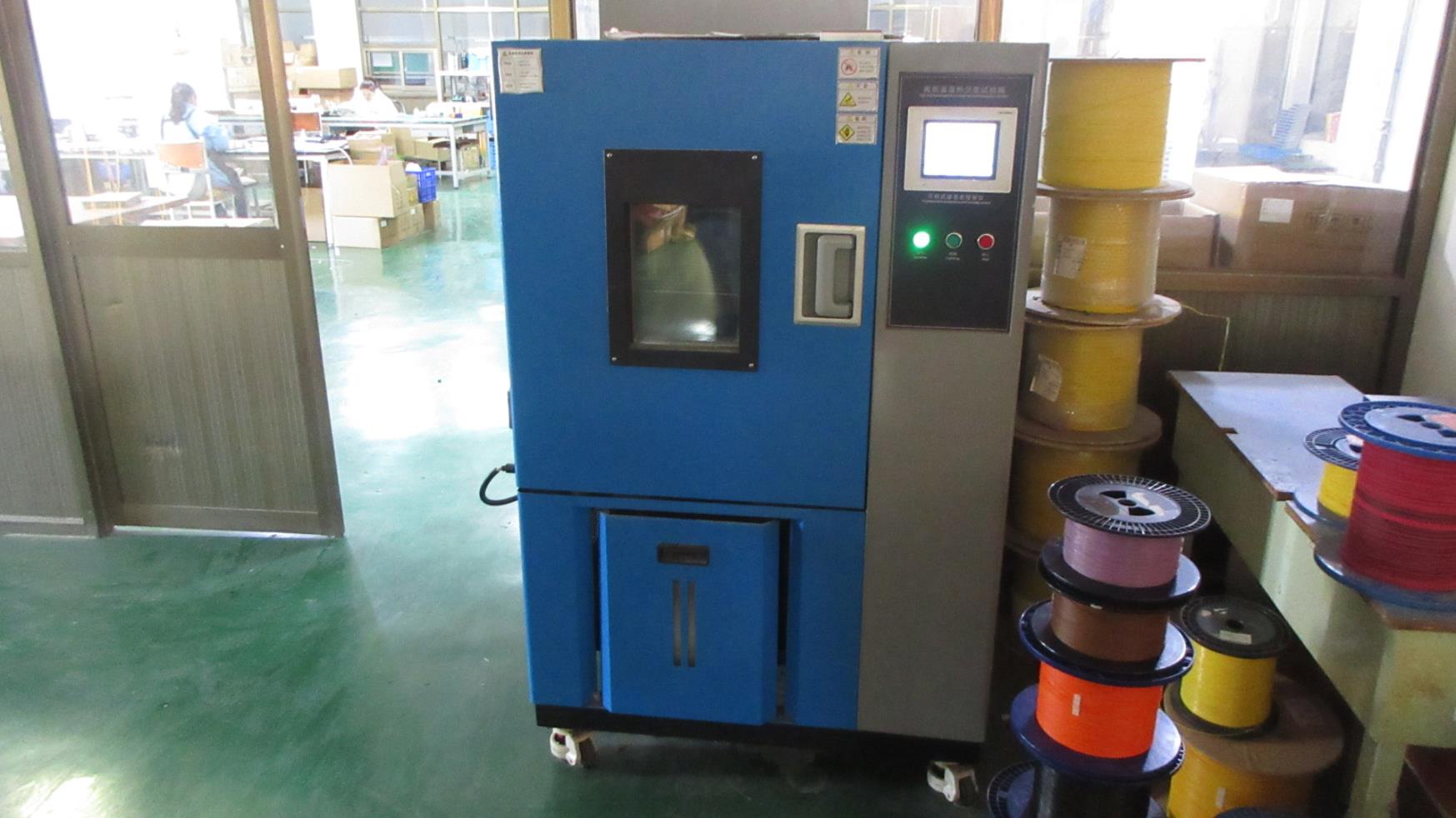
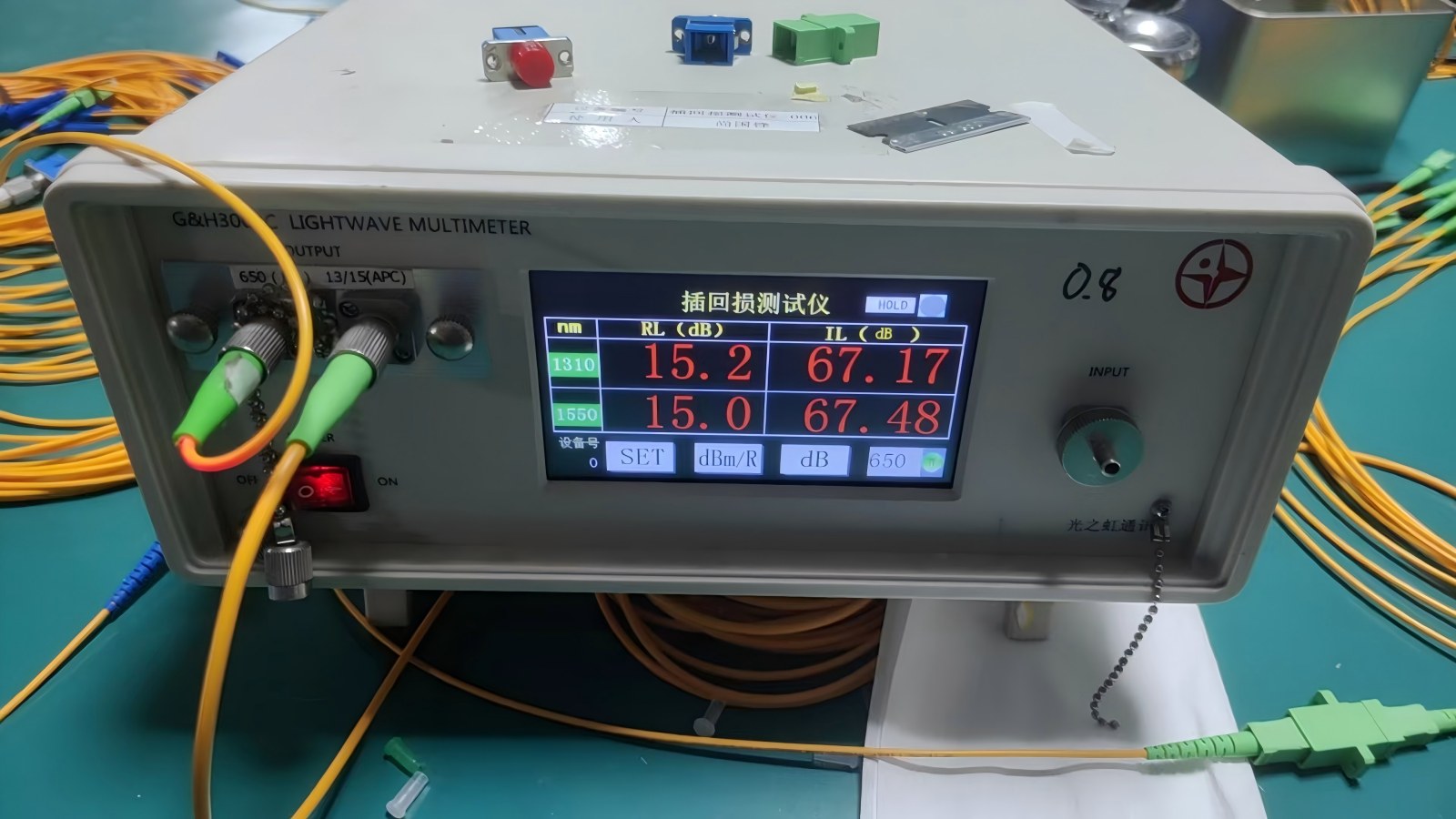
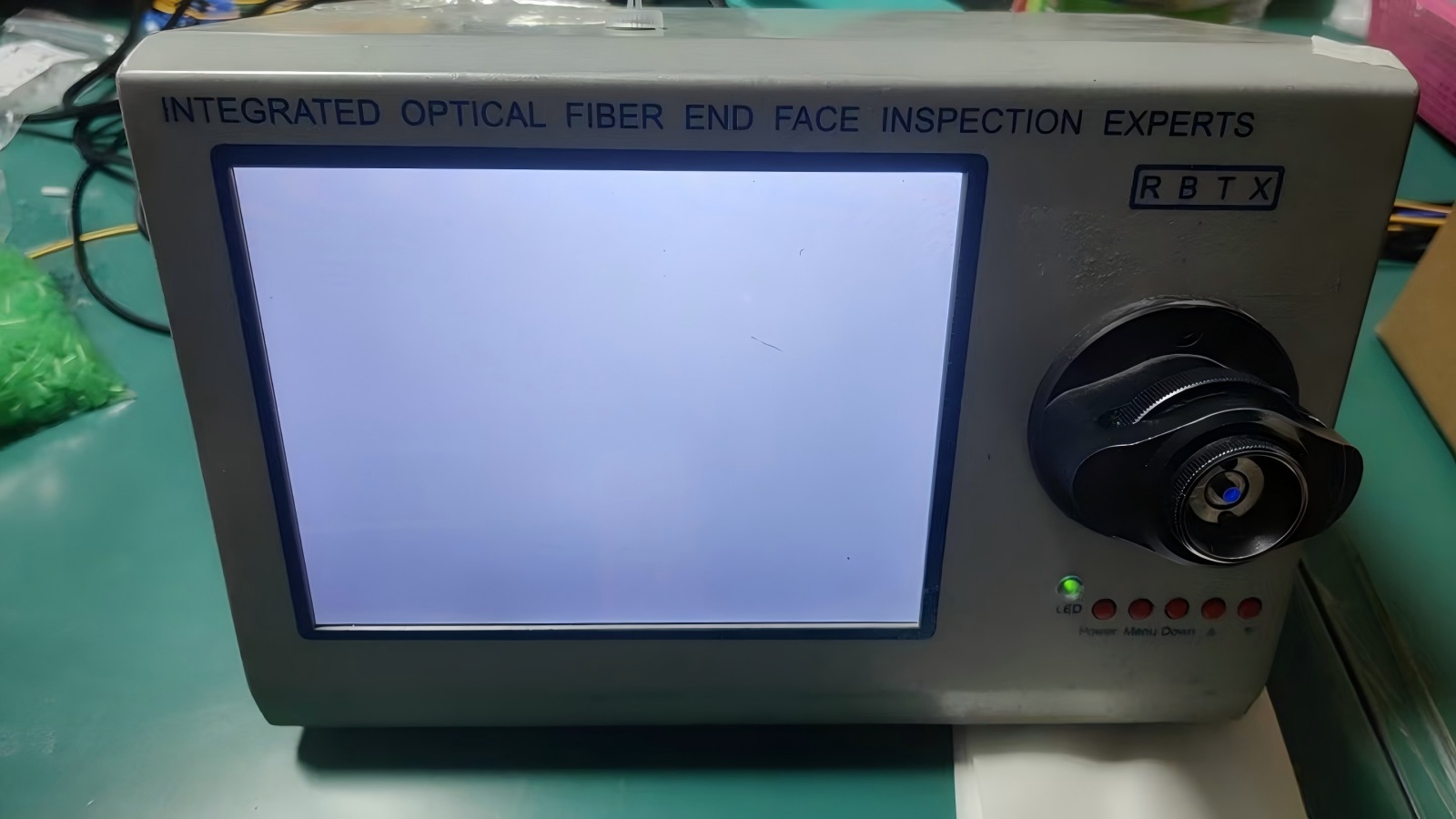
Equip-Link’s modern facility is equipped with automated injection systems, high-precision assembly lanes, and testing setups. We implement a systematic, multi-tiered quality control regime comprising Incoming Material Quality Control (IQC), In-Process Quality Control (IPQC), and Outgoing Quality Assurance (OQA). Our specialized QA team of 36 inspectors tests every single optical module and connector for parameters like insertion loss, Return Loss, and structural integrity. This ensures that every shipment meets international standards, reducing return rates and minimizing down-time for end users.
Modern ethernet and optical infrastructure must perform flawlessly across diverse physical environments. By understanding localized thermal stresses, electromagnetic fields, and bandwidth needs, Equip-Link customizes products for targeted vertical sectors.
The networking landscape is transitioning toward higher bandwidths, efficient power distribution, and green data solutions. Three key industry developments are driving this change:
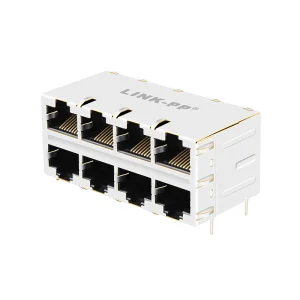
While standard PoE was previously limited to 10/100/1000 Mbps, the rollout of Wi-Fi 7 Access Points and edge servers requires multi-gigabit speeds. High-power, 10G-compatible RJ45 jacks with built-in magnetic filters are vital to support 2.5G, 5G, and 10G Base-T data speeds without compromising signal integrity or causing insertion loss.
In automotive networks and automated warehouses, Single-Pair Ethernet (IEEE 802.3cg) is gaining ground. It delivers data and power (Power over Data Lines, or PoDL) up to 1,000 meters over a single twisted pair of copper wires. This reduces weight and simplifies installation in confined spaces.
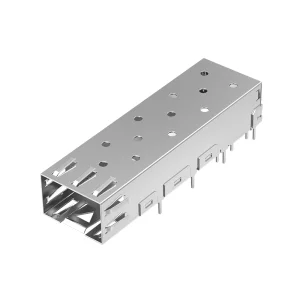
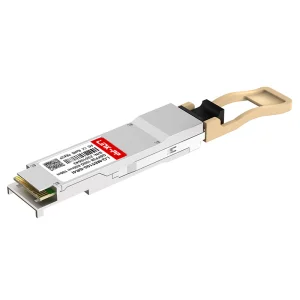
Optical fiber offers long-distance transmission but cannot carry electrical power. Modern network architectures solve this by combining fiber backhauls with localized PoE distribution. Standard SFP+ optical transceivers feed data into PoE switches, which then distribute power and data to downstream IP cameras and network nodes over copper cables.