Equip-Link
Equip-Link
Equip-Link
Explore our leading-edge selection of Ethernet connectors, modular SFP cages, and optical transceivers engineered for modern data processing environments.
As micro-electronic architectures compress, the demand for low profile components becomes a structural imperative. Standard RJ45 modules, which typically require substantial vertical clearances, are increasingly unsuitable for modern 1U rack-mount chassis, sub-cards, IoT hubs, and compact industrial computing systems. In high-density deployments, every millimeter saved improves ventilation and maximizes physical space.
Equip-Link Intelligent Equipment (Shenzhen) Co., Ltd. (founded in 2017) operates at the forefront of this technological shift. By merging 14 years of deep structural industry expertise with 9 years of direct export experience, we design and manufacture network components that resolve the structural constraints faced by system architects worldwide. From SMT tab-up connectors to highly integrated magnetic modules (Magjacks), our solutions ensure signal path optimizations without compromising mechanical strength.
"Information Gain: Modern hardware engineering demands that miniaturization must not degrade transmission capacity. Low profile connectors must implement advanced internal shielding to prevent cross-talk and maintain impedance stability up to Category 6A specs and beyond."
Our operations are designed to balance mass customization with systematic quality control. We run a dedicated facility in Shenzhen focused on high-precision electronic assembly, optical component testing, and quality assurance workflows.
Analyzing the paradigm shift toward sub-11mm height constraints, high-frequency signal integrity, and surface-mount technologies.
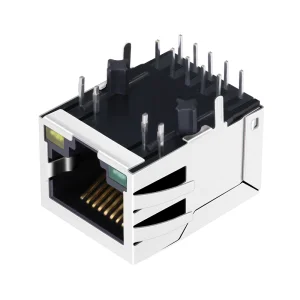
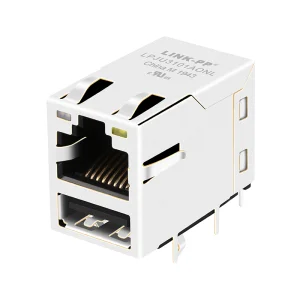
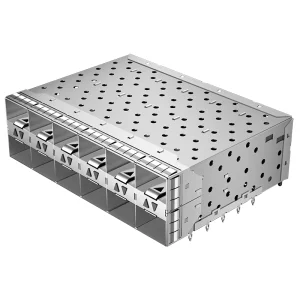
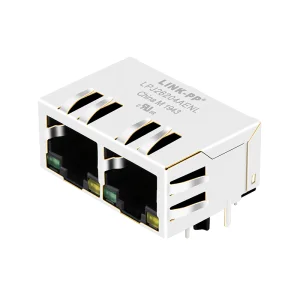
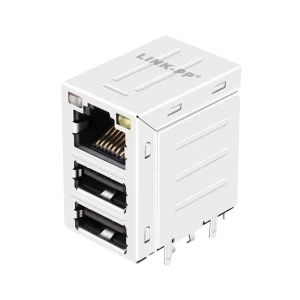
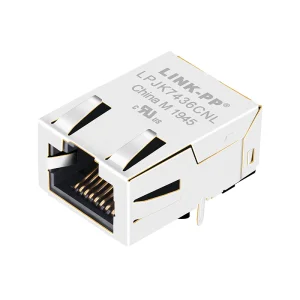
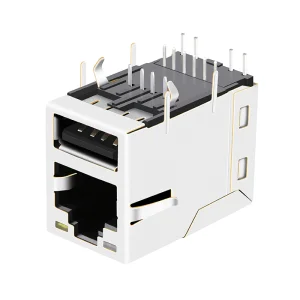
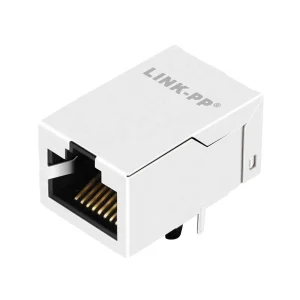
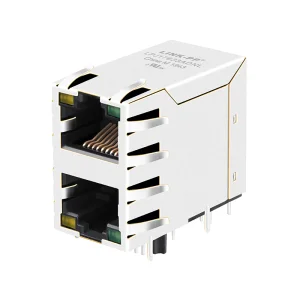
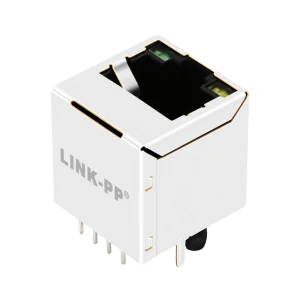
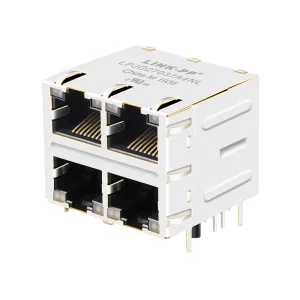
Traditional RJ45 components restrict the layout of server faceplates. Modern network architectures demand low profile options—specifically with total heights under 11.5mm—allowing layout designers to stack ports or integrate additional fiber optic cages (such as SFP28/SFP56) on a single PCB line.
This layout efficiency directly benefits thermal management, creating clear airflow paths over central processing and switching silicon.
Moving filtering magnetics inside the connector housing saves board space and improves electromagnetic isolation. Our integrated Magjack designs feature high-performance inductors and common mode chokes designed to suppress EMI while maintaining raw differential signal transmission characteristics.
This mitigates the risk of external noise coupling from adjacent power lines or high-speed data buses on the carrier board.
Through-hole technology is increasingly replaced by Surface Mount Technology (SMT) for assembly speed. High-temperature engineering plastics like Liquid Crystal Polymer (LCP) are integrated into our low profile housings to withstand reflow soldering processes exceeding peak temperatures of 260°C.
This ensures housing dimensional stability, preventing coplanarity deviance on gold-plated pins during surface mount assembly lines.
A deep dive into Equip-Link's production pipeline. We combine raw material grading, high-accuracy injection processes, and structured automation workflows.
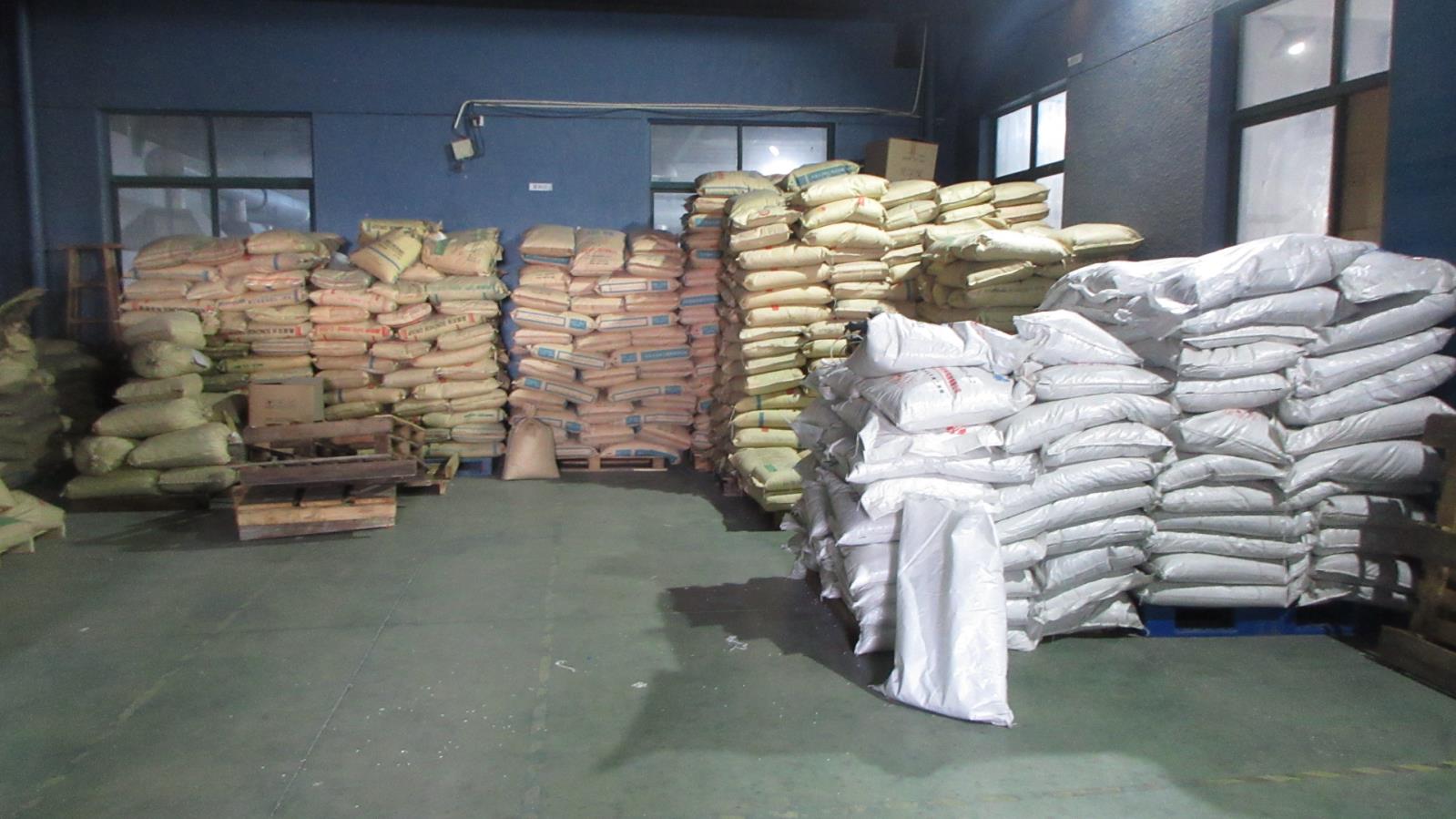
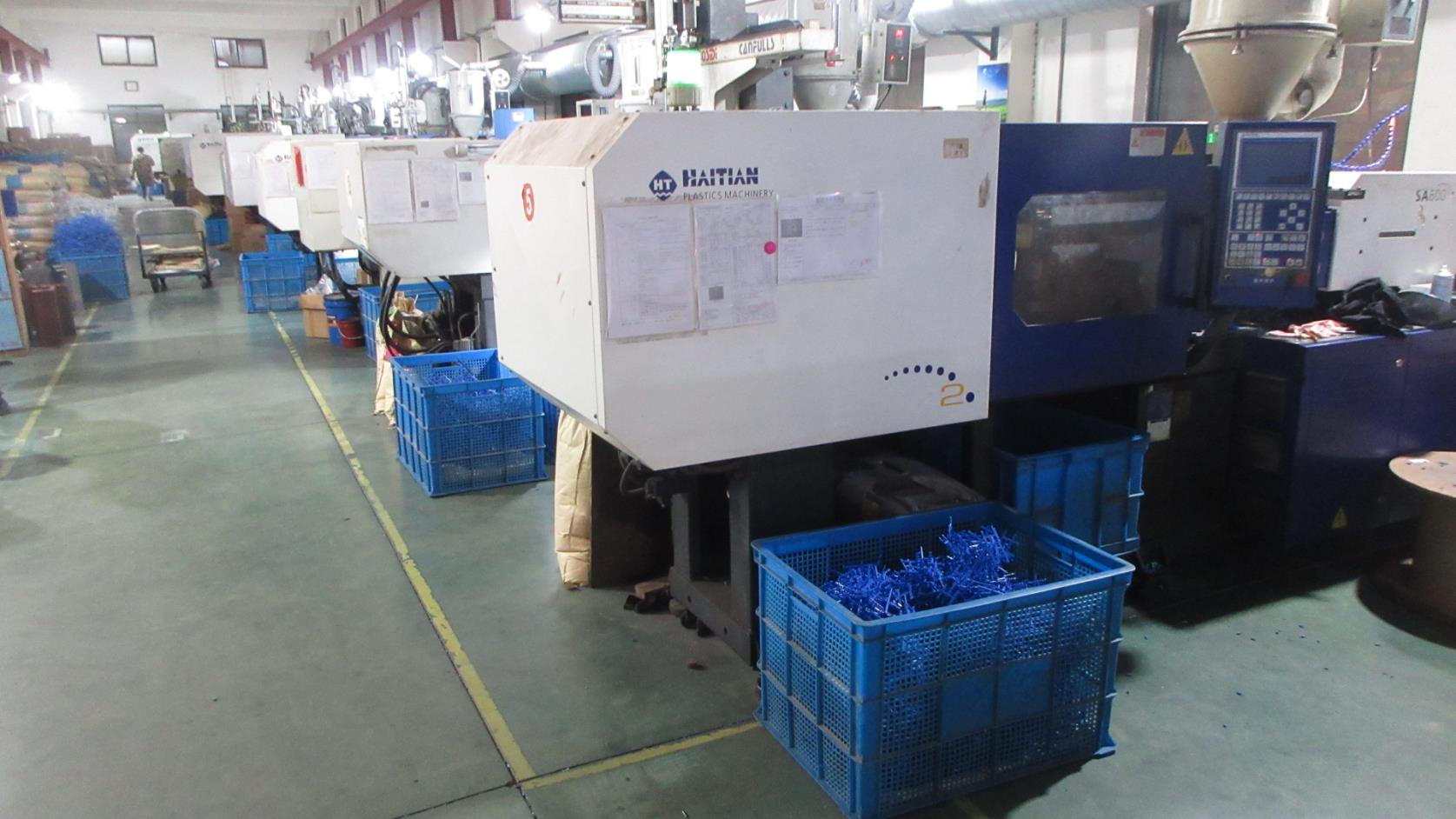
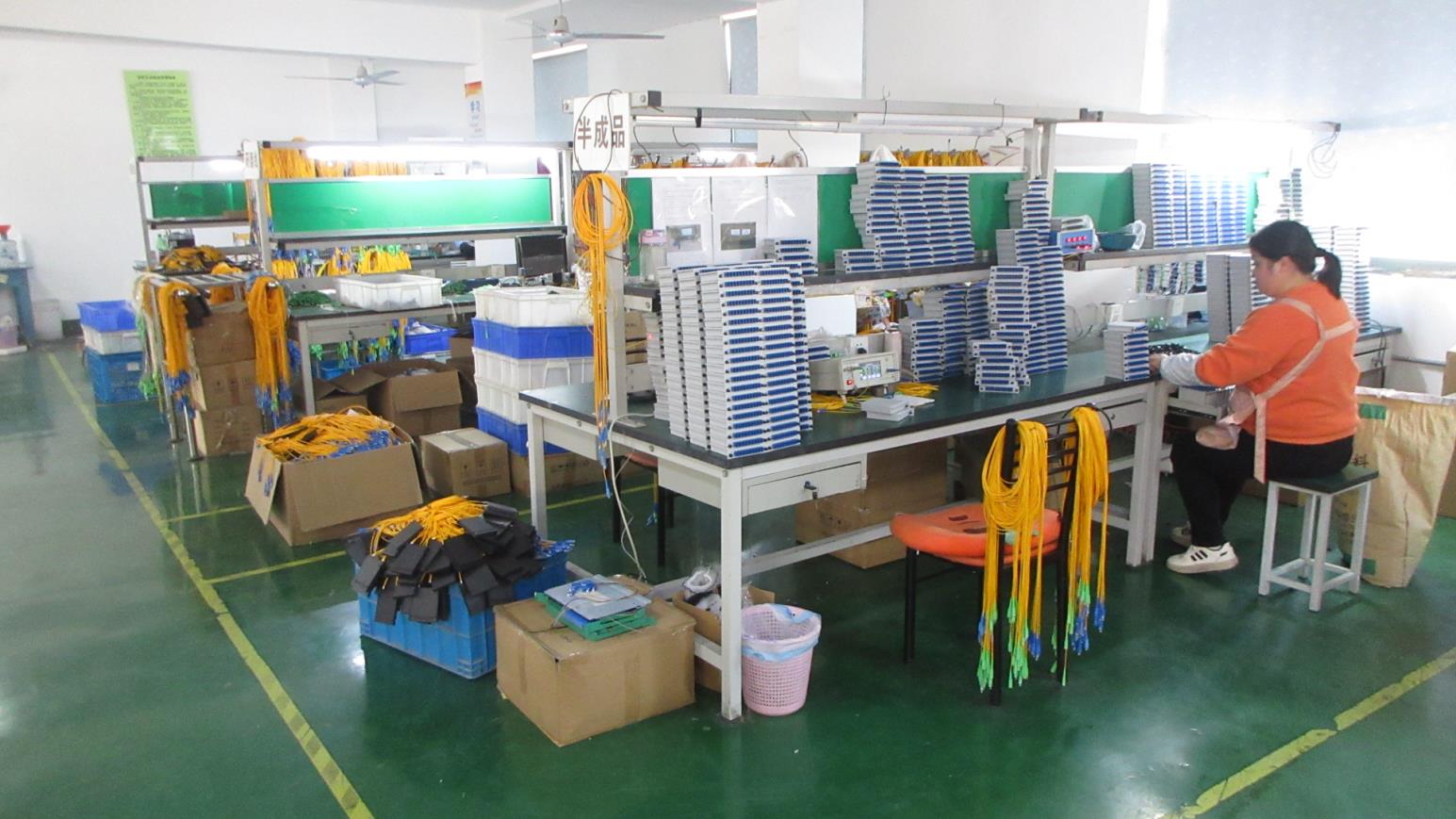
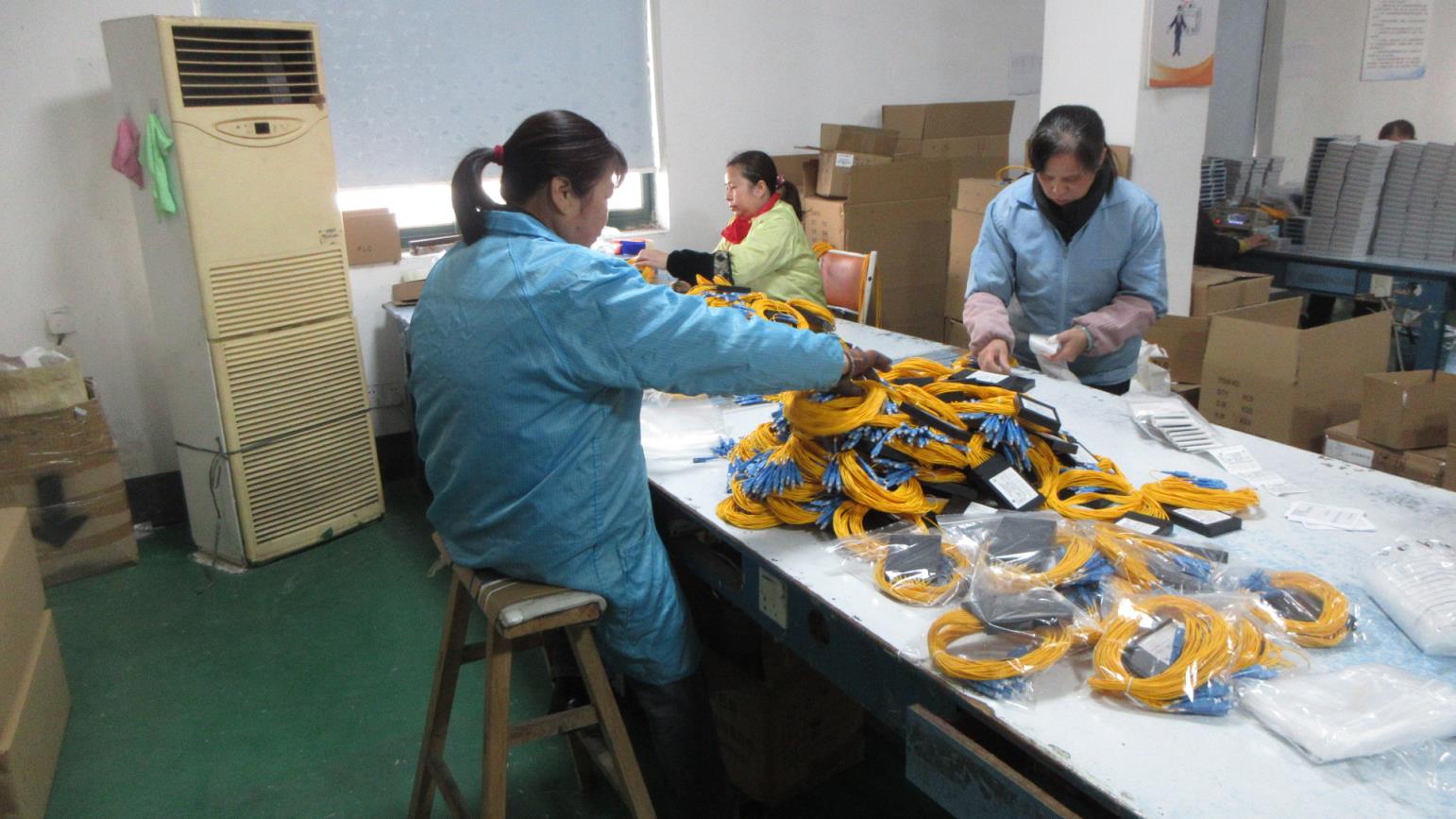
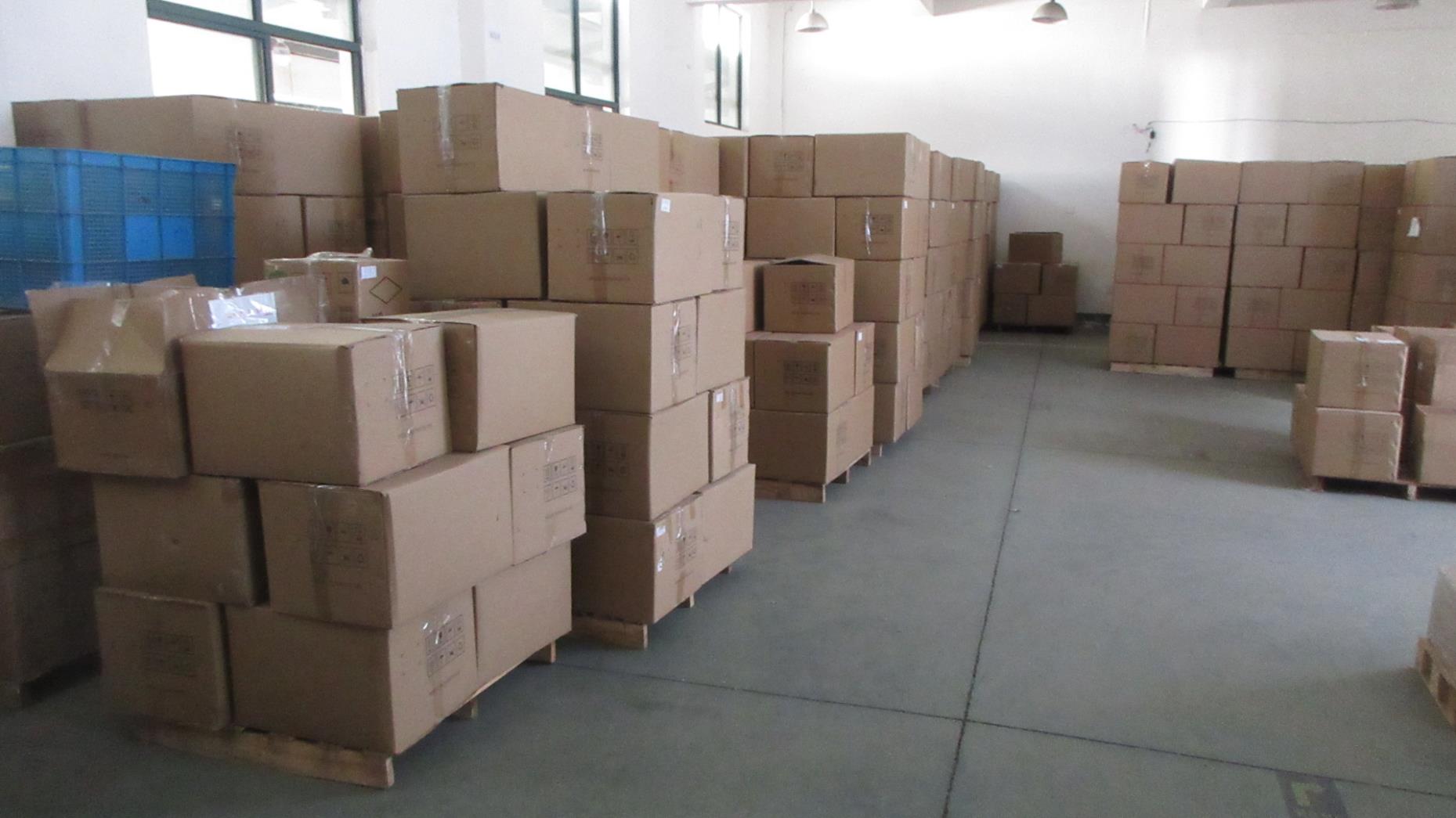
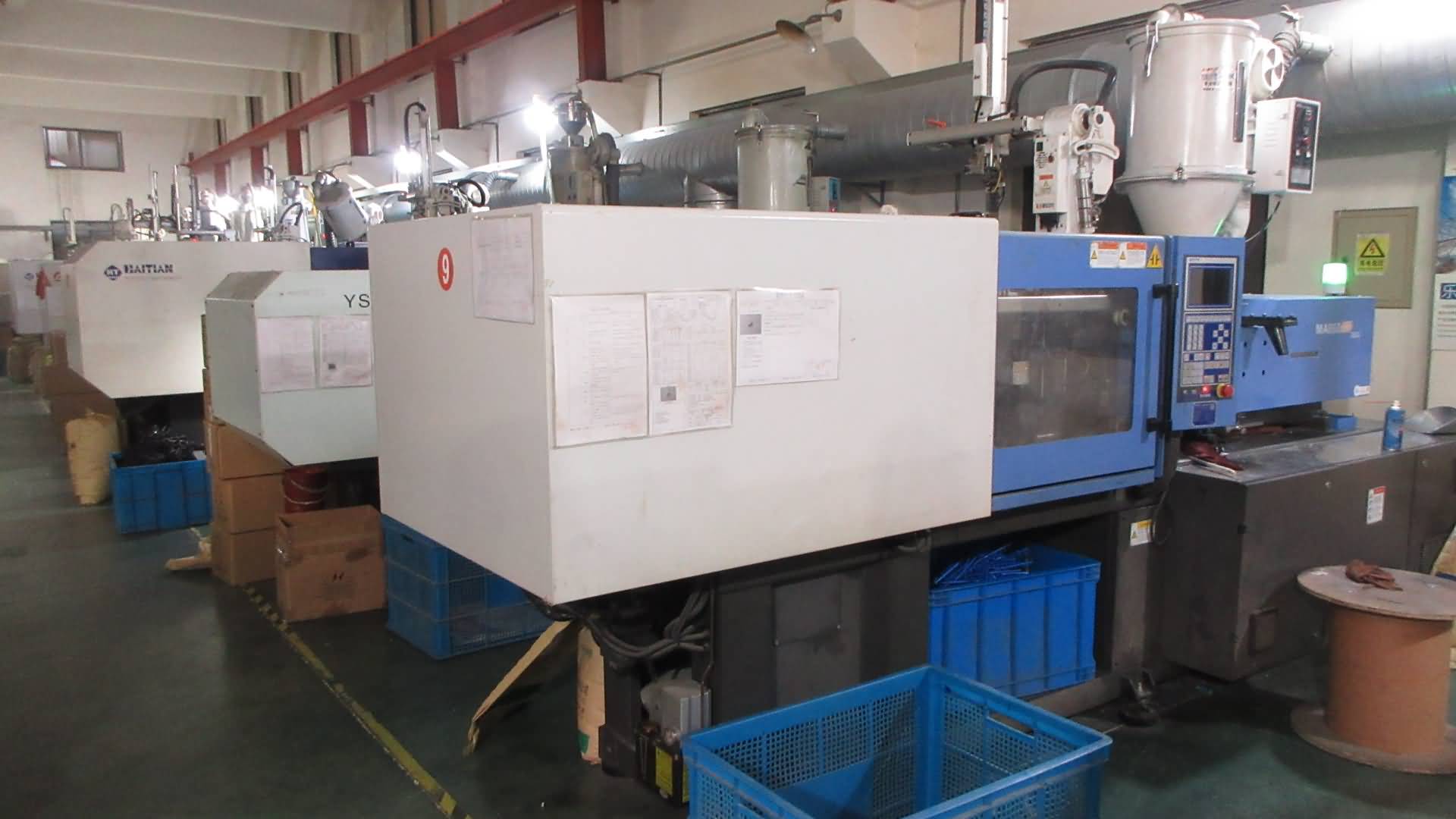
By keeping tooling development, metal stamping, plastic molding, and computerized assembly in-house, Equip-Link exerts complete control over our manufacturing tolerances. Operating from our hub in Shenzhen, we utilize automated injection machinery to guarantee consistency across production runs.
No component departs our facility without verifying physical resilience, isolation metrics, and optical and data path performance.
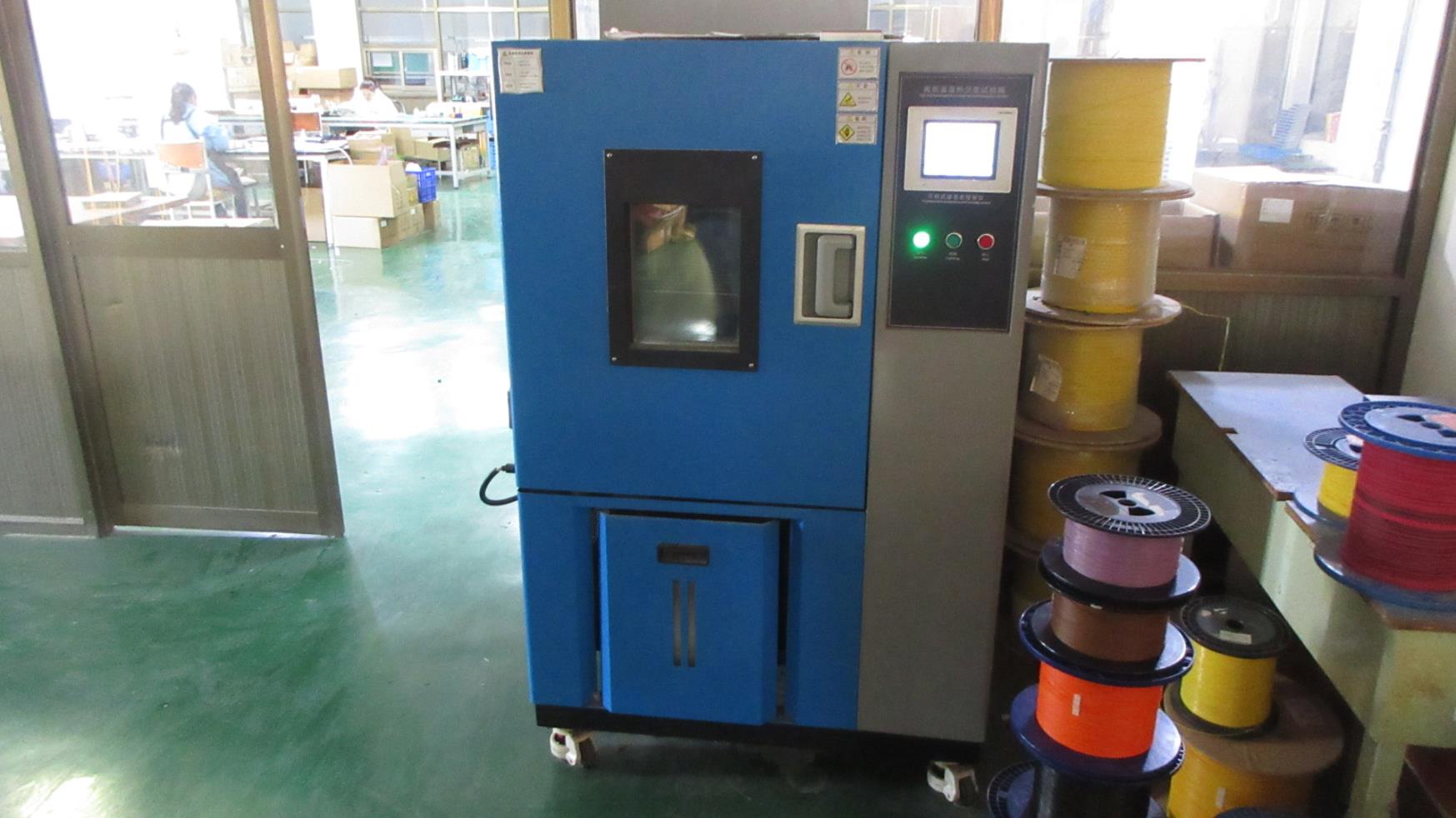
Testing hardware durability through thermal shocks and relative humidity variations ranging from -40°C to +85°C.
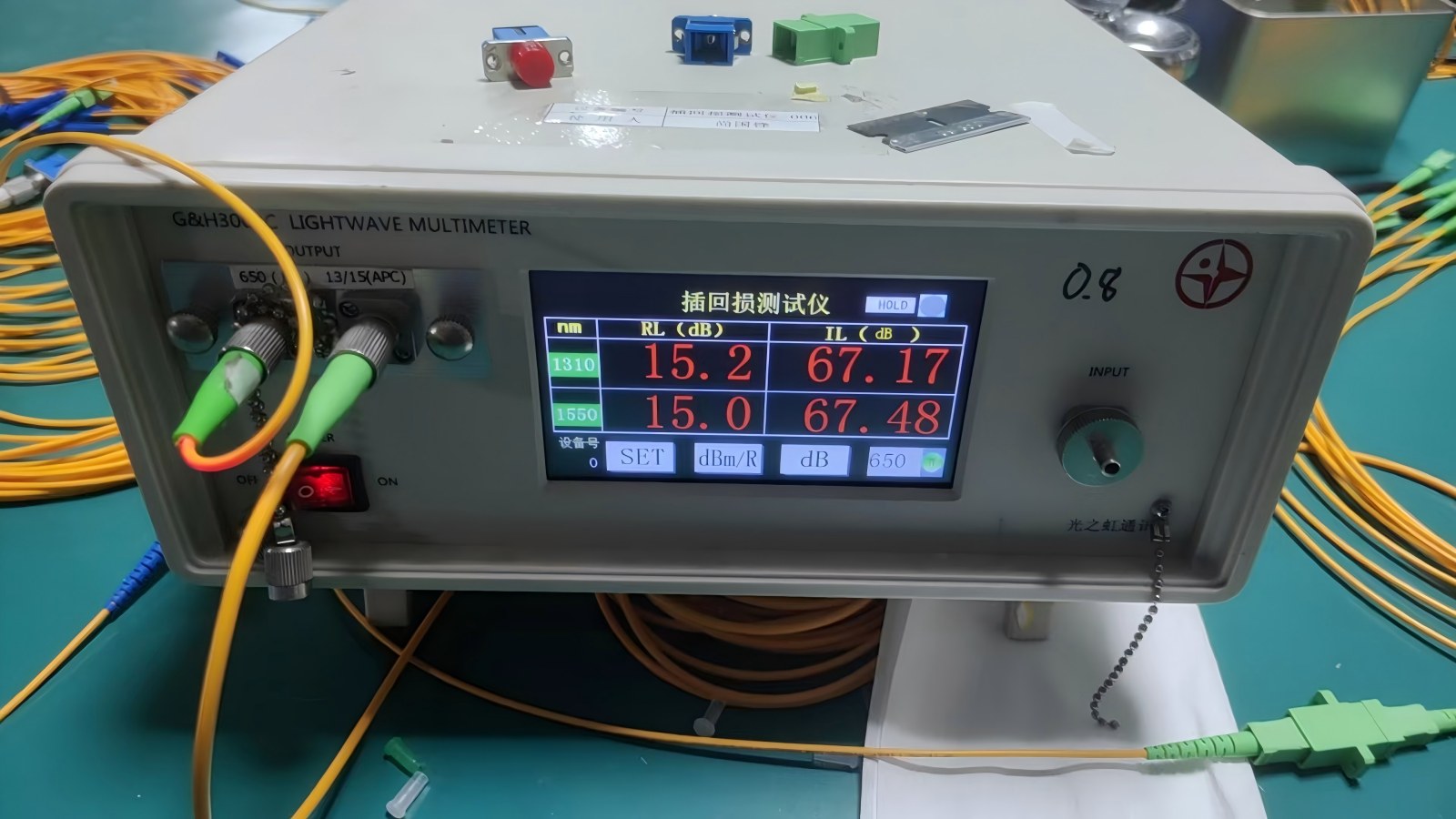
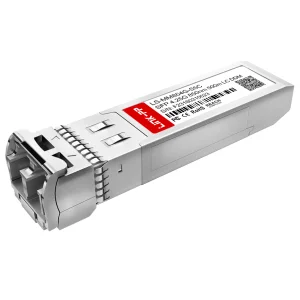
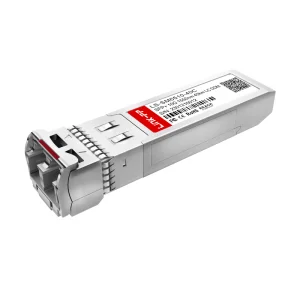
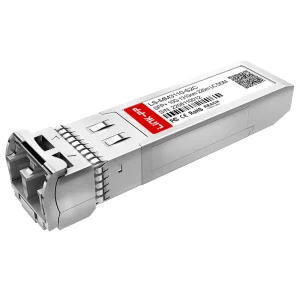
Validating SFP+ and SFP28 transceivers for return loss and transceiver eye diagrams to ensure minimal power budget impact.
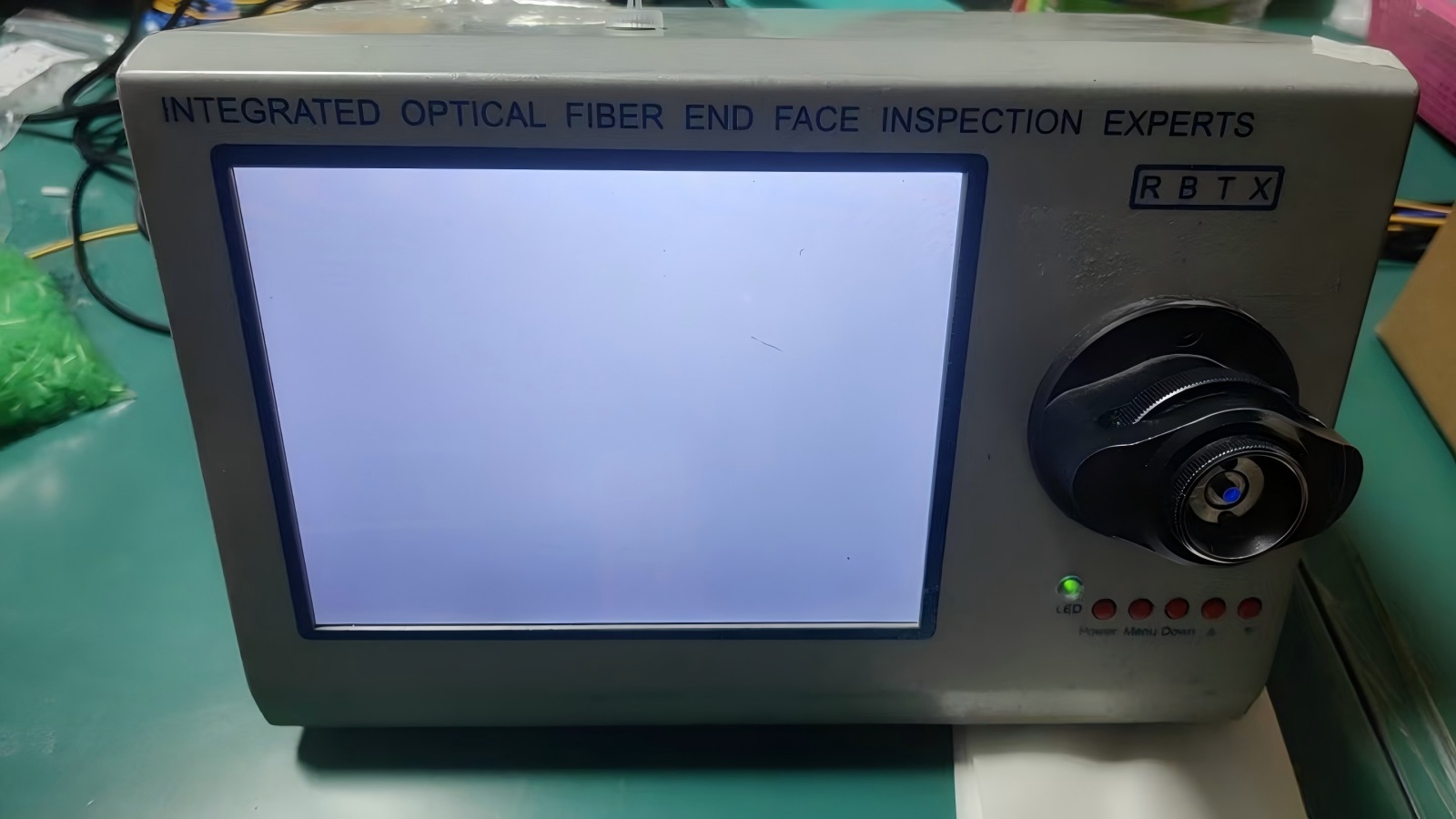
High-magnification microscopes screen for microscopic dust, scratches, and micro-fissures on coupling interfaces.
We believe that product quality is validated through rigorous testing and compliance documentation. Our QA structure is staffed by 36 dedicated technical inspectors monitoring every phase of raw material sourcing and assembly. Standard procedures include:
How our low profile connectivity solutions perform across challenging network environments.
Modern leaf-spine topologies rely on maximum port density per rack unit. Stacked SFP28 cages coupled with low profile RJ45 connections allow designers to integrate copper diagnostic channels directly alongside high-speed fiber links without expanding the rack footprint.
Industrial systems demand compact form factors and dust/waterproof ratings. Our custom RJ45 pass-through and keystone solutions withstand heavy industrial vibrations and thermal expansion, securing field connection paths.
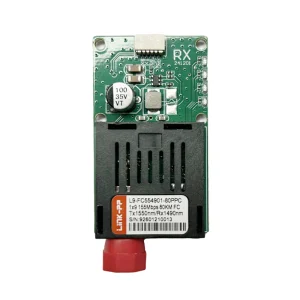
For operators deployment FTTX nodes, space is highly constrained. By pairing our low-profile connectors with high-reliability optical transceivers (such as our BiDi 1x9 or 10GBASE optical modules), engineers optimize board density while maintaining solid physical margins.
Answering critical queries regarding low-profile designs, SMT assembly, and global supply configurations.
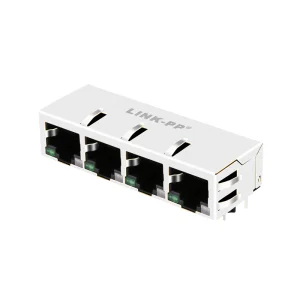
Explore our technical range of low-profile Ethernet ports, multi-port modules, and optical modules.