The Paradigm Shift in Global Physical Layer Cabling Infrastructure
Exploring the commercial demands, architectural transitions, and technical requirements driving the high-density patch panel sector.
As hyperscale data centers, 5G edge nodes, and high-performance computing (HPC) nodes scale exponentially, the role of physical infrastructure has transitioned from mere static routing to a critical component of channel-capacity optimization. The global patch panel market is currently navigating a pivotal shift. Legacy, unshielded Category 5e architectures are rapidly giving way to high-density, multi-port Category 6A (Cat6A), Category 8 (Cat8), and ultra-high-density optical distribution frames (ODFs).
Today, top China manufacturers play a vital role in stabilizing the global B2B supply chain. In regions like North America, Europe, and Asia-Pacific, procurement directors are looking beyond basic connectivity component costs. Their evaluation criteria now prioritize Insertion Loss (IL) metrics, Return Loss (RL) performance, electromagnetic interference (EMI) containment, and cross-talk attenuation. In modern structured cabling ecosystems, patch panels serve as the consolidation point. They dictate signal integrity across channels up to 100 meters, supporting bandwidth demands from 10GBASE-T up to 100G/400G optical uplinks.
Cloud & Hyperscale Migration
Transitioning from traditional cross-connect configurations to top-of-rack (ToR) and middle-of-row (MoR) architectures requires ultra-slim, high-density patch systems designed to maximize rack unit efficiency.
PoE++ IEEE 802.3bt Shielding
With high-power Power over Ethernet (up to 90W/100W) running through RJ45 bundles, heat dissipation and contact resistance in modular patch panels are crucial for maintaining channel parameters.
Electro-magnetic Compatibility
Die-cast zinc alloy housings, full-shielded keystone modularity, and comprehensive grounding bars ensure compliance with strict CE, FCC, and RoHS standards.
Pioneering the next generation of optical transceivers, modular jacks, and high-performance copper patch interfaces.
Established in 2017 in the tech capital of Shenzhen, Equip-Link Intelligent Equipment (Shenzhen) Co., Ltd. stands as a premier manufacturer and exporter of optical transceiver modules and physical layer structural cabling accessories. Utilizing advanced manufacturing automation and automated testing protocols, we specialize in supplying global markets with high-precision components that support the critical backbone of digital infrastructure.
With over 14 years of industry expertise and 9 years of export experience, Equip-Link has engineered a robust network optimization platform. Our catalog spans from 10G/25G/40G/100G/400G/800G optical transceivers to complex SFP cage assemblies and magnetic modular RJ45 connectors. This ensures compatibility and reliability for data centers, telecommunications networks, cloud hubs, and AI clusters worldwide.
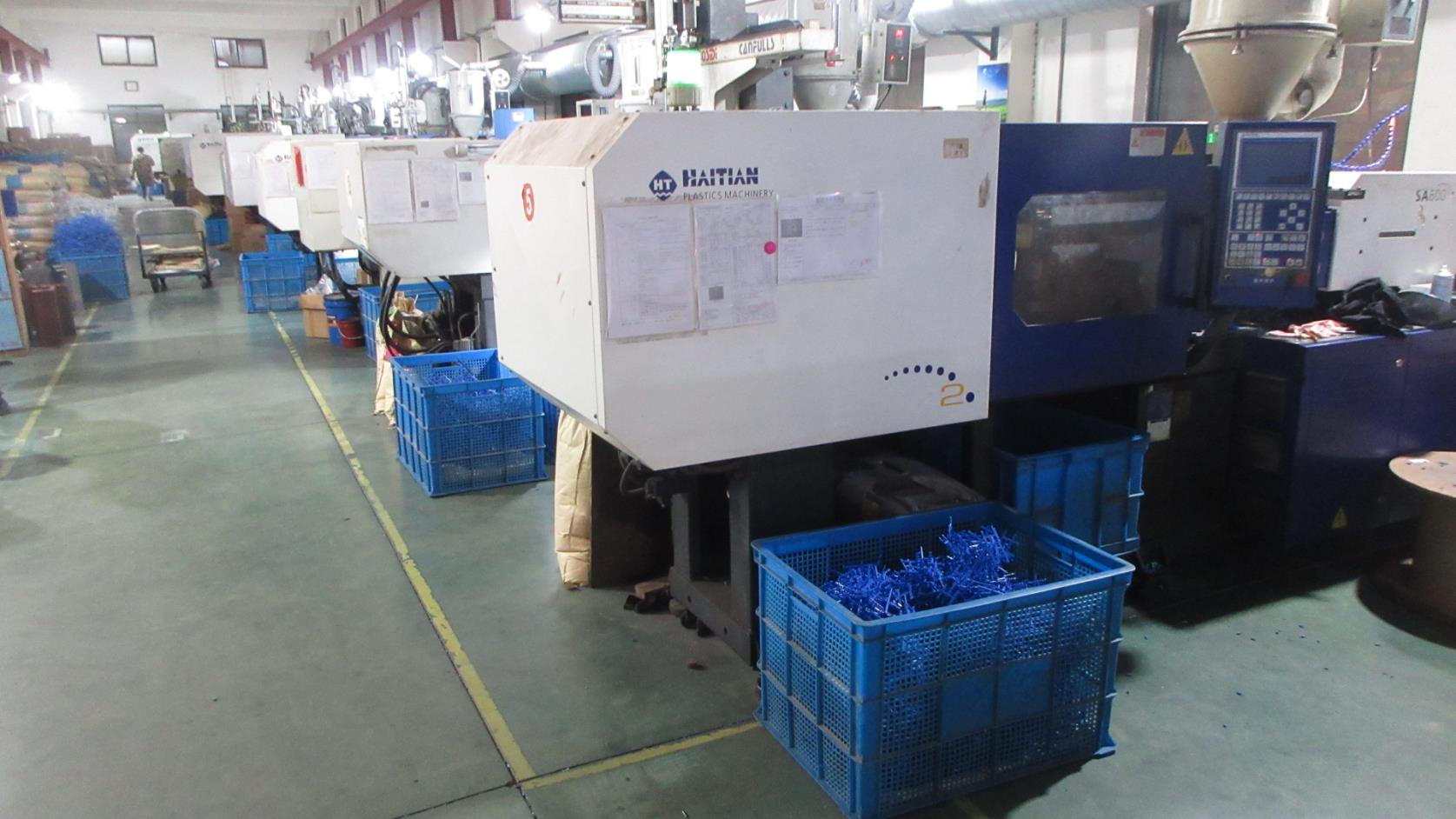
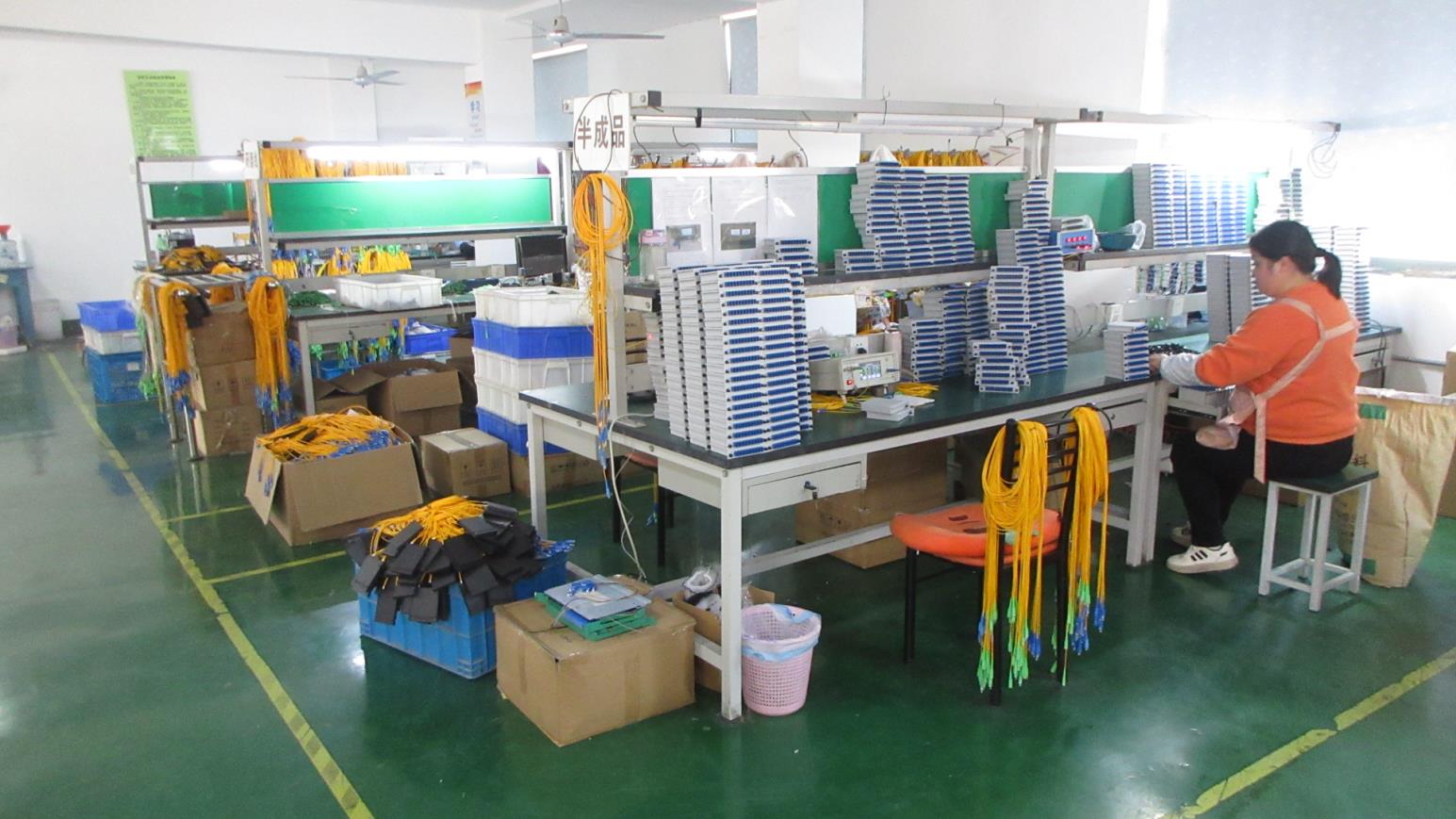
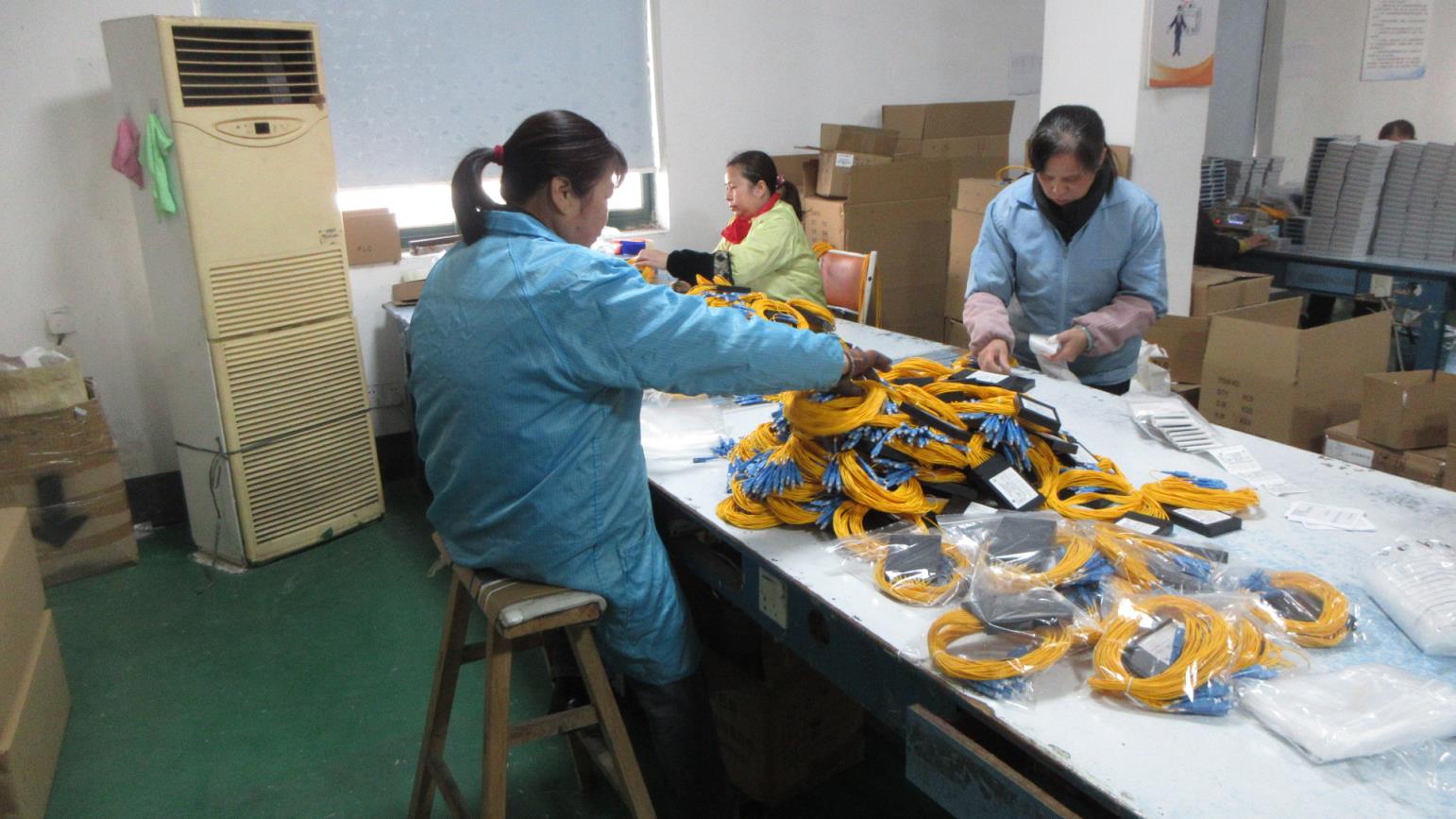
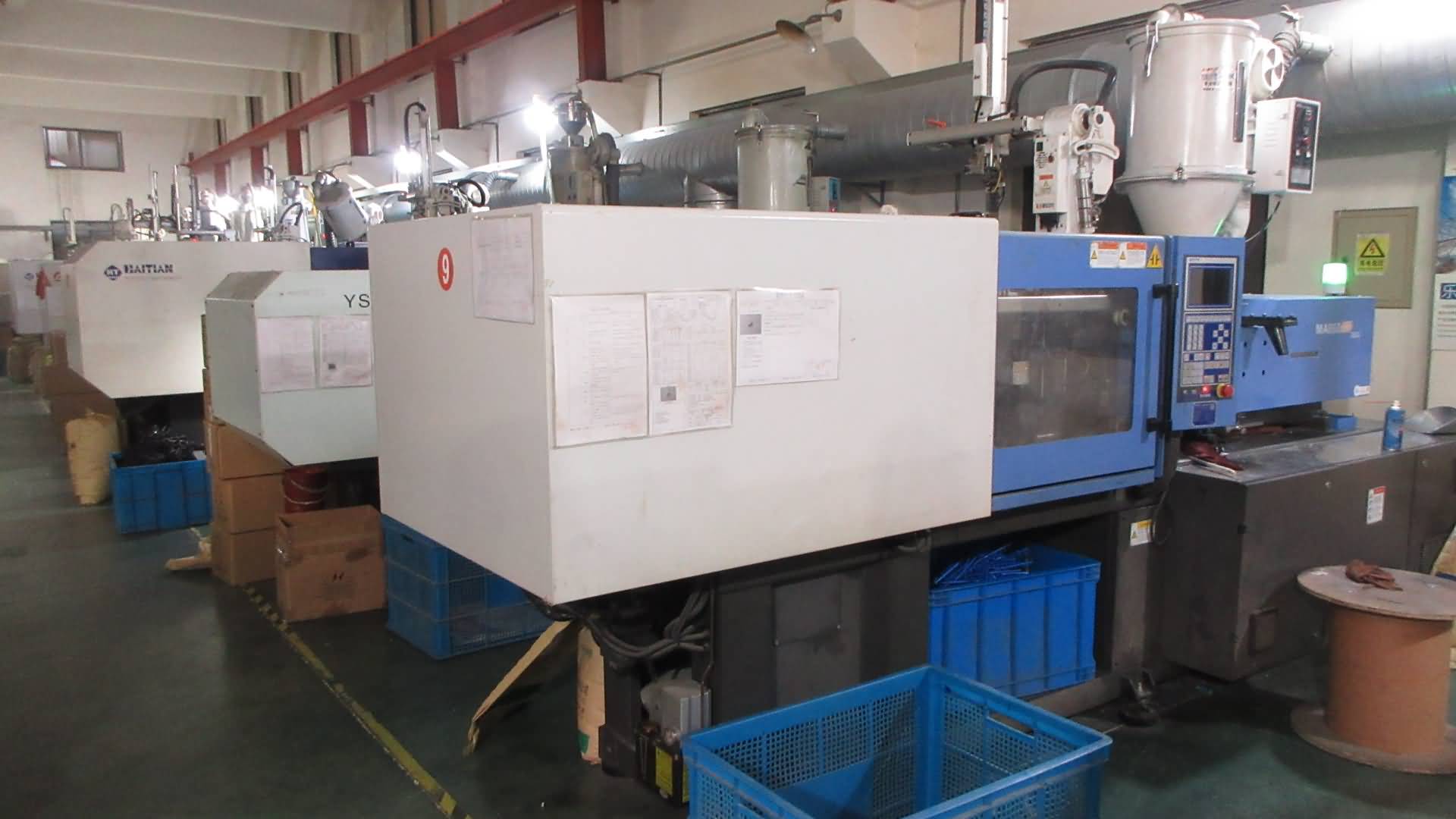
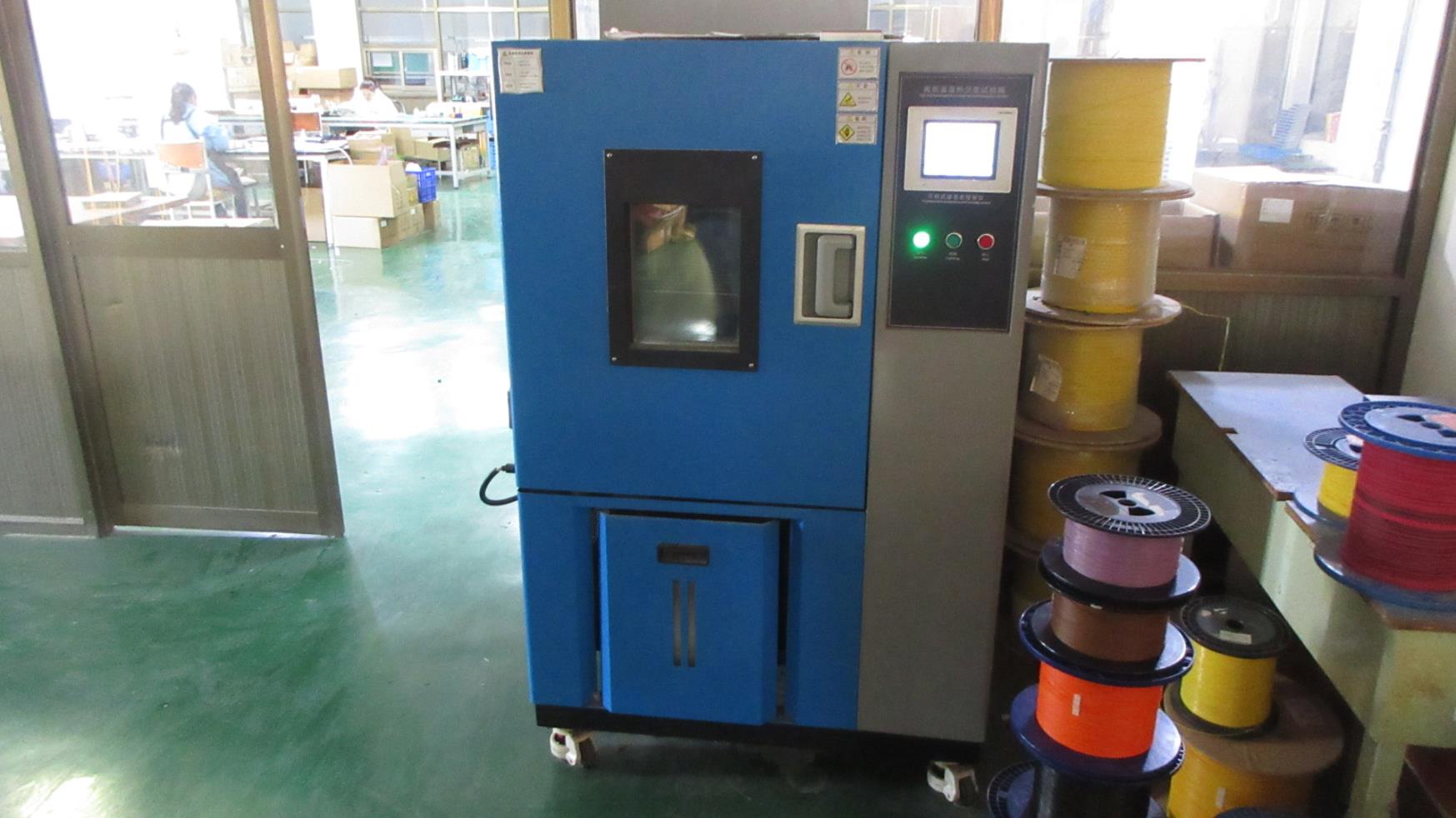
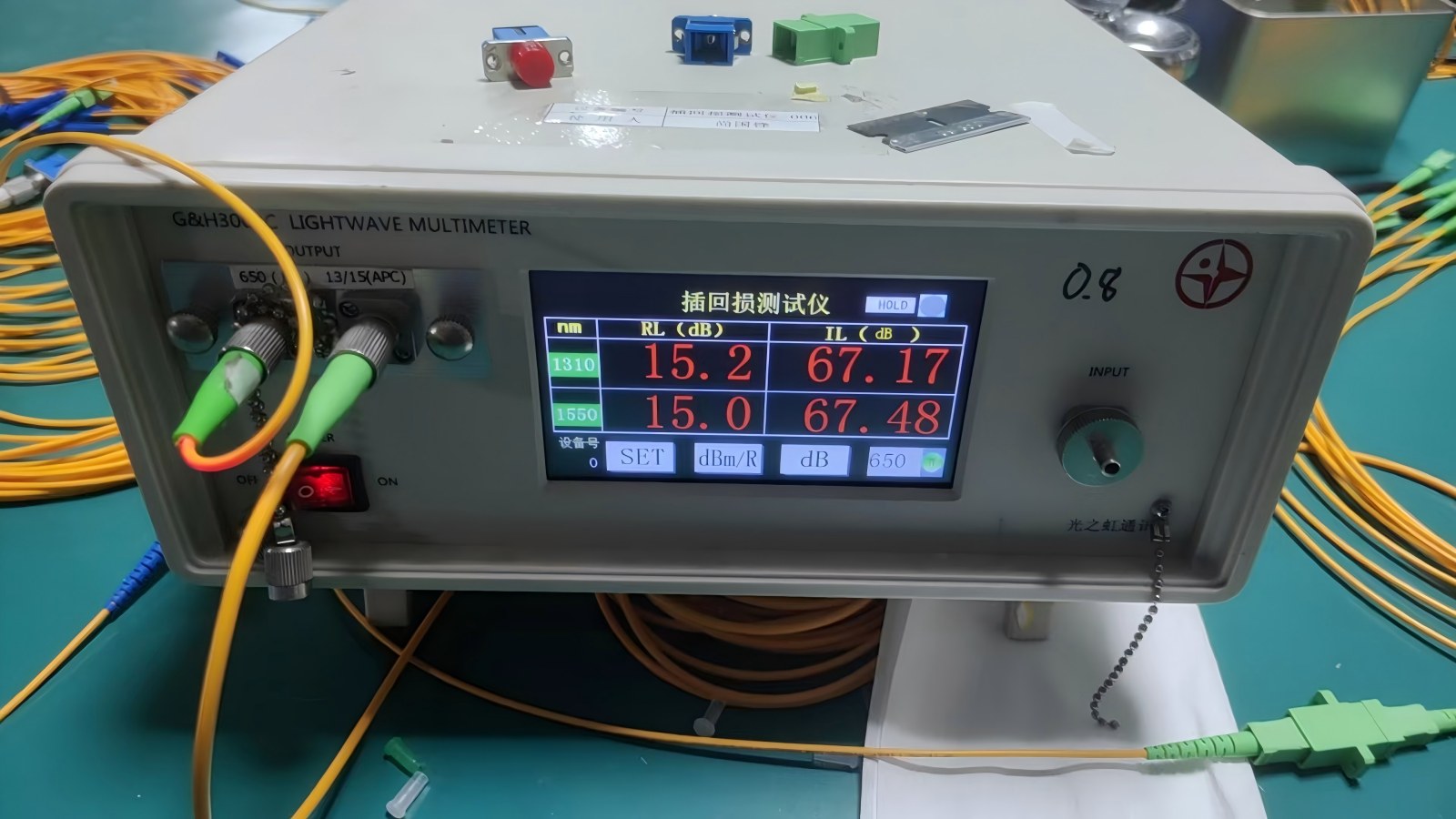
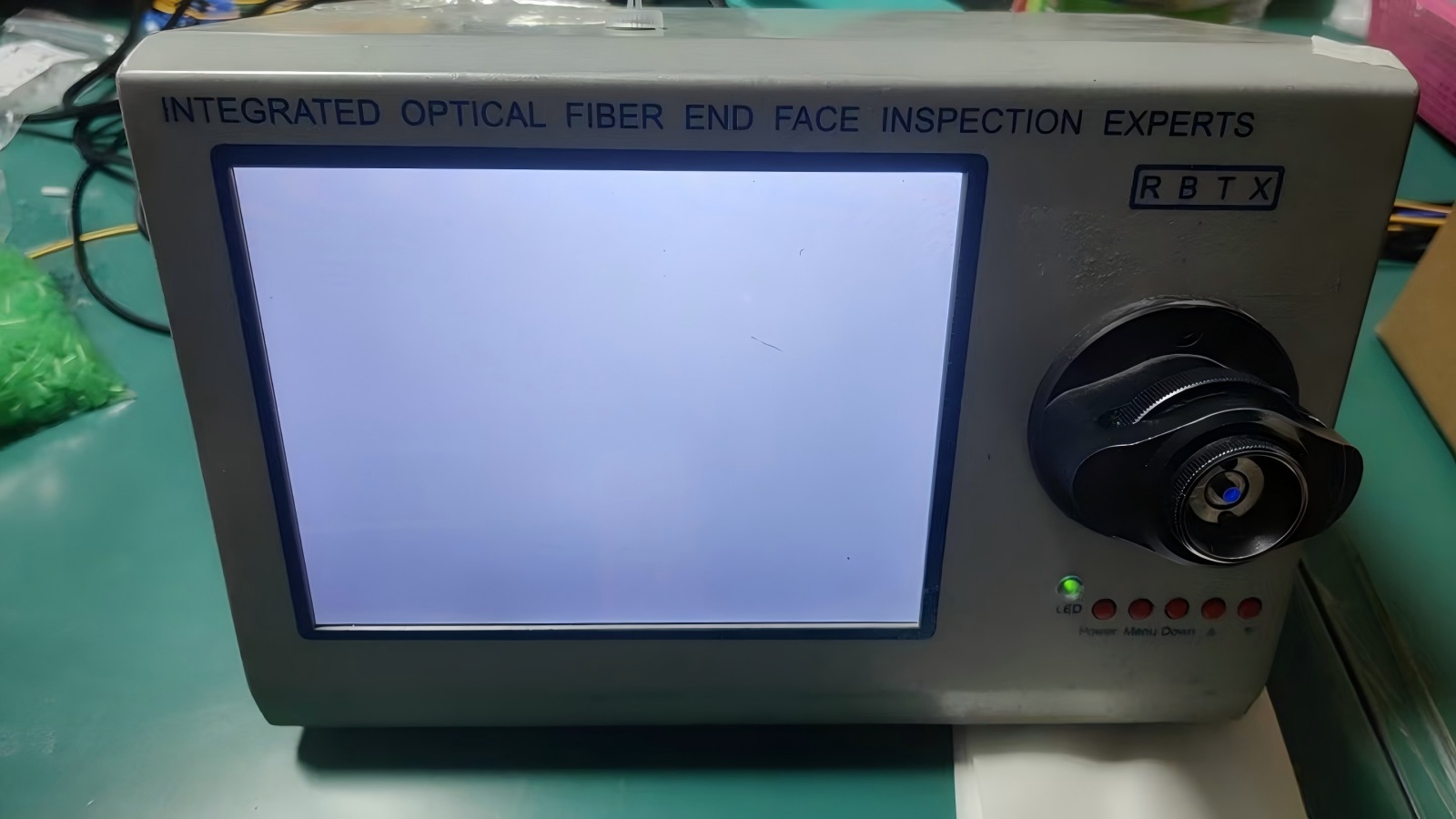
Our manufacturing processes are vertically integrated. From raw materials through high-tonnage injection molding to final assembly and inspection, we operate with maximum precision. Every patch panel system, modular jack, and SFP transceiver undergoes extensive testing. This includes high-low temperature alternates, insertion loss evaluations, and microscopic fiber end-face validation.
18M+
Annual Revenue (USD)
1280+
Qualified Supply Partners
68
R&D Engineers
126
New Products Annually
"We believe physical layer integrity defines network limits. That is why our quality control involves 36 dedicated testing inspectors working to secure error-free transitions across optical-to-copper configurations."
Industrial Precision & Verification Facilities
A visual tour of our production modules, injection technologies, and testing equipment from raw materials to final shipment.
Raw Material Inspection & Storage
Precision Injection Molding
Assembly Line
Packing Division
Warehouse Operations
Heavy Injection Machine
Environmental Alternating Chamber
Optical Insertion Loss Tester
End Face Inspection Systems
Patch Panel Engineering: Mitigating NEXT, FEXT, and Return Loss
A deep dive into the electromagnetic physics of high-density copper interconnect routing systems.
In high-frequency transmission (up to 500 MHz for Cat6A, and 2000 MHz for Cat8), the copper contacts inside keystone jacks and patch panels act as electrical terminations where impedance mismatches occur. If not carefully designed, these termination points can cause significant Near-End Crosstalk (NEXT) and Far-End Crosstalk (FEXT), degrading the overall signal-to-noise ratio.
To counter these issues, Equip-Link utilizes a multi-layered design approach:
Differential Pair Compensation: PCB layouts inside our patch panels incorporate trace spacing adjustments to introduce capacitive compensation, mitigating the phase differences that lead to crosstalk.
360-Degree Shielded Encapsulation: Using die-cast zinc-nickel coatings over nickel-plated phosphorus bronze, our connectors block external electromagnetic interference (EMI) and alien crosstalk (ANEXT).
Gold Plating Durability: Standard 50-micro-inch gold plating on the contact mating areas prevents oxidation over time and keeps contact resistance below 20 milliohms. This helps avoid signal loss even after repeated mating cycles.
This structural design allows our patch panels and modular components to meet and exceed ANSI/TIA-568.2-D and ISO/IEC 11801 channel standards. As a result, B2B network operators can deploy our systems in demanding networking setups without risking packet dropouts or network downtime.
Localized Application Scenarios & Industry Vertical Solutions
From edge computing sites to massive automotive factory floors, we customize physical topologies for distinct challenges.
Hyperscale Cloud Data Centers
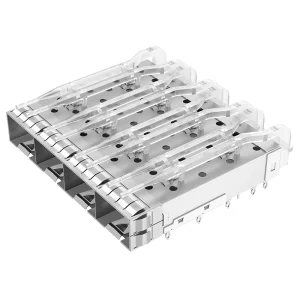
Our ultra-density fiber patch panels and compatible SFP+ cages allow multi-tier Spine-and-Leaf setups. These optimize airflow and cable density in standard 19-inch equipment racks.
Telecom Central Offices
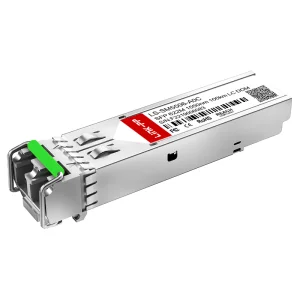
We build high-capacity Optical Distribution Frames (ODFs) engineered to route long-haul single-mode SFP modules. These setups can extend signals up to 80km or 100km without needing inline amplification.
Industrial IoT & Automation
For environments exposed to vibration and dust, our shielded RJ45 magnetic modules and SMT connectors are designed to maintain consistent IP-rated connectivity on factory floors.
Technical Roadmap: Transitioning to 800G, Co-Packaged Optics, and AIM
How China manufacturers are gearing up for the next decade of multi-terabit cabling and smart patch structures.
As the digital landscape evolves, cabling infrastructures must adapt to higher speeds. Over the next five years, the industry is projected to move away from manually documented patch configurations. The future points toward Automated Infrastructure Management (AIM). These intelligent patch panel installations leverage sensor rings around ports to detect connection changes in real time. They automatically update central database management layers, making maintenance easier and reducing errors.
On the fiber optic side, the rise of 800G and 1.6T transceivers is driving the adoption of Co-Packaged Optics (CPO) and high-density MTP/MPO-24 multi-fiber configurations. This technology allows 144 fibers to fit within a single rack unit (1RU), saving valuable space. Equip-Link's engineering division is actively designing hybrid interfaces. These combine high-performance copper ports with high-speed optical connections, helping clients scale from legacy 10G networks to advanced 400G configurations.
Frequently Asked Questions & Industry Standards Q&A
Answers to common B2B technical queries regarding patch panels, transceivers, and manufacturing quality.
What is the primary difference between shielded (STP) and unshielded (UTP) patch panels in B2B environments?
Shielded (STP) patch panels feature conductive metal housings (often zinc alloy or nickel-plated steel) that surround the internal ports. This shield connects to a common ground bar to block external electromagnetic interference (EMI) and alien crosstalk (ANEXT). Unshielded (UTP) patch panels rely on wire twist geometry and spatial isolation. STP systems are recommended for environments with high power density, close proximity to power cables, or heavy industrial machinery.
Does Equip-Link support custom OEM/ODM configurations for patch panel labeling and keystone configuration?
Yes. As a direct manufacturer and exporter, Equip-Link offers OEM and ODM services. This includes custom branding, custom color-coding for ports, customized silk-screen printed labels, and integrated keystone designs. We also offer custom packaging and firmware configuration for our optical transceivers to ensure compatibility with major switch manufacturers.
How do you guarantee the quality and performance of optical transceivers and high-speed modular jacks?
Our quality management system is based on three stages: Incoming Quality Control (IQC), In-Process Quality Control (IPQC), and Outgoing Quality Control (OQC). We test all products using specialized equipment, such as network analyzers, optical insertion loss testers, and environmental chambers. This testing ensures that every transceiver, module, and connector meets relevant ANSI/TIA and ISO standards before it is shipped.
Can Category 6A patch panels support older Category 5e or Category 6 cabling networks?
Yes, RJ45 physical cabling standards are backwards compatible. A Cat6A patch panel can connect to Cat5e or Cat6 cables. However, the performance of the entire link will be determined by the lowest-rated component in the channel. To achieve full Cat6A speeds (up to 10 Gbps at 500 MHz), the patch panel, cables, connectors, and patch cords must all meet Cat6A specifications.
Featured Interconnect Products (Batch II)
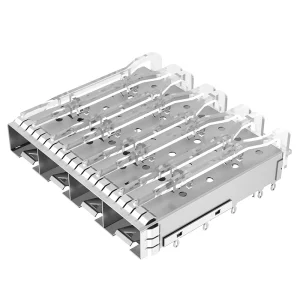
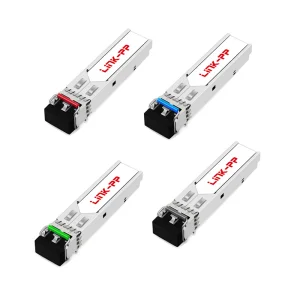
Broad-spectrum optical transceiver modules, EMI-protected cages, and network transformer components for high-reliability networks.
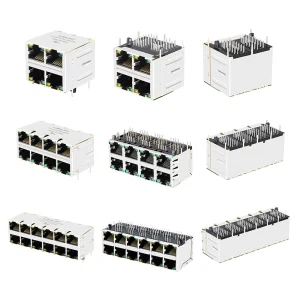
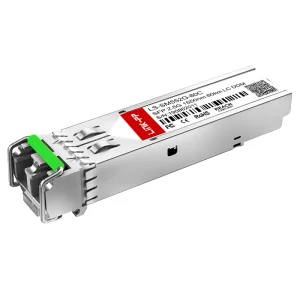
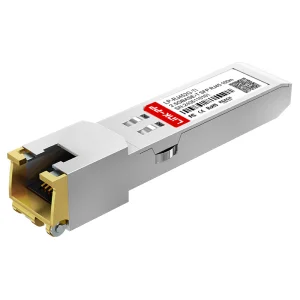
Industrial 2.5GBASE-T Transceiver Module 2.5G SFP Copper RJ45 100m
 Equip-Link