Equip-Link
Equip-Link
Equip-Link
High-reliability optical transceivers and modular components engineered to meet global network infrastructure protocols.
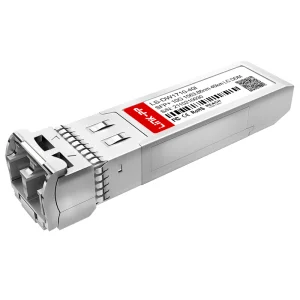
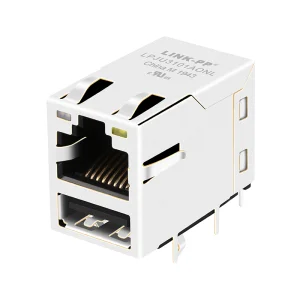
In the current industrial revolution characterized by Cloud Computing, Big Data, and Artificial Intelligence (AI) infrastructures, high-speed physical layers are the unsung heroes powering massive data exchanges. The global commercial landscape demands hybrid networking systems that balance cost-efficiency, flexibility, and extreme bandwidth. RJ45 extension cables, SFP+ transceiver modules, and high-frequency magnetics form the critical physical interconnects that sustain these high-density topologies.
Historically, copper cabling was relegated to low-bandwidth local networks. However, with modern shielding geometries and physical isolation technologies, Ethernet links have scaled to support 10 Gbps and beyond (Cat6a, Cat7, and Cat8 standards). In localized micro-data environments, smart manufacturing hubs, and edge computing architectures, high-performance RJ45 extension lines bridge the distance gap. They ensure that high-frequency signals reach decentralized devices without experiencing severe insertion loss or electromagnetic interference (EMI).
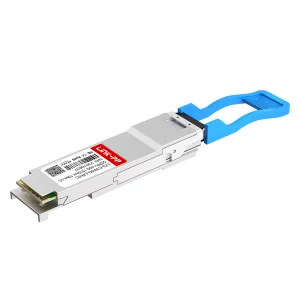
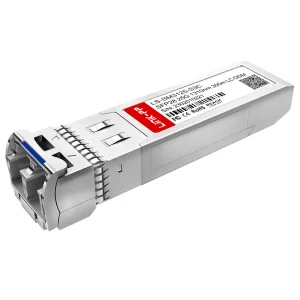
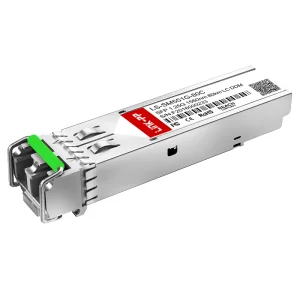
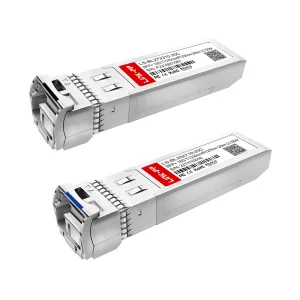
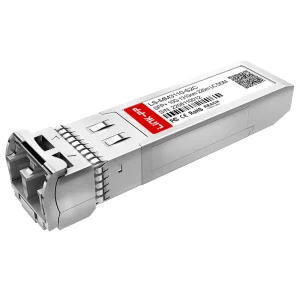
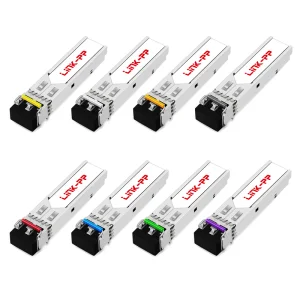
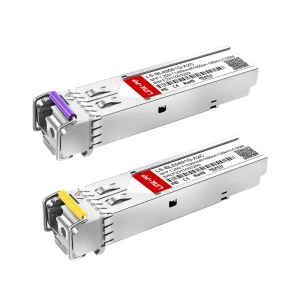
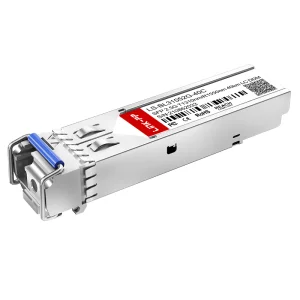
Simultaneously, long-haul and inter-cabinet datacenter fabrics leverage optical fibers terminated with advanced transceivers (such as CWDM, DWDM, and BiDi modules). By coupling high-speed fiber backbones with rugged, shielded RJ45 copper connections at the edge, global enterprises build redundant, low-latency structures that maximize uptime and system lifespan.
According to datacenter architectural roadmaps, the integration of multi-rate copper (up to 10GBASE-T) combined with fiber-to-the-edge technologies reduces installation CAPEX by 35% while retaining full compatibility with legacy equipment.
Deploying ruggedized RJ45 extensions allows equipment interfaces (like switches and industrial PLCs) to be physically relocated to accessible zones, simplifying maintenance and diagnostics.
An engineering-level examination of RJ45 extension cables, signal attenuation margins, and EMI shielding methodologies.
To mitigate Near-End Crosstalk (NEXT) and Alien Crosstalk (ANEXT), premium RJ45 extension cables employ multi-layer shielding. Foil-Screened Twisted Pair (F/UTP) utilizes overall aluminum foil wrapping, while Shielded Foiled Twisted Pair (S/FTP) encases each individual pair in foil alongside an overall tinned copper braid. This eliminates high-frequency electromagnetic leakage in environments with heavy machinery or RF interference.
The standard conductor utilizes 24 AWG or 26 AWG 99.99% pure Oxygen-Free Copper. Compared to Copper Clad Aluminum (CCA), OFC conductors exhibit dramatically lower DC resistance and signal attenuation. This ensures stable power delivery for Power over Ethernet (PoE, PoE+, and PoE++ / IEEE 802.3bt) applications, avoiding thermal build-up and voltage drops over extended configurations.
At frequencies up to 500 MHz (Cat6a) or 2000 MHz (Cat8), mechanical connections introduce impedance mismatches. Our injection-molded RJ45 plug design secures internal contact alignment, maintaining tight impedance matching (100 Ohms ±15%). This minimizes Return Loss (RL) and guarantees packet-loss-free transmission in industrial automated networks and high-throughput server backplanes.
Solidified by 14 years of industry expertise and a robust network of global partners, we supply top-tier companies in more than 50 countries.
Founded in 2017, Equip-Link Intelligent Equipment (Shenzhen) Co., Ltd. is a premier manufacturer and exporter specializing in high-performance physical layer solutions. Operating from a modern 380-square-meter facility in Shenzhen, we utilize state-of-the-art testing systems to guarantee the absolute compliance of our cables and transceivers.
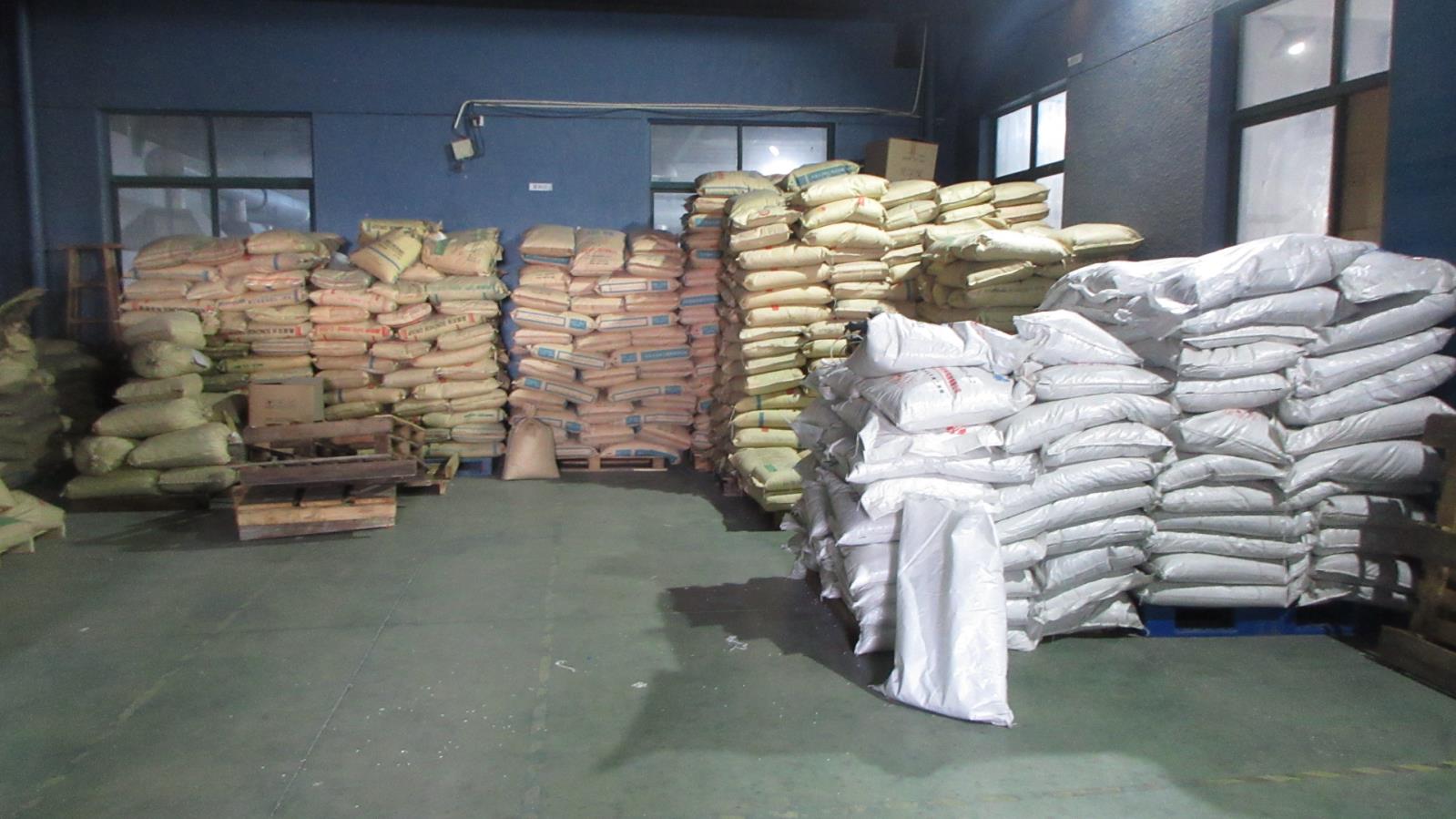
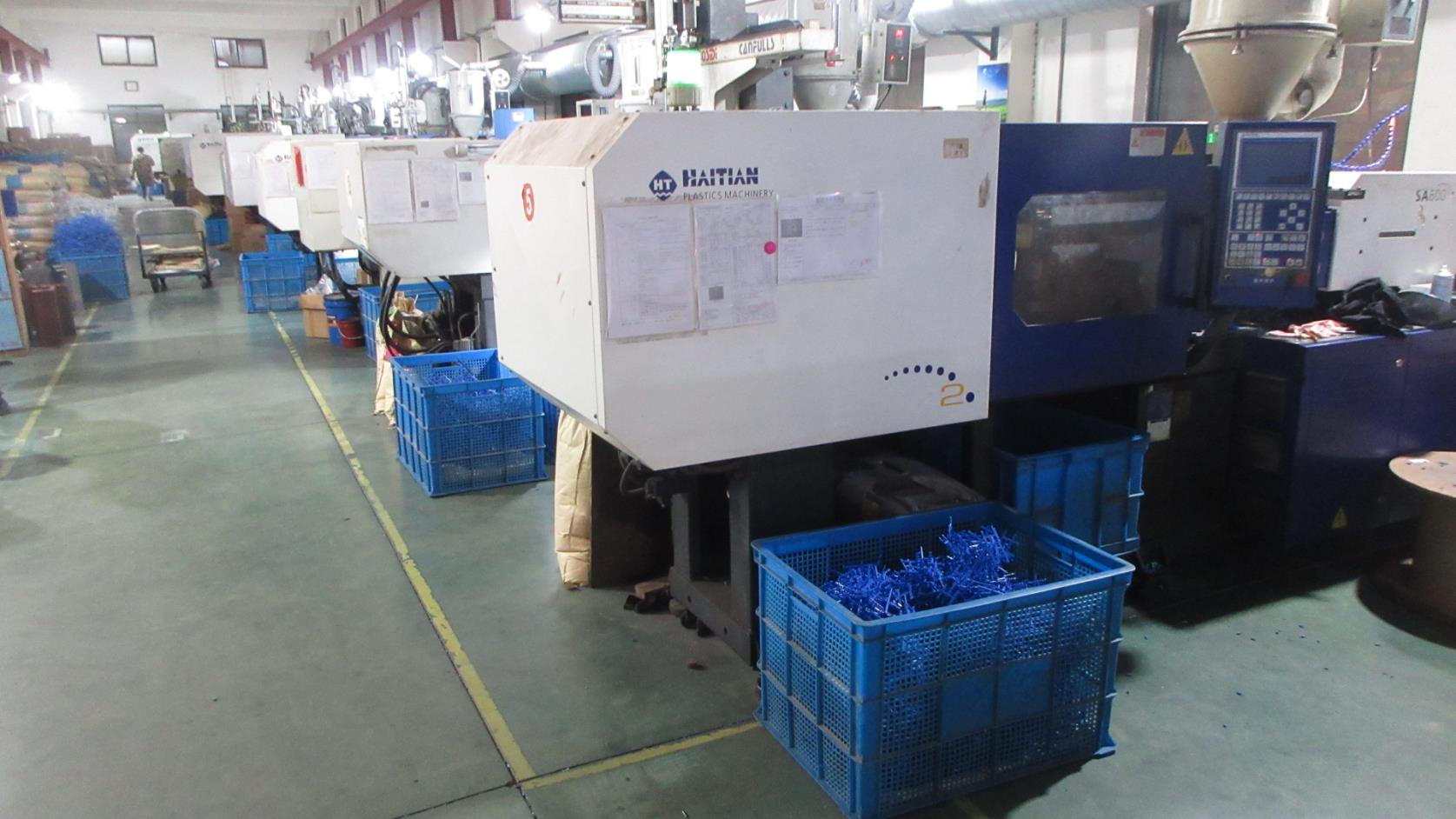
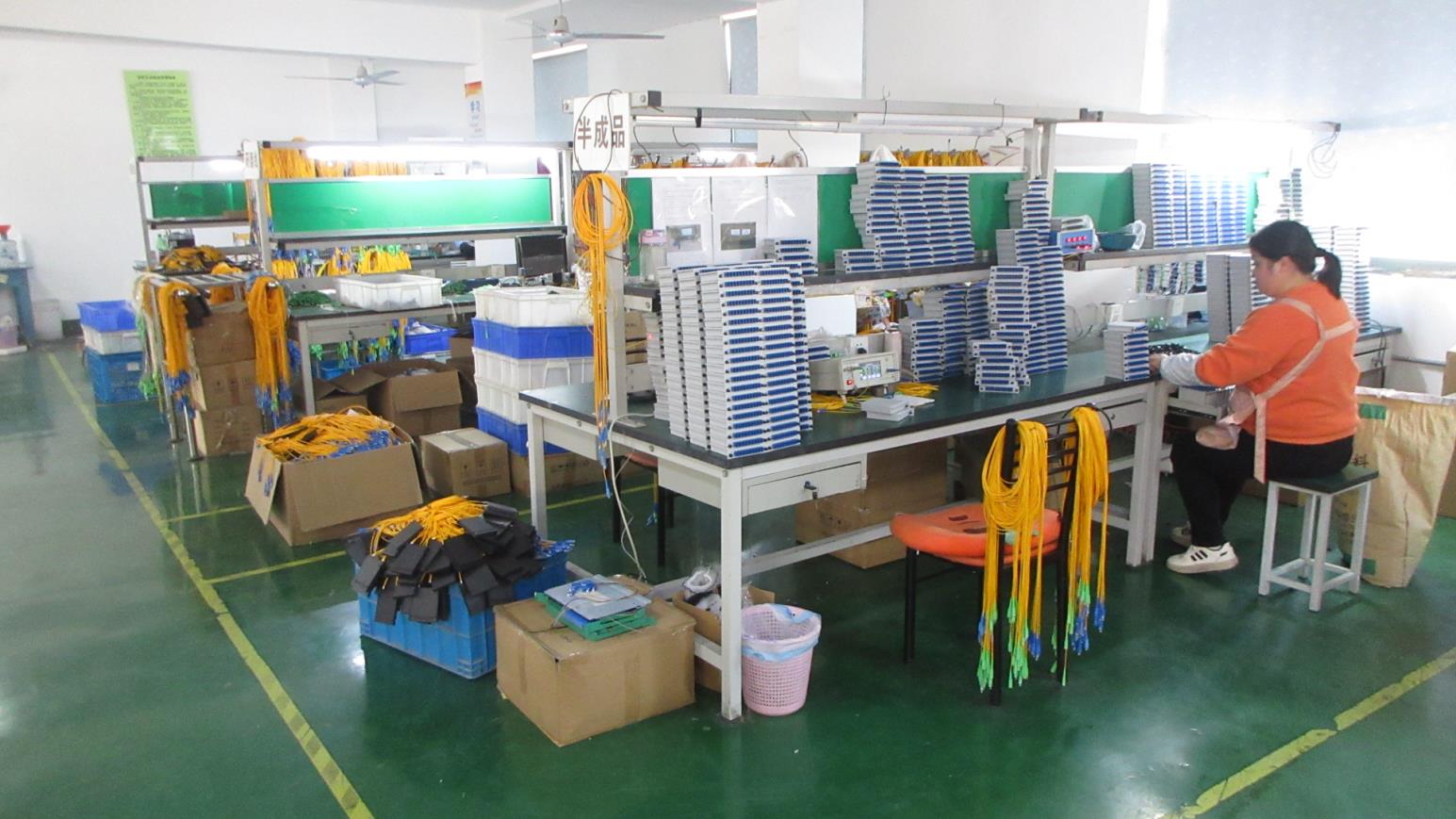
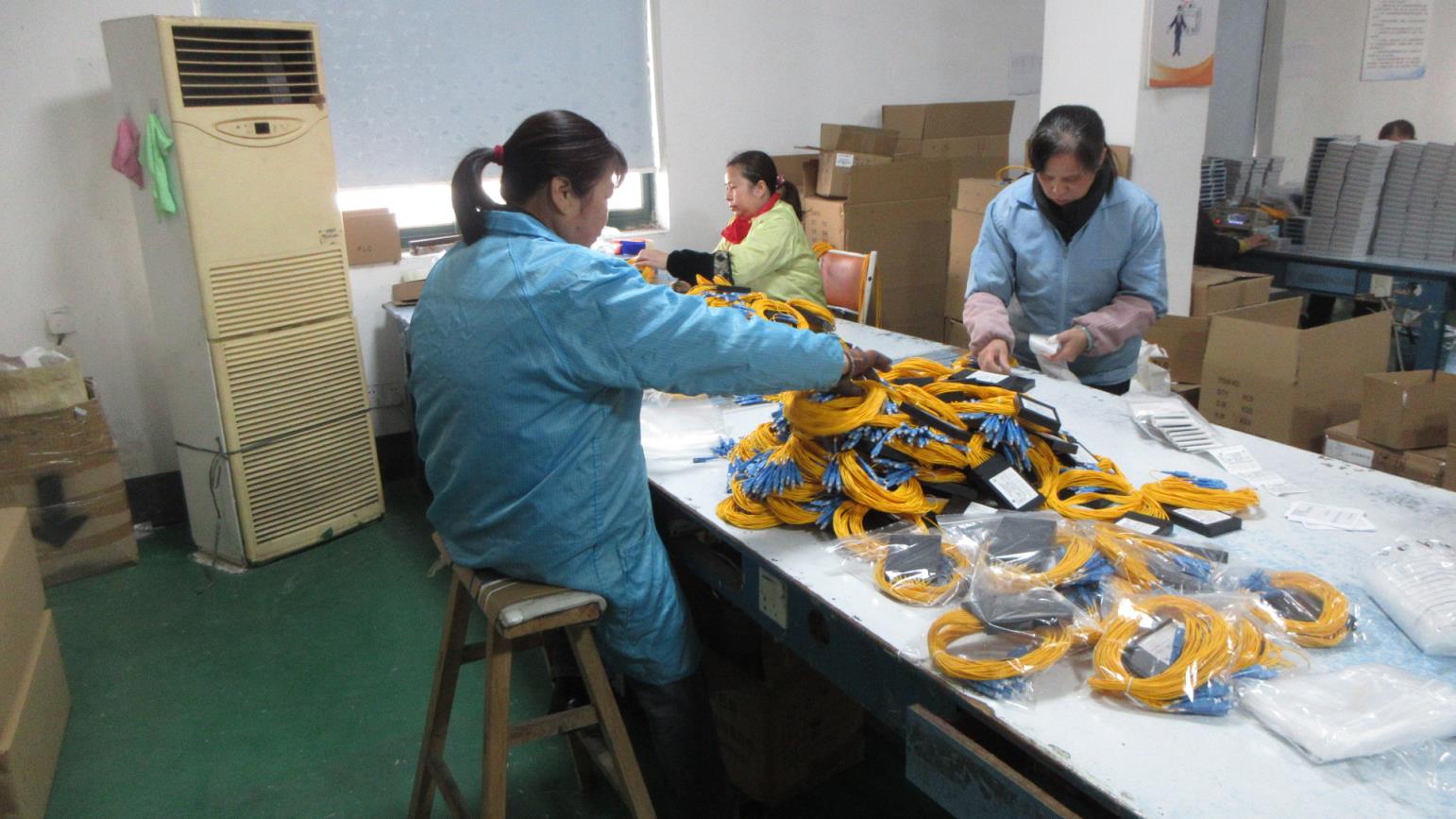
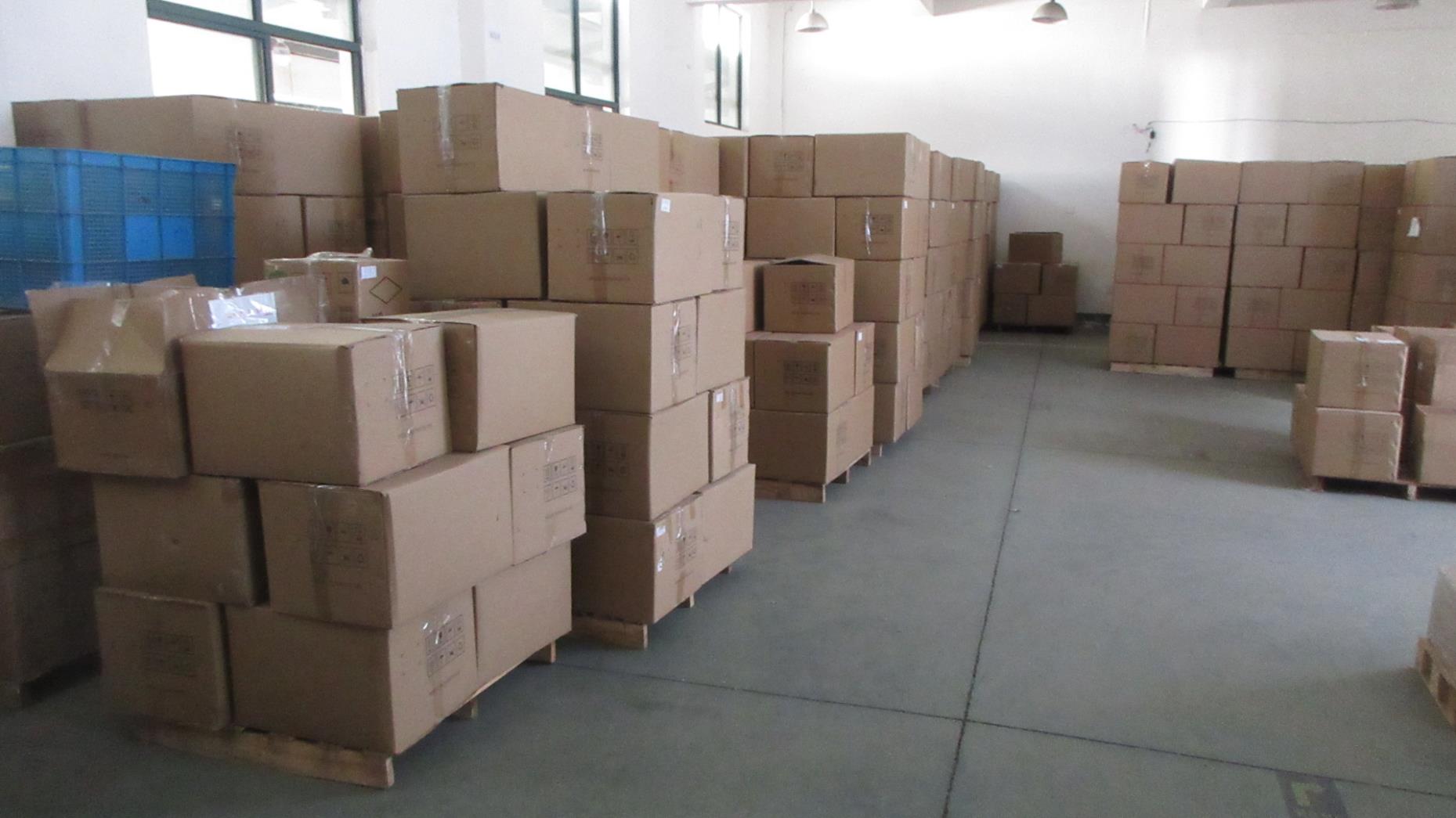
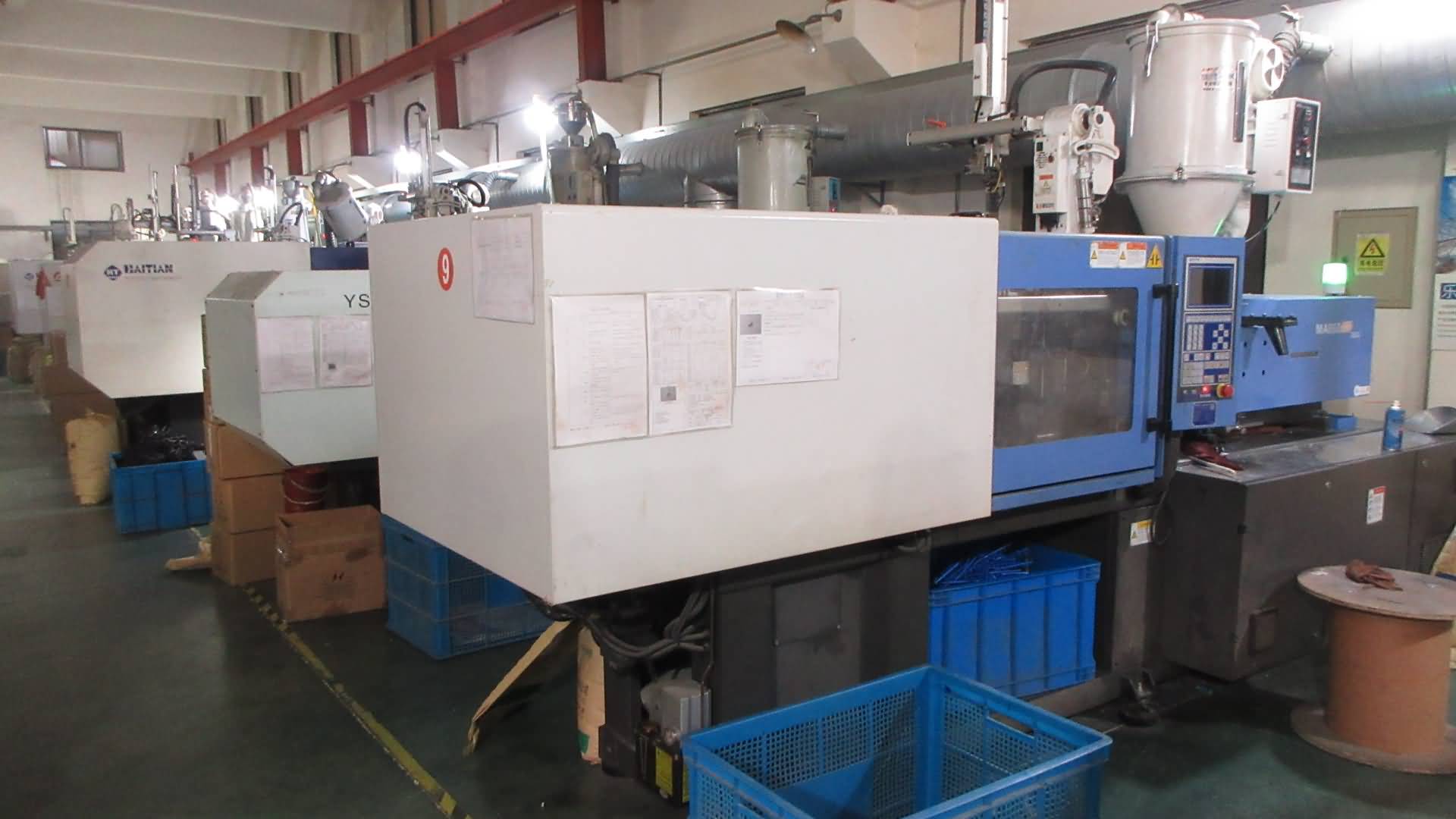
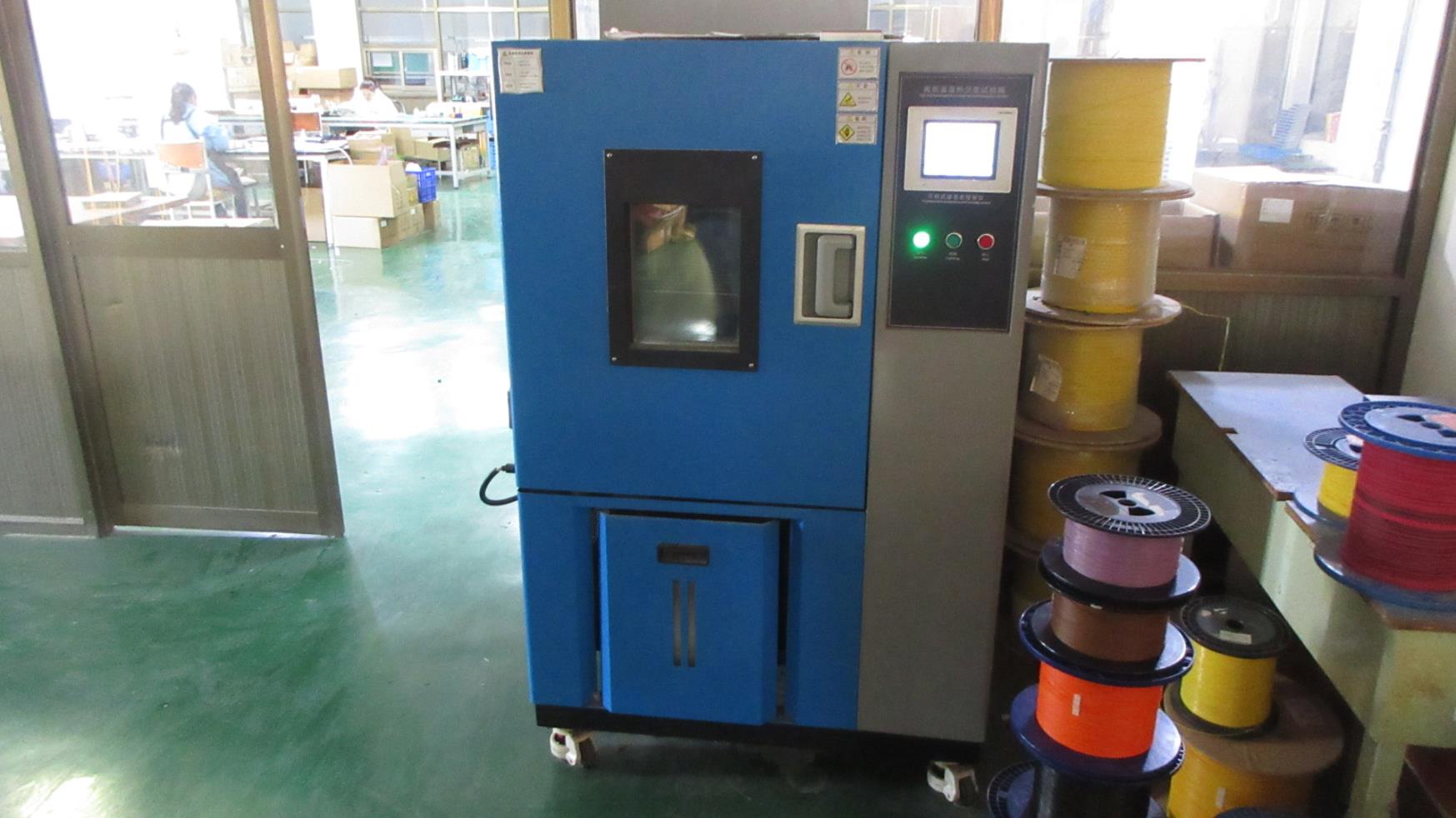
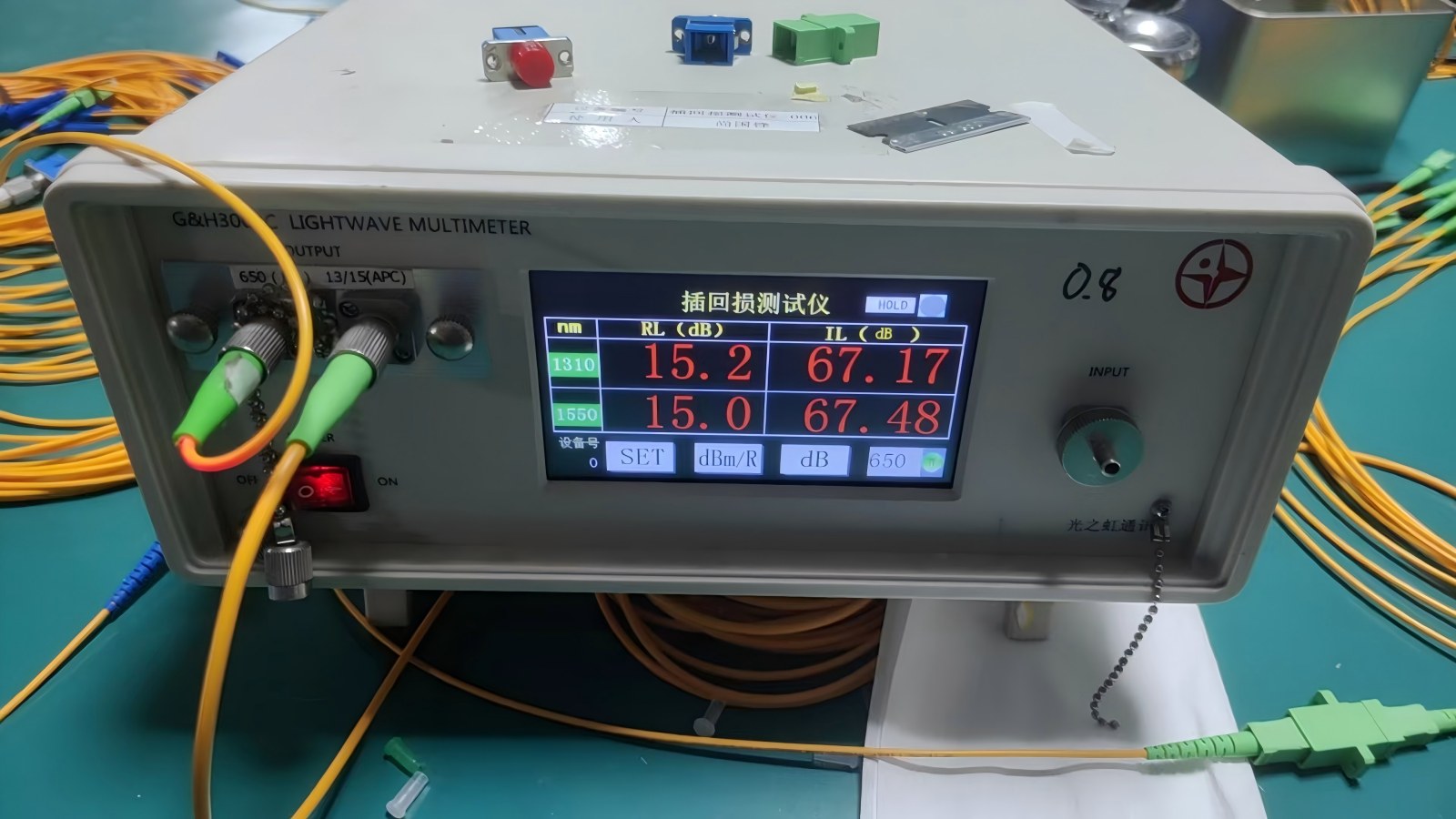
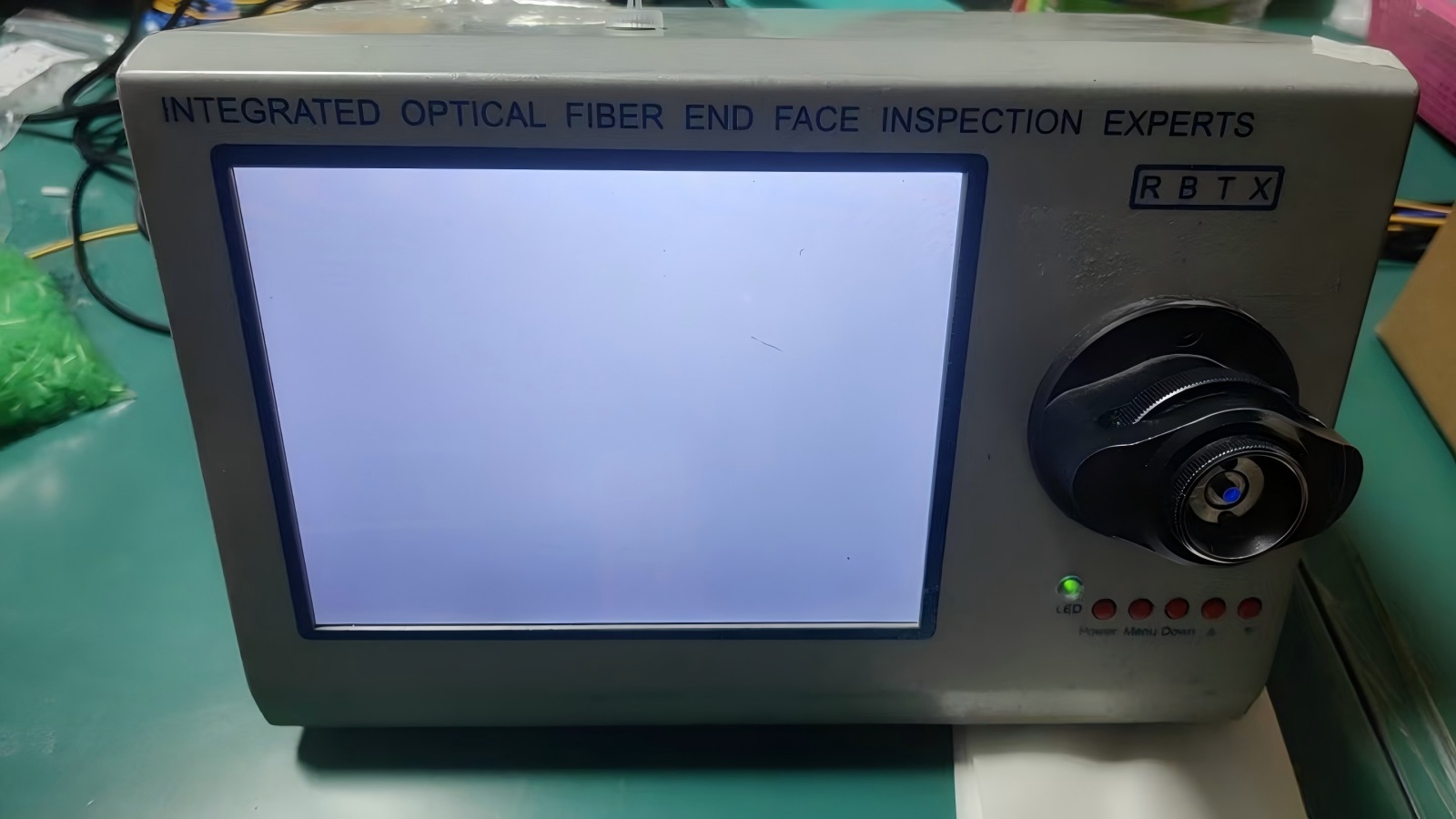
An optical transceiver or RJ45 extension assembly is only as strong as its weakest component. Under the leadership of our 36 experienced QA inspectors, Equip-Link maintains a strict three-phase testing standard: Incoming Material Inspection (IQC), In-Process Quality Control (IPQC), and Outgoing Quality Control (OQC).
Environmental Adaptability (Damp Heat Chambers): Our products are subjected to extreme cycles inside the High and Low Temperature Damp Heat Alternating Test Chamber. By oscillating temperatures between -40°C and +85°C at up to 95% relative humidity, we simulate decades of deployment in harsh industrial environments or unconditioned telecom enclosures. This guarantees structural stability and prevents micro-fissures in internal conductors.
Signal Fidelity Verification: Every batch of copper connector/transformer and fiber module undergoes analysis via Optical Insertion Loss Testers. For copper interfaces, we measure cross-talk margins and return loss. For fiber modules, we run microscopic inspections on the ceramic ferrule end-faces using the Integrated Optical Fiber End Face Inspection Experts system to eliminate microscopic dust particles or polishing defects that could induce back-reflection.
Every transceiver and high-performance copper patch assembly carries a unique barcode, linking it directly to its performance logs in our QA database for trace-back capability.
Our R&D team, comprising 68 design engineers, introduced 126 new products last year alone, focusing on 100G/200G/400G and 800G optical structures alongside high-efficiency POE++ copper components.
IEEE 802.3an: Standardized for 10GBASE-T over copper.
IEEE 802.3bt: Compliance for high-power Type 4 PoE (up to 90W-100W).
RoHS & REACH: Guaranteeing toxic-chemical-free materials.
CE & FCC: Certified for electromagnetic compatibility and low emission radiation.
Our core markets span North America, Europe, Southeast Asia, South America, and the Middle East. Each region maintains strict regulatory guidelines for electromagnetic compatibility (EMC), flame resistance (UL94-V0, LSZH ratings), and environmental safety. We optimize our designs to ensure smooth regulatory clearance in all target territories.
Furthermore, to serve telecom operators and system integrators efficiently, we offer comprehensive localization support. This includes customized firmware programming to match host switch protocols (Cisco, Juniper, Arista, Huawei, and other major network platforms). Our compatibility engineering avoids system lockouts and minimizes field deployment friction. Packaging, private labeling, and custom jacket colors are customized to meet specific client guidelines.
How engineers and system integrators integrate our copper and fiber components across critical network architectures.
Within the server rack cabinets, space constraints are severe. High-speed RJ45 patch assemblies and active transceivers link switches to top-of-rack nodes. The robust construction of our modular jacks prevents physical connector degradation during frequent rack reconfiguration and hardware maintenance cycles.
Smart factory environments generate severe electrical noise from variable frequency drives (VFDs) and high-power motors. The double-shielded design of our copper components stops EMI at the physical boundary, maintaining stable data rates for high-definition vision inspect cameras and robotic control units.
In localized telecom racks and smart city infrastructure (like 5G small cells), outdoor enclosures present challenging conditions. Deploying cables and modules certified for fluctuating temperature extremes reduces regular site dispatch expenses for telecom operators.
As networking speeds shift from 10G and 100G toward 800G and 1.6T configurations, physical interconnect architectures must keep pace. While optical modules continue to expand bandwidth limits via Co-Packaged Optics (CPO) and silicon photonics, copper systems must innovate to survive. We are investing in research and development to address these future challenges.
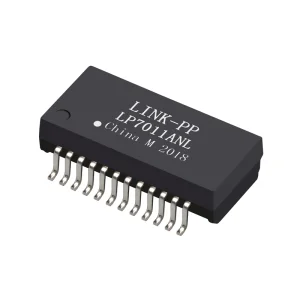
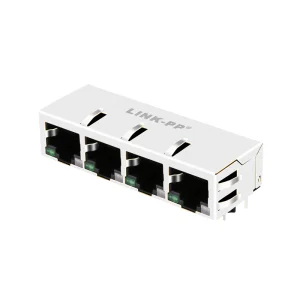
Our current technology roadmap targets two core fields of study: the development of low-attenuation Single Pair Ethernet (SPE) for industrial applications, and next-generation high-frequency magnetic integration (such as low-profile MagJacks) to streamline board space on next-generation network devices.
By designing and testing tomorrow’s standards today, Equip-Link remains a reliable partner for global system manufacturers, distributors, and operators seeking high-quality physical layer solutions.
Developing lighter, thinner, and highly flexible copper communication cables that deliver data and power up to 1,000 meters in smart building networks.
Designing hybrid optical-electrical transceivers capable of co-packaging with advanced switch silicon to drastically lower power overhead.
Answers to common structural and physical compatibility questions regarding copper and optical network setups.
Conductor gauge (e.g., 24 AWG vs 26 AWG) directly impacts DC resistance. A thicker conductor (24 AWG) has less resistance, resulting in lower power dissipation and reduced heat generation. This is crucial for high-power PoE++ applications (IEEE 802.3bt Type 4) to prevent thermal limits from being exceeded in cable bundles.
FTP (Foil Twisted Pair) uses a single foil screen over all twisted pairs to protect against external EMI. SFTP (Shielded Foiled Twisted Pair) features individual foil shields for each pair and an overall braided metal shield. The braided layer provides mechanical strength and low-frequency shielding, while the foil shields block high-frequency noise, making SFTP much more effective in harsh industrial settings.
Compatibility is maintained by programming the module's EEPROM with vendor-specific configurations. Equip-Link operates a validation lab with switches from major vendors (Cisco, Juniper, Arista, HP, etc.) to test and confirm optical and software compatibility before shipment.
Insertion loss measures the signal power lost as light travels through a connection. High insertion loss, often caused by dust, misalignment, or polishing defects on the optical connector, degrades the signal margin and can lead to bit errors or link dropouts on long optical spans.
This test subjects components to extreme thermal cycles (-40°C to +85°C) and high humidity (up to 95%). This helps identify potential issues like mechanical stress, material expansion mismatches, and adhesive breakdown, ensuring components can withstand harsh environmental conditions.
High-frequency copper jacks, LAN magnetics, and long-range optical transceivers for global networking architectures.