Equip-Link
Equip-Link
Equip-Link
High-precision hardware engineered to support multi-gigabit throughput and sub-nanosecond signal integrity across hybrid networks.
A comprehensive analysis of physical design, material optimization, and industrial-scale deployment parameters for critical transmission paths.
Coaxial cables remain the backbone of RF transmission, high-speed telecommunications, and digital infrastructure systems. While newer optical technologies satisfy high-throughput long-haul networking, coaxial interconnects dominate applications requiring precise impedance control, electromagnetic shielding, and physical robustness. Understanding the mechanics of signal loss (attenuation), electromagnetic compatibility (EMC), and return loss profiles is crucial for engineering teams specifying custom cable assemblies.
In high-frequency applications, signal propagation occurs through electromagnetic wave transmission between the inner conductor and the outer shield, mediated by the dielectric substrate. This layout demands strict geometric concentricity. Standard configurations include 50 Ohm systems—ideal for power transfer and high-frequency wireless infrastructure—and 75 Ohm systems, designed to minimize attenuation for video transmission and digital broadcast equipment.
Engineered using Solid or Stranded Copper, Copper-Clad Aluminum (CCA), or Silver-Plated Copper (SPC). The choice directly influences attenuation, mechanical flex life, and skin depth performance at gigahertz frequencies.
Using Fluorinated Ethylene Propylene (FEP), Polytetrafluoroethylene (PTFE), or Foamed Polyethylene (PE) achieves a low dielectric constant (Dk) and low dissipation factor (Df). This stabilizes characteristic impedance across high thermal cycles.
Multi-layer shielding configurations—such as combinations of aluminum foil and high-density copper braids—provide over 90dB of electromagnetic interference (EMI) protection and mechanical grounding.
China's industrial electronics base has evolved from basic component assembly to high-precision engineering and vertical supply integration. Key components, from raw copper drawing to specialized fluoropolymer extrusion, are managed within localized clusters. This proximity yields significant cost savings, rapid prototype cycles, and robust material chains for worldwide buyers.
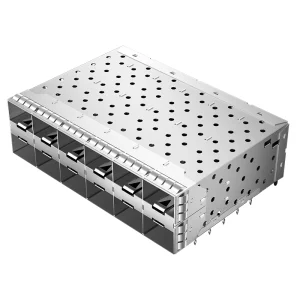
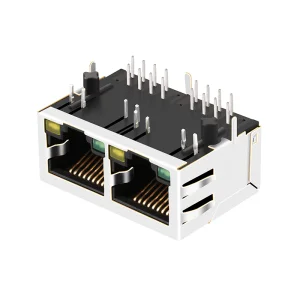
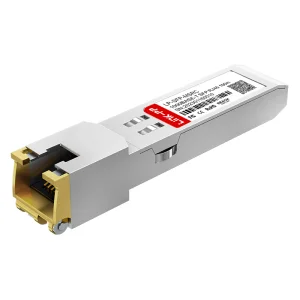
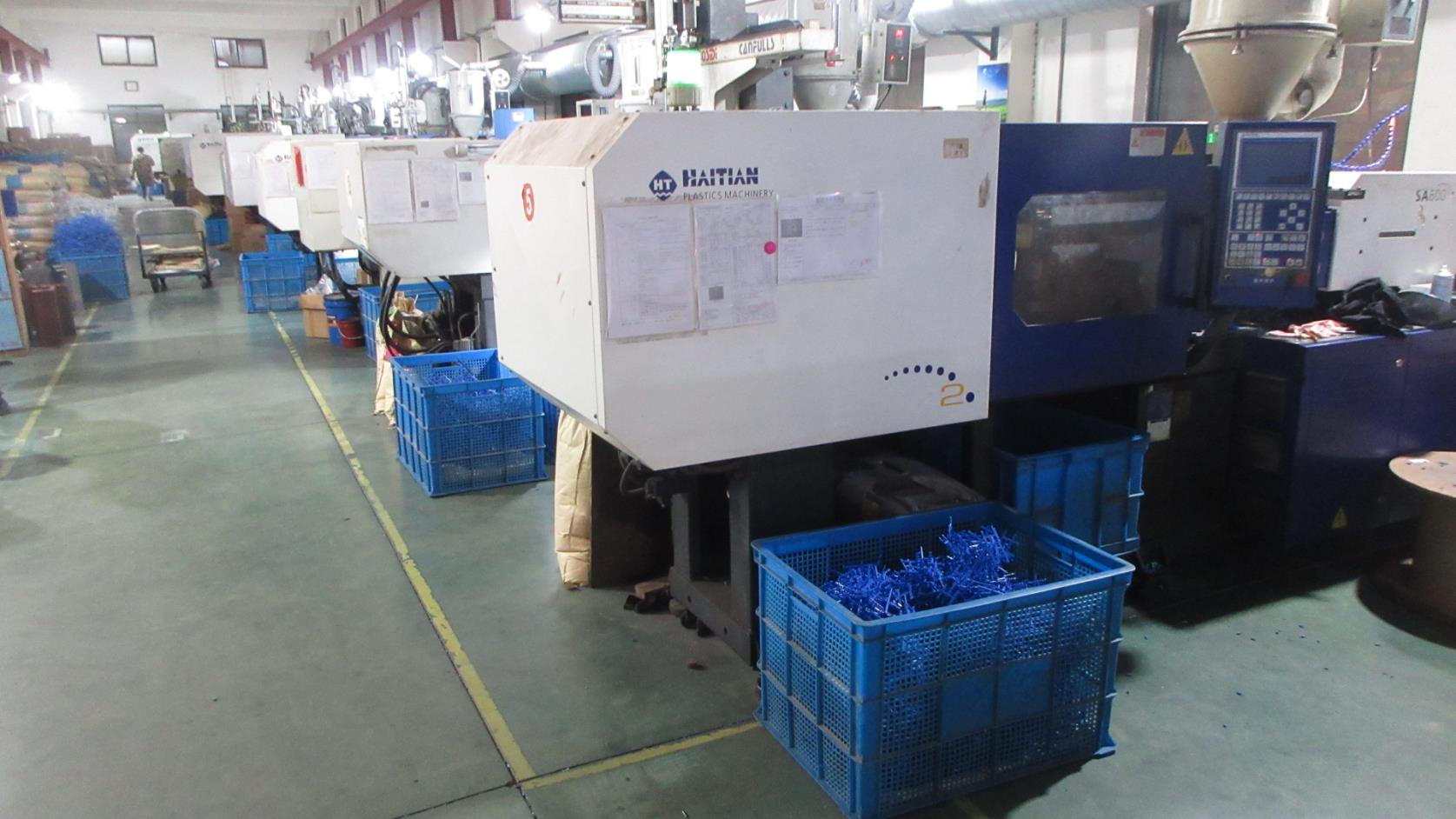
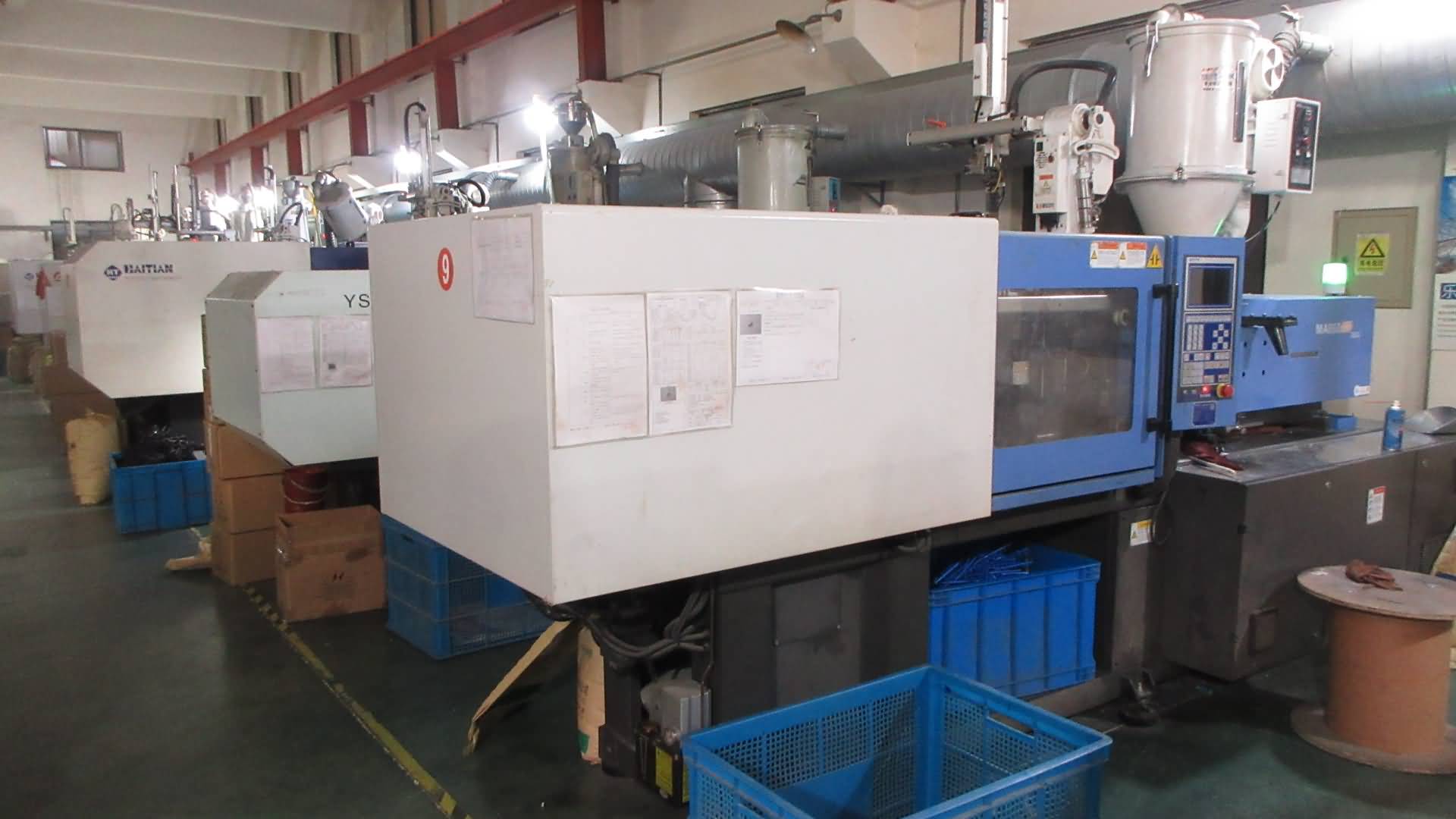
Equip-Link leverage this advanced ecosystem to manufacture critical connectivity hardware, including precision RF assemblies and integrated network devices. Our factories utilize automated extrusion, high-density braiding, and computer-controlled testing arrays to maintain high concentricity and minimize structural return loss. This allows high-throughput production while maintaining tight mechanical and electrical tolerances.
| Specification Category | Common Materials / Form Factors | Target Performance Benchmarks | Primary Technical Function |
|---|---|---|---|
| Inner Conductor | Solid BC, Silver-Plated Copper (SPC), Copper-Clad Steel (CCS) | Concentricity ≥ 98%, low DC resistance | Primary signal transport, skin-effect optimization |
| Dielectric Core | Foamed Polyethylene (FPE), PTFE, FEP | Dielectric Constant (εr) 1.4 - 2.2 | Determines propagation velocity, stabilizes impedance |
| Shielding Layer | Al-Foil + Tinned Copper Braid (up to 95% coverage) | Shielding Effectiveness ≥ 95 dB @ 1 GHz | Suppression of EMI, RFI, and cross-talk |
| Outer Jacket | PVC, LSZH (Low Smoke Zero Halogen), PUR, FEP | UL94 V-0 Flammability, UV and oil resistant | Environmental protection, mechanical strain relief |
| Electrical Metrics | RG6, RG58, RG178, RG316, LMR-series equivalents | VSWR ≤ 1.15 @ 3 GHz, Impedance 50 Ω / 75 Ω ± 2 | Ensures clean signal transmission and minimal reflection |
Founded in 2017, Equip-Link Intelligent Equipment (Shenzhen) Co., Ltd. is a leading manufacturer and supplier of high-performance optical transceivers, network interface accessories, and precision transmission assemblies. We specialize in the design, development, production, and global distribution of optical modules and high-speed electrical interconnects for data centers, telecommunications networks, enterprise networking, cloud computing, and AI infrastructure applications.
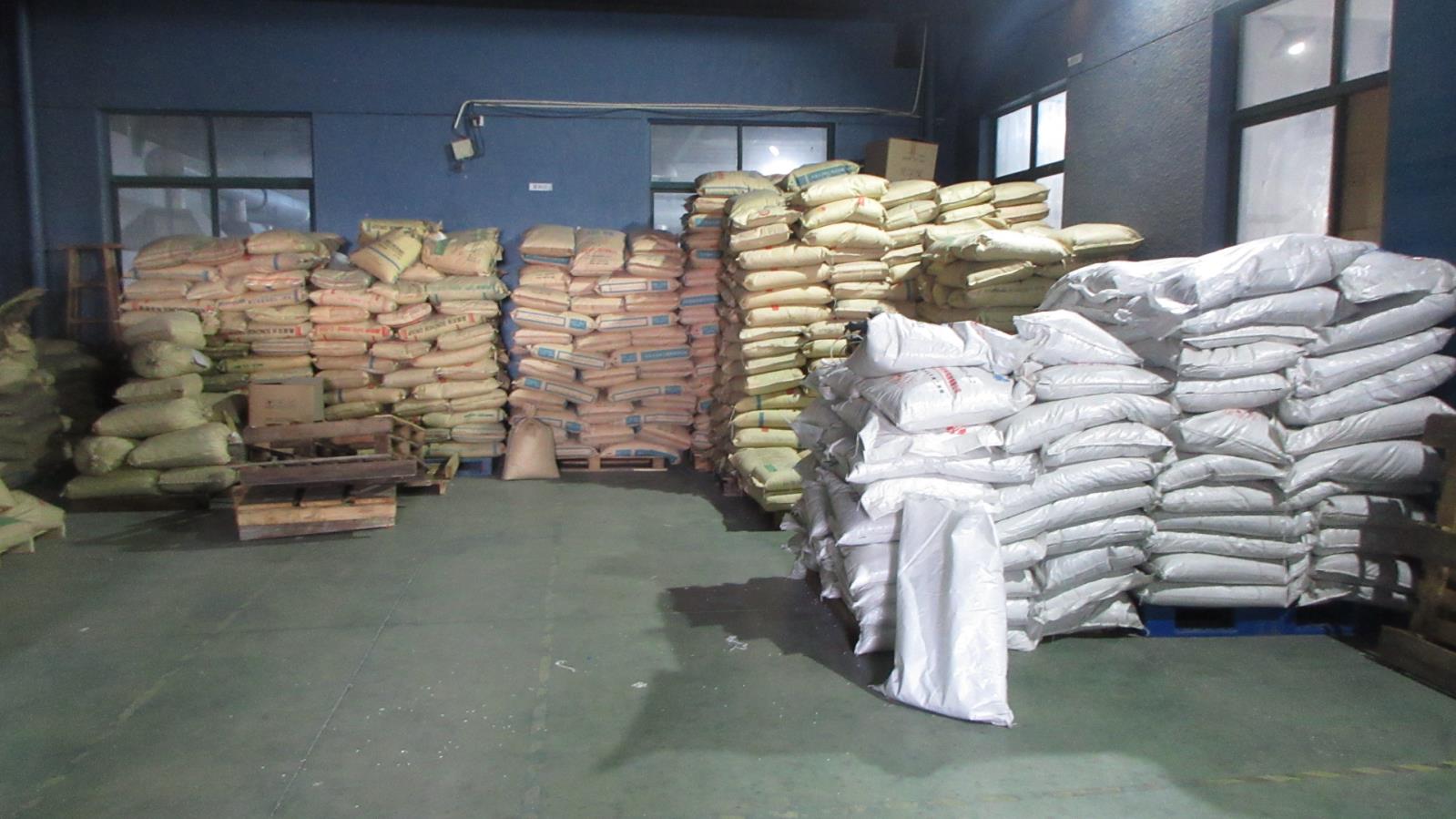
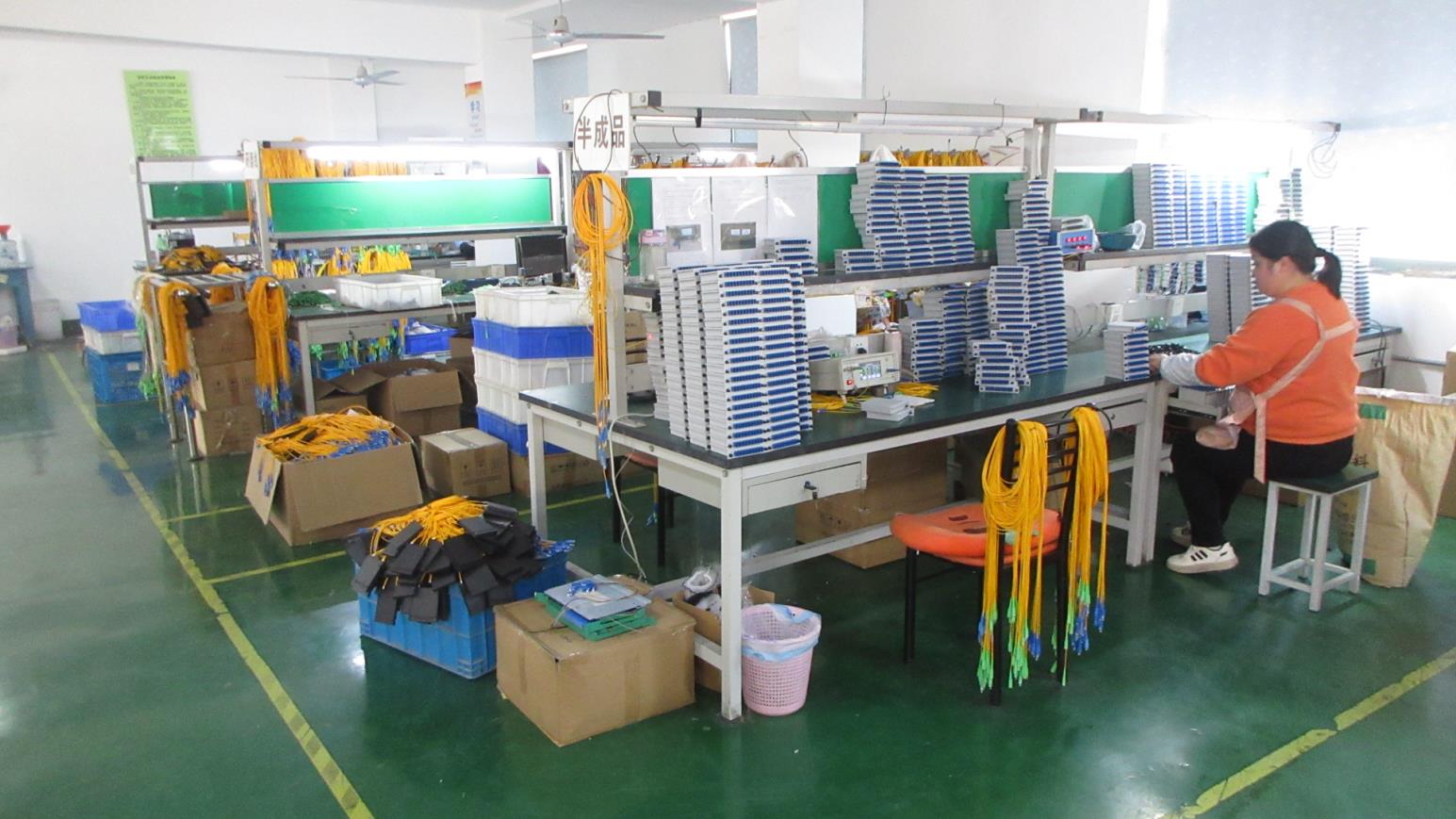
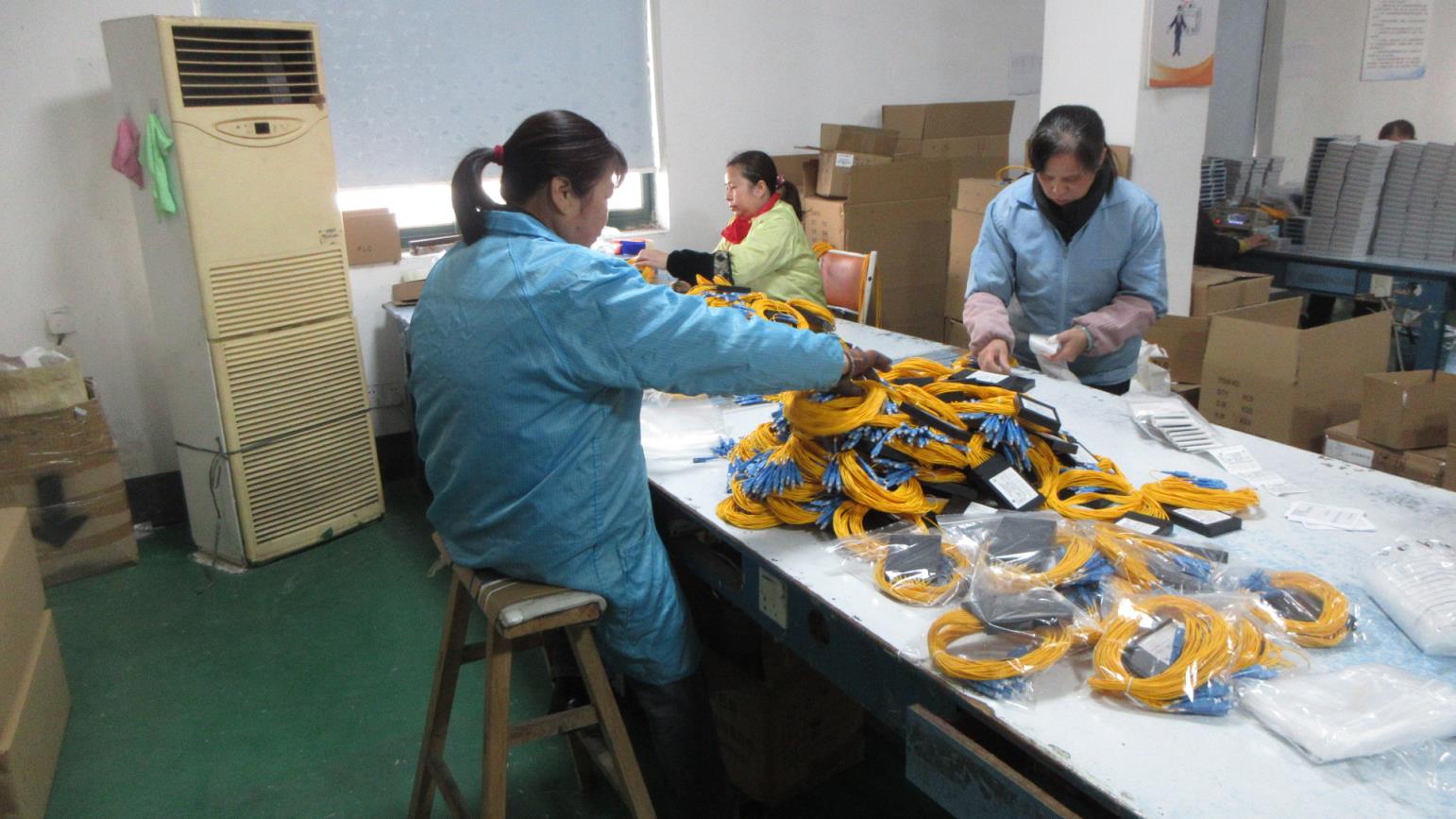
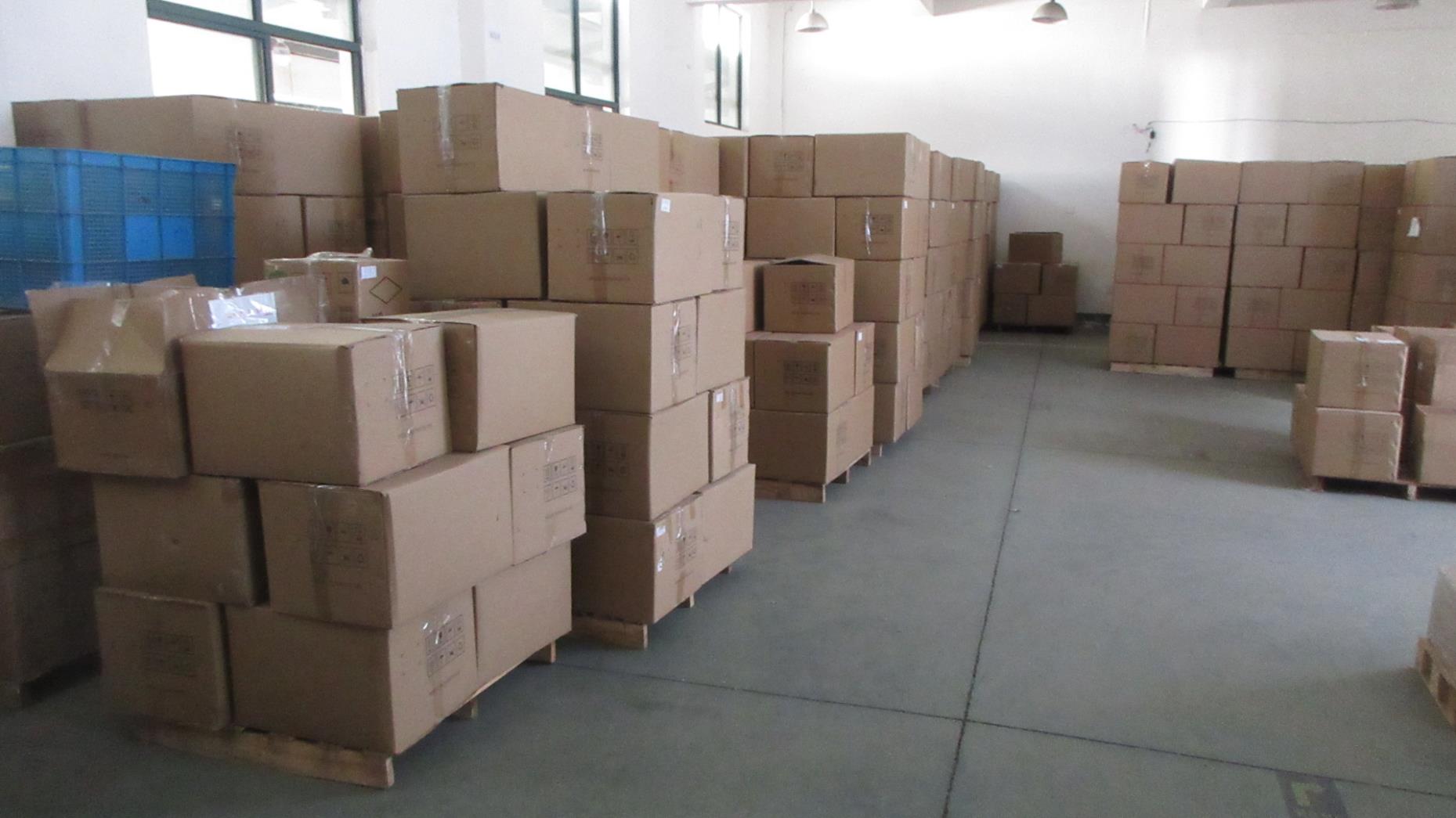
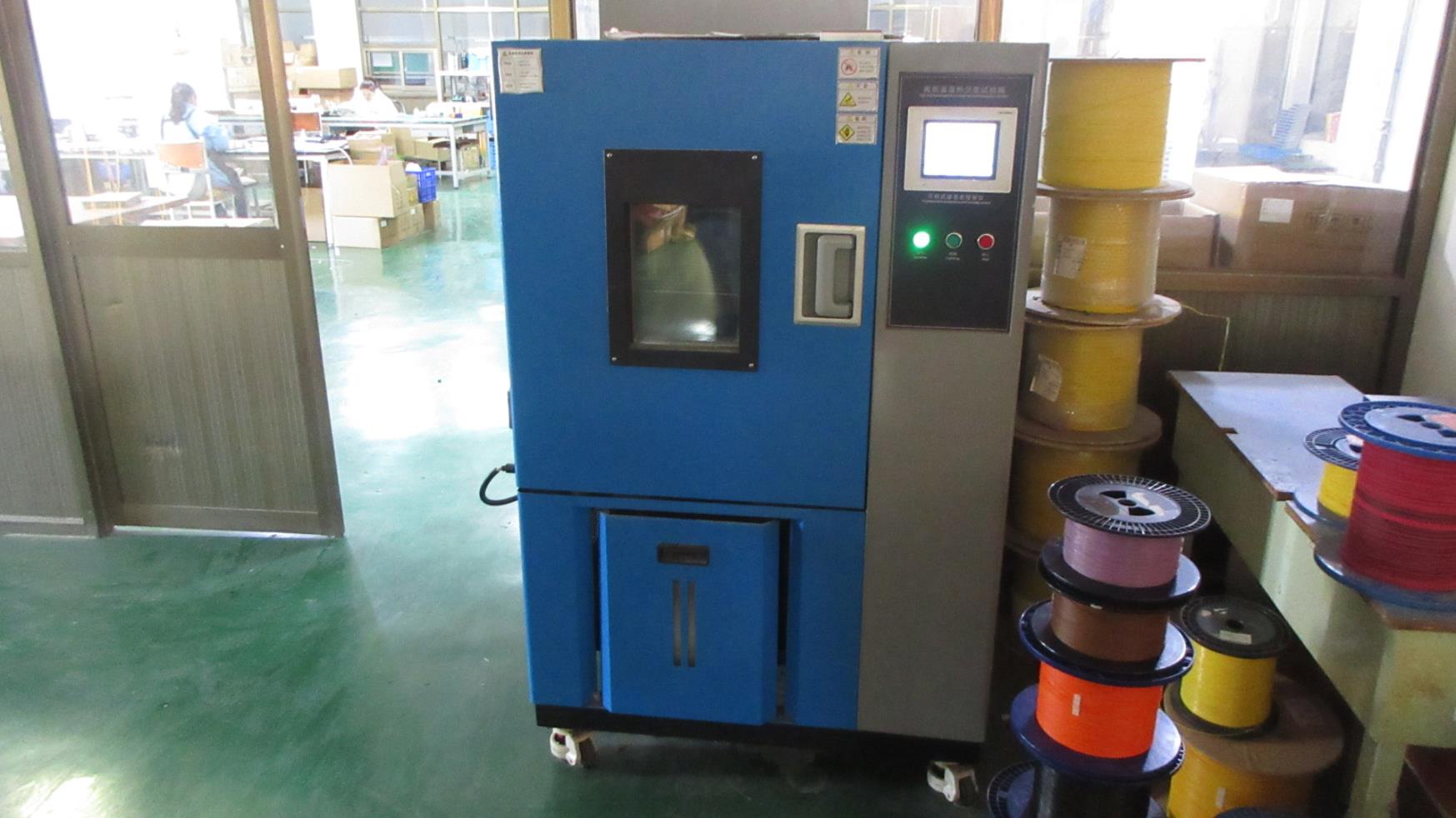
Our modern manufacturing facility covers a specialized cleanroom and assembly area of 380 square meters. It is equipped with advanced production and testing hardware to ensure consistent quality and reliable performance. With an annual export revenue exceeding USD 18 million, Equip-Link has established long-term partnerships with customers in more than 50 countries and regions worldwide.
With 9 years of export experience and 14 years of industry expertise, our engineering and commercial teams understand the evolving demands of global communication networks. We deliver products that meet international standards for performance, compatibility, and reliability.
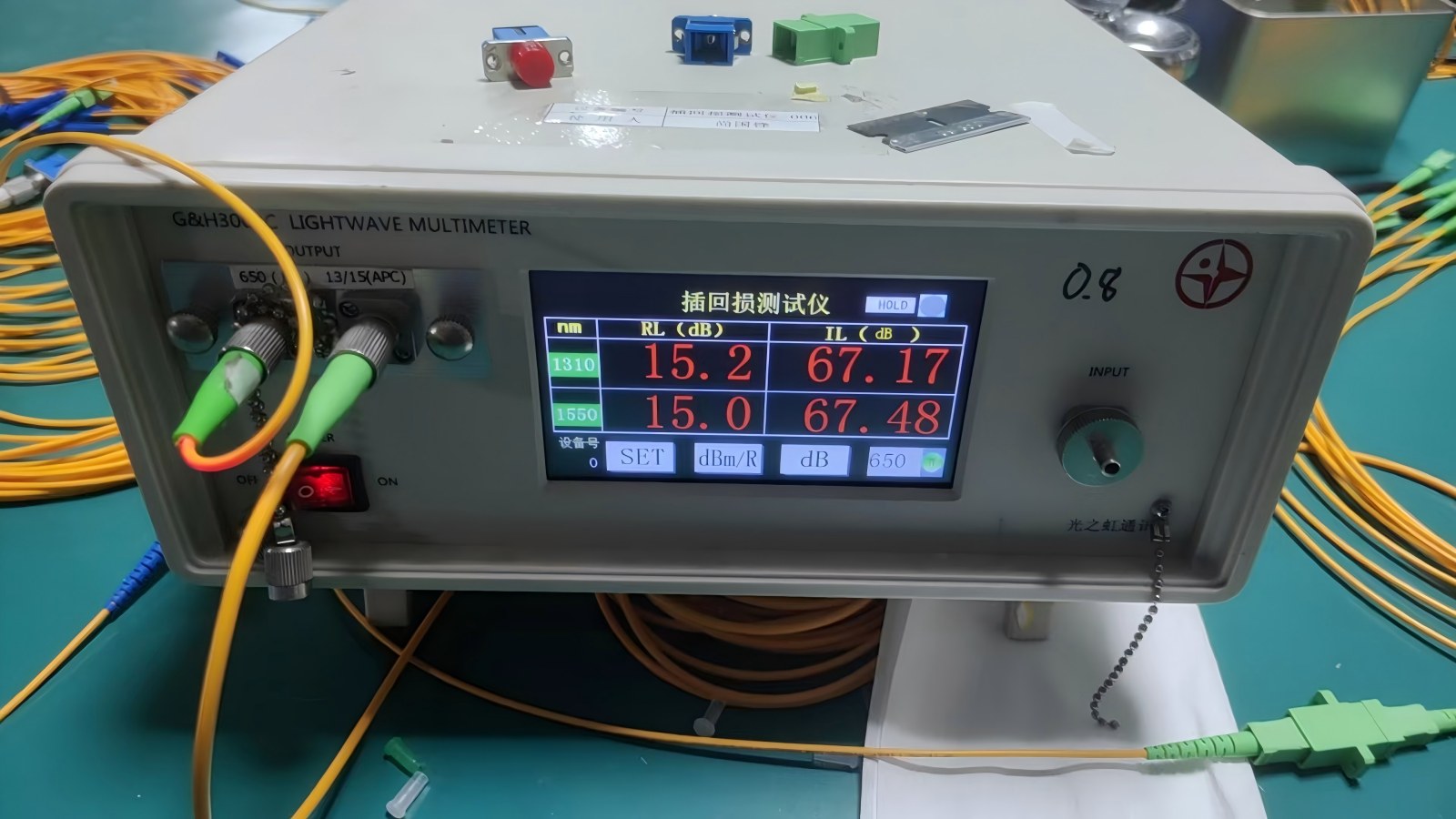
Quality is at the core of everything we do. We implement a comprehensive quality management system supported by incoming material inspection, in-process quality control, and final product testing. Every product undergoes rigorous testing using advanced optical and RF network performance analyzers before shipment. Our dedicated quality assurance team consists of 36 experienced inspectors who ensure that every product meets customer requirements and industry specifications.
As a company with a strong manufacturer and exporter background, we primarily serve customers across North America, Europe, Southeast Asia, the Middle East, and South America. Our extensive supply chain network includes more than 1,280 qualified partners, enabling us to maintain stable production capacity and efficient delivery schedules.
Our major customer groups include telecommunication operators, data center providers, network equipment distributors, system integrators, cloud service providers, and OEM/ODM brands. To support diverse market needs, Equip-Link offers flexible customization services, including private labeling, custom firmware programming, compatibility coding, packaging customization, and OEM/ODM manufacturing.
Innovation drives our growth. Our R&D department is staffed by 68 professional engineers dedicated to developing next-generation communication and interconnect technologies. In the past year alone, we successfully launched 126 new products, further expanding our portfolio of high-speed optical transceivers, including 10G, 25G, 40G, 100G, 200G, 400G, and 800G solutions, as well as high-density physical copper connectivity assemblies.
Industrial RF installations require custom physical assemblies. Off-the-shelf options often fall short of meeting strict return loss, chemical, or flexibility specifications. Below are the key sectors requiring customized coaxial cabling:
Modern cellular configurations deploy remote radio heads (RRH) linked to baseband units via corrugated feeder cables. These connections require low passive intermodulation (PIM) ratings (≤ -160 dBc) to prevent degradation of cellular channel capacity.
MRI scanners and diagnostic imaging machines require non-magnetic, low-loss micro-coaxial arrays to carry signal paths without distorting magnetics fields or dropping signal levels.
Mil-spec applications utilize specialized cables (such as MIL-DTL-17 compliant variants) with extruded PTFE dielectrics and double-silver-plated shields. These are rated for operation from -55°C to +200°C, offering resistance to vibration, altitude, and outgassing.
Autonomous driving systems demand high-frequency, low-latency video paths. Implementing specialized systems like FAKRA or HSD (High-Speed Data) coaxial architectures ensures reliable multi-gigabit camera feeds in high-EMI automotive environments.
For B2B procurement managers and engineering leads, choosing an interconnect supplier requires balancing financial performance with technical risk management. Global supply lines face risks from material price fluctuations, logistics delays, and compliance issues. Managing these risks involves evaluating potential suppliers on several critical capabilities:
The coaxial cable market is shifting toward higher frequencies, smaller form factors, and hybrid connectivity solutions. Key industry trends include:
Expert answers to common engineering questions regarding physical coaxial performance and manufacturing.
Velocity of Propagation (VOP) is inversely proportional to the square root of the dielectric constant (Dk) of the insulating core: VOP = 1 / √εr. Introducing micro-voids of air into the dielectric material (as in foamed PE or PTFE tape) reduces the overall Dk close to 1.0 (vacuum equivalent). This increases VOP, reduces attenuation, and improves overall signal transmission velocity.
Passive Intermodulation (PIM) occurs when high-power signals pass through non-linear junctions in coaxial paths, generating unwanted frequencies that interfere with receive channels. Minimize PIM by using high-pressure crimping, avoiding magnetic materials (like nickel plating), keeping contact surfaces clean, and maintaining tight physical torque control on connector assemblies.
A 50 Ohm characteristic impedance balances power handling capacity with low attenuation, making it the standard for RF transmitters, Wi-Fi base stations, and telecommunication hardware. A 75 Ohm configuration is optimized for low signal attenuation, making it ideal for cable TV (CATV), high-definition video lines, and digital audio paths where power levels are minimal.
We monitor outer conductor and core diameters during extrusion using continuous laser diameter gauges. Post-assembly, we verify electrical integrity using vector network analyzers (VNAs), which sweep across the specified frequency range to measure return loss and check for physical variations in the line.
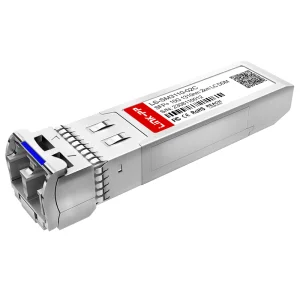
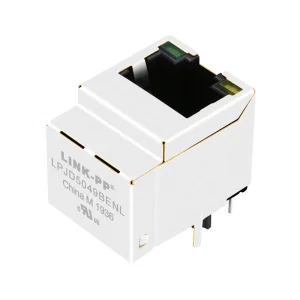
Advanced optical transceiver and hardware components designed for high-density enterprise routing and data center networks.