Equip-Link
Equip-Link
Equip-Link
Deploy high-speed telecommunications and power delivery pipelines using our compatible systems.
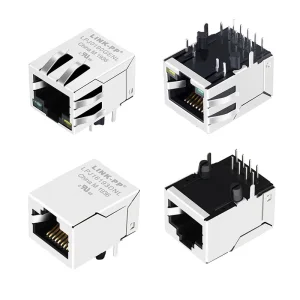
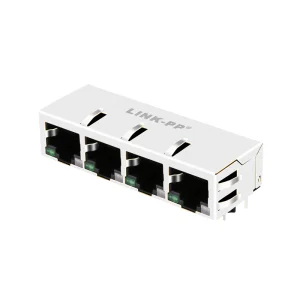
Modern networking infrastructure is moving rapidly toward gigabit speeds, high-density distribution, and centralized power architectures. At the center of this transformation is Power over Ethernet (PoE) technology. By overlaying direct current (DC) power onto standard twisted-pair copper cabling, PoE eliminates the need for separate AC power adapters for remote IP endpoints. However, as power budgets increase to satisfy the demands of modern hardware, the mechanical and electrical integrity of the physical interface—specifically the PoE RJ45 Connector—becomes a critical performance metric.
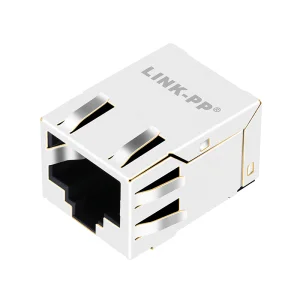
The transition from legacy IEEE 802.3af (PoE, delivering up to 15.4W per port) to IEEE 802.3at (PoE+, up to 30W) and the current IEEE 802.3bt (PoE++ Type 3 & Type 4, delivering 60W and 90W/100W respectively) has fundamentally changed the design parameters of RJ45 magnetic connectors. Under higher current levels (up to 960mA per pair in PoE++ applications), connectors are subject to localized thermal heating and electrical arcing. When a connector is unplugged while under load, a microscopic arc can form between the contact pins, eroding the gold plating and causing contact degradation. Engineering a robust PoE RJ45 interface requires strict adherence to contact geometry, premium material selection, and optimized magnetics to maintain link stability under full electrical loads.
| PoE Standard | IEEE Specification | Max Current Per Pair | Max Power Delivered (PSE) | Hardware Application Profiles |
|---|---|---|---|---|
| PoE | IEEE 802.3af | 350 mA | 15.4W | Legacy VoIP phones, basic static IP cameras, early wireless access points. |
| PoE+ | IEEE 802.3at | 600 mA | 30.0W | PTZ IP cameras, dual-band WAPs, biometric access controllers, IP audio. |
| PoE++ (Type 3) | IEEE 802.3bt | 600 mA (4 pairs) | 60.0W | Wi-Fi 6 WAPs, video conferencing systems, thin clients, smart lighting nodes. |
| PoE++ (Type 4) | IEEE 802.3bt | 960 mA (4 pairs) | 90W - 100W | High-power digital signage, 5G small cells, embedded industrial PCs, smart building hubs. |
Founded in 2017, Equip-Link Intelligent Equipment (Shenzhen) Co., Ltd. has established itself as an authoritative manufacturer and designer of high-performance optical transceivers, copper interconnect systems, and fiber optic communication solutions. Headquartered in the hardware innovation center of Shenzhen, China, our business operations bridge the gap between advanced R&D and large-scale industrial output. Our specialized production lines support major data centers, telecom networks, enterprise switches, and AI compute platforms worldwide.
With an annual export value exceeding USD 18 million, Equip-Link maintains active supply networks in more than 50 countries across North America, Europe, Southeast Asia, the Middle East, and South America. Our collaborative approach leverages over 1,280 qualified supply chain partners, enabling a highly agile response to material sourcing, component manufacturing, and custom assembly requirements. We serve telecommunication operators, data center providers, network equipment distributors, system integrators, and global OEM/ODM brands.
The foundation of Equip-Link's manufacturing success is our commitment to automation, lean assembly, and material traceability. Our modern facilities are equipped with automated injection systems, high-speed terminal stamping tooling, and automated winding machines for magnetic transformers. By streamlining the path from raw materials to final packaging, we guarantee structural precision and compliance with international standards.

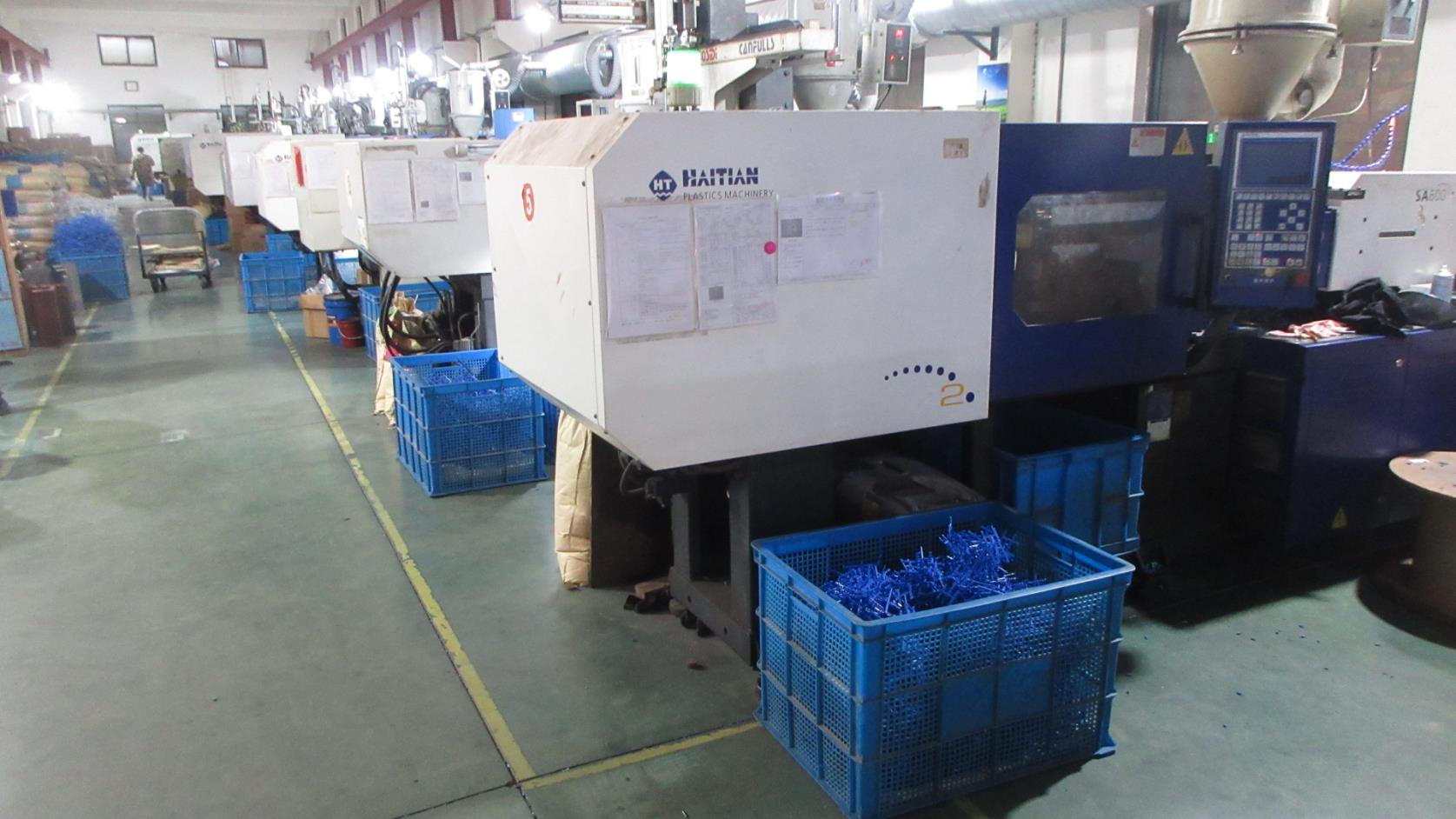
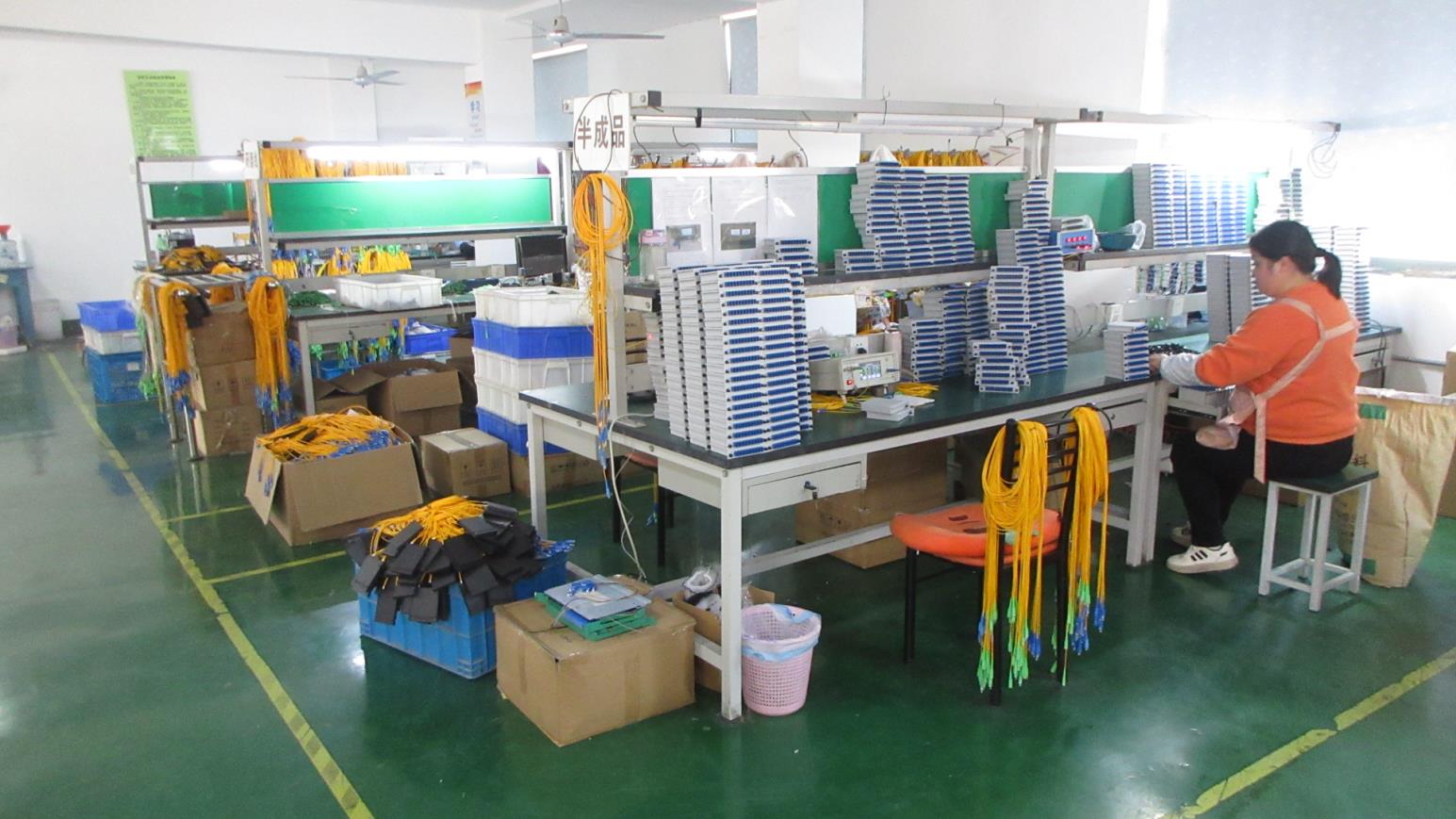
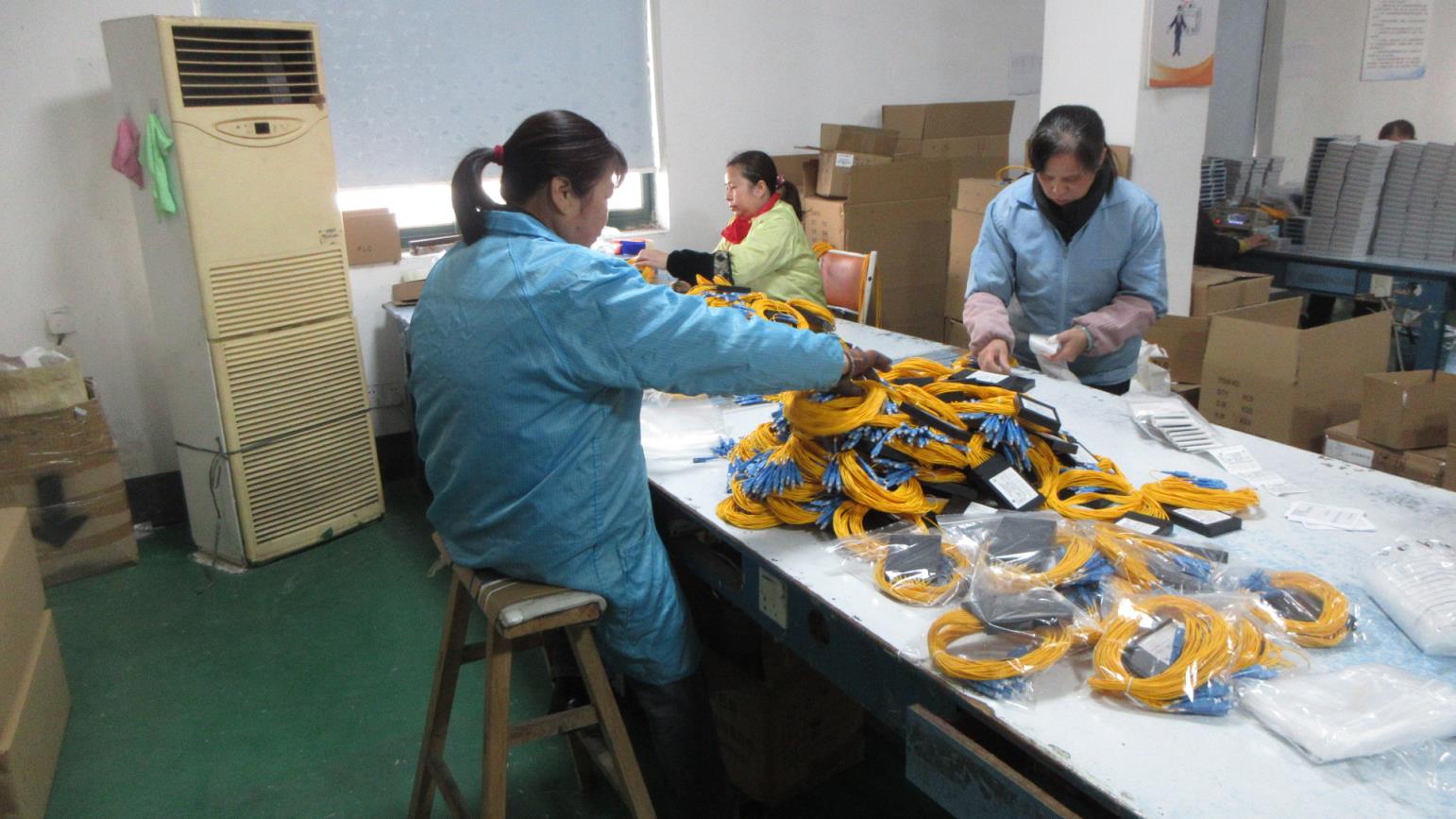
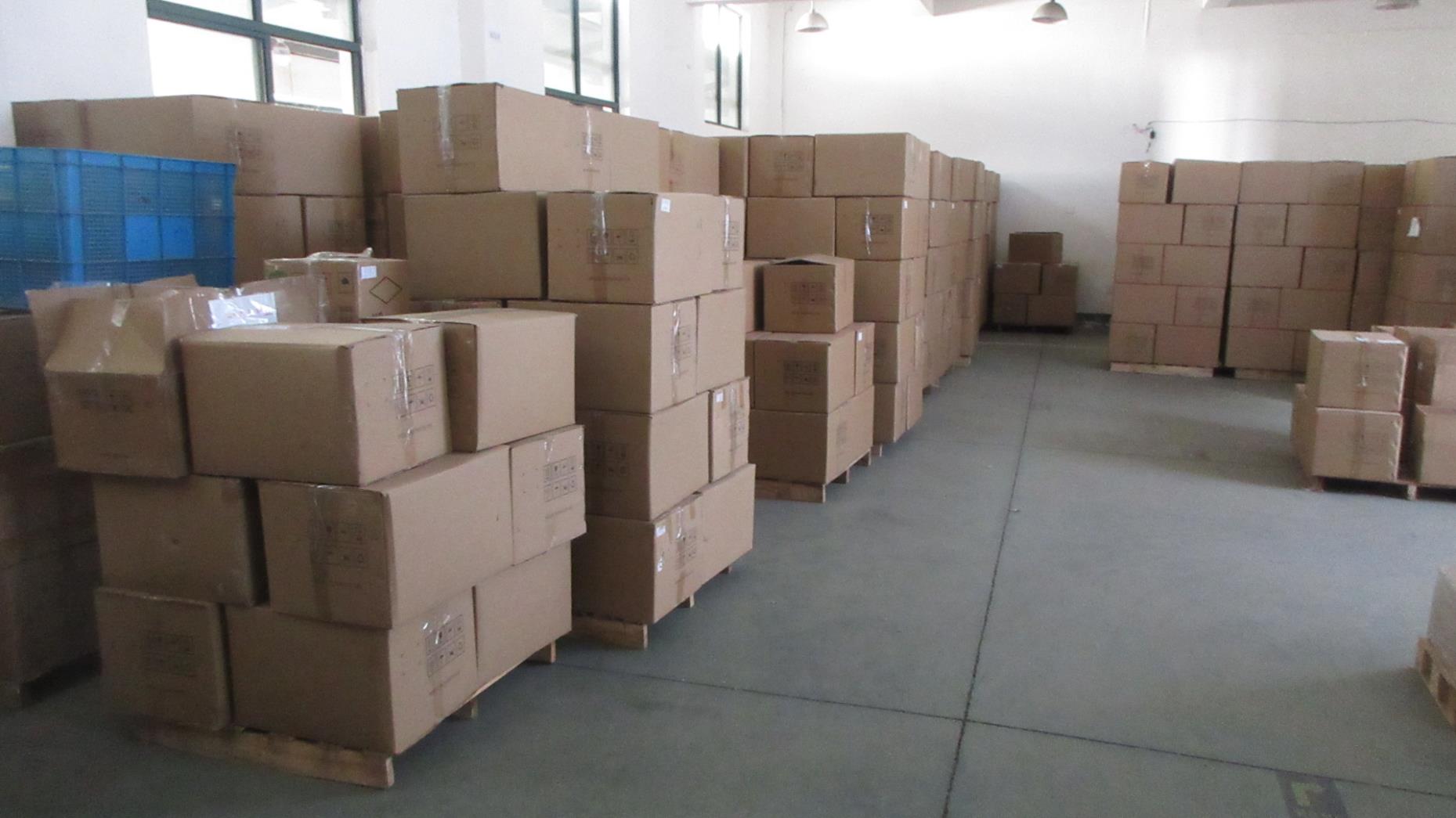
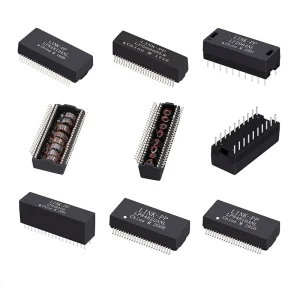
Equip-Link's production ecosystem integrates raw material analysis with automated manufacturing. Thermoplastic resins (such as high-temperature LCP or Nylon 46 rated UL94-V0) are processed through high-precision Injection Machines to form dimensional housings for SMT and through-hole RJ45 jacks. Automated terminal insertion machines position copper alloy pins plated with selective gold (up to 50 micro-inches) to prevent mechanical wear. The integrated magnetic LAN transformers are wound on-site to exact turns-ratios, ensuring superior common-mode rejection and isolation (1500VAC per IEEE standards).
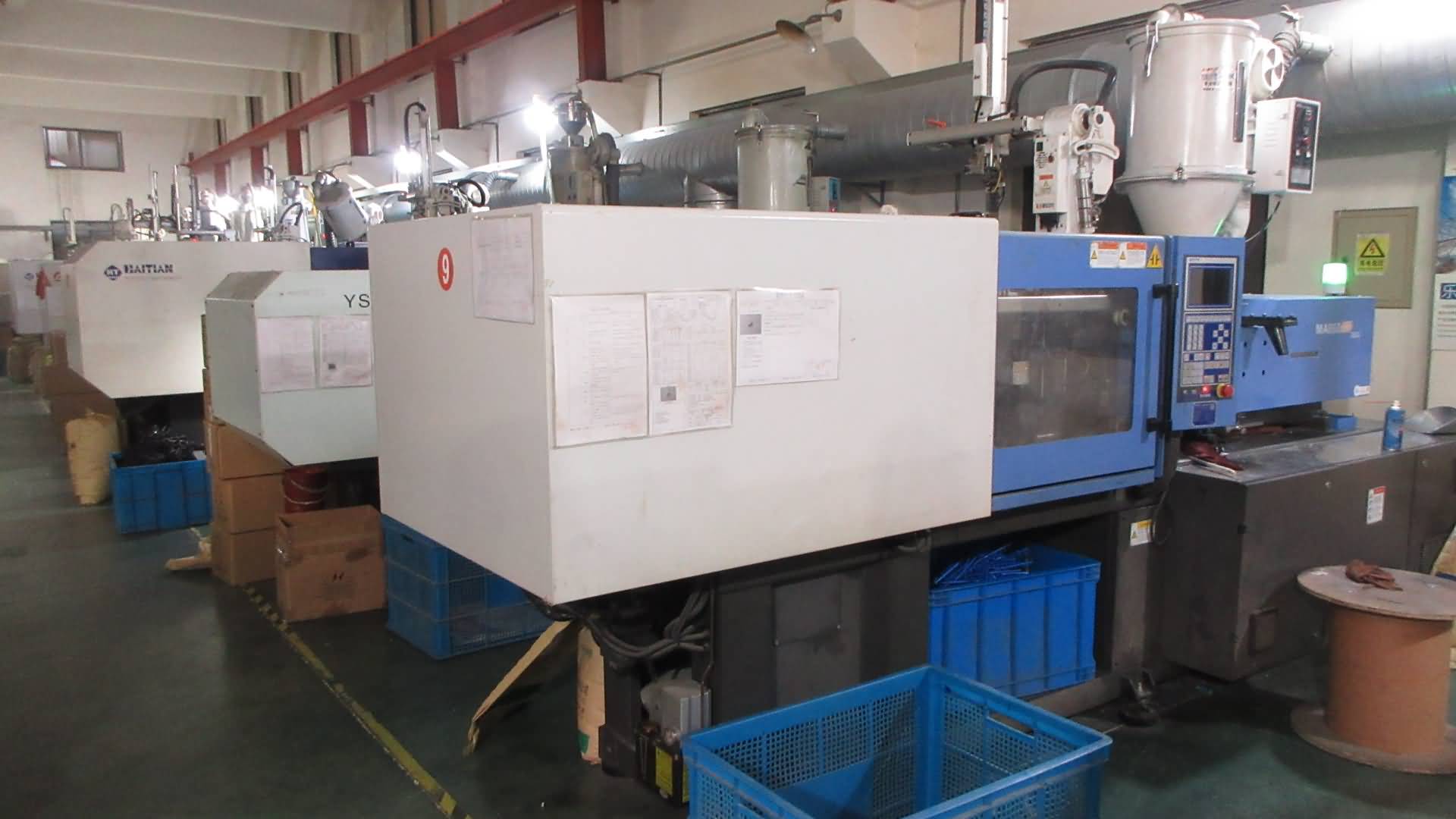
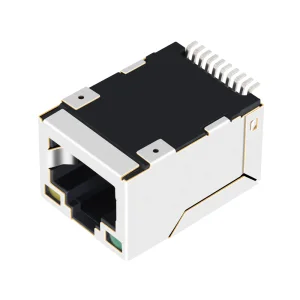
Our heavy-duty, high-accuracy injection molding machines operate 24/7 to produce modular housings with tight tolerances. These parts house the sensitive magnetic cores and copper pins, protecting them from environmental factors and structural strain. This automated approach ensures that every PoE RJ45 Jack meets the precise dimensional profiles needed for high-volume automated PCB surface-mount (SMT) and wave-soldering processes.
As networks scale to support artificial intelligence workloads, IoT clusters, and Wi-Fi 7 access systems, copper and optical ports must adapt to higher speeds and lower latencies. Equip-Link's engineering team of 68 professional R&D specialists continually updates our design roadmap to meet these demands.
While standard PoE originally operated at 10/100 Mbps, new enterprise switches require 2.5G, 5G, and 10G Base-T speeds over copper alongside IEEE 802.3bt power levels. Our advanced Magjacks isolate signal paths and use custom magnetic layouts to maintain cross-talk (NEXT, FEXT) and return-loss figures within strict IEEE parameters.
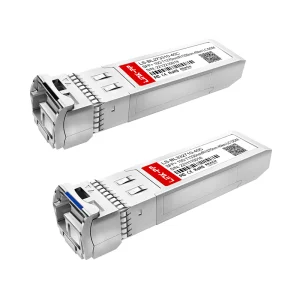
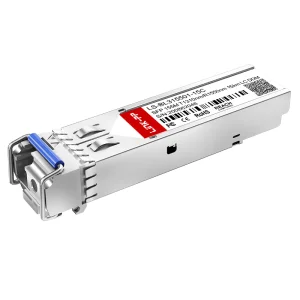
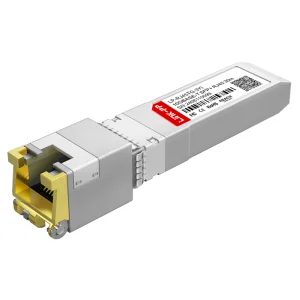
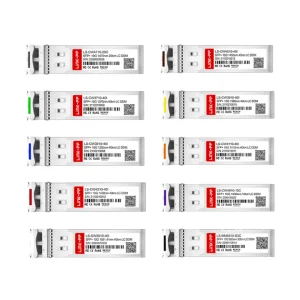
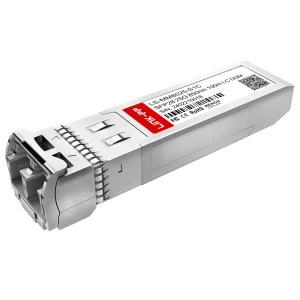
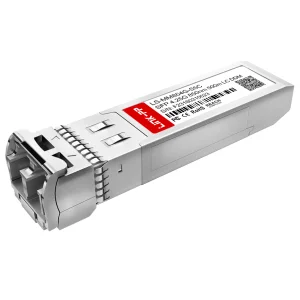
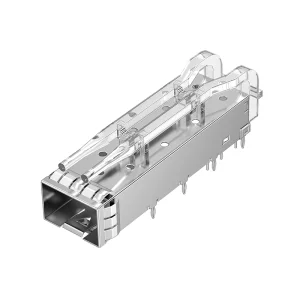
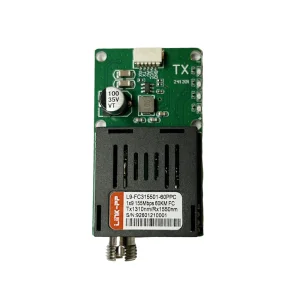
Modern data centers utilize hybrid copper-optical infrastructures. Our technical designs bridge physical copper connections with high-performance optical transceiver modules (10G SFP+, 25G SFP28, 40G QSFP+, up to 800G platforms). By optimizing the physical layout of the SFP cage (using press-fit designs and integrated light pipes), we ensure EMI containment and thermal dissipation.
The future of industrial IoT and automotive Ethernet points to Single Pair Ethernet (SPE / 802.3cg). SPE reduces copper weight and termination complexity. Equip-Link is currently developing miniaturized SPE connectors with Power over Data Line (PoDL) integration, providing data and power over a single twisted pair up to 1000 meters.
Equip-Link's high-speed transceiver modules and RJ45 connector assemblies are deployed in global networking scenarios. Our designs are tailored to resolve the engineering and environment-specific challenges of various fields:
5G base stations and outdoor wireless access points require reliable, high-power PoE connections that can withstand harsh environments. Our industrial-grade, shielded RJ45 jacks with integrated transceivers deliver stable power and data to remote outdoor units (RRUs), operating across a wide temperature range (-40°C to +85°C).
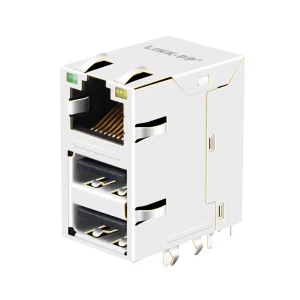
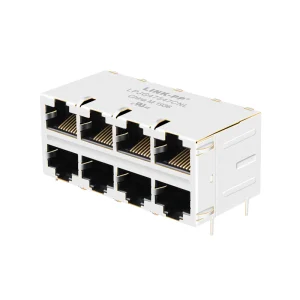
Modern building automation uses PoE to power and control LED lighting networks and climate control systems. This architecture requires continuous, multi-port power distribution. Equip-Link provides high-density multi-port (2xN, 1xN) RJ45 connectors with integrated magnetics to optimize space on central power distribution boards.
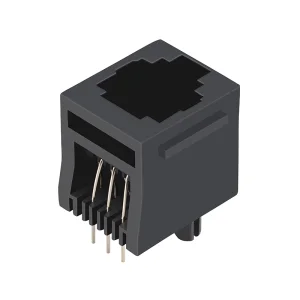
Industrial machinery generates severe electromagnetic interference (EMI) and mechanical vibrations. Our SMT top-entry and low-profile RJ45 modular jacks are built with robust PCB-mounting tabs (press-fit or solder-anchors) to withstand heavy industrial environments.
Data switchboards require dense card layouts and minimal electrical cross-talk. Equip-Link offers TE-compatible, EMI-shielded SFP+ cages and multi-gigabit copper transceivers to help system builders design low-loss, high-port-density line cards.
At Equip-Link, we maintain strict quality control throughout our manufacturing process. Our quality team includes 36 experienced inspectors who monitor assembly lines and run specialized testing systems. Every batch of PoE RJ45 connectors, magnetic transformers, and SFP transceivers is tested to ensure compliance with global telecommunications standards.
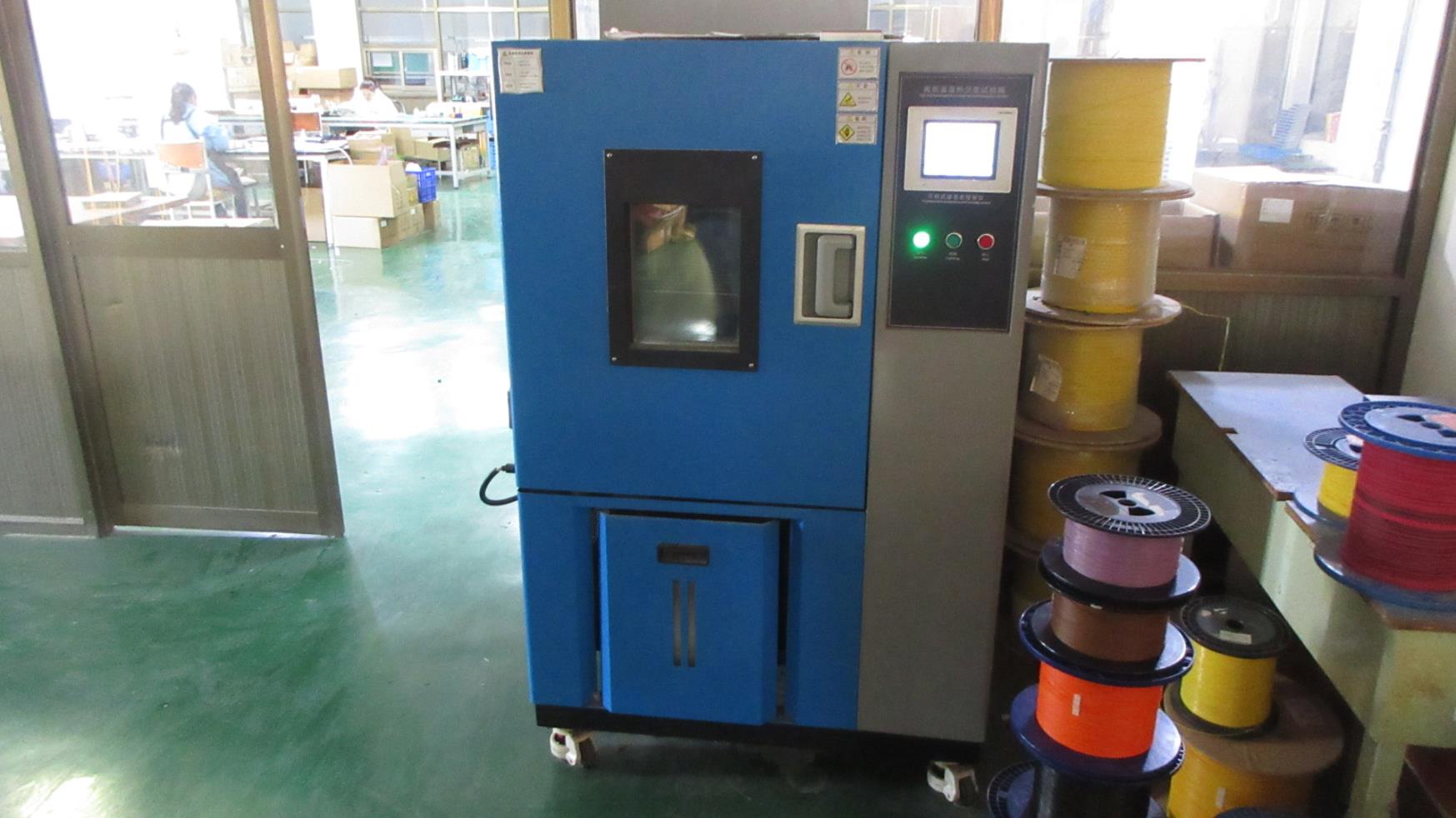
Our High and Low Temperature Damp Heat Alternating Test Chamber subjects connectors and transceivers to extreme temperatures (-40°C to +85°C) and varying humidity levels. This ensures long-term signal stability, structural integrity, and material life in harsh operating conditions.
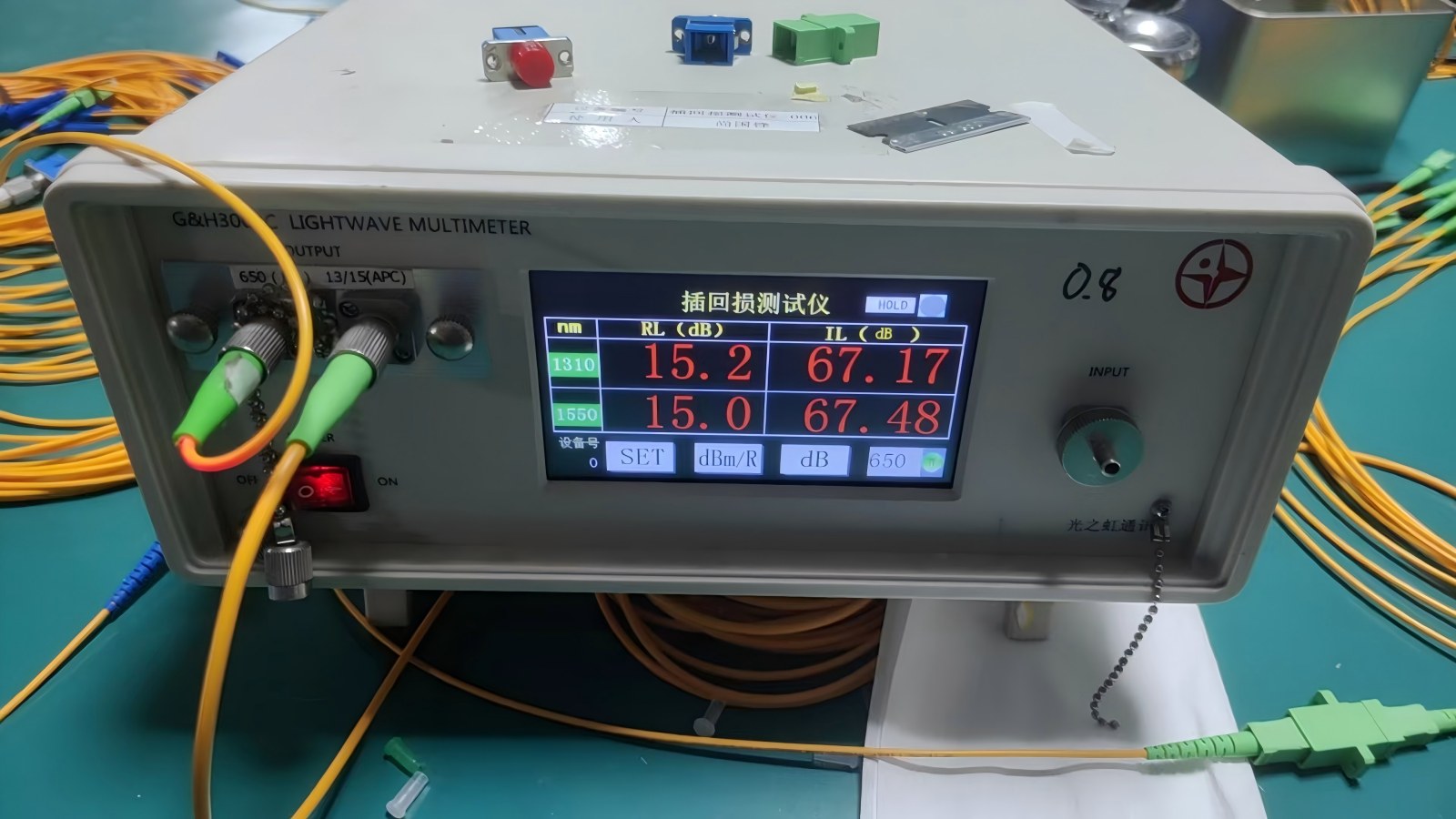
Using the Optical Insertion Loss Tester, our technicians verify the attenuation levels of every transceiver module. Measuring exact optical parameters ensures that our components align with the strict loss budgets of high-speed enterprise and data center networks.
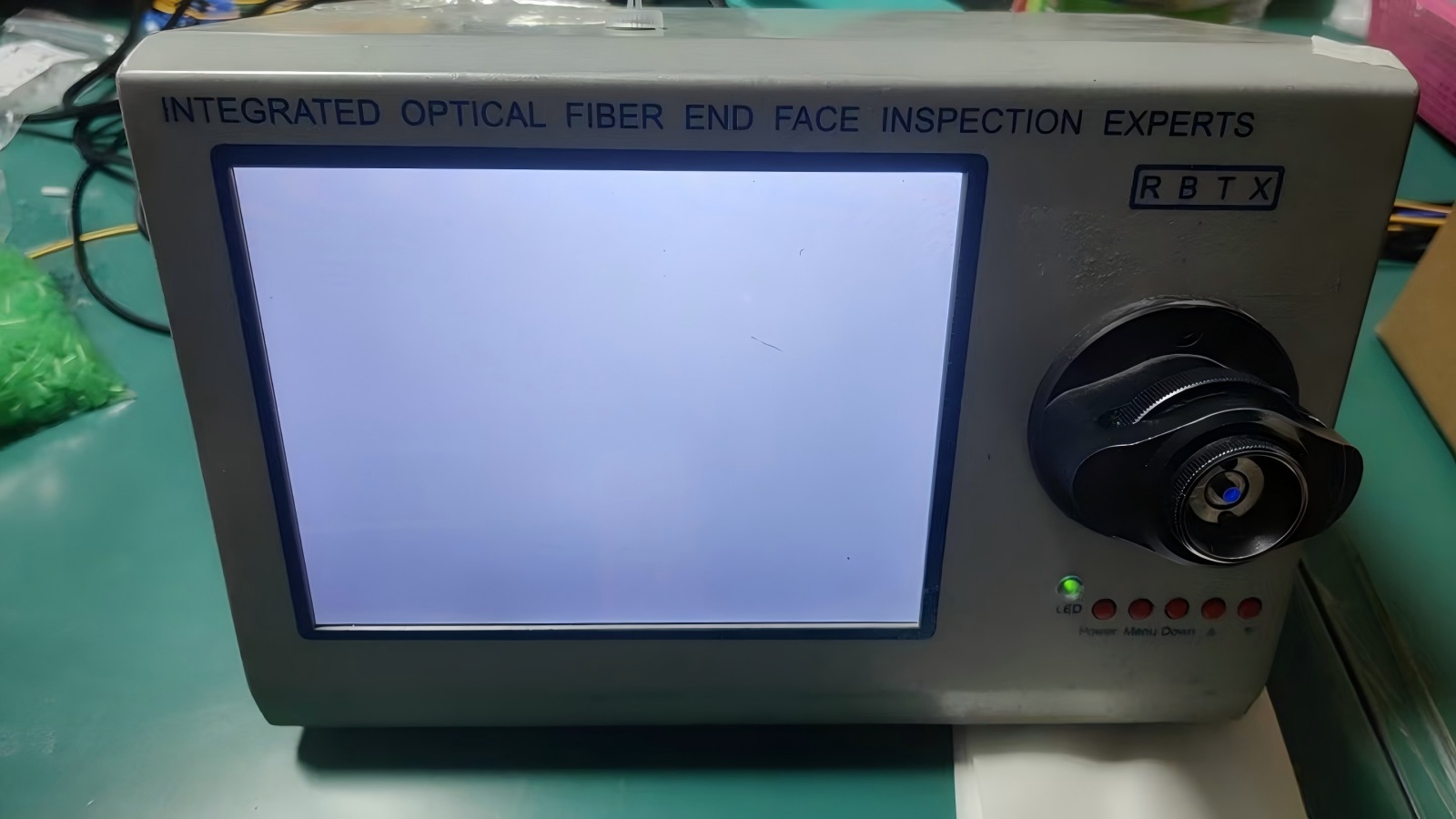
Microscopic dirt on optical mating surfaces can cause high return loss and module damage. Our Integrated Optical Fiber End Face Inspection system scans connector interfaces to ensure they are free of dust, scratches, and oil residues before packing.
Our products are designed and manufactured to comply with major global environmental, electrical, and performance certifications. This ensures seamless integration into networks worldwide:
All plastics, metals, solder pastes, and plating compounds used in our manufacturing process are certified free of lead, mercury, cadmium, and hexavalent chromium.
All insulating housings on our RJ45 modular jacks, USB composite connectors, and SFP transceiver housings use self-extinguishing materials for enhanced safety.
Every magnetic RJ45 jack and discrete LAN transformer is validated to meet IEEE 802.3 electrical parameters, including cross-talk limits and 1500VAC isolation.
Global procurement teams must balance component cost, lead times, compatibility, and custom design needs. Equip-Link provides a comprehensive suite of services to simplify sourcing for system integrators, network equipment manufacturers, and distributors:
We offer customized mechanical structures (low-profile, top-entry, vertical orientations), tailored pinning layouts, multi-port ganged configurations, and custom-wound magnetics to match your specific PHY chipsets.
Optical transceivers (10G SFP+, 25G SFP28, etc.) require correct EEPROM coding for system compatibility. Our engineers program transceiver firmware to match the switch interfaces of major brands, including Cisco, TE, Juniper, and Arista.
By leveraging our network of over 1,280 partners, we can quickly scale up production to handle bulk orders while maintaining a stable supply chain, helping clients reduce project lead times.
Browse our range of SFP modules, multi-port connectors, and discrete LAN transformers.