Equip-Link
Equip-Link
Equip-Link
Engineered for structural integrity and rapid integration. Explore high-performance Ethernet and optical transceiver components supporting multi-gigabit capabilities.
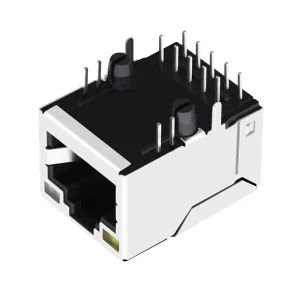
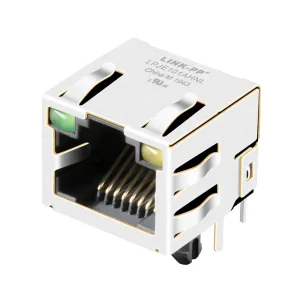
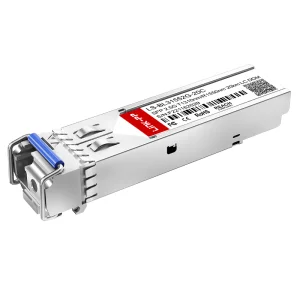
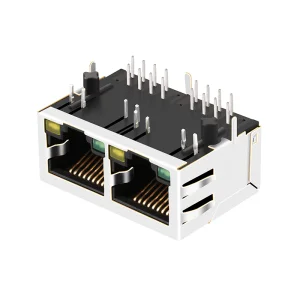
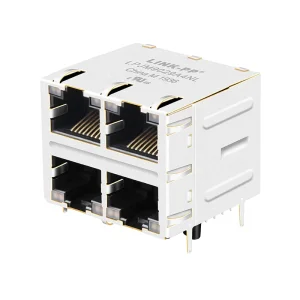
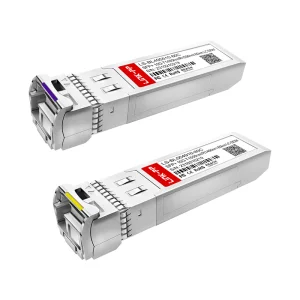
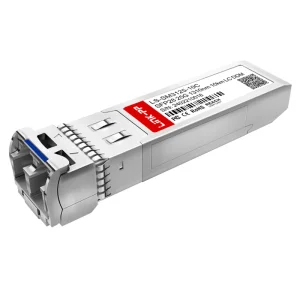
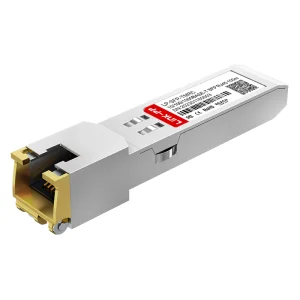
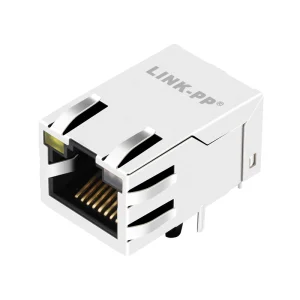
In the realm of telecommunications engineering and structured cabling architectures, the mechanical design of a physical interface directly determines its electrical longevity. The Snap-In RJ45 connector represents a critical leap in efficiency compared to traditional screw-mount or custom-tooling installations. Designed to lock securely into empty patch panels, wall plates, or surface mount boxes without requiring specialized mechanical fasteners, these components utilize a spring-loaded retention clip (or "snap") to establish a robust interface.
Semantic Insight: In high-vibration environments like industrial automated floors and server racks, standard plastic tabs deteriorate. Engineers demand snap-in connectors designed with high-grade polycarbonate polymers, robust ground contacts, and integrated physical barriers to counter electromagnetic interference (EMI).
For global enterprise procurement managers, evaluating suppliers extends far beyond unit costs. When sourcing millions of keystones and patch leads, hardware engineering leads rely on key technical metrics:
Gold plating thickness dictates insertion cycle life. Premium snap-in RJ45 products leverage 50 micro-inches (50µ") of gold plating over nickel barriers to prevent chemical oxidation and corrosion in humid server conditions.
With signals reaching 10Gbps and higher, shielding is non-negotiable. Stamped brass or nickel-plated copper shells with surrounding EMI grounding tabs protect high-frequency lines from near-end crosstalk (NEXT).
Global distribution mandates conformity to international electrical and mechanical standards including RoHS, REACH, UL 1863, and ANSI/TIA-568-C.2 for Cat6, Cat6a, or Cat7 verification.
China, particularly the Shenzhen-Dongguan electronics cluster, produces over 70% of the world's modular connectors and structural telecommunications components. The competitive edge lies in the combination of raw material proximity, rapid injection molding customization, and integrated testing ecosystems that dramatically reduce time-to-market compared to Western counterparts.
| Parameter | Traditional Global Manufacturers | Tier-1 Chinese Manufacturers (e.g., Equip-Link) |
|---|---|---|
| Tooling & Prototyping Lead Time | 8 to 12 Weeks | 2 to 4 Weeks (Shenzhen Agile Ecosystem) |
| Customization Capabilities (OEM/ODM) | Strict MOQ constraints, costly engineering charges | Flexible firmware coding, custom packaging, private label options |
| Supply Chain Integration | Fragmented component sourcing globally | In-house injection molding, assembly, packaging, and QA |
| R&D Turnaround | Long product-life cycles, slower iteration | Dozens of new product variations developed per year |
As a representative of this highly optimized manufacturing ecosystem, Equip-Link Intelligent Equipment (Shenzhen) Co., Ltd. (founded in 2017) exemplifies industrial expertise. Equipped with 9 years of export experience and 14 years of core industry expertise, they have constructed a vertical manufacturing facility optimized for rapid prototyping and rigorous Quality Control.

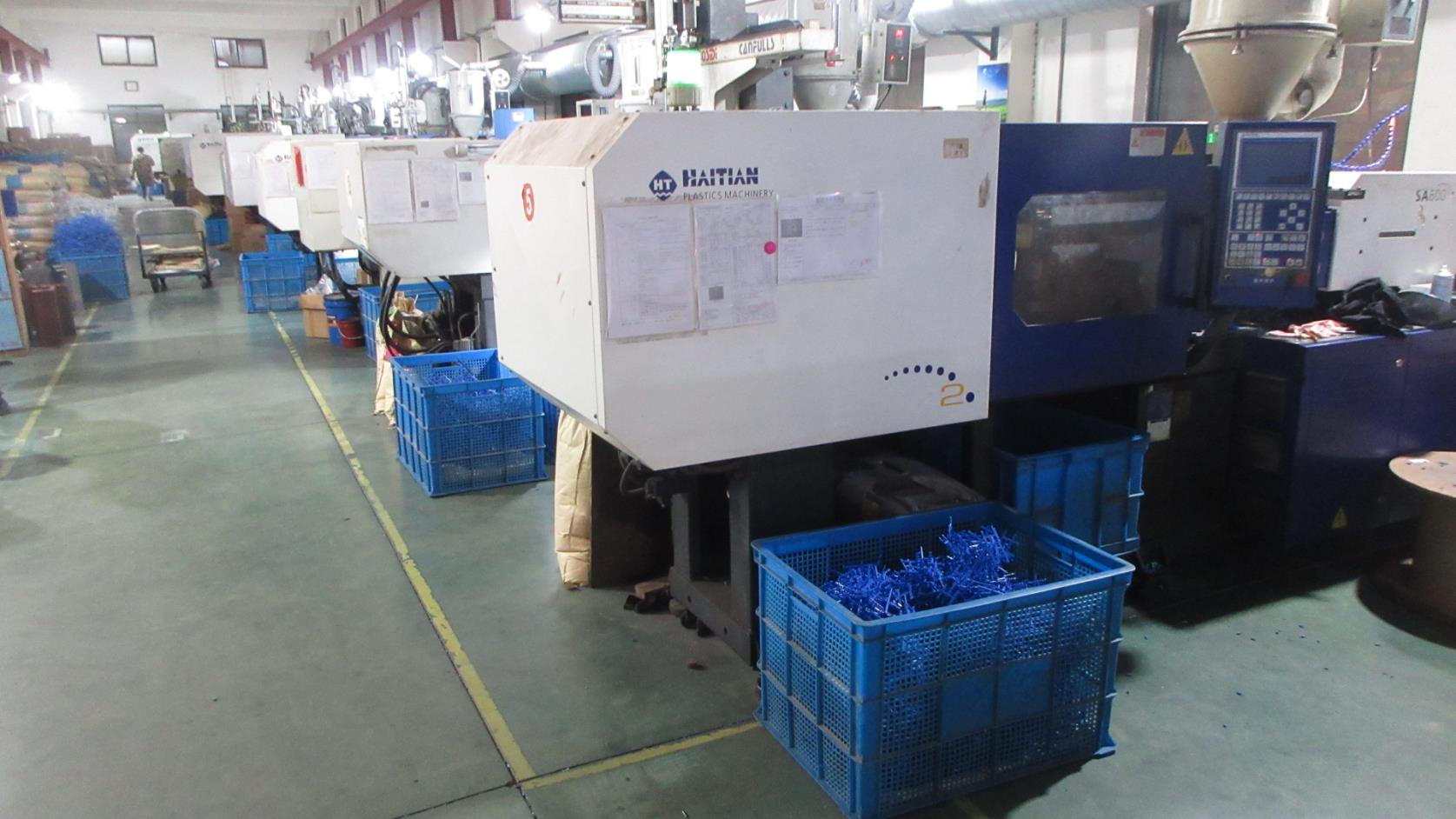
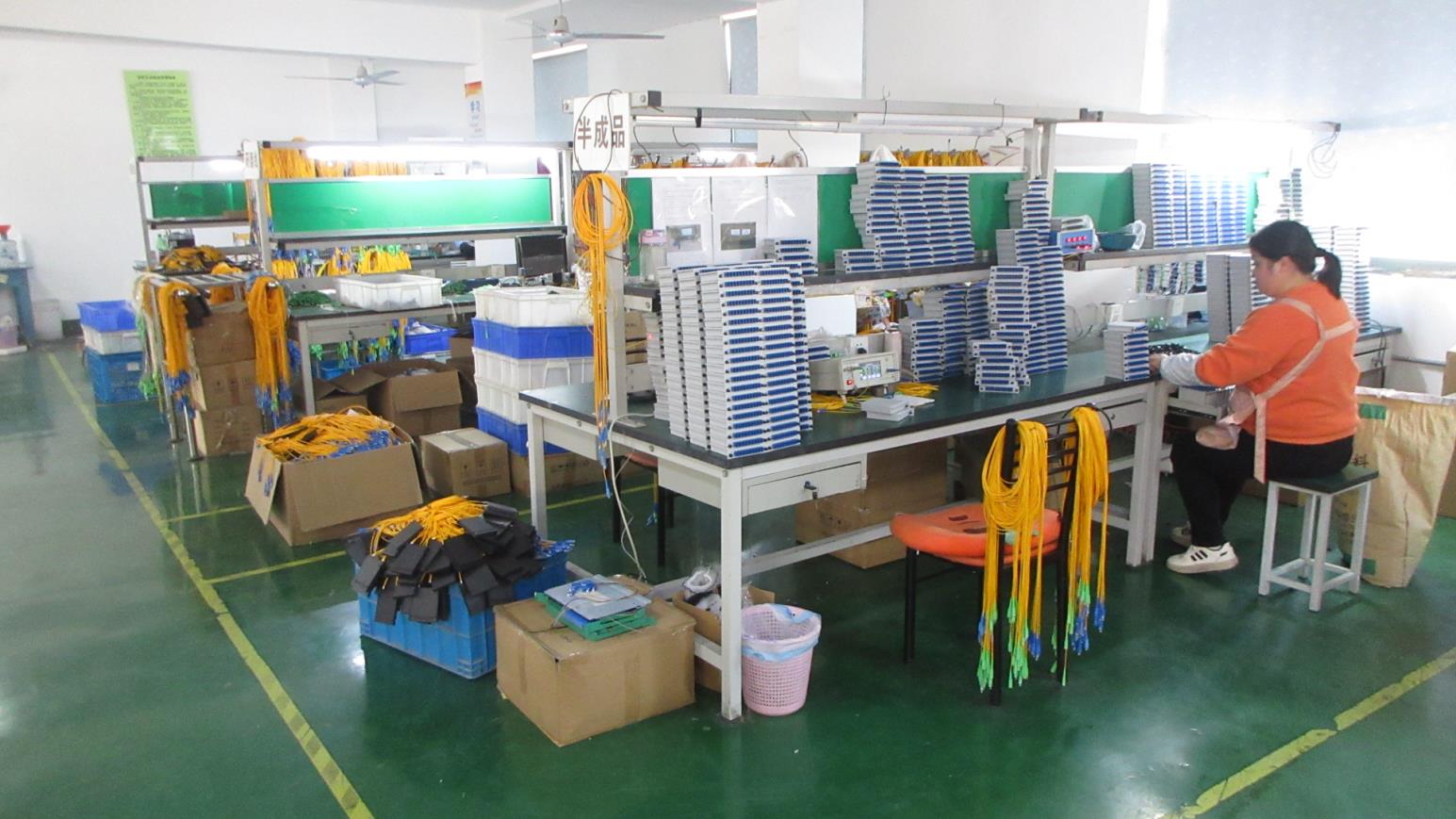
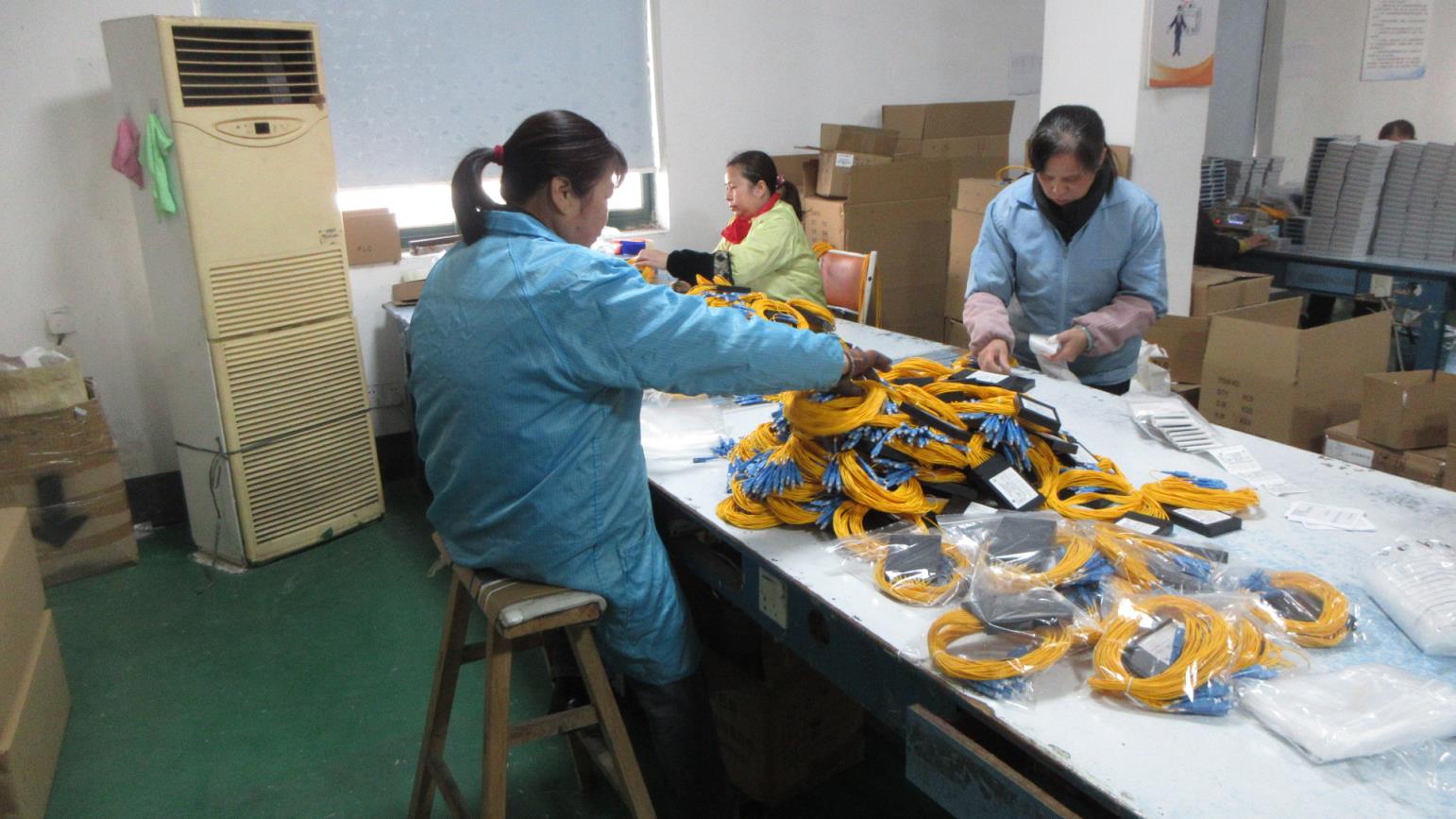
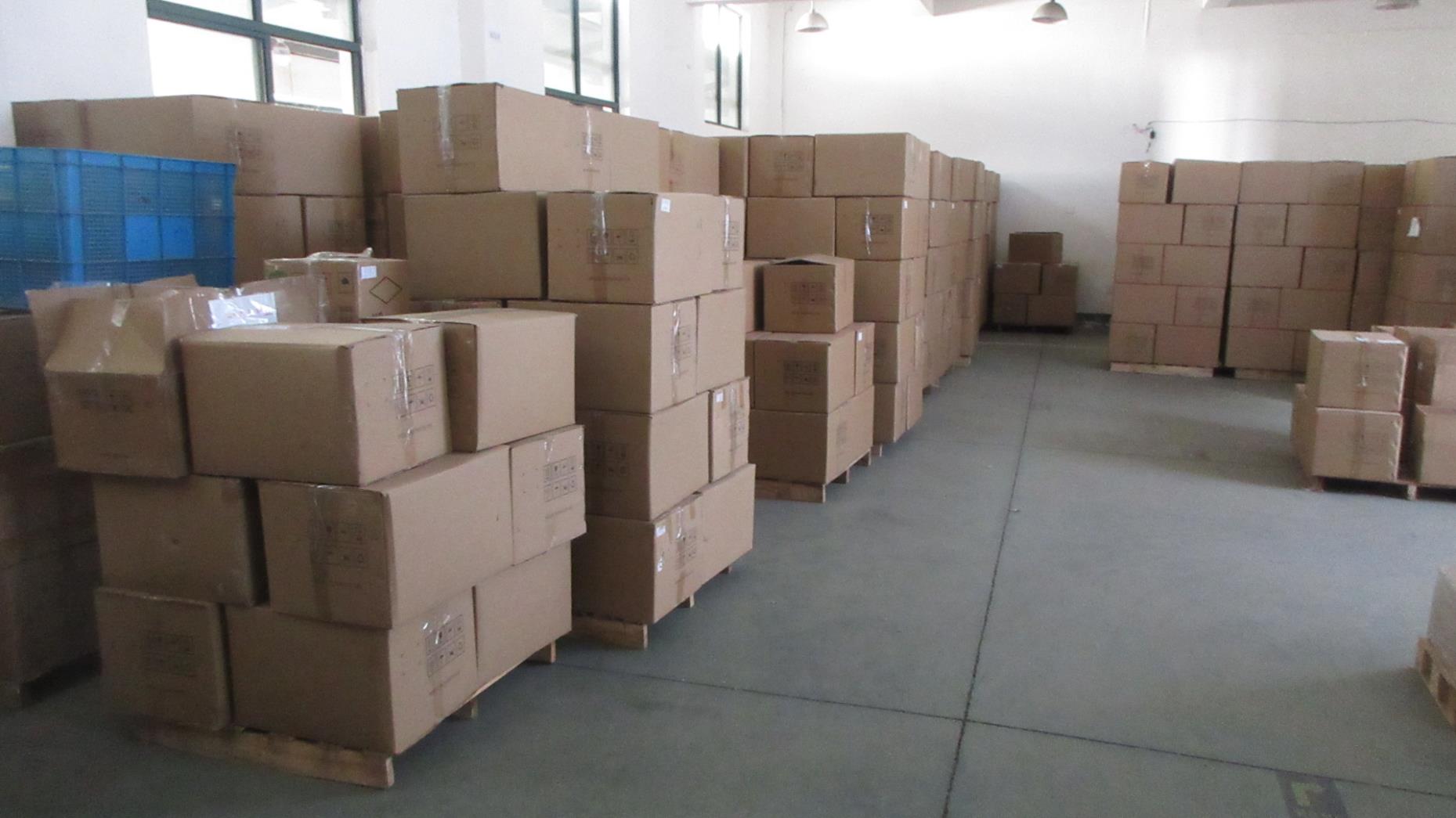
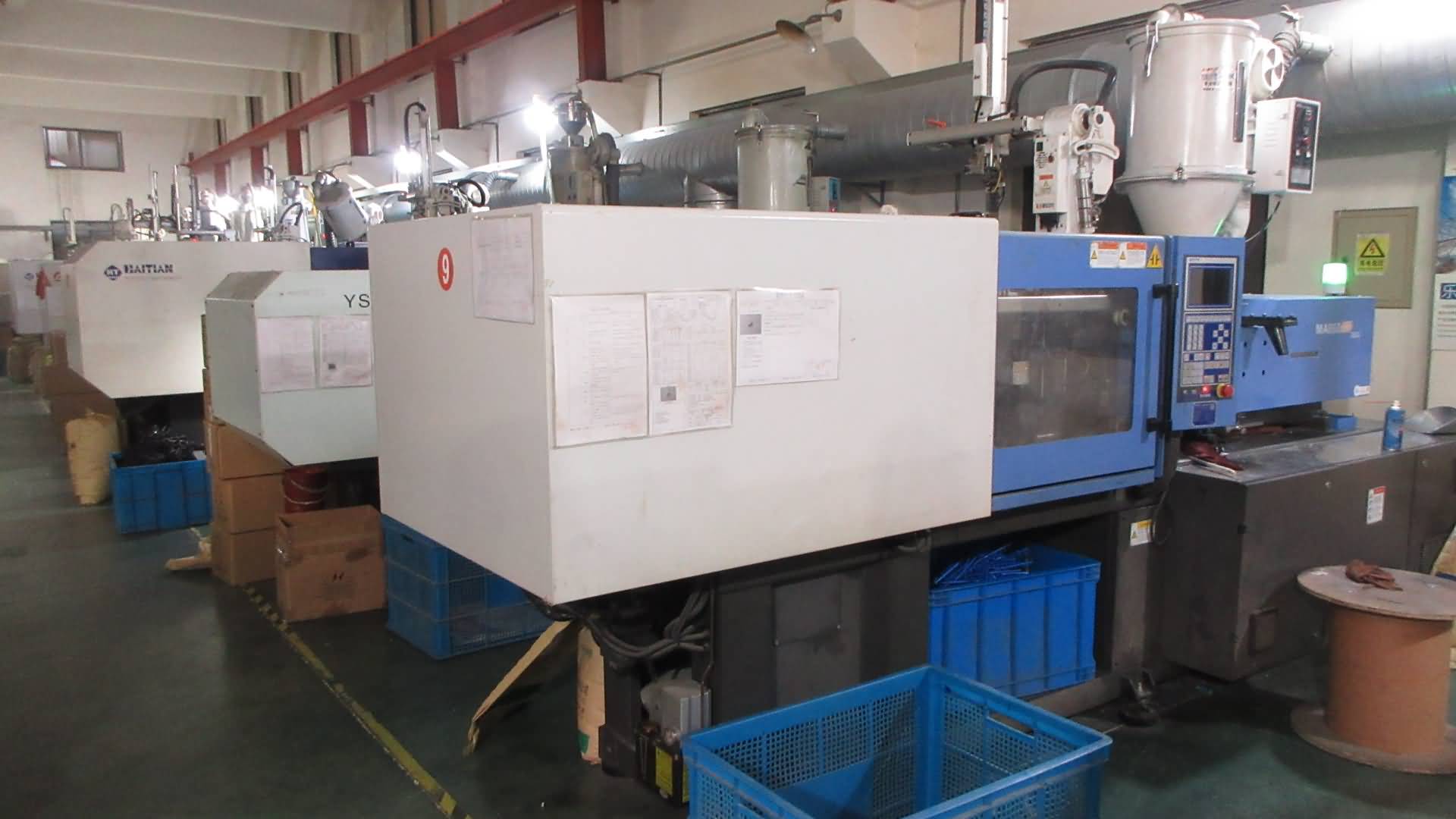
Equip-Link operates on a 380 square meter state-of-the-art facility structure, maintaining stable supply chain partner relationships with over 1,280 qualified partners. This ensures that raw materials pass strict tests before they ever hit the production lines. In addition, their annual export revenue exceeds USD 18 million, shipping high-speed network interfaces to data centers, ISPs, and telecoms across 50 countries in North America, Europe, Southeast Asia, the Middle East, and South America.
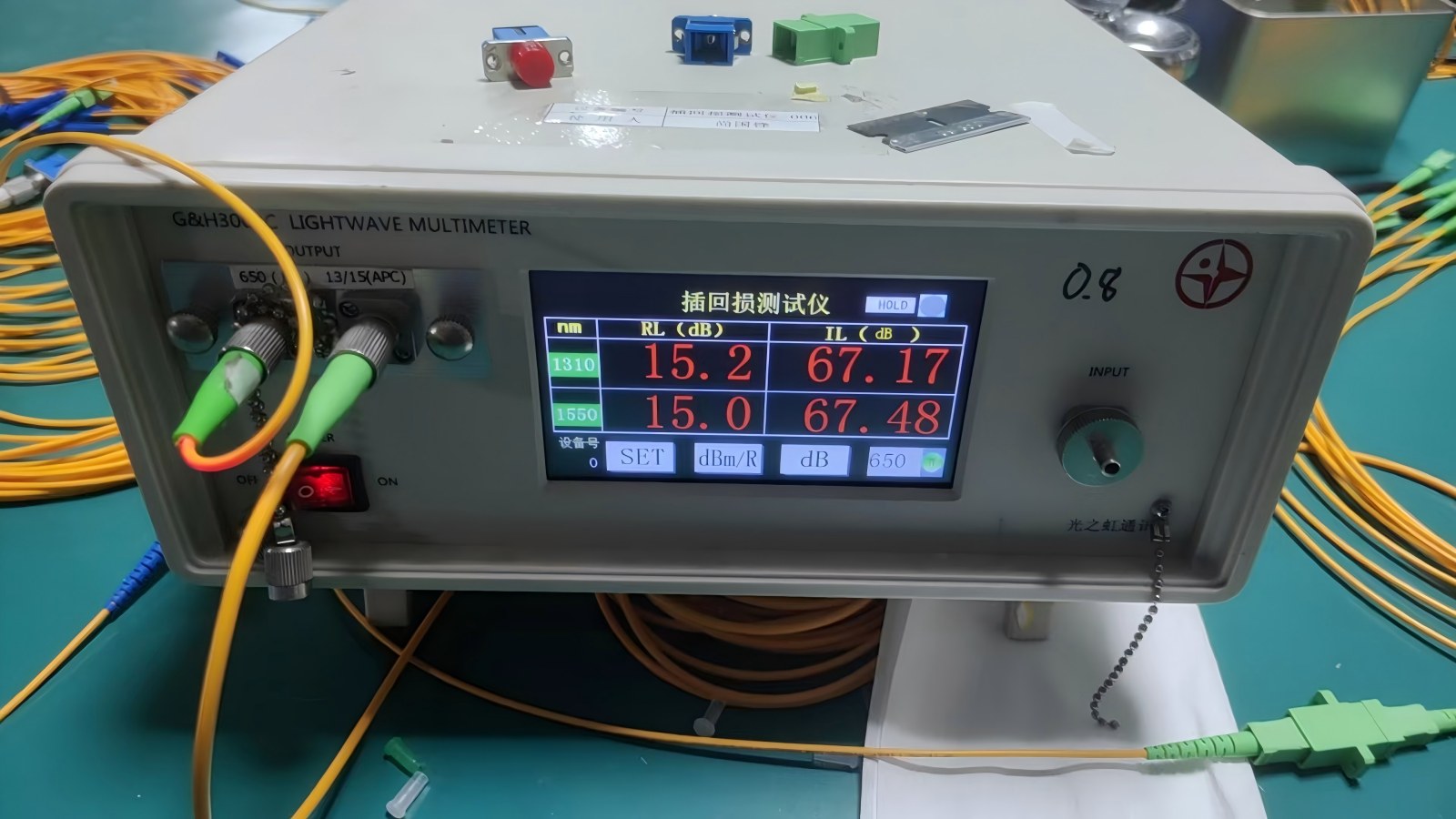
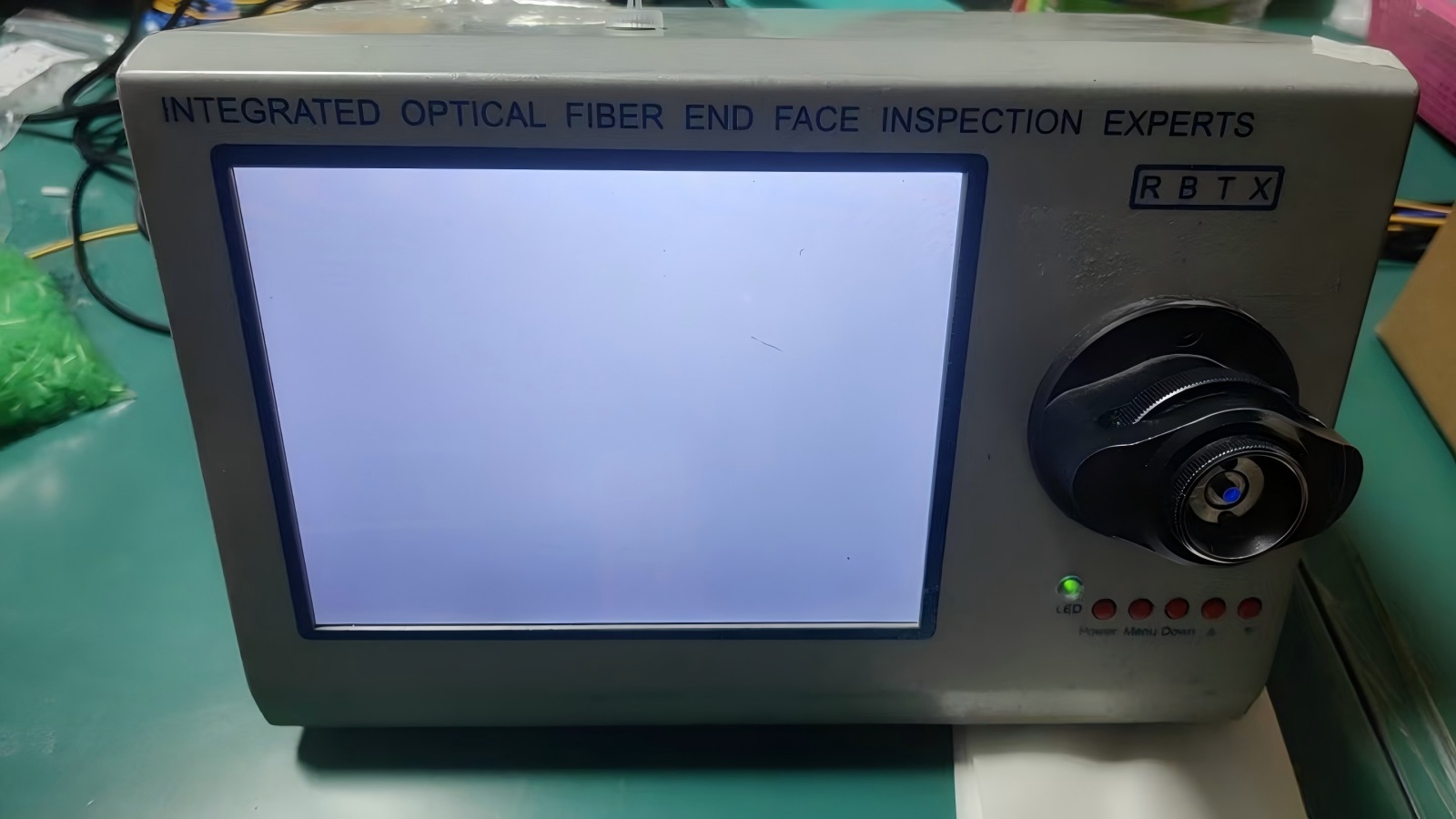
In physical layered networking, a single faulty connection can cause severe packet loss and degrade entire optical and copper segments. Tier-1 manufacturers implement a comprehensive quality management system consisting of **incoming material inspection, in-process quality control, and final product performance testing**.
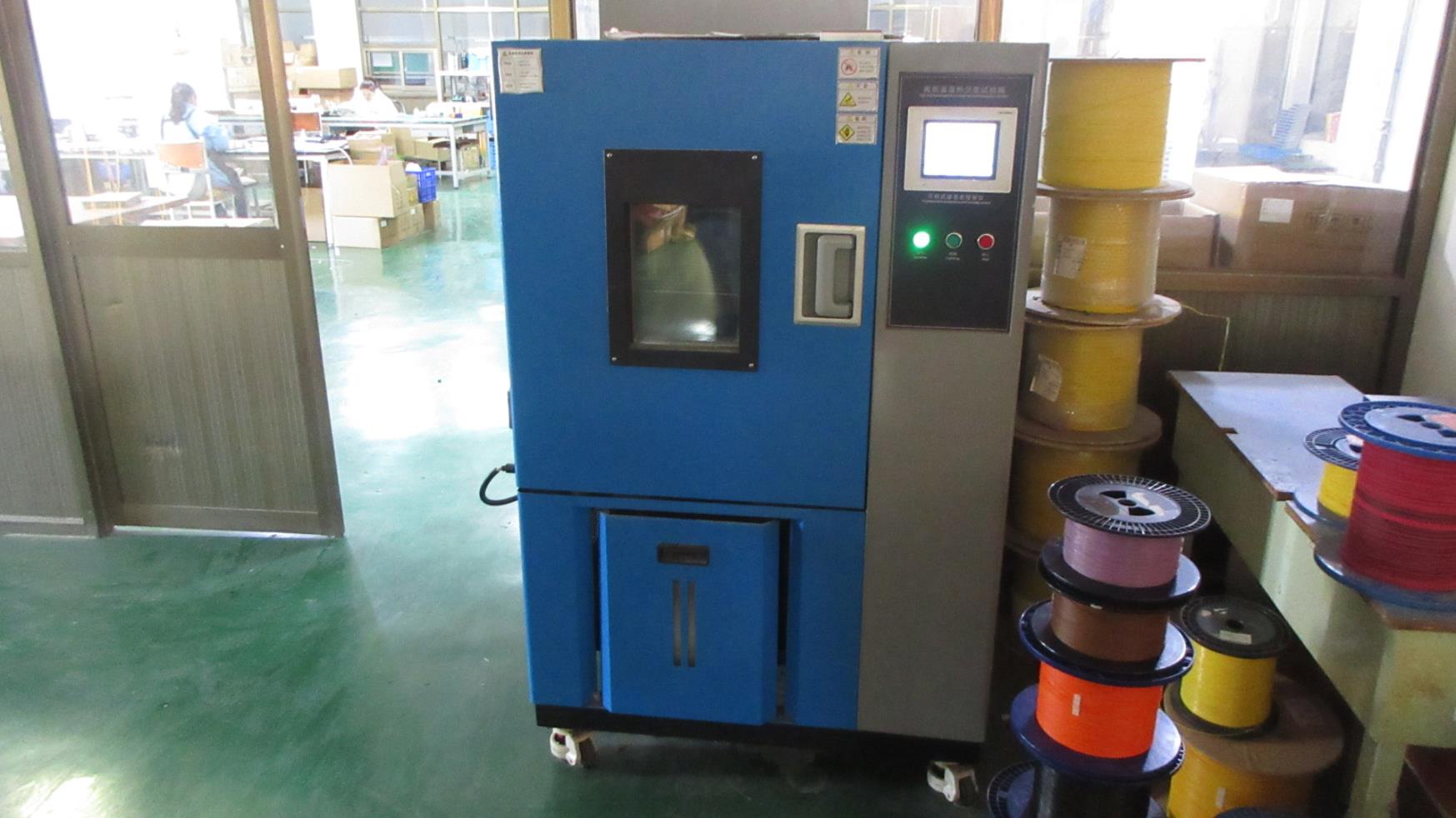
Let us review the advanced equipment utilized during the verification stage, ensuring that all modular structures, magnetics, and transceivers operate error-free:
Snap-In RJ45 connectors are not merely consumer components; they serve as structural cornerstones in diverse multi-gigabit and harsh-environment ecosystems. Depending on the industry vertical, custom engineering alterations are deployed:
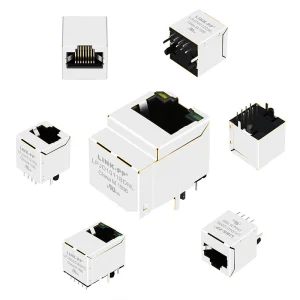
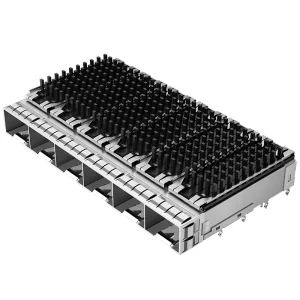
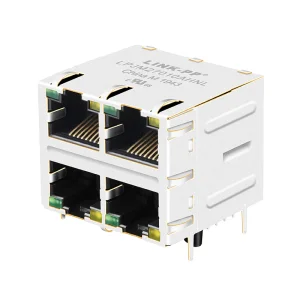
High-density environments require 2X2, 1X6, or tab-up multi-port connectors with integrated magnetic components. Minimizing physical footprint on high-speed switching boards allows for optimal thermal ventilation and maximizes airflow velocity around the processor cages.
Outside broadcast units, telecom central offices, and cell site gateways leverage shielded RJ45 modules featuring integrated EMI fingers. This protects physical data paths from adjacent radio interference and extreme environmental exposure.
On manufacturing assembly lines, heavy-duty mechanical vibrations require positive-locking snap-in modules that resist decoupling. These modular systems are designed to exceed 750 mechanical insertion cycles without contact integrity loss.
The networking landscape is rapidly transitioning toward 10G Base-T, 25G Base-T, and higher-speed Ethernet modules. This transformation is driving several trends:
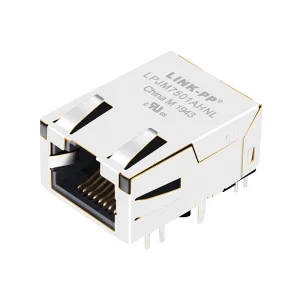
1. Integration of Magnetics (MagJack/Fastjacks): The modern RJ45 is no longer just a physical contact connector. The integration of transformers and filter circuits inside the shielded metal housing isolates electrical noise, minimizes return loss, and improves signal integrity.
2. High-Density Layouts: Real estate on network interface cards (NICs) and switches is premium. Multi-port layouts (such as 1x2, 2x2, or 1x6 cages) allow maximum ports per rack unit, reducing operational overhead.
3. Advanced Thermal Resilience: With Power over Ethernet (PoE/PoE+/PoE++) delivering up to 90W-100W of electrical power, thermal management is paramount. Using specialized thermoresistant plastics prevents the housing from warping over time.
Snap-in RJ45 modules significantly reduce installation labor costs. The integrated retention clips allow toolless mounting to patch panels and outlets, whereas screw-mount connectors require mounting hardware and custom faceplates. This design also simplifies future maintenance and reconfiguration.
Gold is highly resistant to corrosion and preserves signal integrity. Standards dictate various plating levels: 3µ", 15µ", 30µ", or 50µ". Sourcing 50 micro-inches of gold plating ensures maximum durability, allowing the connector to withstand over 750 insertion cycles without degrading transmission quality in humid or demanding environments.
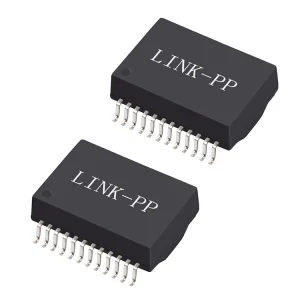
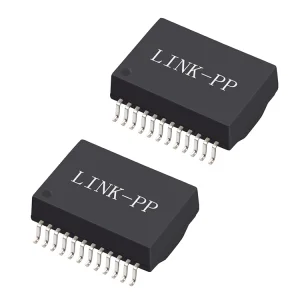
Integrated magnetics combine high-frequency isolation transformers and common mode chokes directly inside the RJ45 shell. This provides essential galvanic isolation to protect system electronics, filters out electromagnetic noise, and maintains consistent impedance matching for reliable packet transmission.
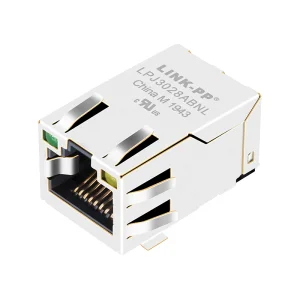
EMI fingers are small spring-loaded metallic tabs situated on the exterior of a shielded RJ45 connector's metal shell. When inserted into a metal panel cutout or cage, they compress to establish multi-point contact with the grounded panel chassis. This creates a low-resistance path to redirect high-frequency interference away from the data lanes.
Reliable manufacturers subject products to extreme conditions using damp heat alternating chambers. This environmental cycling (typically ranging from -40°C to +85°C at up to 95% relative humidity) simulates decades of outdoor or high-load operations, revealing structural or adhesive weaknesses prior to final deployment.
High-density shielding and magnetic integration components for telecommunications, routers, and switching infrastructures.