Equip-Link
Equip-Link
Equip-Link
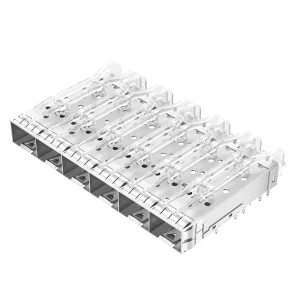
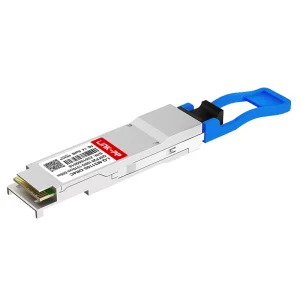
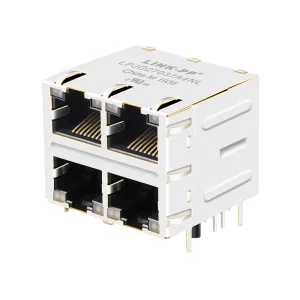
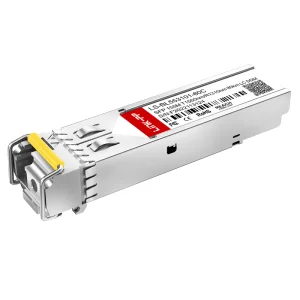
Analyzing the evolution of high-speed copper interconnects, manufacturing tolerances, electrical isolation standards, and China's smart manufacturing infrastructure.
The standard 8P8C modular connector, universally termed the RJ45 interface, remains the cornerstone of enterprise local area networks (LANs) and edge industrial networks. However, as global enterprise infrastructures scale towards Multi-Gigabit Ethernet (2.5G/5G/10G Base-T) and Power over Ethernet (PoE++ Type 4 delivering up to 90W-100W), the technical requirements of the modular jack have undergone significant advancements. Modern RJ45 network plugs must now mitigate electromagnetic interference (EMI), manage crosstalk (NEXT and FEXT), and optimize return loss across broader frequency spectrums (extending up to 500MHz and 2000MHz for Category 6A and Category 8 compliance respectively).
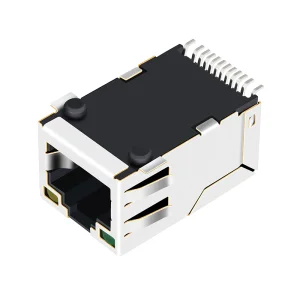
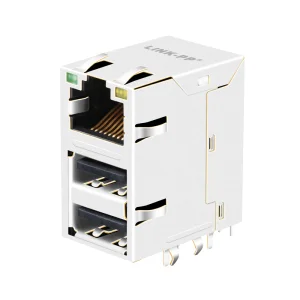
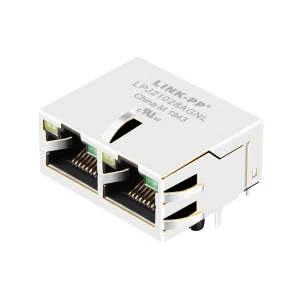
Magnetic RJ45 integration (often referred to as MagJacks) has emerged as a critical design requirement for hardware engineers. By embedding isolation transformers, common mode chokes, and high-voltage capacitors directly inside the connector housing, these components save valuable PCB real estate, provide high-performance galvanic isolation (up to 1500V AC or 2250V DC), and suppress electromagnetic noise before it reaches the PHY transceiver chip. This integration is essential for system designers of network switches, routers, industrial IoT (IIoT) gateways, and medical instruments.
Standard connectors lack internal components, leaving the critical tasks of common-mode noise suppression and impedance matching to discrete components on the main PCB. In contrast, integrated magnetic RJ45 jacks align the signal path directly at the interface, yielding superior Return Loss ratings (typical >12dB at 100MHz) and optimal Common Mode Rejection Ratio (CMRR) values across high-frequency bands.
International sourcing heads, telecom equipment providers, and cloud data center hardware purchasers face strict challenges regarding interoperability, component lifecycle longevity, and global regulatory compliance. To fulfill typical enterprise RFQs (Requests for Proposals), components must exhibit certifications including RoHS (Restriction of Hazardous Substances), REACH, and UL 94 V-0 flammability ratings.
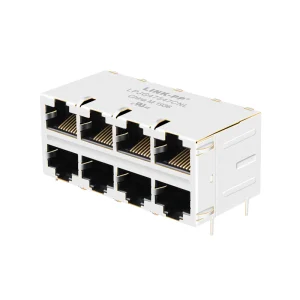
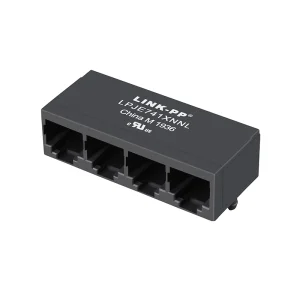
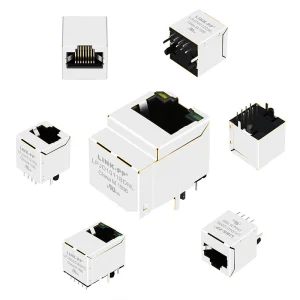
Contact interfaces must utilize high-spec gold-plating thickness (typically 30 micro-inches to 50 micro-inches of gold over nickel plating) to prevent contact surface oxidation and ensure performance through a minimum of 750 mechanical mating cycles. Procurement teams also prioritize structural configurations such as tab-up/tab-down PCB mounting orientations, LED color configurations for status indicators, and integrated multi-port profiles (such as 1x2, 2x2, or stacked configurations) to maximize network switch port density.
| Parameters | Standard Specifications | Enterprise/Industrial Specifications |
|---|---|---|
| Gold Plating Thickness | 6u" to 15u" Gold | 30u" to 50u" Gold over Nickel Base |
| Mating Durability | >500 Cycles | >750 Mating Cycles Min. |
| PoE Support Capability | Non-PoE / PoE 15.4W | PoE+ (30W) / PoE++ (90W - 100W) (IEEE 802.3bt) |
| Operating Temperature | 0°C to +70°C | -40°C to +85°C (Extended Industrial Range) |
| EMI Shielding Type | Unshielded / Standard Copper Shield | Stainless Steel / Brass Shielding with EMI Spring Fingers |
The production of telecom-grade modular connectors is no longer dependent on low-cost manual assembly. Advanced China RJ45 connector factories have embraced Industry 4.0 paradigms to deliver high yield rates, dimensional consistency, and robust supply chain resilience. High-speed automated stamping dies, multi-cavity injection molding systems, and computerized assembly lines enable factories to output millions of components per month while maintaining tight tolerances.
China's manufacturing clusters (particularly centered in technology manufacturing hubs like Shenzhen and Dongguan) offer unmatched horizontal integration. Within a short radius, component factories secure raw polymer granules, precision copper alloys, high-grade plating services, and advanced testing infrastructure. This density ensures that lead times are minimized and custom designs (such as customized magnetic wound components or non-standard shell geometries) can move from design review to rapid prototyping and mass production with speed and reliability.

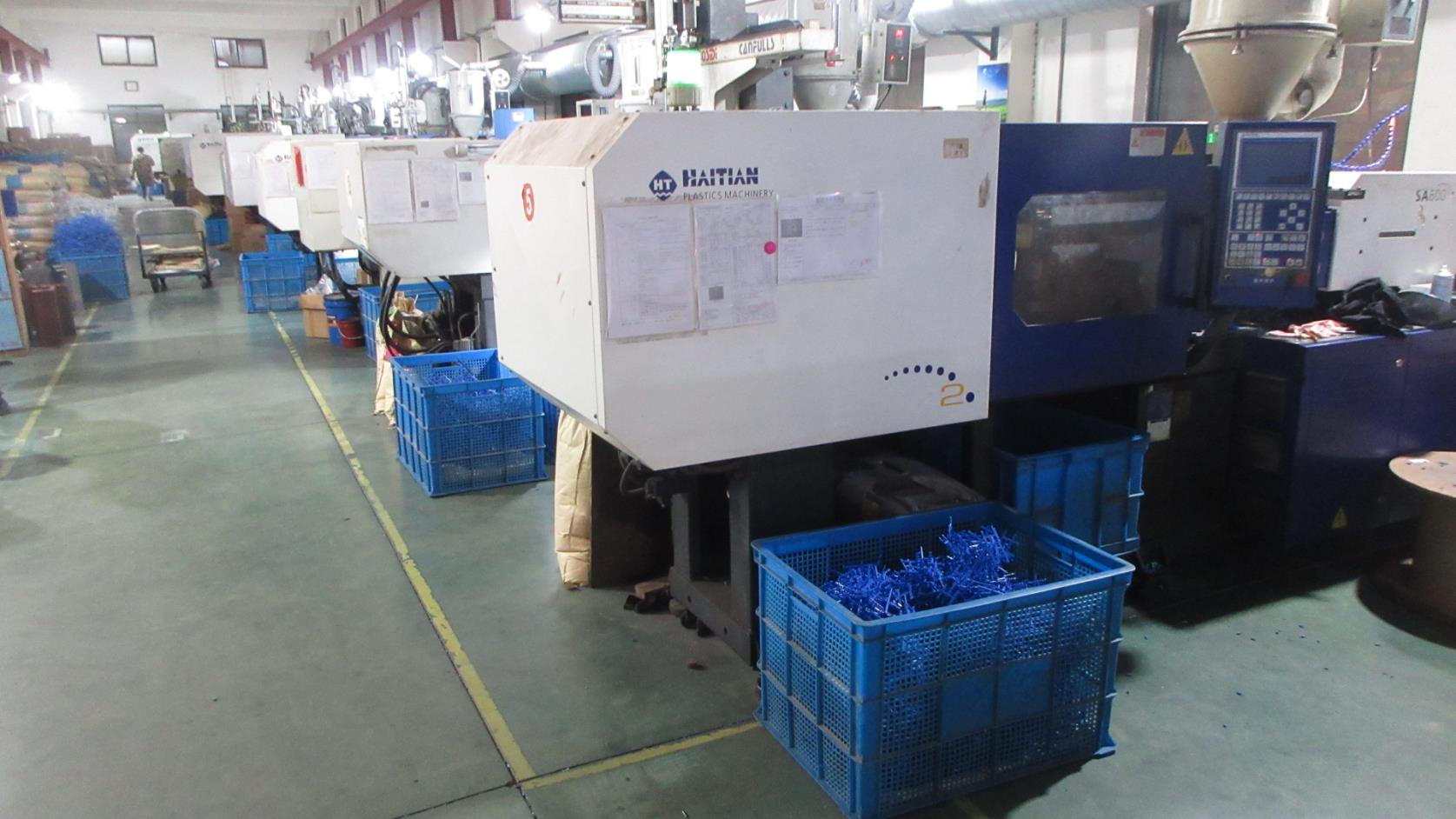
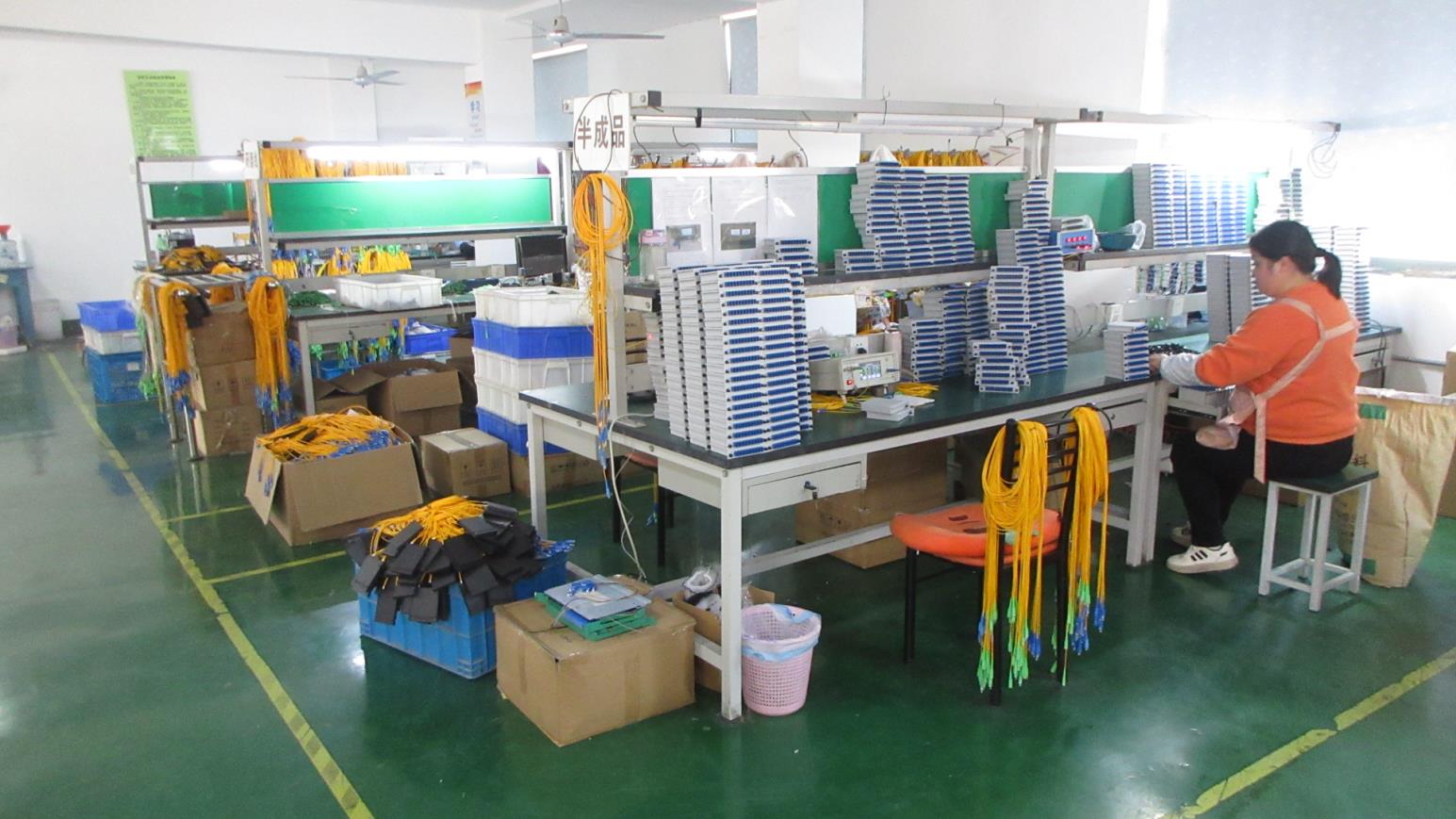
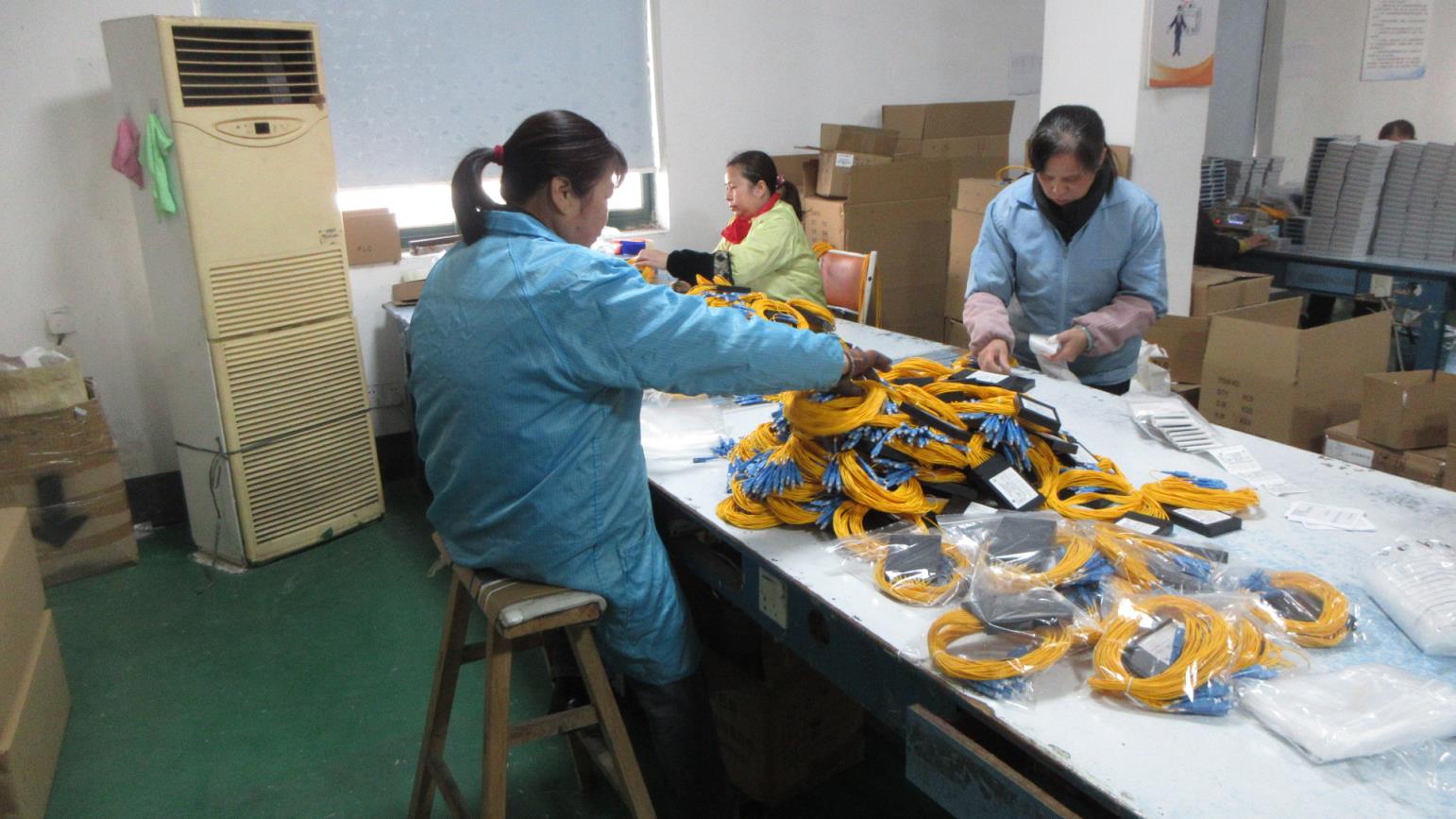
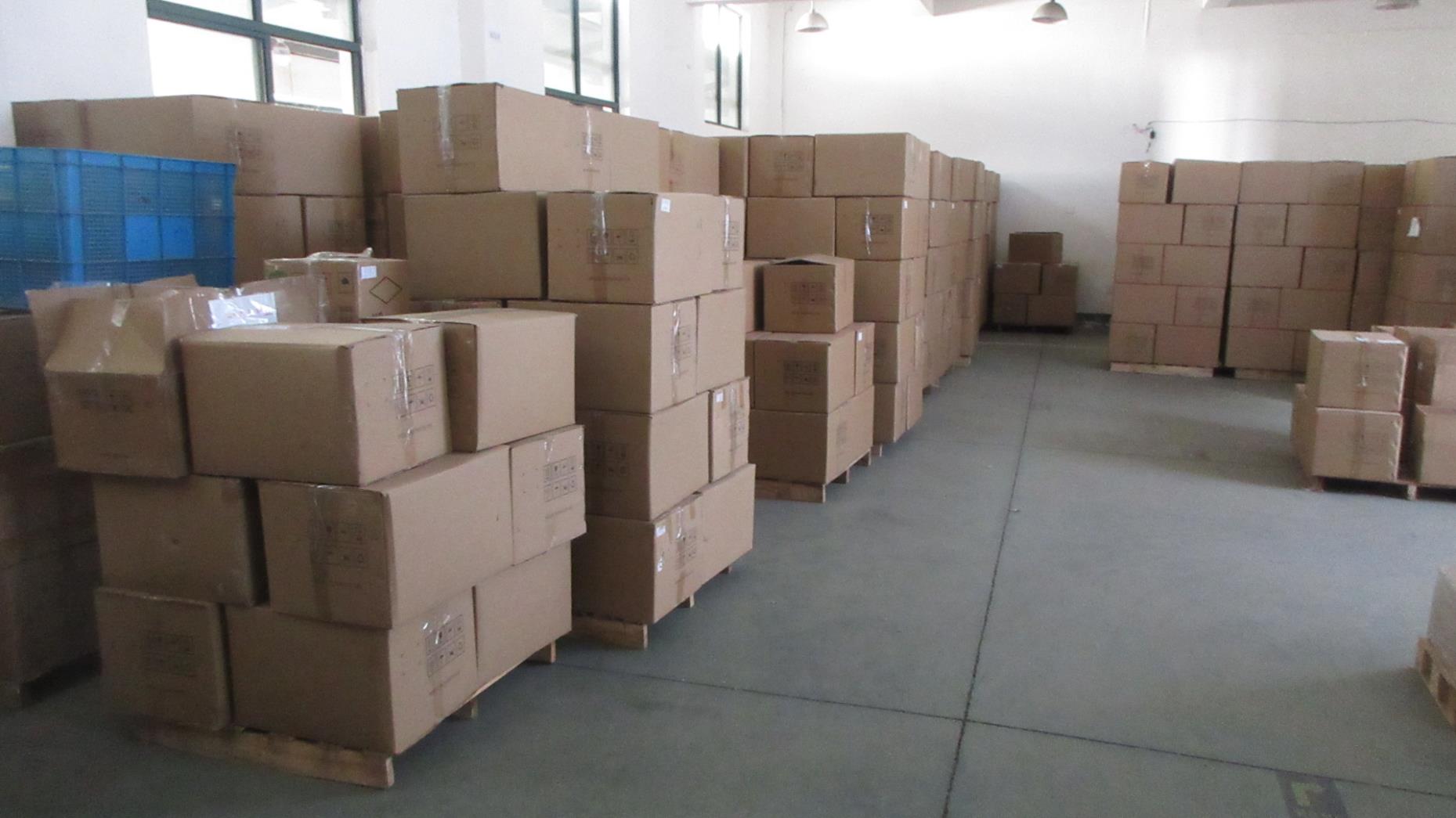
During the manufacturing cycle, automation checks play a key role. Automated Optical Inspection (AOI) systems perform coplanarity checks on the contact terminals, checking that deviations stay below 0.1mm. High-frequency automatic testing units evaluate the winding configuration of every integrated magnetic jack, measuring turn ratios, leakage inductance, insertion loss, and dielectric breakdown voltage. This automated process minimizes defective units and ensures reliable production yields.
Established in 2017, Equip-Link Intelligent Equipment (Shenzhen) Co., Ltd. has expanded into a prominent player in connectivity engineering. With a solid foundation of 14 years of industry expertise and 9 years of global export experience, we support critical communication channels worldwide.
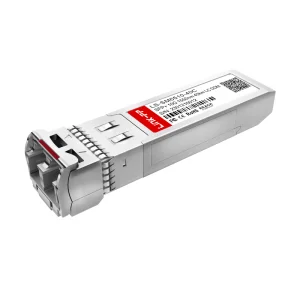
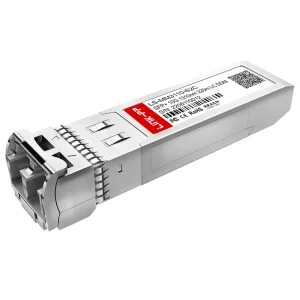
Our technical capabilities are built on steady innovation and quality control. Last year alone, our engineering division launched 126 new products, keeping our customers aligned with the latest optical communication standards (10G, 25G, 40G, 100G, 200G, 400G, and 800G).
Equip-Link runs a detailed quality management framework. Raw materials undergo strict incoming inspections, in-process assembly checks, and final testing. We deploy a team of 36 experienced quality inspectors tasked with auditing and confirming the performance metrics of our optical modules and modular connectors.
Our specialized testing laboratory utilizes advanced optical and network performance analyzers to evaluate high-speed communication interfaces. Environmental testing plays a major role in validating our products for harsh industrial and outdoor telecom environments.
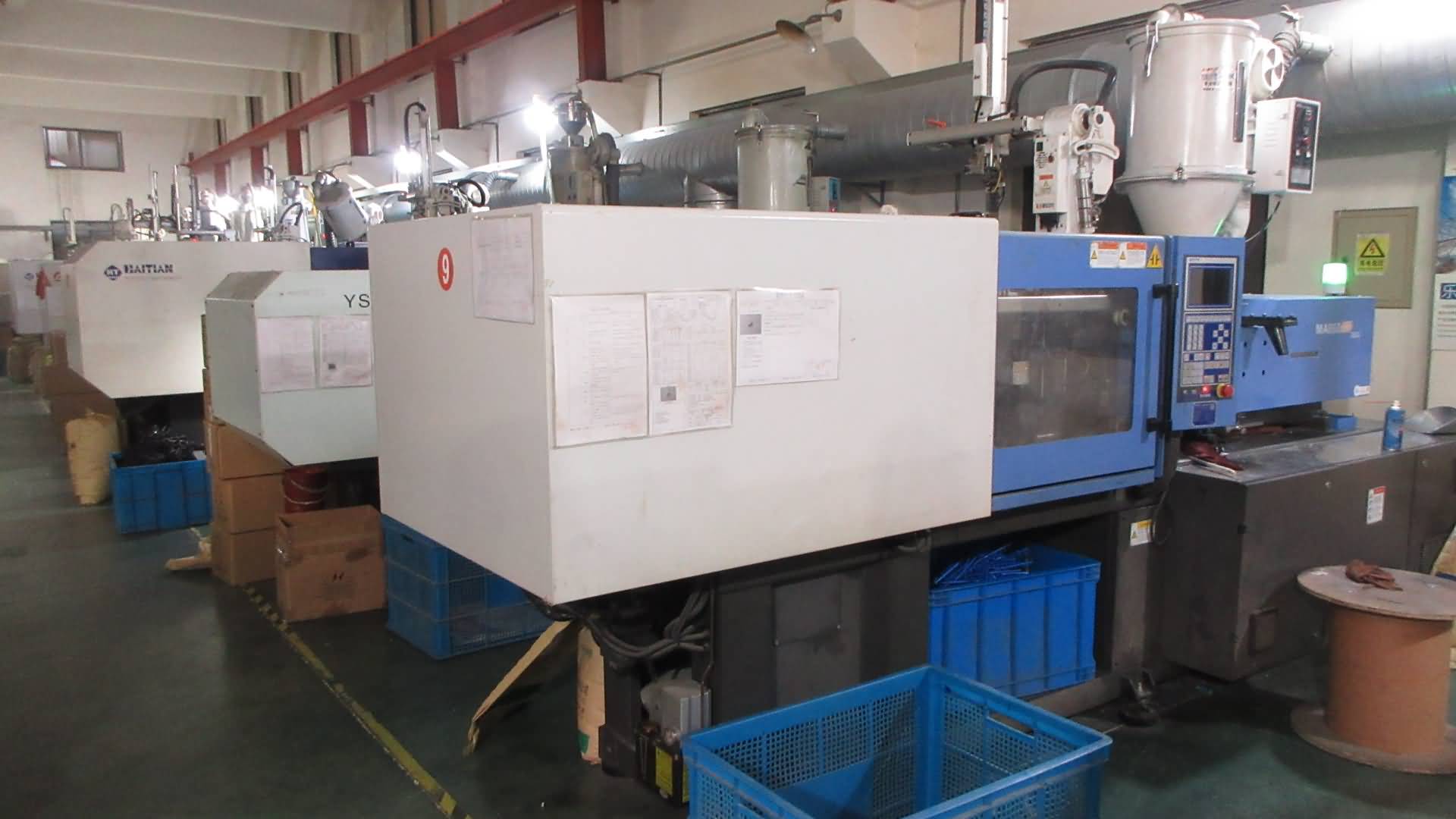
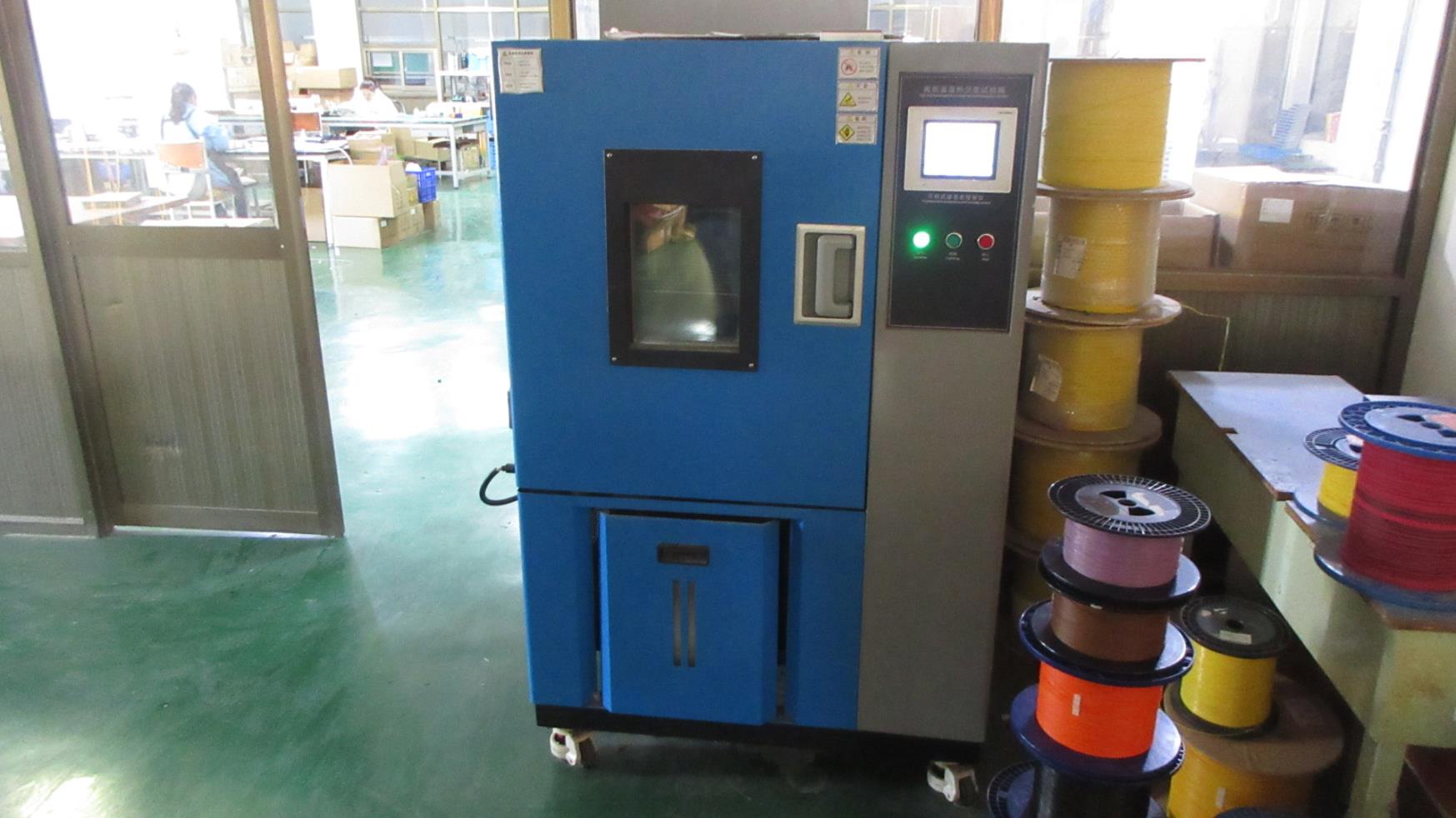
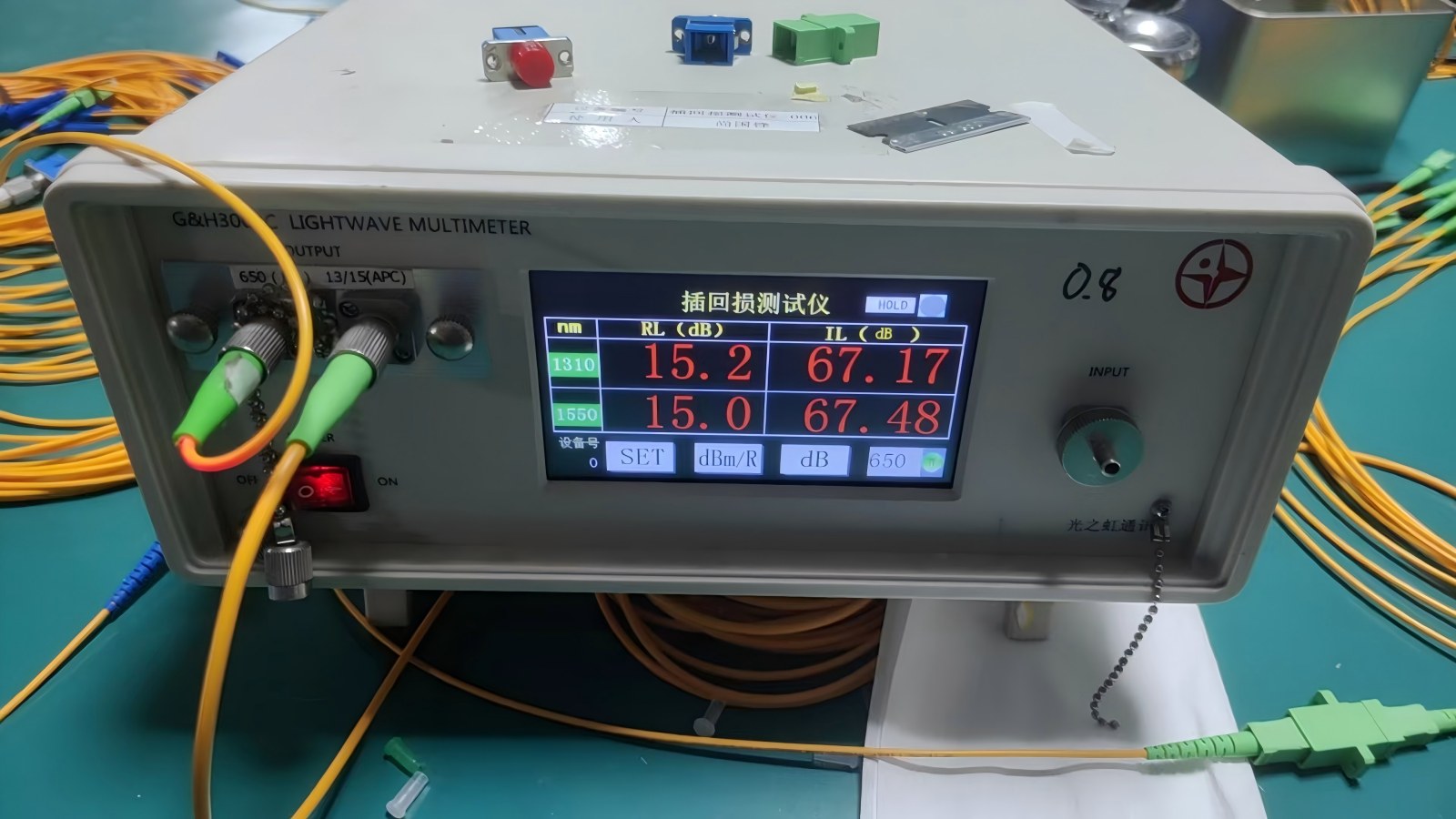
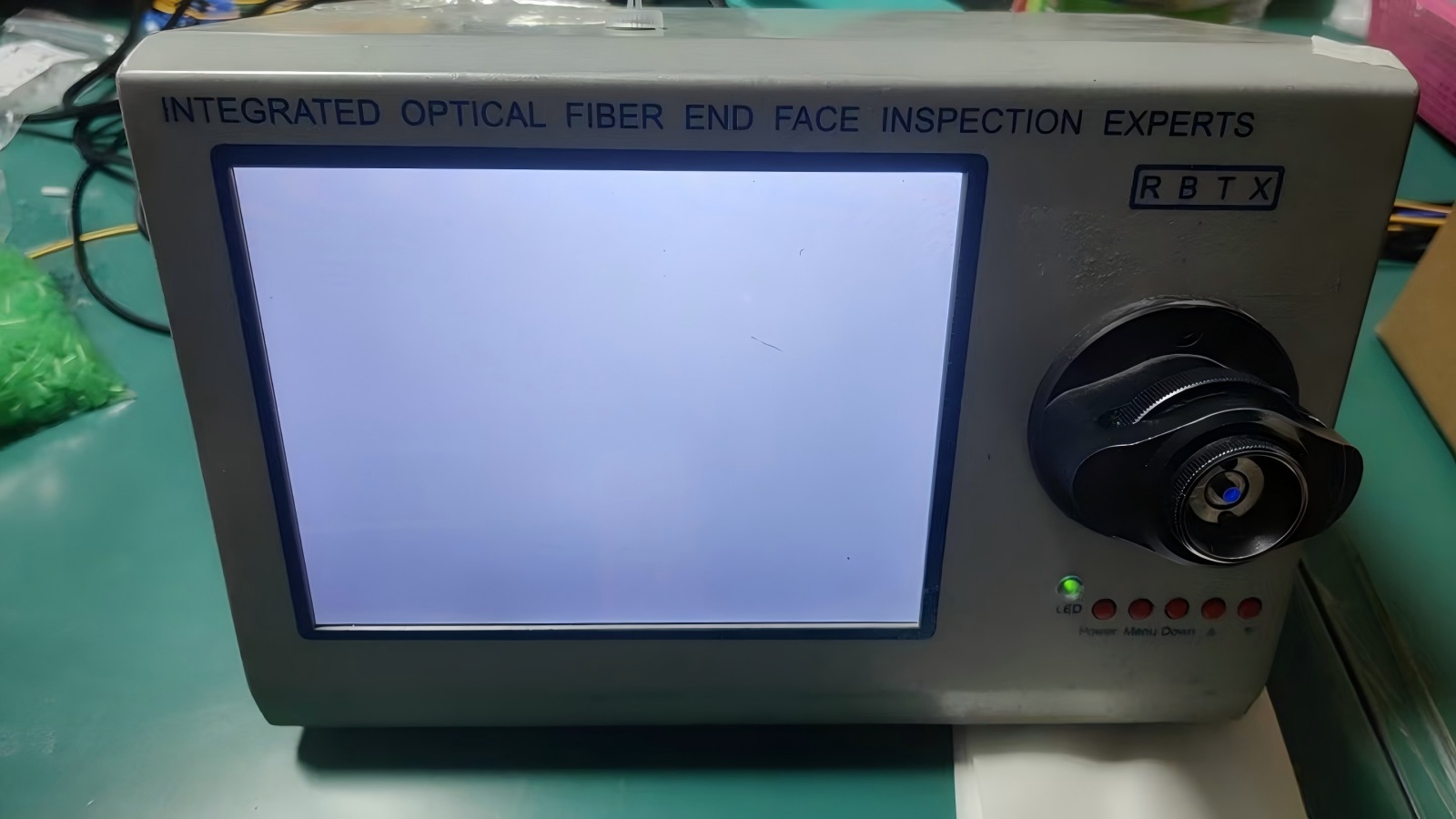
Our manufacturing facility spans 380 square meters, optimized for precise R&D pilot-lines and automated modular packaging. By concentrating our cleanroom space on high-precision configuration, testing, and customization, we maintain tight production control, allowing us to support OEM/ODM requests and custom firmware programming with short turnaround times.
Equip-Link offers tailored modifications, including private labeling, customized EEPROM coding for cross-vendor device compatibility (e.g., Cisco, Juniper, TE, HPE, Intel), custom PCB pin layouts, packaging designs, and ruggedized shell structures for outdoor networking environments.
Our network connectors and optical modules are deployed across diverse sectors demanding high operational reliability:
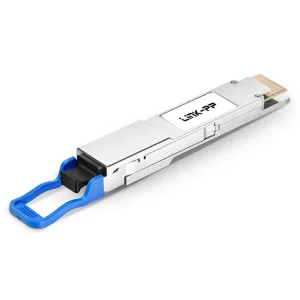
High-density optical links (100G, 400G, and 800G modules) coupled with high-speed RJ45 patch panels enable efficient top-of-rack (ToR) and spine-leaf routing configurations. Low power consumption and low bit-error rates (BER) maximize cooling efficiency and data throughput.
Our industrial connectors stand up to environmental noise, mechanical vibrations, and wide temperature swings (-40°C to +85°C). Integrated magnetics shield programmable logic controllers (PLCs) and CNC interfaces from transient electrical surges on the production line.
From central office switching centers to cellular base station arrays, our modules facilitate stable data transmission. Ruggedized housings and consistent shielding help protect wireless backhauls from external interference and corrosion.
An integrated magnetic RJ45 jack (MagJack) combines the mechanical connector with isolation transformers, common-mode filtering chokes, and high-voltage capacitors in a single housing. This integration saves PCB space, shortens traces to the PHY chip, reduces electromagnetic interference (EMI), and provides galvanic isolation to protect system hardware from electrical surges.
Equip-Link employs specialized EEPROM programming for compatibility. We test our transceivers on the target hardware platforms, configuring the memory map to match the specific requirements of systems from brands like Cisco, Juniper, TE, and others, ensuring proper recognition and performance.
Every production lot undergoes rigorous electrical and physical inspection. This includes pin coplanarity checking via Automated Optical Inspection (AOI), gold plating thickness verification via X-ray fluorescence (XRF), dielectric testing, and thermal testing in our damp-heat alternating environmental chambers.
Yes, our engineering team handles custom requests. We offer tailored LED color layouts, custom transformer turn ratios, multi-port combinations, specialized shielding designs, and custom shell sizes to fit specific industrial hardware enclosures.