 Equip-Link
Equip-Link
Equip-Link
Engineered for immediate deployment within Seattle's top-tier cloud infrastructures, delivering rock-solid link integrity and strict compliance.
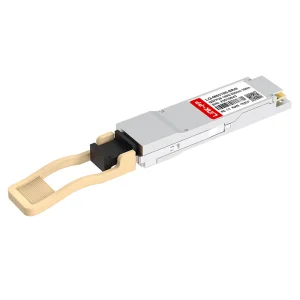
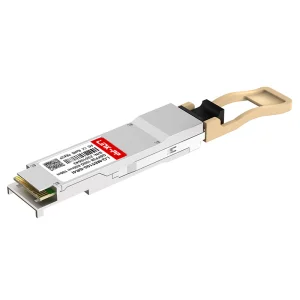
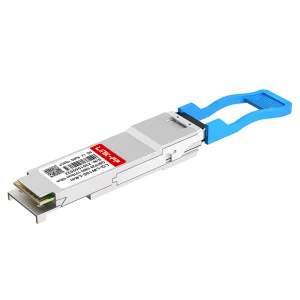
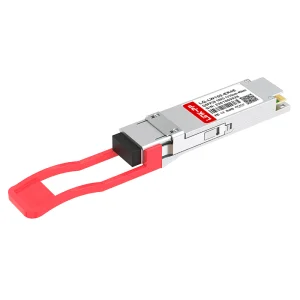
The Pacific Northwest, anchored by Seattle, stands as a premier epicentre of global cloud infrastructure and AI innovation. Home to the world's leading hyperscale cloud providers and enterprise conglomerates, the Seattle metropolitan area—including critical network nodes across Tukwila, Redmond, Bellevue, and SeaTac—experiences unprecedented demand for bandwidth. High-performance optical modules are the critical arteries powering these infrastructures.
As Seattle data centers transition to meet modern workloads such as generative AI, large language models (LLM), and real-time telemetry, traditional networking structures are pushed to their thermal and throughput limits. Networks require 100G, 200G, and 400G transceivers that don't just offer bandwidth, but also deliver low latency, reduced power metrics, and absolute reliability under dynamic loads.
From raw materials to precise optical testing, discover how Equip-Link secures stable connectivity for global networks.

We implement strict incoming inspection for premium chipsets, TOSA/ROSA elements, and gold-plated PCBA interfaces to guarantee standard reliability.
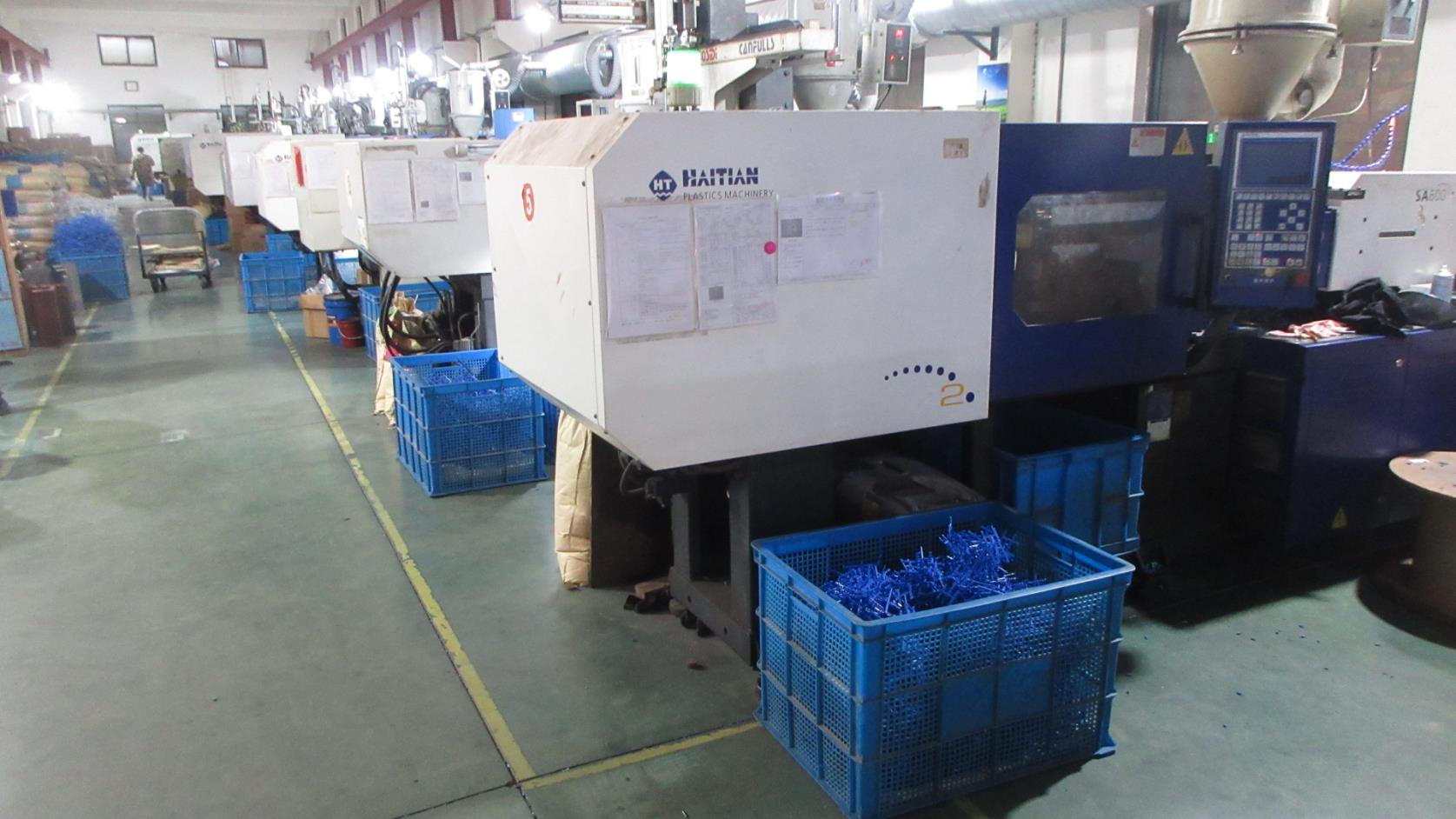
High-precision mold manufacturing ensures structured structural sizing, facilitating seamless plug-and-play alignment within switches.
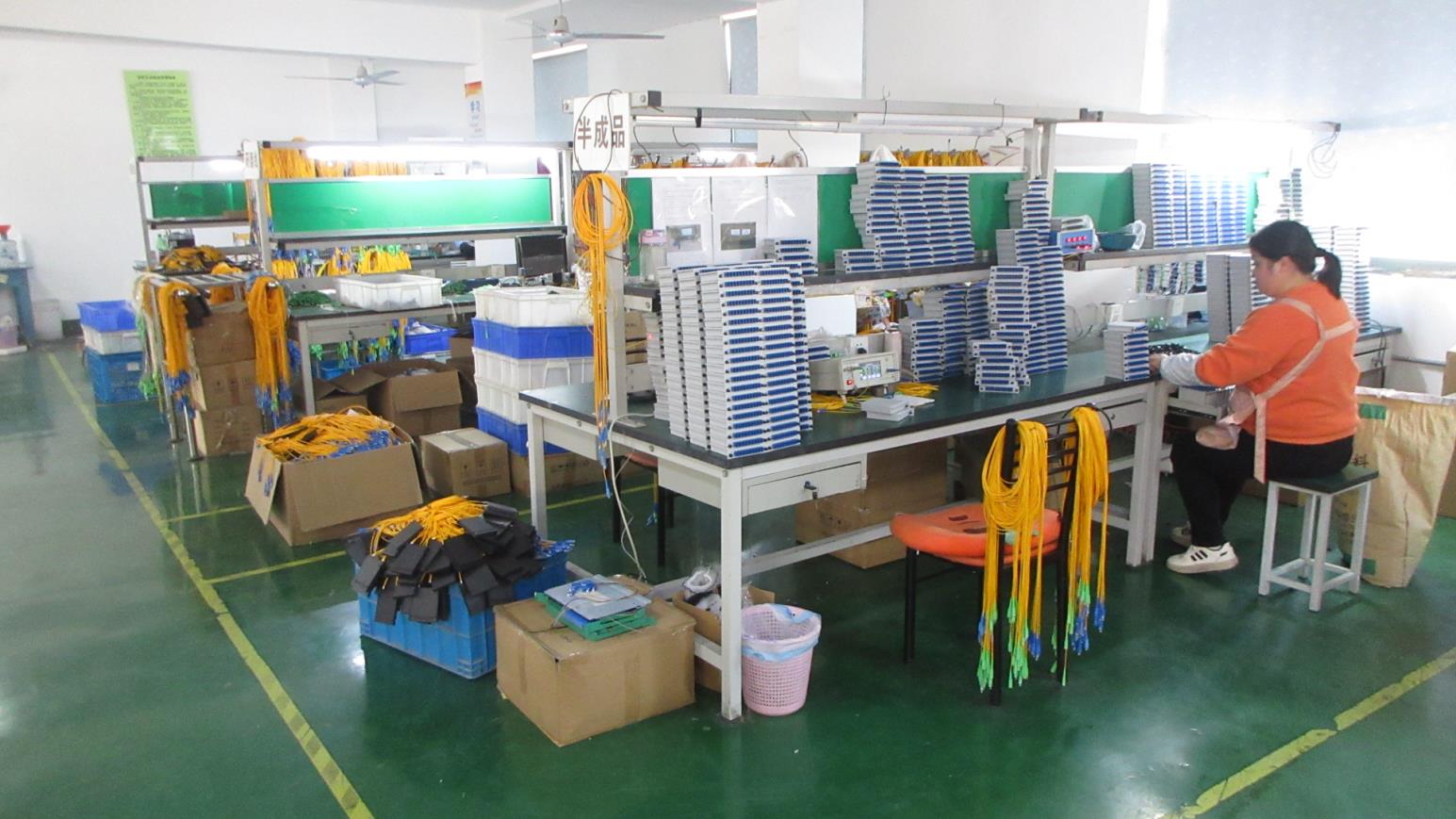
Our dust-free processing setups secure accurate component integration, minimizing insertion loss across high-frequency layouts.
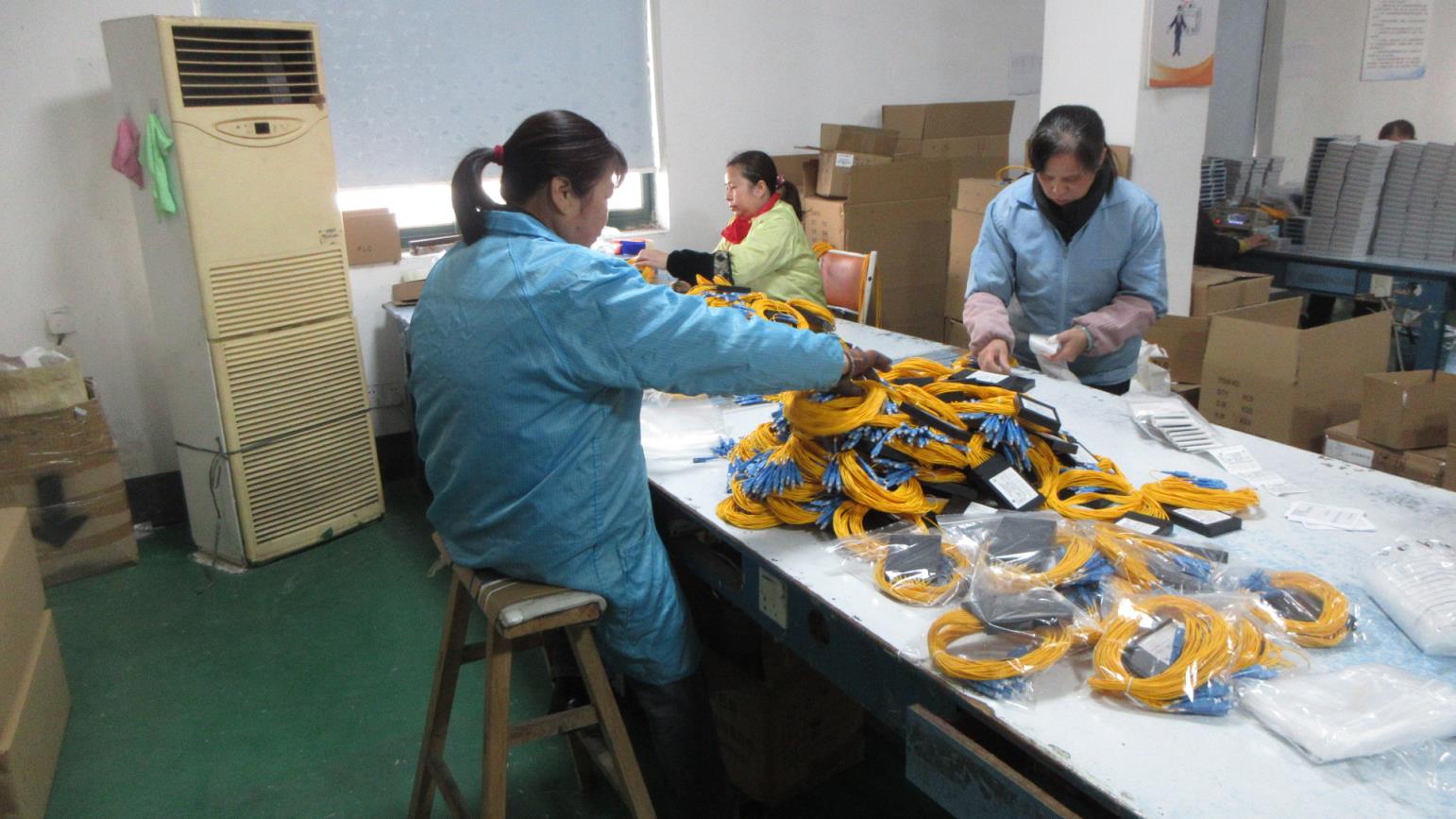
Anti-static packaging protects sensitive optical components during global transport and logistics operations.
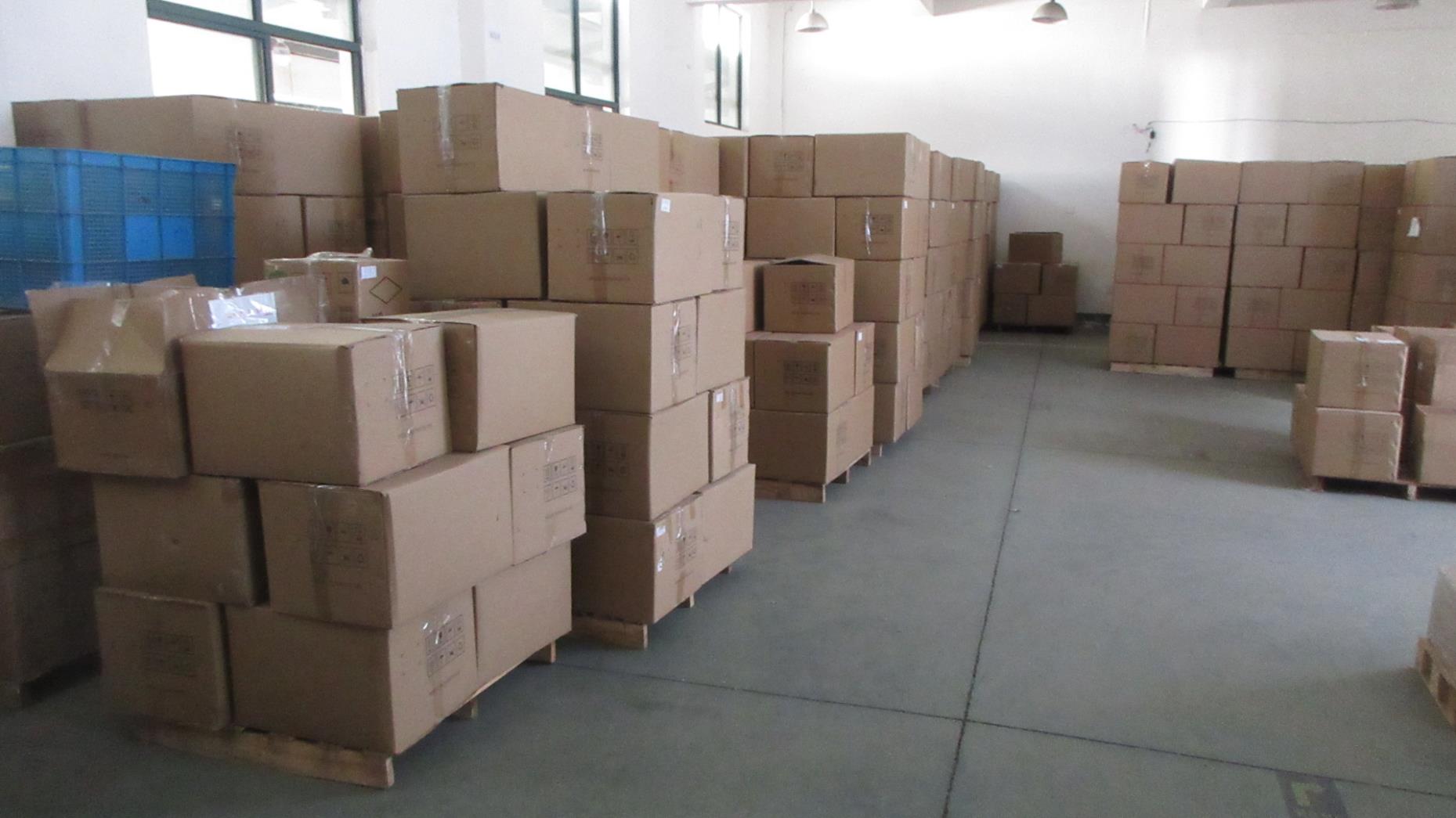
Optimized buffer inventory layouts ensure rapid processing and delivery windows for global network operators.
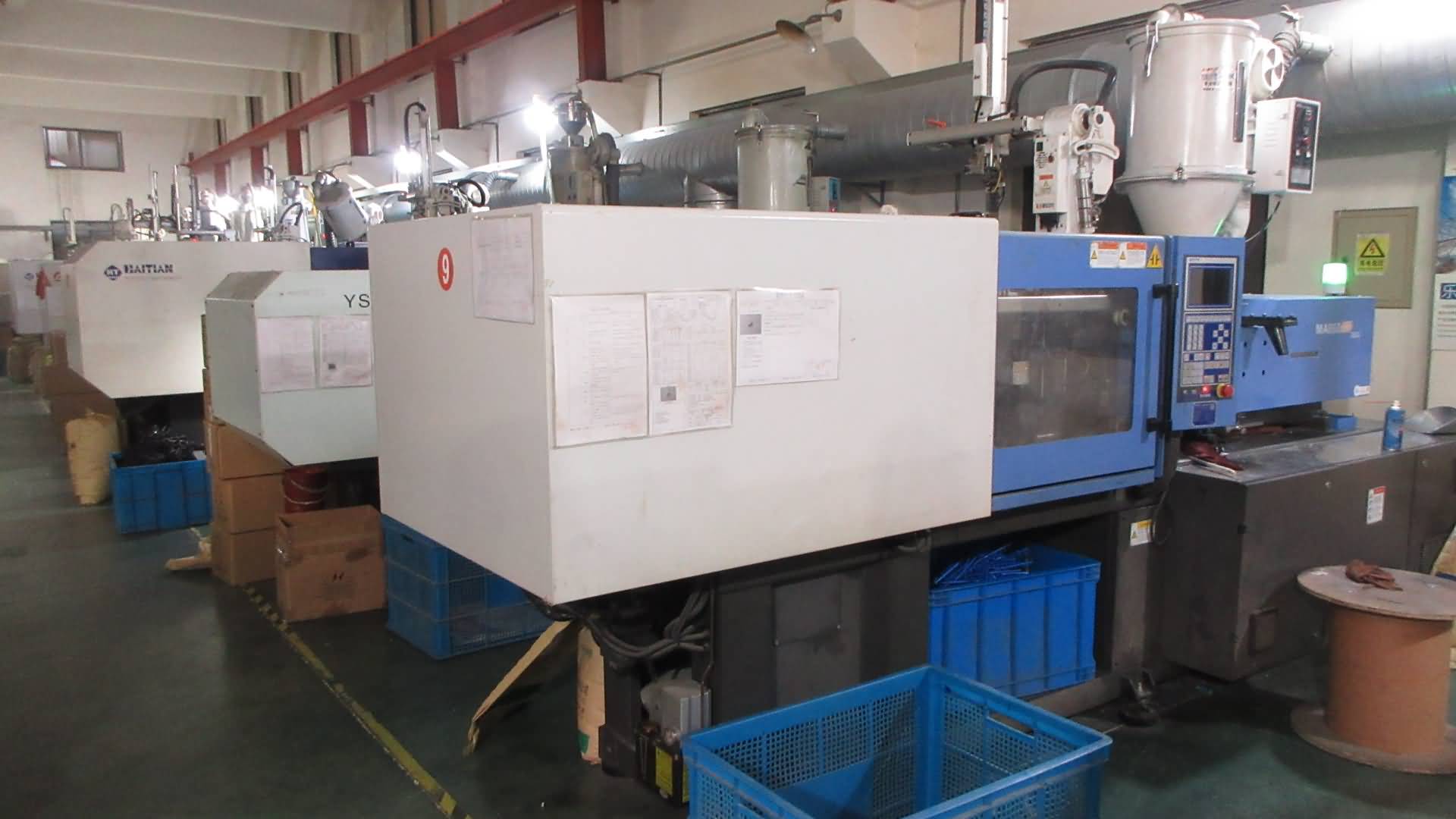
Advanced mechanical assets secure standardized shell finishes, optimizing heat dissipation and latch mechanisms.
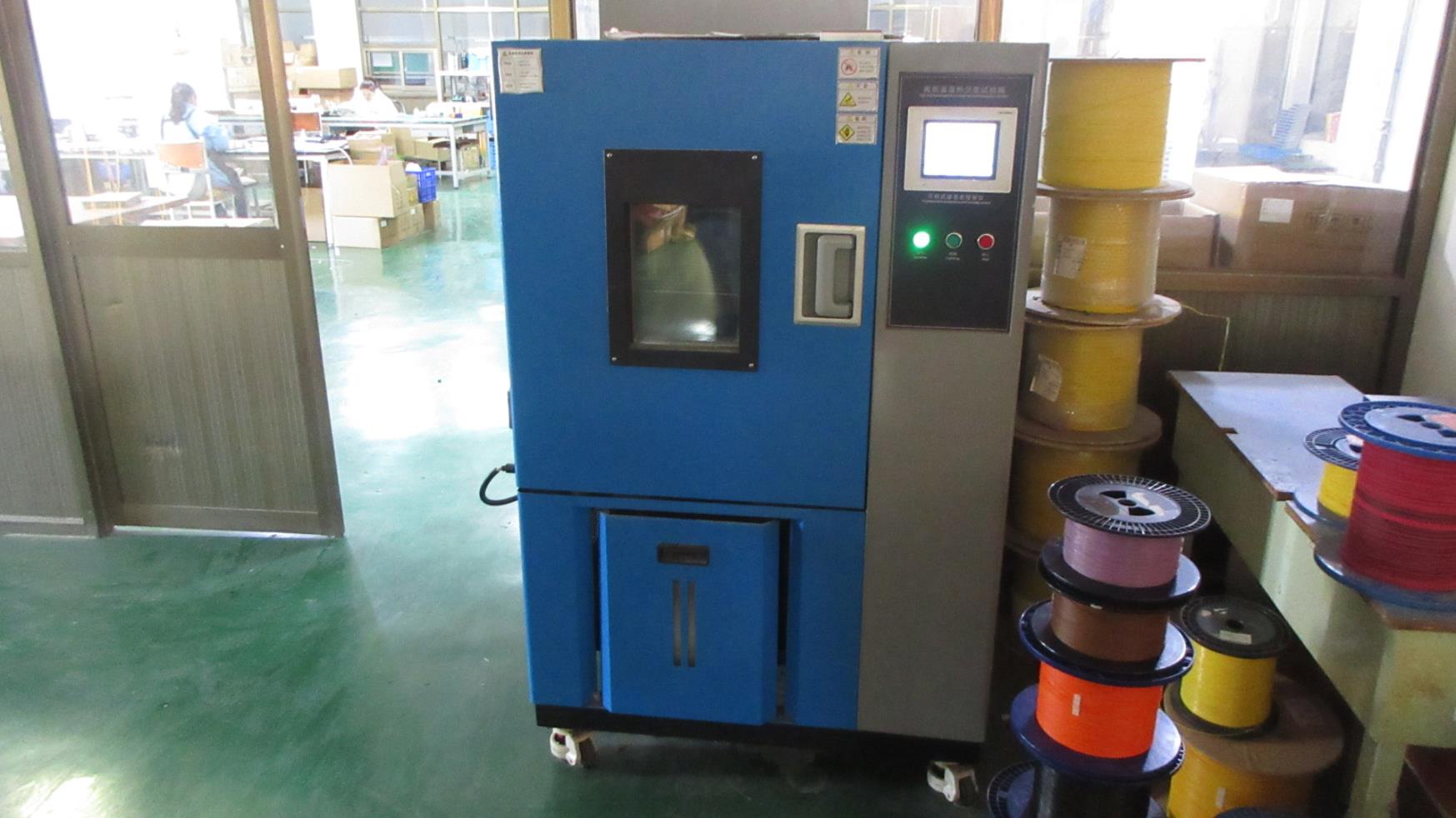
Modules undergo testing from -40°C to +85°C to guarantee long-term stability under severe operational conditions.
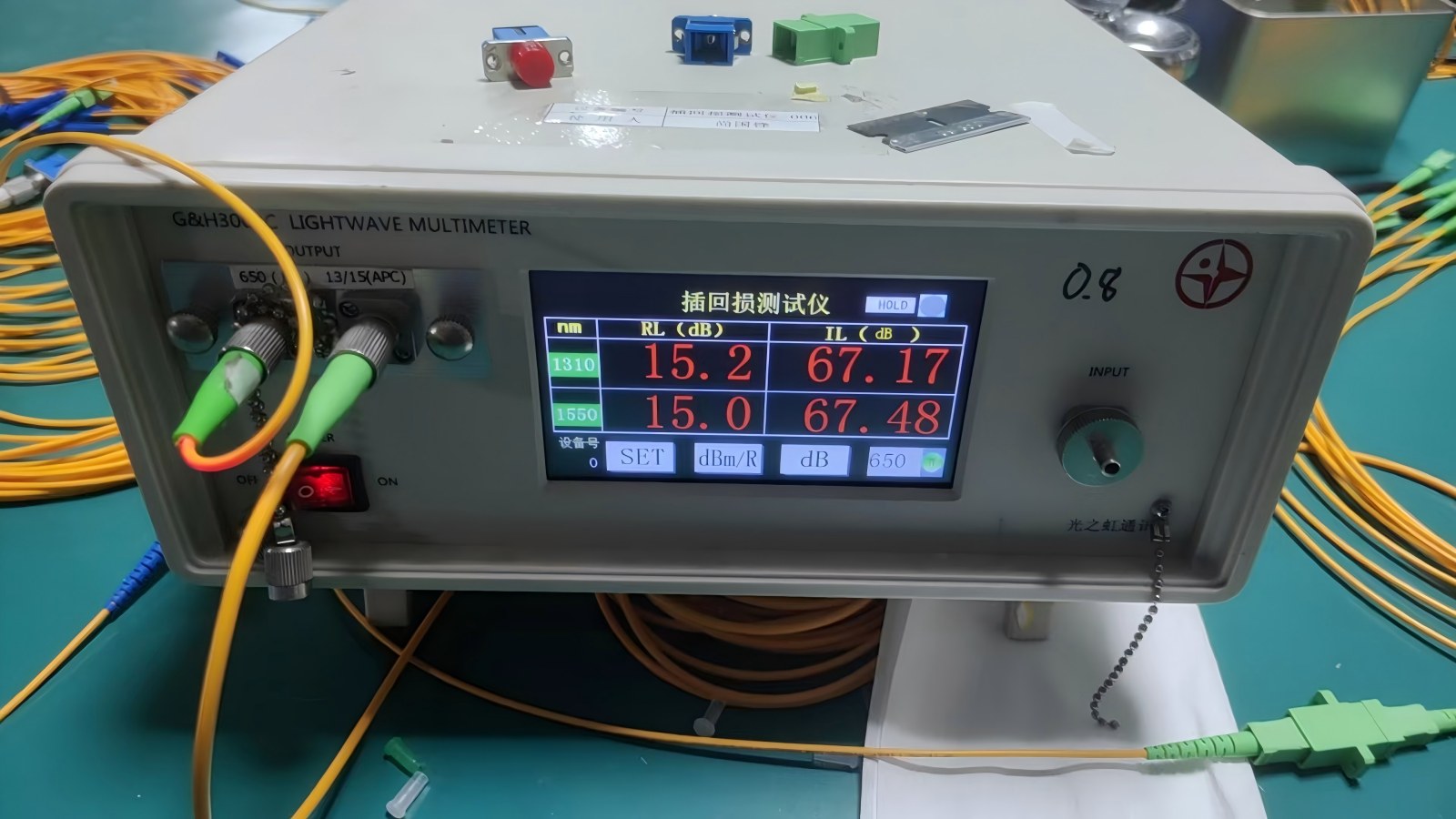
Precise optical testing confirms attenuation standards, ensuring clean transmissions over extended link distances.
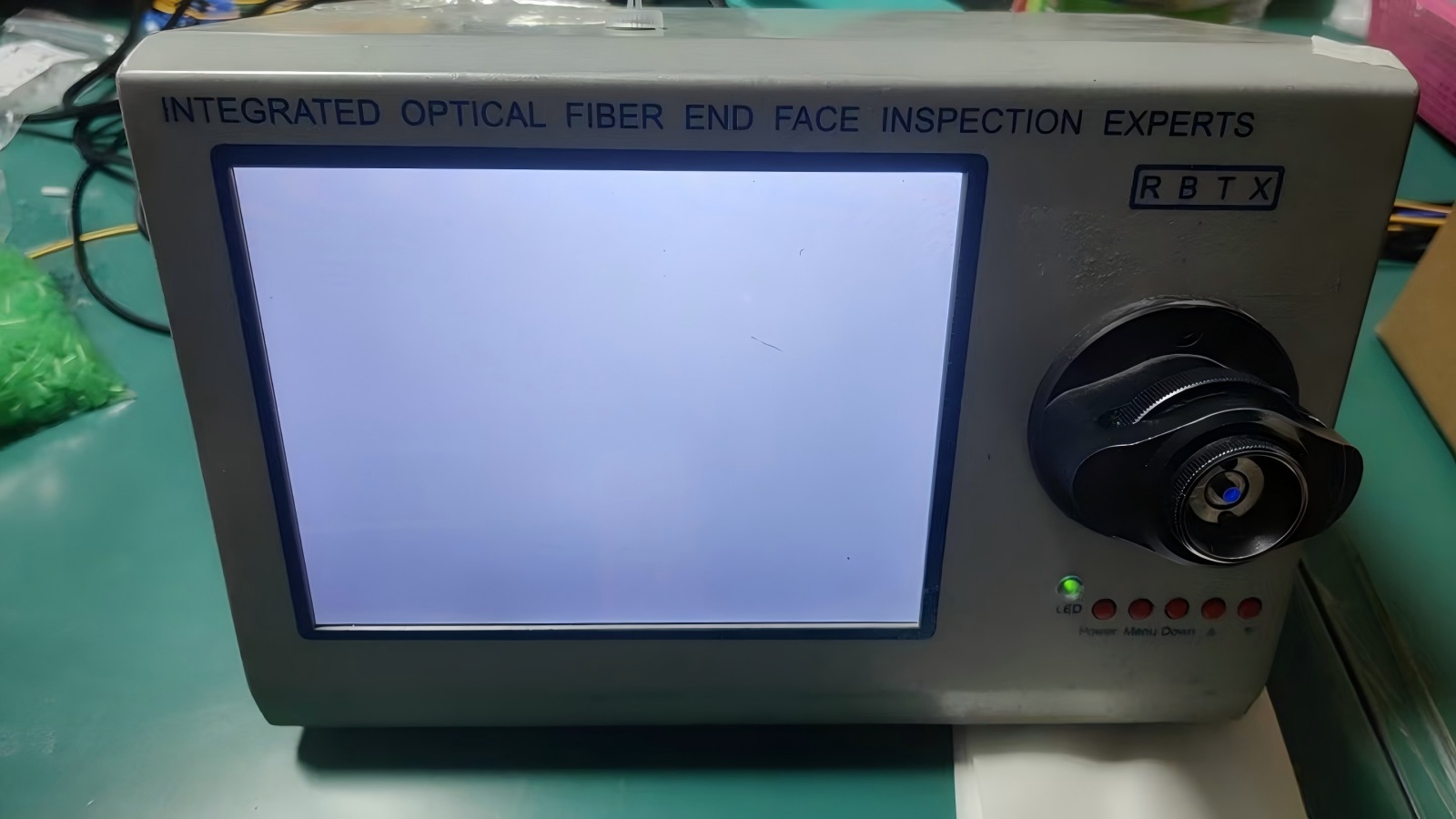
High-resolution inspections prevent contamination issues, confirming clean physical connections for every single module shipped.
For Seattle data centers, procurement is a balancing act of performance, lead times, and cost structures. The Shenzhen optical communications cluster houses the most sophisticated component supply chains in the world. As a premier Chinese manufacturer, Equip-Link Intelligent Equipment (Shenzhen) Co., Ltd. channels this local supply chain density to benefit Seattle network architectures.
Our capabilities deliver a unique set of strategic benefits for US and global buyers:
Spine-and-Leaf Architecture: High-density 400G QSFP-DD links serve as high-bandwidth inter-switch routes. 100G QSFP28 links handle leaf-to-server distributions.
Single-Mode Long Hauls: Using coherent or PAM4 CWDM/LR4/ER8 models to bridge corporate campuses separated by geographical distances, bypassing traditional signal regenerators.
Energy-Optimized Clusters: Reduced module power draw translates to lower thermal stress and lower cooling bills for large-scale Seattle operations.
Full range of 100G, 200G, and 400G optical transceivers designed for high-density architectures.
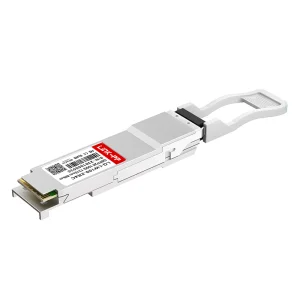
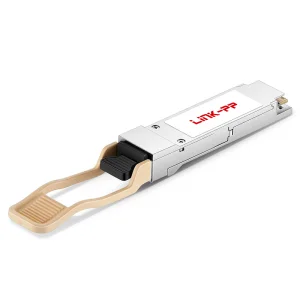
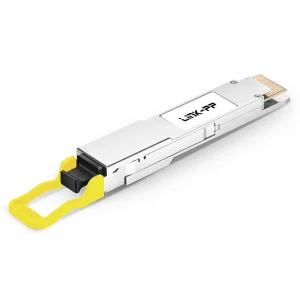
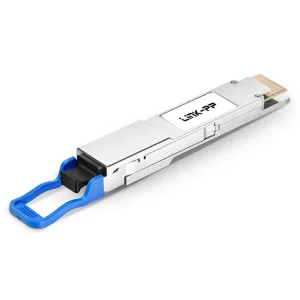
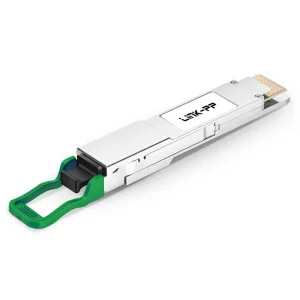
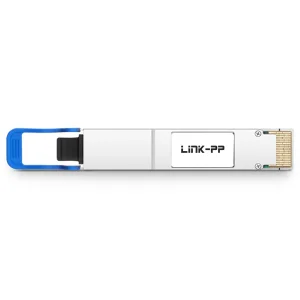
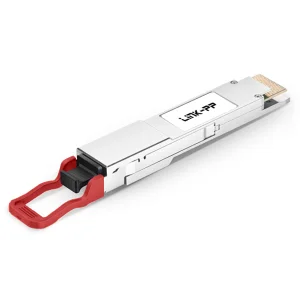
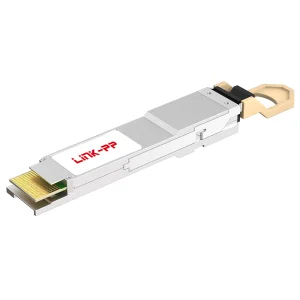
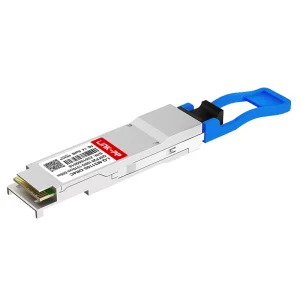
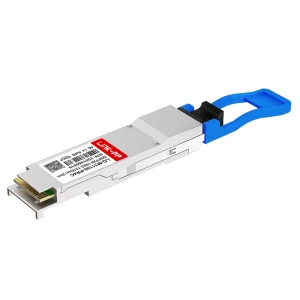
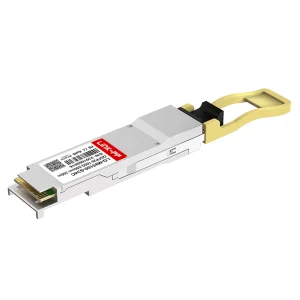
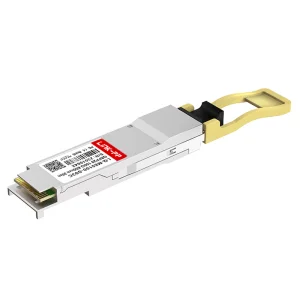
Silicon Photonics marks a paradigm shift in transceiver engineering. By integrating lasers, modulators, and detectors onto a single silicon chip, we bypass manual alignment steps and improve thermal performance. Silicon Photonics structures under 400G and 800G designs are critical for Seattle operators looking to transition networks toward Co-Packaged Optics (CPO) architectures.
For rates below 100G, Non-Return-to-Zero (NRZ) encoding has served as the baseline standard. Moving up to 200G and 400G architectures requires PAM4 (Pulse Amplitude Modulation 4-Level) to double optical transmission density. Our transceivers use integrated DSP (Digital Signal Processor) modules to resolve dispersion challenges, ensuring clean BER (Bit Error Rate) performance over varying fiber lengths.
High-density racks in Seattle data centers generate significant heat. A module drawing 12W of power puts double the strain on cooling networks compared to one designed for 8W. Equip-Link designs optimize PCB paths and housings to limit power consumption, ensuring our 400G QSFP-DD modules keep dissipation levels below industry averages.
Multi-Source Agreement (MSA) standards protect operators from vendor lock-in. Our transceivers comply with MSA form factor and pin configurations, while running custom firmware matrices designed to operate seamlessly with standard hardware platforms.
Technical answers about our optical transceivers, compatibility profiles, and Seattle shipping timelines.