 Equip-Link
Equip-Link
Equip-Link
Deploy high-performance, single-mode and multi-mode optical transceivers tested to exceed standard operational profiles in tropical climates.
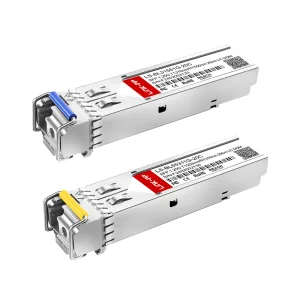
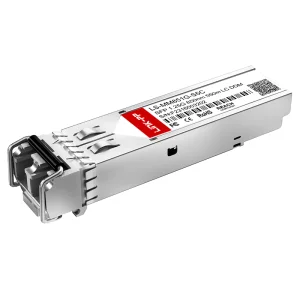
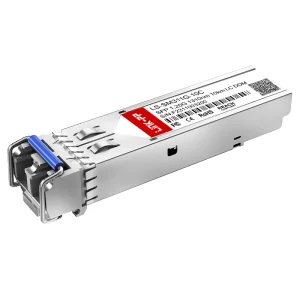
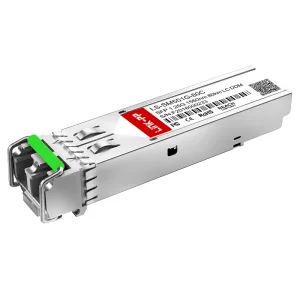
Connecting Metro Manila’s High-Density Districts with Industrial Optical Interfaces
Metro Manila, the economic and digital heartbeat of the Philippines, is undergoing an unprecedented wave of technological modernization. As the region positions itself as a dominant hub for Business Process Outsourcing (BPO), cloud services, and digital financial technologies, the demand for robust, highly reliable network connectivity has intensified. Key commercial districts, including Makati Central Business District, Bonifacio Global City (BGC), and Ortigas Center, now host vast multi-floor corporate networks, localized server rooms, and critical communication channels that require high-throughput connectivity. In this landscape, the 1.25G SFP optical module remains the structural foundation for enterprise local area networks (LANs), media conversion systems, and FTTx edge loops.
Beyond these high-density office corridors, Manila's industrial sectors—spanning manufacturing centers in Cavite-Laguna-Batangas (Calabarzon) to logistics facilities around the Port of Manila—are rapidly incorporating smart factory and industrial IoT (IIoT) systems. These physical deployments require physical fiber media converters, managed industrial switches, and optical transceivers capable of bridging physical interfaces in electrically noisy and temperature-uncontrolled environments. As local telecoms expand high-speed internet provisioning to suburban areas, 1.25G SFP transceivers serve as crucial cost-effective components in the final steps of distribution networks, ensuring stable gigabit speeds without incurring the high equipment overhead associated with higher-bandwidth alternatives.
Optical components operating within the Philippines must withstand specific regional conditions to ensure continuous operations:
While backbone networks migration to 100G and 400G progresses, the vast majority of local access networks, security cameras, IP intercoms, BPO workstations, and field automation equipment rely on Gigabit Ethernet interfaces. Over-engineering with 10G or 25G channels is often economically unfeasible for last-mile distribution. Selecting premium 1.25G SFP modules guarantees the required performance at an optimal price-to-performance ratio.
Analyzing market demand, manufacturing consistency, and international quality protocols
The global optical communications market continues to expand, driven by the growth of hyperscale data centers, cloud infrastructure deployments, and the global adoption of 5G telecom architectures. According to industry analysis, while high-speed optics (400G/800G) are seeing rapid deployment at the network core, the global market for 1.25G/10G transceivers remains substantial. This sustained demand is driven by the widespread transition from legacy copper infrastructure to fiber-optic links in enterprise and industrial automation sectors globally. Modern industrial IoT, smart utility grids, and campus-wide security infrastructures rely on standard optical formats to ensure long-distance, interference-free transmission.
On the manufacturing front, compliance with the Multi-Source Agreement (MSA) remains critical for ensuring device compatibility. MSA guidelines define the physical dimensions, electrical interfaces, and signaling protocols of SFP modules, allowing them to function reliably across different switch and router brands. In addition, quality management systems at manufacturing sites have shifted toward automated testing configurations. Optical modules undergo real-time environmental stress tests, bit error rate testing, and optical wave configuration checks to guarantee high operational reliability, minimizing the risk of network downtime in mission-critical applications.
Inside our advanced manufacturing and testing facility in Shenzhen, China


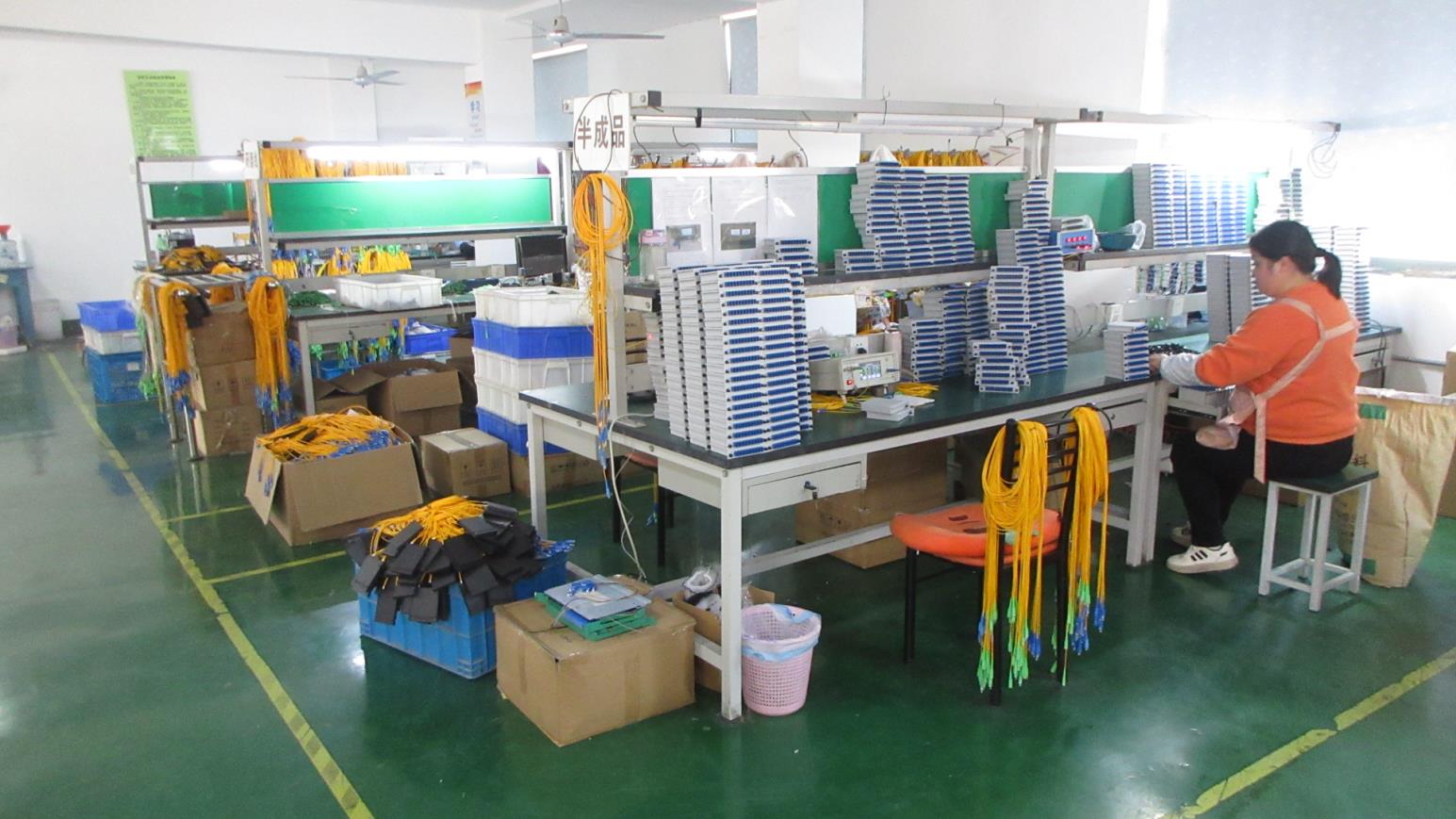
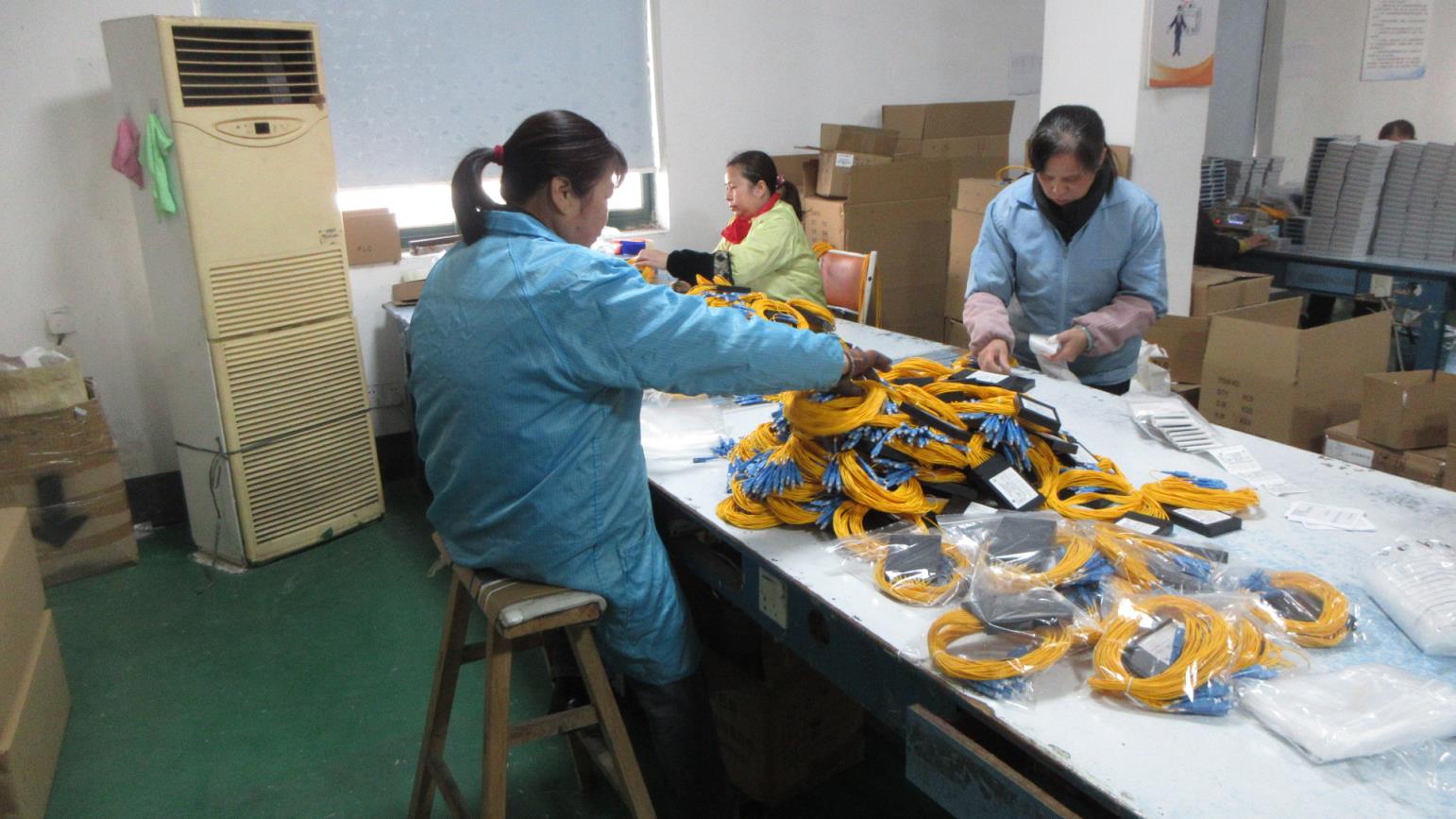
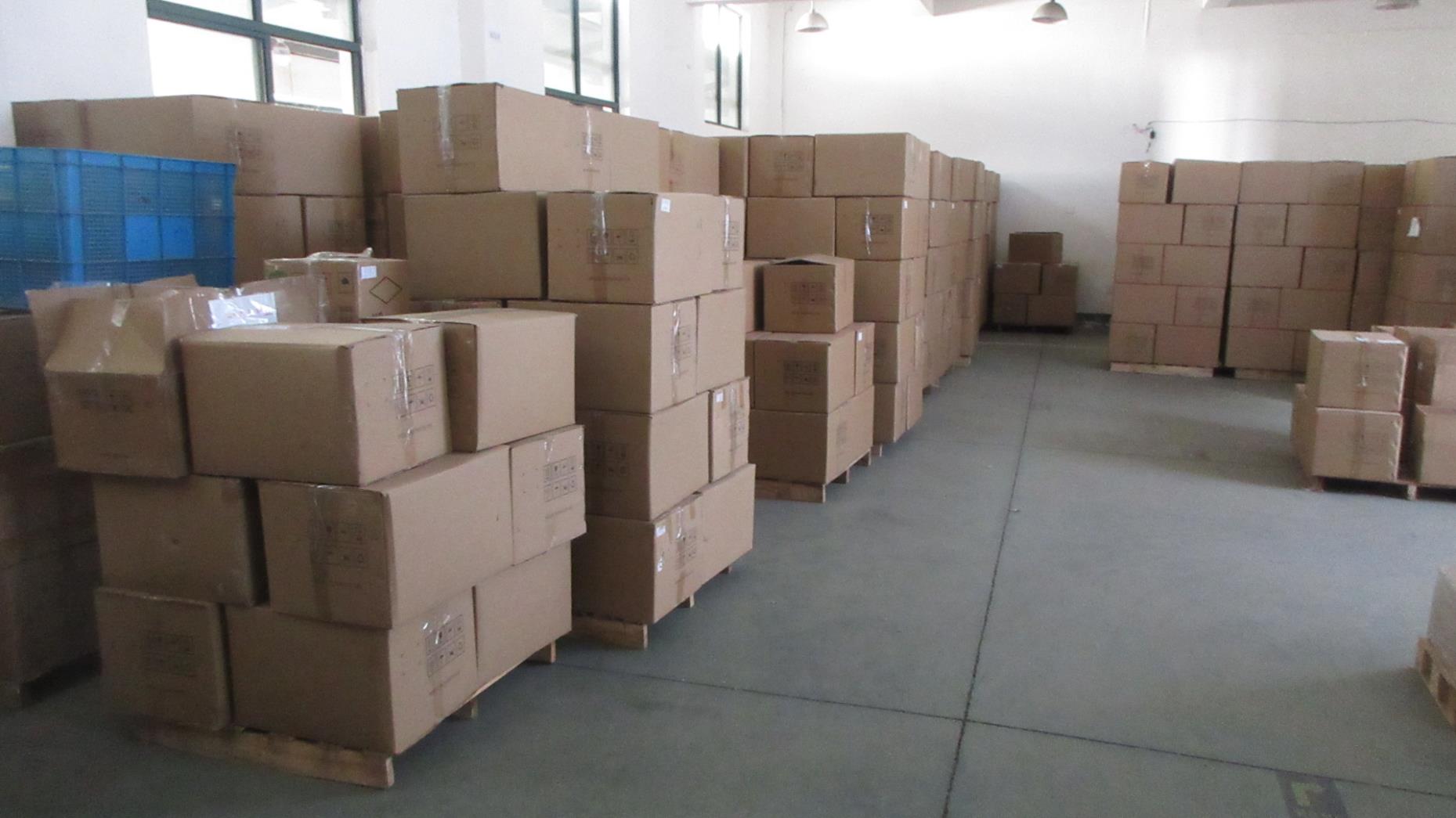

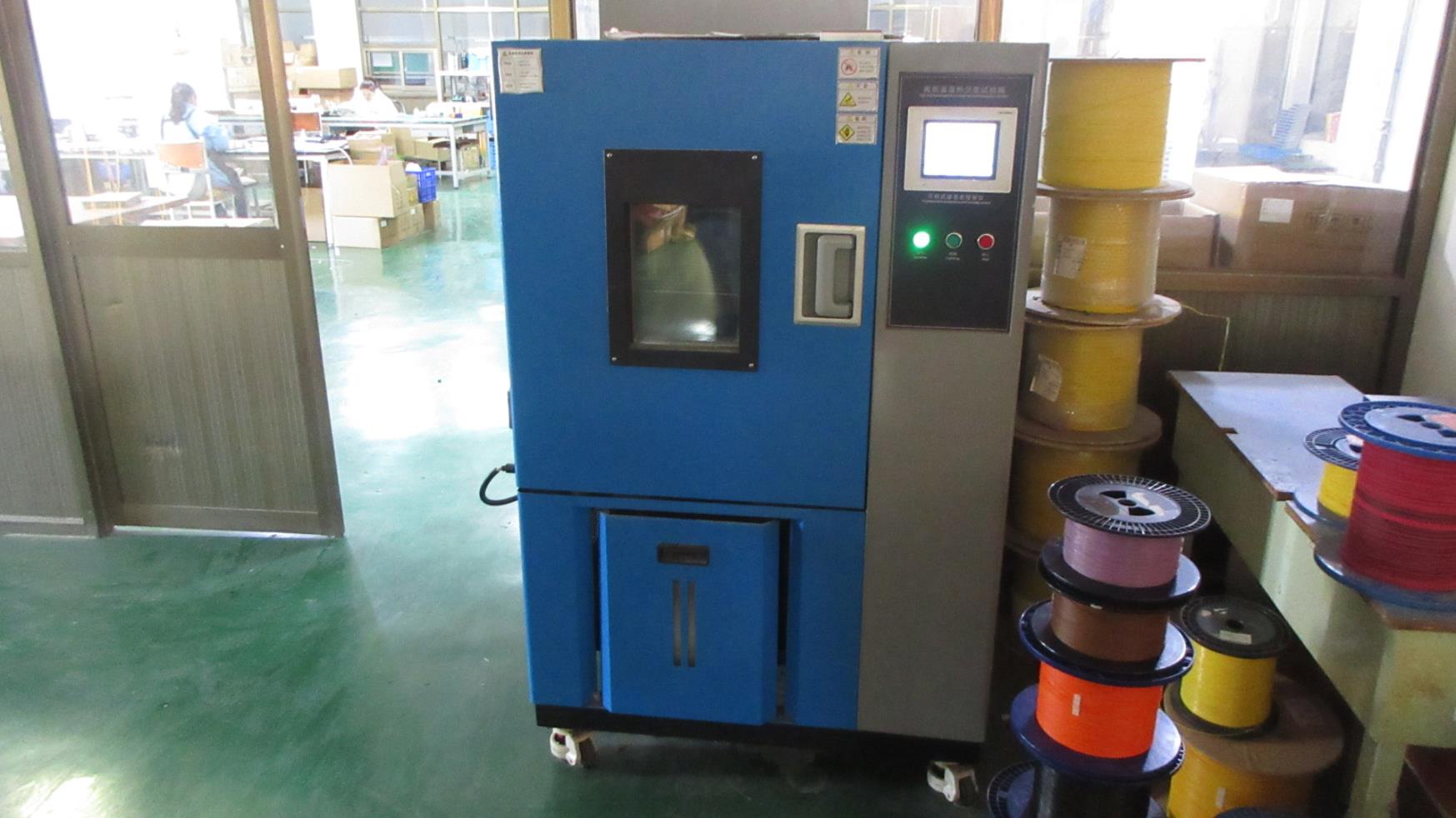
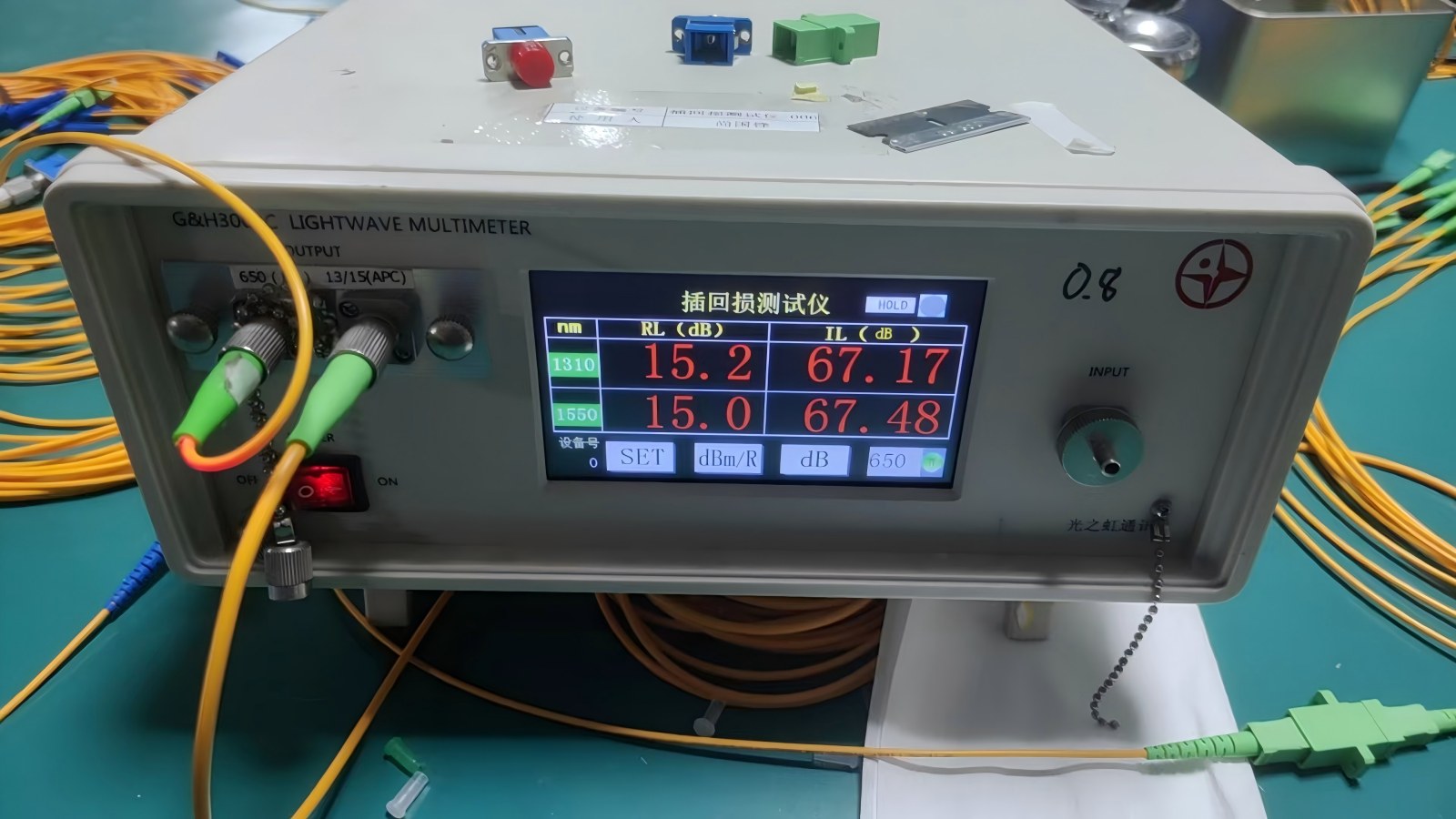
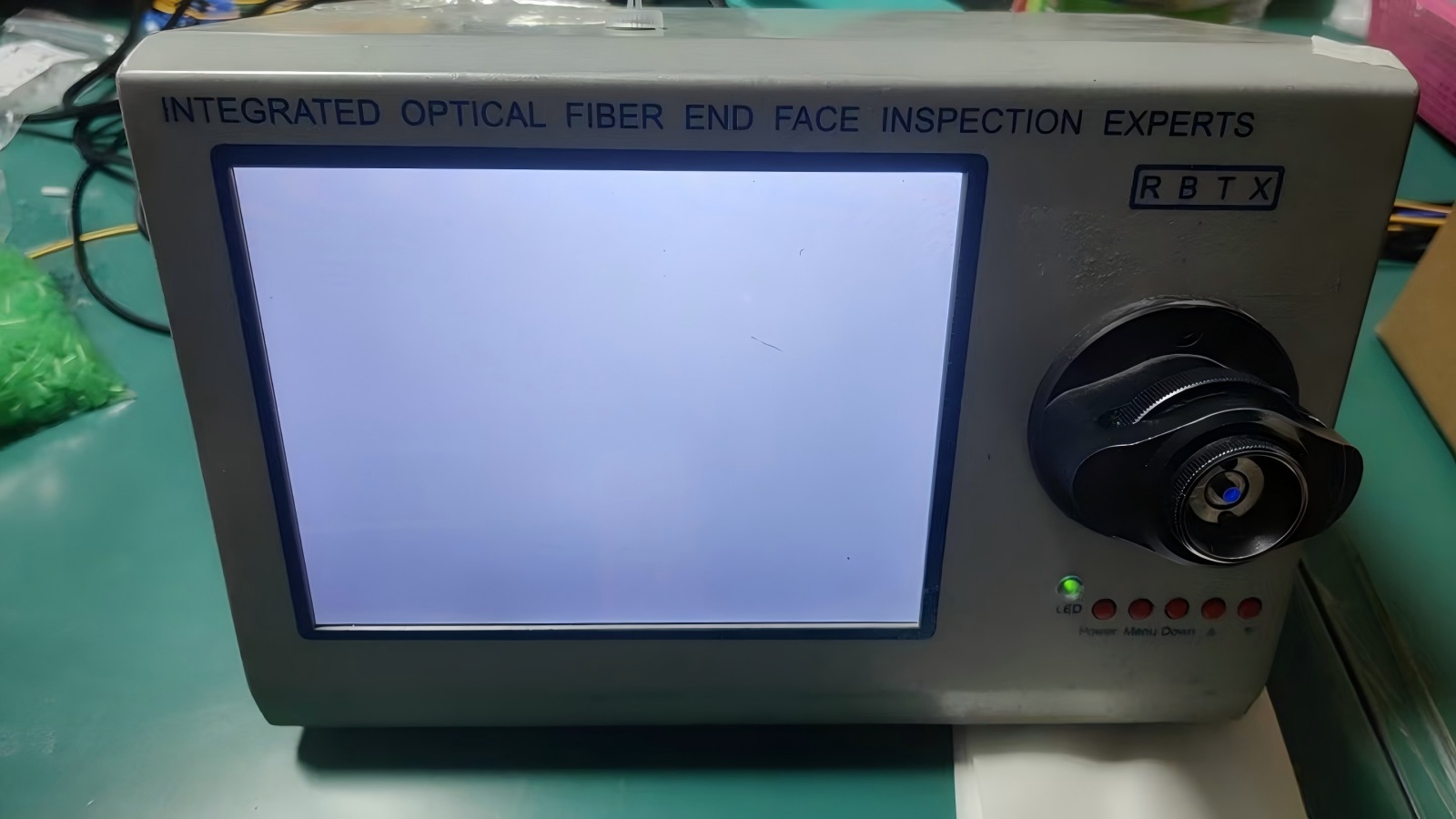
Our quality verification starts at raw material intake and continues through assembly to final functional test steps. Every single 1.25G SFP transceiving unit is tested in our high-low temperature alternating chamber, verifying optical stability under environmental stress. Modern digital networks require strict physical precision: optical insertion loss testers examine signal continuity, and end-face testing equipment ensures connectors are free from particulate contamination before packing. Our 68-member R&D engineering team designs robust transceivers, introducing 126 new network models last year to support evolving network standards.
Integrating 1G SFP transceivers into Manila's enterprise networks and infrastructure
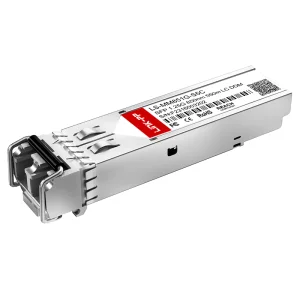
Multi-floor BPO offices in Makati and BGC deploy 1.25G SX Multi-mode fiber modules to connect workspace switches to central server rooms, maintaining high throughput and low latency for voice-over-IP and customer system interfaces.
Smart city security cameras in Metro Manila rely on single-mode BiDi SFP transceivers. These enable bi-directional data transmission over a single optical fiber, reducing municipal fiber lease costs by up to 50%.
Port systems and industrial yards utilize 1G SFP modules with extended temperature ranges in outdoor cabinets. These transceivers link remote telemetry systems to central control networks, resisting vibration and environmental humidity.
Preparing local networks for high-density architectures and next-generation connectivity standards
The network communications landscape is constantly changing, requiring ongoing planning for future bandwidth upgrades. For network designers in Manila, deployment planning must balance present budgets with long-term adaptability. The evolutionary path from 1.25G SFP to 10G SFP+ and 25G SFP28 is clear. Systems designed with standard physical cages and LC interfaces allow operators to scale bandwidth over time by upgrading the optical endpoints while leaving the existing physical fiber infrastructure intact.
A key development in optical transceiver design is the integration of Silicon Photonics (SiPh). This technology replaces traditional discrete laser setups with integrated silicon chips, reducing production costs, heat generation, and power consumption. For outdoor installations in the Philippines, lower power consumption translates to reduced heat output inside sealed enclosures, improving system reliability. Additionally, the adoption of intelligent Digital Diagnostic Monitoring (DDM) protocols allows real-time tracking of parameters like optical output power, receiver sensitivity, and temperature, enabling predictive maintenance before errors impact network performance.
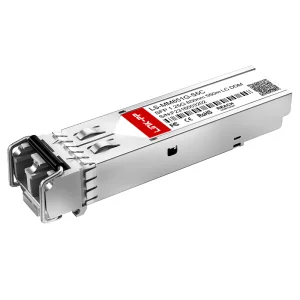
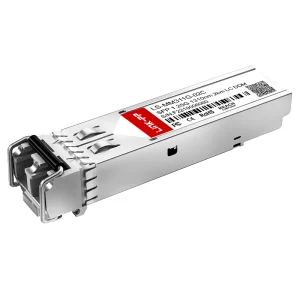
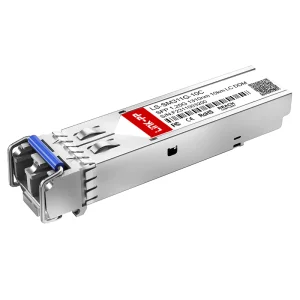
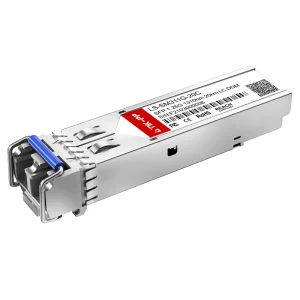
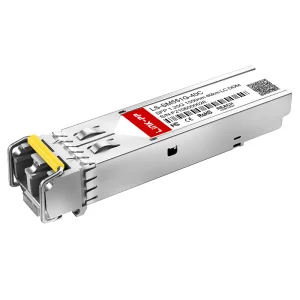
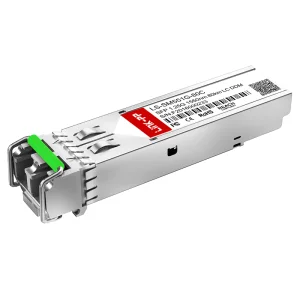
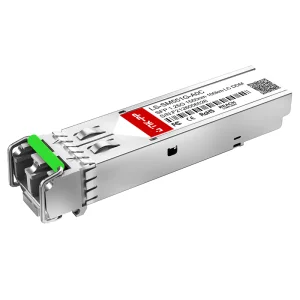
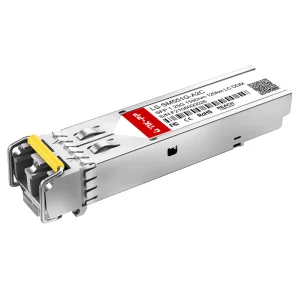
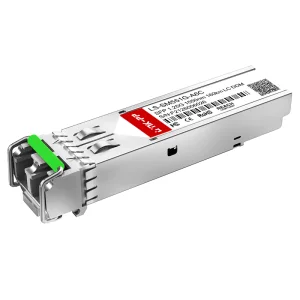
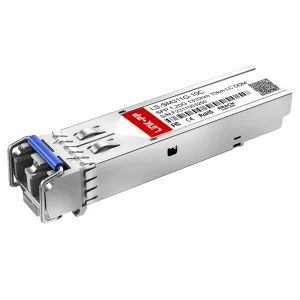
Explore our full line of optical transceivers, covering wavelengths from 850nm to 1550nm and link distances up to 160km.
Answers to common technical queries regarding local optical transceiver integration and standards