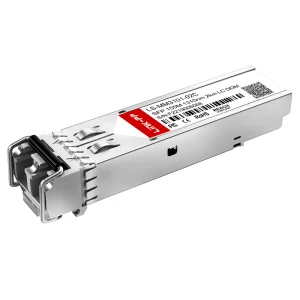
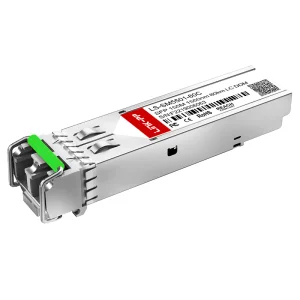
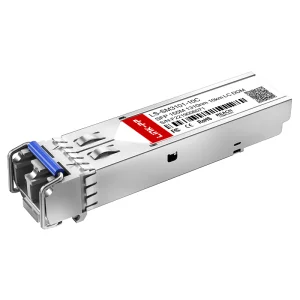
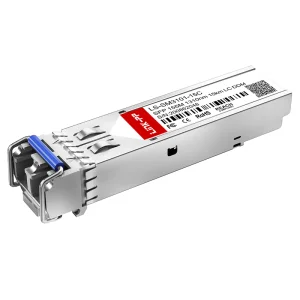
Equip-Link
Equip-Link
Equip-Link
Optimized optical modules engineered to meet the stringent compatibility and thermal demands of Peruvian telecommunication systems and smart industrial nodes.
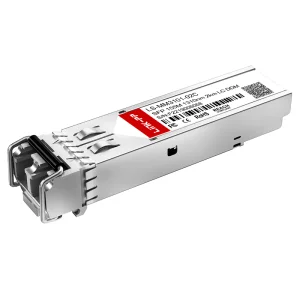
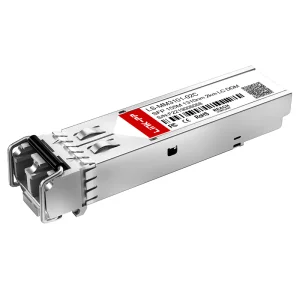
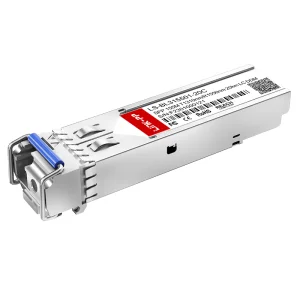
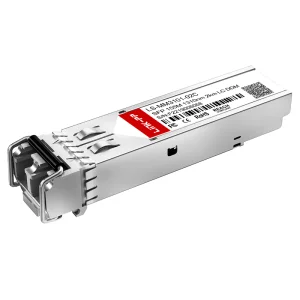
Peru's digital infrastructure is undergoing a massive transformation. Led by national initiatives such as the Red Dorsal Nacional de Fibra Óptica (RDNFO) and various regional projects managed by PRONATEL (Programa Nacional de Telecomunicaciones), fiber optic connectivity is penetrating deep into the Andes and the Amazonian regions. While hyper-scale data centers and metro backbones in Lima are transitioning to 100G, 400G, and 800G optical routes, the industrial reality of Peru relies heavily on highly reliable legacy data links operating at 155M and 622M bandwidths.
These legacy and industrial rates (Fast Ethernet and STM-1/OC-3) are the operational backbones for critical industrial sectors. Peru's booming mining sector—including massive operations like Cerro Verde, Las Bambas, and Antamina—utilizes fiber optic networks for remote telemetry, environmental monitoring, and Programmable Logic Controller (PLC) communications. These environments demand ultra-reliable, ruggedized SFP modules that can interface with industrial switches (such as Moxa and Hirschmann) and withstand high vibration, dust, and electrical interference.
Furthermore, municipal monitoring systems (CCTV), railway signaling networks, and electrical substations managed by COES (Comité de Operación Económica del Sistema Interconectado Nacional) require highly stable 155M/622M optical links. These systems are designed for 15-to-20-year lifespans, meaning that sourcing high-quality, long-term compatible optical transceivers from trusted global manufacturers is vital for Peruvian network engineers and systems integrators.
In optical communication, 155 Mbps (Fast Ethernet / STM-1) and 622 Mbps (STM-4 / OC-12) transceivers represent highly stabilized, reliable platforms. While modern networks utilize WDM and high-speed modulation, the 155M and 622M optical layers remain irreplaceable for deterministic, real-time communications where latency jitter must be strictly controlled, such as in electrical power grids and railway transit.
The technical roadmap for these legacy modules is focused on compatibility, thermal resilience, and optical power budget expansion:
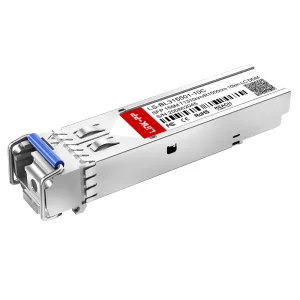
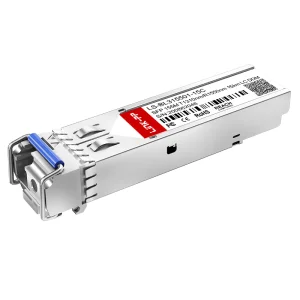
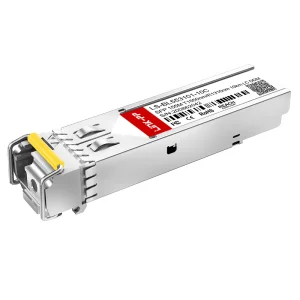
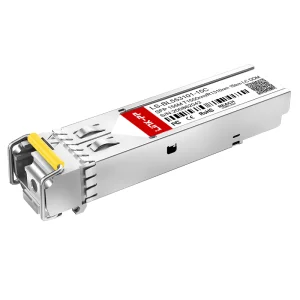
Utilizing Wavelength Division Multiplexing (WDM) at 1310nm/1550nm or 1310nm/1490nm, BiDi transceivers allow dual-channel communication over a single fiber strand. This effectively halves the fiber lease costs for ISPs operating in remote Peruvian municipalities where fiber laying is costly.
DDM provides real-time telemetry of vital transceiver metrics, including optical output power, receiver sensitivity, temperature, and laser bias current. This allows Peruvian network administrators to proactively predict fiber degradation before service outages occur.
Standard enterprise modules operate from 0°C to 70°C. In high-altitude Andean mines or hot coastal deserts of Peru, ambient temperatures swing drastically. Industrial-grade modules feature hardened lasers and advanced thermal dissipation to operate in extreme environments.
Deploying dependable 155M and 622M optical systems across Peru's critical infrastructure nodes.
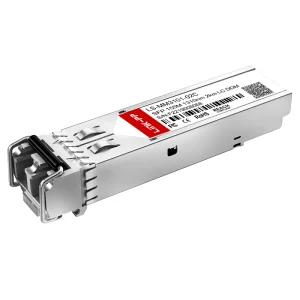
Peru's transmission lines cross the Andes, facing lightning strikes, magnetic interference, and extreme weather. Communication networks within substations use IEC 61850 Ethernet switches. For these systems, 155M SFP transceivers (both multimode for local links up to 2km and single-mode for inter-station communication up to 40km or 80km) provide the EMI-immune, deterministic physical layer required to transmit real-time control commands, preventing widespread blackouts.
Mining operations in locations such as Arequipa, Cajamarca, and Ancash use fiber optic rings to connect surface control stations with deep underground tunnels. These rings run Ethernet SCADA protocols to manage ventilation, drainage pumps, and automated drill rigs. By utilizing industrial-grade Moxa-compatible and Hirschmann-compatible 155M SFPs, mine operators ensure consistent data flow despite vibration and temperature changes.
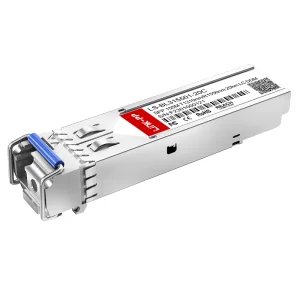
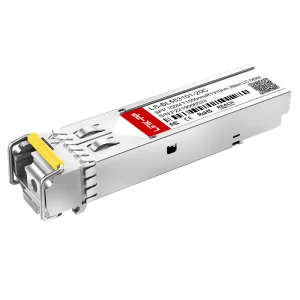
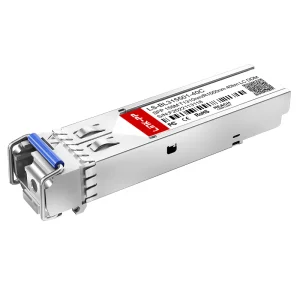
Bringing connectivity to Peru's rural populations requires robust long-distance networks. Long-reach 100BASE-ZX (80km) and custom 120km 155M/622M SFP transceivers are deployed in edge routers to establish backhaul links for wireless towers and local schools. This setup enables cost-effective broadband deployment over rugged topography without expensive intermediate repeaters.
Importing and deploying telecommunication hardware in Peru requires strict adherence to national and international standards. The Ministerio de Transportes y Comunicaciones (MTC) regulates all equipment connecting to public networks. As a leading exporter, Equip-Link designs transceivers that comply with international certifications including CE, FCC, RoHS, and FDA Laser Safety Standards, ensuring trouble-free customs clearance and deployment in Peru.
The Altitude Challenge: A significant portion of Peru’s industrial infrastructure is located in high-altitude zones (3,000 to 4,800 meters above sea level). At these elevations, the thinner air reduces convective cooling efficiency. Commercial-grade transceivers can overheat, leading to laser degradation, high bit error rates (BER), or sudden link dropouts. Equip-Link addresses this challenge by utilizing:
Founded in 2017, Equip-Link Intelligent Equipment (Shenzhen) Co., Ltd. is a specialized manufacturer and exporter of optical modules. Over the last 9 years of export operations and 14 years of optical engineering expertise, we have developed a resilient manufacturing ecosystem. With an annual export volume generating over USD 18 million, our products connect networks across North America, Europe, and Latin America.
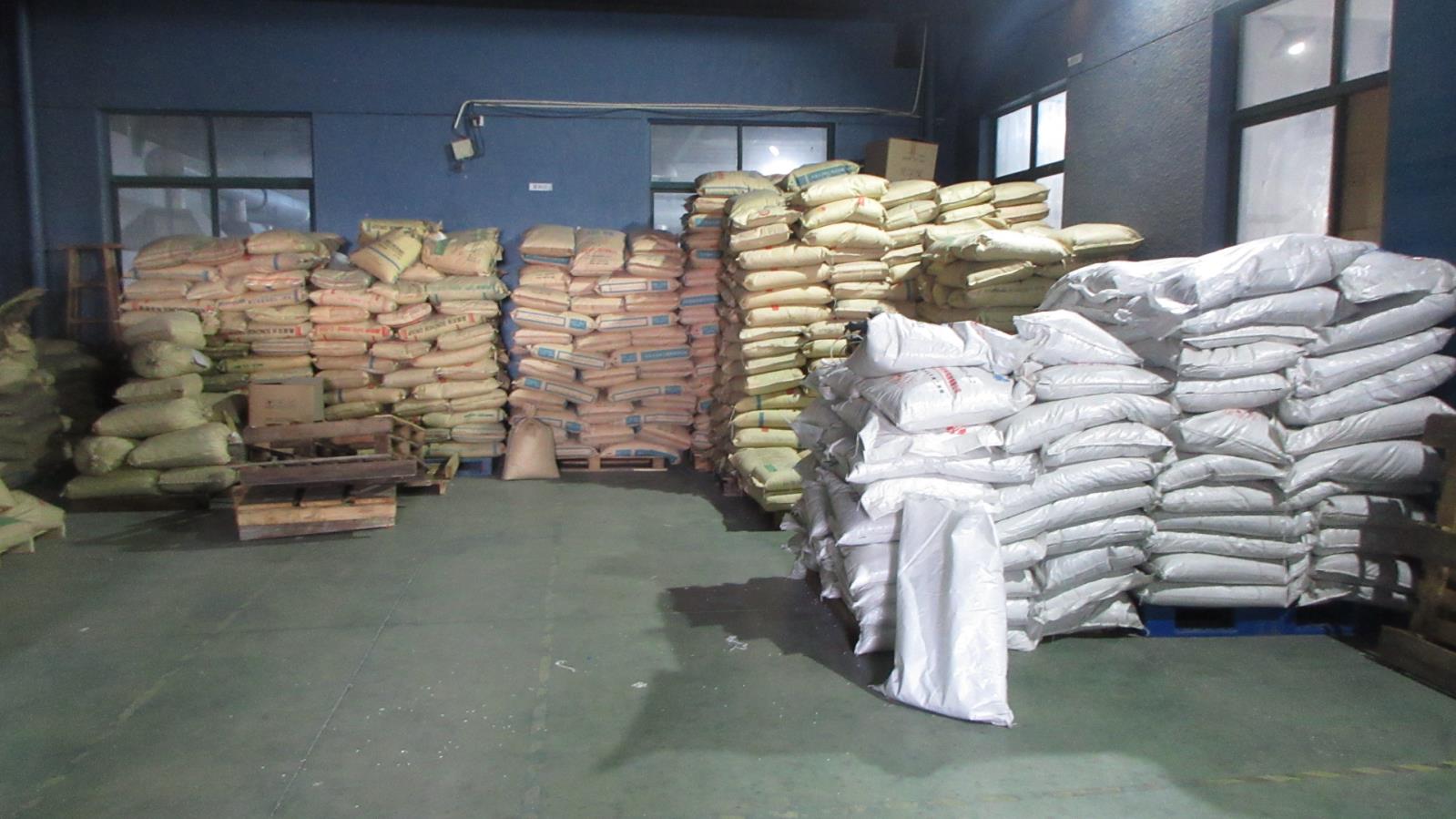
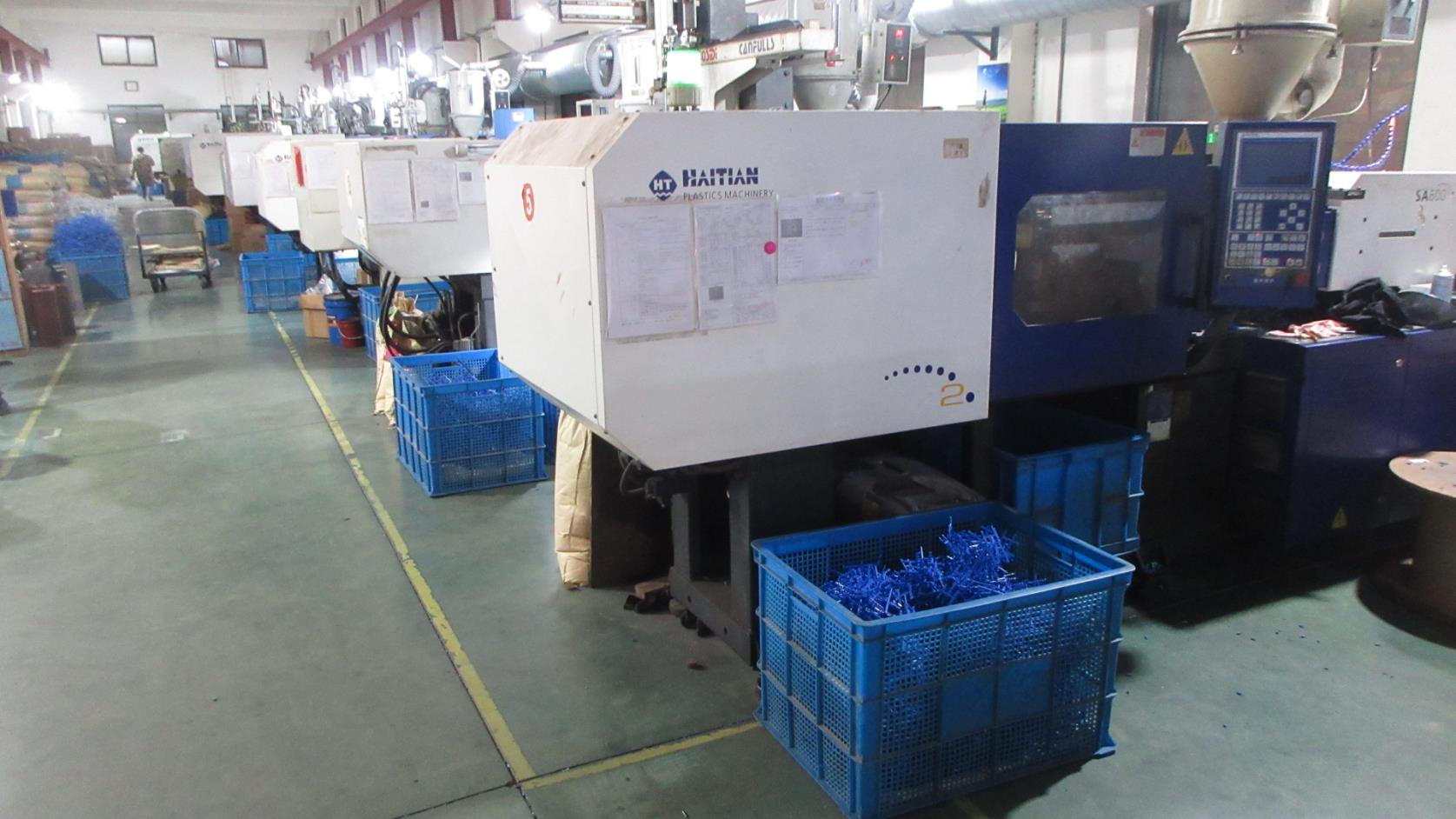
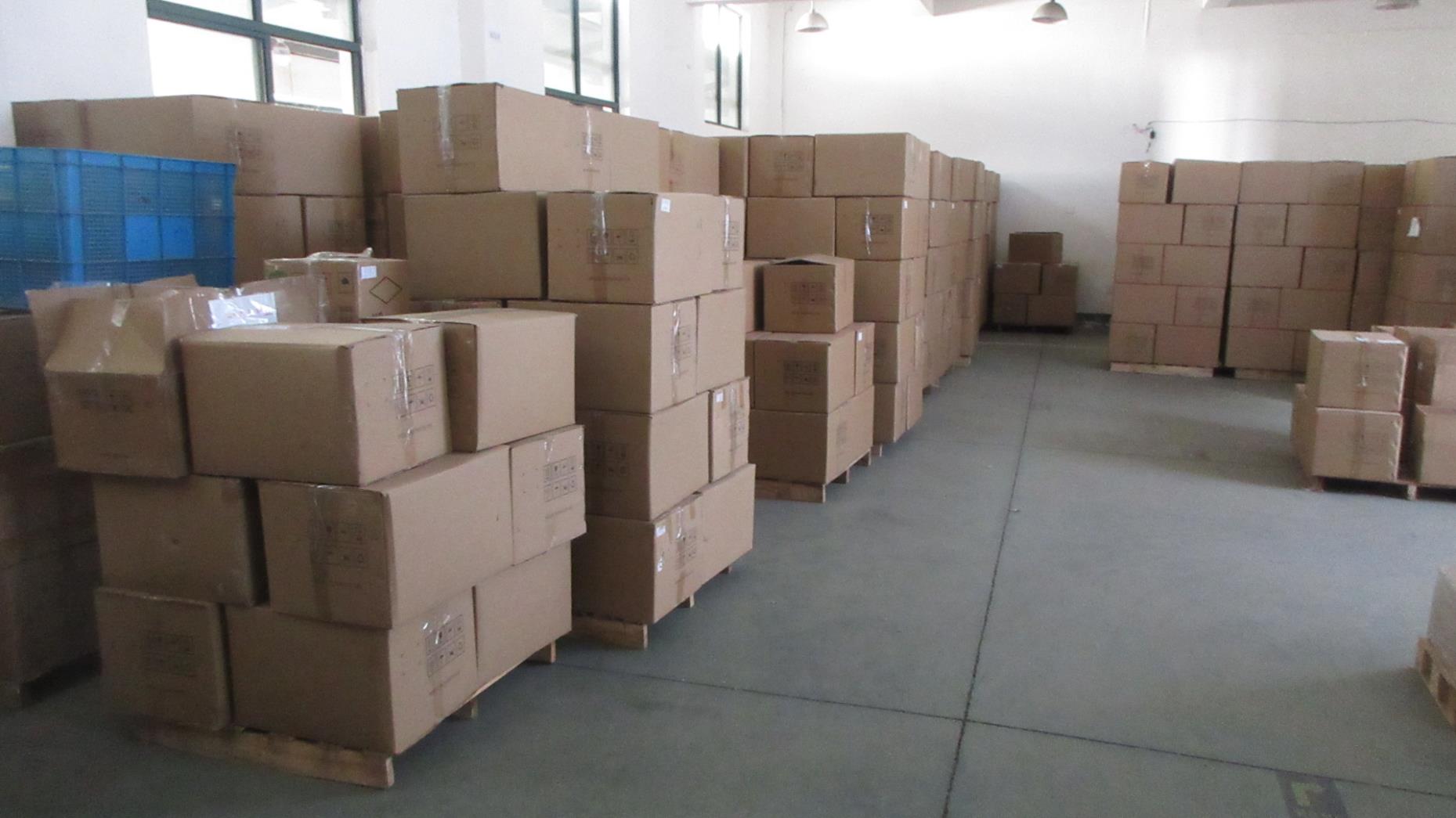
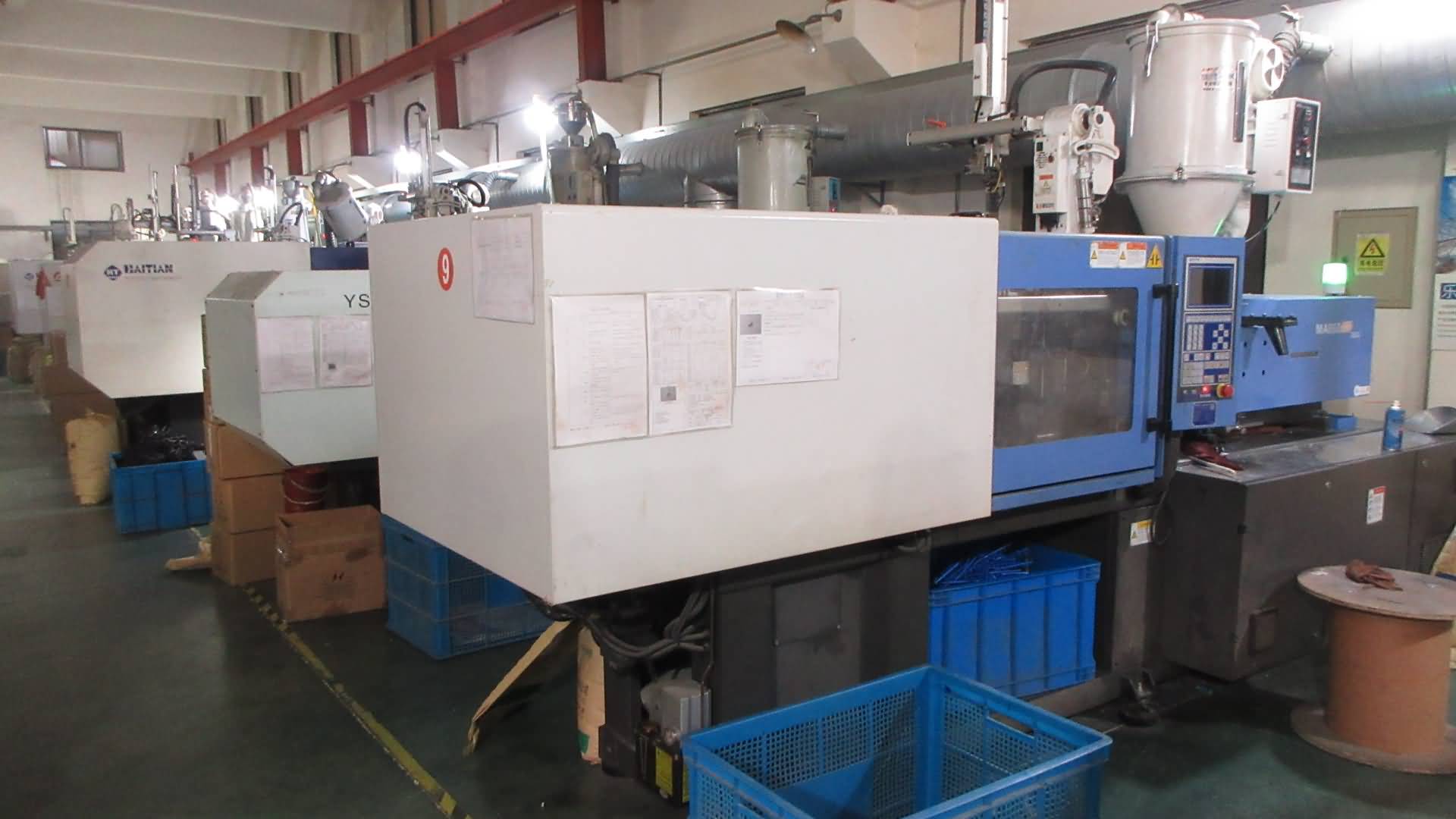
Our manufacturing facility operates high-density cleanroom lines. Our automated production processes utilize Industry 4.0 standards, ensuring high precision in optical sub-assembly alignment and consistent electrical performance. Supported by a robust network of over 1,280 qualified materials partners, we maintain stable production capacity even during global semiconductor shortages, ensuring reliable lead times for infrastructure tenders in Peru.
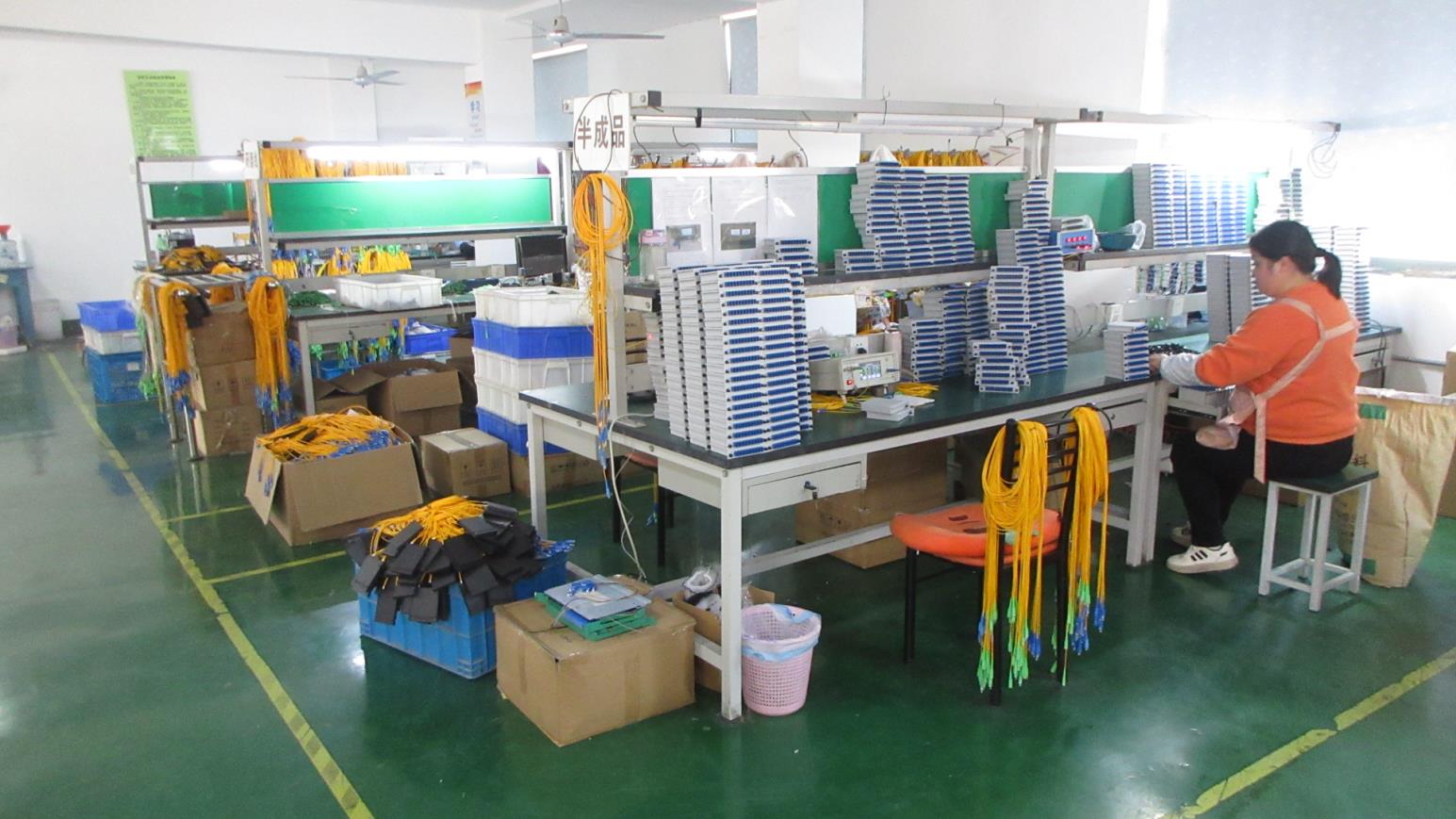
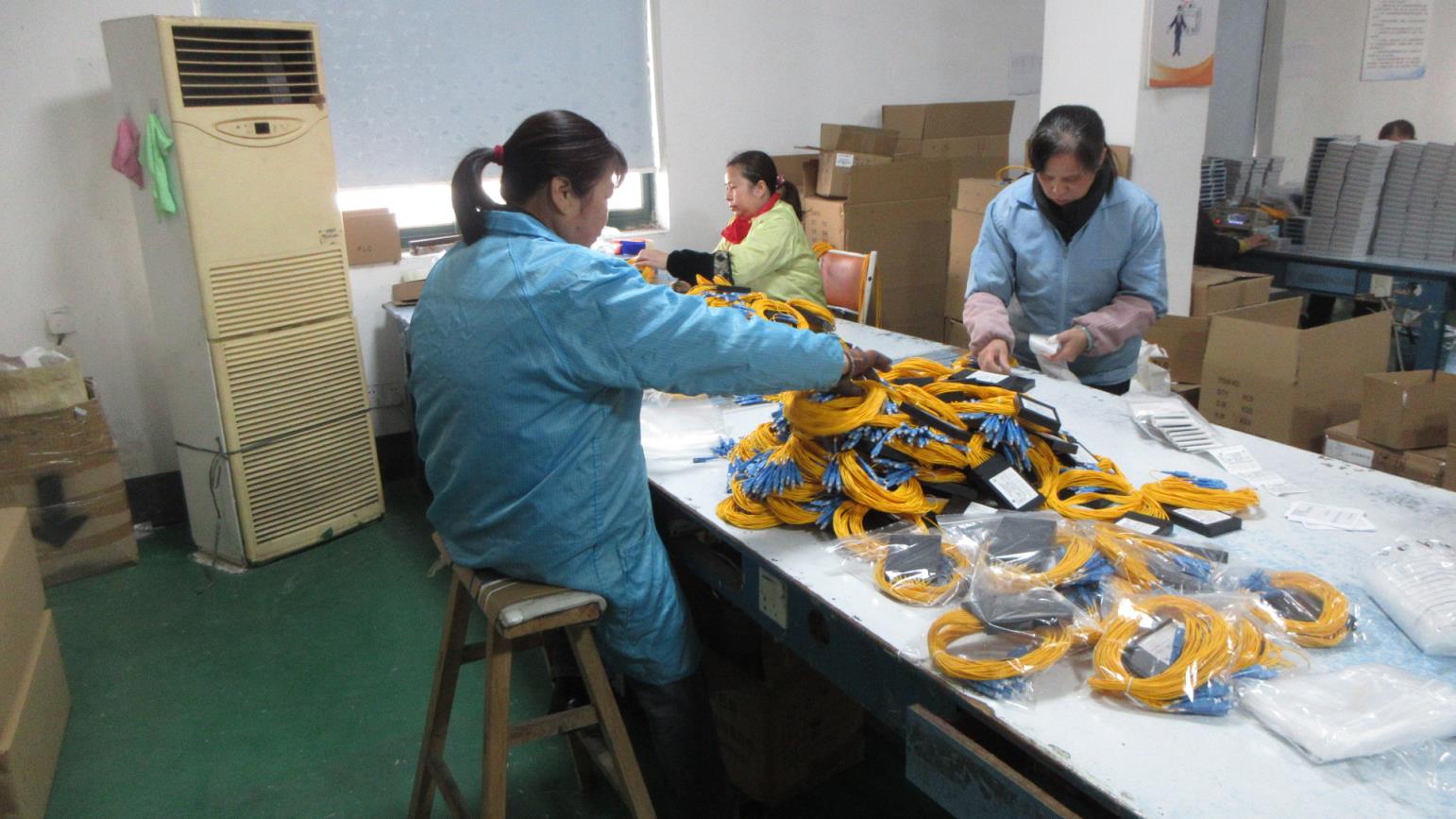
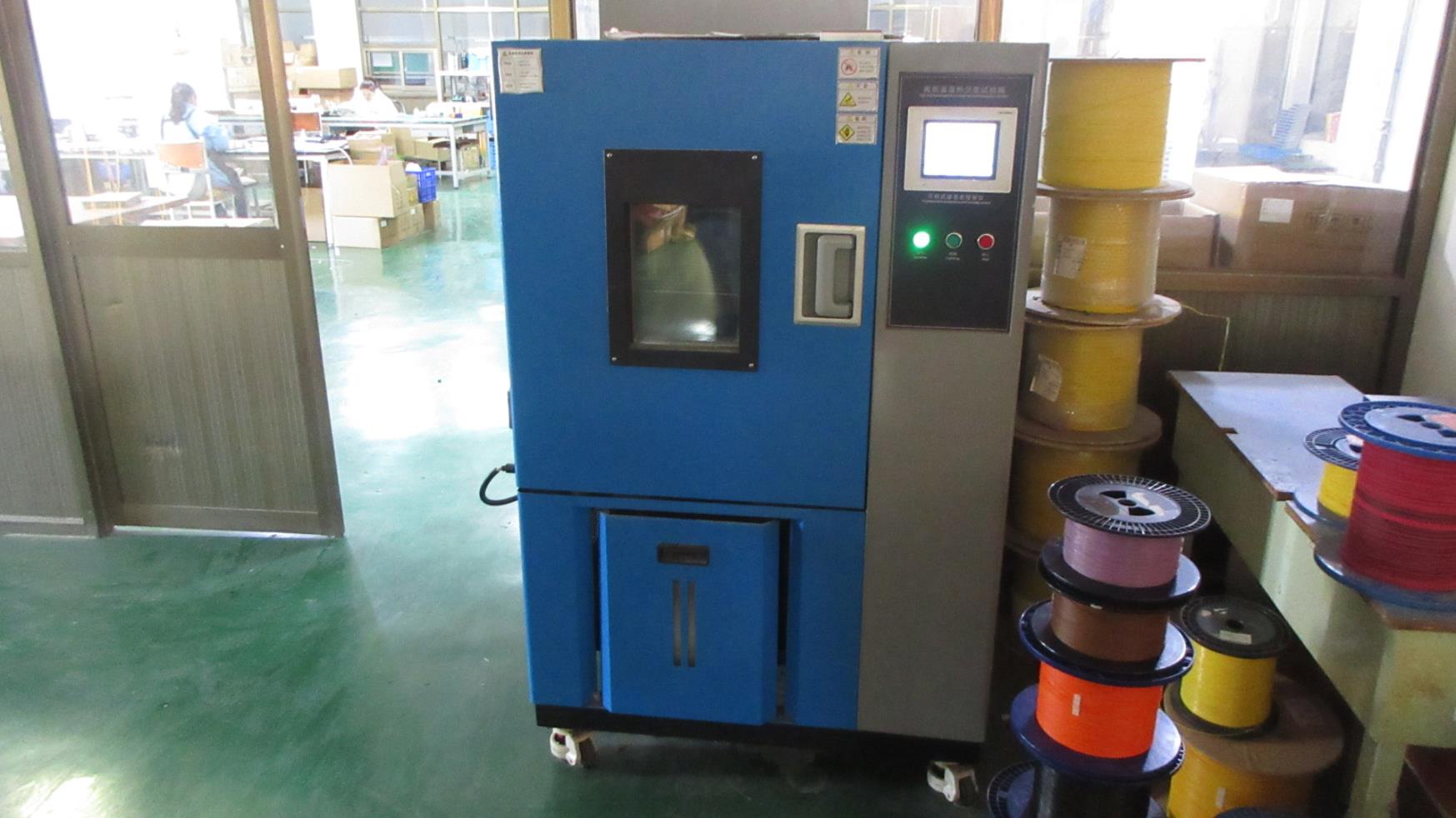
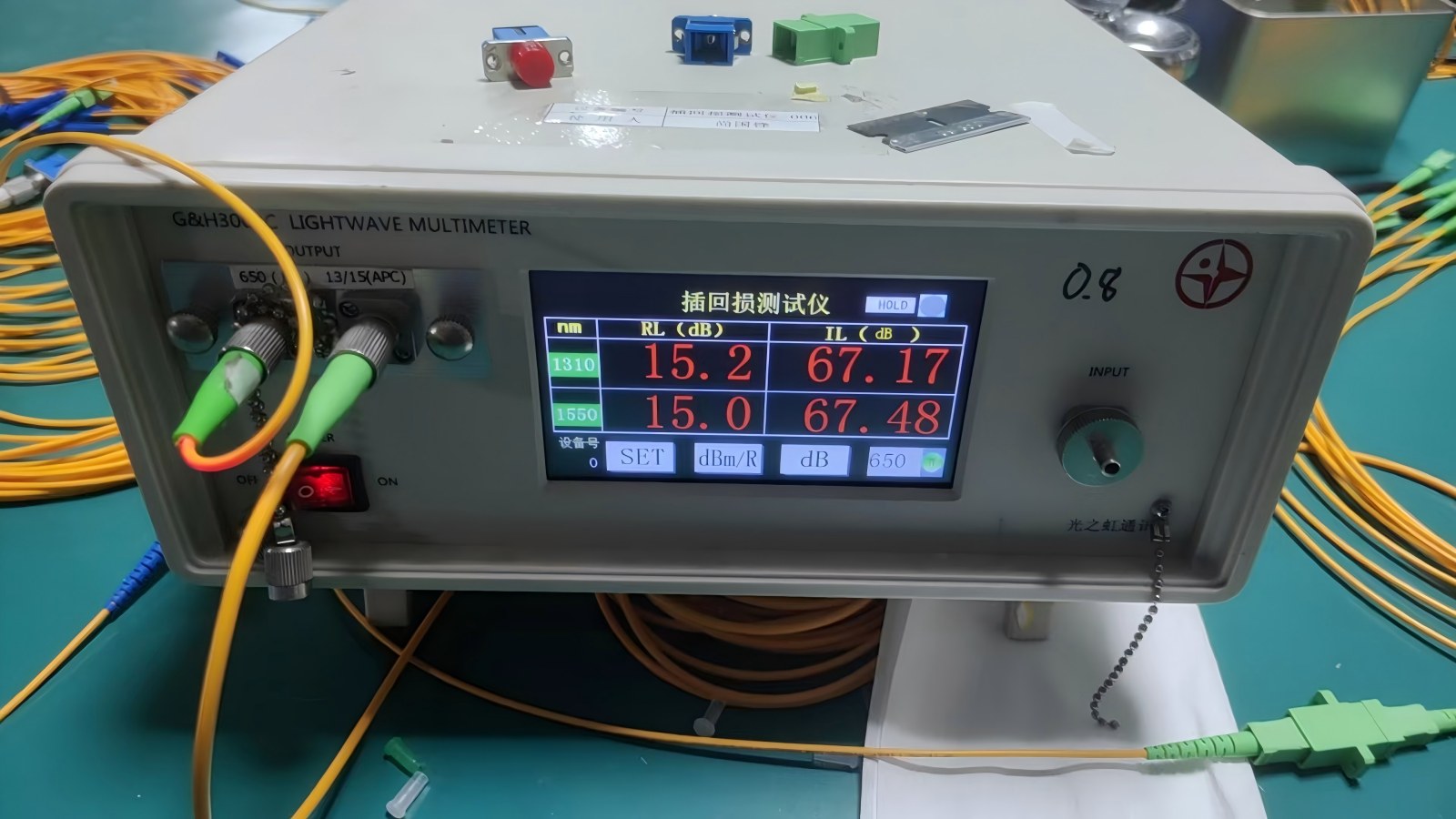
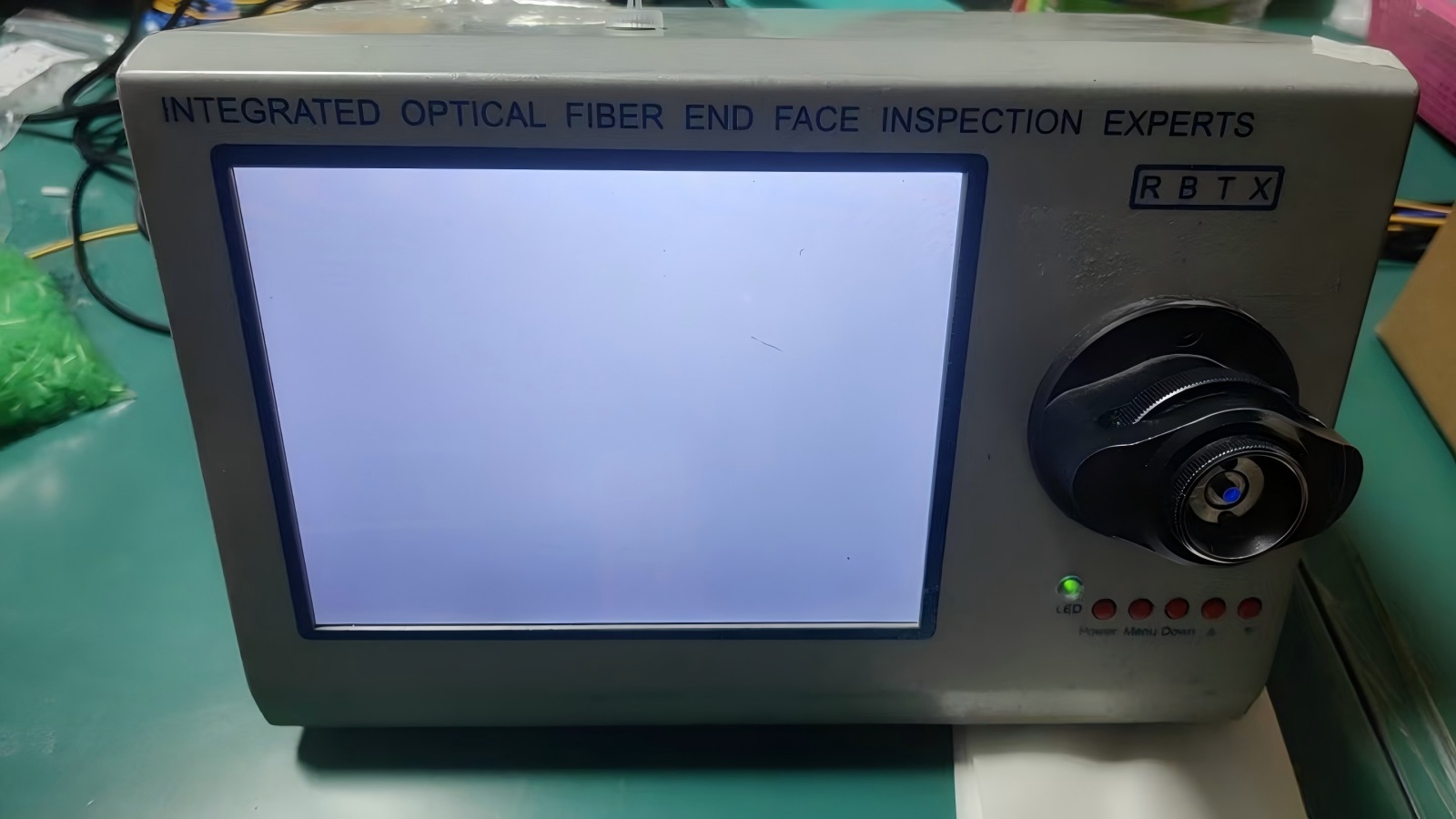
Every batch of transceivers undergoes testing for optical insertion loss, Bit Error Rate (BER), and high/low temperature cycle simulations. Our quality team consists of 36 experienced quality assurance inspectors, ensuring that all shipped components meet our performance standards.
For system integrators, telecommunication buyers, and mining project procurement managers in Peru, the direct factory procurement model offers significant Total Cost of Ownership (TCO) benefits.
Buying directly from a Chinese optical transceiver manufacturer eliminates middleman markups, reducing unit costs compared to buying branded original parts. Our transceivers are functionally identical to original parts, ensuring seamless network integration.
We offer customization services including custom firmware programming, compatibility coding for multi-vendor environments, custom labelling, and packaging design. Our engineering team provides direct technical support to resolve local deployment challenges.
While major vendors phase out legacy 155M/622M modules, Equip-Link continues to manufacture and support these form factors. This allows operators to maintain existing networks without undergoing expensive hardware replacements.
Answers to common technical, environmental, and compatibility questions regarding regional fiber deployments.
Explore our full line of fiber optic transceivers designed for long-distance transmission, single-mode and multi-mode systems, and multi-vendor networks.