Equip-Link
Equip-Link
Equip-Link
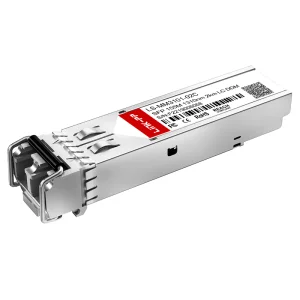
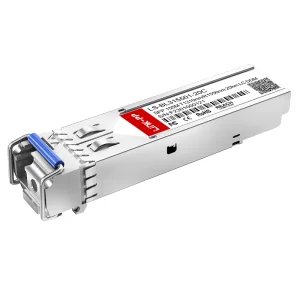
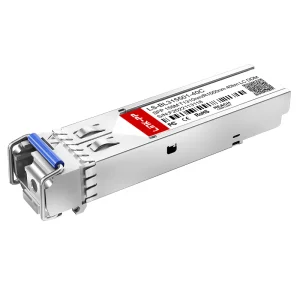
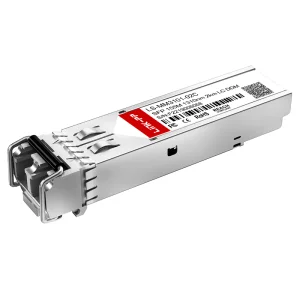
High-reliability 155M/622M SFP transceiver modules optimized for Turkish industrial Ethernet and carrier-grade infrastructure deployment.
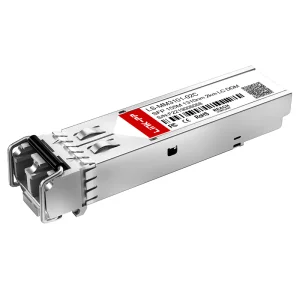
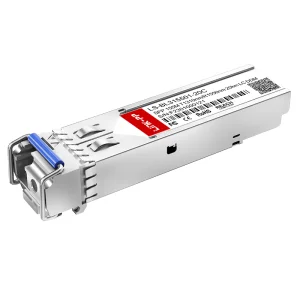
The Republic of Turkey sits at the geopolitical and physical crossroads of Europe, Asia, and the Middle East. As a critical logistical and digital hub, Turkey has undertaken aggressive steps to modernize its national communications, smart grid, and railway infrastructures. Major telecommunication providers—such as Turk Telekom, Turkcell, and Vodafone Turkey—are rapidly upgrading metropolitan networks, while state-controlled utility entities like TEİAŞ (Turkish Electricity Transmission Corporation) and TCDD (Turkish State Railways) implement modernized fiber optic networks across thousands of kilometers of geographic territory.
Within this massive digital expansion, high-speed networks of 100G, 400G, and even 800G are deployed at the backbone level. However, a significant proportion of the critical industrial infrastructure relies heavily on highly resilient and mature legacy transmission standards. This is where 155M and 622M SFP (Small Form-factor Pluggable) modules find their extensive and irreplaceable application. Operating at SDH/SONET rates (STM-1/OC-3 for 155 Mbps, and STM-4/OC-12 for 622 Mbps), these transceivers form the bedrock of deterministic, low-latency communication networks that require long-term operational cycles without interruption.
While gigabit-speed systems are ubiquitous in general enterprise IT, the industrial sectors of Kocaeli, Izmir, Bursa, and Ankara require reliable, deterministic networks over high-speed networks. The primary reasons include:
Understanding the technical landscape of 155M and 622M transceivers is crucial for procurement officers and systems integrators throughout Turkey. These modules operate primarily within three major physical layer standards defined by the Multi-Source Agreement (MSA):
Typically deployed in 100Base-FX (2km over Multimode), 100Base-LX10 (10km to 20km over Single Mode), and 100Base-ZX (80km+ over Single Mode) formats. Utilizes dual LC connectors or Simplex LC/SC connectors for Bidirectional (BiDi) WDM configurations. Common wavelengths are 1310nm, 1550nm, and BiDi pairings (1310nm-TX/1550nm-RX and vice-versa).
Deploys STM-4 framing architectures for intermediate-reach and long-reach SDH equipment. These modules require tight dispersion control and highly stable laser profiles (DFB lasers for distances beyond 40km). They are critical components in legacy telecom switching systems and offshore oil/gas telemetry links operated by BOTAŞ.
A crucial upgrade in contemporary 155M and 622M SFPs is the inclusion of Digital Diagnostics Monitoring (DDM) per the SFF-8472 standard. Turkish network administrators leverage DDM to monitor real-time operating metrics, such as:
How Equip-Link Intelligent Equipment leverages advanced production technologies to guarantee zero-defect optical transceivers for global partners.
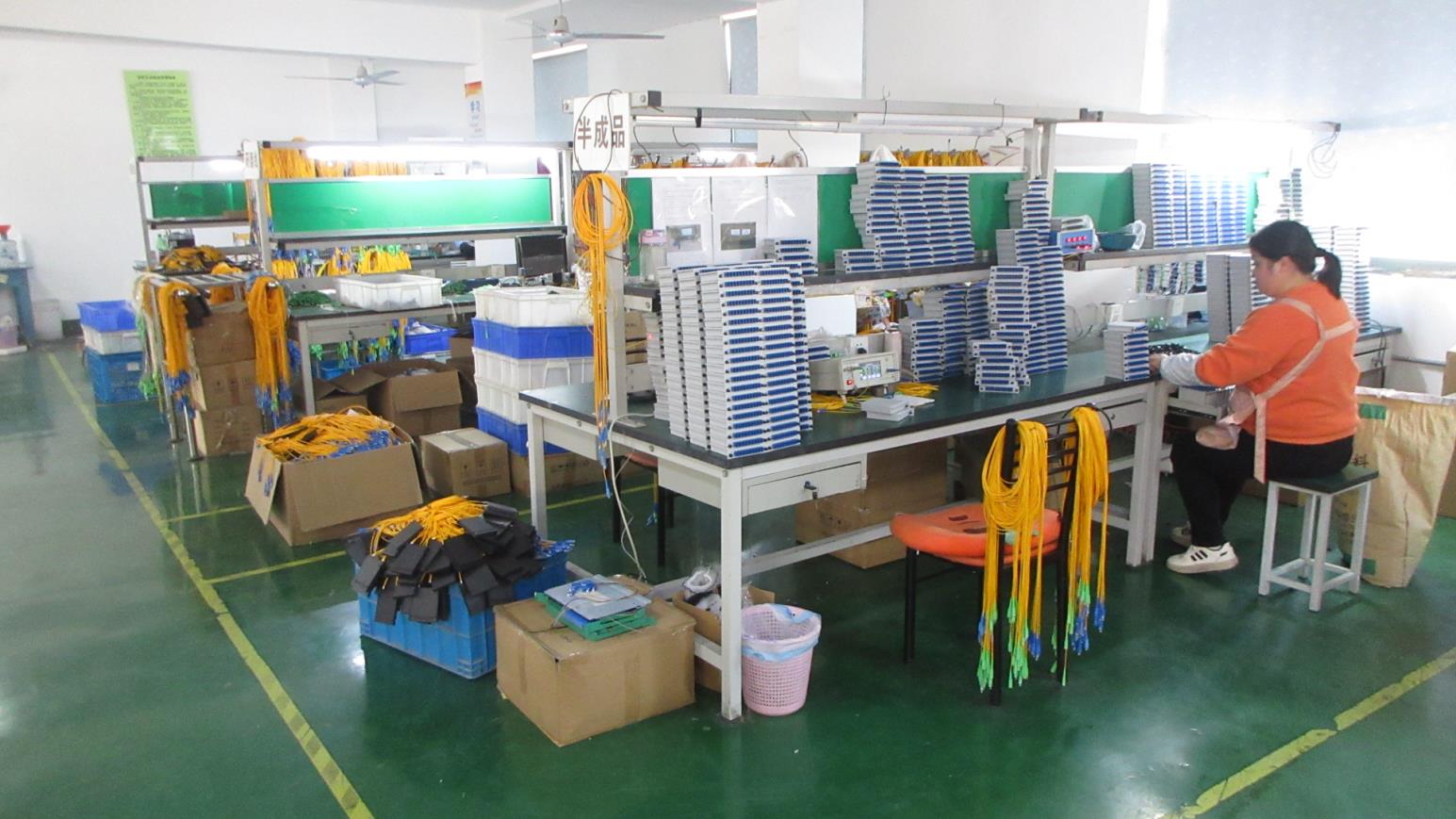
Founded in 2017, Equip-Link Intelligent Equipment (Shenzhen) Co., Ltd. is a leading designer, manufacturer, and supplier of high-performance optical transceivers. Our modern manufacturing facility spans 380 square meters and is optimized for specialized, low-latency, and high-reliability assembly. Backed by 9 years of direct export experience and 14 years of industry expertise, our engineers ensure every SFP module meets strict global and Turkish telecom standards.
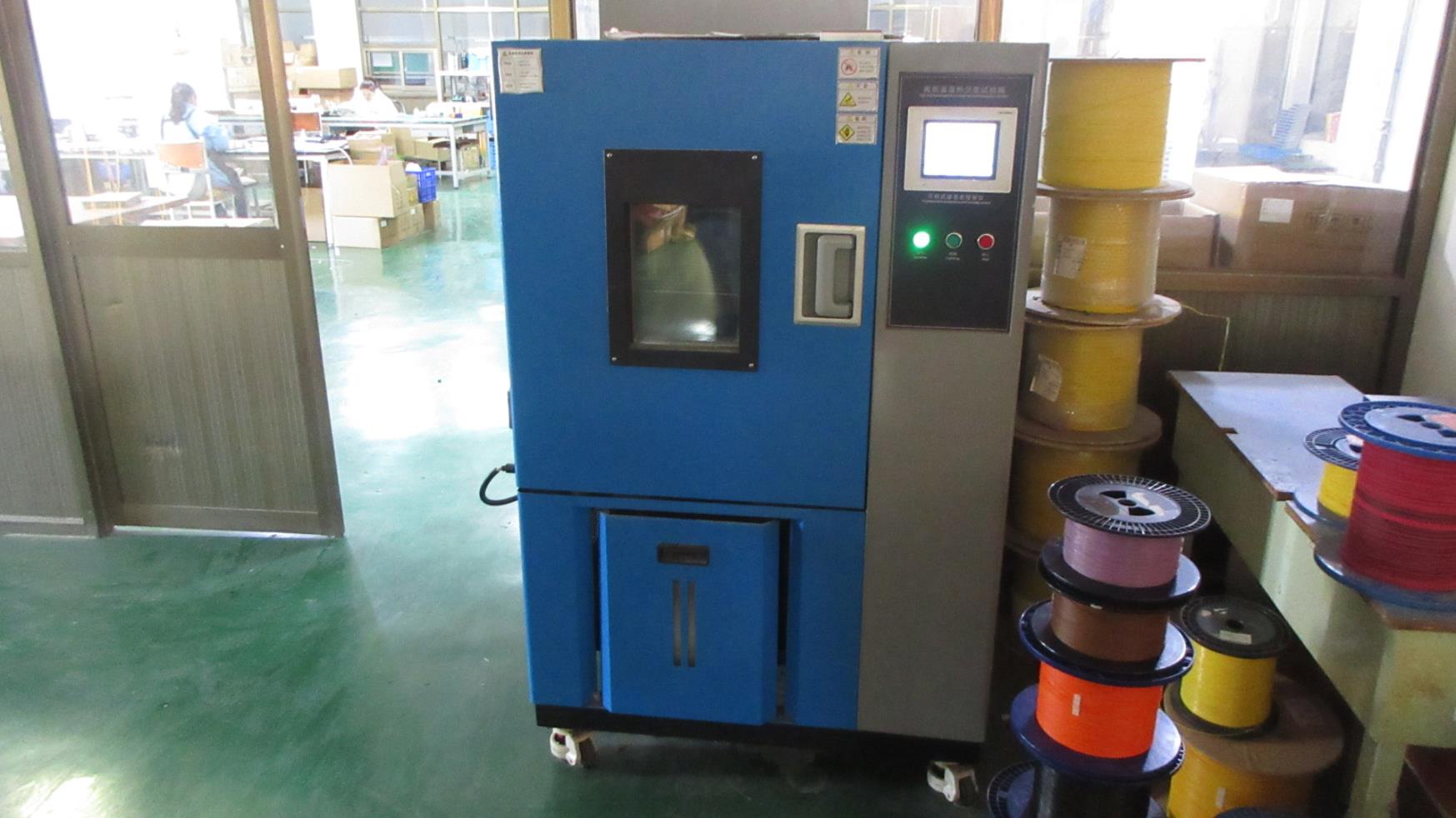
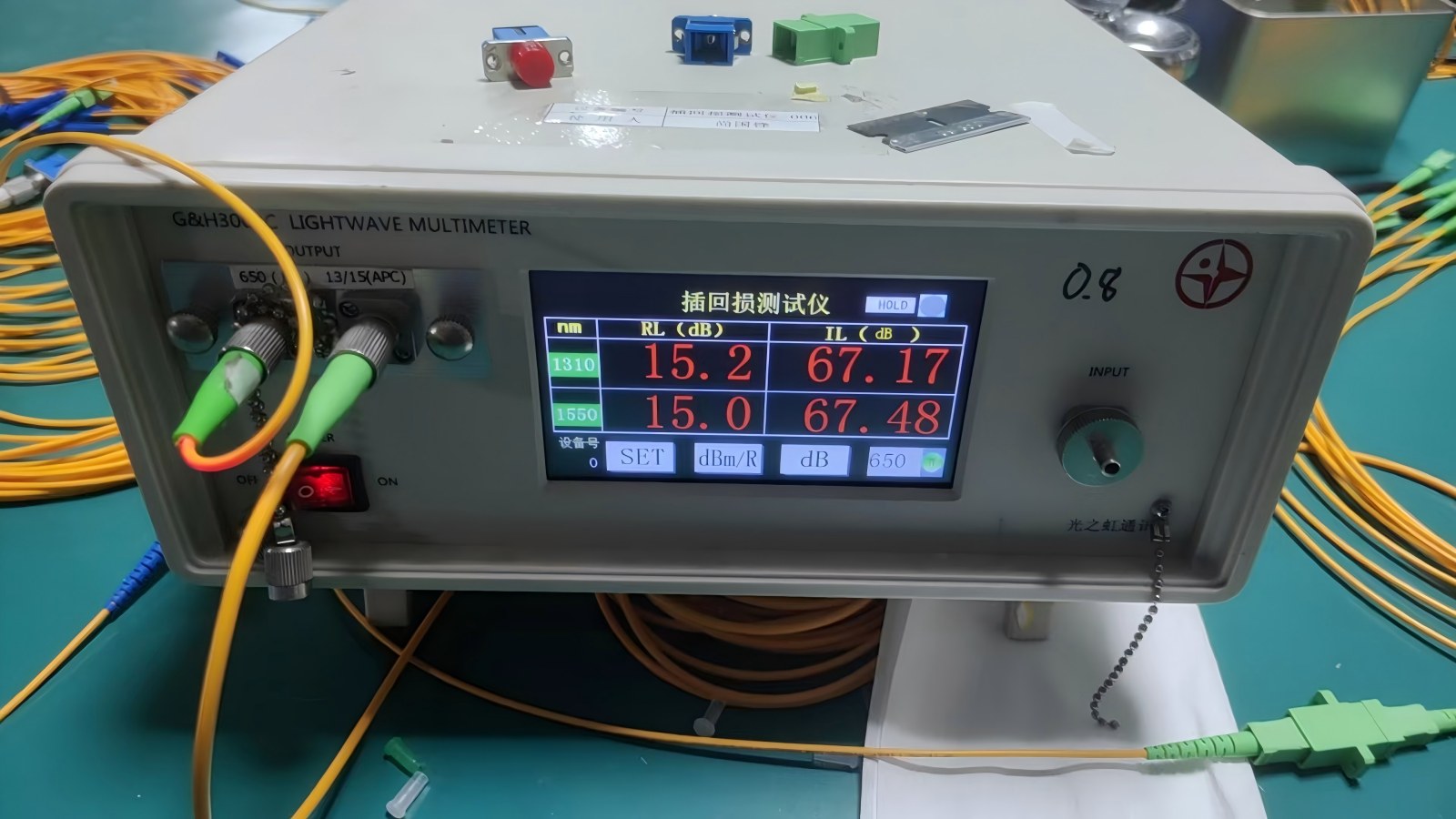
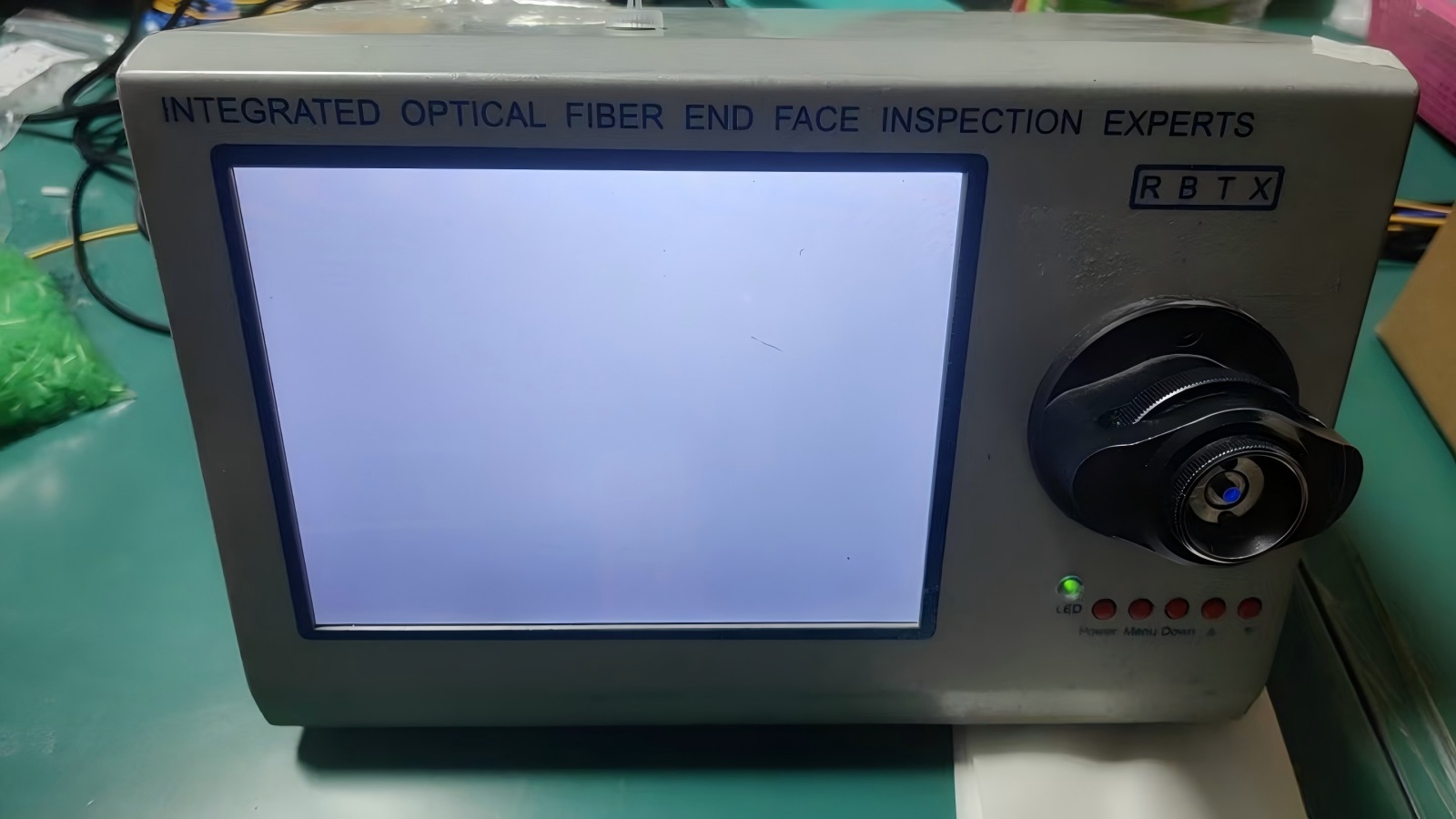
Our Quality Assurance system is robust. Under the supervision of 36 experienced QA inspectors, every transceiver undergoes exhaustive testing, including optical spectrum profiling, temperature cycle analysis, and real-time switch interoperability testing. By maintaining a network of over 1,280 qualified partners, we ensure immediate availability of premium optical components, providing pricing stability and rapid shipment dispatch despite global supply chain variations.





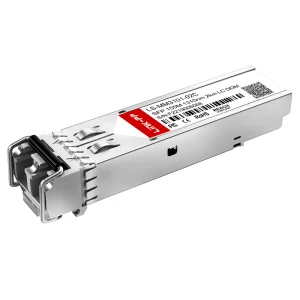
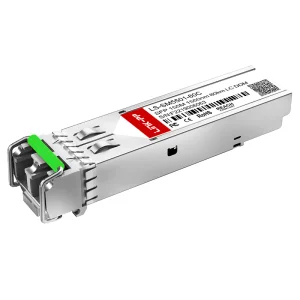
Original specification compatible SFP modules for Moxa, Hirschmann, and standard telecom switch equipment deployed across Turkey.
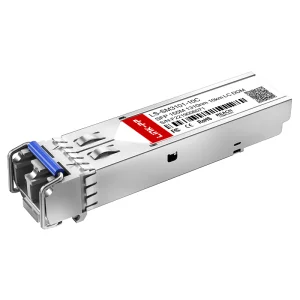
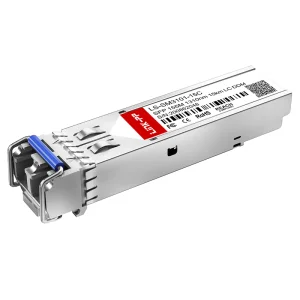
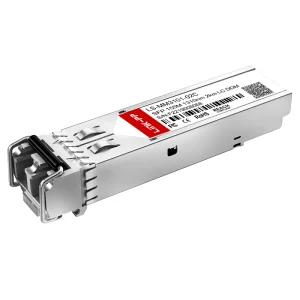
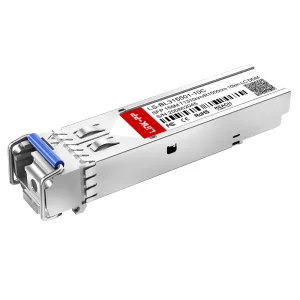
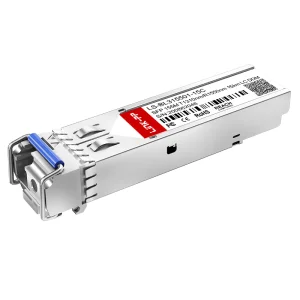
Importing electronic components and telecommunications equipment into Turkey requires strict adherence to local regulations and EU-harmonized directives. Because Turkey is a member of the EU-Turkey Customs Union, most technical guidelines are closely aligned with European standards. When sourcing 155M and 622M SFPs from China, Turkish systems integrators must ensure the following compliance criteria are met:
All optical transceivers entering Turkish customs must bear the CE Mark, confirming compliance with Electromagnetic Compatibility (EMC) Directive 2014/30/EU and Low Voltage Directive 2014/35/EU. Additionally, strict adherence to the RoHS Directive (Restriction of Hazardous Substances) is required to ensure that lead, cadmium, and other hazardous materials are not present in the PCB assembly of the optical module.
For large public and government tenders (such as those by TCDD or TEİAŞ), products may need verification by the Turkish Standards Institution (TSE). Ensuring that SFP modules are manufactured in ISO 9001:2015 certified facilities is essential for passing these documentation reviews. Equip-Link provides full testing documentation, reliability data sheets, and certificate packs to facilitate smooth customs clearance at major logistics terminals, including Istanbul Airport (IST) and the Port of Ambarlı.
A frequent challenge for systems integrators in Turkey is switch lock-in. Brands like Cisco, HP, Juniper, Moxa, and Hirschmann implement vendor-specific handshake protocols in their switch software. If an SFP module does not contain the correct EEPROM coding, the host switch will flag it as an unsupported transceiver and disable the port.
Equip-Link addresses this via a state-of-the-art Compatibility Coding Lab, where our R&D engineers flash custom vendor-specific microcode onto the SFP’s internal EEPROM. Whether you are running Hirschmann industrial switches in an Istanbul municipal metro substation or Moxa units in an Izmir wind-farm control station, our modules are configured to report seamless compatibility, eliminating vendor lock-in and significantly lowering capital expenses.
Maximize fiber efficiency using Bidirectional WDM single-fiber modules. Run two channels over a single physical strand.
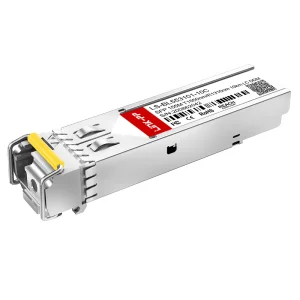
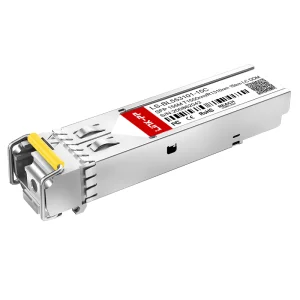
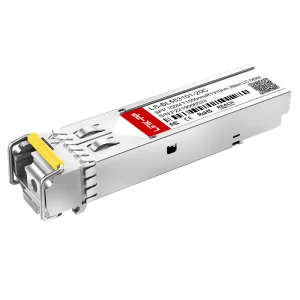
Essential operational guidelines and answers for Turkish infrastructure engineering and procurement professionals.
Partner with China’s premier optical module manufacturer. Enjoy direct-from-factory pricing, certified reliability, and dedicated engineering support tailored for Turkish networks.
Send Inquiry Now