Equip-Link
Equip-Link
Equip-Link
Engineered for legacy compatibility and continuous operation in rugged industrial, transit, and smart grid infrastructures across the Greater Toronto Area.
An in-depth analysis of why the 1x9 optical form factor remains a critical component of municipal, industrial, and power transmission infrastructure in North America's fastest-growing tech and manufacturing hubs.
Toronto and the broader Golden Horseshoe region of Southern Ontario represent a vital node in North American manufacturing, logistics, and municipal transit. Underpinning this massive economic engine are legacy communication infrastructures that govern municipal water systems, regional light rail networks (such as the TTC and GO Transit), and the Ontario electrical grid administered by Hydro One.
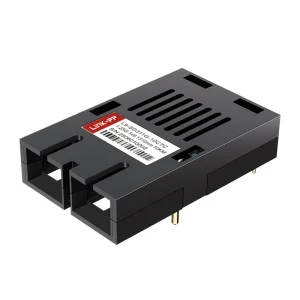
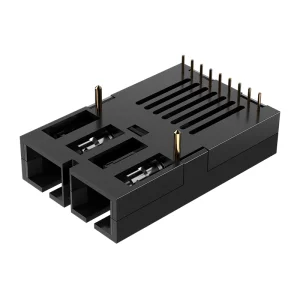
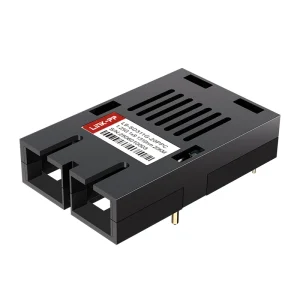
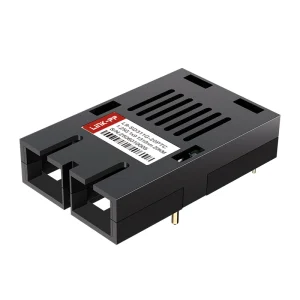
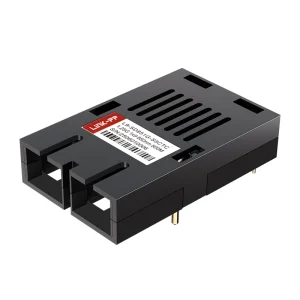
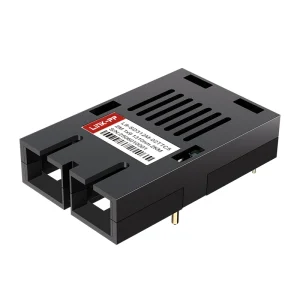
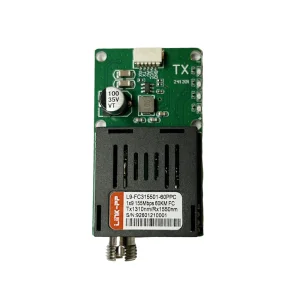
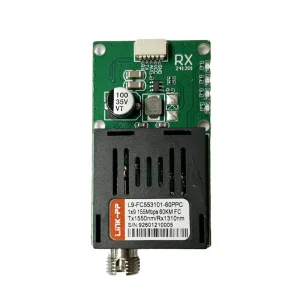
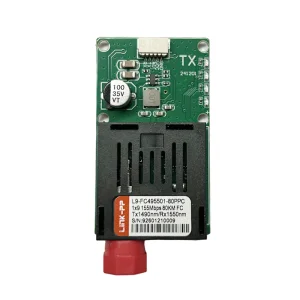
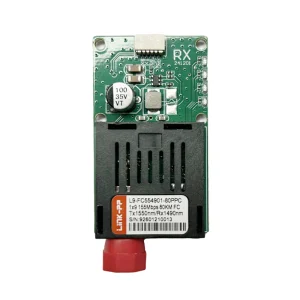
Many of these networks utilize proprietary or highly specialized 1x9 optical transceivers. Unlike hot-pluggable SFP modules, 1x9 modules are soldered directly to the host PCB, providing superior resistance to shock, vibration, and thermal expansion—characteristics critical for trackside railway signaling, high-voltage electrical substations, and heavy industrial automation.
Globally, the market for 1x9 transceivers is driven by replacement demand and long-term industrial lifecycles. Major network equipment manufacturers have transitioned their commercial product lines to SFP, SFP+, and QSFP form factors. However, critical public infrastructure is designed for 20- to 30-year operational lifespans, meaning 1x9 optical modules remain indispensable.
System integrators and maintenance operators in Canada, the US, and Western Europe actively source high-quality 1x9 replacements to avoid costly complete system overhauls. This sustaining demand requires a reliable global manufacturing partner capable of maintaining strict optical standards and legacy form factor compatibility.
Purchasing optical hardware for infrastructure requires an uninterrupted supply of reliable, tested modules. Equip-Link addresses this directly with a combination of Shenzhen manufacturing efficiency and highly controlled QA processes:
Founded in 2017, Equip-Link is an established manufacturer of high-performance optical transceivers and fiber optic communication solutions for enterprise networking, telecommunications, and industrial automation.
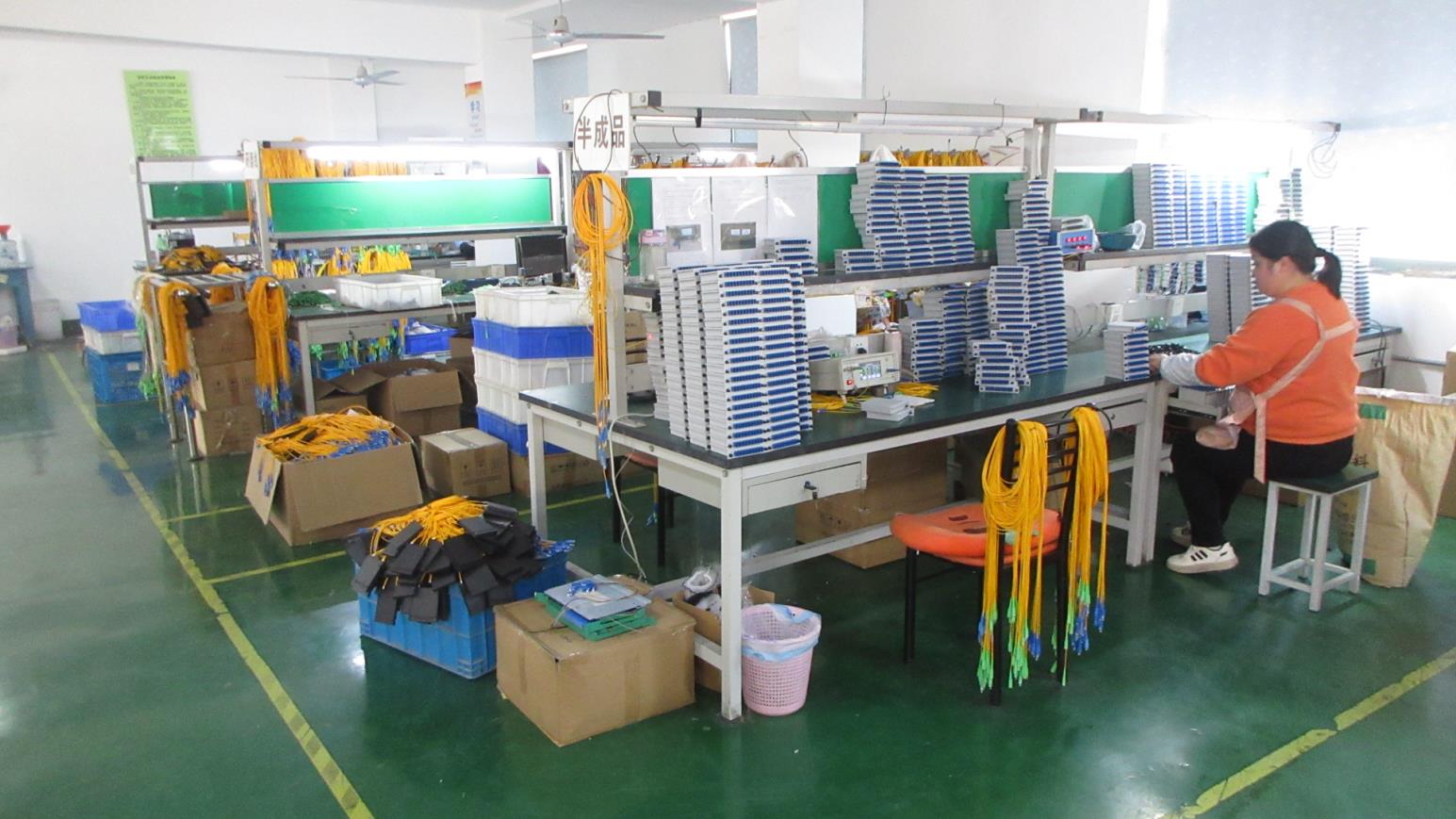
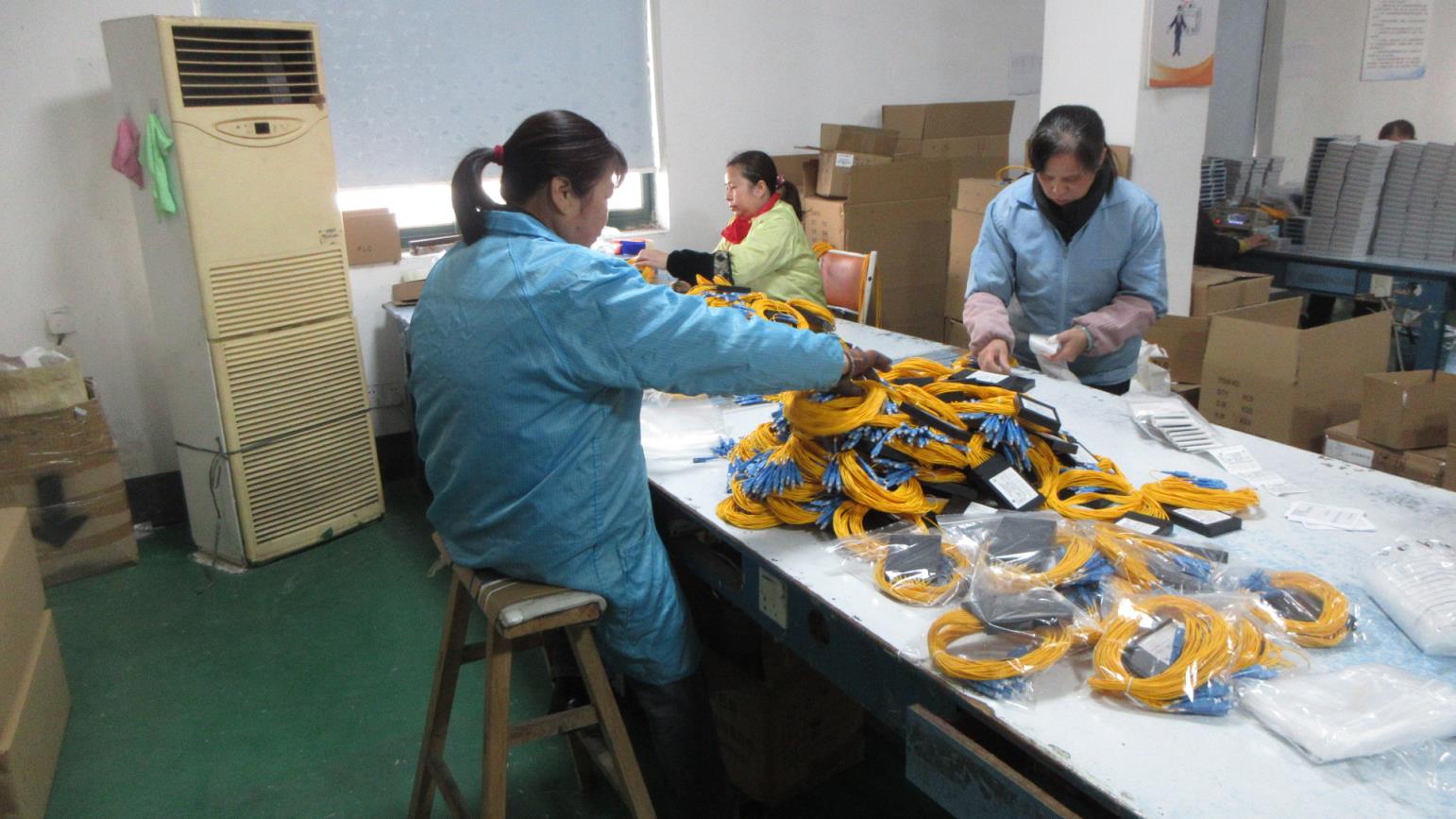
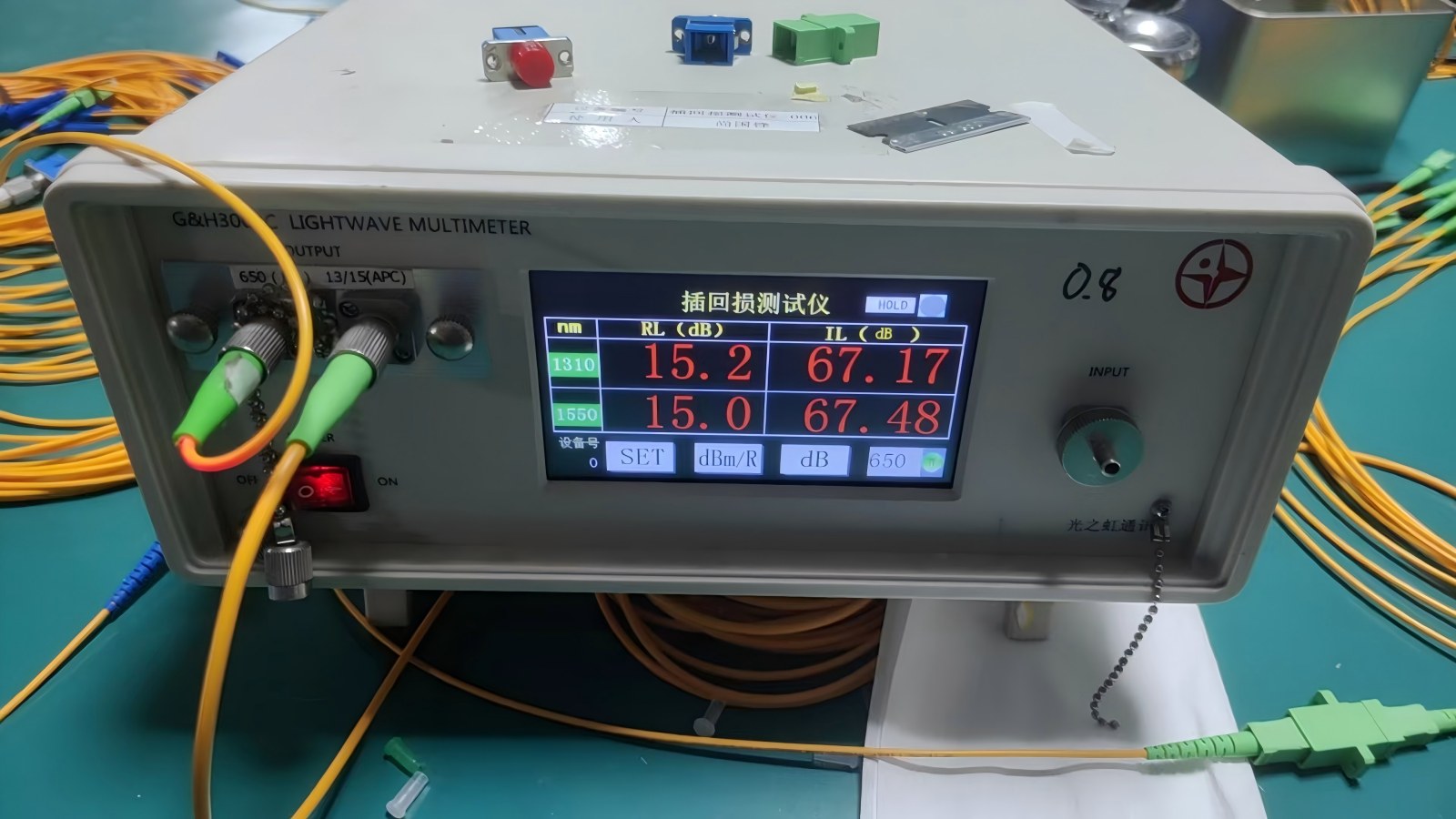
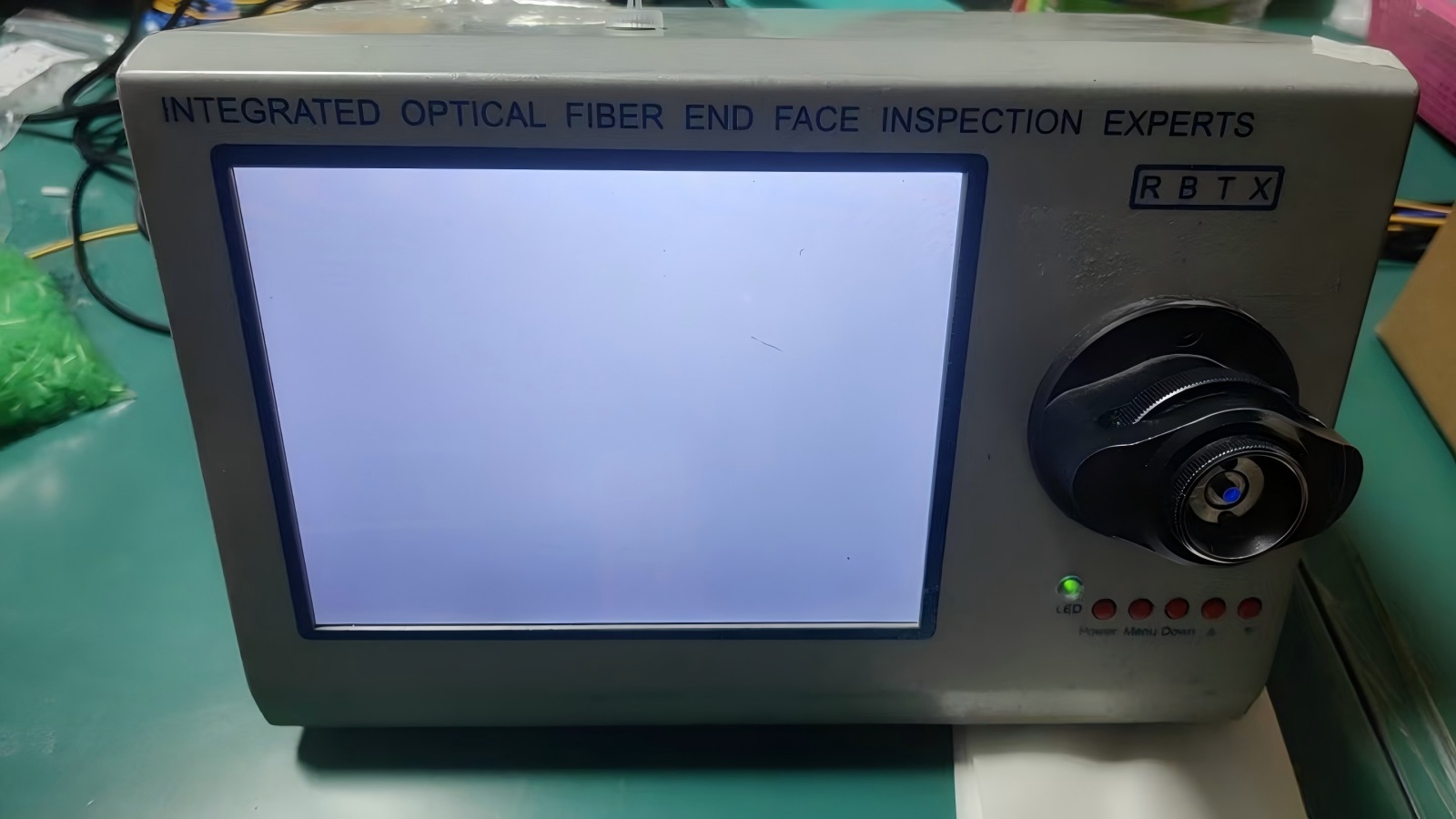
Quality is fundamental to our business. We operate a multi-stage quality control structure encompassing incoming material inspection (IQC), in-process quality control (IPQC), and 100% final product testing (FQC). Every 1x9 and SFP transceiver is tested using advanced optical performance and network analyzers to confirm standard-compliant operation.
Our Quality Assurance department employs 36 experienced inspectors who verify compliance with international standards for reliability, compatibility, and safety. This system maintains our low RMA rate and supports long-term partnerships in over 50 countries.
To meet the technical requirements of industrial system integrators, we offer complete OEM/ODM and customization services. This includes private labeling, custom firmware programming for compatibility with proprietary switches, custom packaging, and custom-tuned wavelengths (including BiDi configurations and CWDM grids).
Our engineering team regularly supports legacy network refurbishments, providing customized optical reaches and pin configurations designed for unique field deployments.
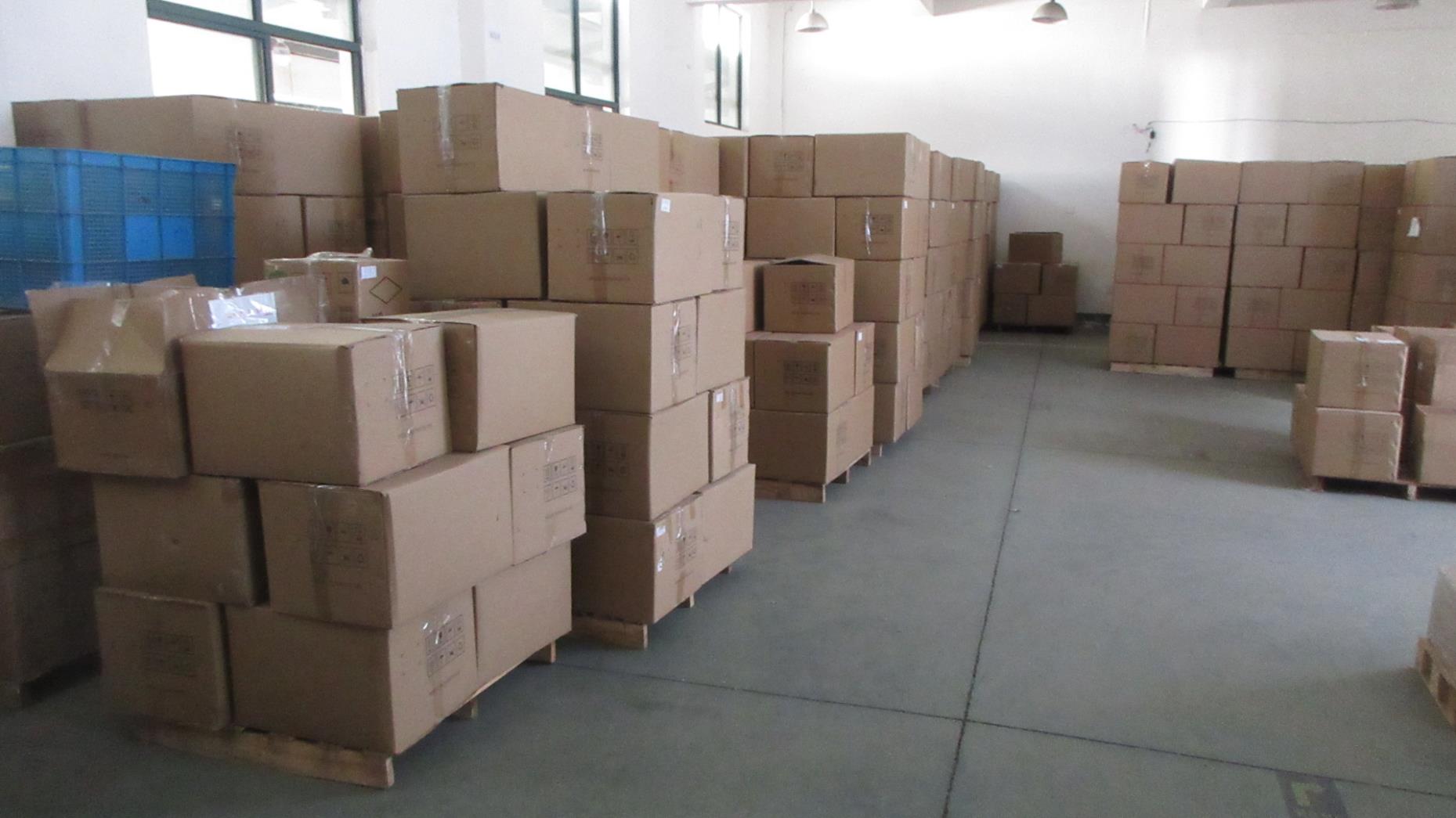
Operating out of Shenzhen, the global capital of electronics manufacturing, Equip-Link leverages an optimized supply chain and production facility to offer reliable and cost-effective optical modules.
By positioning our procurement operations in the Pearl River Delta, we maintain direct access to tier-one semiconductor suppliers, optical sub-assembly (OSA) builders, and high-precision injection molders. This raw material access ensures stable lead times and raw material quality control.
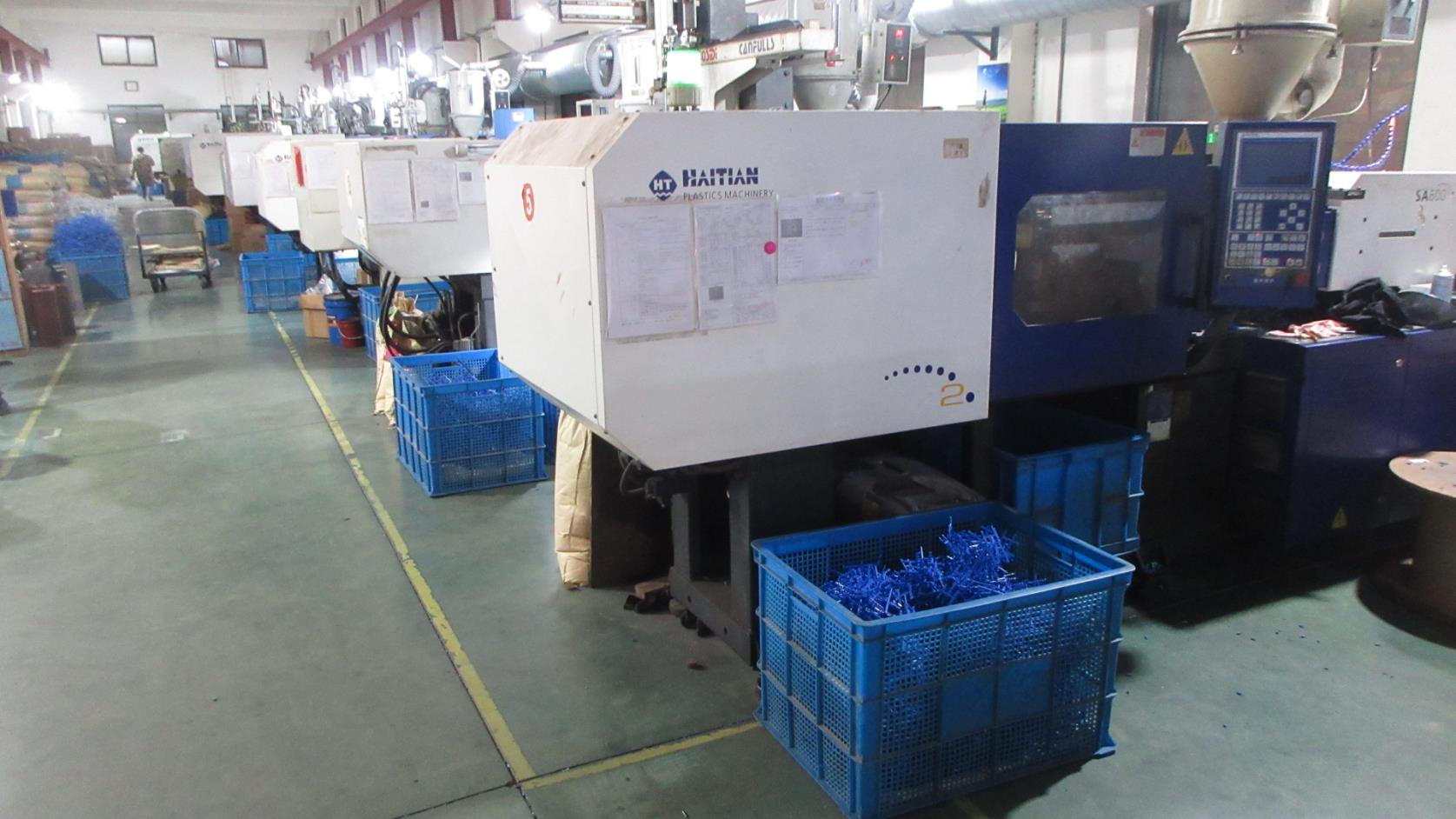
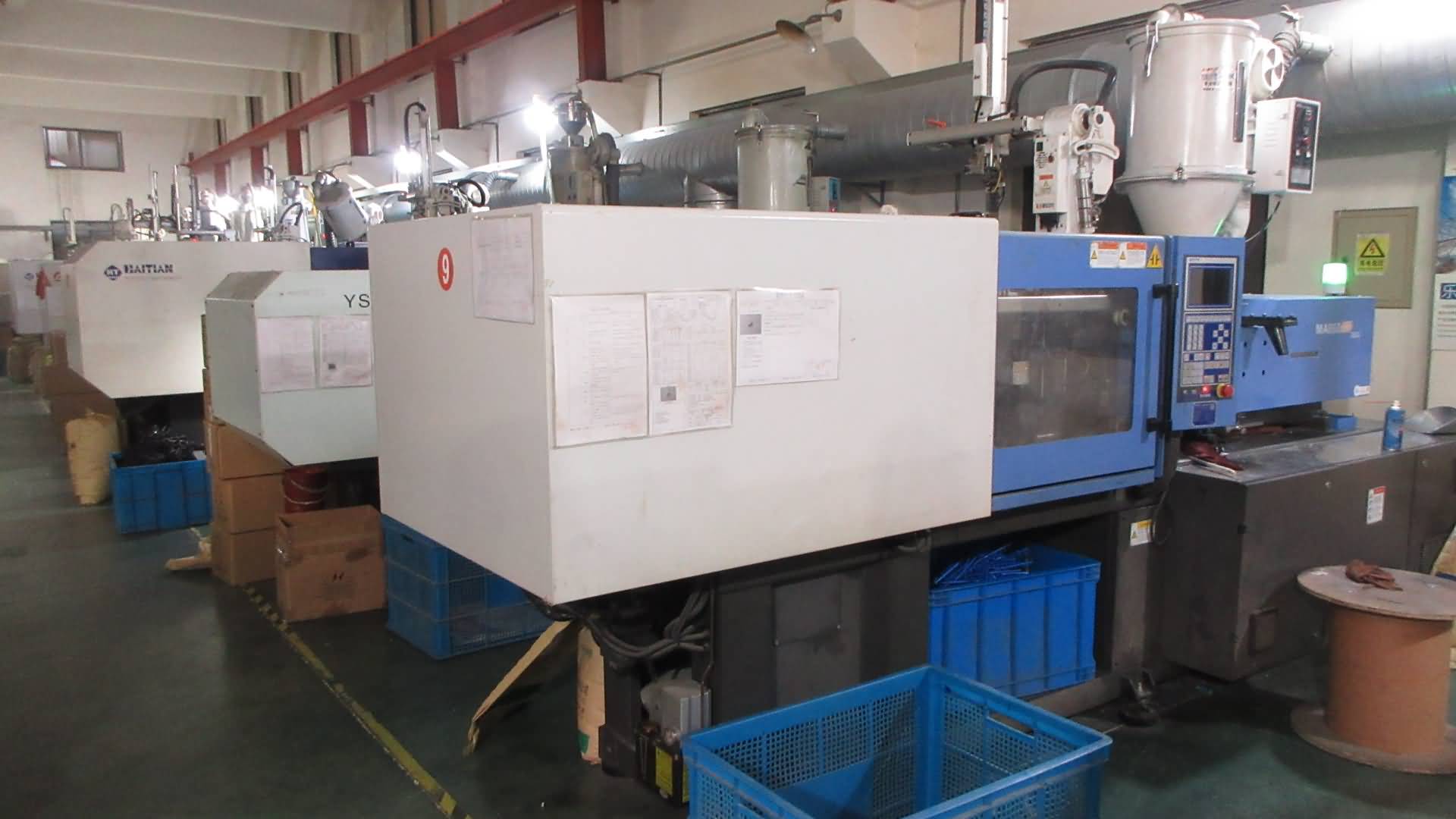
Equip-Link employs precision injection molding machinery to produce structural parts for our 1x9 transceivers and SFP metal housings. The mechanical tolerances are monitored to ensure perfect mating with SC, ST, FC, and LC connectors.
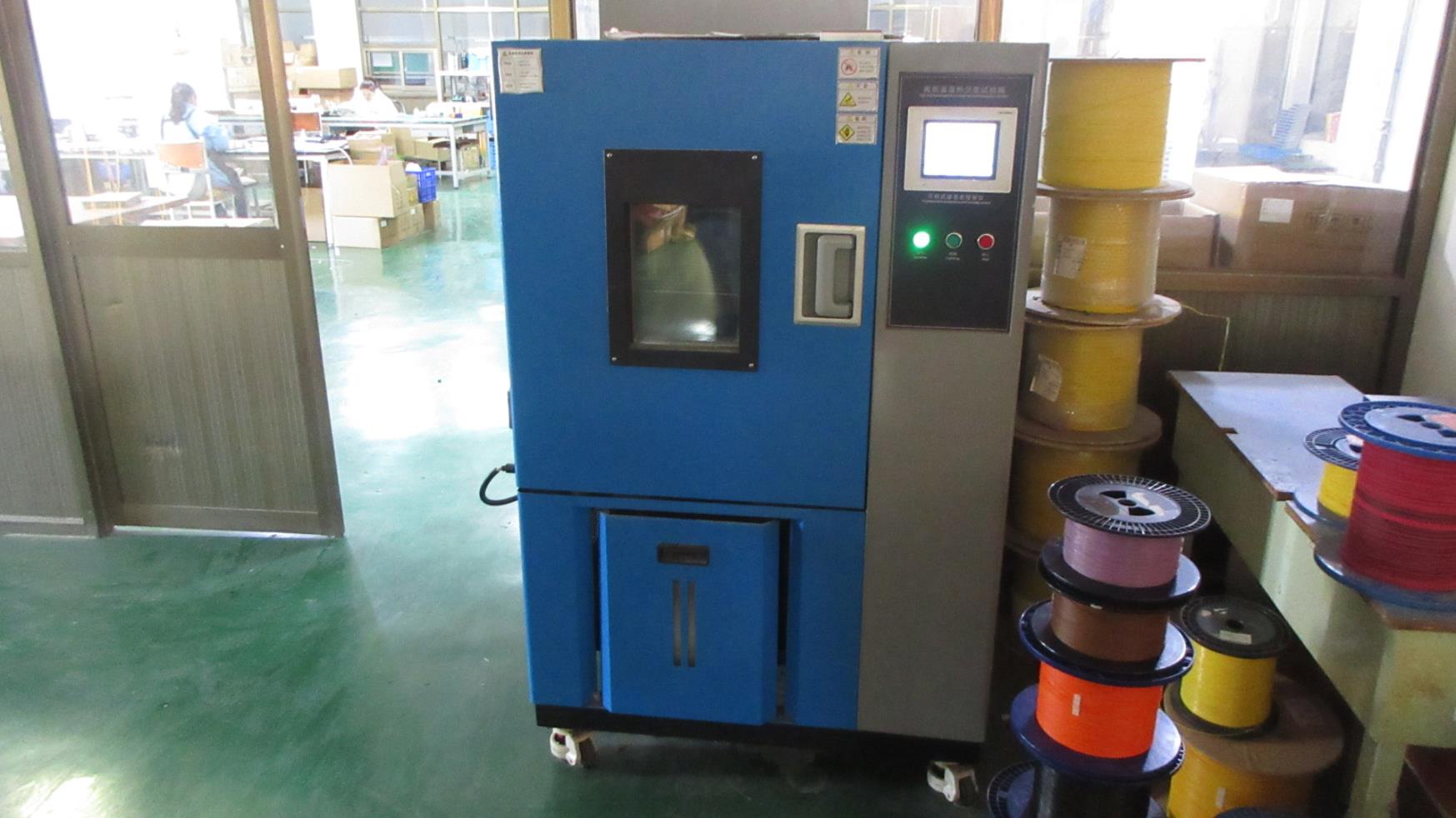
Environmental durability is checked through alternating high-and-low temperature damp heat tests. This ensures our industrial temperature-rated transceivers operate reliably in uncontrolled outdoor enclosures throughout Southern Ontario's seasons.

How Equip-Link’s 1x9 transceivers integrate into Toronto’s commercial, transit, and electrical utility ecosystems.
Urban railway networks utilize trackside signaling systems to control train movements. These systems require fiber connections to handle long runs without electrical interference. Equip-Link's 1x9 Single Mode transceivers link wayside control rooms over optical backbones, offering vibration immunity and wide thermal tolerances suitable for Southern Ontario's climate.
Water filtration and wastewater treatment facilities rely on SCADA systems to manage remote pumps, valves, and flow meters. These networks use legacy 1x9 optical links to bridge distance gaps between remote RTUs and the central control room. Single Mode 1x9 modules from Equip-Link supply the budget required for 20km+ runs without data drops.
Substation automation demands equipment that resists electromagnetic interference (EMI). Fiber optic links are used to prevent ground loops. Our 1x9 transceivers with ST or SC connectors are deployed in substation switchboards to ensure data integrity during surge events.
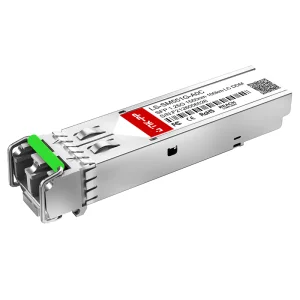
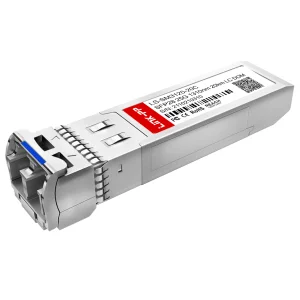
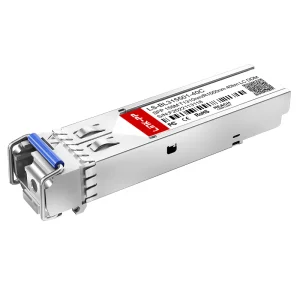
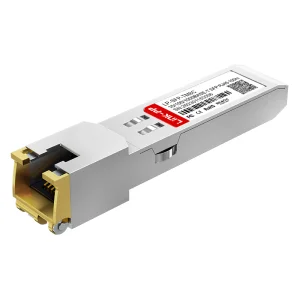
Explore our full line of multimode, single-mode, BiDi, and high-speed legacy transceivers configured for infrastructure and enterprise deployments.
Commercial network design favors the flexibility of hot-pluggable interfaces like SFPs. However, the physical plug-in connection introduces a potential point of failure due to mechanical wear and oxidation. 1x9 modules mitigate this risk by soldering the electrical leads directly to the PCB host board. The pins are configured in a single row of nine, providing robust grounding and signal path separation.
For operations in outdoor enclosures or vibrating heavy equipment environments, the mechanical stability of a soldered 1x9 module remains superior, minimizing maintenance costs and unexpected field failures.
Long-range links (over 40km) require careful power budget management. When using Single Mode fiber, the transmitter's launch power and receiver sensitivity must match to avoid signal degradation or receiver saturation. Equip-Link's 1x9 transceivers are configured with optical power metrics designed to maintain reliable link margins across variable conditions.
In BiDi (Bidirectional) configurations, a single optical core carries two wavelengths (e.g., 1310nm/1550nm or 1490nm/1550nm). This setup halves the fiber requirement, allowing operators to scale capacity on existing cable runs.
Technical insights, selection advice, and compatibility guides from Equip-Link's engineering team.
Whether you need legacy 1x9 drop-in replacements, high-temperature industrial modules, or high-density SFP/SFP28 transceivers, our engineering team can help. Contact Equip-Link for detailed technical support, product custom-coding, and volume pricing.