Equip-Link
Equip-Link
Equip-Link
Explore our premium product portfolio designed for high-density datacenters, advanced optical communication networks, and reliable industrial environments.
Analyzing high-speed signal integrity, physical shielding parameters, and structural demands in contemporary cloud architectures.
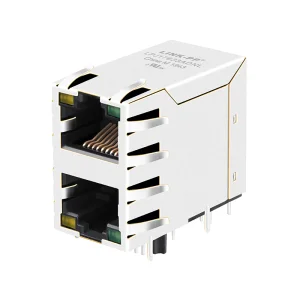
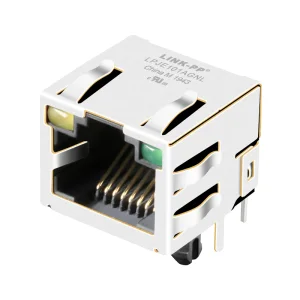
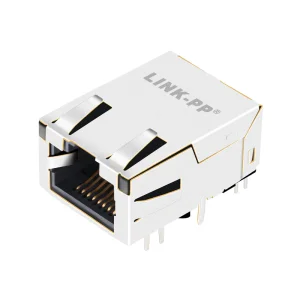
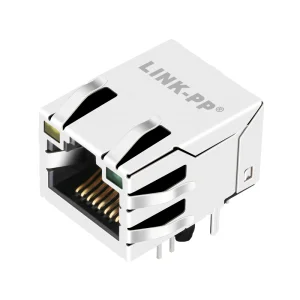
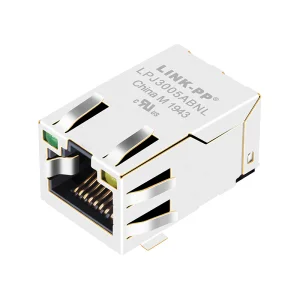
In modern telecommunication networks and cloud computing infrastructures, the physical layer interface plays a critical role in preserving signal metrics. The RJ45 Bridge Connector, also frequently designed as an Integrated Connector Module (ICM), acts as the primary hardware gate for copper-based Ethernet lines. With high-speed communication interfaces like Cat6a, Cat7, and Cat8 demanding data transmission rates up to 40 Gbps, connectors are no longer just basic copper pins. They are complicated electrical networks that need precision shielding, impedance balancing, and noise cancellation.
This whitepaper goes deep into the engineering realities behind these connectors. It explains why structural improvements are necessary to handle challenges like near-end crosstalk (NEXT), electromagnetic interference (EMI), and Power over Ethernet (PoE++) thermal issues. For global procurement teams, sourcing these components requires knowing the difference between simple modular jacks and high-performance, shielded RJ45 bridge connectors built for industrial use.
Ethernet connections are evolving rapidly to support high-density configurations and faster data throughput. While optical fiber is dominant in long-distance connections, copper remains crucial for short-reach applications, local area networks (LANs), and edge devices. The main driver of this copper connection trend is the deployment of multigigabit networks (2.5G/5G/10G Base-T) and Power over Ethernet (PoE) technologies.
Traditional RJ45 connectors operated at frequencies under 100 MHz. Modern Cat6a and Cat8 requirements push these frequencies to 500 MHz and 2000 MHz, necessitating tight control over contact pitch and geometry.
With IEEE 802.3bt Type 4 standard delivering up to 90W/99W of power over standard twisted pair cables, connectors must prevent contact damage from electrical arcing during mating and unmating under load.
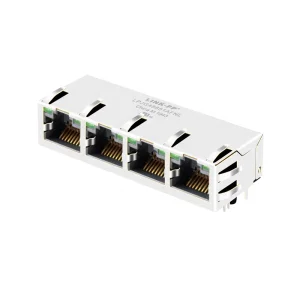
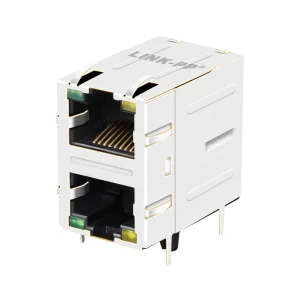
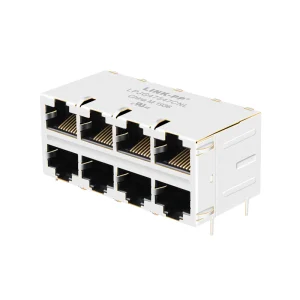
Enterprise switchboards require compact form factors. 2xN (e.g., 2x4, 2x8) stacked RJ45 connectors require internal shielding walls to prevent port-to-port crosstalk.
Global procurement teams in telecom and data center sectors face complex requirements when sourcing interconnects. Quality issues with lower-grade RJ45 components—such as poor gold-plating thickness or bad solderability—can cause network downtime that costs thousands of dollars per minute. Buyers must verify technical parameters against international engineering standards like IEC 60603-7 and FCC Part 68.
| Engineering Metric | Standard Specs (High Performance) | Testing Protocol / Notes |
|---|---|---|
| Gold Contact Plating | 50 micro-inches (50u") | Guarantees minimum 750 insertion/withdrawal cycles without degradation. |
| Flammability Rating | UL 94 V-0 | Ensures self-extinguishing plastic components under thermal stress. |
| Shielding Material | Copper Alloy with Nickel/Tin Plating | Minimizes external high-frequency EMI and ensures reliable chassis grounding. |
| Dielectric Withstanding | 1,000 V AC (minimum) | Prevents electrical arc-over between adjacent pins under high voltage. |
| Co-planarity (SMT) | 0.1mm maximum deviation | Critical for automated SMT placement, preventing dry solder joints. |
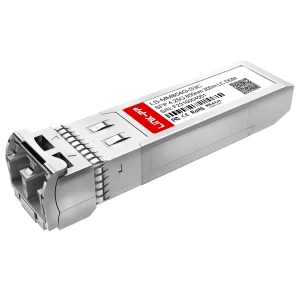
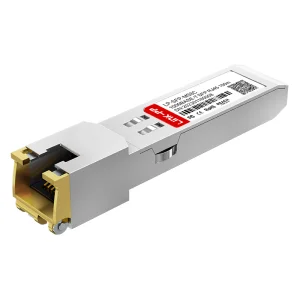
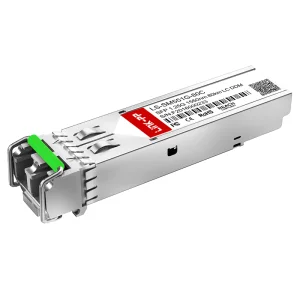
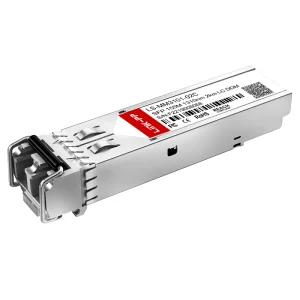
Enterprise deployments are rarely built on a single medium. High-capacity infrastructures require a hybrid deployment of copper RJ45 and optical transceiver solutions (like SFP, SFP+, and QSFP28 modules). While copper bridge connectors deliver Cost-effective, reliable short-range connections (e.g., inside server racks or between stacked switches), optical transceivers handle the high-speed distribution backbones and inter-facility links.
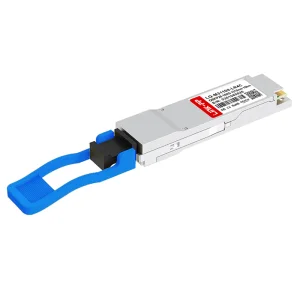
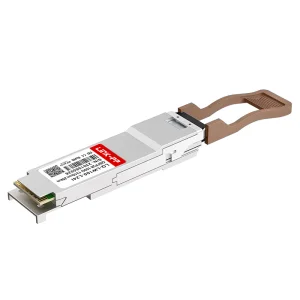
As a leading manufacturer, Equip-Link integrates these technologies. By supplying both high-frequency RJ45 connectors and advanced optical transceivers (such as our 100G QSFP28 modules), we provide network engineers with unified physical-layer components. This guarantees component compatibility and minimizes impedance variations across different media interfaces.
Founded in 2017 in Shenzhen, we design, develop, and distribute optical modules and copper connection interfaces globally.
Equip-Link Intelligent Equipment (Shenzhen) Co., Ltd. is a leading manufacturer of high-performance optical transceivers and fiber optic communication solutions. We provide high-quality optical modules for data centers, telecommunications networks, enterprise networking, cloud computing, and AI infrastructure. Our engineering team combines 14 years of industry expertise with 9 years of export experience, ensuring our products meet strict international compatibility and performance standards.
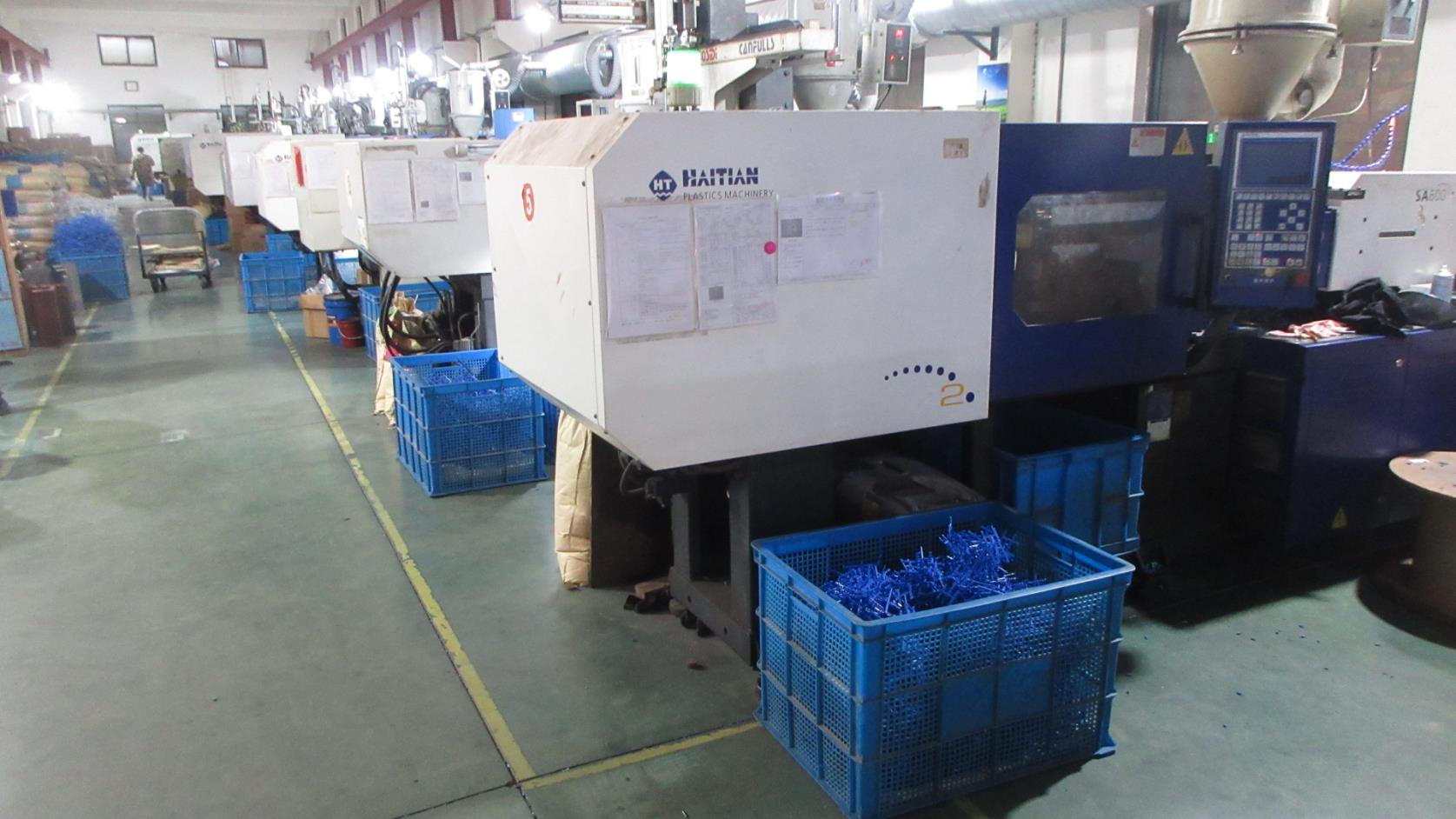
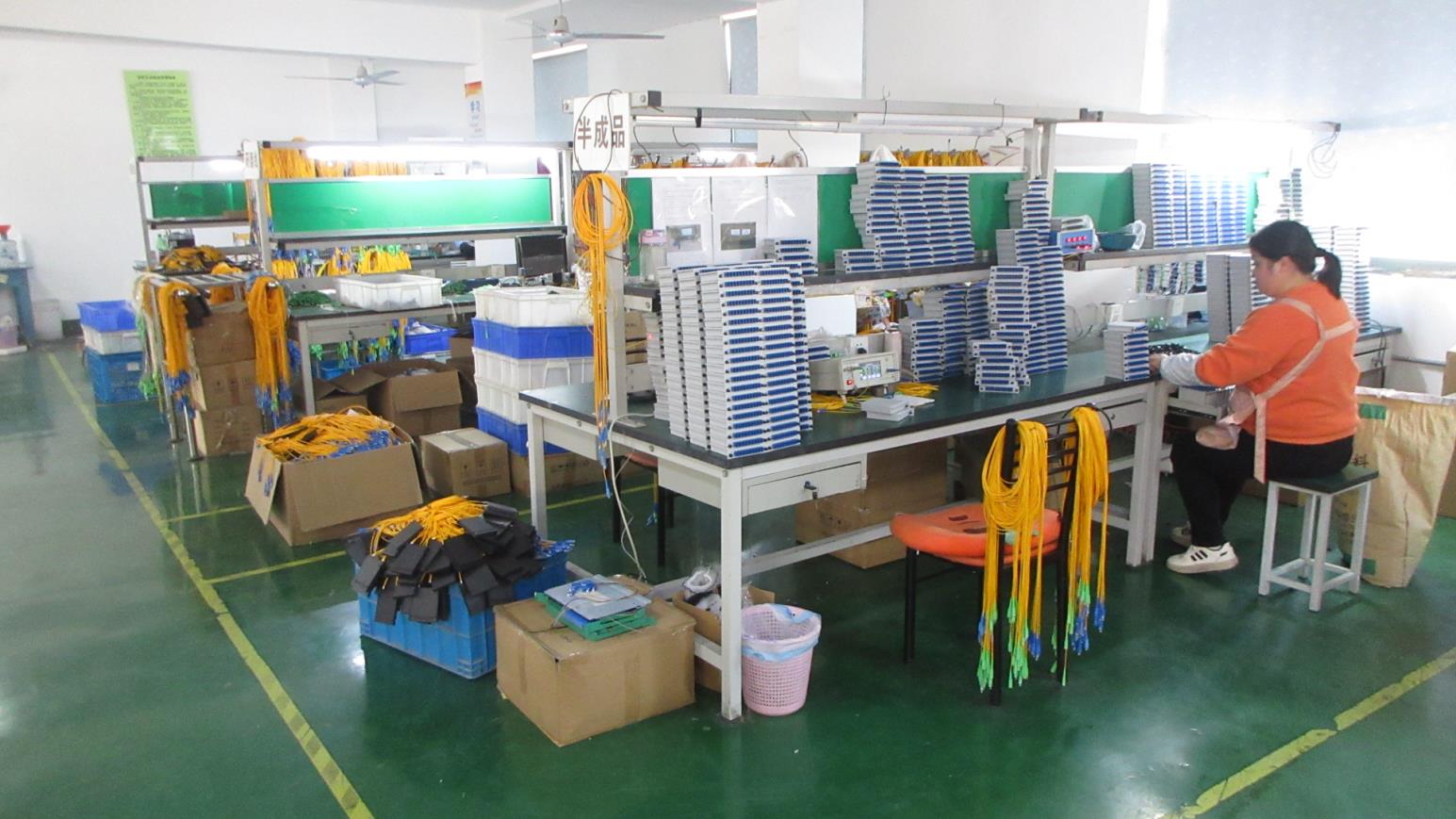
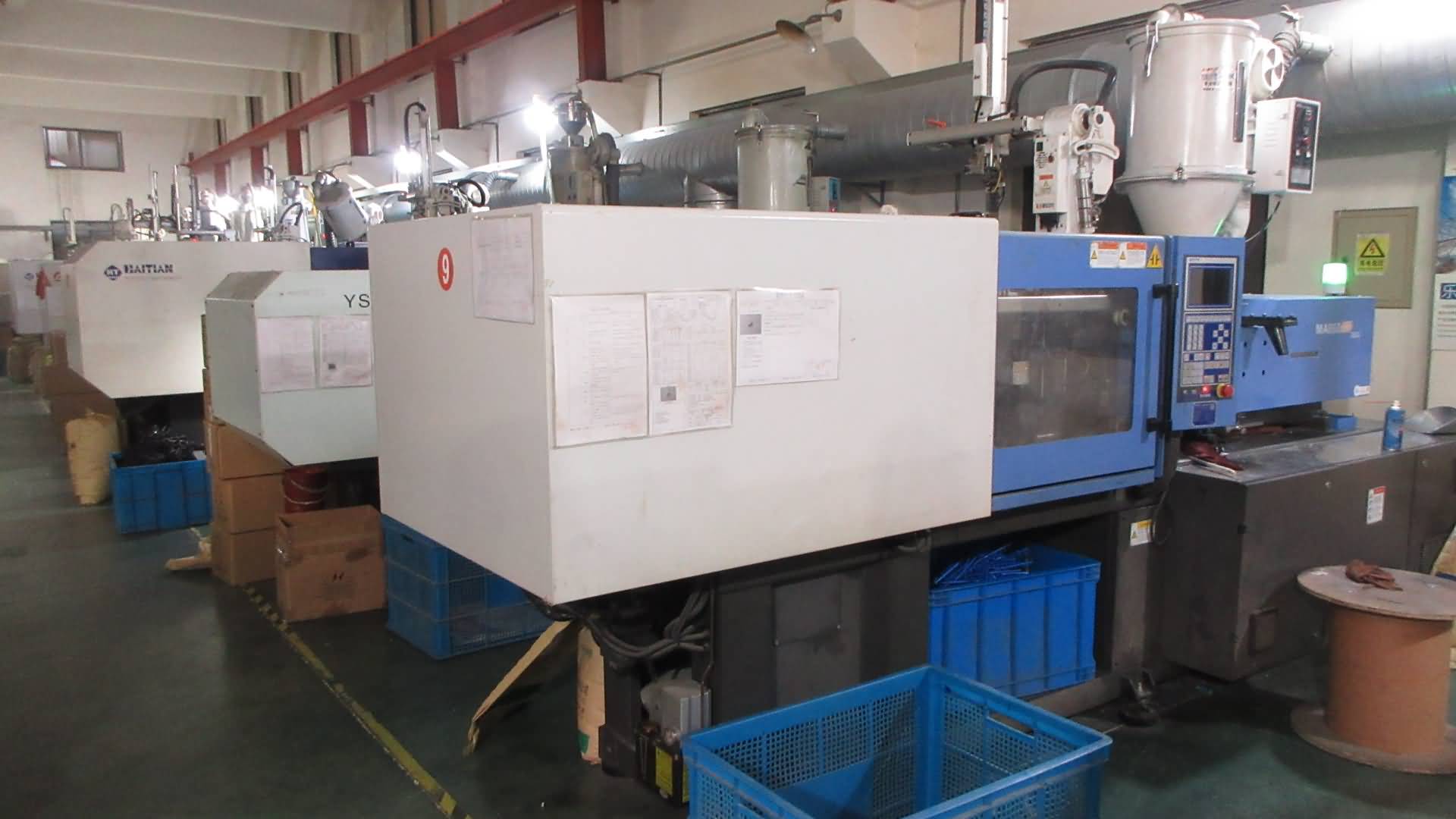
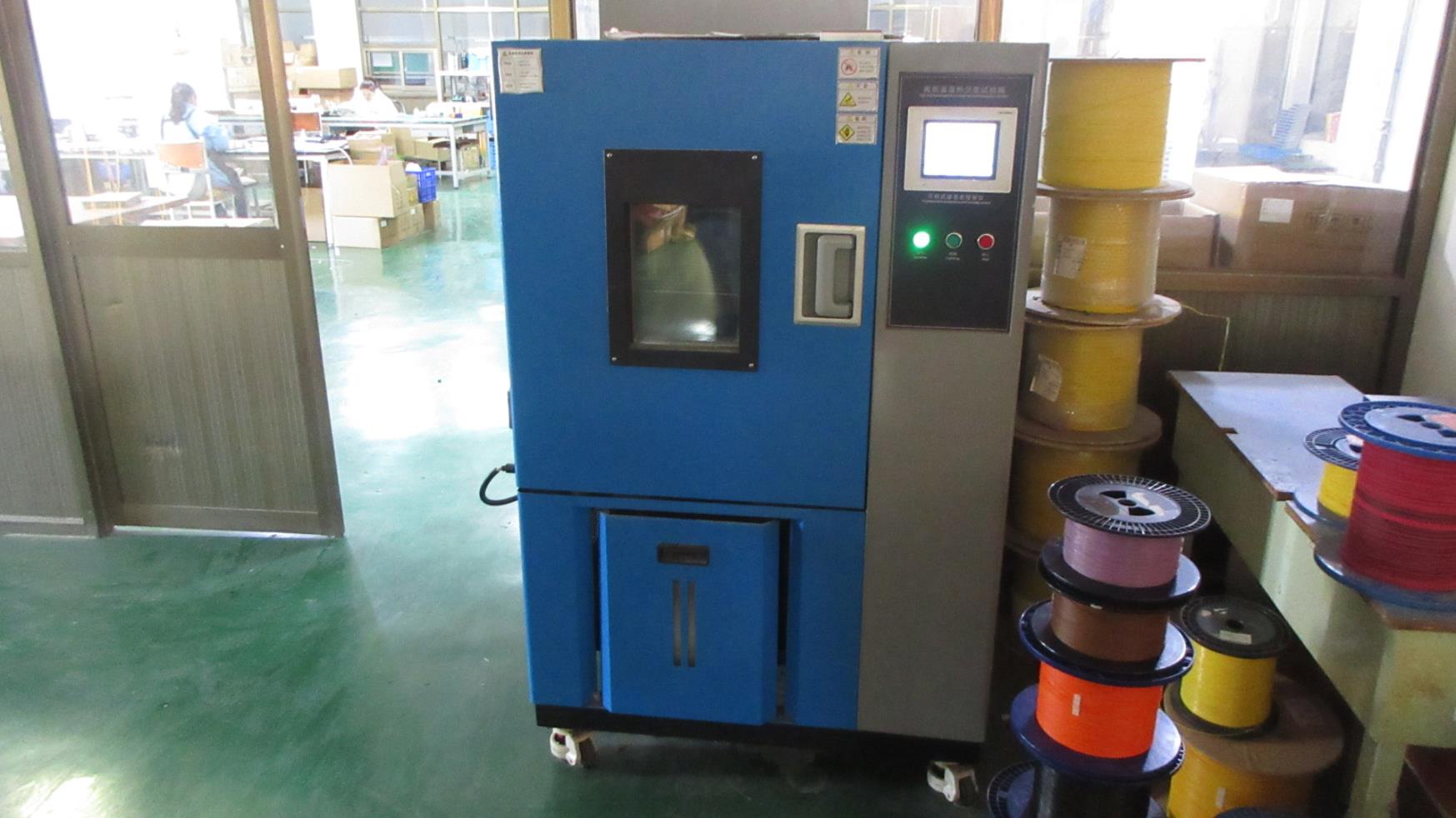
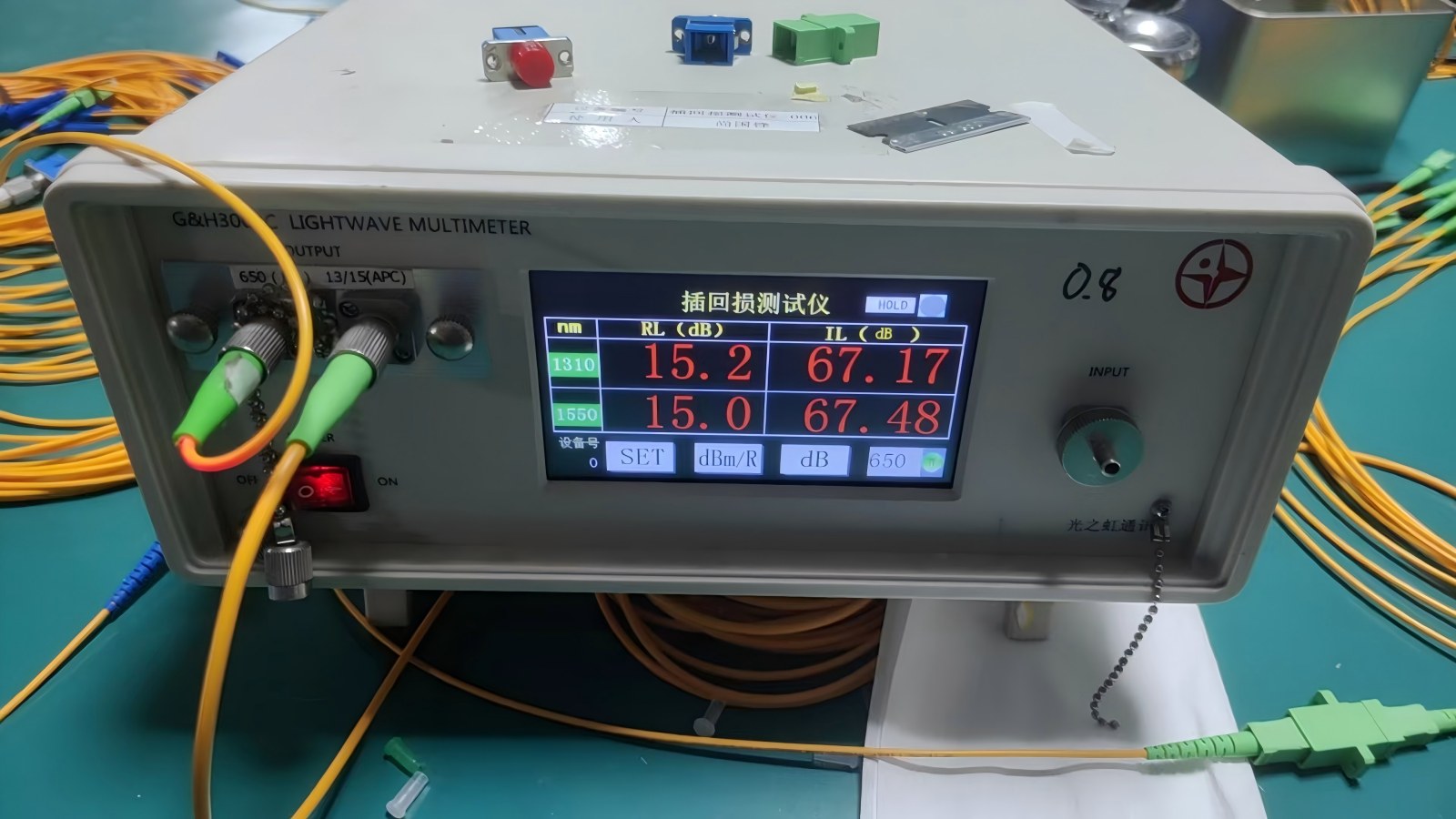
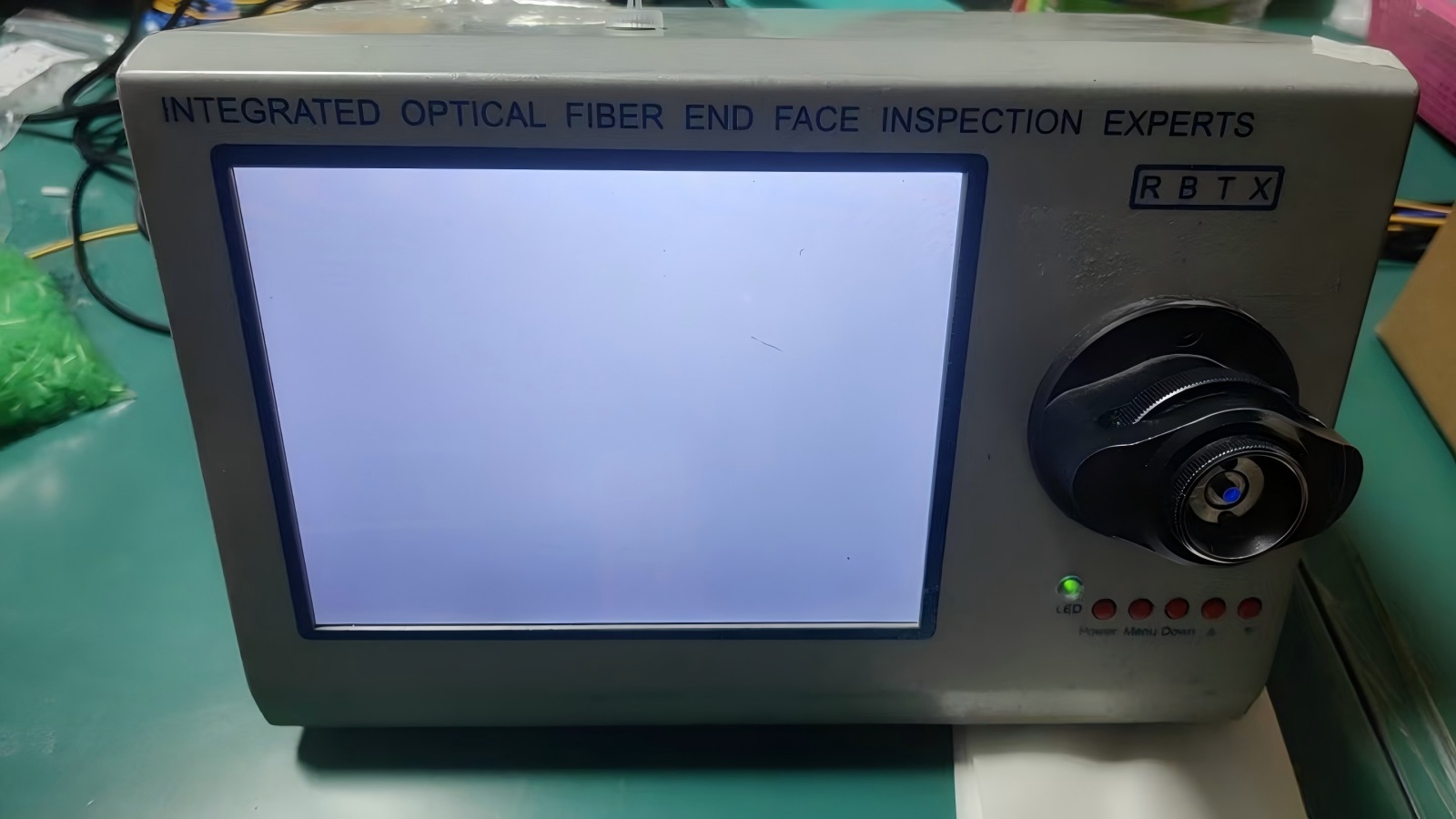
Our manufacturing facility in Shenzhen uses precise testing and production equipment to guarantee consistent quality. Every product undergoes strict testing with advanced optical and network performance analyzers. Our quality assurance team of 36 experienced inspectors monitors every phase of production, from raw material inspection through packaging to final shipping.
Annual Export Revenue
Years Industry Expertise
Professional R&D Engineers
Qualified Partners
Behind our robust connectivity solutions lies a state-of-the-art facility featuring automated injection molding, high-precision testing, and cleanroom assembly lines.



Aligning global environmental policies, localization requirements, and future R&D trends.
As standard RJ45 systems approach their theoretical limits, our R&D roadmap focuses on improving physical construction to prevent signal loss. Key areas include:
Modern connectivity hardware must comply with multiple international standards. For networks operating in North America, Europe, and Asia, meeting these guidelines ensures compliance, safety, and compatibility:
Global customers require custom engineering services. We offer complete OEM/ODM options to meet varied hardware requirements: custom housing designs, tailored PCB patterns, private labeling, specific EEPROM coding, and specialized bulk packaging. With active support centers in North America and Western Europe, Equip-Link coordinates design specifications and supports international integration projects.
Get answers to common queries regarding RJ45 connectors, SFP transceiver compatibility, and procurement standards.
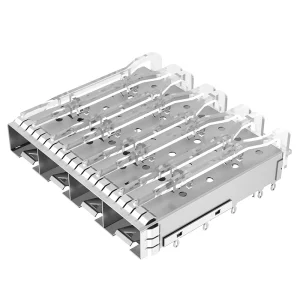
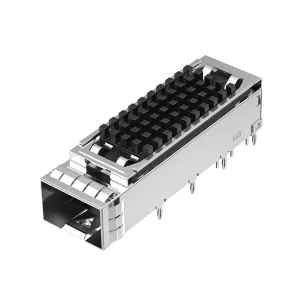
Complete your deployment specifications with our range of optical transceivers, modular jacks, and shielded enclosure cages.