Equip-Link
Equip-Link
Equip-Link
High-speed fiber optoelectronics and modular shielded copper interfaces engineered to prevent signal degradation and cross-talk.
In the era of hyper-scale computing, industrial automation, and the pervasive rollout of 5G and next-generation telecommunication networks, physical layer interconnects form the vital nervous system of global data exchange. The standard twisted pair connector, long recognized as a staple of Local Area Networks (LAN), has evolved dramatically. Today, it operates in electromagnetic environments that require advanced crosstalk mitigation, integrated magnetic shielding (Magjacks), and hybrid capabilities that accommodate high-power PoE (Power over Ethernet) alongside multi-gigabit data streams.
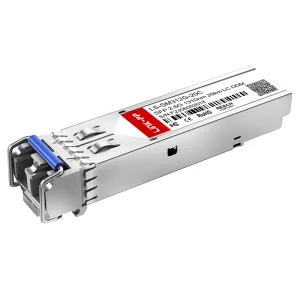
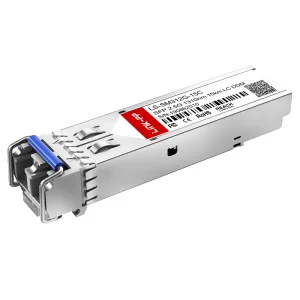
As a premier manufacturing hub, China serves as a critical supplier in the global electronics supply chain, bridging the gap between raw material optimization and high-frequency RF engineering. Modern operations demand twisted pair solutions that integrate seamlessly with high-speed fiber-optic links (such as SFP, SFP+, and 25G transceivers) to sustain structured cabling environments. From small-scale factory automation to cloud-scale data centers, selecting the right interconnect partner dictates long-term performance, signal integrity, and return-on-investment (ROI).
Modern smart factories integrate hundreds of sensors, robotic arms, and programmable logic controllers (PLCs). This dense deployment produces substantial electromagnetic interference (EMI). Shielded twisted pair connectors (such as Cat6A and Cat7 configurations with individual foil wraps and overall braids) prevent signal corruption, ensuring uninterrupted industrial control protocols.
Under the IEEE 802.3bt standard, PoE delivers up to 90W of power along with 10Gbps data over a single twisted pair line. This dual-purpose mechanism demands connectors featuring optimized copper contact profiles, thermal dissipation properties, and robust integrated transformer modules to handle DC bias currents without degrading high-frequency AC signals.
Founded in 2017, Equip-Link Intelligent Equipment (Shenzhen) Co., Ltd. is a leading manufacturer and supplier of high-performance optical transceivers and fiber optic communication solutions. We specialize in the design, development, production, and global distribution of optical modules for data centers, telecommunications networks, enterprise networking, cloud computing, and AI infrastructure applications.
Our modern manufacturing facility covers an area of 380 square meters and is equipped with advanced production and testing equipment to ensure consistent quality and reliable performance. With an annual export revenue exceeding USD 18 million, Equip-Link has established long-term partnerships with customers in more than 50 countries and regions worldwide. With 9 years of export experience and 14 years of industry expertise, our team understands the evolving demands of global communication networks and delivers products that meet international standards for performance, compatibility, and reliability.
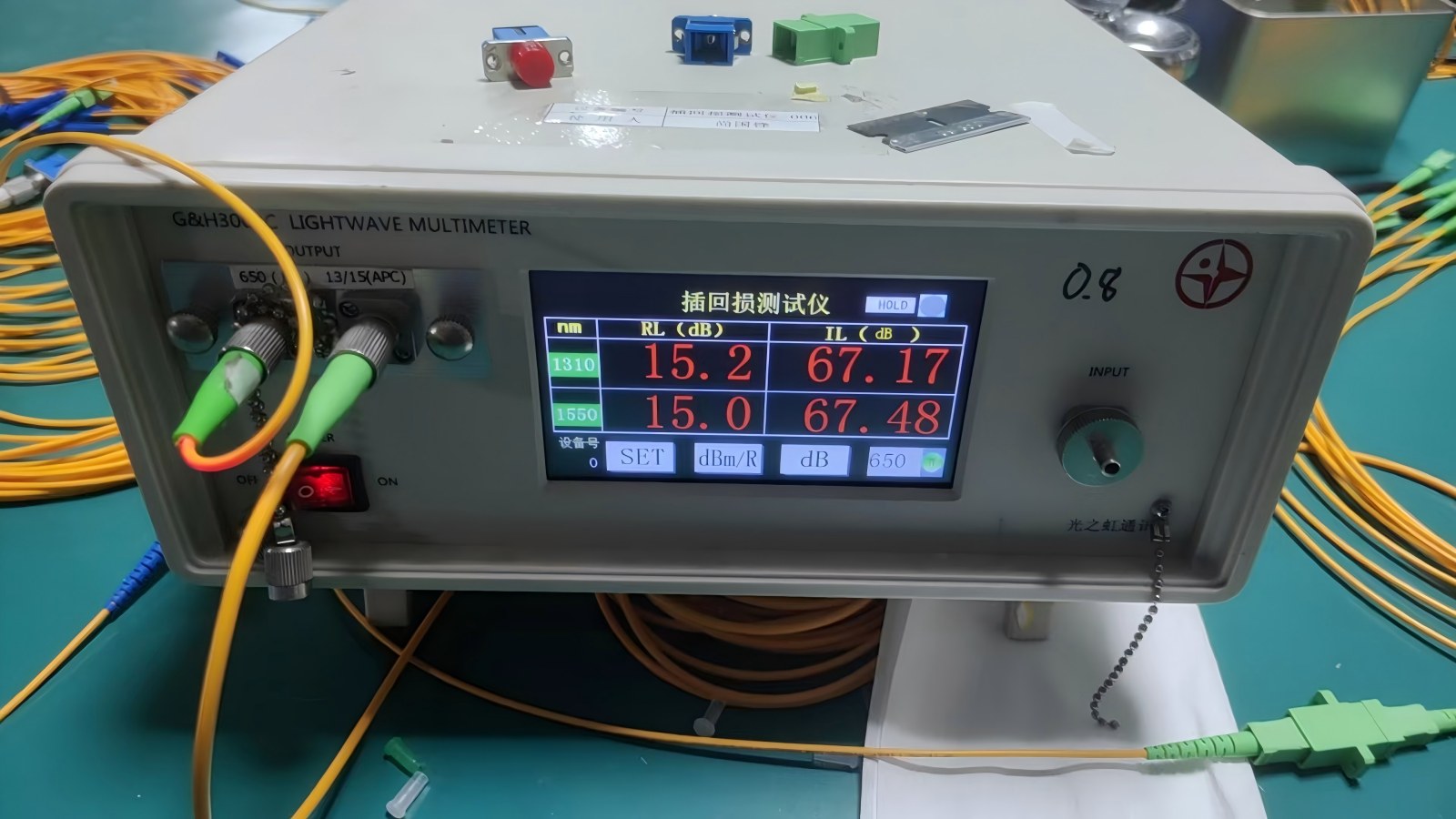
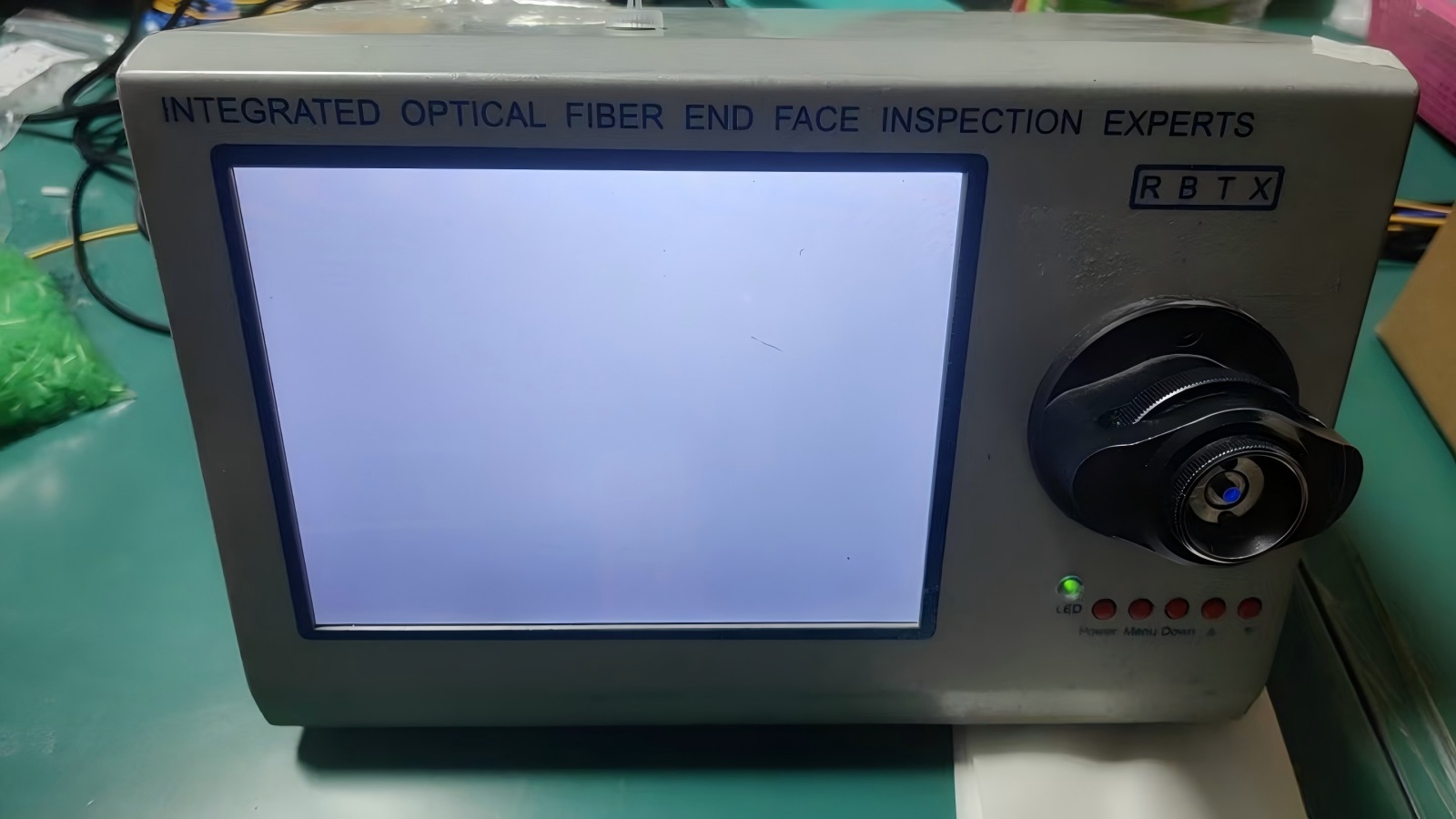
Quality is at the core of everything we do. We implement a comprehensive quality management system supported by incoming material inspection, in-process quality control, and final product testing. Every product undergoes rigorous testing using advanced optical and network performance analyzers before shipment. Our dedicated quality assurance team consists of 36 experienced inspectors who ensure that every product meets customer requirements and industry specifications.
As a company with a strong manufacturer and exporter background, we primarily serve customers across North America, Europe, Southeast Asia, the Middle East, and South America. Our major customer groups include telecommunication operators, data center providers, network equipment distributors, system integrators, cloud service providers, and OEM/ODM brands. To support diverse market needs, Equip-Link offers flexible customization services, including private labeling, custom firmware programming, compatibility coding, packaging customization, and OEM/ODM manufacturing.
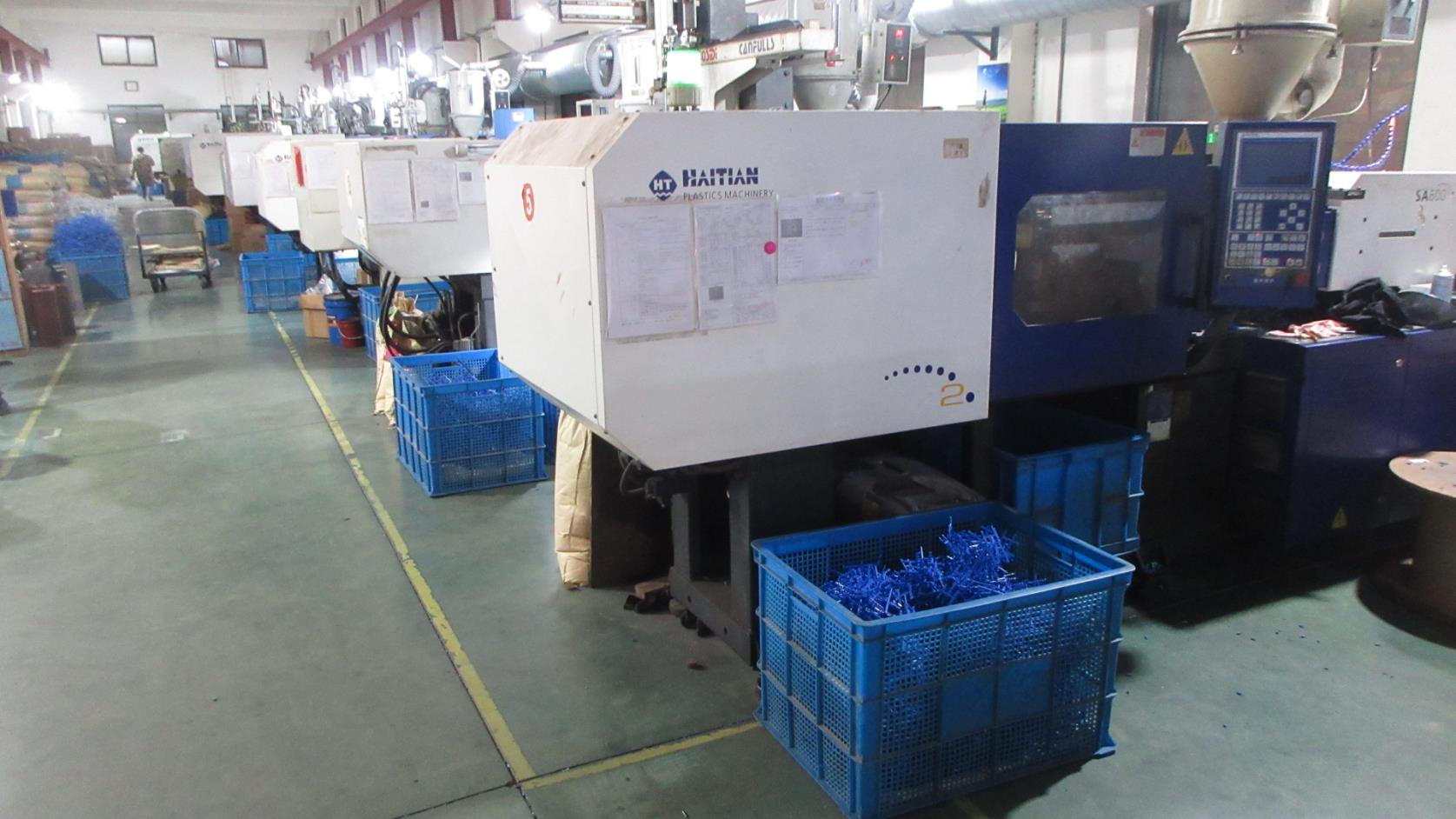
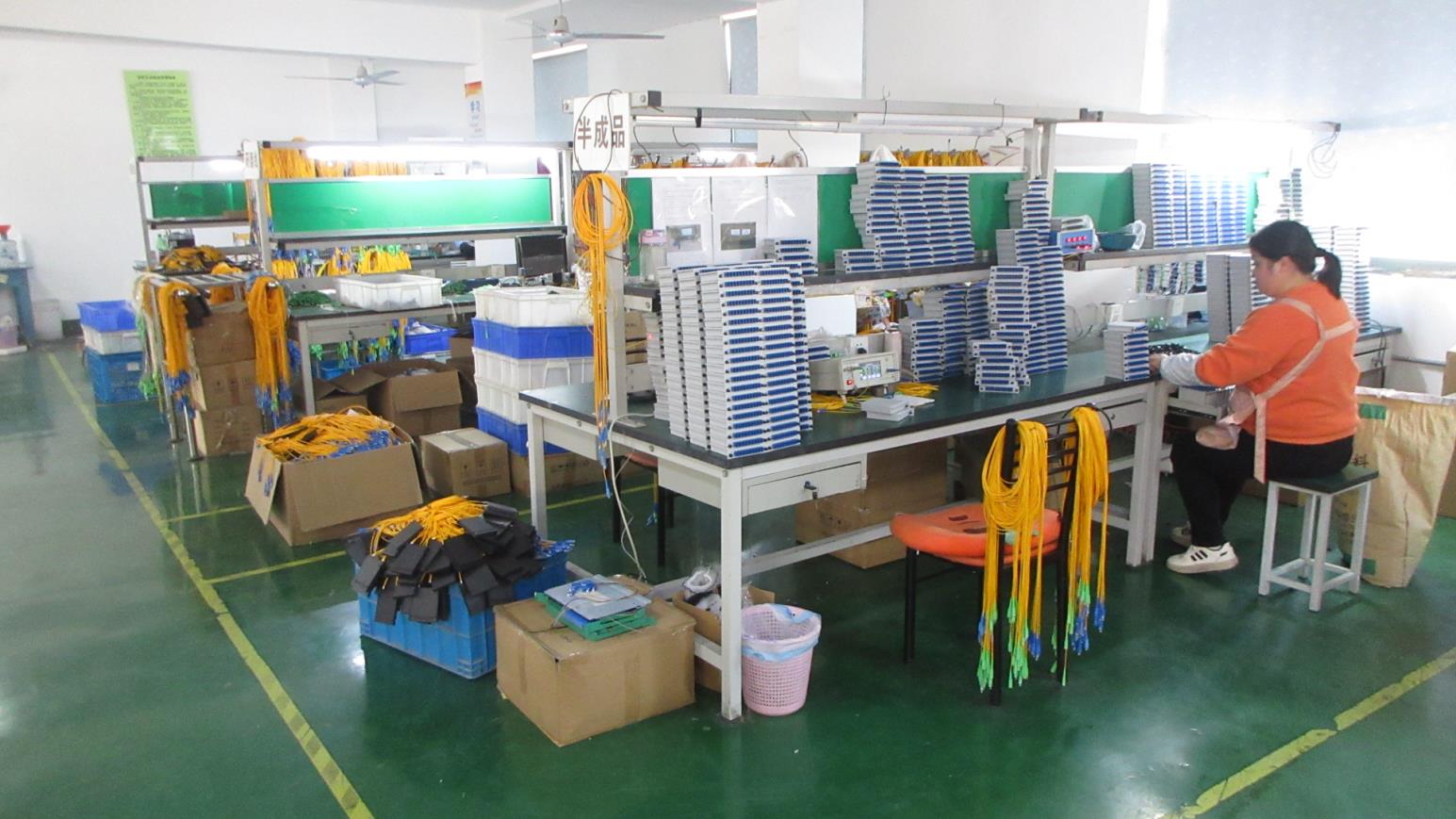
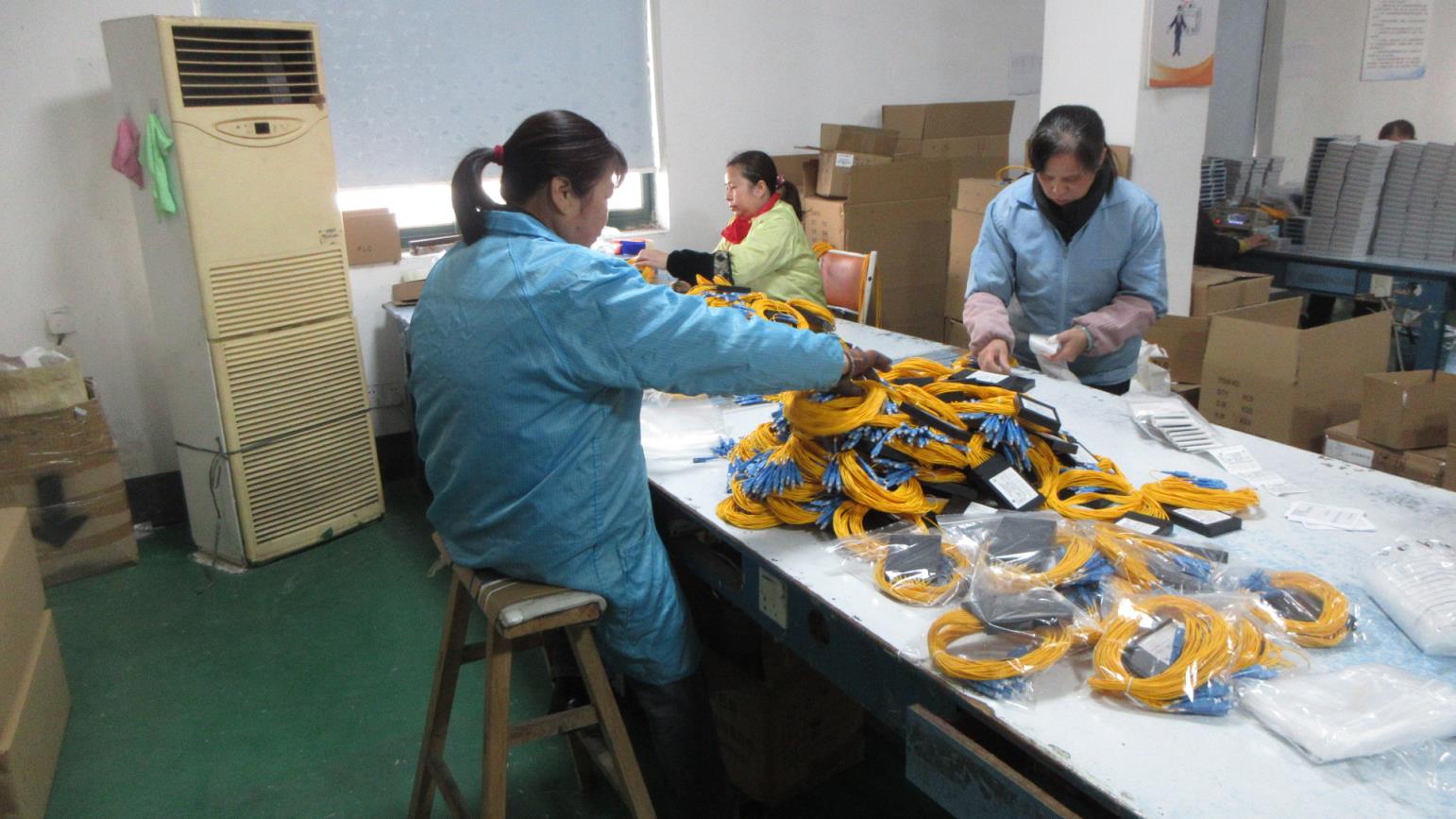
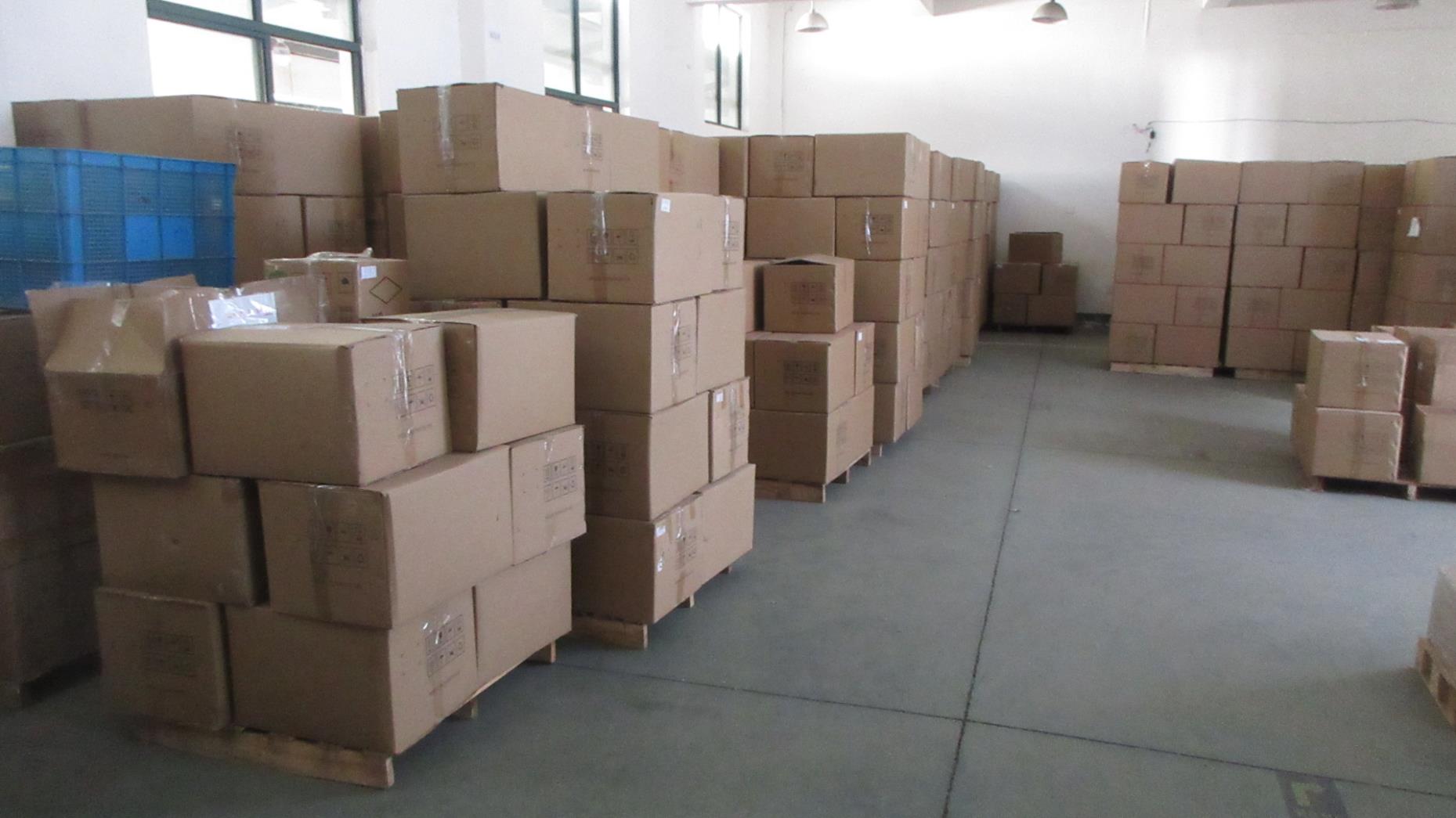
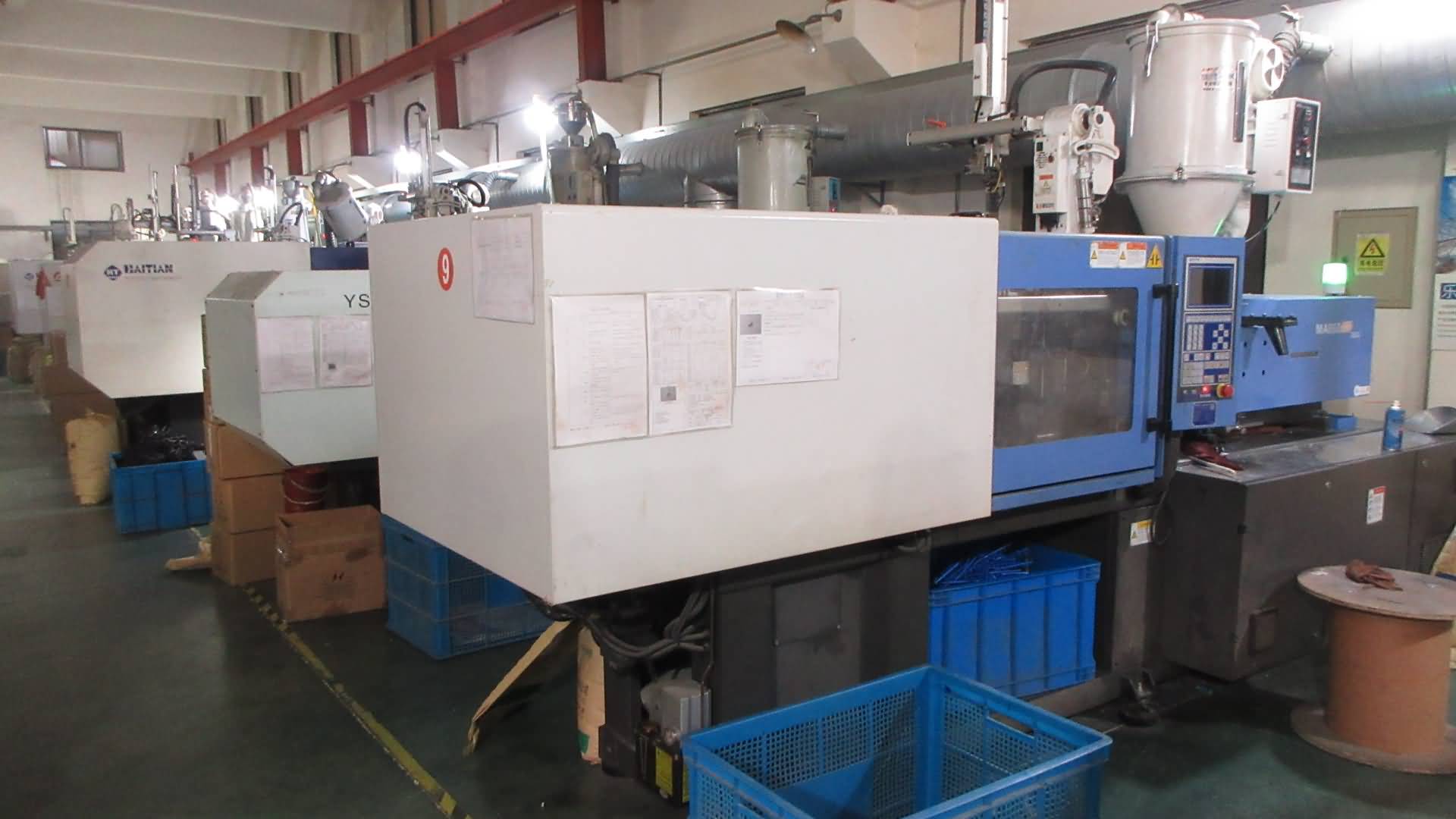
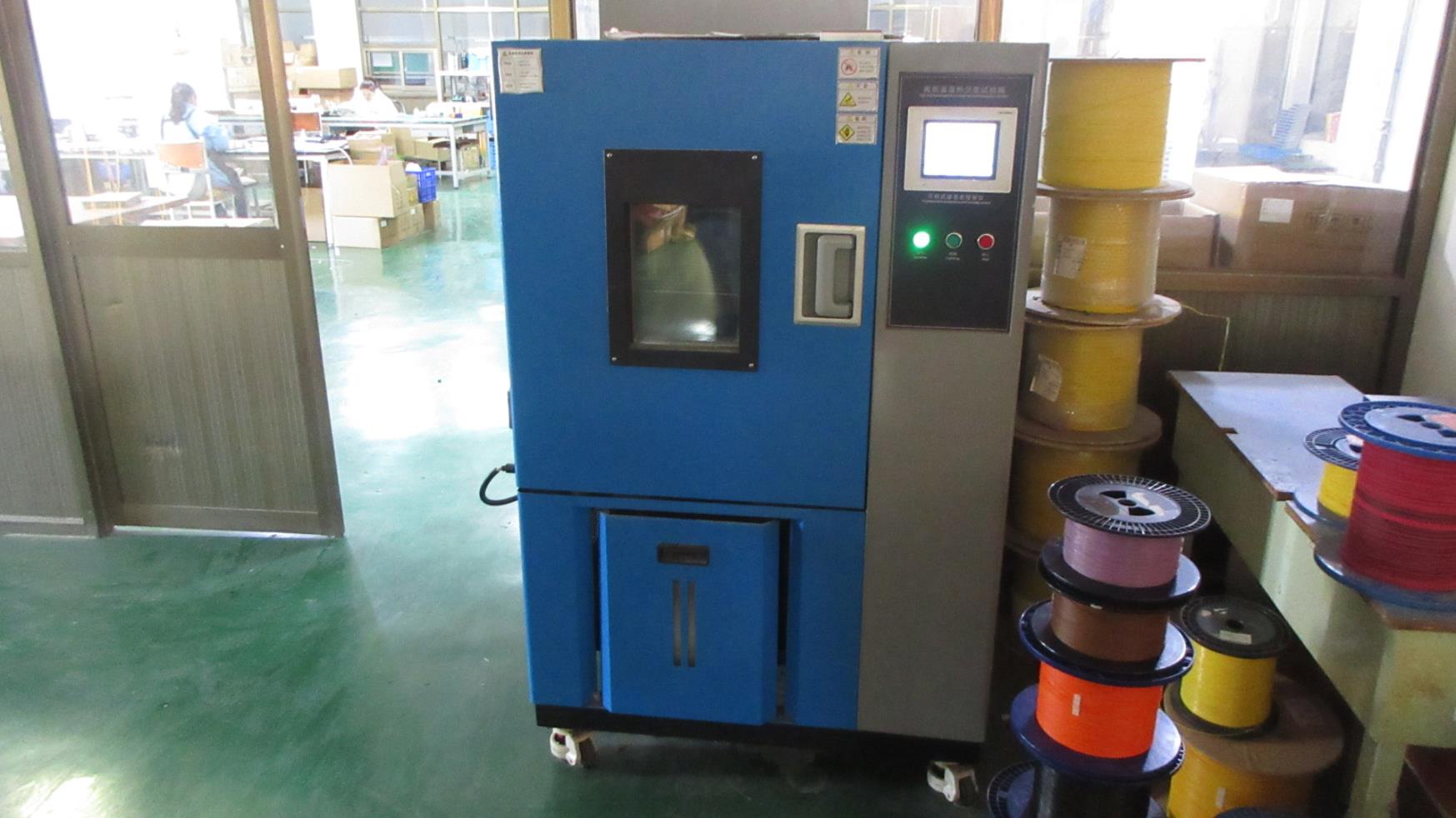
We orchestrate a tightly controlled operational lifecycle to ensure that our physical components and optical modules sustain nominal insertion loss profiles and long-term functional stability. Our physical production processes include precision injection molding, advanced mechanical assembly, and rigorous climate chamber stress tests.

As ethernet speeds move past the 10G limit over copper cabling toward 25G and 40GBase-T, physical constraints dictate design updates. High-frequency copper transmission is limited by skin effect and dielectric loss. Consequently, current research focus highlights hybrid structural designs that consolidate copper-to-fiber media conversion directly inside the connector interface, as well as the optimization of integrated magnetics (Magjacks).
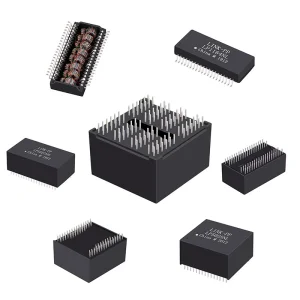
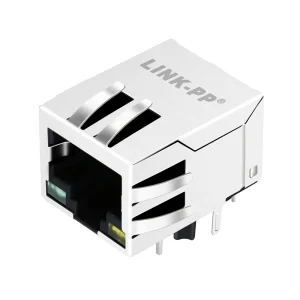
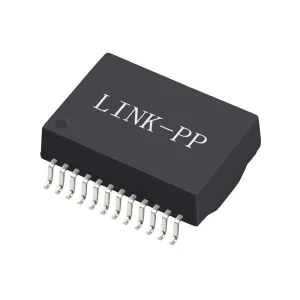
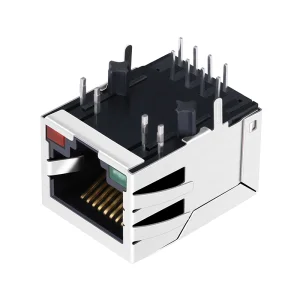
Developing RJ45 modules with enhanced built-in passive filter elements to support IEEE 802.3bt PoE specifications. These modules suppress industrial EMI without raising the connector profile, protecting logic circuits from voltage surges.
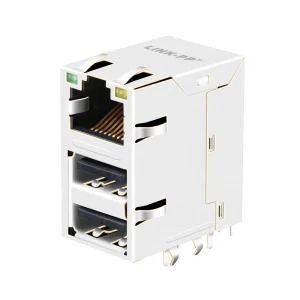
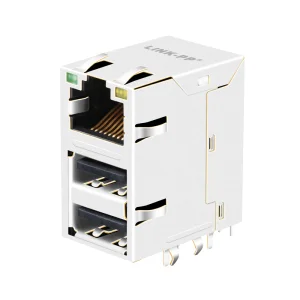
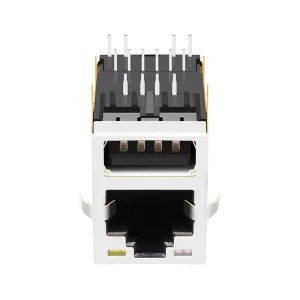
Innovating low-profile, vertically oriented SMT mounts and stacked dual-row USB/RJ45 hybrid ports. These designs optimize board space, minimize parasitics, and support automated high-speed Pick-and-Place assembly lines.
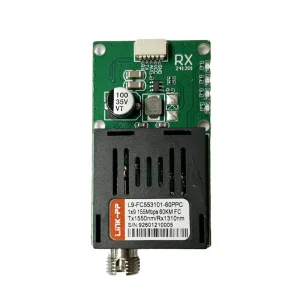
Engineering convergence products where transceivers and physical interfaces run on shared substrates, helping to transition long-distance enterprise networks from traditional copper paths to multi-mode and single-mode optical fibers.
Different deployment environments demand unique engineering choices. Rather than relying on a generic product catalog, Equip-Link delivers structured solutions customized for specific industrial sectors:
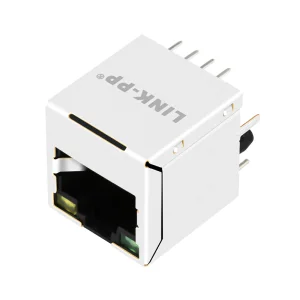
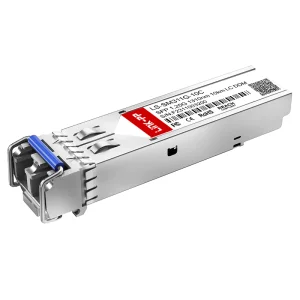
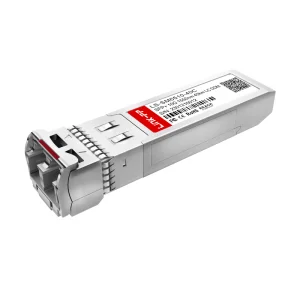
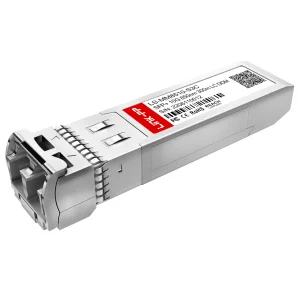
Data centers leverage SFP+ and high-speed transceivers for long-haul routing, alongside vertical shielded RJ45 ports for patch panel configurations. Our 2.5G and 10G optical modules ensure stable, low-latency interconnection across top-of-rack (ToR) switch clusters.
Automotive and industrial production lines subject connectors to mechanical vibration and wide temperature swings. We utilize high-temperature alternating chambers to test our copper and optical modules, guaranteeing reliable operations from -40°C up to +85°C.
Providing reliable Gigabit/10G Ethernet paths throughout campus networks requires robust RJ45 and USB hybrid connectors. Our products feature integrated magnetics (Magjacks) to deliver stable signal pathways, shielding sensitive end-user devices from noise.
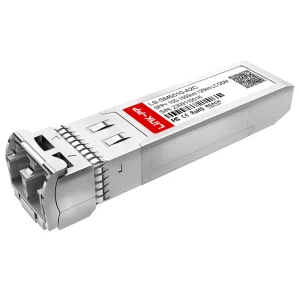
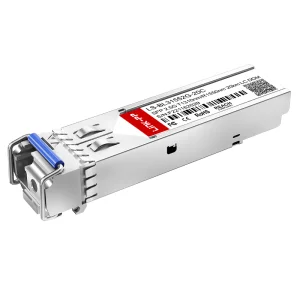
Carriers need reliable optical transceivers for metropolitan networks. Equip-Link provides single-mode BiDi and duplex LC optical modules rated for distances up to 120km, supporting carrier-class uptime and reliable transmission.
Review our engineering answers regarding signal integrity, component customization, compatibility standards, and optical deployment challenges.
High-speed interconnects engineered to maintain signal integrity across telecom, cloud networks, and demanding industrial environments.