Equip-Link
Equip-Link
Equip-Link
Reliable components designed for enterprise datacenters, communication facilities, and custom applications.
As corporate IT ecosystems rapidly scale towards high-density architectures, bridging legacy ethernet networks and modern optical backbones presents a unique set of challenges. The deployment of high-fidelity RJ45 to Ethernet adapters, transceivers, and interface convertors remains a cornerstone in modern connectivity. From commercial smart offices to automated factory floors, the physical layers of transmission must balance signal density, noise isolation, and mechanical longevity.
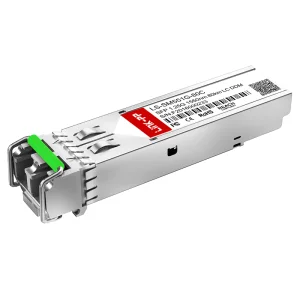
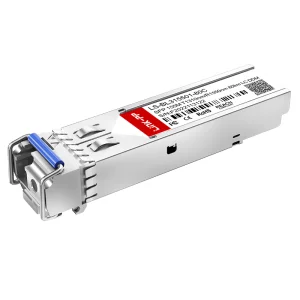
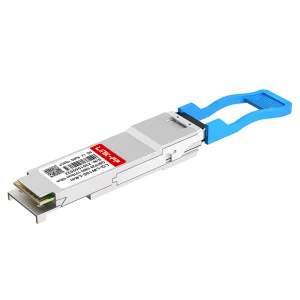
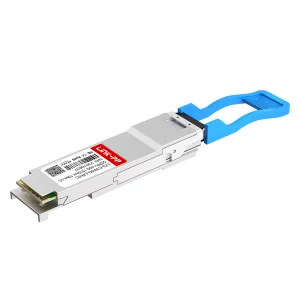
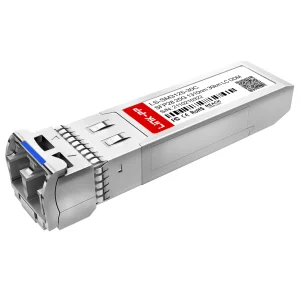
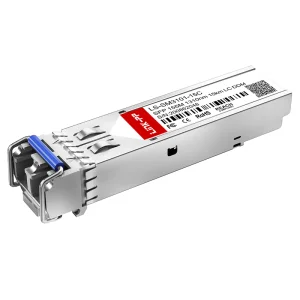
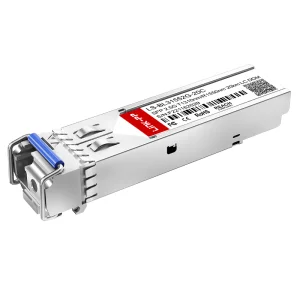
Historically, local area networking was dominated by standard copper-to-copper lines. Today, the rise of cloud computing, massive AI datasets, and edge intelligence demands hybrid fiber-optic and copper networks. Our expert OEM/ODM designs address this exact necessity: allowing high-speed networking gear with SFP, SFP+, or QSFP ports to interface seamlessly with traditional RJ45 copper ports. This saves enterprise buyers the cost of massive rewiring, giving them the agility to scale bandwidth up to 10G or 100G without abandoning existing structural assets.
Global sourcing managers for network distributors, telecom operators, and system integrators face high pressure when specifying RJ45 converters and integrated LAN magnetic components. One component failure in a data center or telecom hub can trigger severe down-time. Our products address these requirements directly. We ensure strict adherence to Multi-Source Agreements (MSA) and international shielding specifications to eliminate cross-talk and electromagnetic interference (EMI) at the physical level.
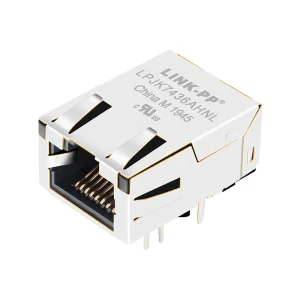
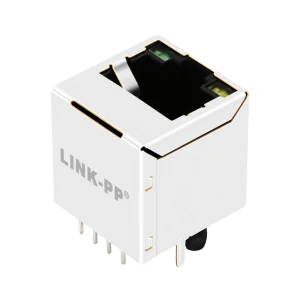
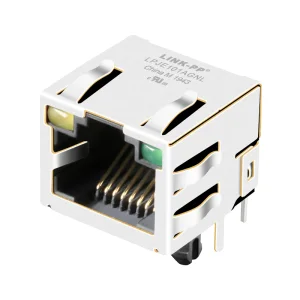
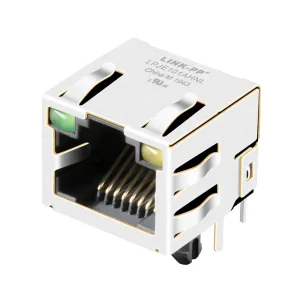
Every RJ45 connector and LAN filter features premium metal shielding housings, minimizing external signal noise and cross-talk in dense industrial or server layouts.
Our firmware customization services ensure plug-and-play compatibility with global switch manufacturers, eliminating vendor lock-in and high-margin markups.
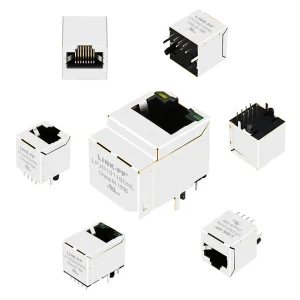
Designed to withstand harsh environments, our vertical, tab-up, and low-profile components are optimized for extreme operating temperatures (-40°C to +85°C).
As AI applications, data center scaling, and 5G base stations drive demands for low-power yet high-density network cards, our engineers focus on structural thermal layouts and micro-magnetic engineering. By integrating magnetic transformers directly into our RJ45 connectors (Magjacks), we reduce printed circuit board (PCB) footprint, allowing clients to pack more channels into smaller industrial chassis.
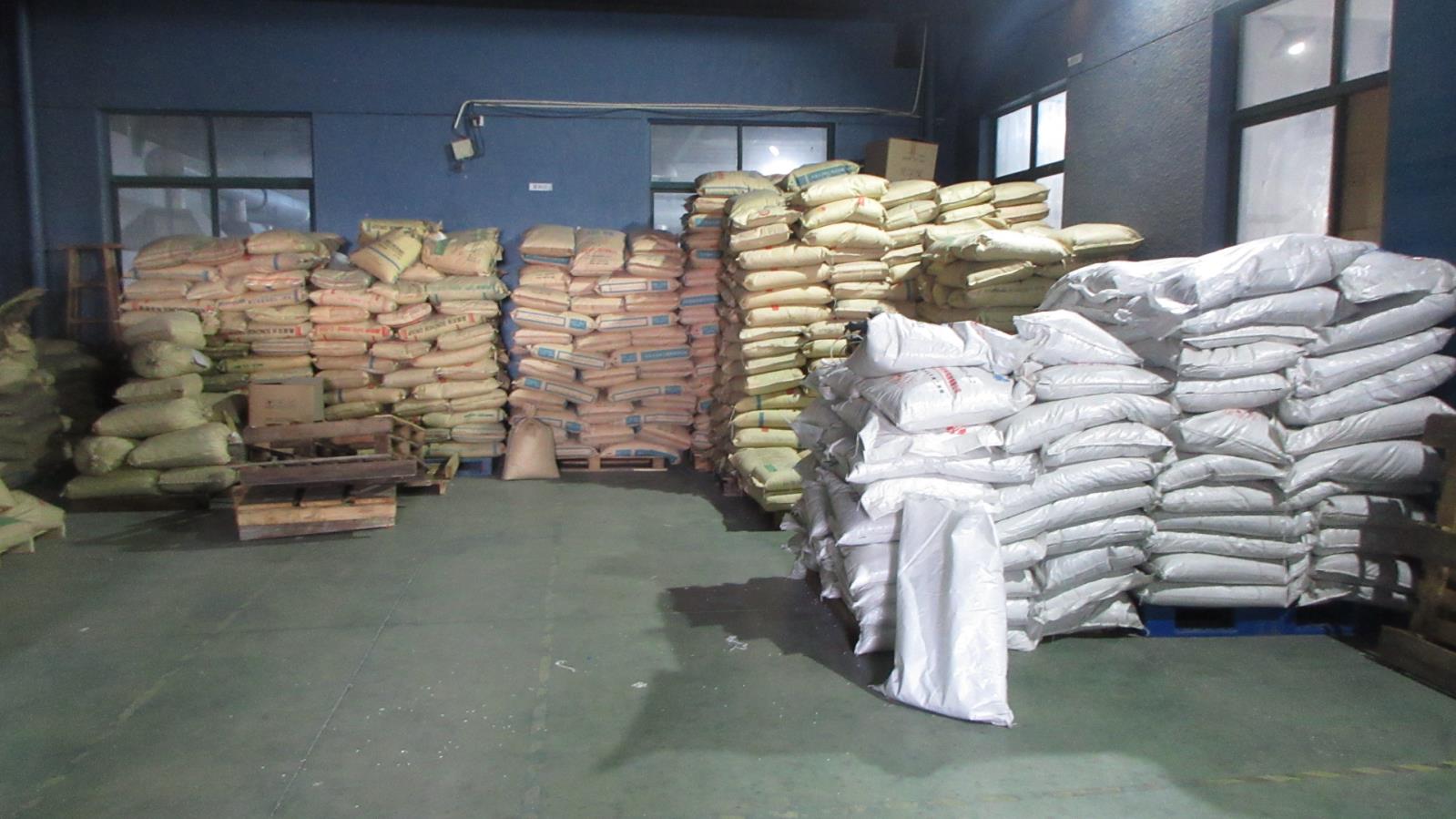
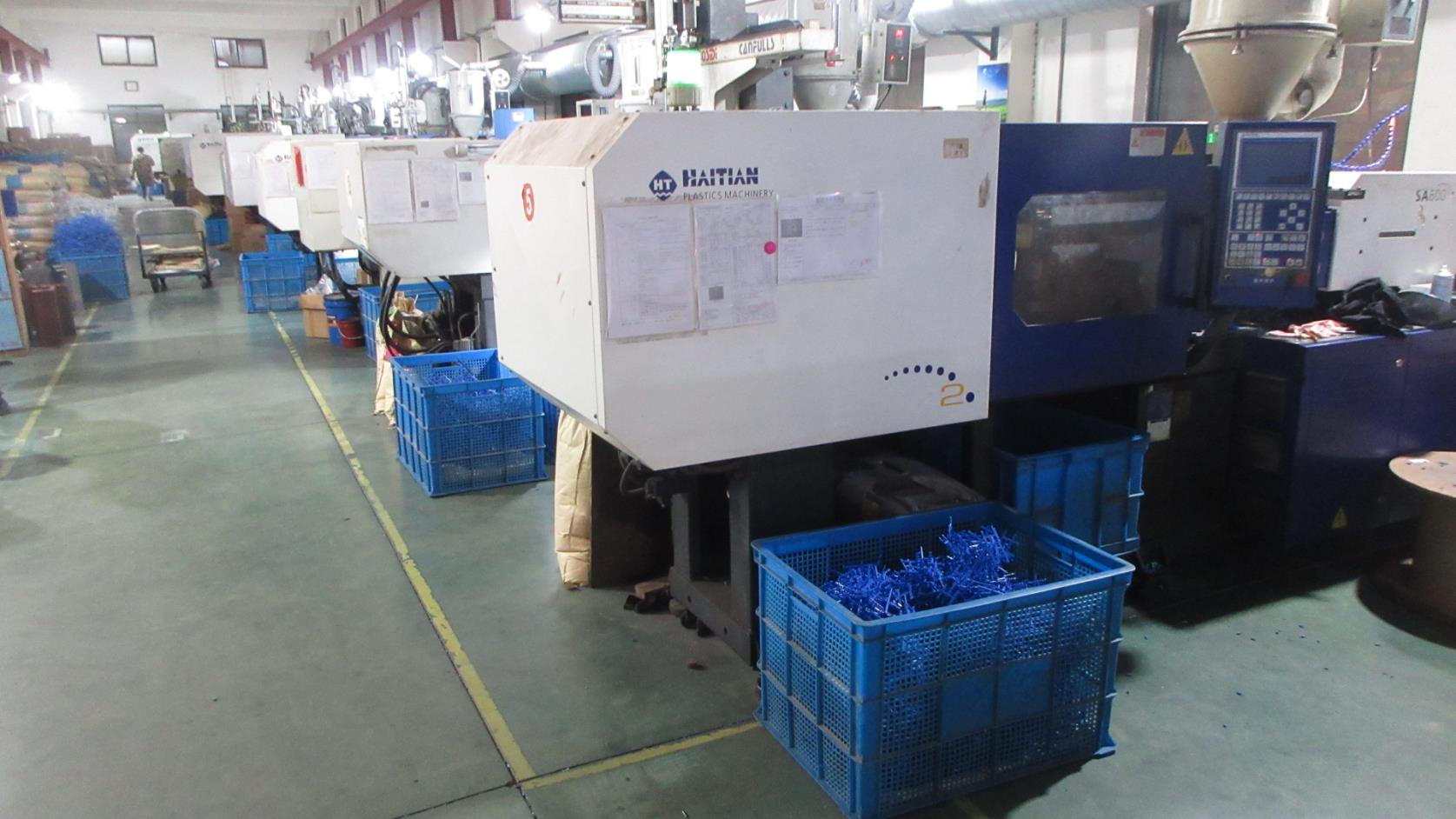
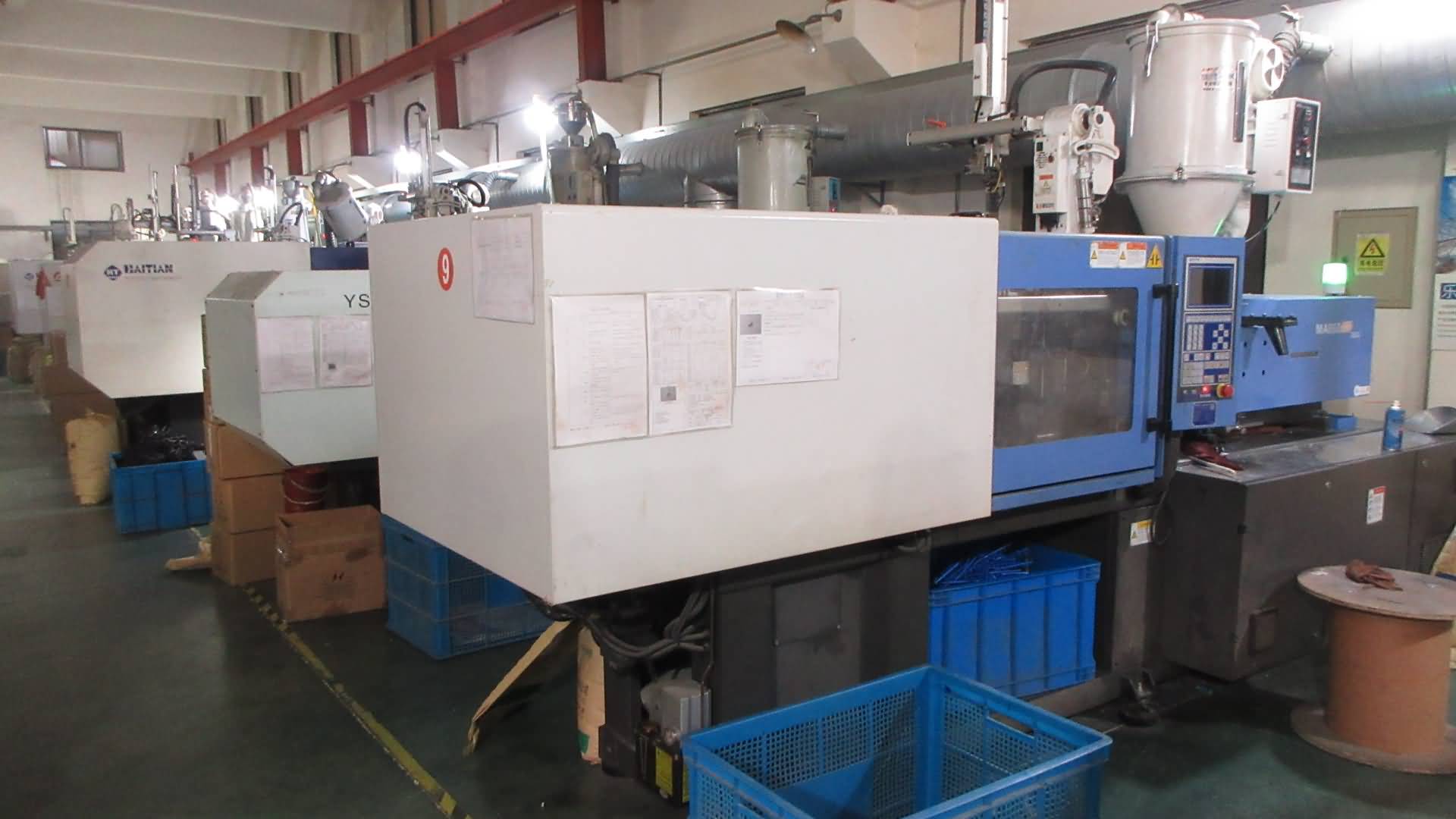
Equip-Link's manufacturing operations are based in Shenzhen, the silicon capital of high-frequency communications technology. Under a highly efficient China Industry 4.0 blueprint, our specialized 380-square-meter facility features automated assembly, precise injection molding machinery, and high-frequency wave soldering infrastructure. This facility acts as a high-precision assembly, programming, and QA validation node, backed by a strong network of 1,280+ certified raw material and component suppliers.
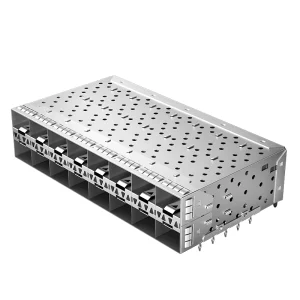
Our hybrid supply chain model combines the agility of a specialized calibration facility with the scaling capacity of an industrial cluster. This ensures we can scale production quickly during high demand, while maintaining the flexibility to manufacture custom, small-batch OEM runs of specialized connectors and SFP cages.
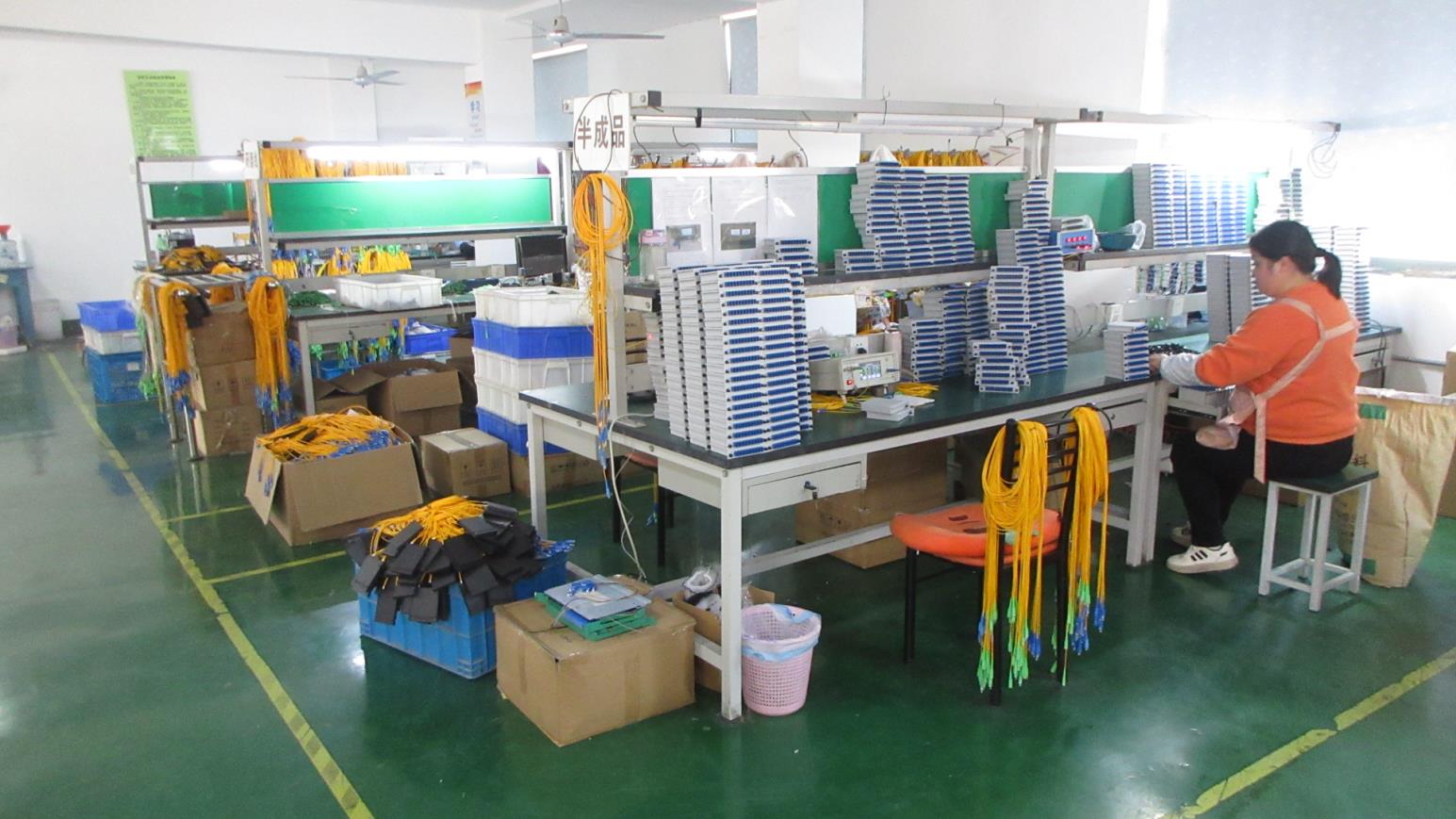
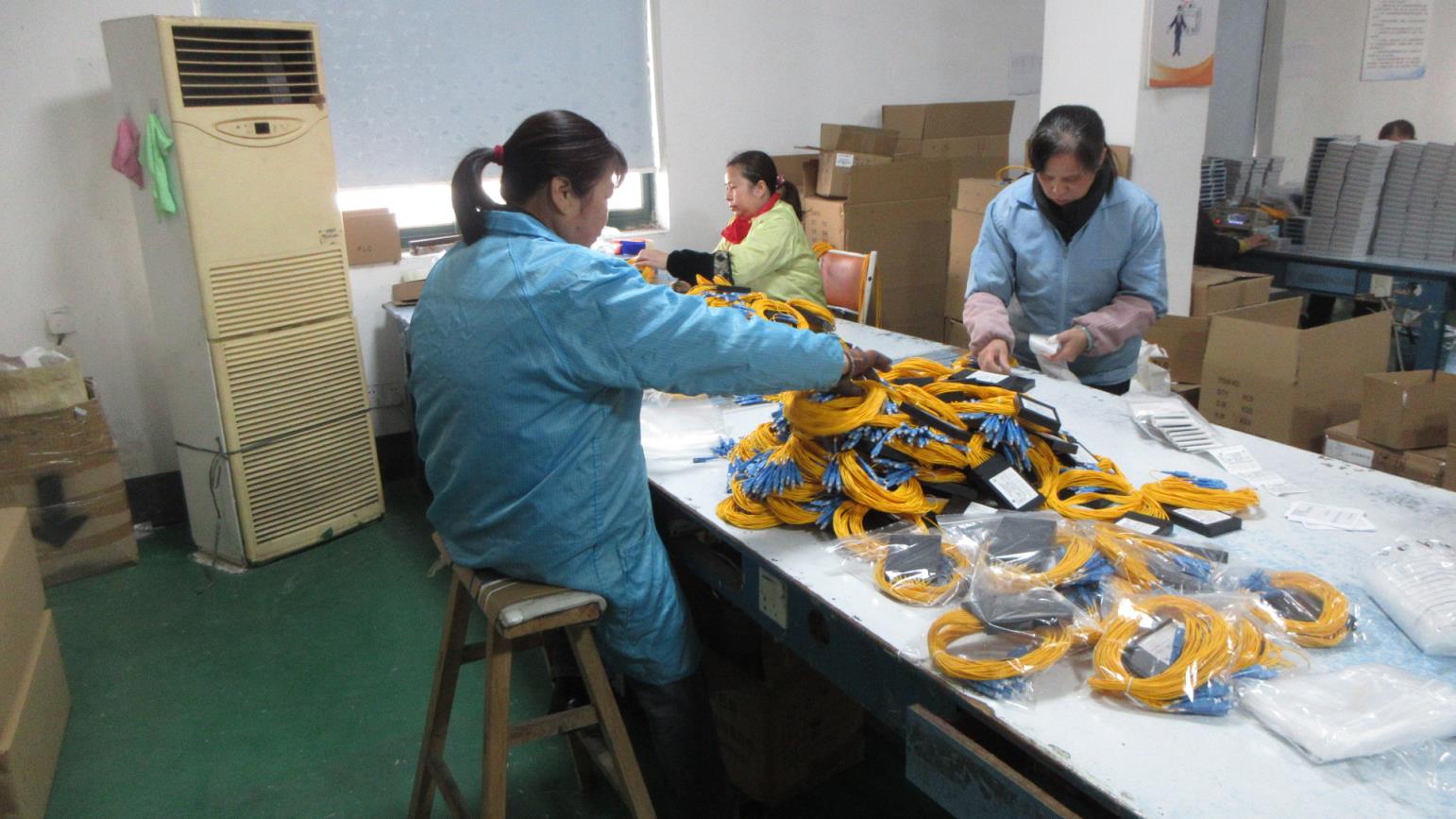
Quality is a core commitment at Equip-Link. Our 36 experienced quality inspectors oversee a rigorous three-step quality system: Incoming Quality Control (IQC), In-Process Quality Control (IPQC), and Outgoing Quality Control (OQC). We use specialized test instrumentation to confirm that each product meets international performance standards before shipment.
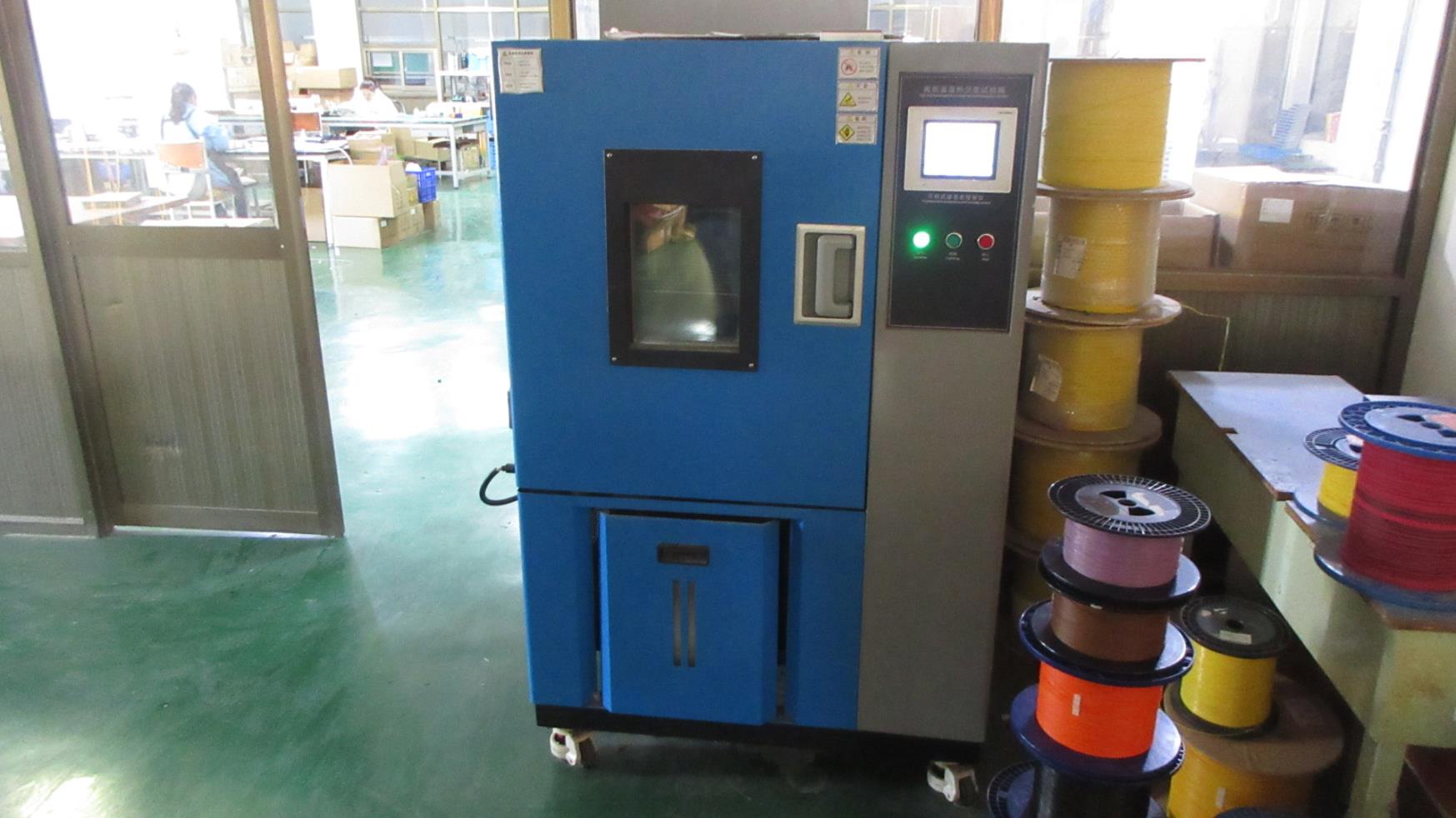
Performs damp heat and alternating high/low temperature testing to verify structural stability in harsh, long-term conditions.
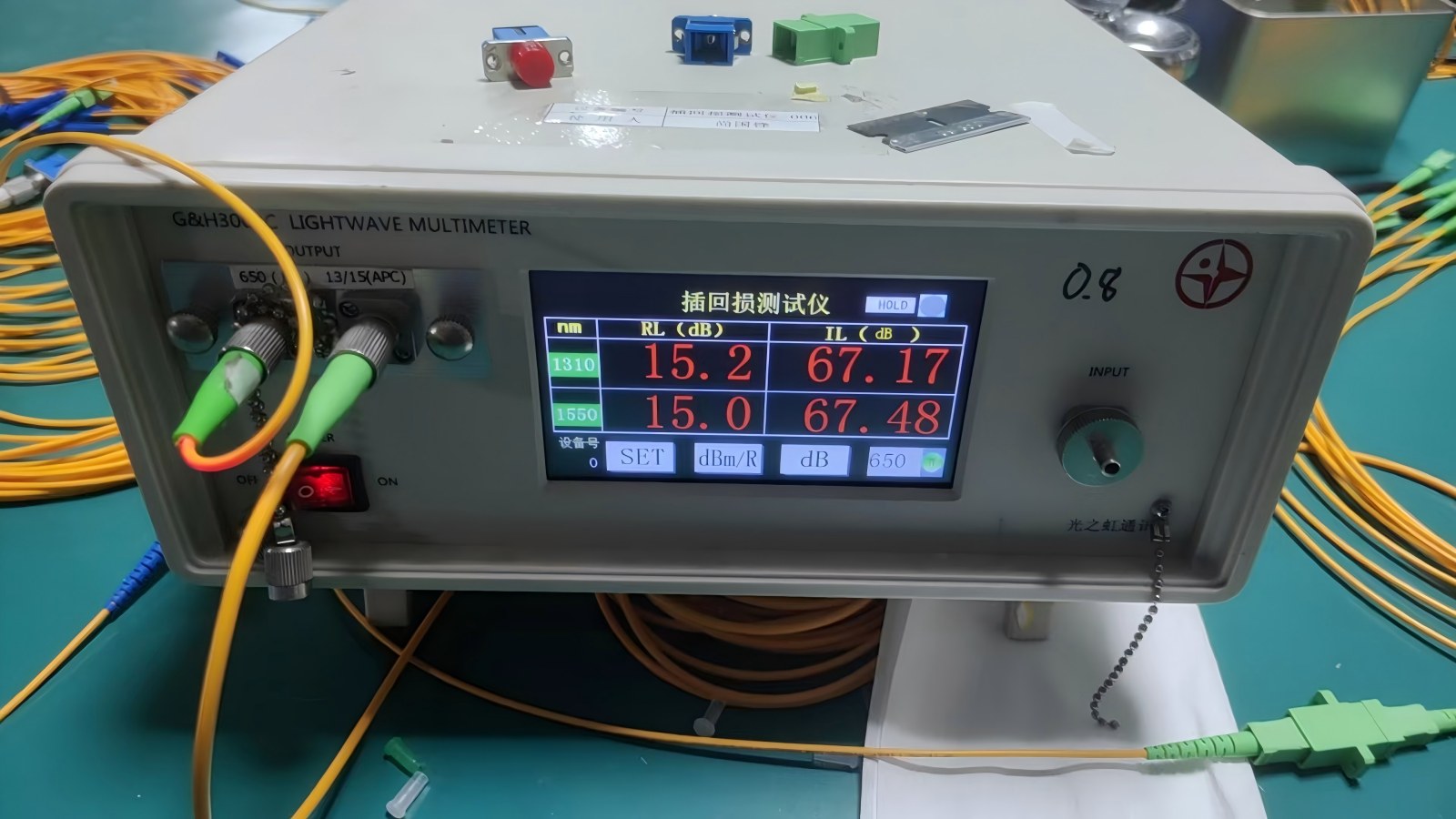
Measures decibel loss across optical interconnects to confirm optimal light transmission and clear signal path integrity.
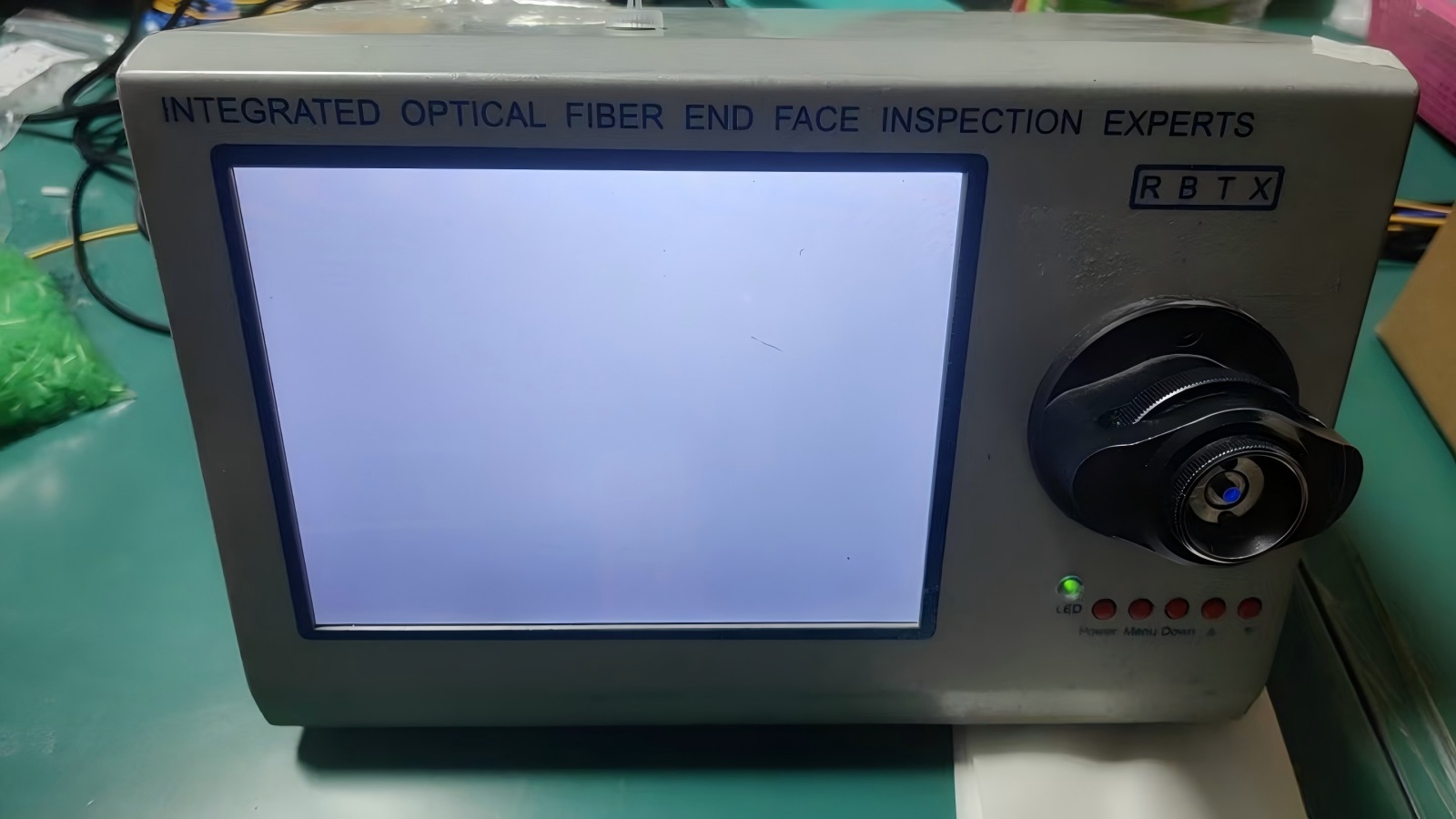
Inspects fiber end-faces for microscopic dust particles, scratches, or defects, preventing signal dispersion at connection points.
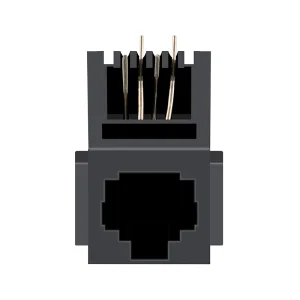
By using automated testing alongside manual inspections, we ensure our custom products provide stable, long-term performance under heavy usage. From high-speed SFP28/QSFP28 transceivers to shielded 8P8C vertical RJ45 jacks, every production run is certified to perform reliably in enterprise deployments.
Equip-Link supplies products to customers in over 50 countries, with major markets in North America, Europe, Southeast Asia, the Middle East, and South America. Our annual export volume exceeds USD $18 million, demonstrating our capacity to manage large procurement agreements and meet international export standards.
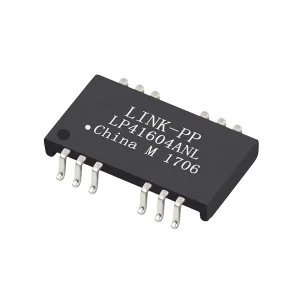
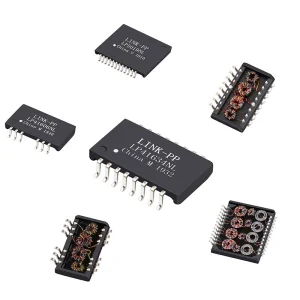
Our customized interface solutions are deployed in various environments, including data centers, telecom central offices, and industrial production plants. For example, our low-profile and vertical RJ45 connectors with integrated LEDs are commonly used in high-density switch configurations. At the same time, our magnetic LAN filters help prevent network downtime on automated factory floors by isolating signal noise.
Browse our selection of transceivers, magnetic filters, and modular connectors designed for high-density architectures.