Equip-Link
Equip-Link
Equip-Link
Understanding physical constraints, copper-to-fiber integration, and standard protocols in modern commercial networks.
Under standard IEEE 802.3 Ethernet guidelines, copper twisted-pair cables (Cat5e, Cat6, Cat6a) lose signal coherence beyond 100 meters (328 feet). High-frequency attenuation, crosstalk, and propagation delay make longer copper runs unusable for reliable data transmission without specialized physical-layer adaptation.
To bypass copper limits, Ethernet extenders convert TCP/IP packets into high-frequency signals using VDSL2 (ITU-T G.993.2) or G.fast protocols. This allows standard phone wire or coaxial cable networks to transmit symmetric speeds of up to 100 Mbps at distances exceeding 1.5 kilometers.
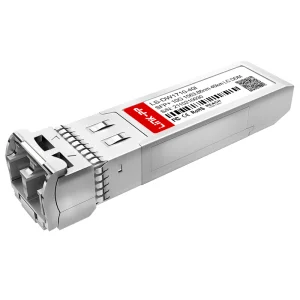
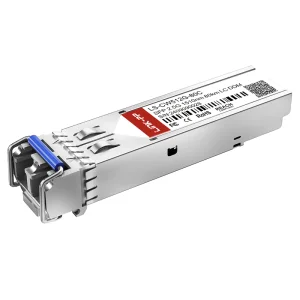
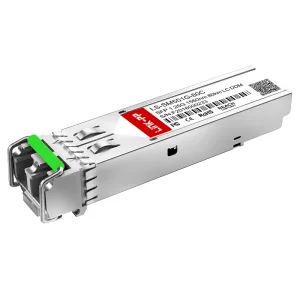
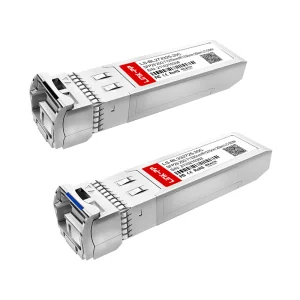
When copper latency and bandwidth limits are not acceptable, optical media extenders bridge localized copper interfaces to single-mode or multi-mode SFP modules. This topology facilitates transmission spans from 2 kilometers up to 80 kilometers in high-throughput enterprise networks.
In municipal or multi-site systems, network designers must evaluate power budget limits, loop resistance, and electromagnetic interference (EMI). Industrial extenders address these needs by offering 1.5kV magnetic isolation, DIN-rail mounts, and wide temperature tolerances.
A global comparison based on engineering expertise, manufacturing capacity, certification compliance, and technology portfolios.
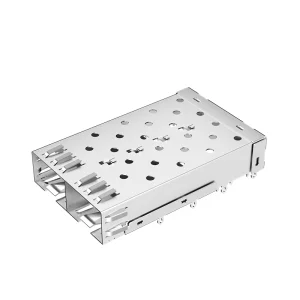
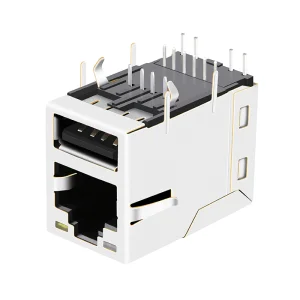
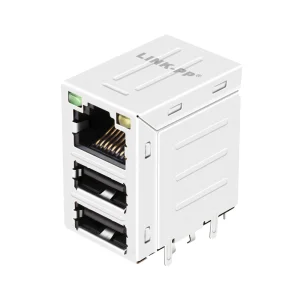
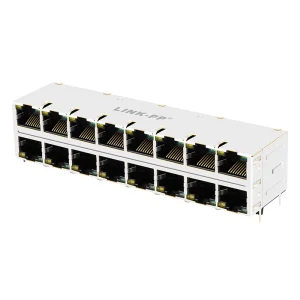
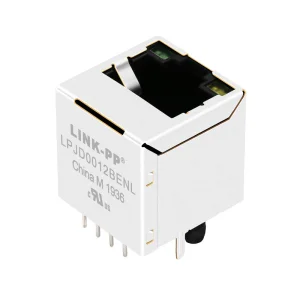
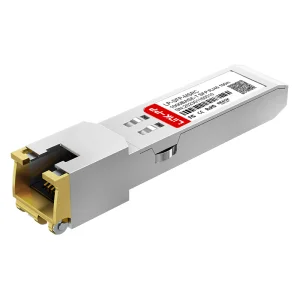
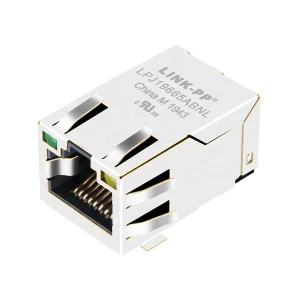
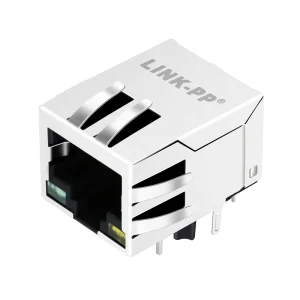
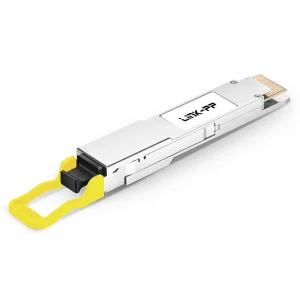
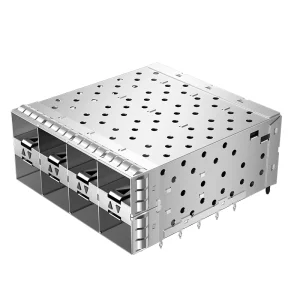
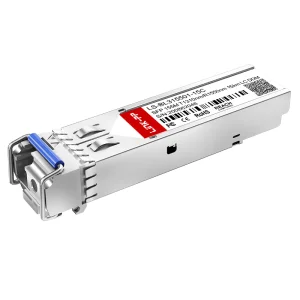
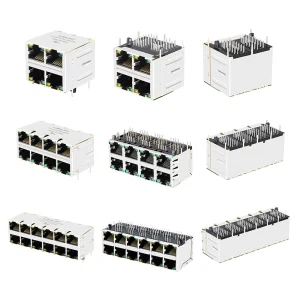
Shenzhen's leading manufacturer of optical components, high-speed SFP cages, and magnetic RJ45 jacks that power modern industrial Ethernet extenders. A trusted OEM/ODM supplier for global network equipment brands.
A major US manufacturer known for the CopperLink series, specializing in long-range Ethernet extension over existing copper, coaxial, and twisted-pair lines for defense and enterprise sectors.
Specializes in secure, managed media converters and VDSL extenders. Focuses on mission-critical applications that require 128-bit encryption, cybersecurity features, and high compatibility with Cisco systems.
A key manufacturer of industrial-grade networking hardware. Known for their hardened Ethernet extenders designed for Intelligent Transportation Systems (ITS) and severe outdoor conditions.
A major name in edge connectivity and industrial IoT. Moxa produces managed Ethernet extenders that support redundancy protocols like Turbo Ring and Turbo Chain to ensure maximum network uptime.
Provides extensive enterprise infrastructure solutions, including high-performance Ethernet switches and VDSL2-based extenders for commercial campuses and medical institutions.
A global provider of industrial computing platforms. Their product lineup includes compact DIN-rail Ethernet extenders with high surge protection, designed for factory automation and utility setups.
Focuses on high-density telecom equipment. They offer reliable VDSL2/SHDSL Ethernet extenders that feature integrated OAM (Operations, Administration, and Maintenance) support.
Known for their rugged Wolverine series, Westermo specializes in industrial Ethernet extenders for harsh settings like oil & gas fields, railway tracks, and water treatment utilities.
Founded in 2017, Equip-Link Intelligent Equipment (Shenzhen) Co., Ltd. is a leading manufacturer of high-performance optical transceivers and fiber optic communication solutions.
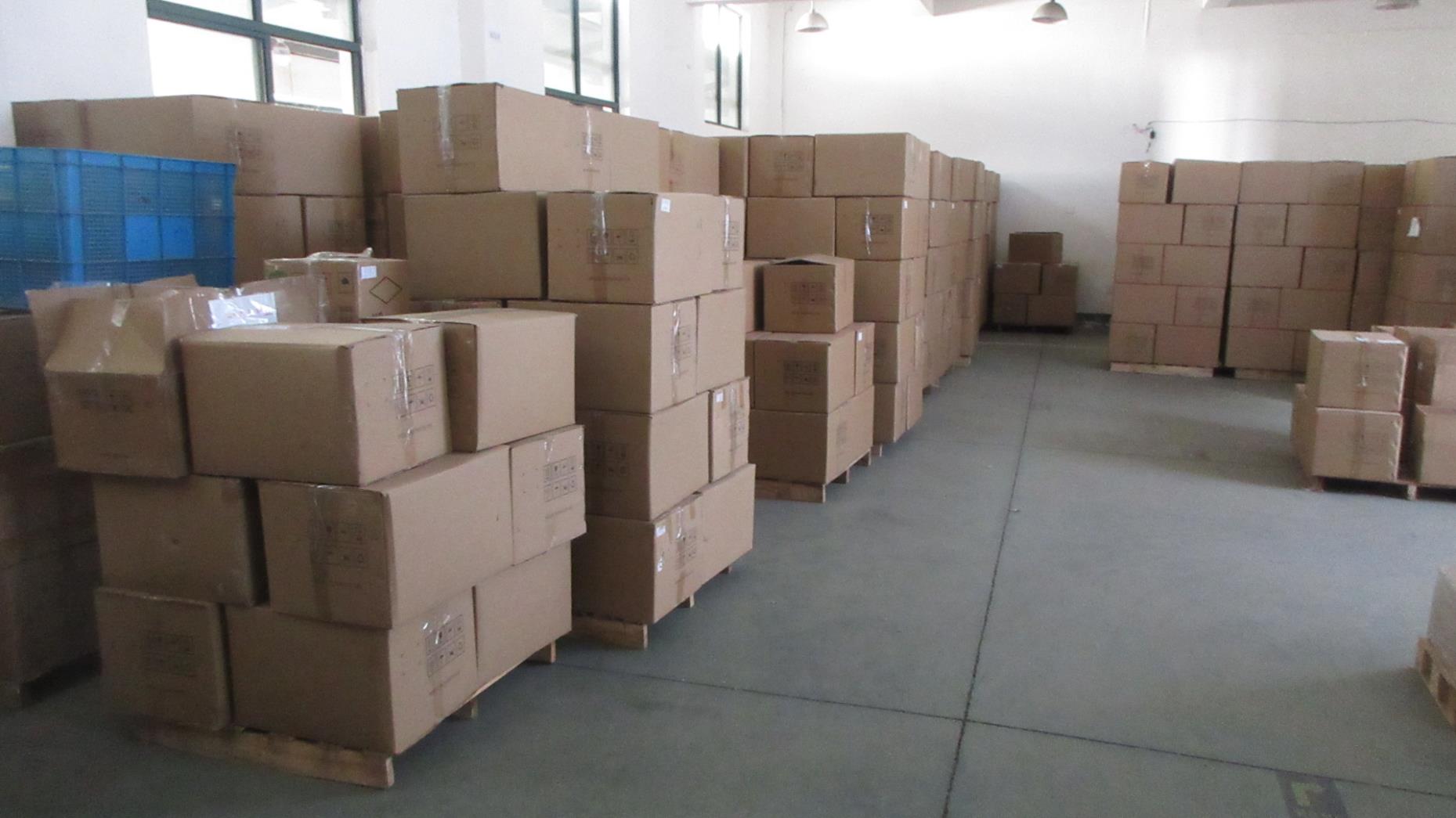
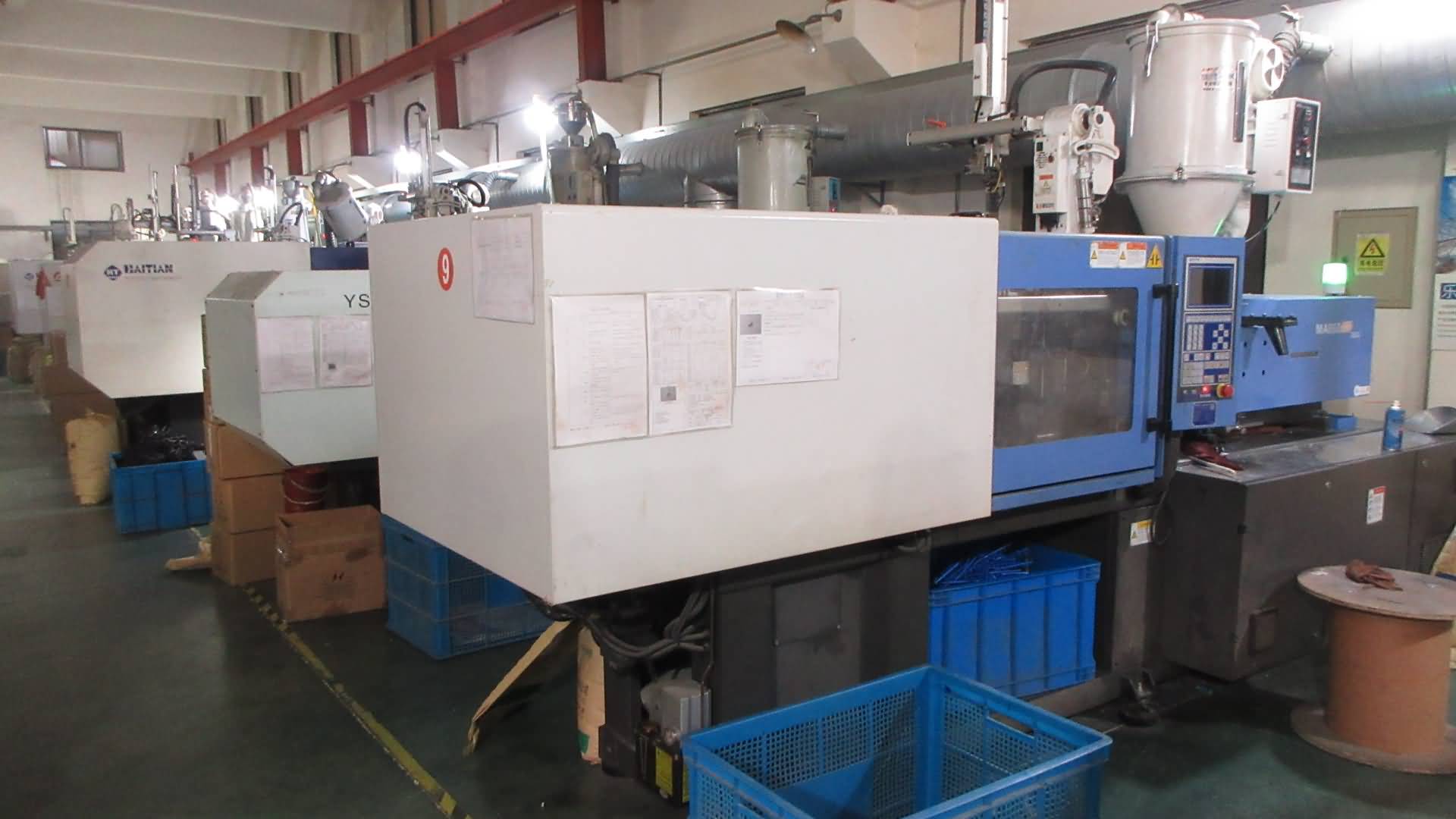
Equip-Link operates modern facilities focused on custom design, development, production, and global distribution. Understanding the requirements of telecom operators, data centers, system integrators, and OEM/ODM brands, we provide full support for custom firmware coding, private labeling, and custom packaging.
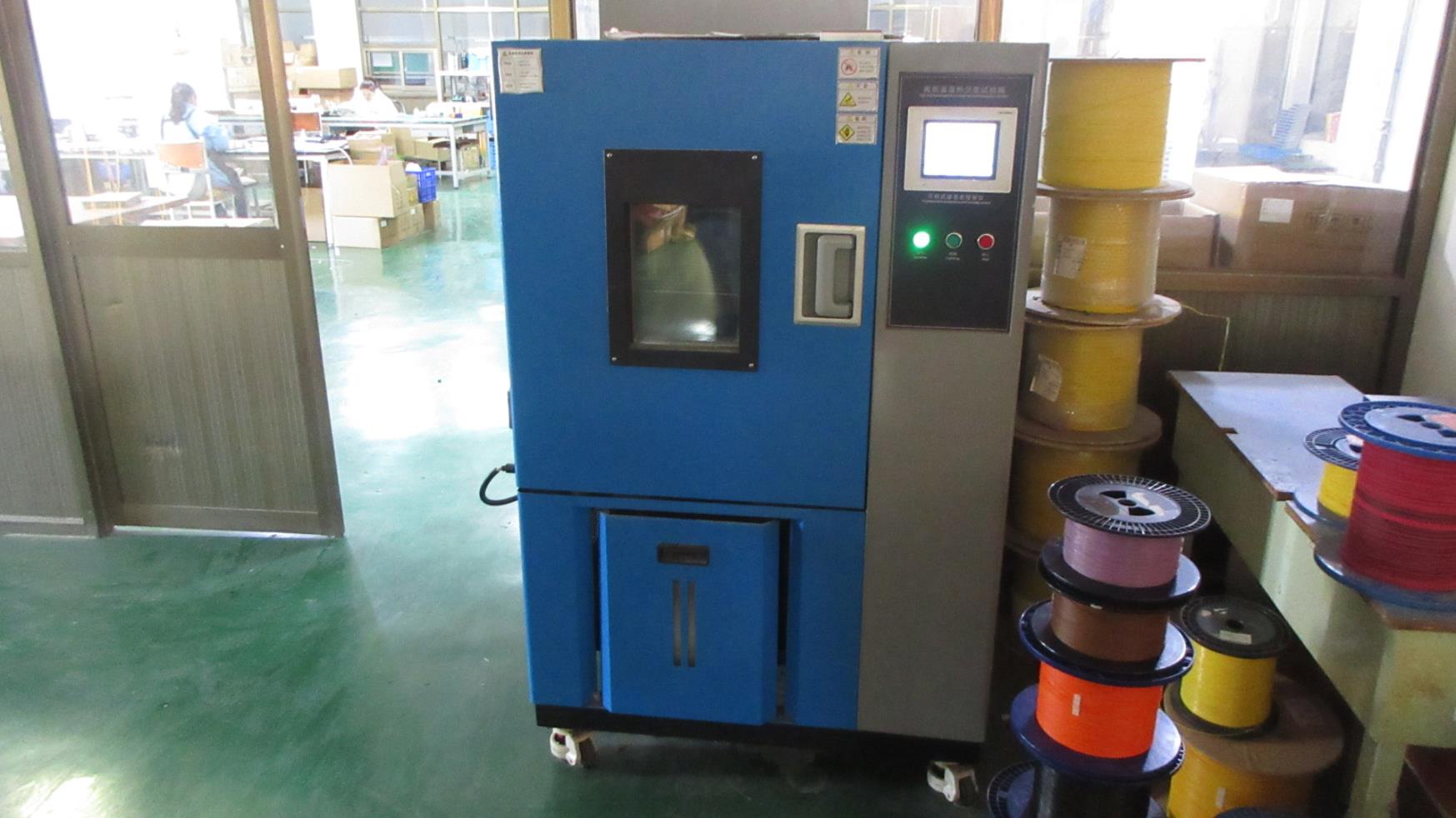
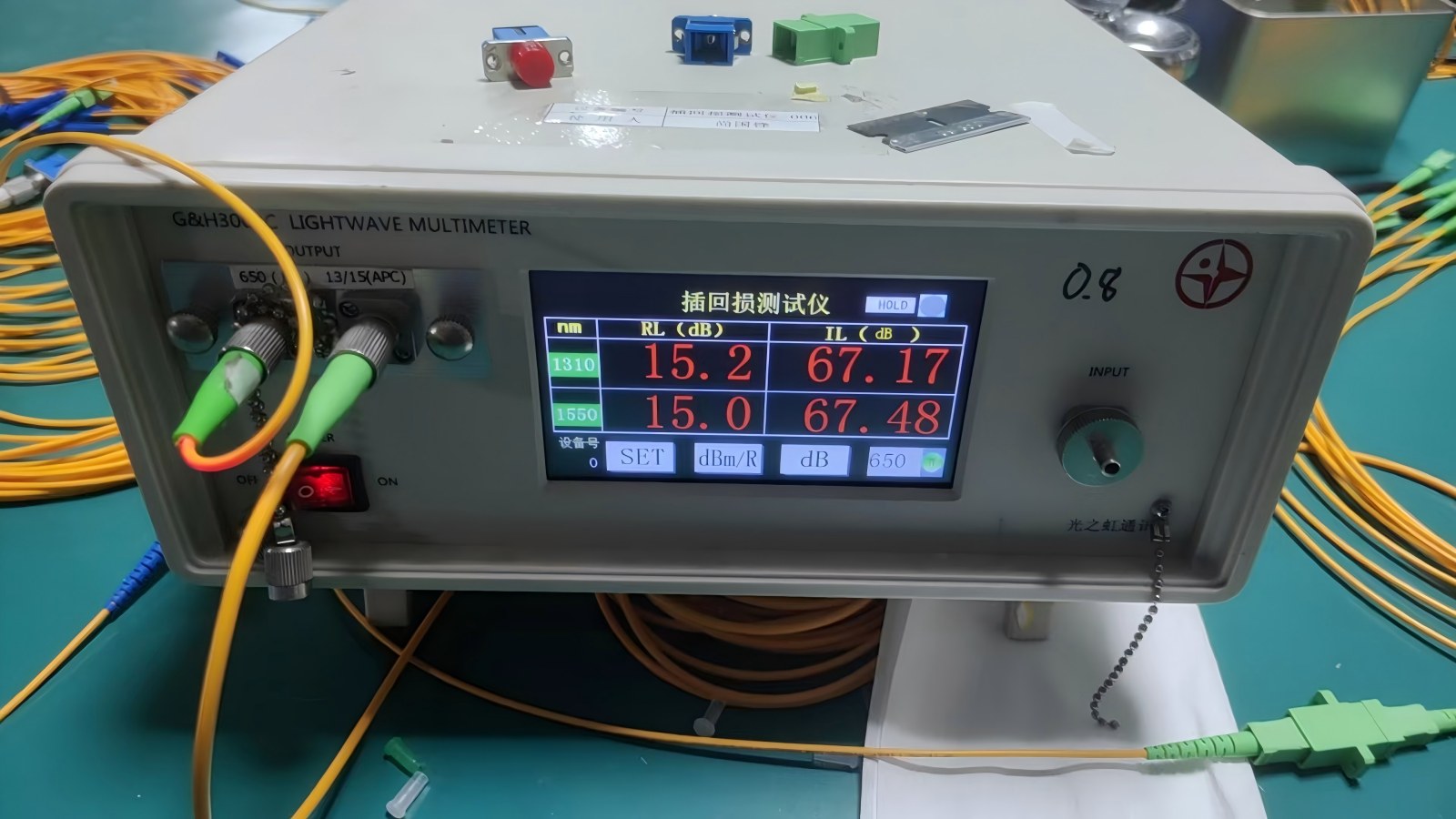
Quality control is integrated at every stage, from raw material inspection and in-process validation to final performance tests using advanced optical analyzers. With 36 experienced quality inspectors and 9 years of export experience, our products comply with strict regulatory and performance standards in more than 50 countries.
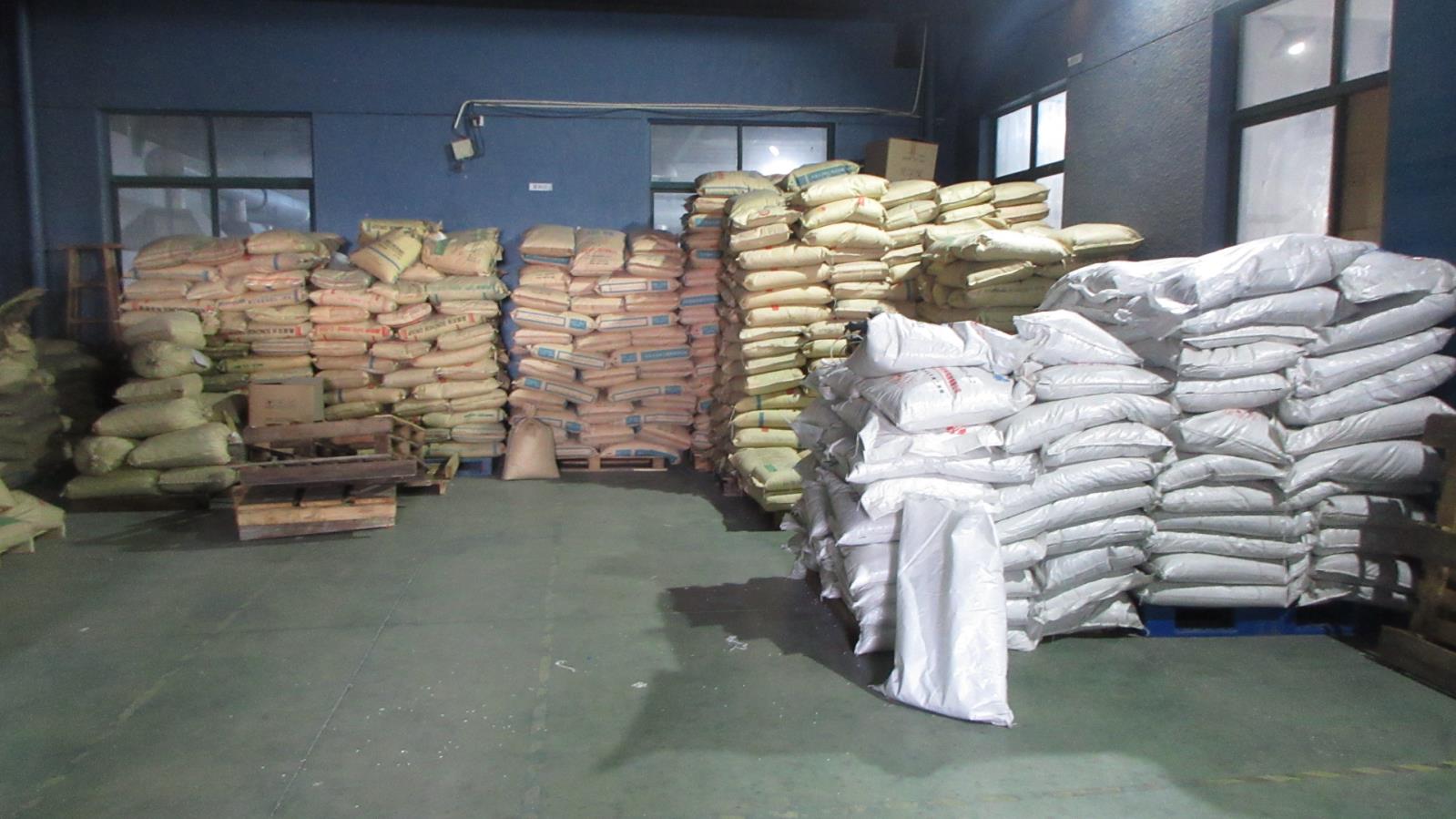
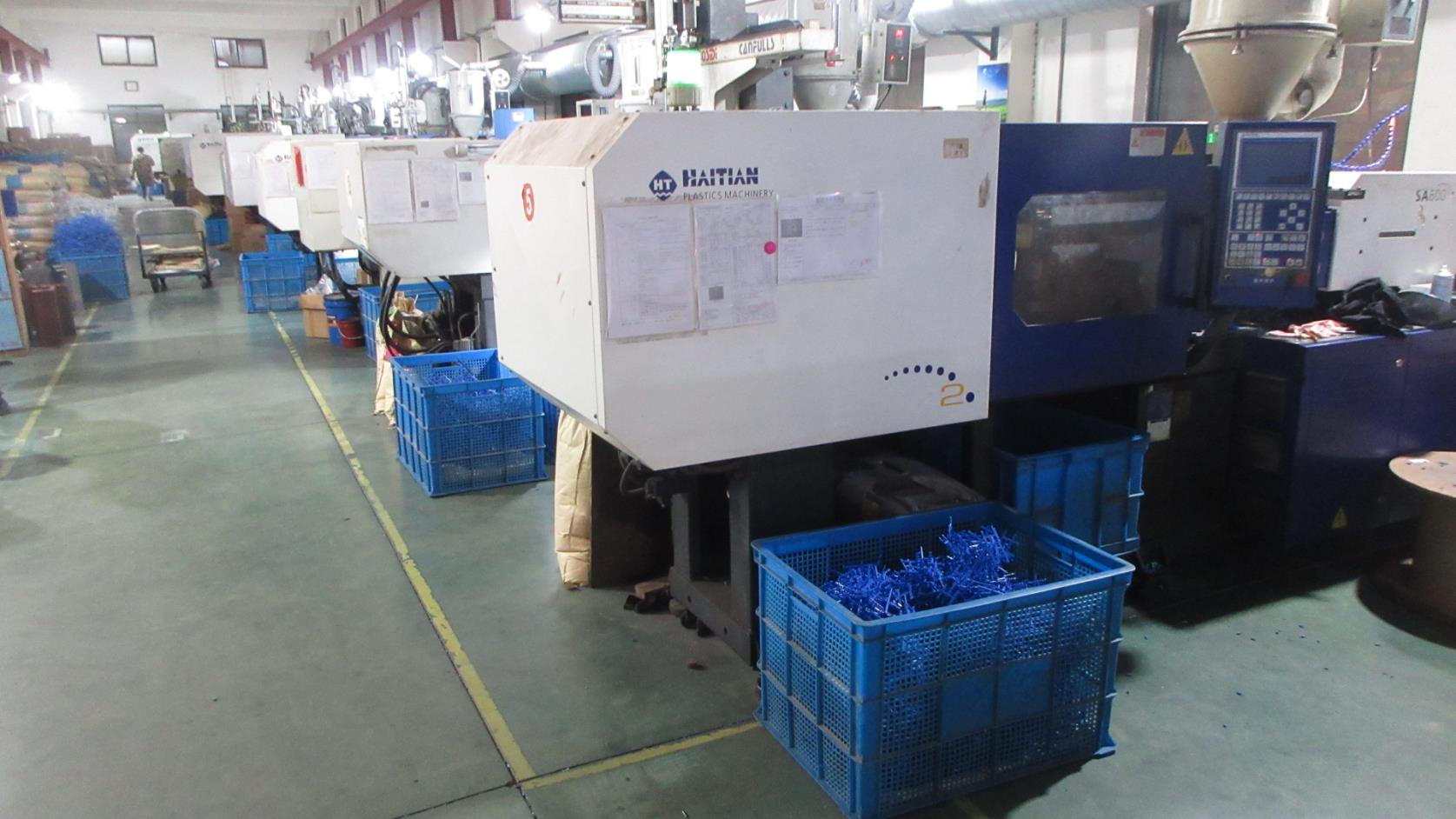
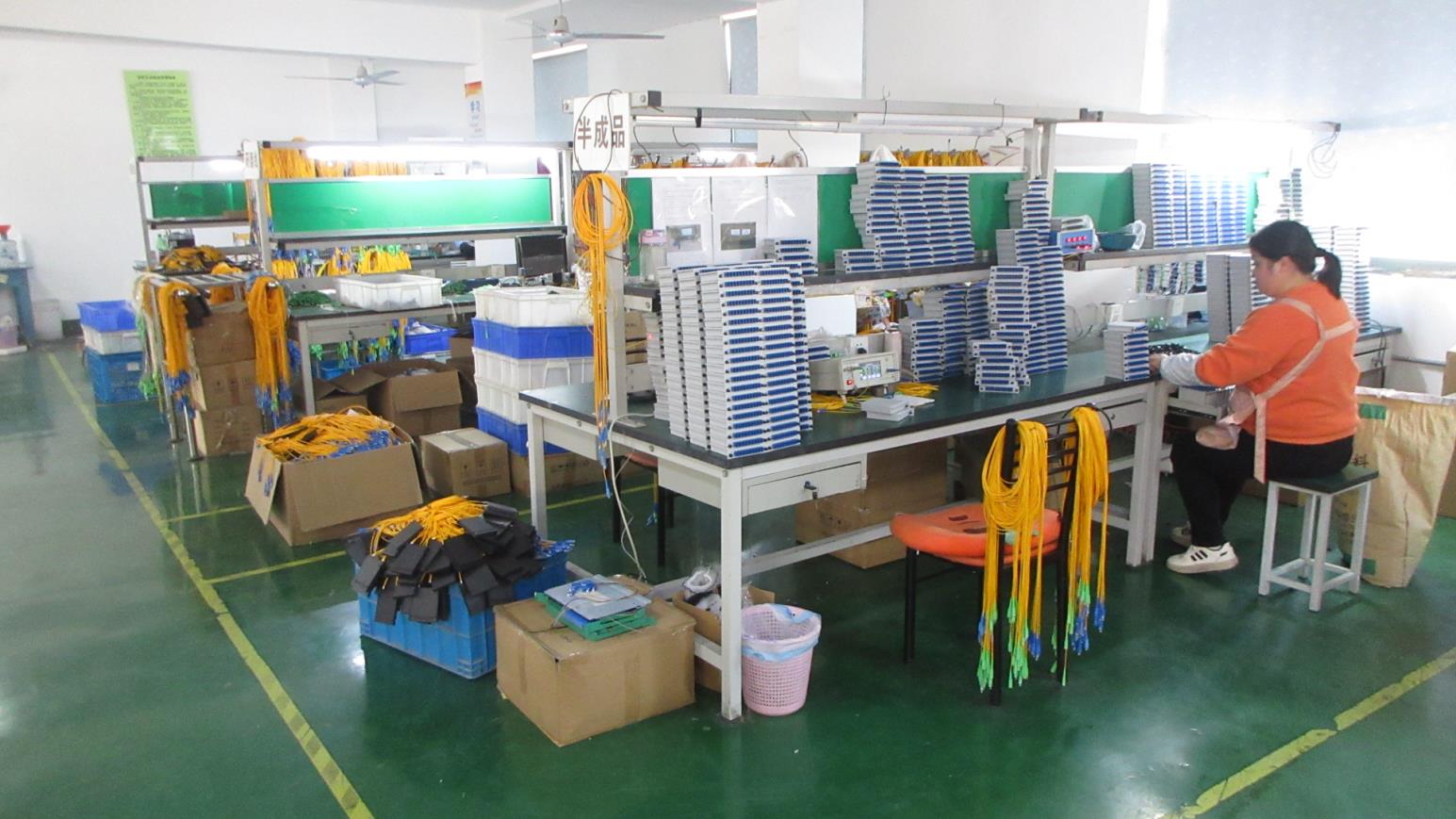
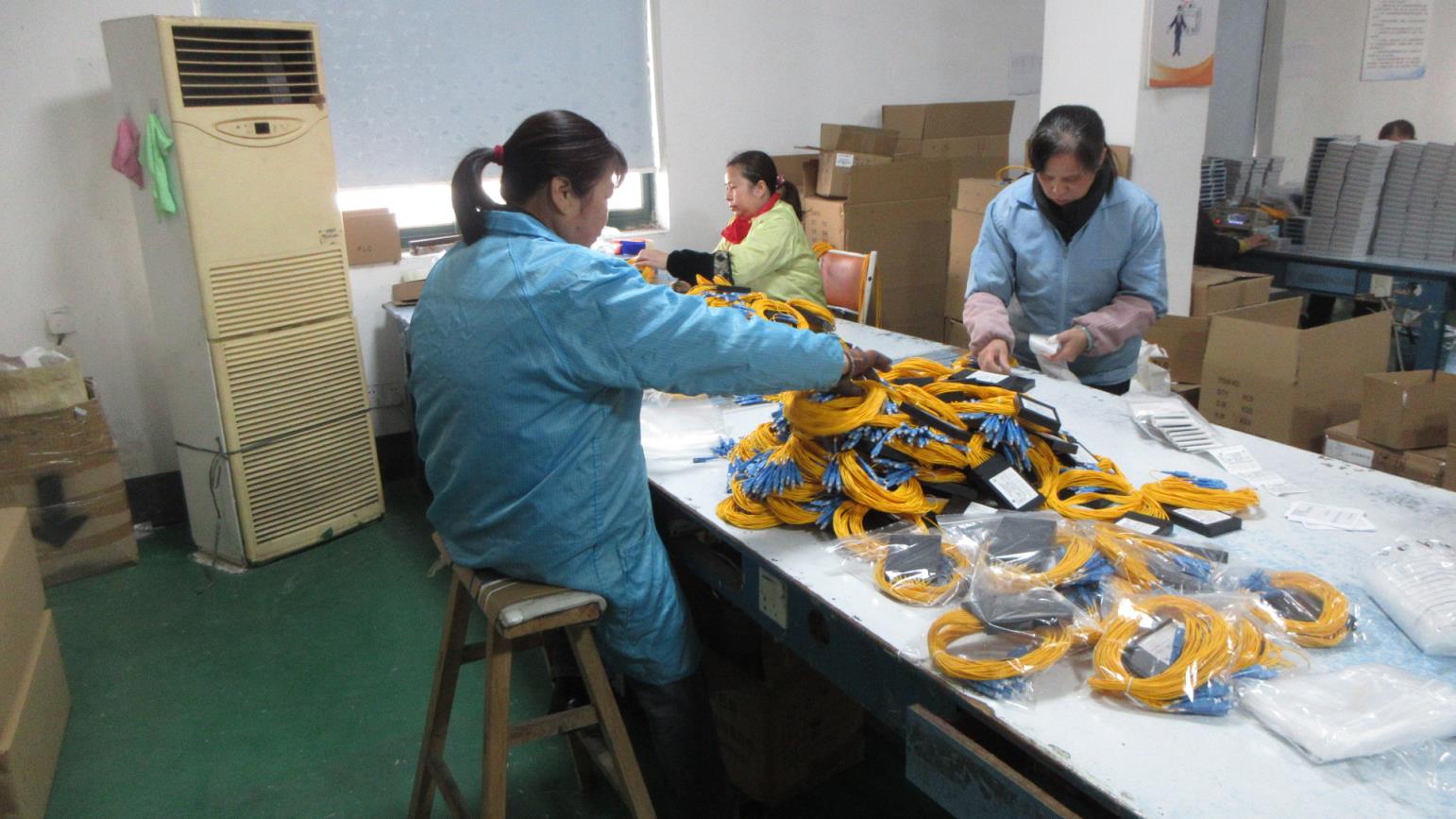
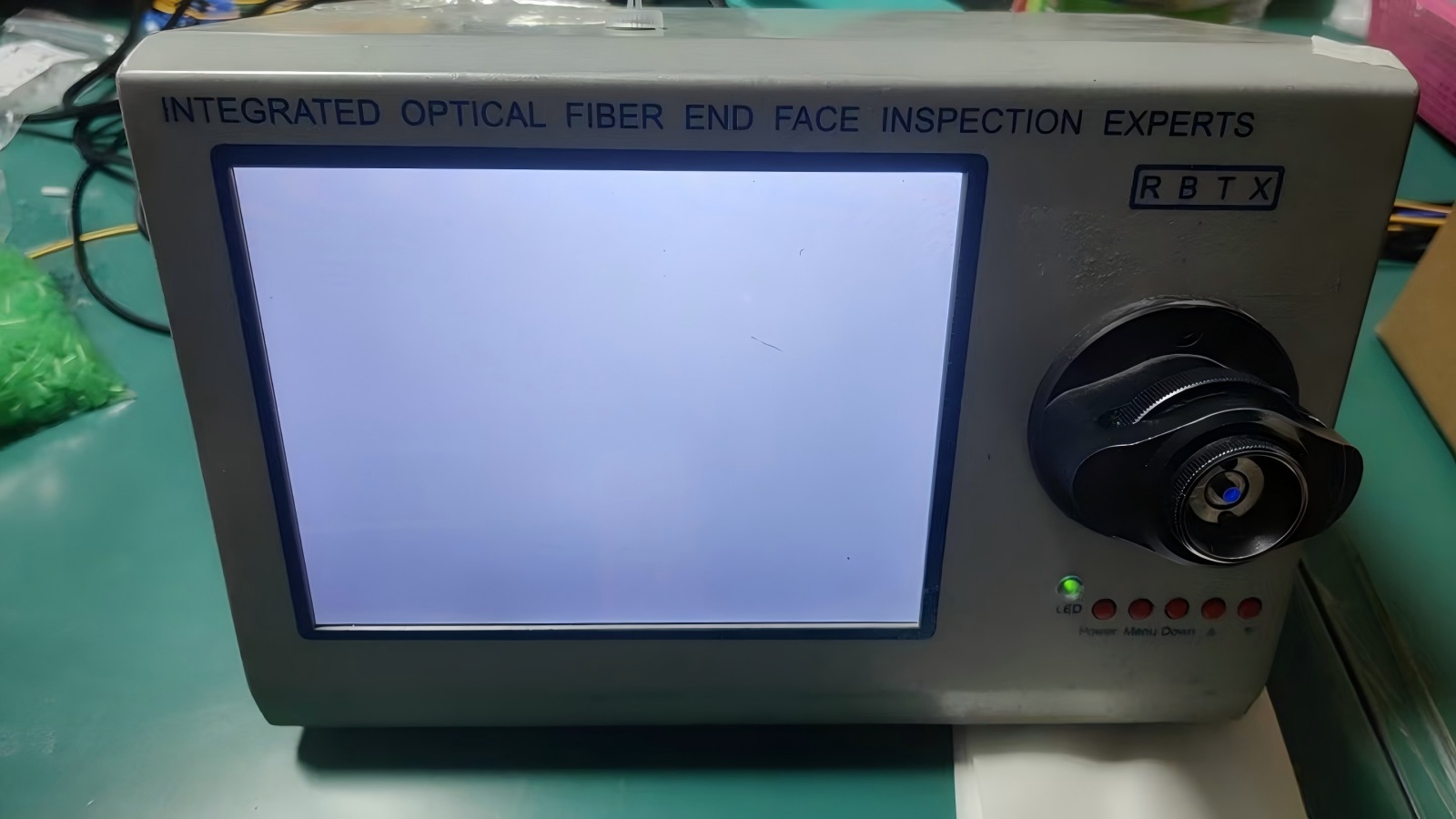
How the industrial ecosystem in China, particularly in Shenzhen, provides unmatched scaling, component availability, and manufacturing agility.
Shenzhen's hardware ecosystem offers direct access to key components like high-frequency transformers, TVS diodes, PCBs, and specialized chipsets. This helps reduce lead times from months to weeks.
Chinese production lines utilize advanced Surface Mount Technology (SMT) and Automated Optical Inspection (AOI). This ensures consistent quality and electrical reliability across high-volume production runs.
Optimized production methods and vertical integration allow manufacturers to lower per-unit costs, making industrial networking upgrades more accessible for enterprises.
Ensuring compliance with international standards for safe, reliable, and compliant deployment across global markets.
Industrial Ethernet extenders must carry recognized certifications such as CE, FCC Part 15 Class A, and UL/cUL. These certifications verify that the devices meet strict electromagnetic interference (EMI) limits and electrical safety standards.
Compliance with RoHS and WEEE directives guarantees that manufacturing processes exclude hazardous materials like lead, cadmium, and mercury, ensuring safe deployment in sensitive and modern enterprise settings.
Leading manufacturers offer localized support networks, providing custom compatibility coding, local replacements, and engineering help to minimize system downtime.
Evaluate these essential criteria when selecting industrial hardware to ensure long-term stability and network performance.
| Evaluation Parameter | Copper Extender (VDSL2/Coax) | Optical Converter (SFP/Fiber) | PoE Extension (802.3bt) |
|---|---|---|---|
| Maximum Transmission Distance | Up to 3 km (at reduced data rates) | 2 km (Multi-mode) up to 80 km (Single-mode) | 100m to 500m (using daisy-chain configurations) |
| Throughput Capacity | 100 Mbps (symmetric at 300m) | 1 Gbps, 10 Gbps up to 100 Gbps | 10 / 100 / 1000 Mbps |
| Media Interface Requirements | Single-pair RJ11 / BNC Coaxial | Duplex LC / Simplex SC / SFP Module Slot | Shielded RJ45 Cat5e/Cat6 |
| Electrical Isolation Protect | 1.5kV Magnetic Isolation, ESD 8kV | Inherent Optical Isolation (Immune to EMI) | ESD 6kV, Surge Protection 4kV |
| Powering Options | Local DC/AC, PoE PD (Powered Device) | Local DC Input, redundant terminal blocks | PoE Pass-Through / PoE++ PSE Output |
How Ethernet extenders resolve common network range and performance limits in real-world scenarios.
Parking structures and perimeter fences often require IP cameras at distances of 500 meters or more. PoE extenders transmit both data and power over existing wiring, reducing the need for new electrical lines.
Traffic sensors, toll booths, and roadside displays are often placed far apart. Industrial VDSL2 extenders utilize existing copper telephone lines to transmit real-time data back to central control offices.
Heavy industrial sites and underground mines need resilient connections. Rugged Ethernet extenders with metal housings and wide operating temperature ranges provide stable performance despite vibration and electrical noise.
A look at the emerging standards and technologies shaping the future of network extension.
While VDSL2 is commonly used for long distances, G.fast is increasingly adopted for shorter copper connections (under 500 meters), providing speeds of up to 1 Gbps. This technology allows networks to achieve gigabit performance without the higher costs of installing new fiber lines.
Modern PTZ cameras, wireless access points, and digital signs require more operating power. Modern extenders support the IEEE 802.3bt standard (PoE++), supplying up to 90W of power to remote devices over twisted-pair copper cables.
Enterprise systems benefit from real-time monitoring. Modern managed extenders support SNMP and Web UI platforms, allowing network administrators to check link status, noise margins, and loop resistance remotely.
Manufacturers are designing energy-efficient components, reducing power consumption during low-traffic times. Products are built to comply with RoHS directives to minimize waste and environmental impact.
Get answers to common technical questions about choosing and deploying Ethernet extenders in professional networks.
Choose a VDSL2 extender if you want to use existing copper telephone or coaxial wiring to save on installation costs. Choose an optical fiber media converter if you require high bandwidth (1 Gbps+), low latency, and immunity to electromagnetic interference over long distances.
Active extenders require external power (local or via PoE) to amplify signals and manage data conversion. Passive extenders do not require external power but are limited to shorter distances and simpler configurations, without active diagnostics.
Yes, many extenders support PoE pass-through. However, electrical resistance over copper wire causes voltage drops over long distances. High-power standards like PoE++ (802.3bt) help compensate for this loss, but it is important to calculate the voltage drop before installation.
Standard commercial extenders are designed for indoor use. For outdoor or industrial applications, select hardened extenders with aluminum IP30/IP40 housings, wide operating temperature ranges (-40°C to 75°C), and strong surge protection.
High electromagnetic interference (EMI) from motors or power lines can degrade signals on copper wiring, reducing bandwidth. High-quality extenders feature built-in noise filters and 1.5kV magnetic isolation to maintain link stability.
An SFP slot allows users to customize the fiber interface. By inserting different SFP modules (such as single-mode or multi-mode), the extender can connect to various fiber types and support distances from 2 km to 80 km.
Unmanaged extenders generally support plug-and-play configuration, requiring no software setup. Managed units offer advanced settings like VLAN tagging, bandwidth limiting, and remote status monitoring.
Certifications verify that the equipment meets international standards for electromagnetic emissions and safety, reducing interference with other devices and ensuring safe operation in commercial settings.