Equip-Link
Equip-Link
Equip-Link
Explore our selection of industrial-grade modular connectors, shielded cages, and optical transceivers engineered for seamless connectivity.
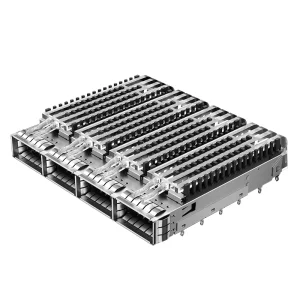
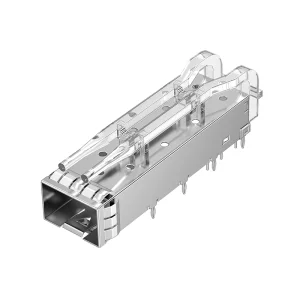
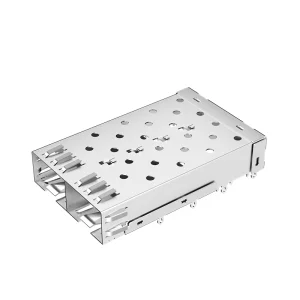
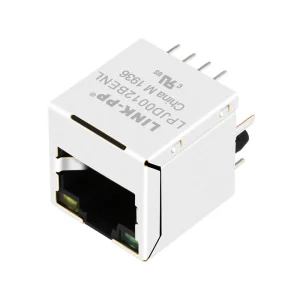
As digital ecosystems transition into 800G optical lines and robust Ethernet backplanes, the selection of components like RJ45 sockets, SFP cages, and optical transceivers becomes pivotal. Sourcing departments no longer look merely at unit prices; they demand signal integrity, electromagnetic interference (EMI) protection, thermal resilience, and absolute compatibility across multi-vendor setups.
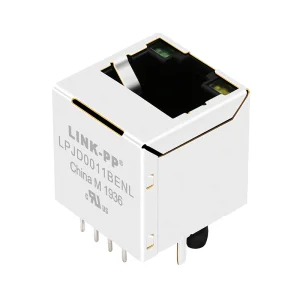
The global RJ45 Ethernet socket market has moved from simple, unshielded connectivity (UTP) to highly integrated modular assemblies. Today's network devices require sockets integrated with internal magnetics (magnetic RJ45 jacks or "magjacks"). These components play an active role in isolating networks, eliminating noise, and protecting expensive silicon (PHY chips) from spikes, electrostatic discharge (ESD), and common-mode transients.
Next-generation systems leverage RJ45 sockets built for Cat6a and Cat8 capabilities, matching frequencies up to 2000 MHz and speeds reaching 10Gbps to 40Gbps over copper lines.
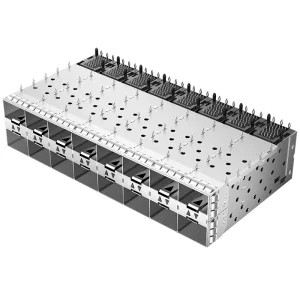
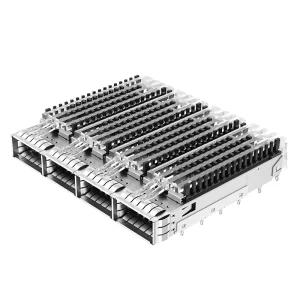
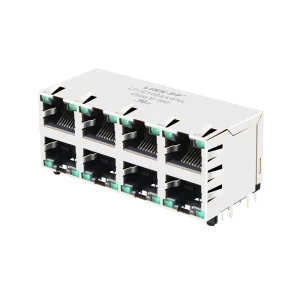
Fully metal-wrapped SFP+ cages and multi-port RJ45 connectors feature grounding tabs and EMI finger gaskets to ensure absolute packet integrity in dense server racks.
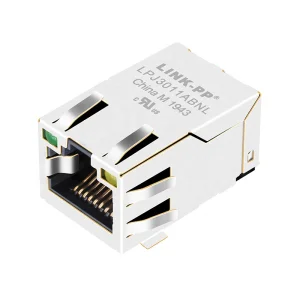
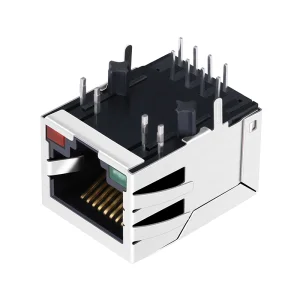
Real-time visual monitoring on ports using bi-color LEDs (yellow/green) built into the socket, aiding operators in network discovery, link verification, and error identification.
Procuring network components involves complex standardization checklists. Systems engineers choose between Through-Hole Technology (THT) for ruggedized industrial machines and Surface Mount Technology (SMT) for highly compact, automated PCB assembly. The chart below defines the primary interfaces sourced by system integrators, optical engineers, and global distributors.
| Connector Category | Common Standard Ref | Critical Features | Primary Sourcing Sectors |
|---|---|---|---|
| RJ45 Magnetic Sockets | 10/100/1000 Base-T, Cat6a | Integrated isolation transformer, status LEDs, tab-up / tab-down, EMI fingers | Routers, industrial computers, smart meters, edge hubs |
| SFP / SFP+ Cage Assemblies | SFF-8431, SFF-8432 | Press-fit or through-hole, 1x1 to 2x8 port configs, heat sink integration, EMI shielding | Enterprise switches, metro routers, fiber-to-the-premise (FTTP) systems |
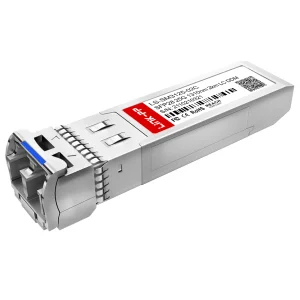
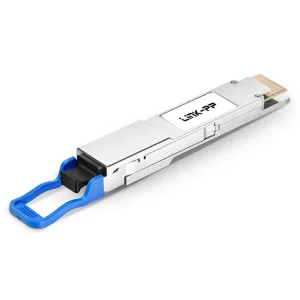
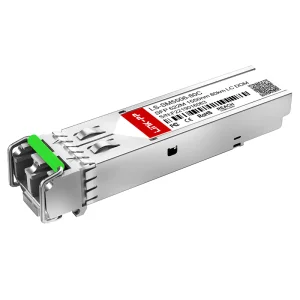
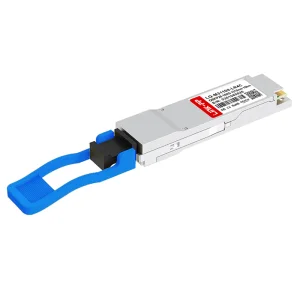
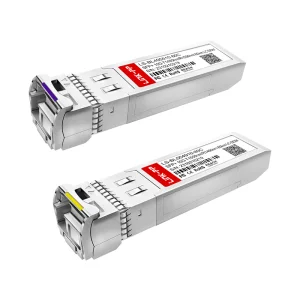
| High-Speed Transceivers | QSFP28, QSFP-DD, SFP28 | 25G, 100G, 400G bandwidth, DDM (Digital Diagnostic Monitoring), SMF/MMF compatibility | Hyperscale cloud data centers, AI compute clusters, telecom backbone sites |
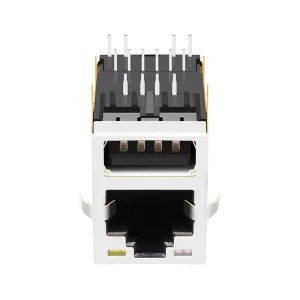
| Custom Hybrid Sockets | USB + RJ45 Combos | Stacked layout, space-saving design, integrated filtering capacitors | Commercial IoT gateways, digital media players, custom instrumentation panels |
Selecting the right partner from the top 10 exporters requires analyzing their mechanical and electrical validation processes. The industry's leading manufacturers use advanced high-frequency simulators, vector network analyzers, and automated optical inspection systems to verify that signal loss, cross-talk, and impedance matching conform strictly to IEEE 802.3 and SFF standards.
Modern communication hardware requires high precision. Equip-Link Intelligent Equipment (Shenzhen) Co., Ltd. represents the standard of engineering excellence. Established in 2017, Equip-Link has grown into a leading manufacturer and exporter of fiber optic components, SFP cages, and advanced interconnect assemblies.
By utilizing local manufacturing ecosystems, automated injection molding, and testing equipment, Chinese factories deliver high volume, rapid design execution, and robust quality control. The core production process is divided into specialized operations, each monitored by experienced engineers.
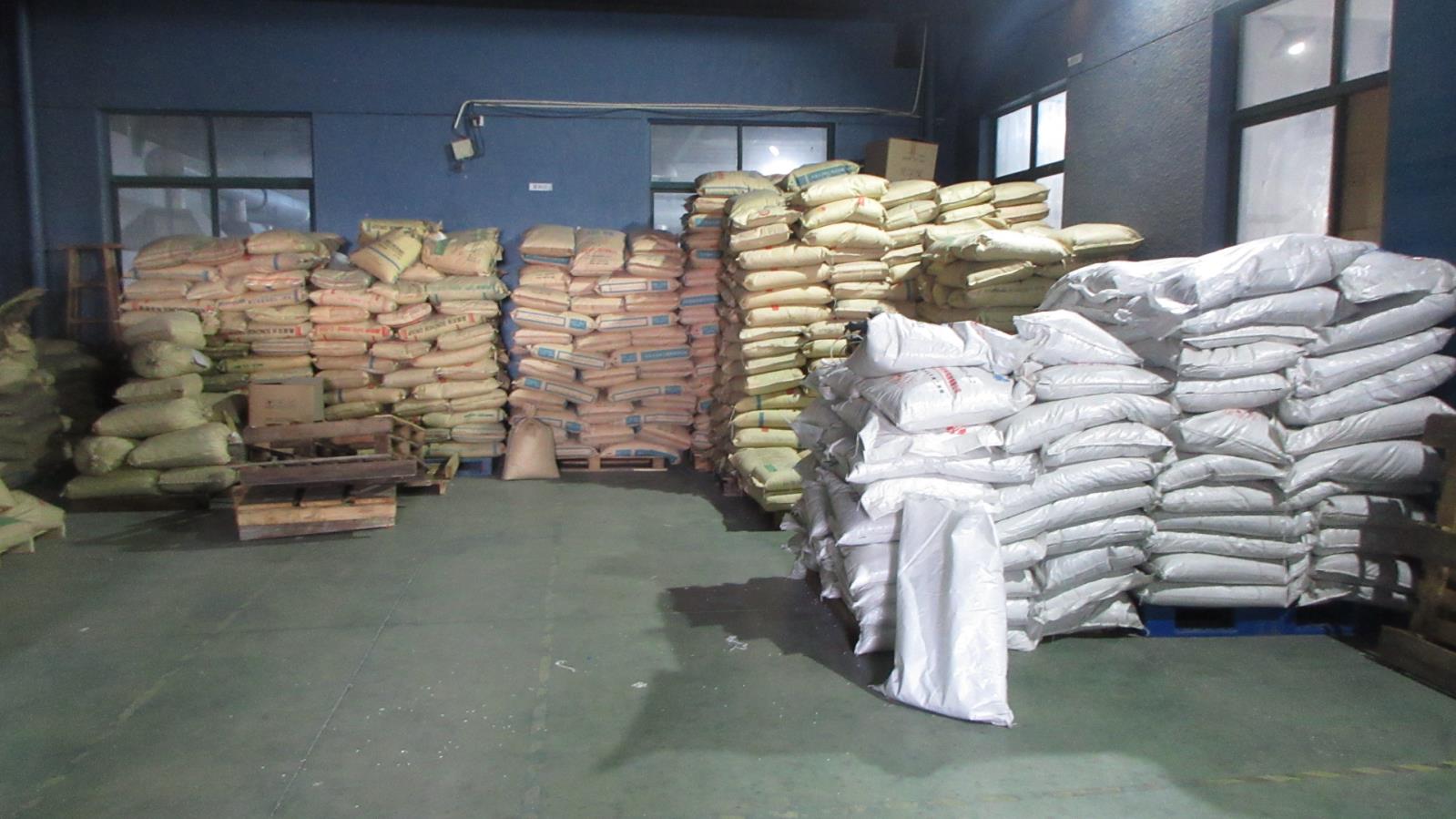
Incoming polymer pellets, high-purity copper contact terminals, and premium alloy shield plates undergo strict chemistry and hardness checks.
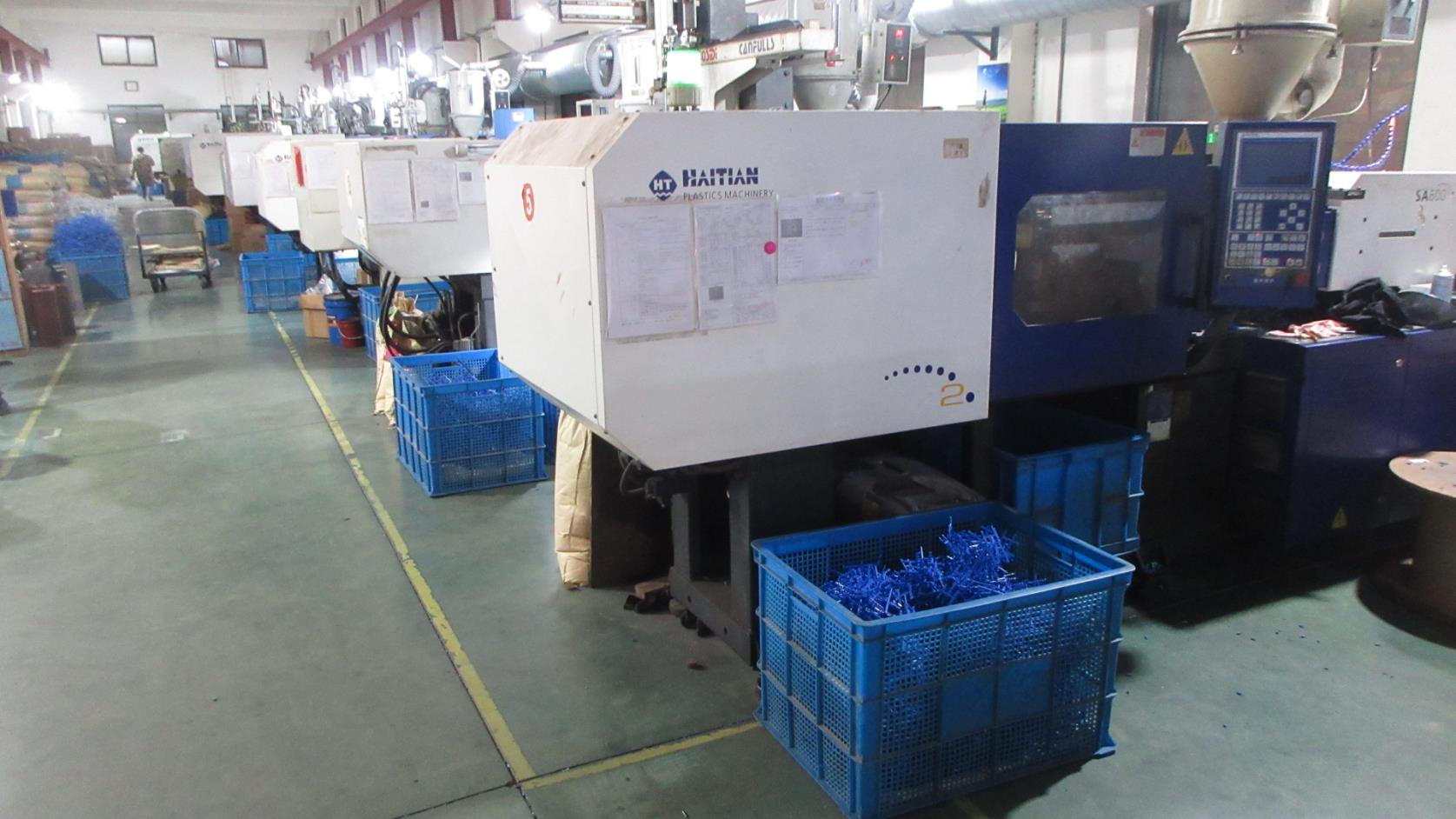
High-pressure, automated injection molding machines form durable, heat-resistant connector housings that meet strict UL94-V0 flammability ratings.
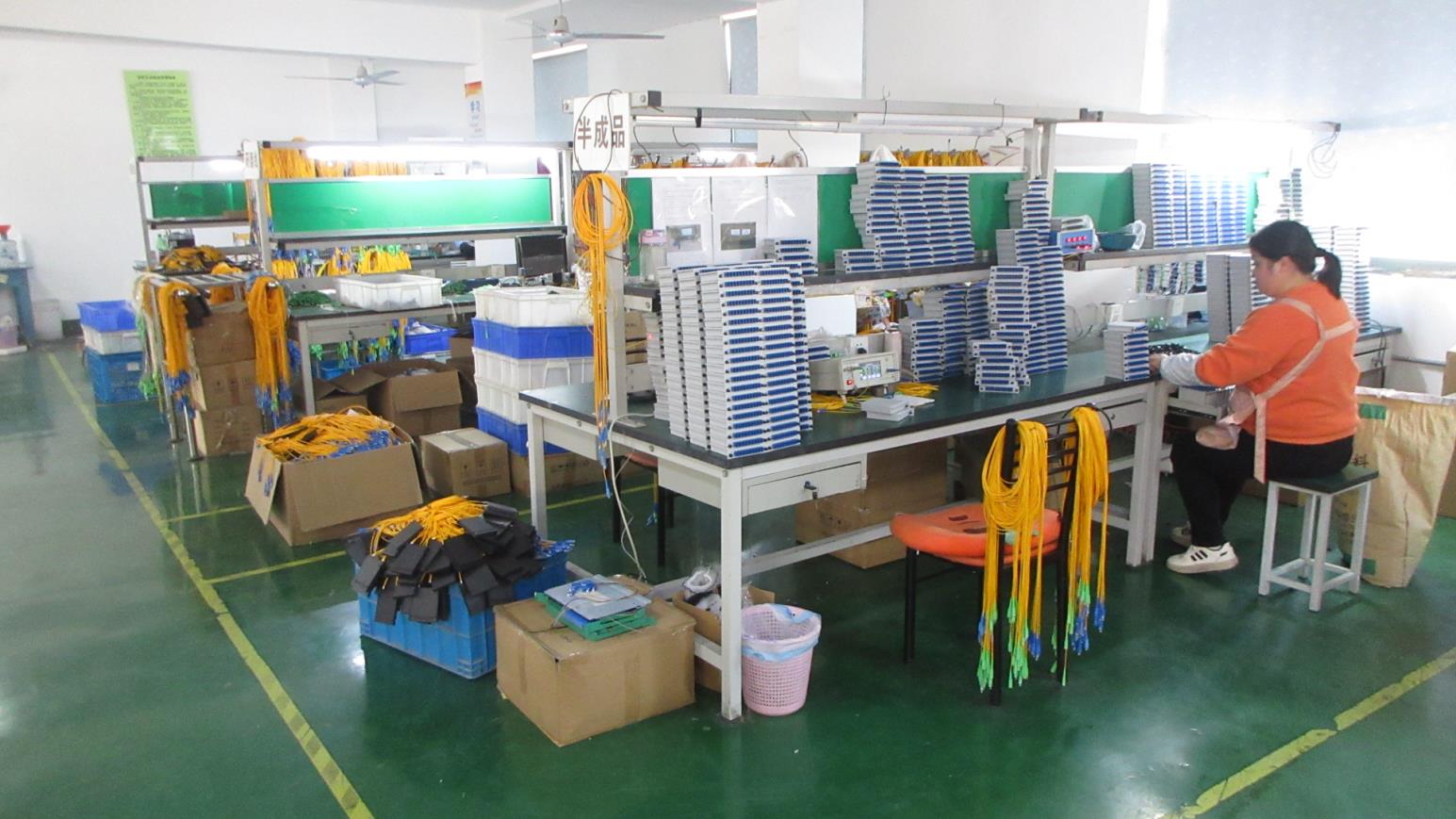
Robotic arms and automated insert systems place pins, LED pipes, and shielding wrappers with micrometer-level precision.
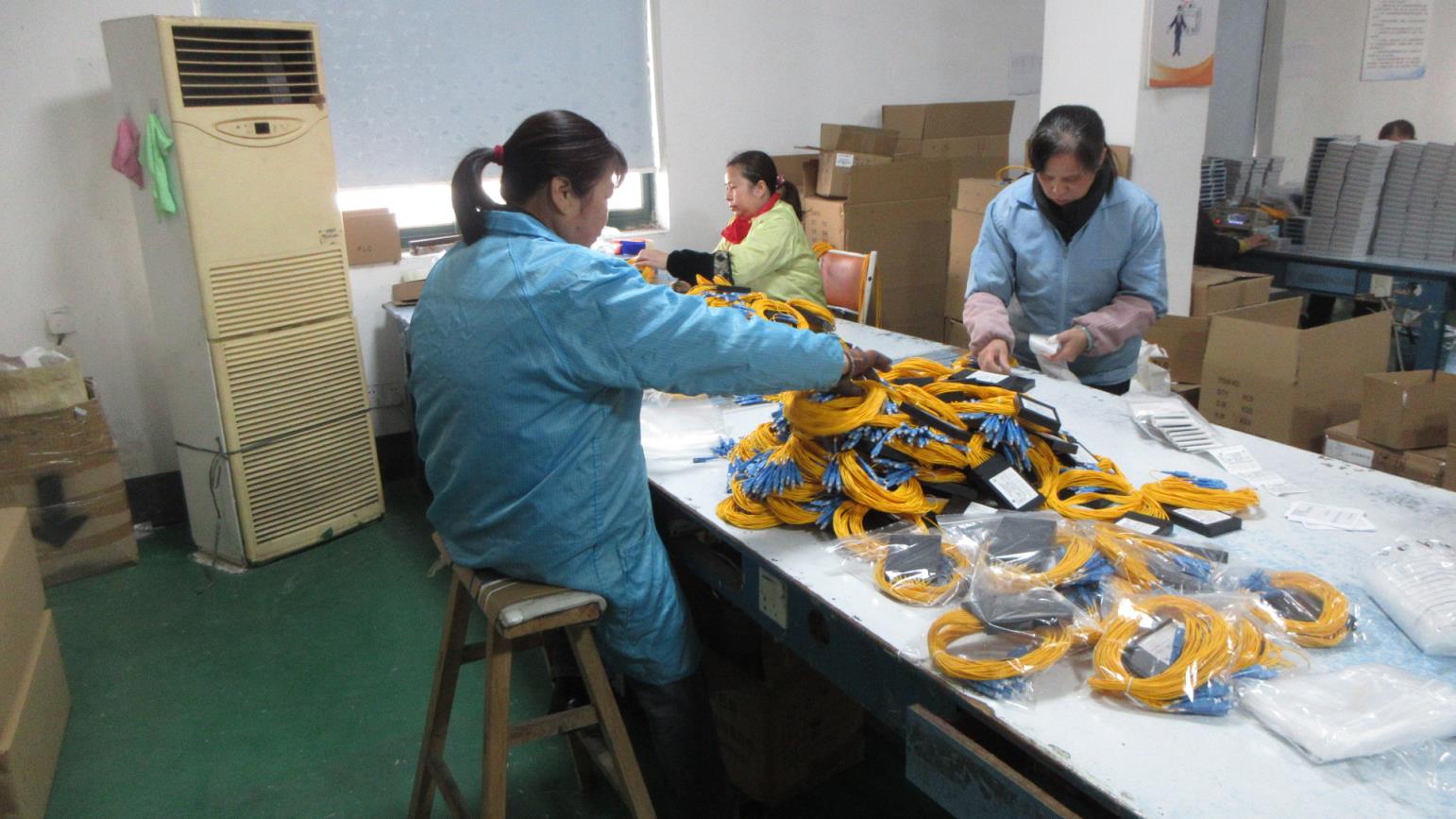
Finished components are automatically packaged into moisture-barrier, anti-static trays and reels to protect pins from bending during long-distance shipping.
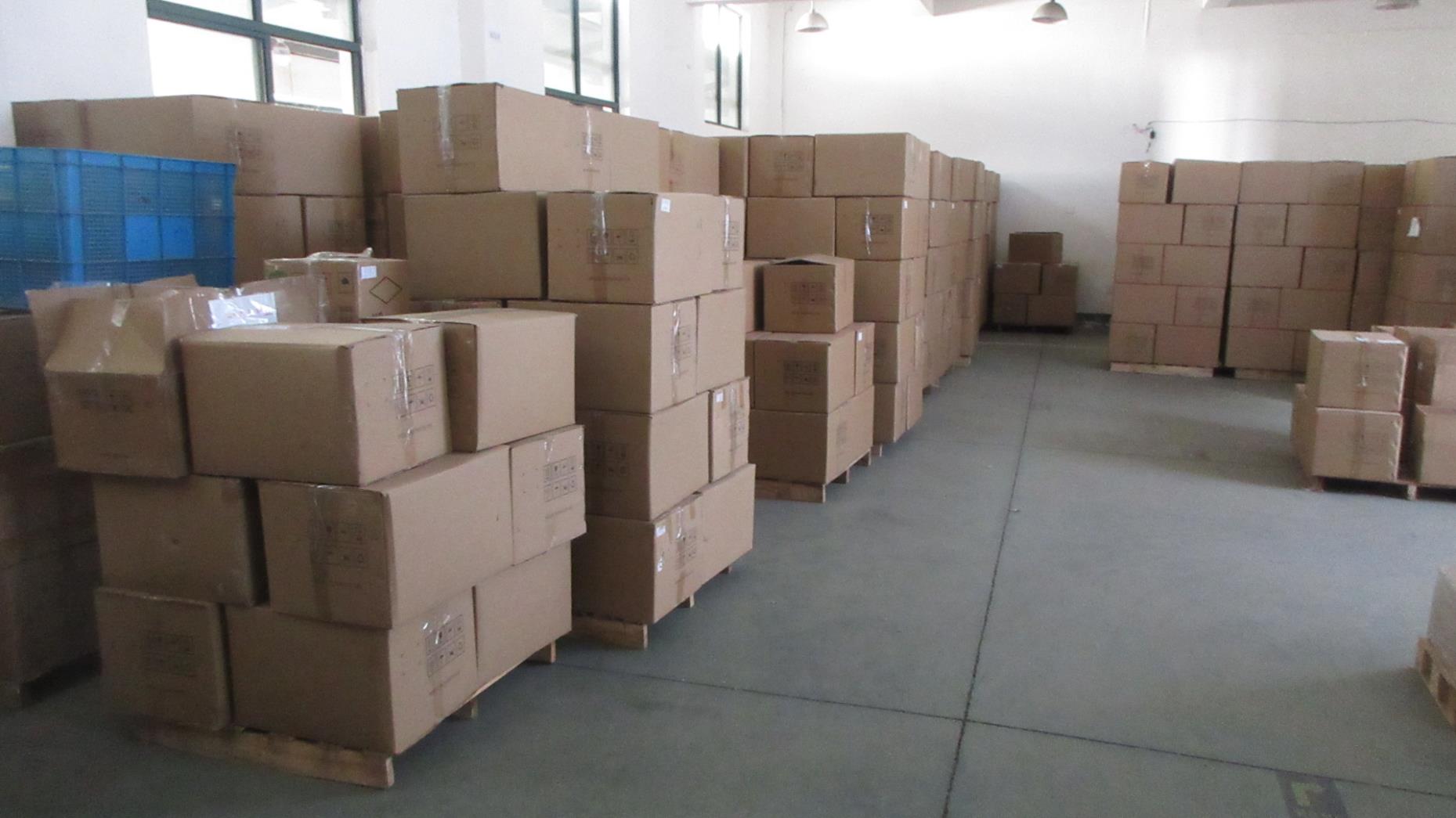
Climate-controlled warehousing protects components from oxidation and temperature fluctuations, ensuring ready-to-ship inventory for global demand.
Leveraging years of expertise, modern production spaces, and global partnerships to support critical networking infrastructure.
To ensure high performance in harsh environments, every RJ45 socket, transceiver, and SFP housing undergoes rigorous physical, environmental, and optoelectronic validation. Below is an overview of the specialized equipment utilized in our production and quality assurance processes.
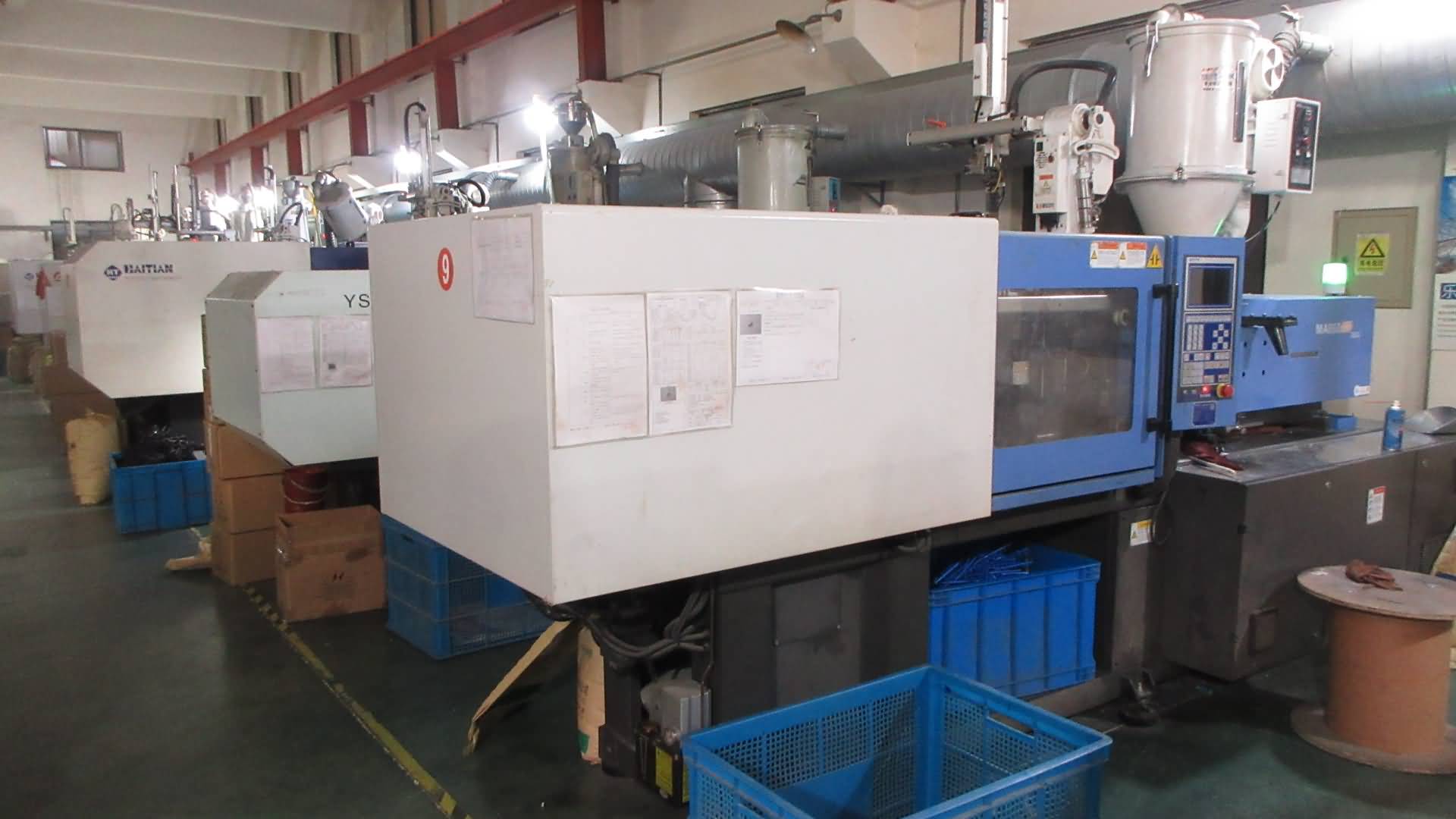
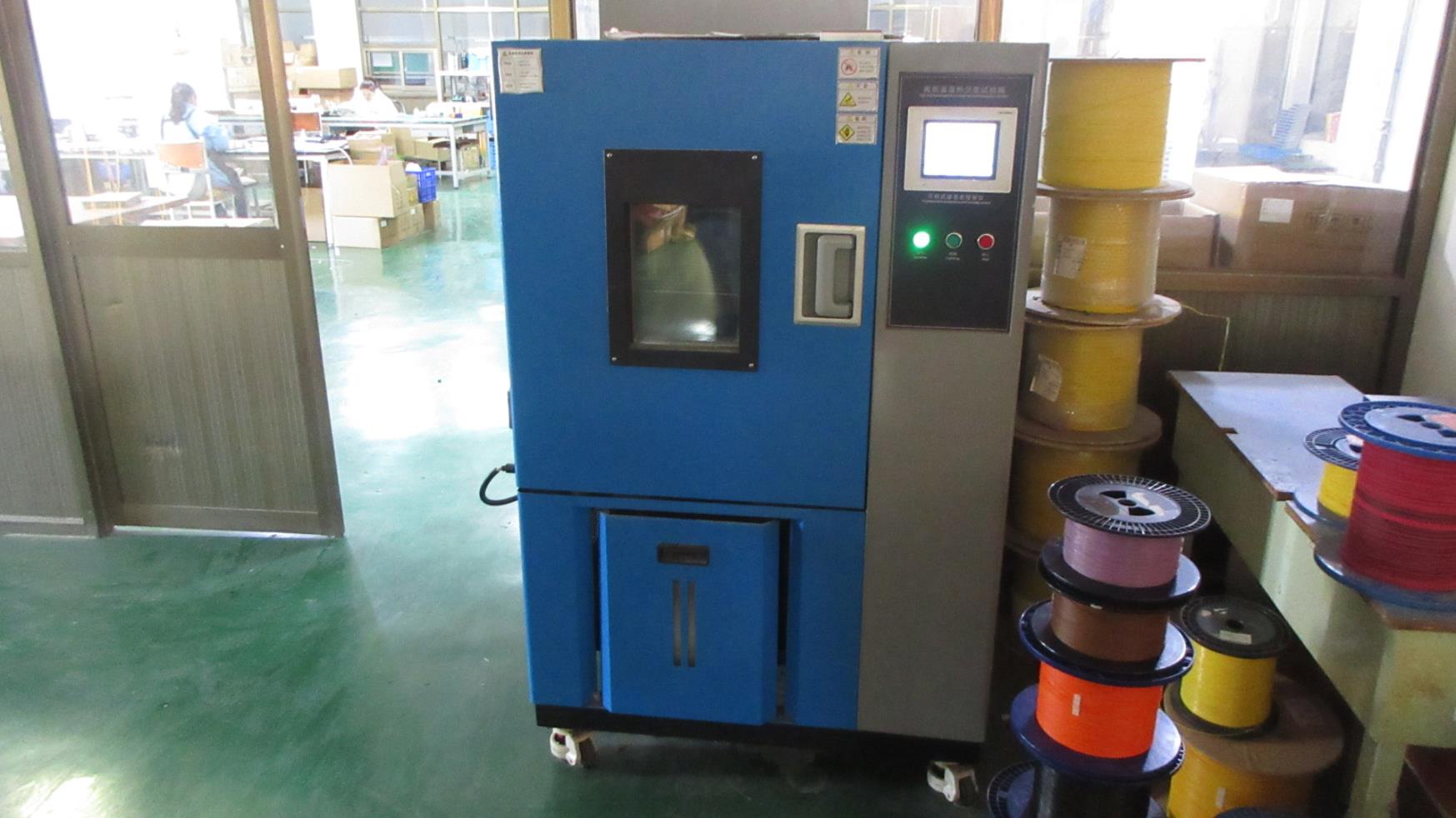
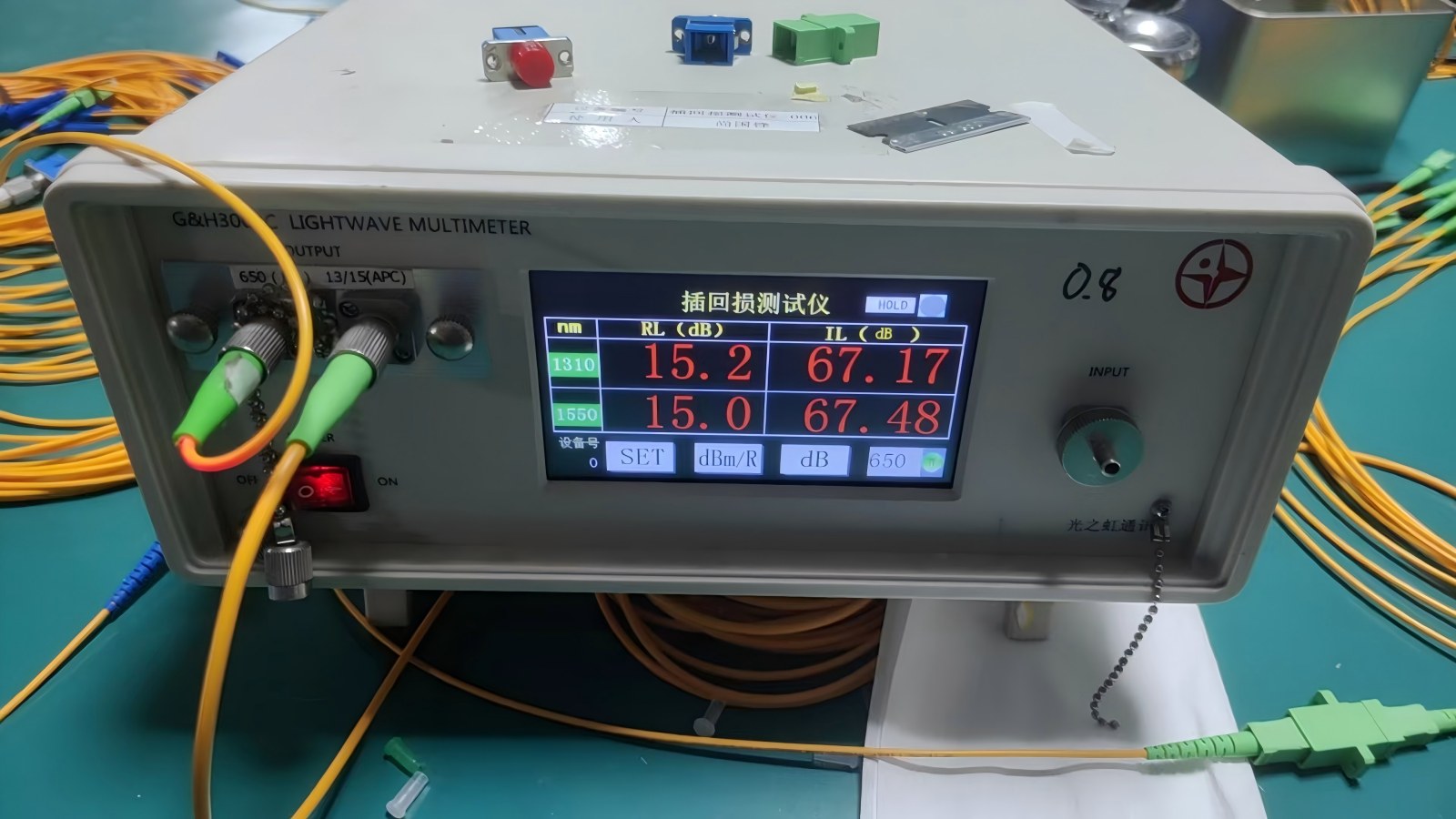

Ensures all optical module interfaces are free from particulate dust, scratches, or microscopic imperfections that cause return loss, maintaining high transmission efficiency.
RJ45 sockets and optical connectors serve as key access points across modern networking landscapes. Understanding these environments helps engineers optimize their component selections:
Modern data centers handle immense volumes of traffic. Stacked SFP+ cages and multi-port RJ45 connectors support modular blade servers, top-of-rack (ToR) switches, and fiber distribution frames. The integration of heat sinks and advanced press-fit technology ensures these systems can run continuously without thermal throttling or loose connection points.
Industrial environments present challenges like vibration, dust, and electrical noise. Factory automation systems, PLCs, and robotic nodes rely on ruggedized, shielded RJ45 sockets. The addition of magnetic components and protective LED indicators helps maintain steady signal paths, isolates ground loops, and enables quick diagnostic checks on the factory floor.
Applications like smart traffic cameras, cellular base stations, and environmental sensors require reliable outdoor hardware. Connectors designed for these systems must withstand extreme temperatures, humidity, and electrostatic discharge. Fully shielded, vertical-entry magnetic RJ45 connectors provide the durability and weather resistance needed for stable public network systems.
AI clusters and telecom networks demand very high data rates. Using single-mode 400G and 100G transceivers ensures low latency and high bandwidth over long distances. High-quality cage structures provide the physical stability and heat dissipation required to prevent packet loss under heavy data loads.
Get answers to critical technical questions regarding RJ45 modular jacks, shielding, and compliance standards.
Review our high-speed optical modules and multi-port modular cages designed for data networks and cloud systems.