Equip-Link
Equip-Link
Equip-Link
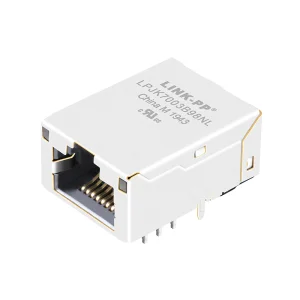
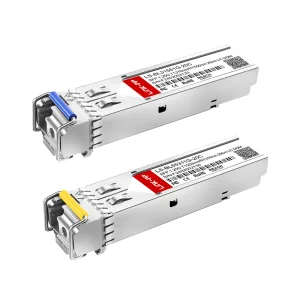
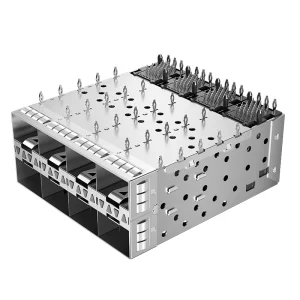
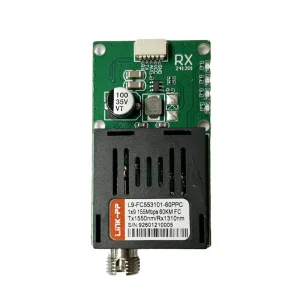
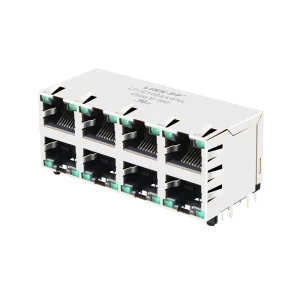
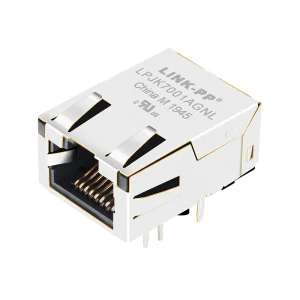
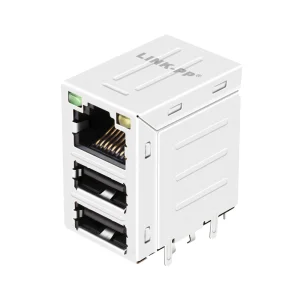
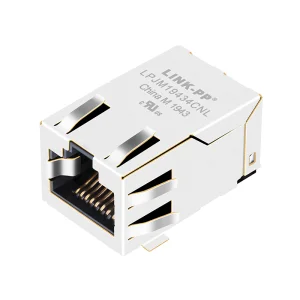
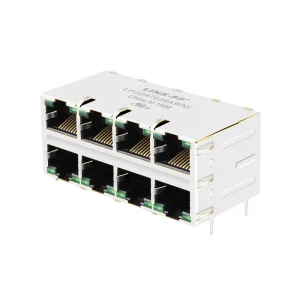
In modern electronic design and server architectures, structural real estate is at a premium. The market expansion of IoT edge nodes, 1U and sub-1U rackmount blade systems, and consumer-grade slim network appliances has fueled a structural shift toward low-profile Ethernet jacks. These components are not simply condensed RJ45 assemblies; they represent optimized precision engineering configured to manage high-speed differential signal transmission within height constraints of under 11.5mm.
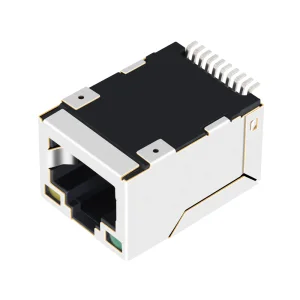
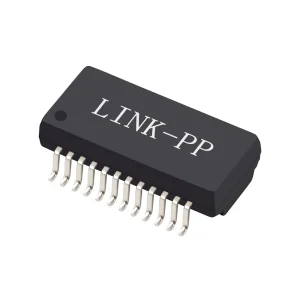
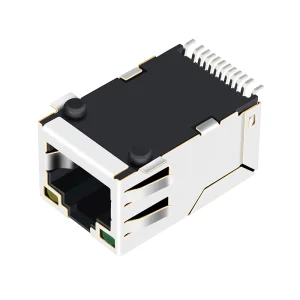
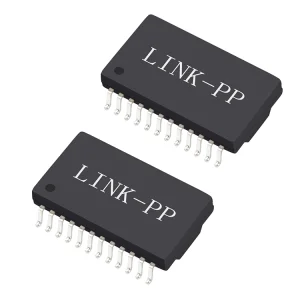
Design engineers face major physical issues when minimizing height. Standard RJ45 housings feature sufficient internal cavities for traditional magnetic coils. For low profile alternatives, integrated magnetics (MagJacks) must utilize advanced coplanar toroidal winding topologies to guarantee optimal magnetic isolation without bloating the vertical footprint. Furthermore, low-profile designs often employ SMT (Surface Mount Technology) or mid-board mount offsets, allowing the connector to rest partially below the PCB surface to save valuable vertical millimeter space.
Reduces the connector profile from the standard 14mm to 9.5mm - 11.3mm, facilitating seamless integration inside ultra-thin blade enclosures and embedded systems.
Optimized 360-degree metallic cages and internal magnetic matrices effectively suppress electromagnetic interference (EMI) and cross-talk at high frequencies.
Engineered to handle power transmission up to 30W/60W under current carrying limits, managing thermal dissipation in confined spaces.
Procuring low-profile Ethernet components at scale requires a deep understanding of supply chain variables. Procurement departments at global telecom equipment manufacturers, aerospace providers, and tier-1 server distributors prioritize long-term component lifecycle management over low initial prices. The total cost of ownership (TCO) is influenced by:
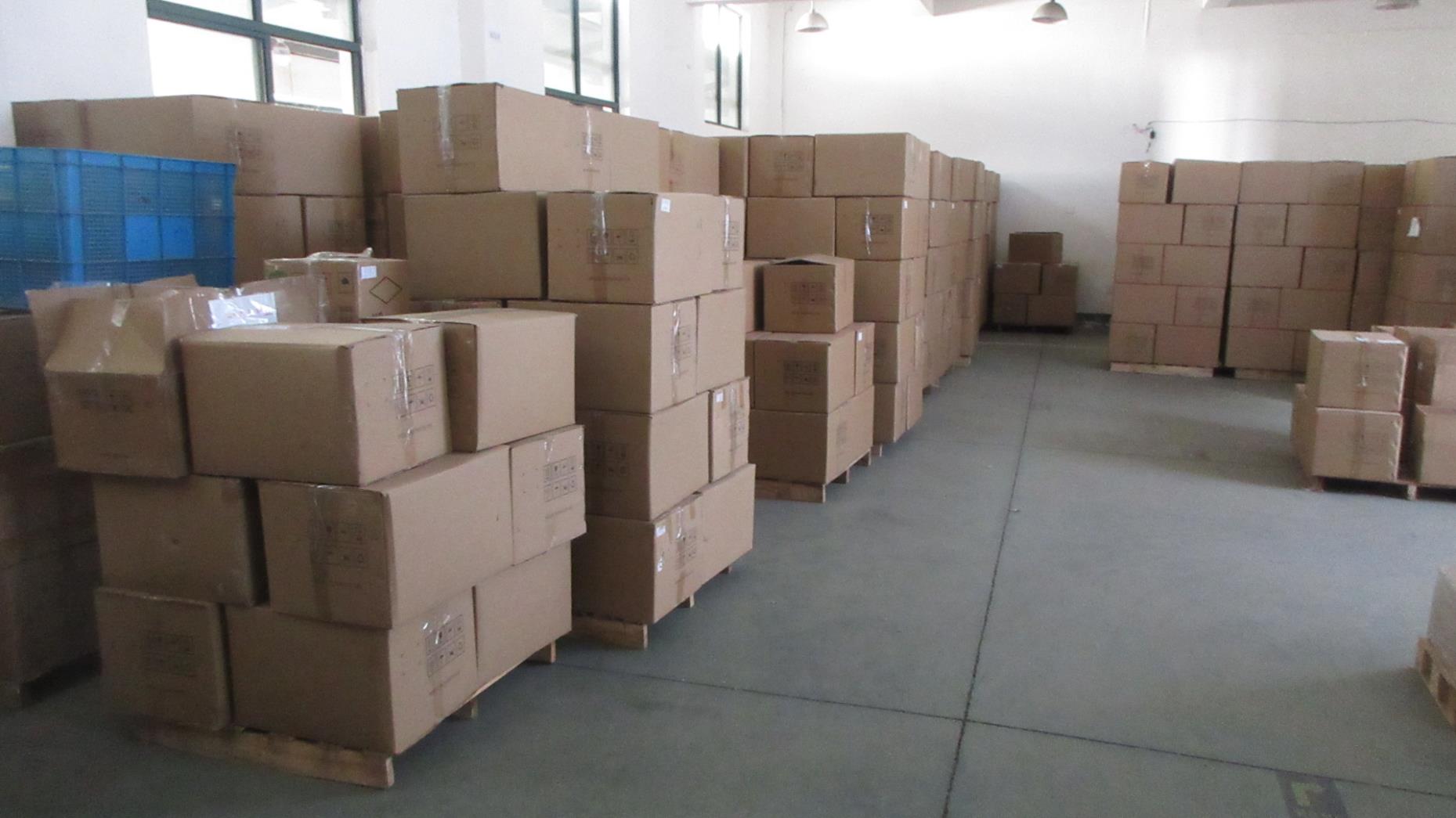
As a premier global exporter, Equip-Link Intelligent Equipment (Shenzhen) Co., Ltd. serves high-speed connectivity supply lines. Our structural supply chain connects data center providers, network equipment distributors, and system integrators worldwide, ensuring stable component availability and predictable transit times.
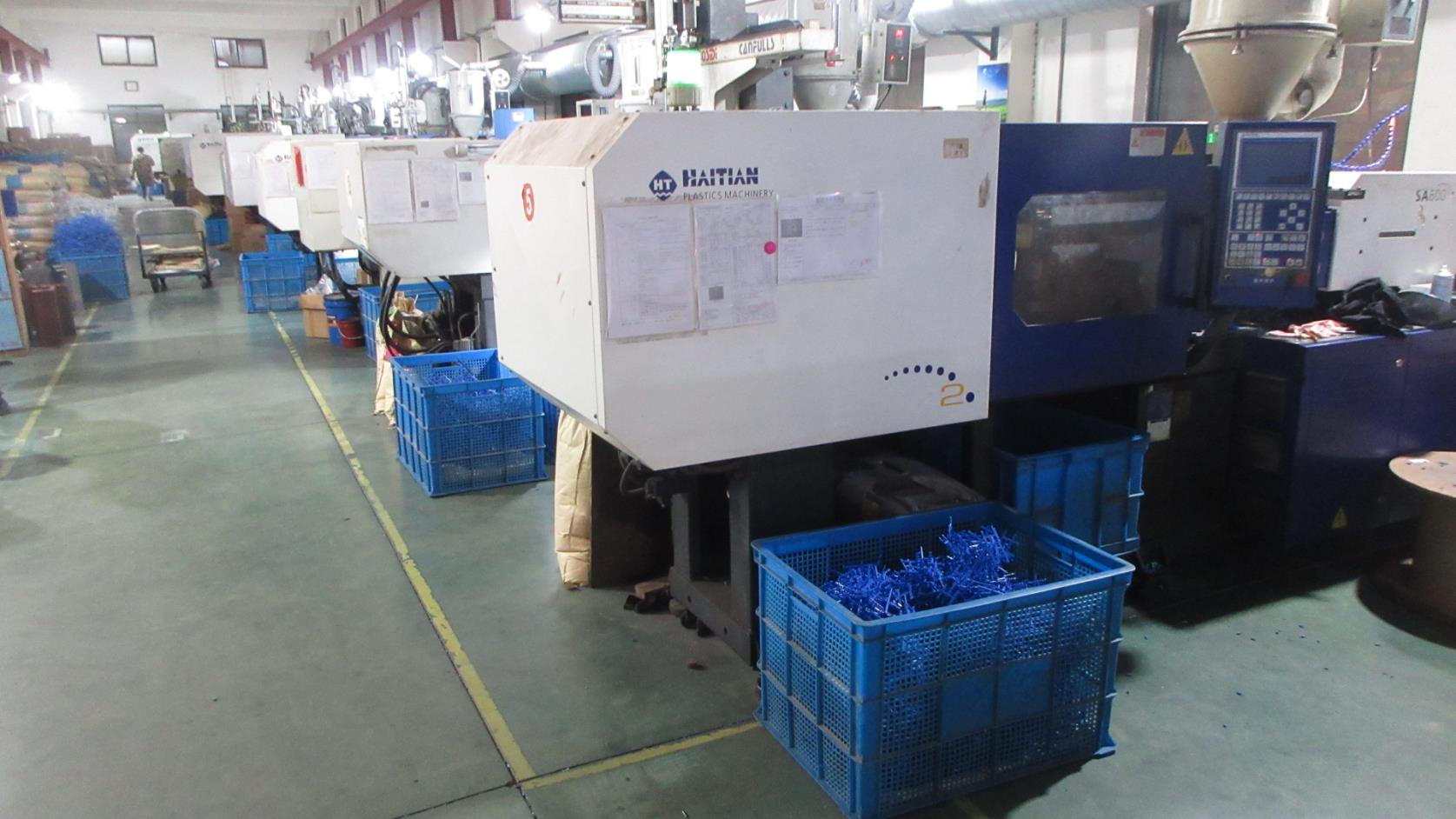
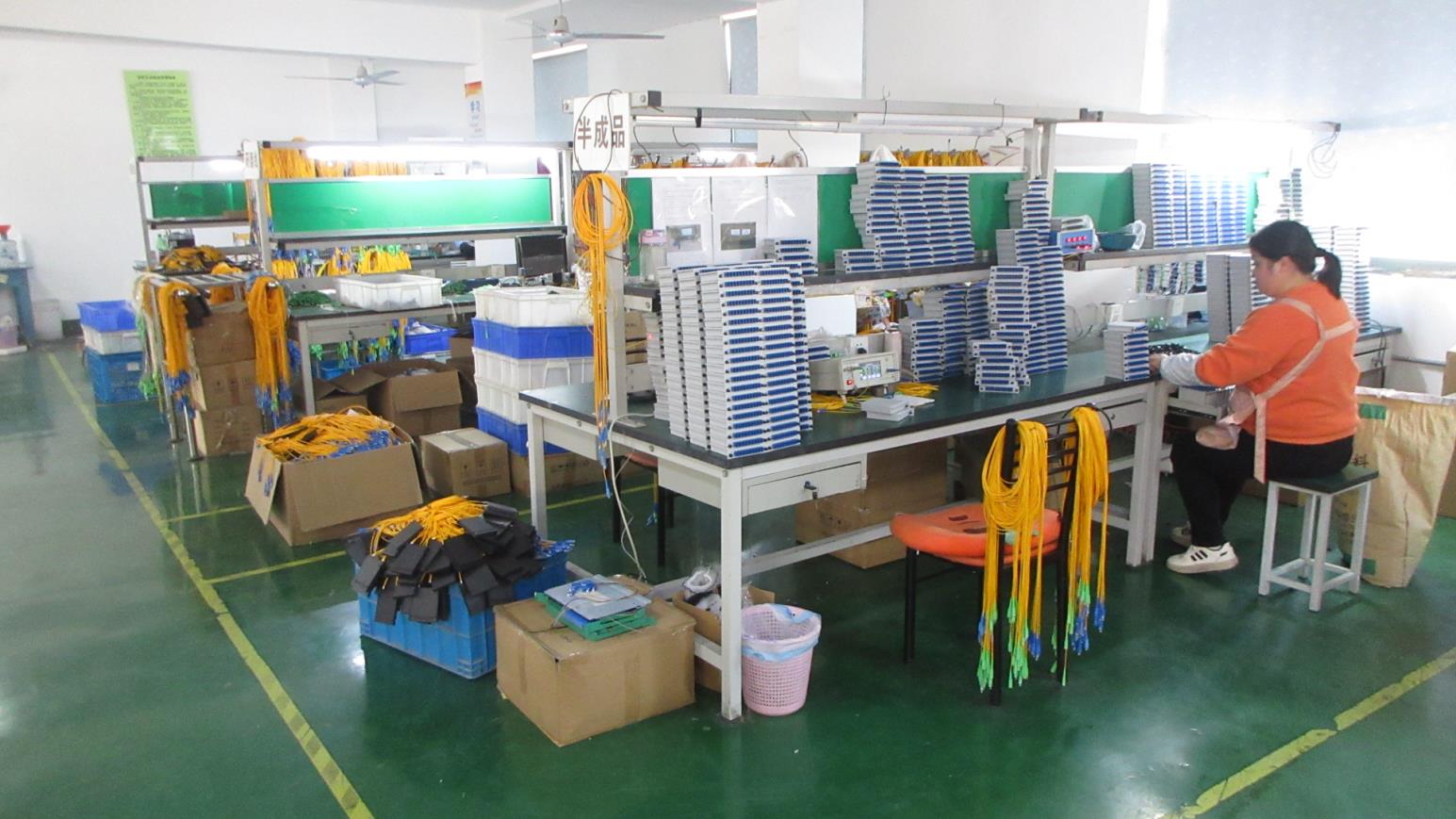
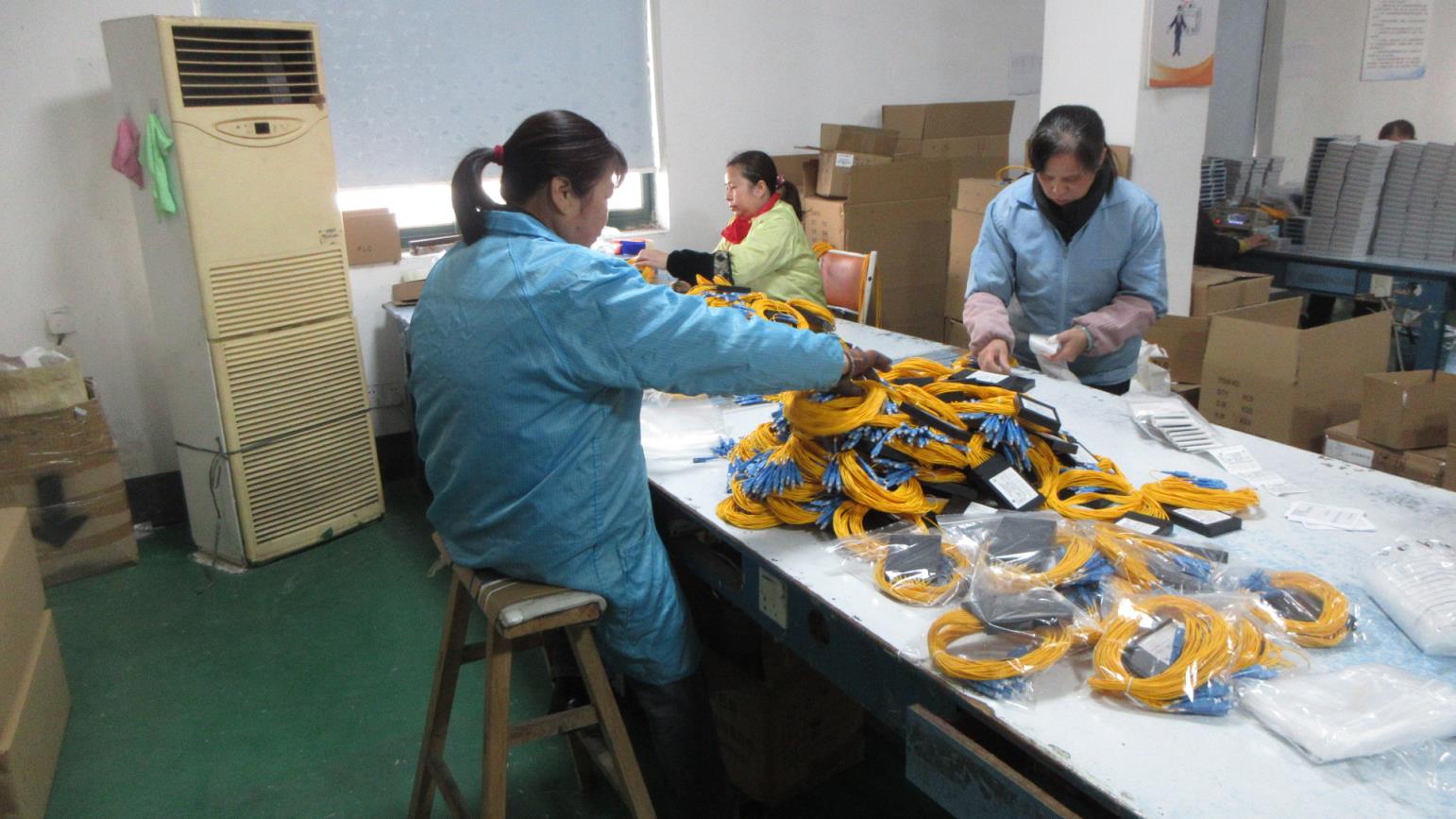
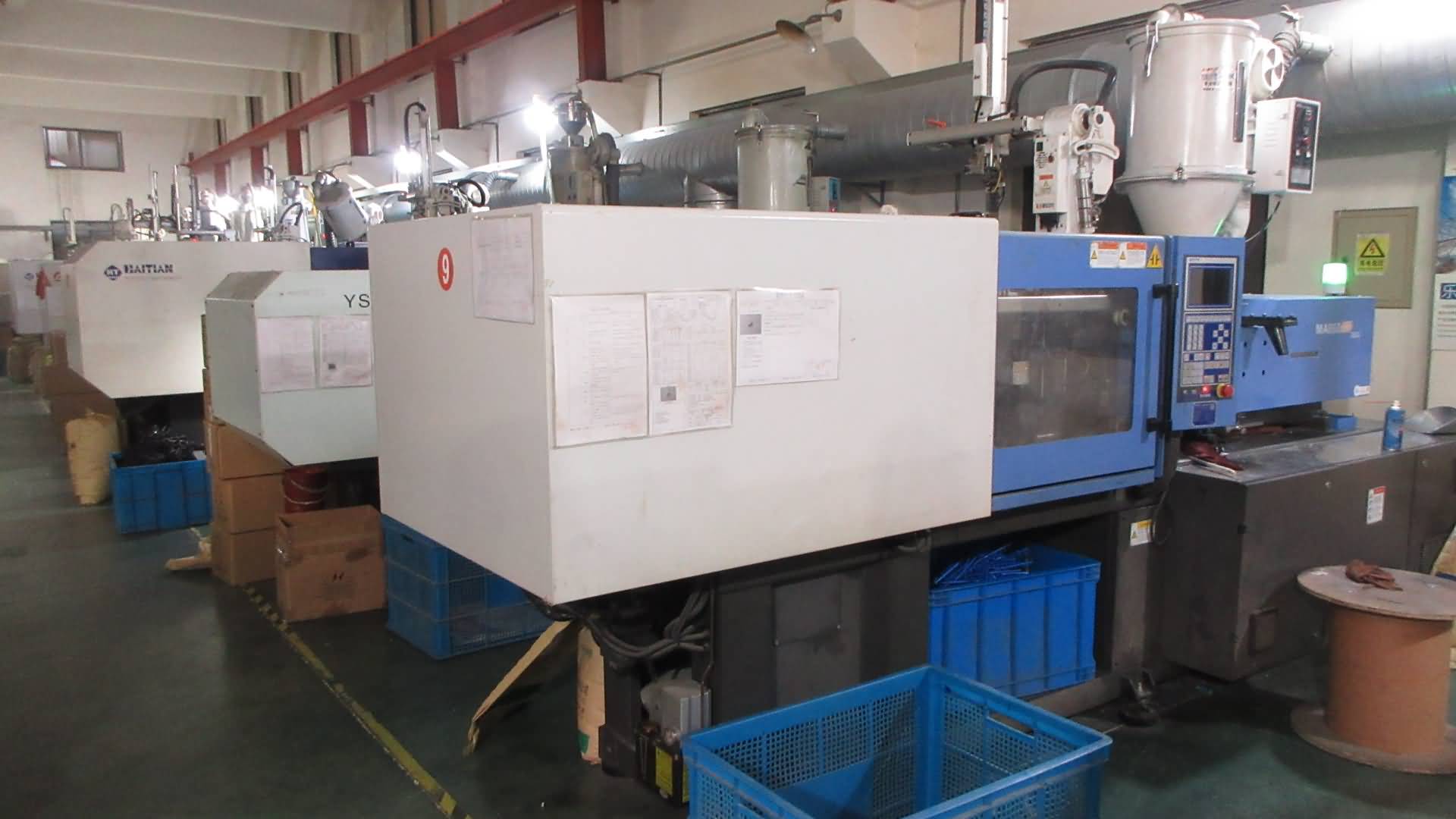
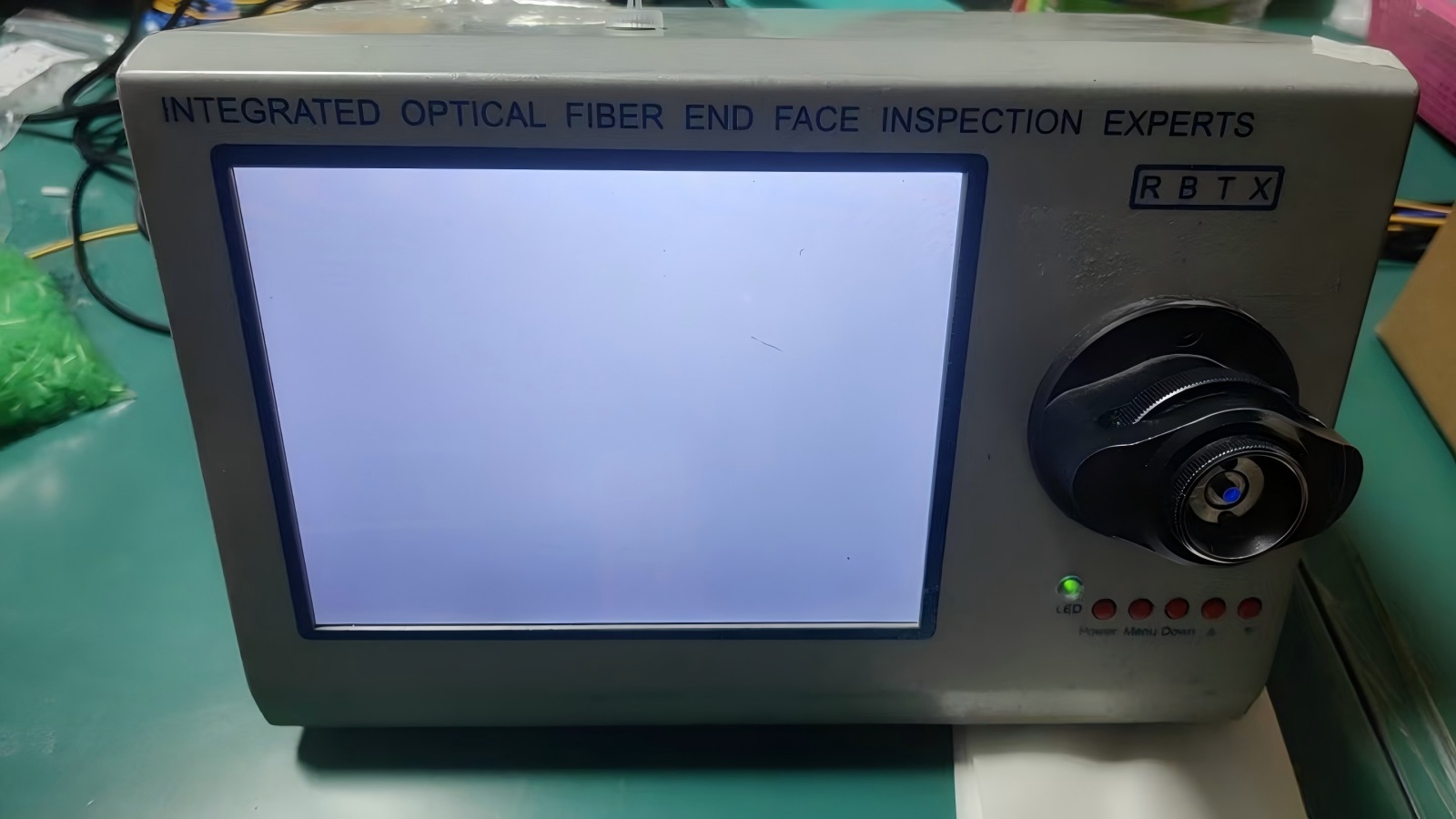
Established in 2017 in Shenzhen, Equip-Link has grown to occupy a leading position in optical communication and ethernet interconnect solutions. Our facility uses advanced injection molding, automated optical inspection, and rigorous environmental stress testing to ensure every component delivers consistent field performance.

The development of Ethernet interconnect components is tied to the evolution of high-speed copper PHY structures and IEEE standards. With the release of 2.5GBASE-T, 5GBASE-T, and 10GBASE-T, the frequency requirements of Ethernet jacks have increased from 100 MHz (Cat5e) to 250 MHz (Cat6) and up to 500 MHz (Cat6a).
In low-profile installations, maintaining high performance requires precise layout and magnetic design:
Equip-Link's engineering team tracks these changes by developing integrated solutions that combine magnetics with SMT footprints, ensuring compatibility with next-generation high-density switches and routers.
Reliability cannot be defined by catalog declarations alone. Every connector batch from Equip-Link undergoes strict quality control steps overseen by our team of 36 dedicated quality inspectors. Our processes include three core verification phases:
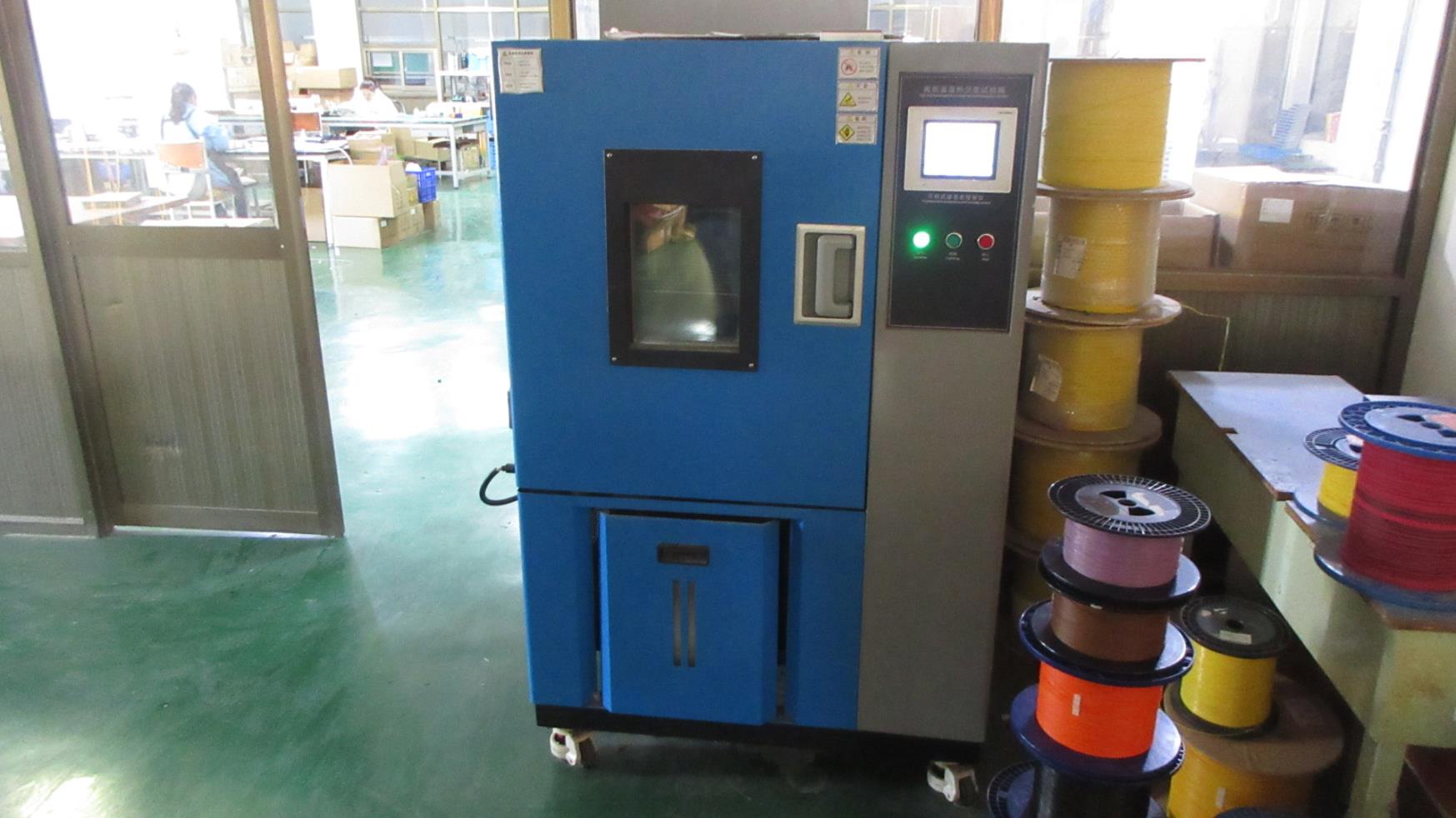
Environmental stress testing is critical for telecom equipment exposed to outdoor cabinets and remote base stations. We utilize environmental test chambers to subject connector samples to high and low-temperature damp heat cycles. This testing validates that the materials can withstand seasonal temperature fluctuations and high humidity environments without physical cracking, delamination, or electrical degradation.
Low-profile RJ45 jacks reduce the overall height of the connector on the PCB, typically keeping it under 11.5mm. This design allows system designers to fit network interfaces into tight spaces, such as ultra-thin 1U rack servers, industrial computers, and low-profile PCIe cards.
Yes, our SMT series connectors use high-performance Liquid Crystal Polymer (LCP) housing materials. They are designed to withstand lead-free reflow profiles, with peak temperatures reaching up to 260°C for 10 seconds.
Integrating magnetics directly inside the RJ45 shield helps optimize PCB space by replacing external discrete components. It also protects high-frequency signals from electromagnetic interference (EMI), maintains return loss margins, and provides galvanic isolation.
Yes, we offer specific low-profile models designed for PoE and PoE+ applications. These configurations are rated for current loads up to 600mA per pair, ensuring reliable operation without overheating the connector housing.
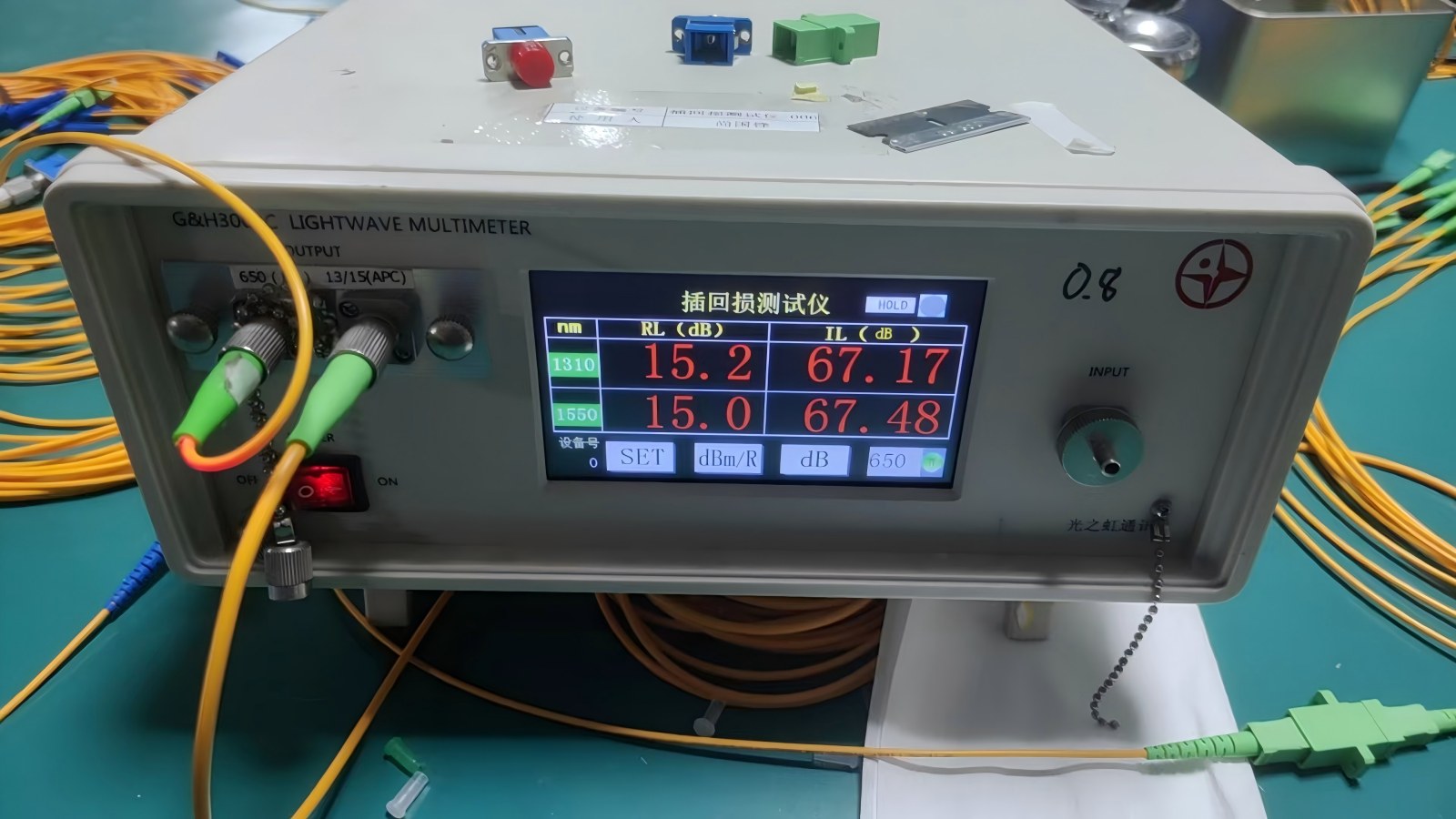
Our production facility operates a multi-stage quality control process. Every single item undergoes optical insertion loss testing, environmental stress cycling, and dynamic network performance analysis prior to final packaging and shipment.
Yes, we support comprehensive customization, including custom pin mappings, alternative LED configurations, custom housing designs, private labeling, and specialized firmware programming for optical transceivers.