Equip-Link
Equip-Link
Equip-Link
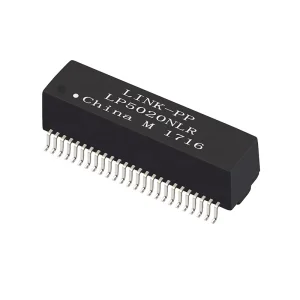
Premium components engineered for high isolation, surge protection, and low return loss under demanding industrial loads.
Nigeria is experiencing a dramatic digital transformation. Backed by the Nigerian National Broadband Plan (NBP), the country aims to reach a 70% broadband penetration benchmark. Tech hubs like Yaba in Lagos (known as Africa’s "Silicon Lagoon"), commercial nodes in Ikeja, and administrative pipelines in Abuja are driving massive expansion in fiber optic routing, 5G rollouts, and local assembly of networking devices.
This technological progression relies on hardware stability. Under Nigeria's tropical environment—marked by high relative humidity, elevated ambient temperatures, and frequent electrical surges due to severe seasonal lightning—maintaining network uptime is a critical engineering challenge. LAN Transformers are essential components in these systems, providing galvanic isolation and filtering out electromagnetic interference (EMI) to protect routers, switchboards, custom-built modems, and smart electricity grid terminals across Nigeria.
In any standard Ethernet design (10Base-T, 100Base-TX, 1000Base-T, and up to 10G/40G structures), the LAN transformer sits directly between the PHY chip and the RJ45 port. It performs four essential duties:
At a global level, the demand for LAN magnetic modules is accelerating. High-speed networking, driven by the expansion of hyperscale datacenters, the rapid deployment of AI compute clusters, and the rise of smart city IoT grids, is pushing the physical limits of Ethernet copper systems. Historically, 10/100 Mbps systems were sufficient; today, 1Gbps, 2.5Gbps, 5Gbps, and 10Gbps connections are the standard.
Furthermore, the deployment of 5G microcell towers, smart meters, and edge computers has expanded the environment where these components operate. LAN transformers must now handle industrial temperatures (-40°C to +85°C) and higher power outputs via PoE++ (up to 90W and above) without suffering from magnetic core saturation.
As an established electronics manufacturer, Equip-Link bridges the gap between high-precision Chinese engineering and local deployments in Nigeria. We ensure that our LAN transformers meet strict global industry parameters, serving as drop-in equivalents to major brands like Pulse, HALO, Bourns, and Würth Elektronik, but at a more competitive cost structure and with optimized logistical pipelines.
Years Industry Expertise
Annual Export Revenue
Qualified Supply Partners
New Products Released Annually
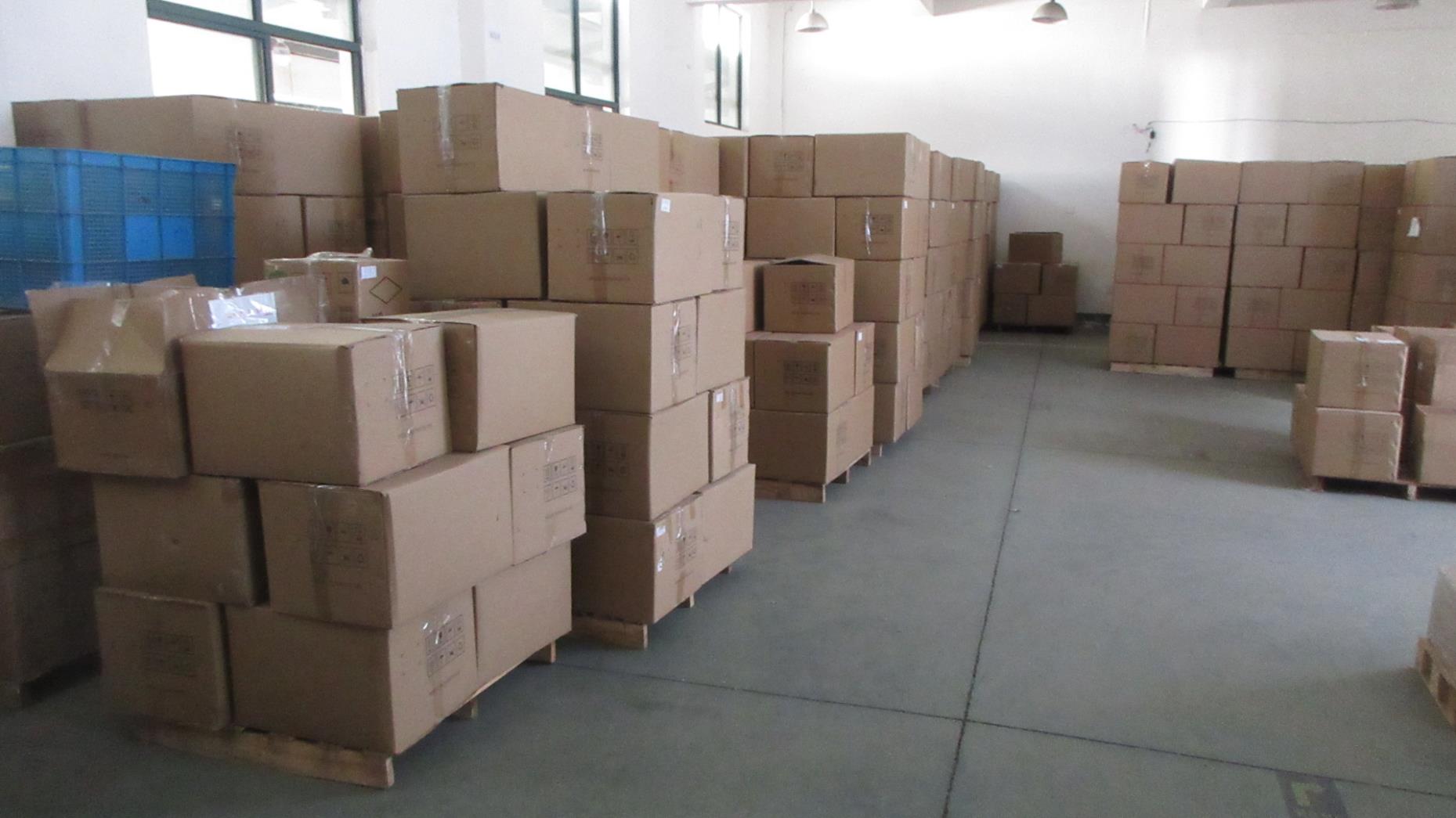
Combining state-of-the-art automation with rigorous quality controls to deliver premium networking components globally.
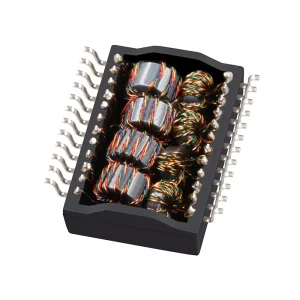
We utilize precision CNC auto-winding machinery to wrap the ultra-fine copper wire around toroidal cores. This eliminates human error, guaranteeing consistent inductance and winding ratios for low crosstalk.
Every LAN transformer batch undergoes tests in our High and Low Temperature Damp Heat Alternating Chambers, and is audited using Optical Insertion Loss Testers and integrated inspection systems.
With 68 professional R&D engineers, we provide complete OEM/ODM services. We can customize pinouts, isolation voltages, SMT profiles, and print private labels for Nigerian telecom providers.
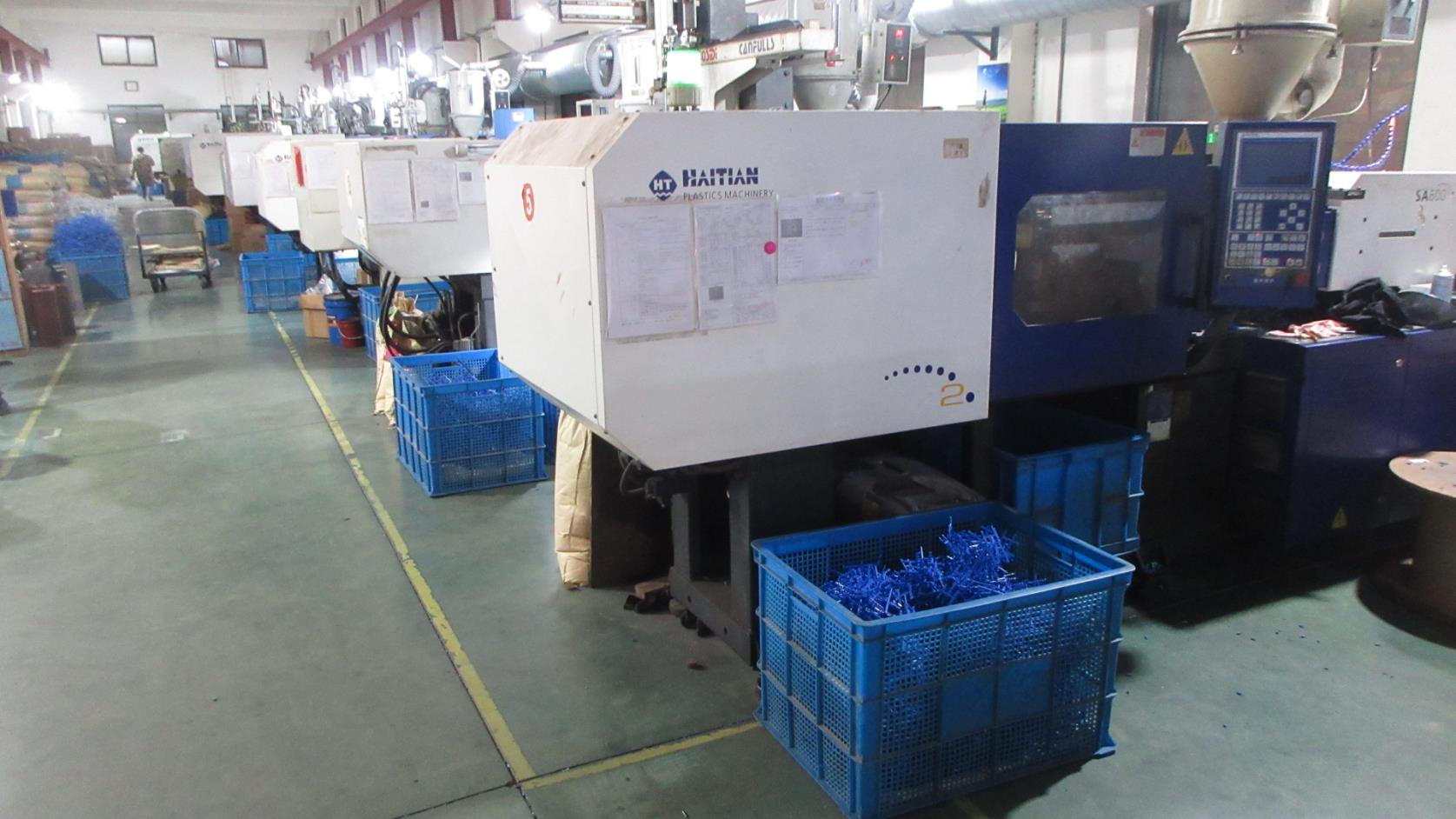
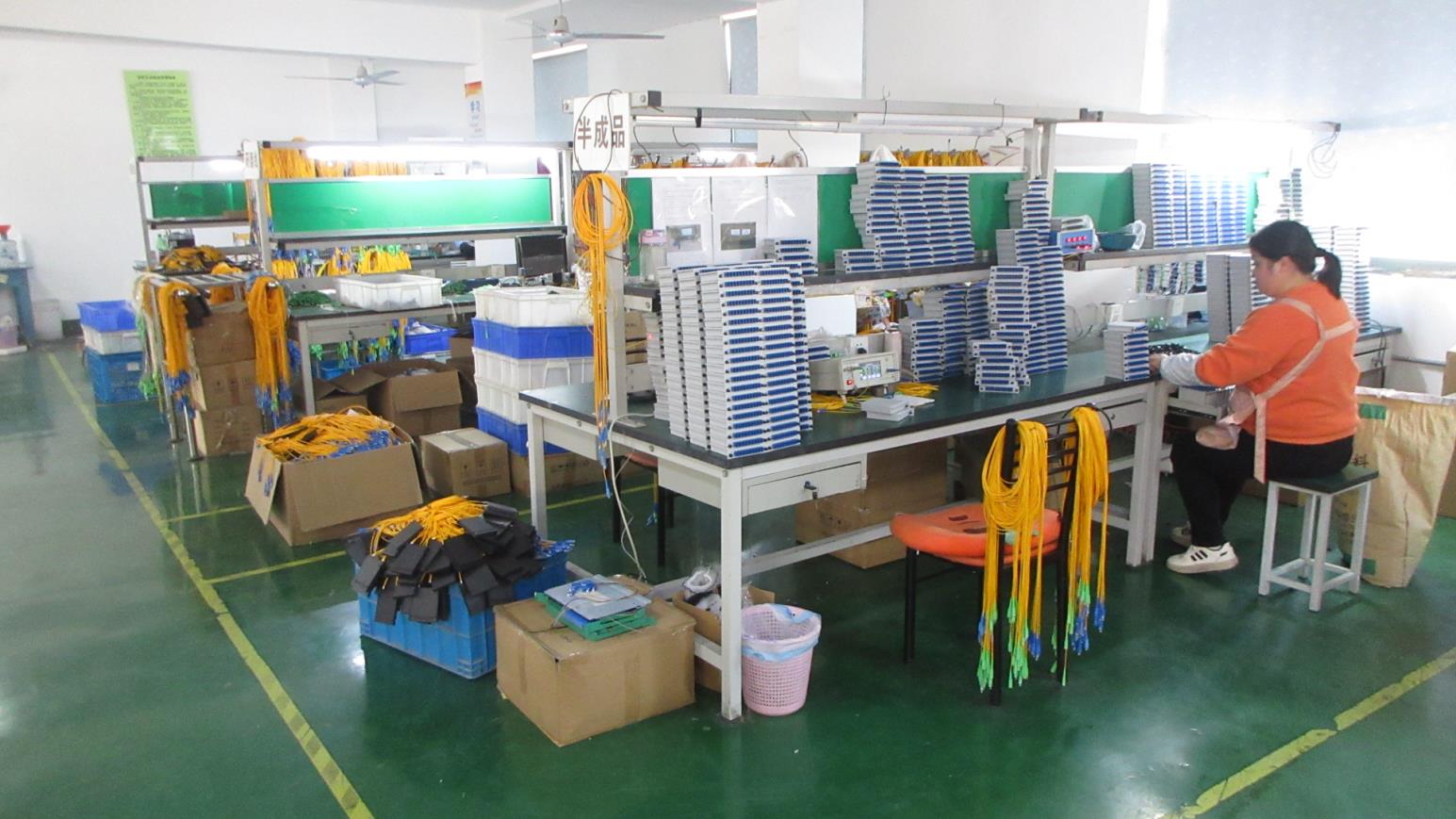
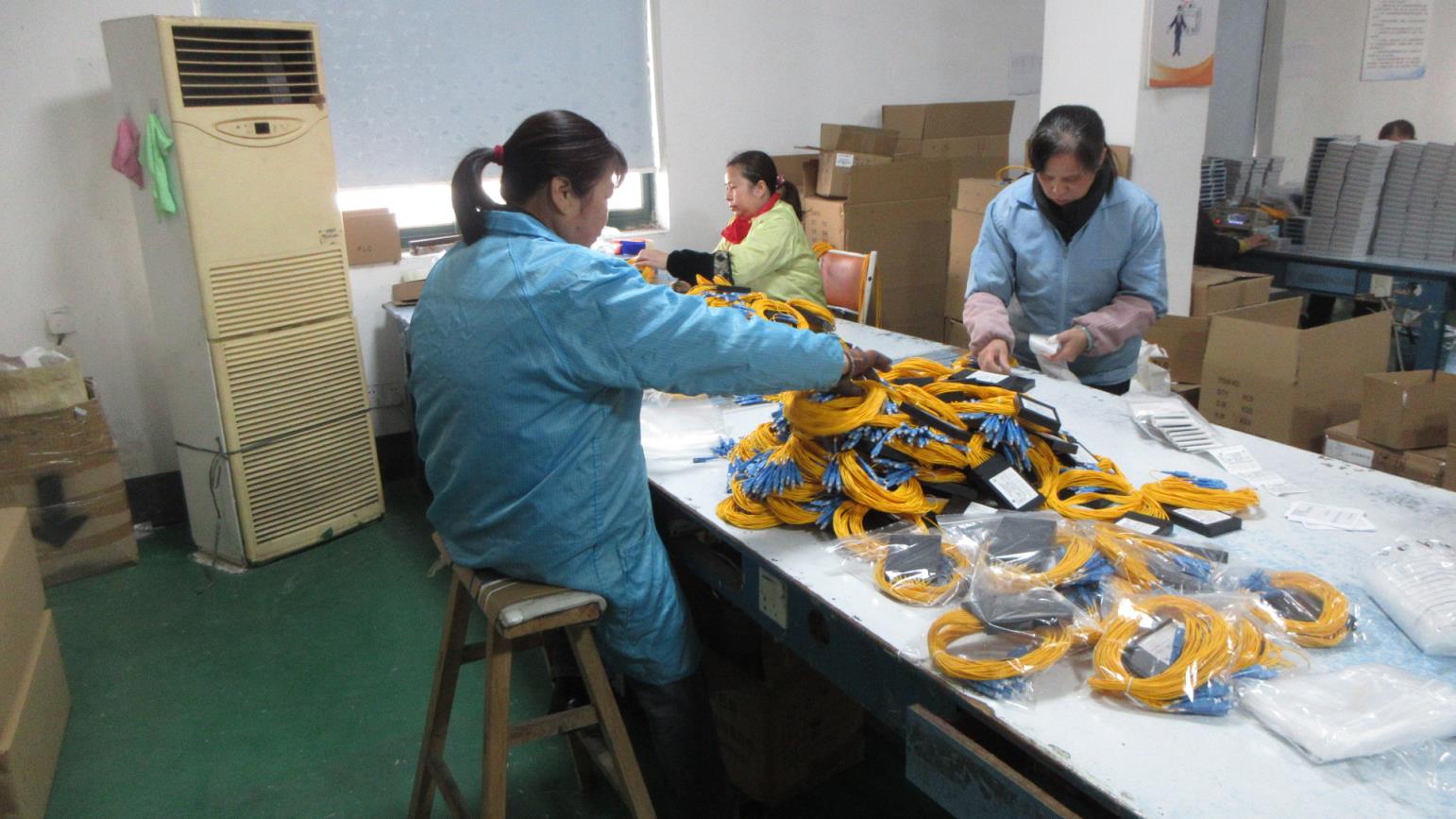
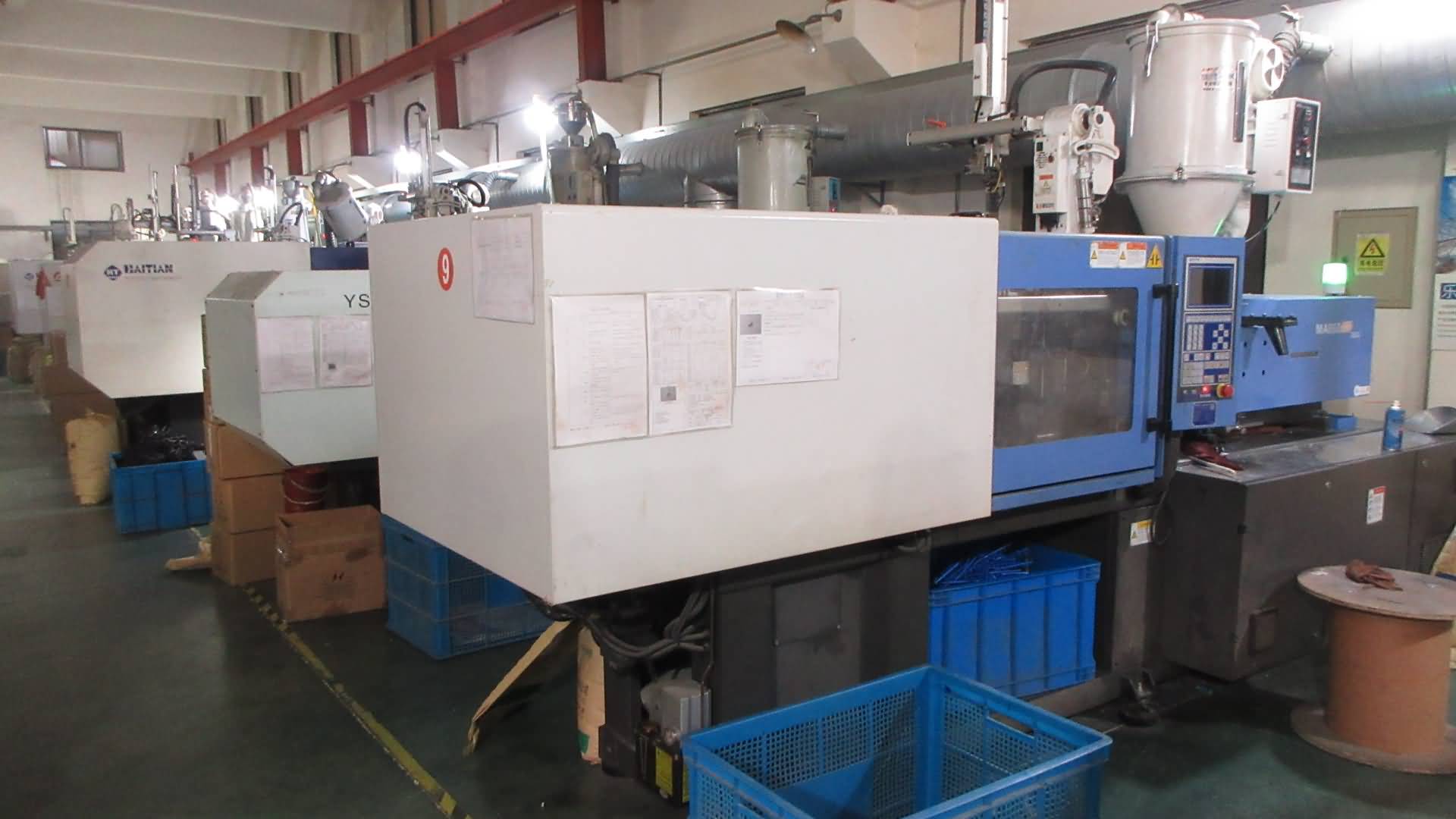
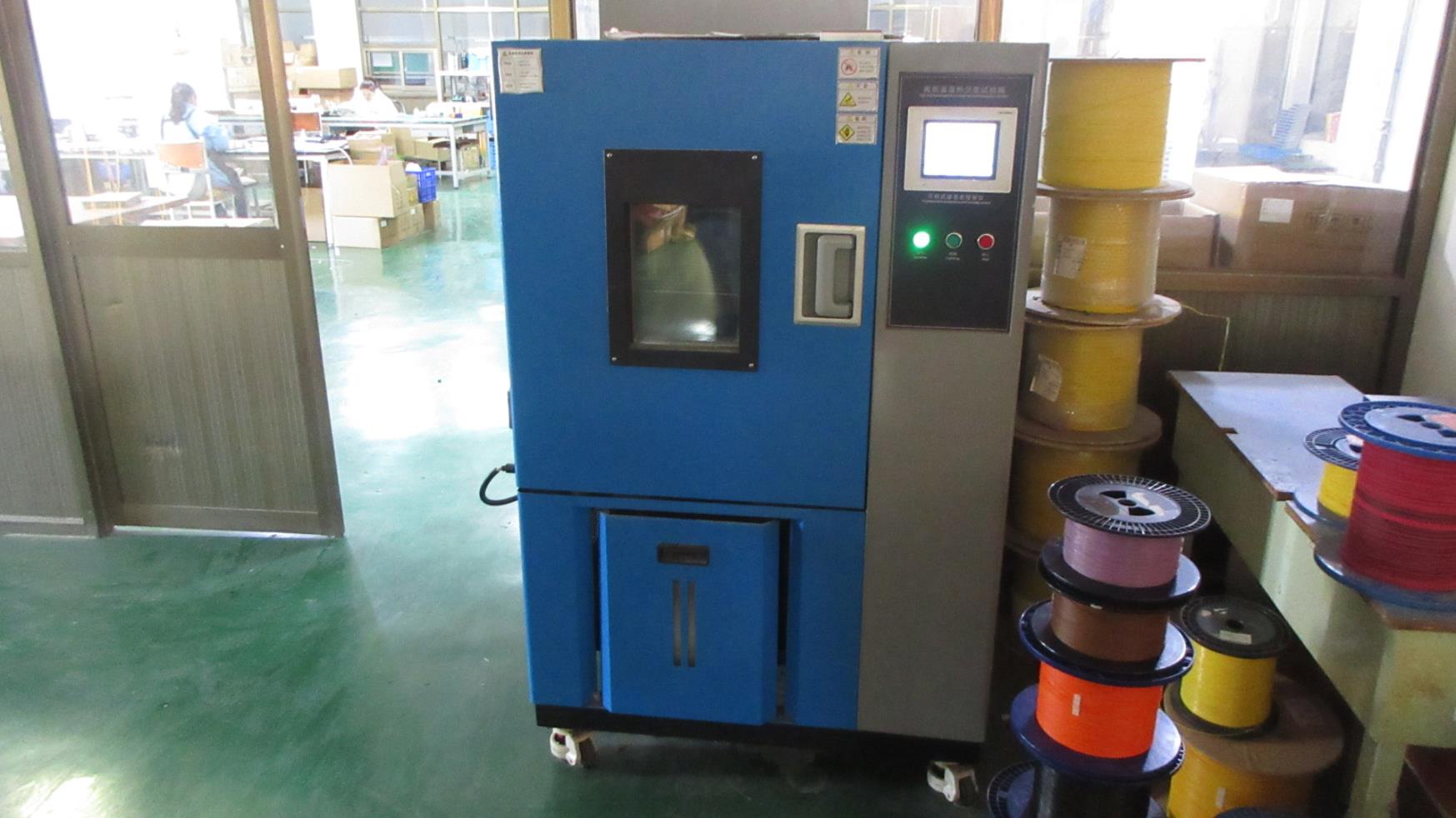
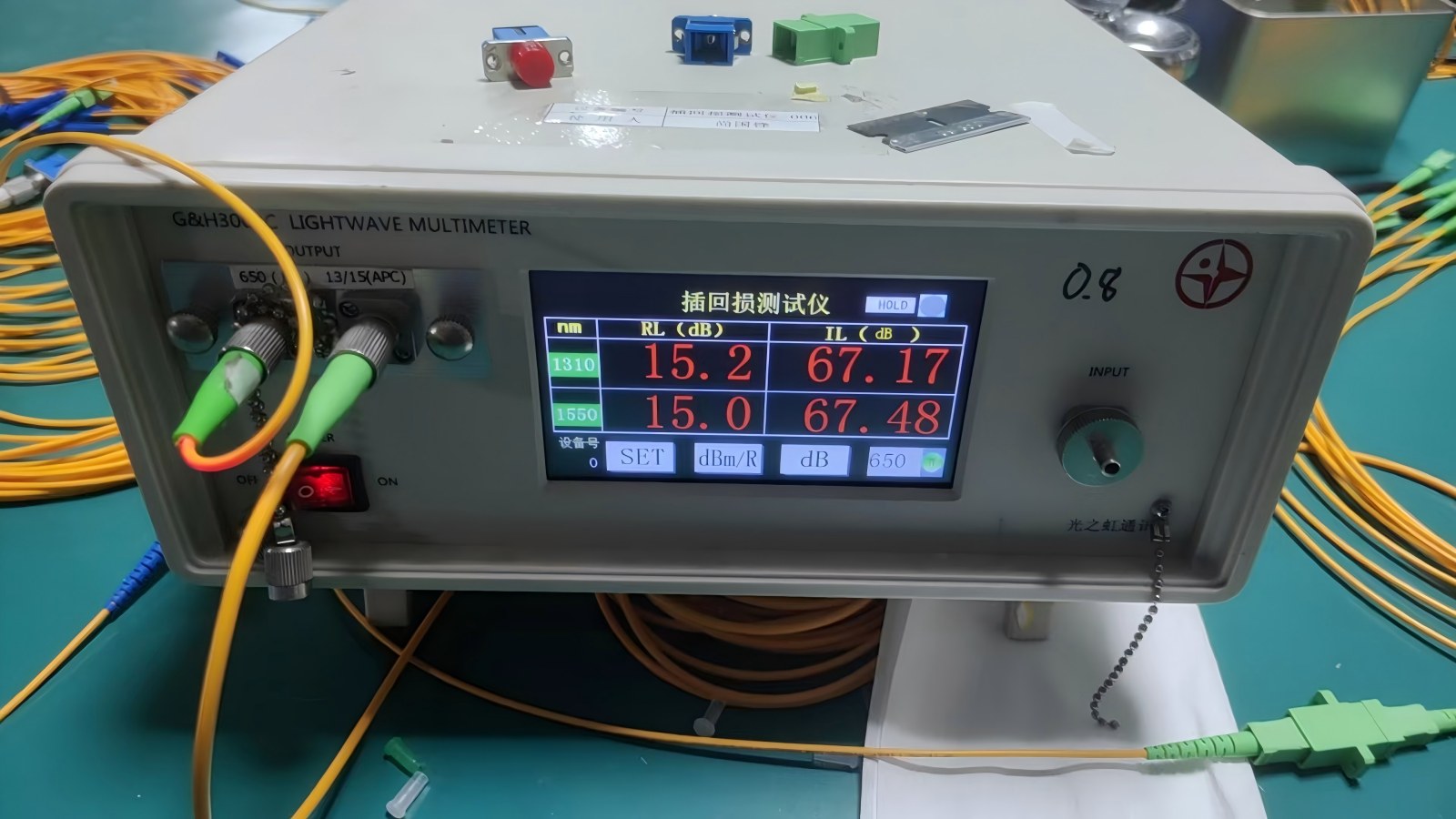
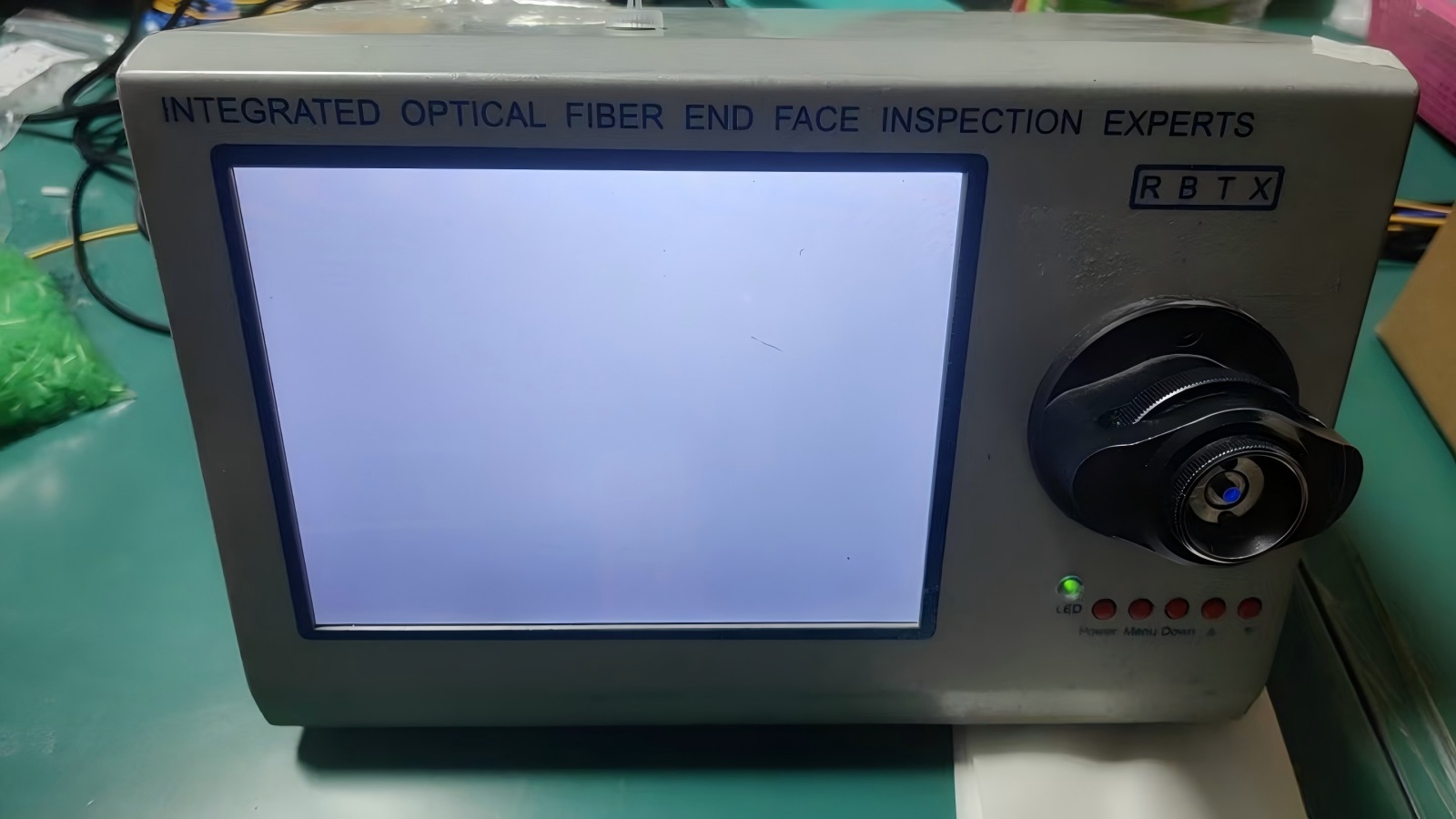
How Equip-Link LAN Transformers support the core of Nigeria's technological infrastructure.
Major carriers such as MTN Nigeria, Airtel, and Globacom require outdoor networking equipment that can endure environmental shifts. Our discrete magnetic modules are rated for lightning protection, preventing system crashes during electrical storms.
As DISCOs (Eko Electricity Distribution, Ikeja Electric, etc.) roll out smart prepaid meters, reliable wired Ethernet and power-line telemetry are key. Our LAN transformers offer long-term isolation stability, keeping communication interfaces secure.
Financial operations in Lagos depend on robust LAN interfaces to connect local servers to national datacenters. Our multi-port, high-speed SMD magnetics guarantee error-free gigabit data flows for bank branches and ATMs.
Selecting magnetic components for tropical environments like Sub-Saharan Africa requires looking beyond base datasheets. Standard Ethernet products can fail prematurely due to micro-condensation on PCB coils, dielectric breakdown, or core saturation from continuous power fluctuations.
Standard commercial network cards often use low-grade transformers rated for 1000Vrms isolation. To withstand local grid volatility, Equip-Link designs its telecom and LAN transformers with a minimum rating of 1500Vrms to 3000Vrms dielectric strength. We utilize triple-insulated wire (TIW) for high-voltage isolation pathways, safeguarding the underlying PHY chip.
In Power over Ethernet (PoE) applications, DC currents travel through the center taps of the LAN transformer. If the winding lacks balance, the core can saturate, leading to inductance degradation and dropped data packets. Equip-Link's automated winding machinery ensures a high degree of core symmetry, minimizing DC current unbalance (typically under 1.0%) to keep data lines running reliably.
Nigeria's expanding metropolitan areas contain dense clusters of wireless and cellular systems, creating electromagnetic noise. Our transformers are built with integrated common-mode chokes that reduce EMI across all operational frequencies. This design ensures compliance with international FCC and CISPR limits, shielding local systems from neighboring signal interference.
Before packing, every transformer is subjected to automated visual sorting, turn-ratio verification, insertion/return loss scanning, and a high-voltage dielectric test. Our team of 36 dedicated inspectors ensures that no substandard modules leave our factory.
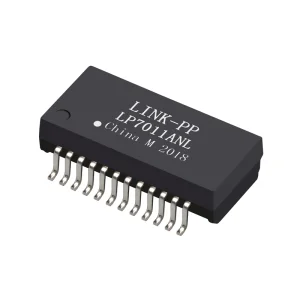
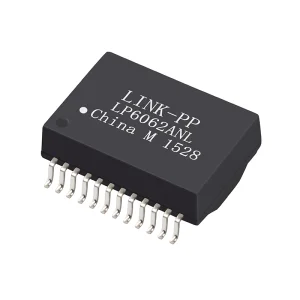
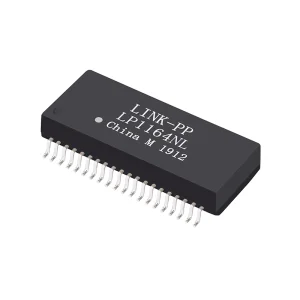
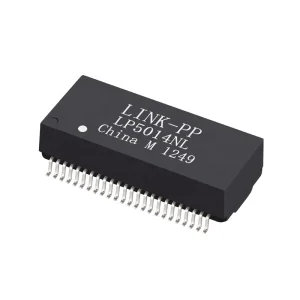
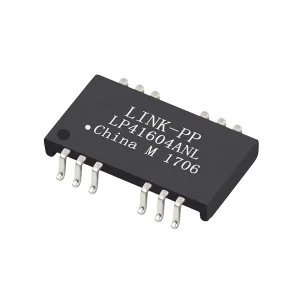
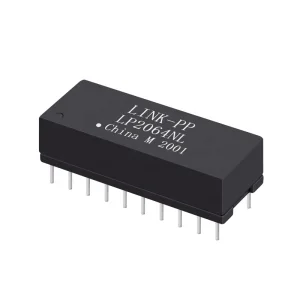
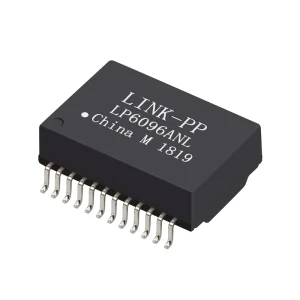
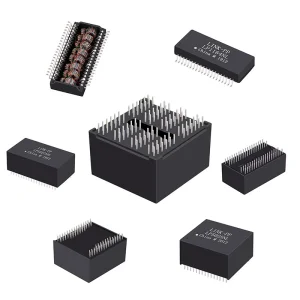
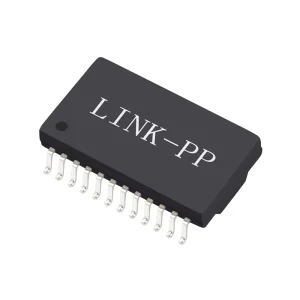
A comprehensive catalog of SMT and Through-Hole transformers for industrial, carrier, and commercial networking systems.
Managing the supply chain for passive electronic components requires addressing lead times, raw material compliance, and component compatibility. For hardware manufacturers, system integrators, and engineering buyers, evaluating these criteria is essential to maintaining stable production timelines.
Redesigning a PCB layout because of a component shortage is costly. When sourcing from alternative suppliers, procurement teams look for pin-compatible alternatives to leading brands. Equip-Link provides a comprehensive cross-reference database, offering direct mechanical and electrical drops for Pulse, Halo, and Bourns parts, allowing seamless installation without board redesigns.
To export to regions like North America, Europe, and dynamic markets in Africa, components must meet international regulatory standards. Our LAN transformers are manufactured with lead-free reflow profiles, aligning with RoHS and REACH standards. We offer full material breakdowns and certificates of compliance to support the regulatory clearance of your finished products.
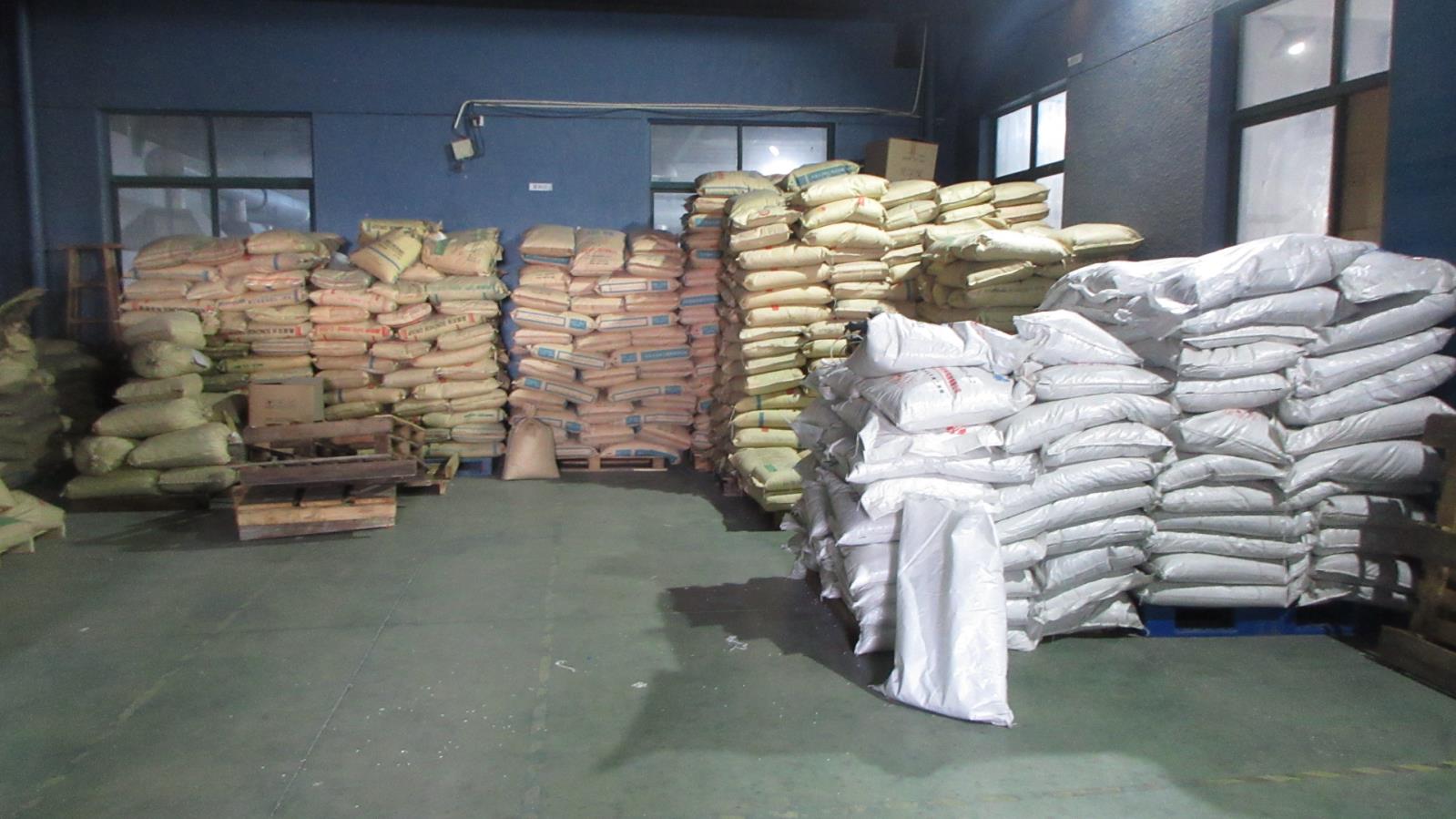
Leveraging our network of over 1,280 qualified supply chain partners, we secure bulk raw materials—such as high-grade ferrite cores and high-temp plastic headers—to stabilize production. For shipments to West Africa, we work with reliable air and sea carriers to deliver directly to Lagos (Apapa/Tincan Ports) or Abuja, managing customs documentation to minimize customs delays.
Expert answers regarding technical details, custom designs, and ordering logistics for the Nigerian market.
Get in touch with our engineering team for technical evaluations, sample requests, and direct factory quotes.
Send Inquiry Now