Equip-Link Equip-Link

China Top SFP Module Connector Manufacturers & Factories

High-Speed Optical Connectivity & Precision Micro-Connectors for Global Infrastructure

Executive Summary: The Strategic Value of Advanced SFP Module Connectors

In the era of hyper-scale cloud computing, artificial intelligence (AI) training clusters, and global 5G rollouts, the physical layer infrastructure dictates the limit of data throughput. SFP (Small Form-factor Pluggable) module connectors, alongside high-density copper interconnects like RJ45 and MagJacks, represent the critical nodes of signal integrity. Choosing a premier SFP module connector manufacturer is no longer just a procurement task—it is a core architectural decision for telecommunications operators, hardware OEMs, and hyperscale data centers worldwide.

As transmissions scale from gigabit rates to 100G, 400G, and even 800G protocols, issues like electromagnetic interference (EMI), insertion loss, and thermal dissipation become exponentially more complex. Chinese manufacturers, particularly those concentrated in Shenzhen's advanced electronics ecosystem, have evolved from simple assembly factories into integrated engineering hubs. They provide end-to-end solutions combining micro-molding, automated high-frequency testing, and custom firmware optimization.


About Equip-Link: Infrastructure, Capacity & Global Reach

Founded in 2017, Equip-Link Intelligent Equipment (Shenzhen) Co., Ltd. stands at the forefront of high-performance optical transceivers and fiber optic communication assemblies. Strategically based in Shenzhen, China's Silicon Valley, we deliver custom-engineered interconnect configurations directly supporting enterprise networks, high-density server architectures, and telecommunication infrastructure.

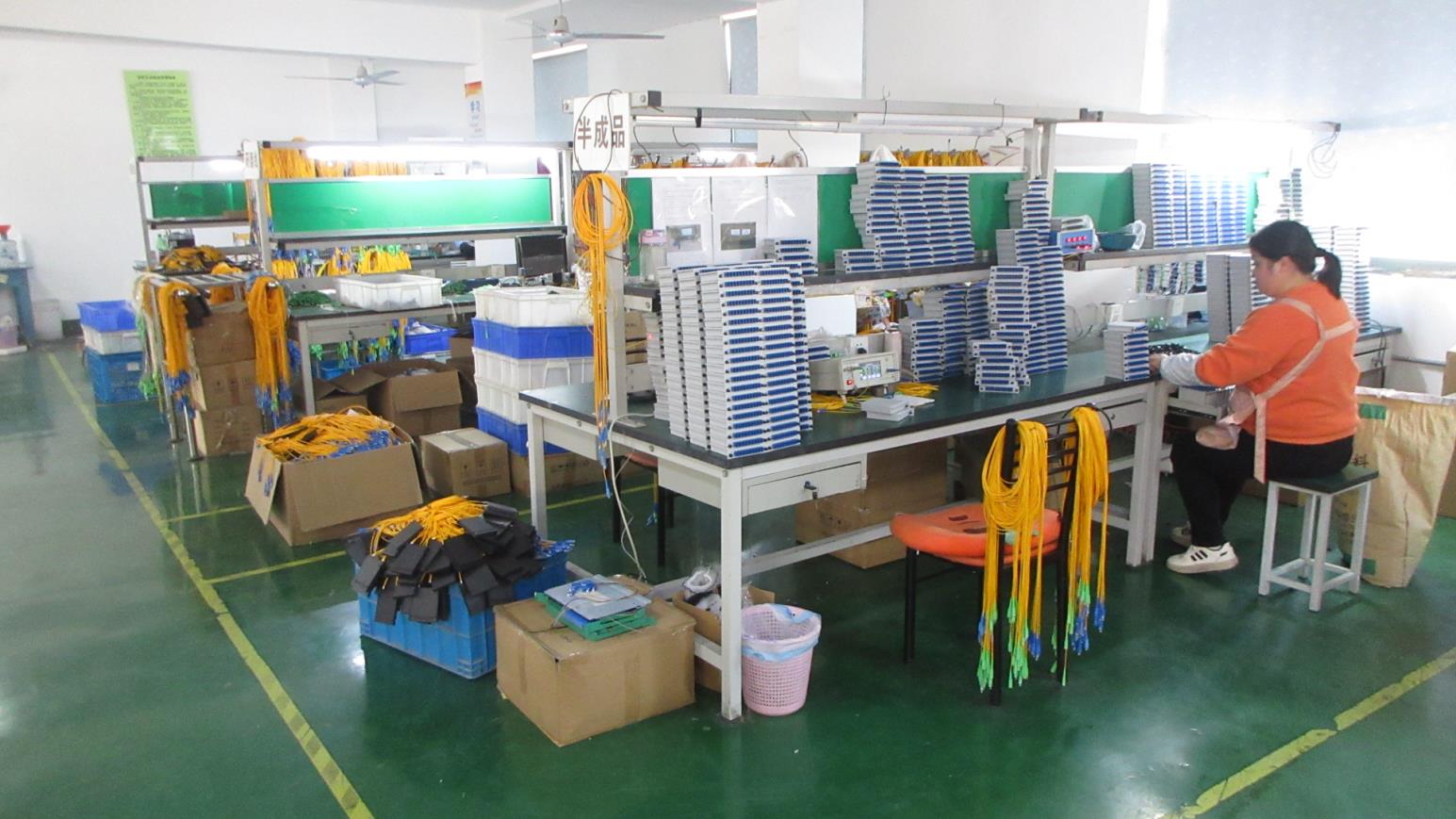
Our manufacturing complex is built upon advanced cleanroom technologies and high-precision automation layouts. Equipped with automated insertion tools and optical validation modules, the facility is designed to guarantee negligible tolerances across high-volume production batches. Demonstrating robust market stability, Equip-Link yields an annual export revenue exceeding USD 18 million, shipping high-integrity components to system integrators and distributors in more than 50 countries.

14+
Years Industry Expertise
9+
Years Export Experience
68
Professional R&D Engineers
1,280+
Qualified Supply Partners

Our continuous research focus ensures swift product development iterations. Within the past fiscal year alone, our engineering division brought 126 new products to market, extending our portfolio across high-speed optical transceivers, low-profile RJ45 MagJacks, and multi-port integrated connectors. Through meticulous multi-vendor compatibility program matrix testing, our SFP and copper lines integrate seamlessly with top-tier switching systems including Cisco, Juniper, Arista, and HPE architectures.

Our Quality Control Flow & Production Ecosystem

Raw Material Inspection
Injection Molding
Injection Molding
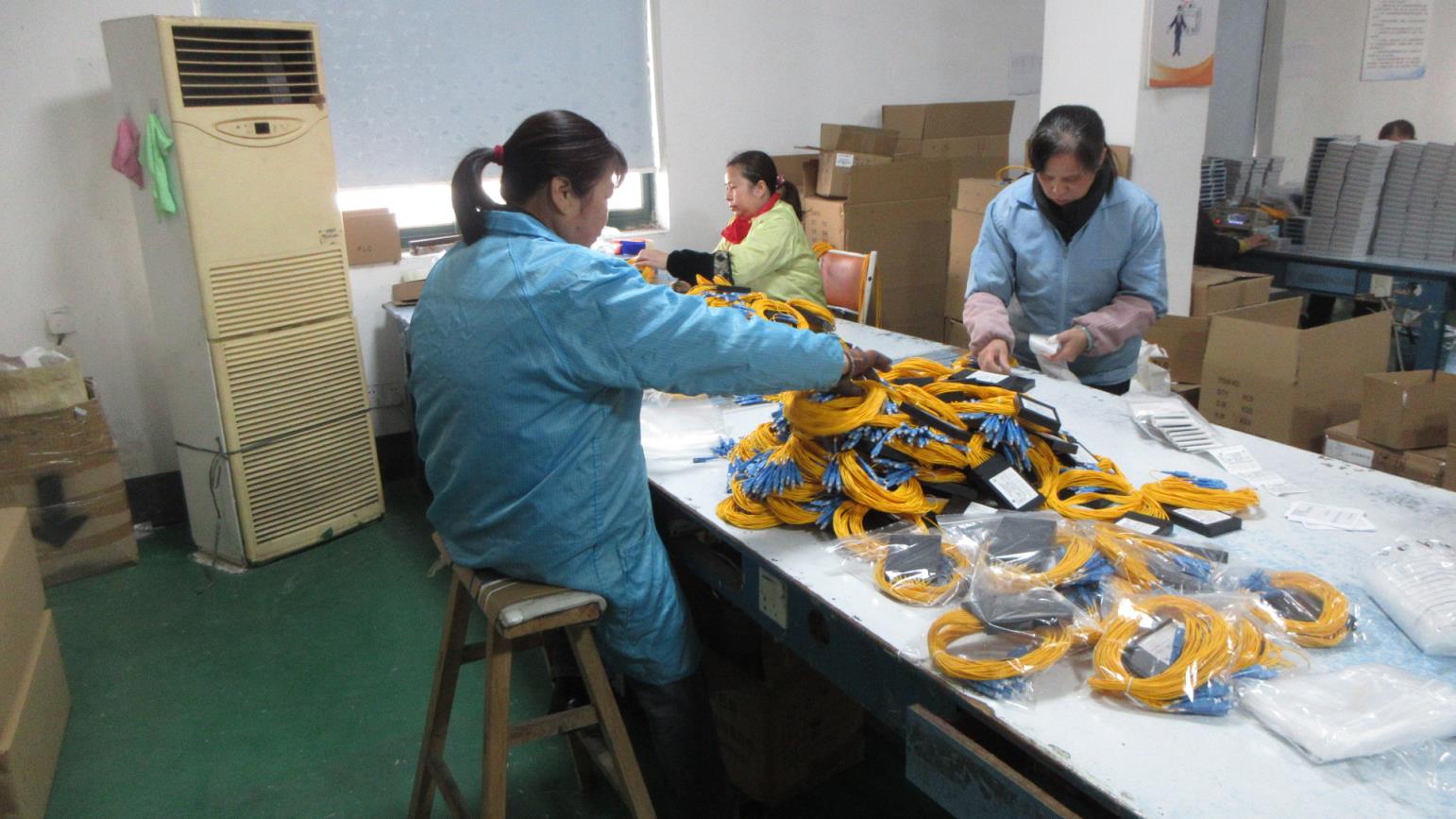
Assembly Process
Precision Assembly
Packing and Verification
Secure Packing
Warehouse Management
Climate-Controlled Warehouse
Injection Molding Machinery
Advanced Injection Machine
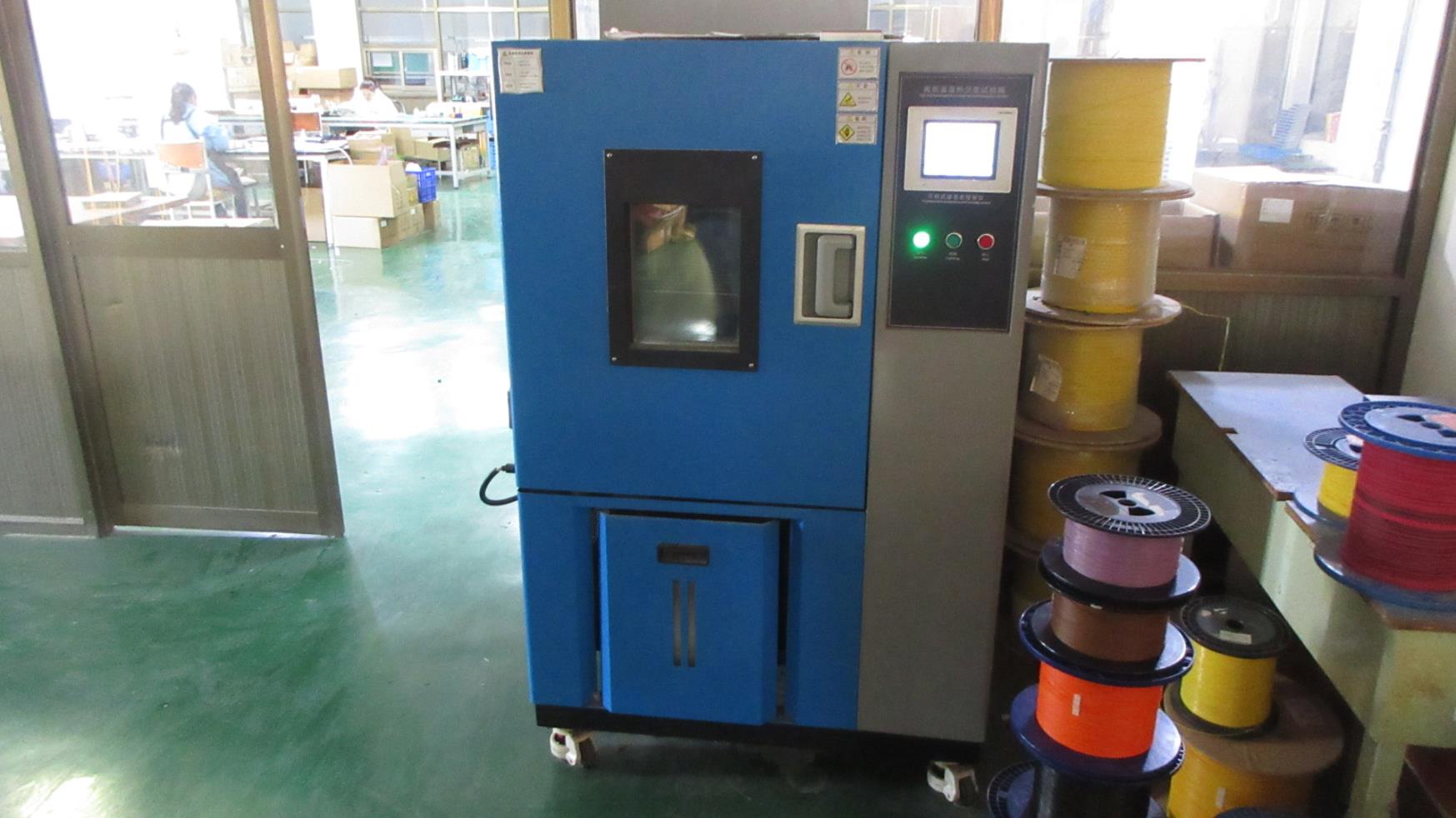
High And Low Temperature Chamber
Damp Heat Alternating Chamber
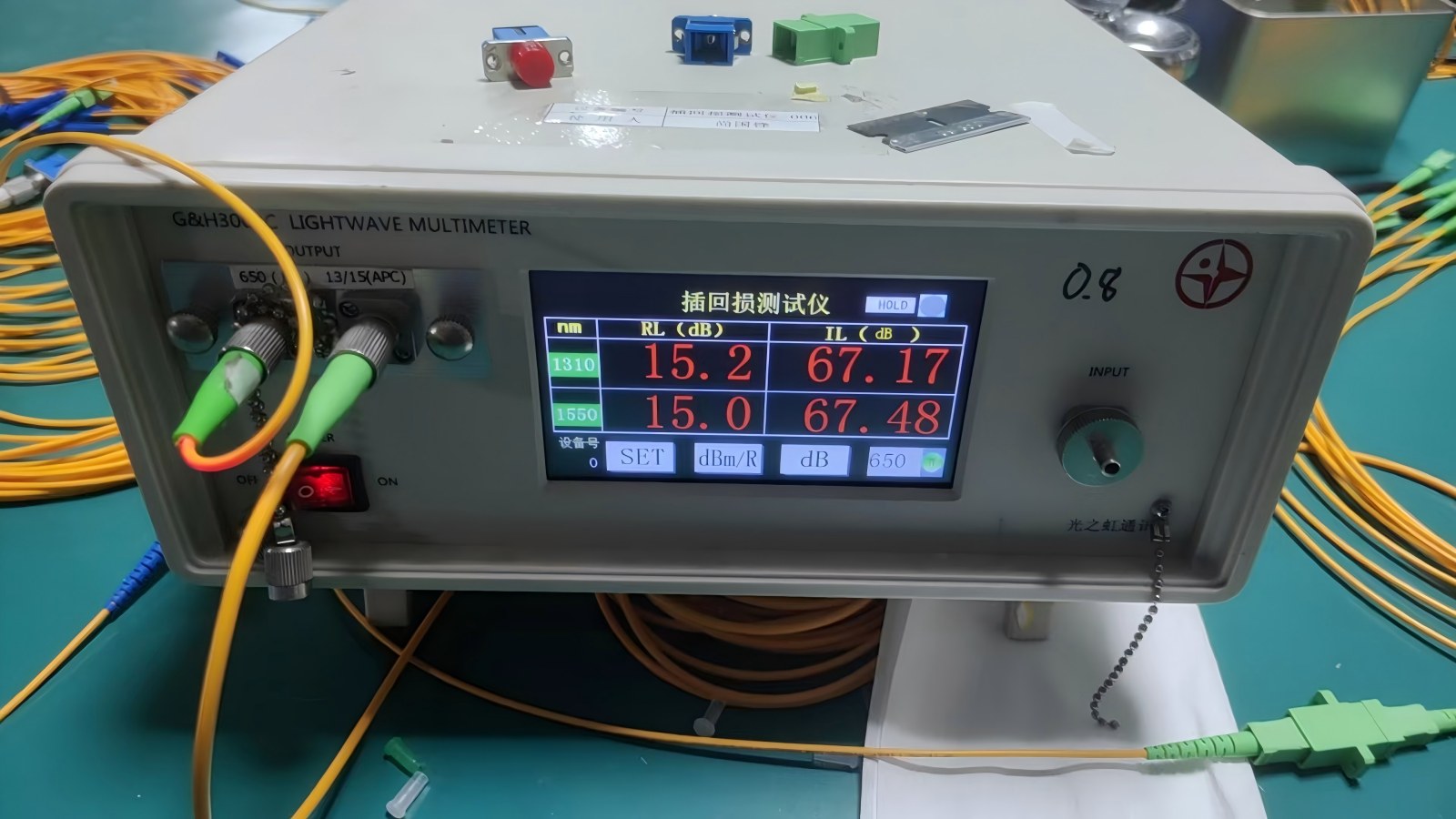
Optical Insertion Loss Tester
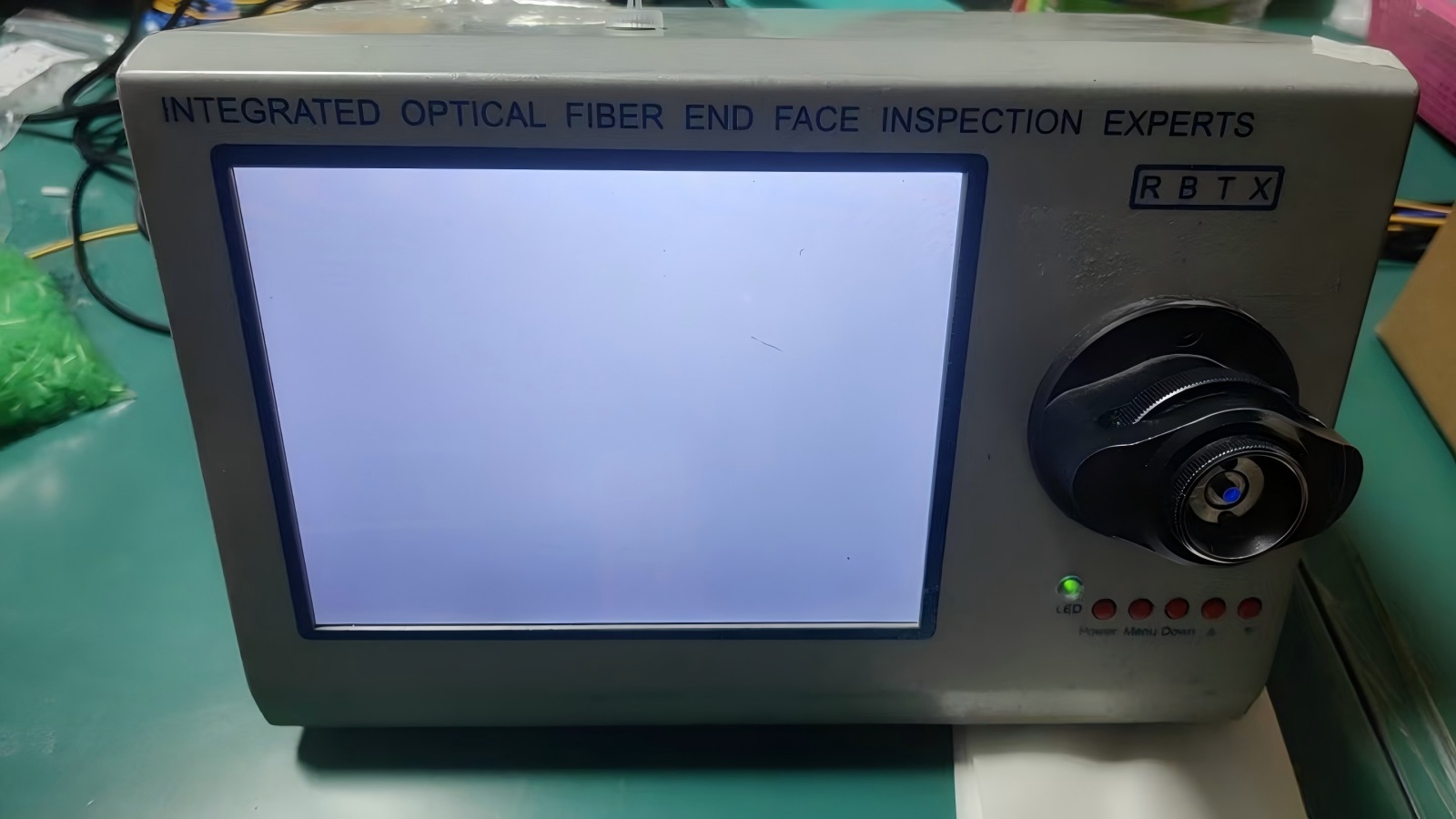
Integrated Optical Fiber End Face Inspection Experts
Fiber End Face Inspection

The Shenzhen Manufacturing Advantage for Global SFP Sourcing

The concentration of optoelectronic factories in South China, particularly in Shenzhen and Dongguan, creates a unique high-frequency hardware ecosystem. The reasons global technology firms source their SFP connectors and modular components from Shenzhen include:

1. Unparalleled Component Integration & Sourcing Speed

Within a 50-kilometer radius, factories source raw optical lenses, metal cages, ceramic sleeves, high-frequency PCBs, and specialized microcontrollers. This allows developers to reduce the time-to-market for custom designs from months to mere weeks.

2. Scalable High-Precision Injection Tooling

High-speed data transfer demands sub-micron accuracy in injection molding and lead-frame alignments. Shenzhen manufacturers utilize automated high-temperature moulding machinery that mitigates thermal warping, ensuring connectors click tightly into position without fracturing fiber-optic cores.

3. Strict International Quality Standards Compliance

Top-tier factories operate under ISO 9001 and ISO 14001, utilizing state-of-the-art testing equipment like high-low temperature alternating chambers, 3D coordinate measuring machines (CMM), and optical time-domain reflectometers (OTDR) to maintain strict signal-to-noise thresholds.

Industry Development Trends: Next-Generation Transceivers

As networking protocols advance, standard SFP and RJ45 form factors must adapt. We trace four primary technological trajectories altering the interconnect landscape:

  • The Shift to Silicon Photonics: Traditional discrete optical components are yielding to integrated silicon chips. By combining lasers, modulators, and detectors directly onto a single silicon substrate, silicon photonics reduces power consumption by up to 30% while dramatically improving the thermal limits of transceiver cages.
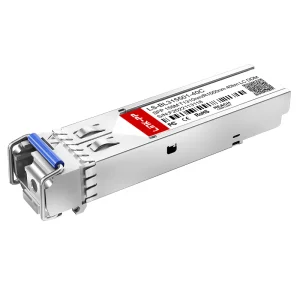
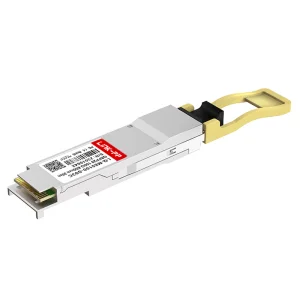
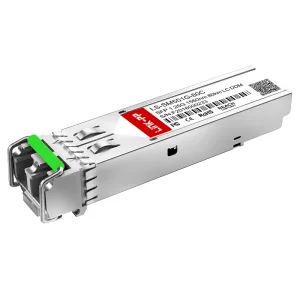
  • High-Density Multimode and Single-Mode Co-existence: While short-range multimode (using MPO-12 connectors like our 100G QSFP28 MPO-12 module) remains the standard inside the server rack, bidi single-mode configurations (such as the 1310nm-TX/1550nm-RX Bidi SFP module) are moving closer to the server interface to span metropolitan distances up to 40km without signal regeneration.
  • Co-Packaged Optics (CPO): At speeds of 1.6T and beyond, placing the optical transceivers on the faceplate creates excessive copper trace losses. CPO relocates the optical engines onto the same substrate as the network switch ASIC, necessitating specialized ultra-low-profile optical connectors and fiber arrays.
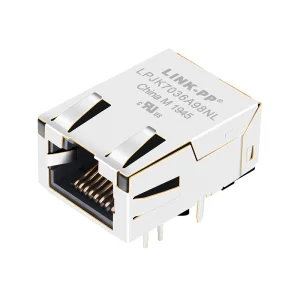
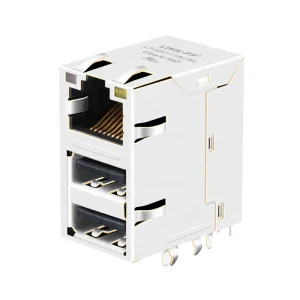
  • PoE+ Integration on Gigabit Interfaces: For edge computing and IoT deployments, combining high-speed data delivery with high-wattage power transmission is critical. Custom RJ45 sockets designed for PoE+ (such as our PoE+ 2.5G Jack Connector RJ45 Socket) utilize specialized magnetic filtering and winding layouts to prevent DC bias current saturation from degrading high-frequency data packets.

Localized Application Scenarios & Network Topologies

SFP modules and filtered RJ45 connectors operate across diverse environmental constraints, including:

1. Hyperscale and Cloud Data Center Spine-Leaf Networks

In modern spine-leaf physical layouts, the distance between leaf switches and top-of-rack (ToR) servers is typically short, making high-speed multimode optical transceivers and direct attach copper (DAC) configurations ideal. High-speed QSFP28 modules operating at 850nm over MPO-12 multimode fiber provide low latency and high bandwidth, which are critical for high-frequency trading and AI inference clusters.

2. 5G Fronthaul and Backhaul Telecom Systems

Telecom cells require optical modules capable of withstanding extreme outdoor temperatures. In fronthaul links connecting the Remote Radio Unit (RRU) to the Building Baseband Unit (BBU), single-mode duplex and bidi SFP modules (operating at ranges like 40km or 80km) are deployed. These modules incorporate Digital Diagnostics Monitoring (DDM) to let network administrators track laser bias current, temperature, and receiver optical power in real-time.

3. High-Density Enterprise Switching and Industrial IoT

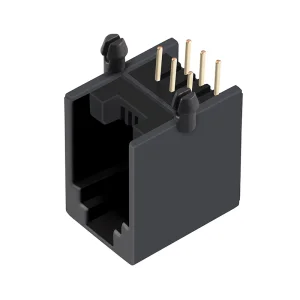
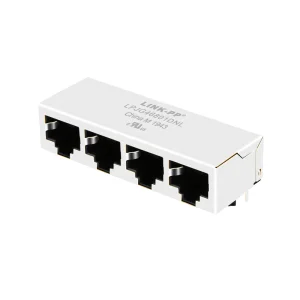
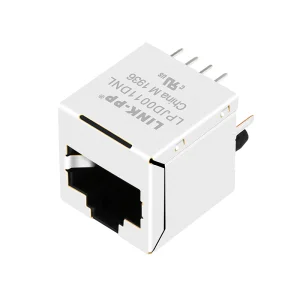
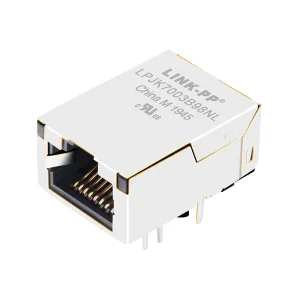
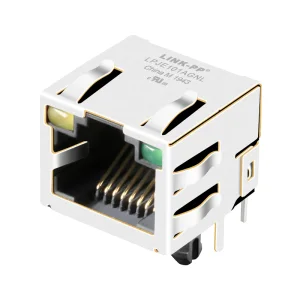
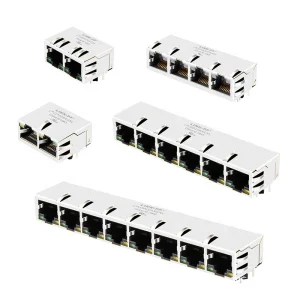
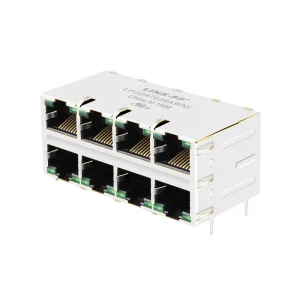
Industrial control cabinets and enterprise network cards are highly space-constrained. The demand for low-profile, multi-port RJ45 connectors with integrated magnetics (such as 1x4 and 1x8 port configurations) is high. These connectors fit cleanly on standard height PCIe cards, saving board space while filtering out electromagnetic interference (EMI) generated by surrounding high-frequency industrial machinery.

Macro Industry Solutions: Bridging Optical & Copper Infrastructures

Modern network design rarely relies on optical fibers or copper cables alone. Instead, hybrid architectures balance the cost-efficiency of copper with the long-distance, high-bandwidth capabilities of optical fibers.

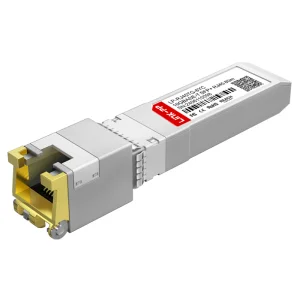
For instance, inside server cabinets, copper connectors like the Juniper SFPP-10G-T Compatible 10G Copper Transceiver provide a flexible way to link legacy copper RJ45 switches with newer SFP+ optical ports. By converting optical signals back into copper-compatible electrical signals over distances up to 80 meters, data centers can upgrade their infrastructure incrementally, avoiding costly full-fiber replacements.

Similarly, combining low-profile, shielded RJ45 female connectors with robust SFP cage cages allows hardware manufacturers to design versatile edge switches. These devices can handle standard Ethernet drops for office computers, PoE+ links for surveillance networks, and fiber-optic uplinks for connection to metropolitan area networks.

Global Procurement Checklist: How to Qualify an SFP Factory

When sourcing optical modules and connectors from China, purchasing directors must verify credentials beyond basic unit pricing. Use this high-integrity quality checklist:

  1. MSA (Multi-Source Agreement) Compliance: Optical modules must conform to MSA mechanical dimensions, electrical interfaces, and pin assignments. This ensures the transceivers physical dimensions fit standard SFP/QSFP slots.
  2. EEPROM Compatibility Coding: Major switch manufacturers lock out third-party transceivers using proprietary encryption keys. Your manufacturing partner must have a comprehensive coding laboratory, loaded with original switch software configurations, to flash and verify compatibility before shipping.
  3. Signal Quality Parameters: Ensure that all fiber-optic components have an insertion loss of < 0.2dB and a return loss of > 50dB. Connectors must meet the Telcordia GR-326 reliability standard to prevent signal degradation over decades of use.
  4. Environmental Compliance: Global distribution requires strict compliance with environmental regulations, including RoHS, REACH, and WEEE directives, ensuring that no hazardous materials are used in plastics or solder joins.

Frequently Asked Questions & Expert Answers

What is the main difference between SFP, SFP+, and QSFP form factors?
The difference lies in physical size, data capacity, and lane architecture. Standard SFP modules support speeds up to 4Gbps (frequently utilized for 1G/2.5G links). SFP+ shares the same physical footprint but supports speeds up to 10Gbps or 16Gbps (Fibre Channel). QSFP (Quad SFP) is larger and features a 4-channel layout, allowing four parallel data streams to operate simultaneously. This structure enables transmission rates from 40Gbps (4x10G QSFP+) up to 100Gbps (4x25G QSFP28) and beyond.
Why do some SFP modules need DDM/DOM technology?
Digital Diagnostics Monitoring (DDM), also known as Digital Optical Monitoring (DOM), allows operators to read real-time status parameters. This includes laser transmitter optical power, receiver optical power, internal temperature, operating voltage, and laser bias current. DDM helps engineers identify link degradation and predict transceiver failures, preventing unexpected network outages.
How does Equip-Link test compatibility with Cisco, Juniper, and other major switch brands?
Our specialized programming lab has host switches from Cisco, Juniper, Arista, Huawei, Dell, and HPE. Every transceiver goes through a compatibility script and validation routine, ensuring that its internal EEPROM register matches the specific handshake requirements of the target switch. This prevents hardware lockout errors.
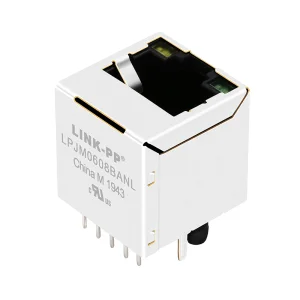
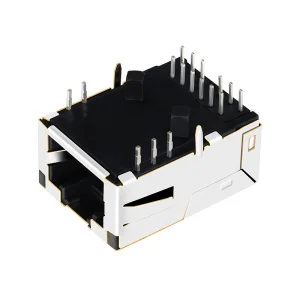
Why is magnetics integration (MagJack) preferred in RJ45 network connectors?
Integrated Magnetics (commonly called MagJacks) incorporate isolation transformers, common mode chokes, and resistors directly inside the metal RJ45 housing. This protects the physical layer chip (PHY) from electrostatic discharge (ESD), blocks high-frequency electromagnetic interference (EMI), and prevents common-mode noise issues, ensuring reliable transmission over long copper cable runs.