Equip-Link
Equip-Link
Equip-Link
Providing high-frequency signal integrity, low insertion loss, and robust EMI containment designed for regional networking standards.
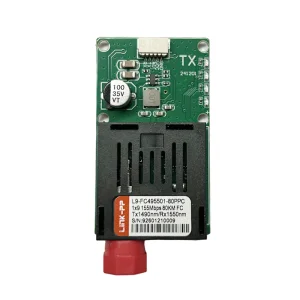
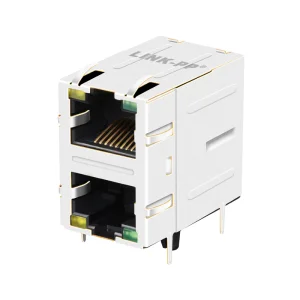
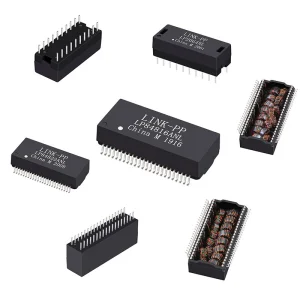
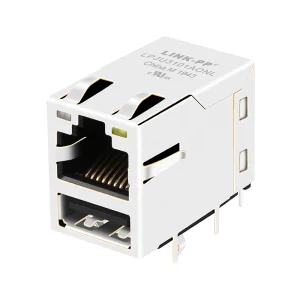
As Central Asia's most populous country, Uzbekistan is undergoing a rapid digital transformation led by the government's ambitious "Digital Uzbekistan 2030" strategy. This nation-wide initiative is driving significant structural investments in telecommunications infrastructure, fiber-to-the-home (FTTH) expansion, high-speed mobile network development, and localized enterprise cloud architectures.
National carriers like Uztelecom, alongside mobile operators such as Ucell, Beeline, and Mobiuz, are aggressively building out LTE and 5G base station infrastructures. The transition from legacy copper loops to optical transport networks requires high-density routing and switching equipment. At the physical layer of these network nodes, SFP cages, SFP+ cages, and multi-port SFP28/QSFP+ mechanical enclosures serve as the vital interface housing optical transceivers, safeguarding data pathways against high electromagnetic interference (EMI) and environmental dust.
Uzbekistan experiences extreme continental temperatures, with summers frequently exceeding 45°C, along with high airborne particulate and dust levels in key industrial regions like Navoi and Zarafshan. Industrial automation and data hubs in mining, oil and gas, and chemical processing require SFP cage assemblies that offer superior thermal dissipation and environmental sealing. Standard consumer-grade cages fail in these conditions; instead, high-reliability press-fit metal cages with integrated EMI elastomeric gaskets and custom-engineered heat sinks are mandatory to maintain consistent link performance.
Equip-Link's production line directly addresses these localization challenges. By offering copper alloy cages with nickel and tin-lead plating, our SFP cages present optimal corrosion resistance and mechanical structural integrity for central offices, field-level fiber nodes, and localized industrial switches across Tashkent and secondary metropolitan centers.
The global datacom industry is witnessing an exponential shift towards higher line rates—scaling from 10G/25G (SFP+/SFP28) to 100G (QSFP28), 400G (QSFP-DD), and pioneering 800G standards. This progression places immense pressure on physical connectivity hardware. Signal attenuation, cross-talk, and electromagnetic emissions increase dramatically at higher frequencies.
| Interface Standard | Data Rate per Channel | Target Applications | Key SFP Cage Mechanical Requisite |
|---|---|---|---|
| SFP / SFP+ | 1.25 Gbps to 10 Gbps | Enterprise switches, FTTH OLTs, local routers | Low-profile single-port, cost-effective EMI fingers |
| SFP28 / SFP56 | 25 Gbps to 50 Gbps | 5G fronthaul, core cloud access switching | Enhanced impedance control, strict coplanarity tolerance |
| QSFP+ / QSFP28 | 40 Gbps to 100 Gbps | Data center spine-leaf links, high-density metropolitan links | Multi-port stacked configurations (2x1, 2x2, 2x4), direct heat sinks |
| QSFP-DD / OSFP | 200 Gbps to 800 Gbps | AI compute cluster fabrics, next-gen cloud core backbones | Advanced riding heat sinks, elastomeric gaskets, ultra-low profile |
To support this evolution, modern SFP cage manufacturers must adhere strictly to the mechanical and electrical specifications dictated by the Multi-Source Agreements (MSAs). Equip-Link designs and fabricates cages with press-fit technology, providing solderless installation on PCBs. This prevents thermal shock during PCB assembly and provides a low-impedance electrical connection to ground, minimizing EMI leakage.
Our engineering research focuses heavily on overcoming physical boundaries as transmission speeds escalate. Key developments in our engineering roadmap include:
Integrating micro-finned riding heat sinks directly onto the cage chassis, enabling optimal heat dissipation for transceivers drawing more than 15W of power, preserving the longevity of laser diodes.
Utilizing high-performance beryllium copper alloys and innovative spring-finger designs to ensure continuous multi-point contact with the transceiver casing, eliminating high-frequency noise leakage.
Collaborating with global semiconductor and PCB layout manufacturers to deliver co-designed SFP connector footprints that minimize capacitance anomalies at the connector-to-board transition zone.
Founded in 2017, Equip-Link Intelligent Equipment (Shenzhen) Co., Ltd. is a leading manufacturer and supplier of high-performance optical transceivers and fiber optic communication solutions. We specialize in the design, development, production, and global distribution of optical modules for data centers, telecommunications networks, enterprise networking, cloud computing, and AI infrastructure applications.
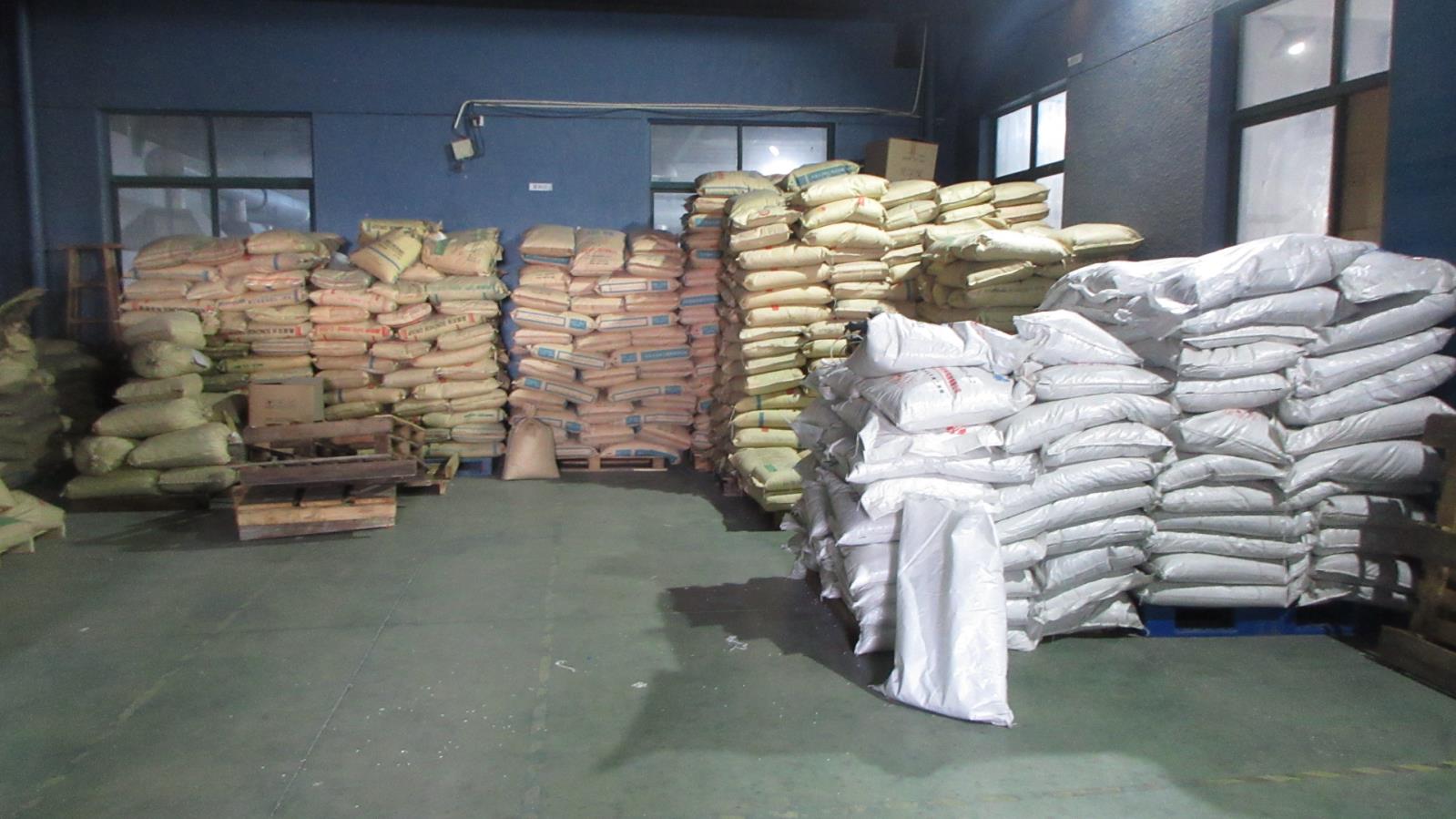
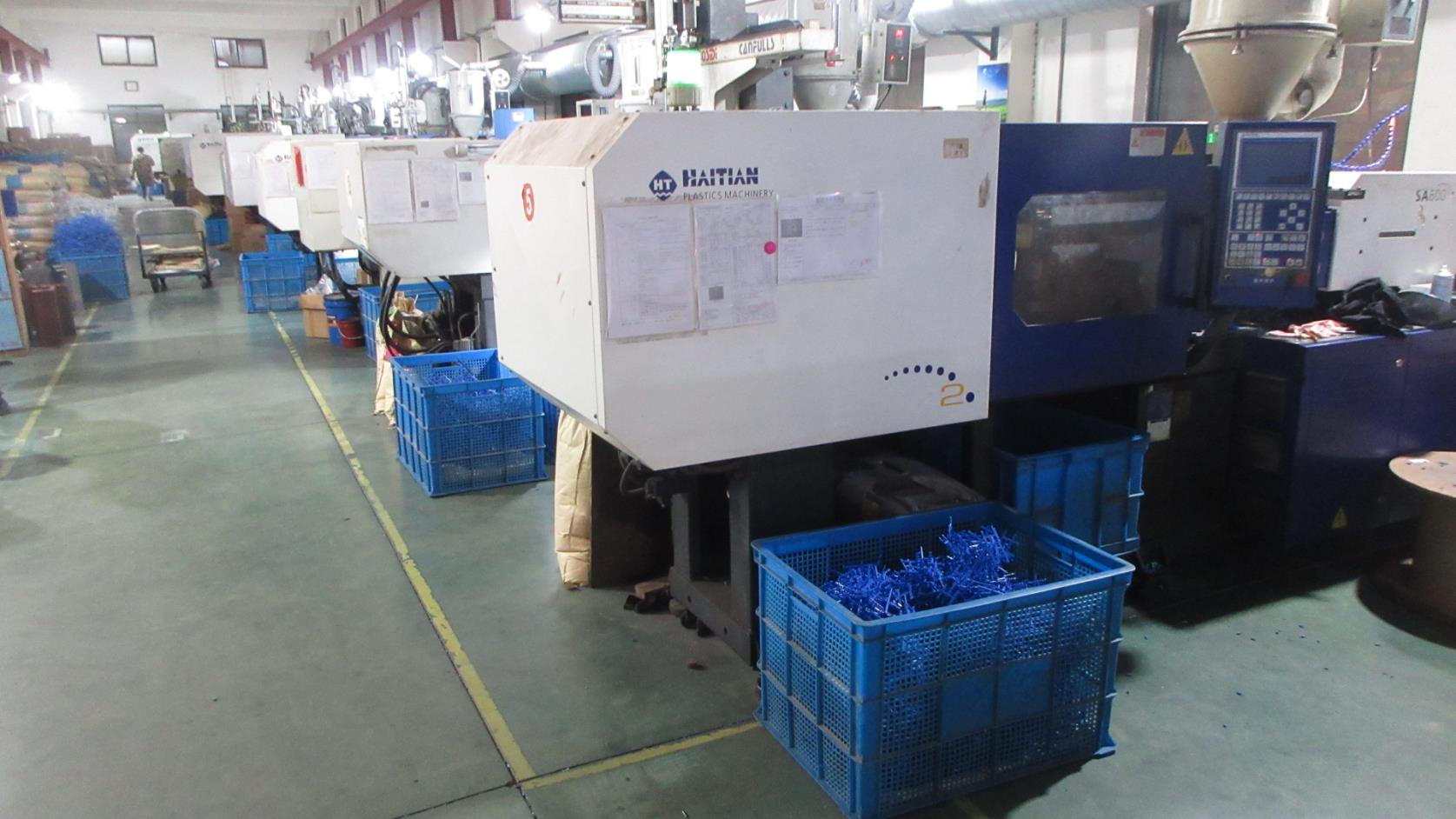
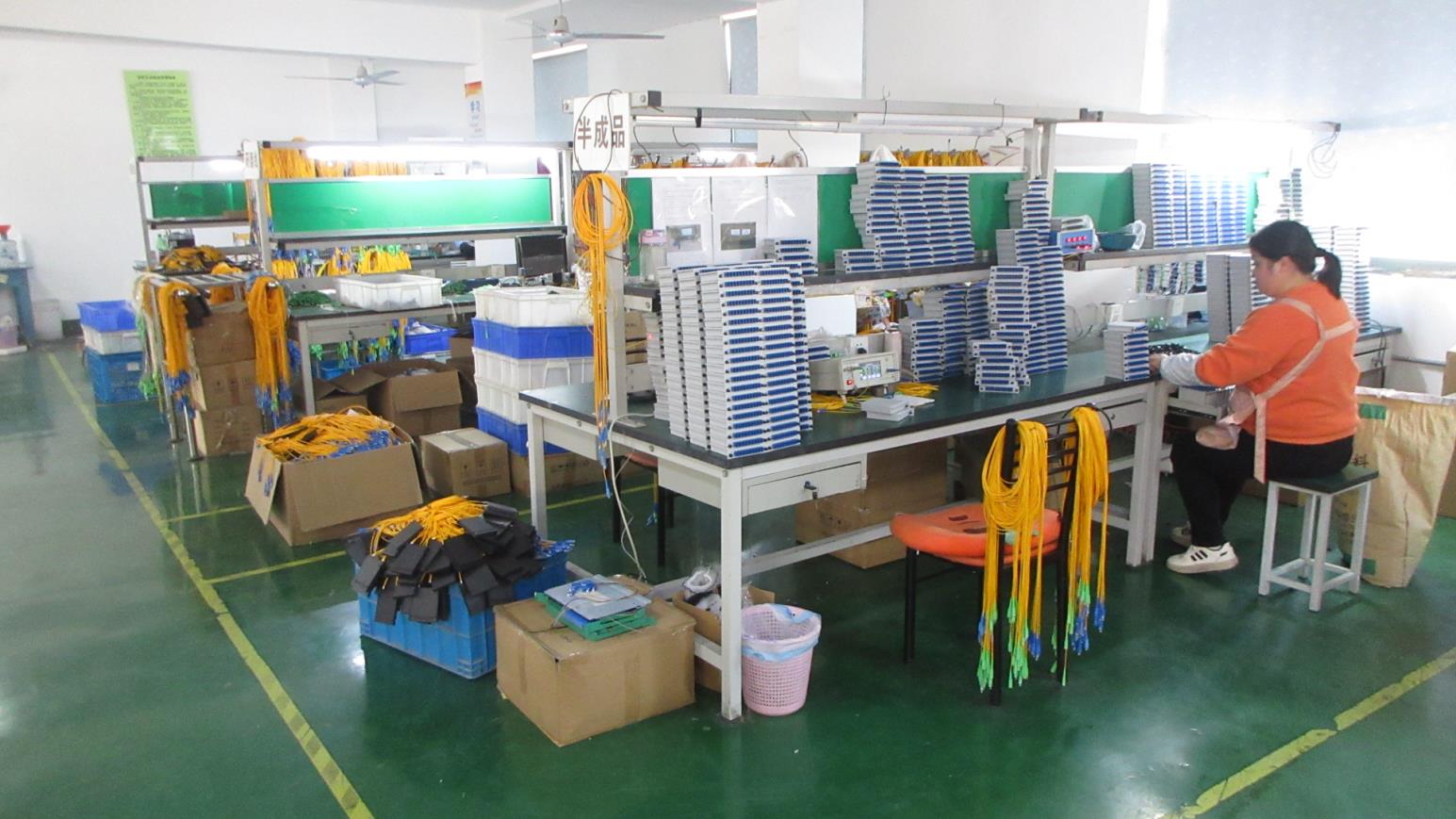
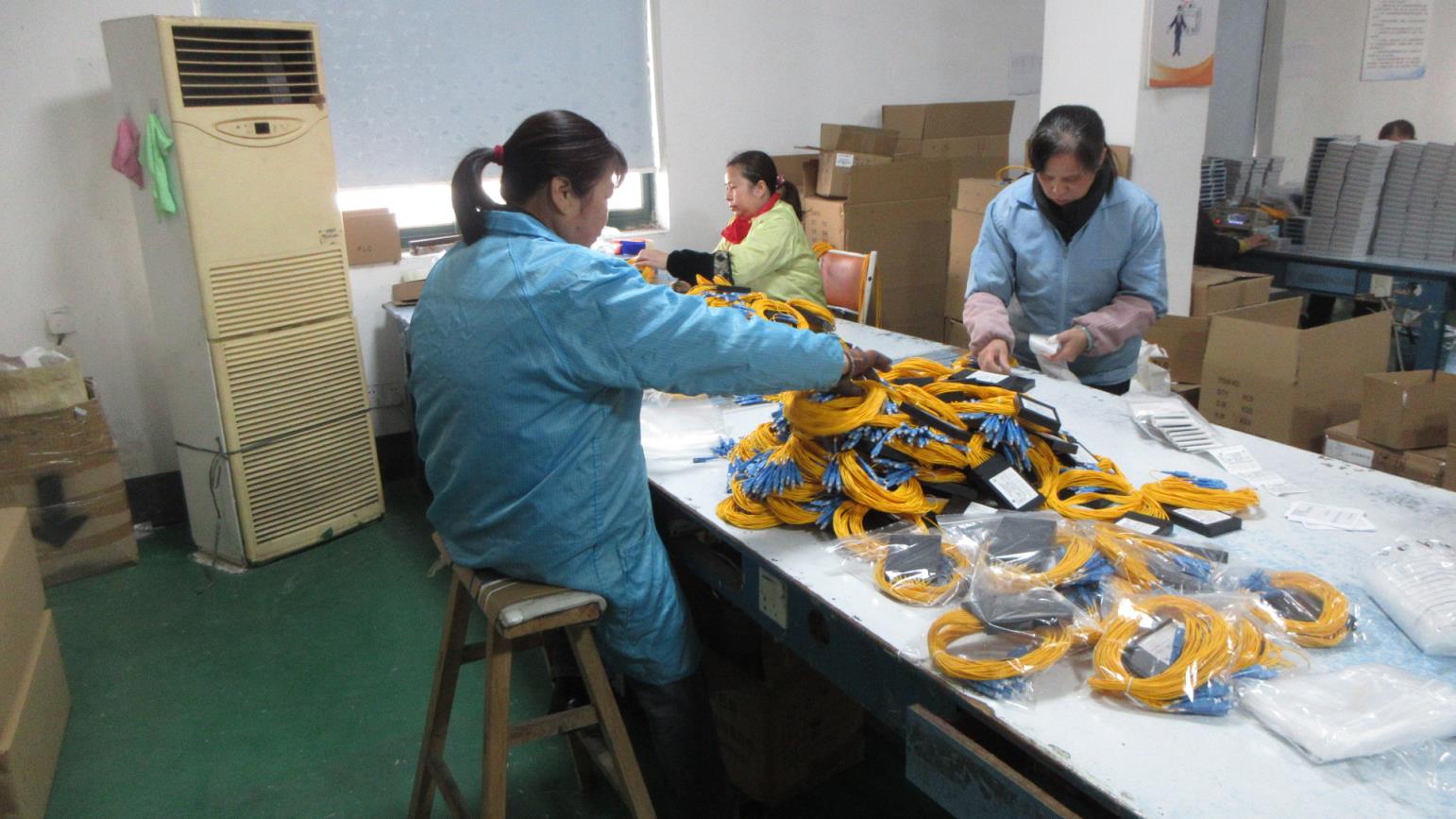
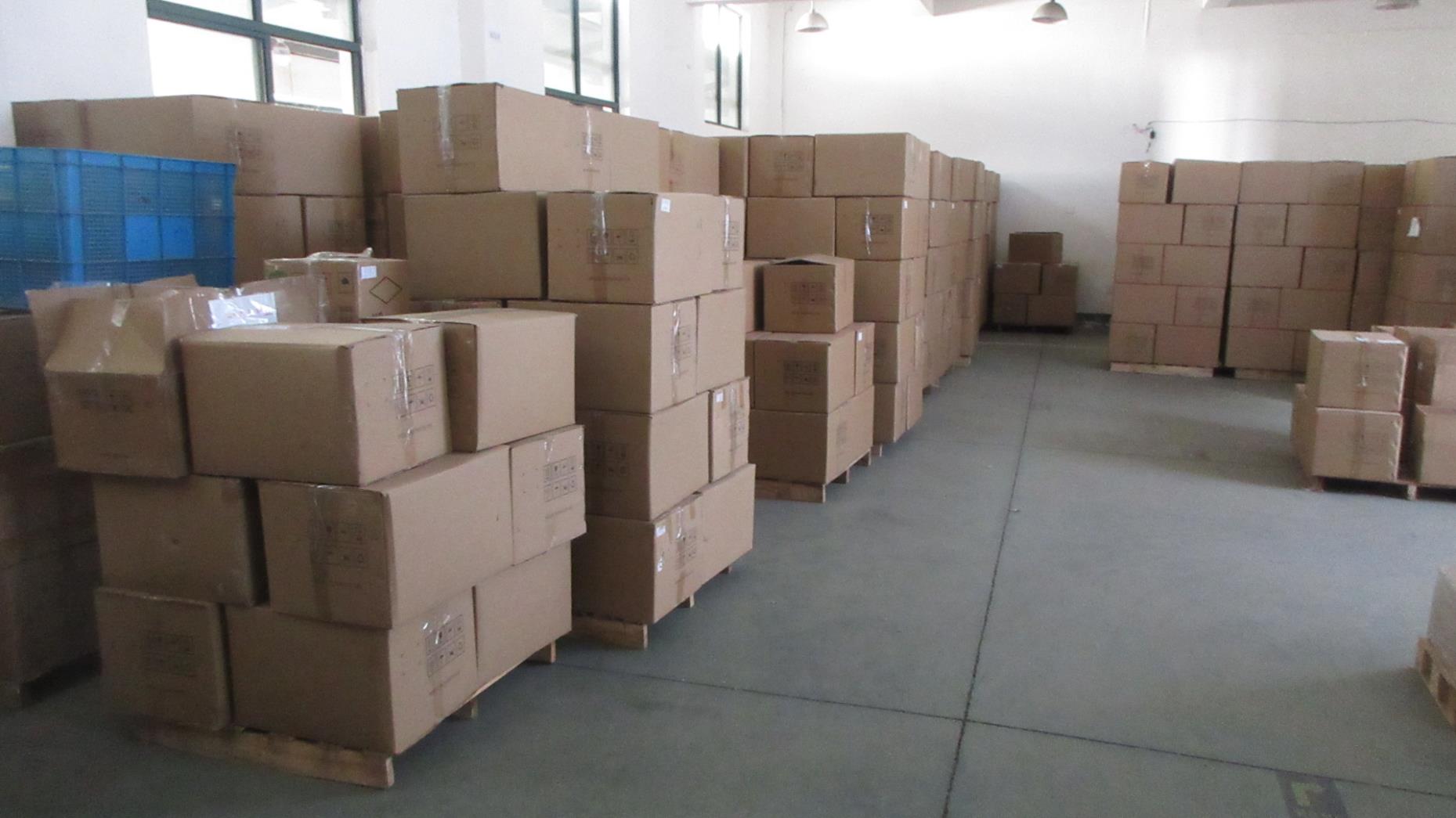
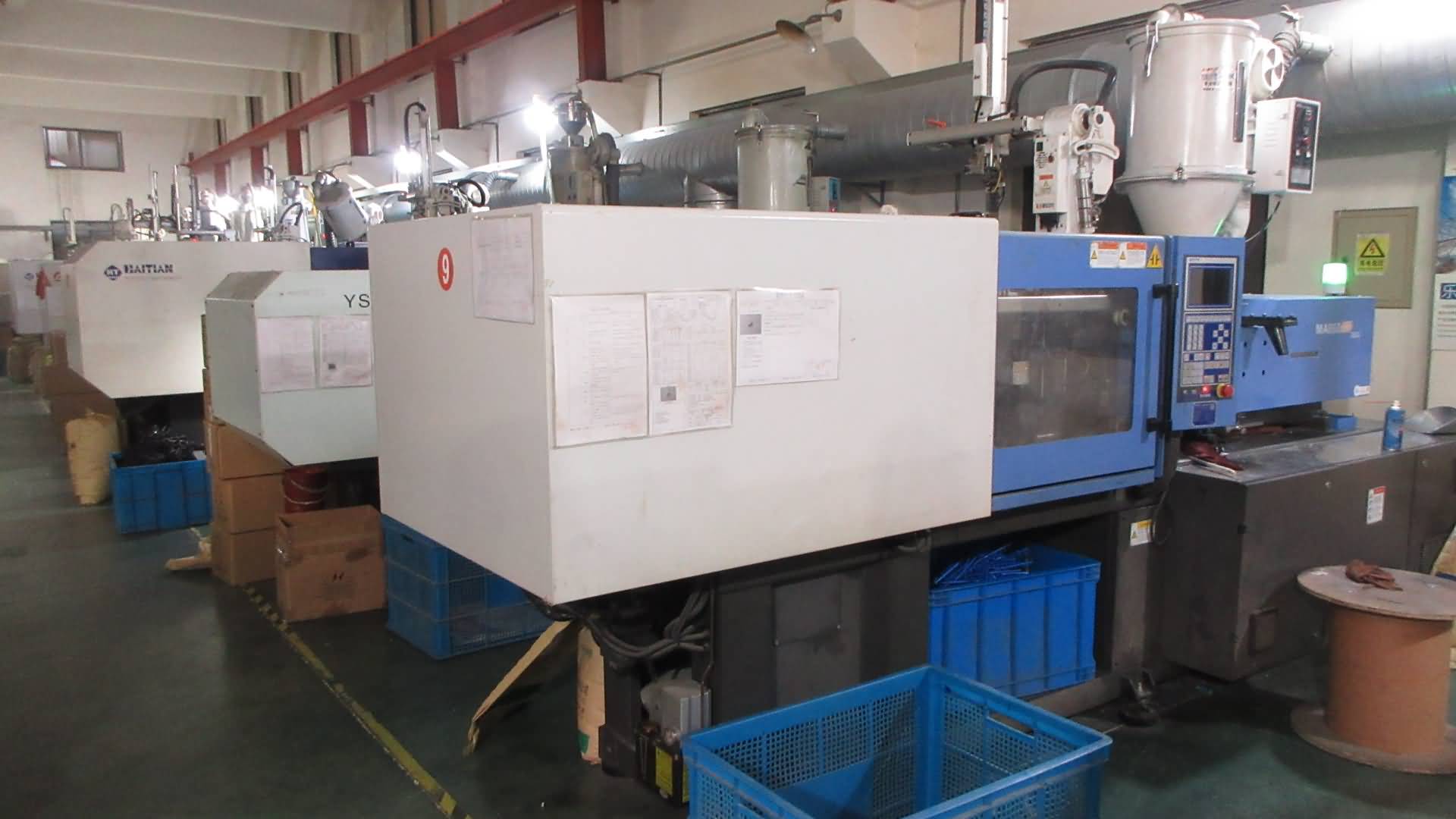
Our modern manufacturing facility covers an area of 380 square meters and is equipped with advanced production and testing equipment to ensure consistent quality and reliable performance. With an annual export revenue exceeding USD 18 million, Equip-Link has established long-term partnerships with customers in more than 50 countries and regions worldwide.
With 9 years of export experience and 14 years of industry expertise, our team understands the evolving demands of global communication networks and delivers products that meet international standards for performance, compatibility, and reliability.
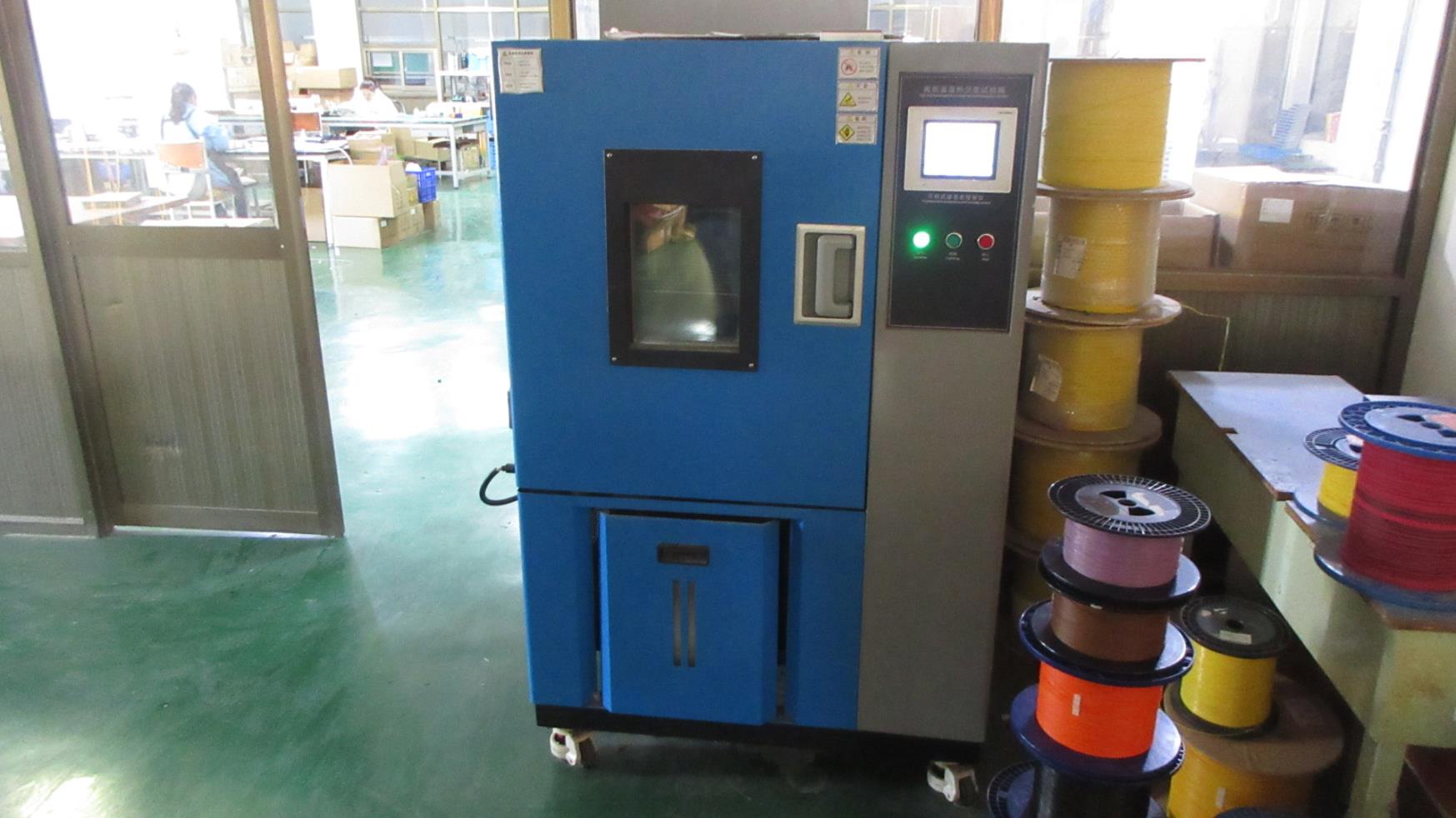
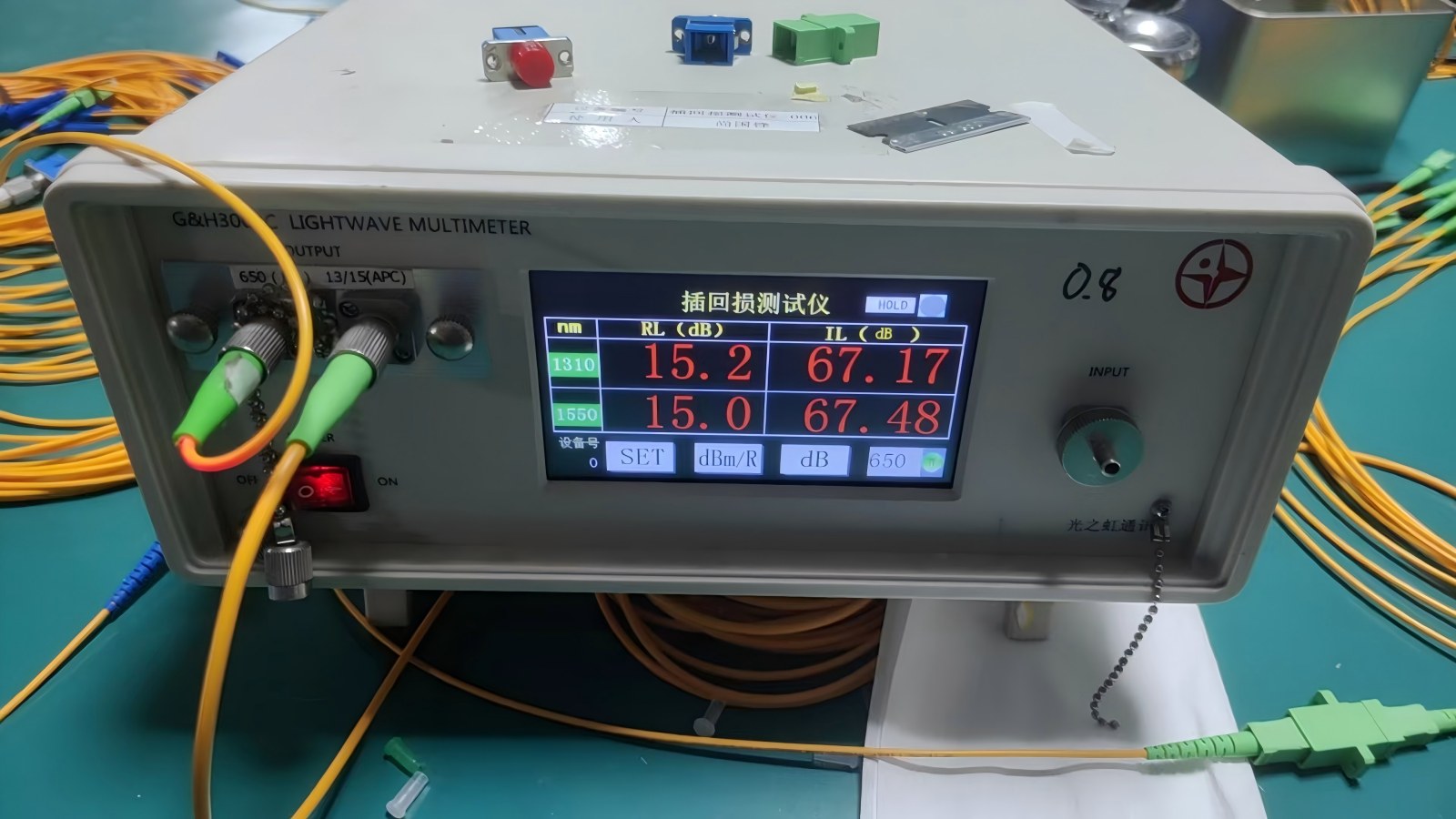
Quality is at the core of everything we do. We implement a comprehensive quality management system supported by incoming material inspection, in-process quality control, and final product testing. Every product undergoes rigorous testing using advanced optical and network performance analyzers before shipment. Our dedicated quality assurance team consists of 36 experienced inspectors who ensure that every product meets customer requirements and industry specifications.
As a company with a strong manufacturer and exporter background, we primarily serve customers across North America, Europe, Southeast Asia, the Middle East, and South America. Our extensive supply chain network includes more than 1,280 qualified partners, enabling us to maintain stable production capacity and efficient delivery schedules.
Our major customer groups include telecommunication operators, data center providers, network equipment distributors, system integrators, cloud service providers, and OEM/ODM brands. To support diverse market needs, Equip-Link offers flexible customization services, including private labeling, custom firmware programming, compatibility coding, packaging customization, and OEM/ODM manufacturing.
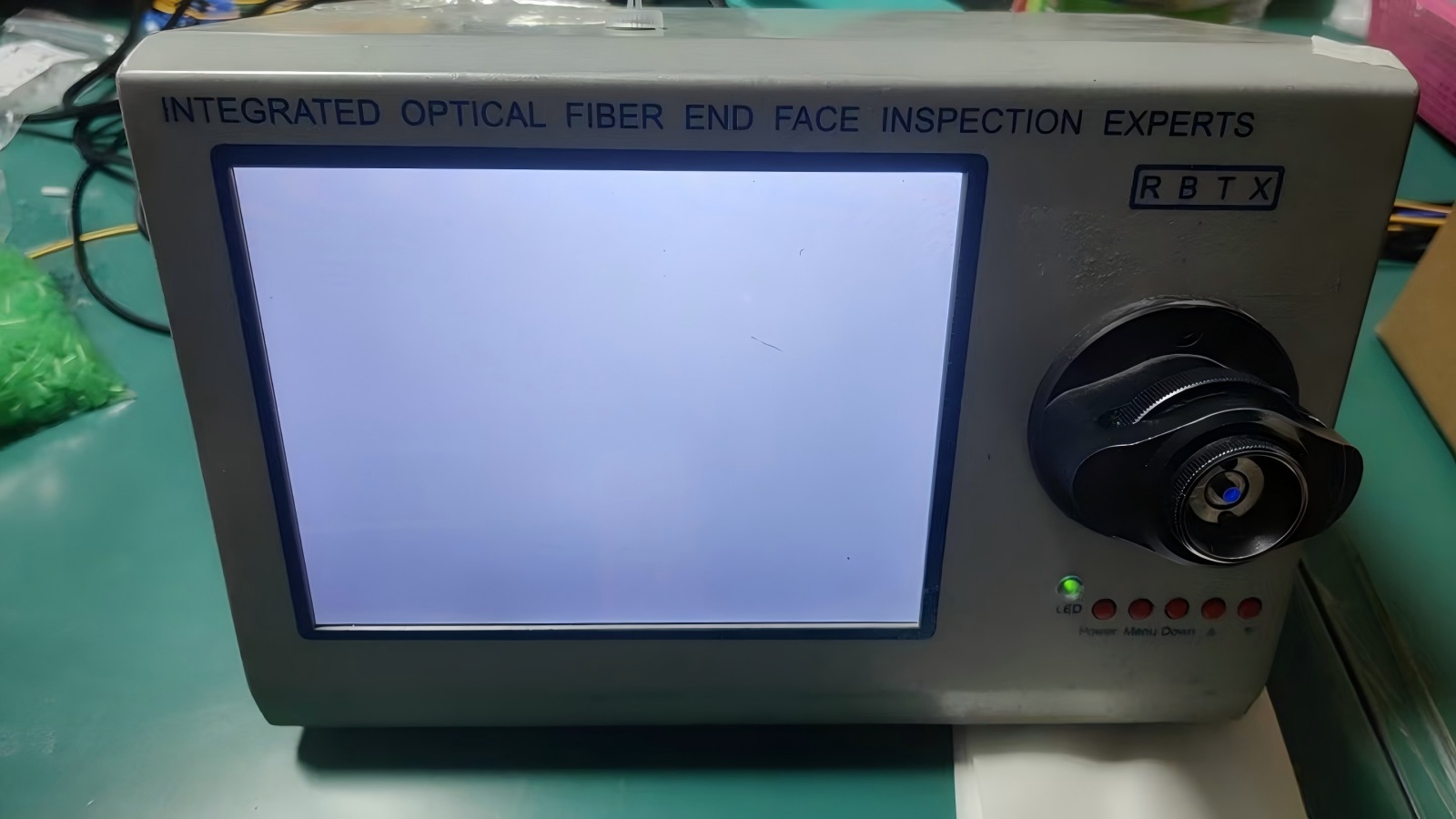
To successfully deploy optical equipment in Uzbekistan, engineers must select SFP cages and modules matched to specific local deployment scenarios:
Requiring multi-port stacked SFP+ (2x4 or 2x6) or QSFP28 cages. In these configurations, high port density limits space for active airflow. The cages must utilize high-conductivity spring fingers and integrated metal heat sinks to limit temperature spikes inside the transceiver module housings.
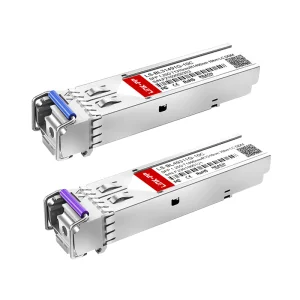
Long-distance backplanes (like the Samarkand-Bukhara fiber link) require 155M or 1.25G Single Mode BiDi modules. The cages used on these switches need robust latching and insertion mechanisms (over 250 mating cycles) to resist mechanical wear during diagnostic tests and line re-routing.
Deployed in chemical, metallurgical, and mining plants across the Navoi region. Dust ingress and vibration require ruggedized single-port SFP cages with custom structural solder clips or thick press-fit pins, locking the connector housing firmly to the PCB trace path.
As a leading industry manufacturer, we answer the most critical engineering queries from network architects and procurement managers in Uzbekistan.
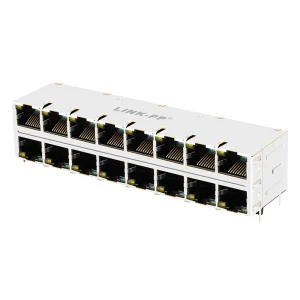
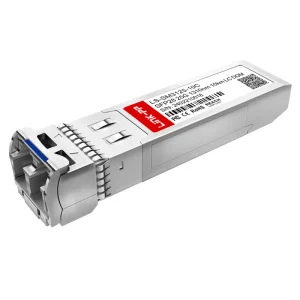
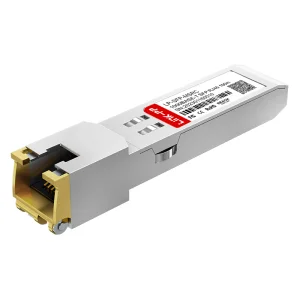
Discover our complete line of connectors, modular jacks, magnetic transformers, and optical modules, engineered to sustain signal integrity under challenging operational environments.