Equip-Link
Equip-Link
Equip-Link
Deploy high-performance transceiver solutions optimized for Cisco, Juniper, Dasan Zhone, and HFR network switches across South Korea's metropolitan rings.
South Korea stands at the global vanguard of telecommunications, driven by intensive 5G standalone architecture deployment, hyper-scale cloud data center construction in Incheon and Pangyo, and a nationwide mandate for fiber-to-the-home (FTTH) expansion. In this ultra-dense, low-latency network ecosystem, high-speed optical transceivers—specifically 10G SFP+, 16G SFP+, and 40G/100G QSFP+ modules—act as the essential pipelines that sustain massive data traffic. As legacy networks struggle under the weight of AI computing workloads and high-frequency trading platforms in Yeouido, network architects require optical modules that combine stringent physical reliability with advanced digital diagnostics.
This whitepaper explores the technological parameters, commercial deployment models, and hardware compatibility standards necessary to integrate high-performance transceivers into Korea's optical transport networks. By matching custom Chinese manufacturing capabilities with Korea's local infrastructure requirements, enterprise buyers can achieve both structural cost optimization and unparalleled network resilience.
Optimized internal circuits minimize signal propagation delay, crucial for Korean financial platforms and edge computing hubs.
Custom EEPROM coding provides seamless interoperability with Cisco, Juniper, Dasan Zhone, and Samsung networks.
Engineered for temperatures ranging from -40°C to 85°C to protect key operations in harsh industrial settings.
South Korea’s network layout is characterized by concentrated municipal rings linking large-scale data centers. Industry giants like KT, SK Telecom, and LG Uplus require vast fleets of 10G SFP+ and 40G QSFP+ transceivers to bridge core transport systems with access layers. In parallel, South Korea’s world-leading semiconductor foundries and automotive smart factories rely on ruggedized, high-bandwidth optics to maintain deterministic communication protocols on the factory floor, where electromagnetic interference makes copper cables obsolete.
Additionally, 16G SFP+ modules are seeing surging demand in Storage Area Networks (SAN) across major financial institutions and government archives in Sejong City. These modules allow high-capacity Fibre Channel transactions with minimal bit-error rates (BER), ensuring real-time data redundancy across physically separated backup nodes.
A premier manufacturer and global exporter of high-performance optical transceivers, delivering reliable networking solutions since 2017.
As bandwidth requirements scale, network operators face a critical choice: continue stacking 10G SFP+ links via Link Aggregation (LAG) or transition to higher-density 40G QSFP+ and 100G QSFP28 form factors. For short-reach applications (under 150 meters), migrating to 40GBASE-SR4 or QSFP+ BiDi modules provides a cost-effective, high-bandwidth path by utilizing existing multi-mode fiber (MMF) infrastructure. This transition avoids the expense of deploying new single-mode fiber (SMF) runs while quadrupling aggregate throughput per switch port.
For long-distance municipal backbones, 40GBASE-LR4 and 40GBASE-ER4 modules utilize wavelength division multiplexing (WDM) technologies to transmit four separate 10G optical streams over a single pair of SMF. This technique drastically reduces optical fiber consumption while maintaining a transmission distance up to 40 kilometers. Understanding the precise power budget, link loss limits, and dispersion penalties associated with these upgrades is crucial for preventing unexpected downtime during deployment.
Equip-Link Intelligent Equipment (Shenzhen) Co., Ltd. operates a highly optimized 380-square-meter manufacturing facility in Shenzhen, the silicon heart of the global optical communication industry. This strategic location enables direct access to top-tier optoelectronic components, advanced semiconductor packaging substrates, and specialized tooling technologies. By combining local engineering expertise with advanced automated testing platforms, we achieve a streamlined, highly cost-effective production cycle.
For our Korean partners, this translates to unmatched delivery performance. Leveraging daily air freight lanes between Shenzhen Bao'an (SZX) and Incheon International (ICN), we can deliver custom-coded, small-to-medium volume orders in as little as 3 to 5 business days. Large-scale infrastructure rollouts are supported by containerized sea shipping directly to Busan Port, offering optimized logistics costs for major network installations.
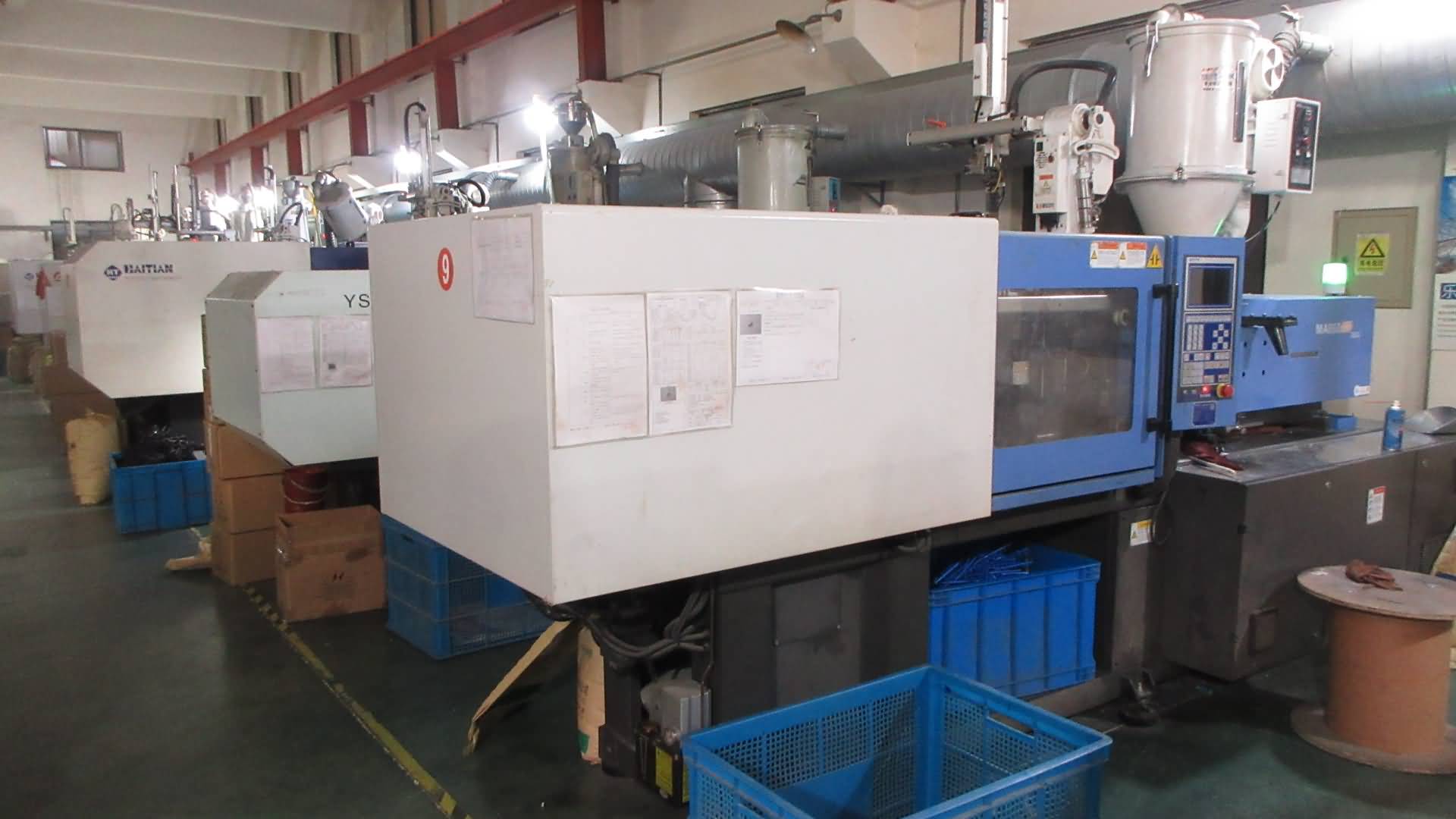
We maintain strict quality control at every phase of production. We source high-grade raw materials and perform advanced injection molding, precise automated assembly, and standardized packaging to deliver consistently reliable transceivers.
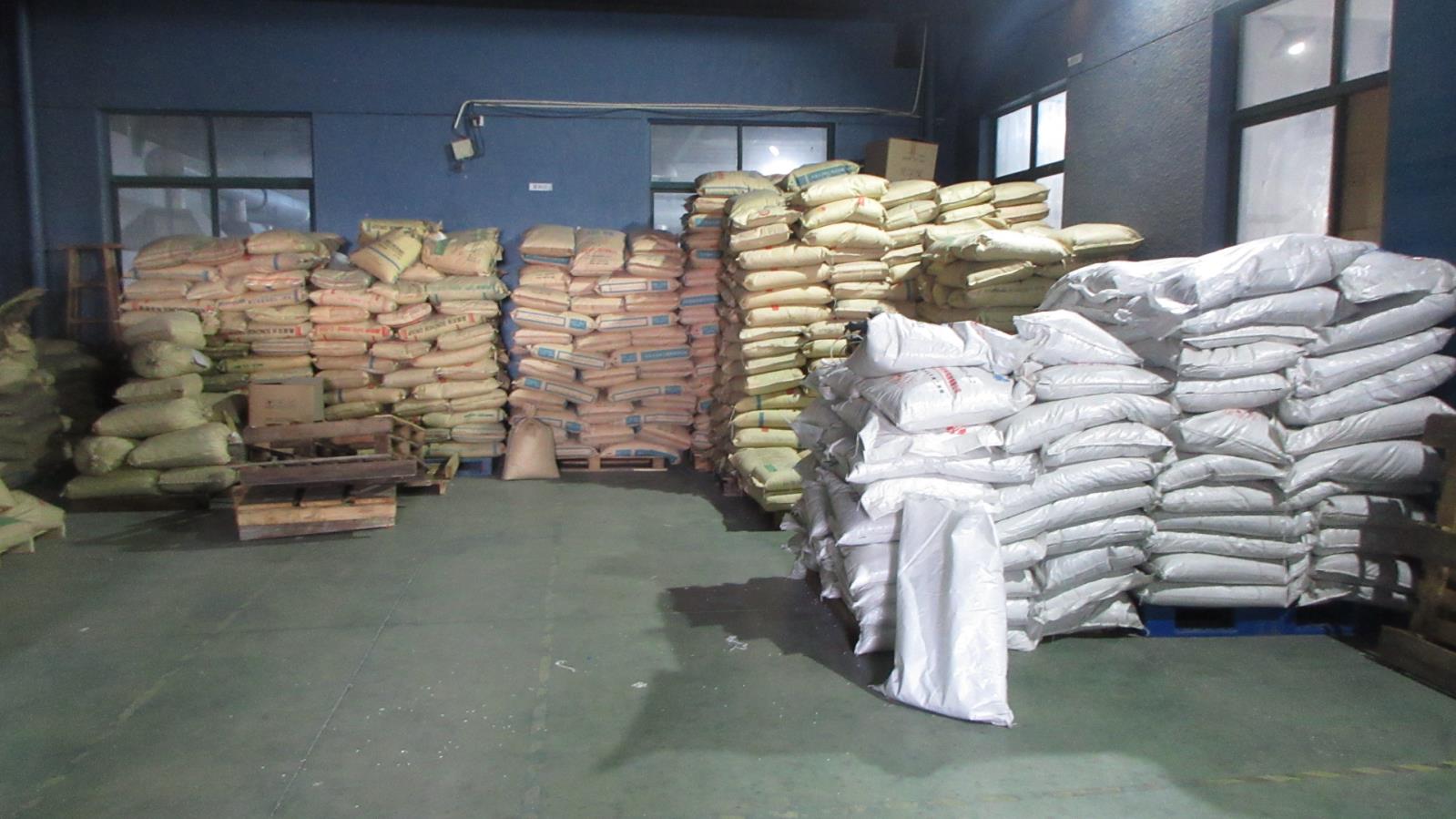
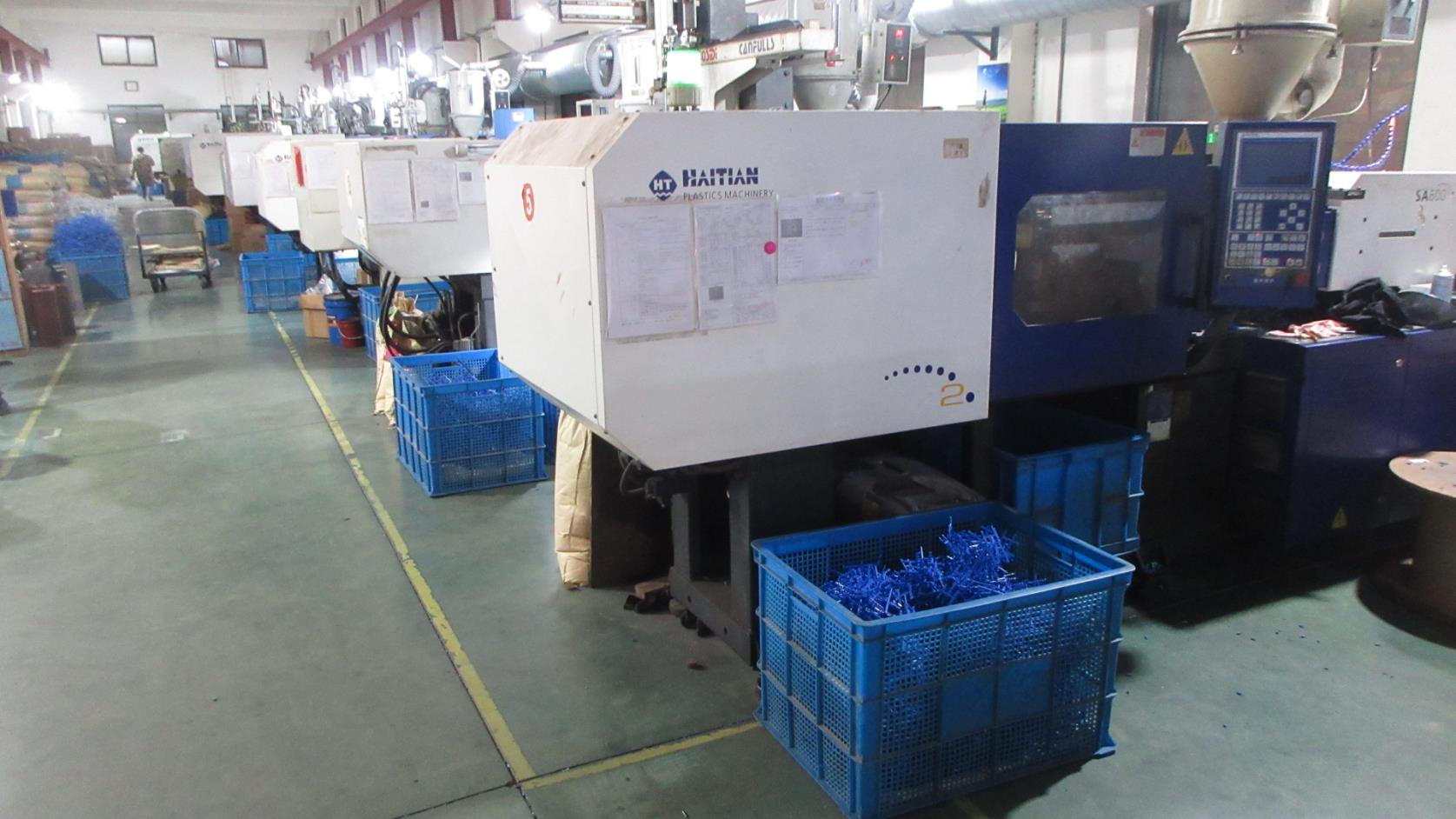
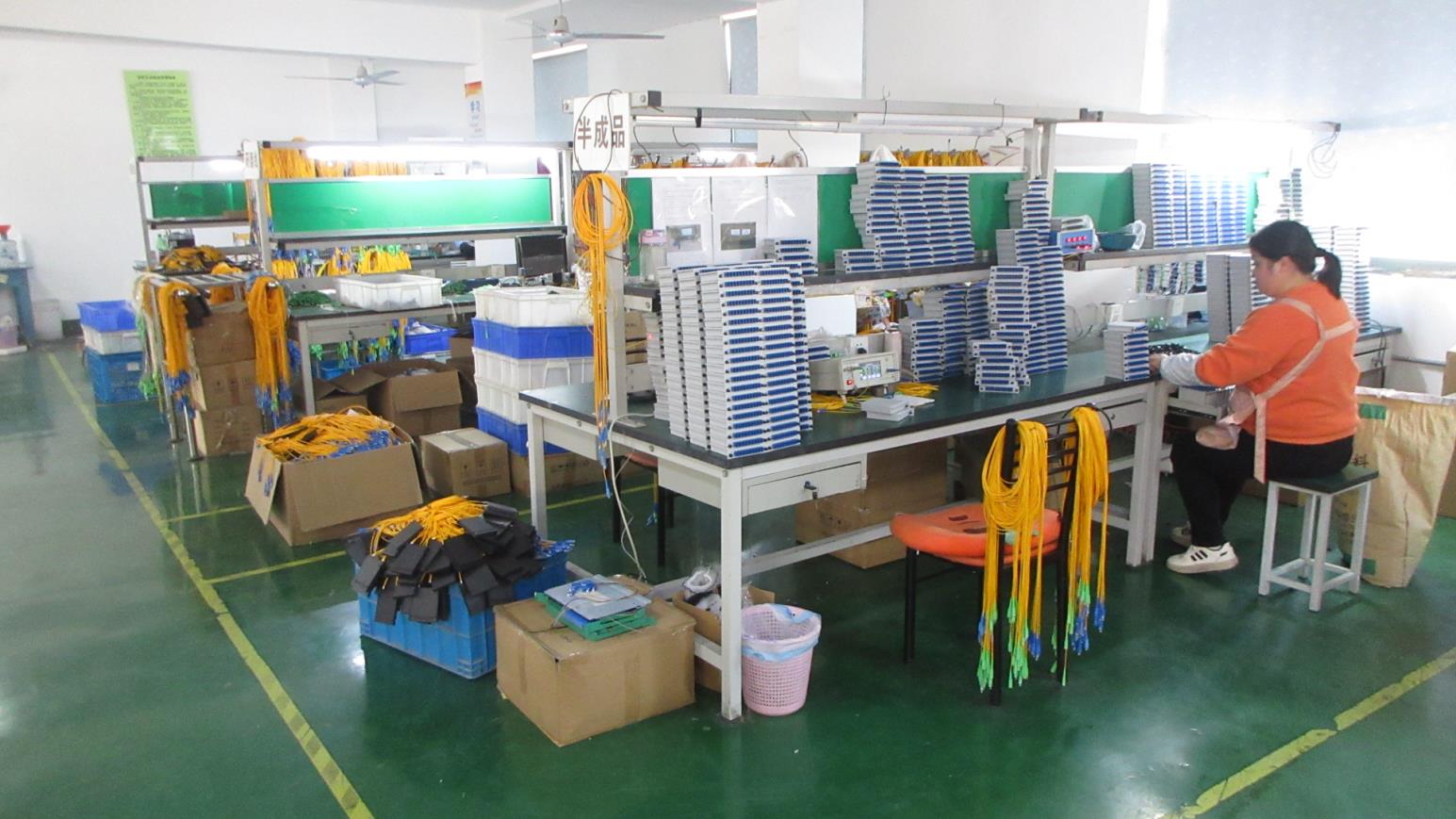
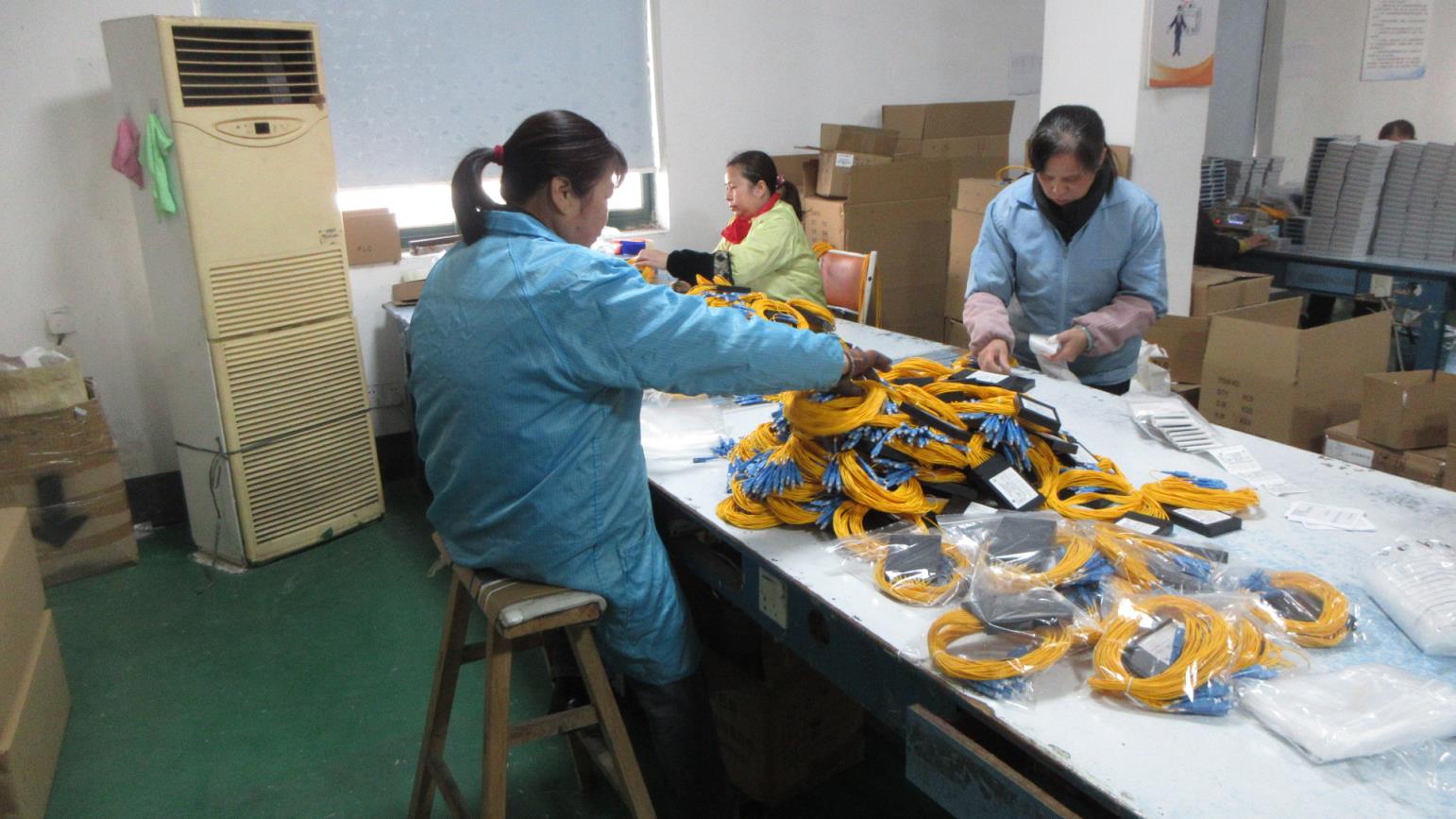
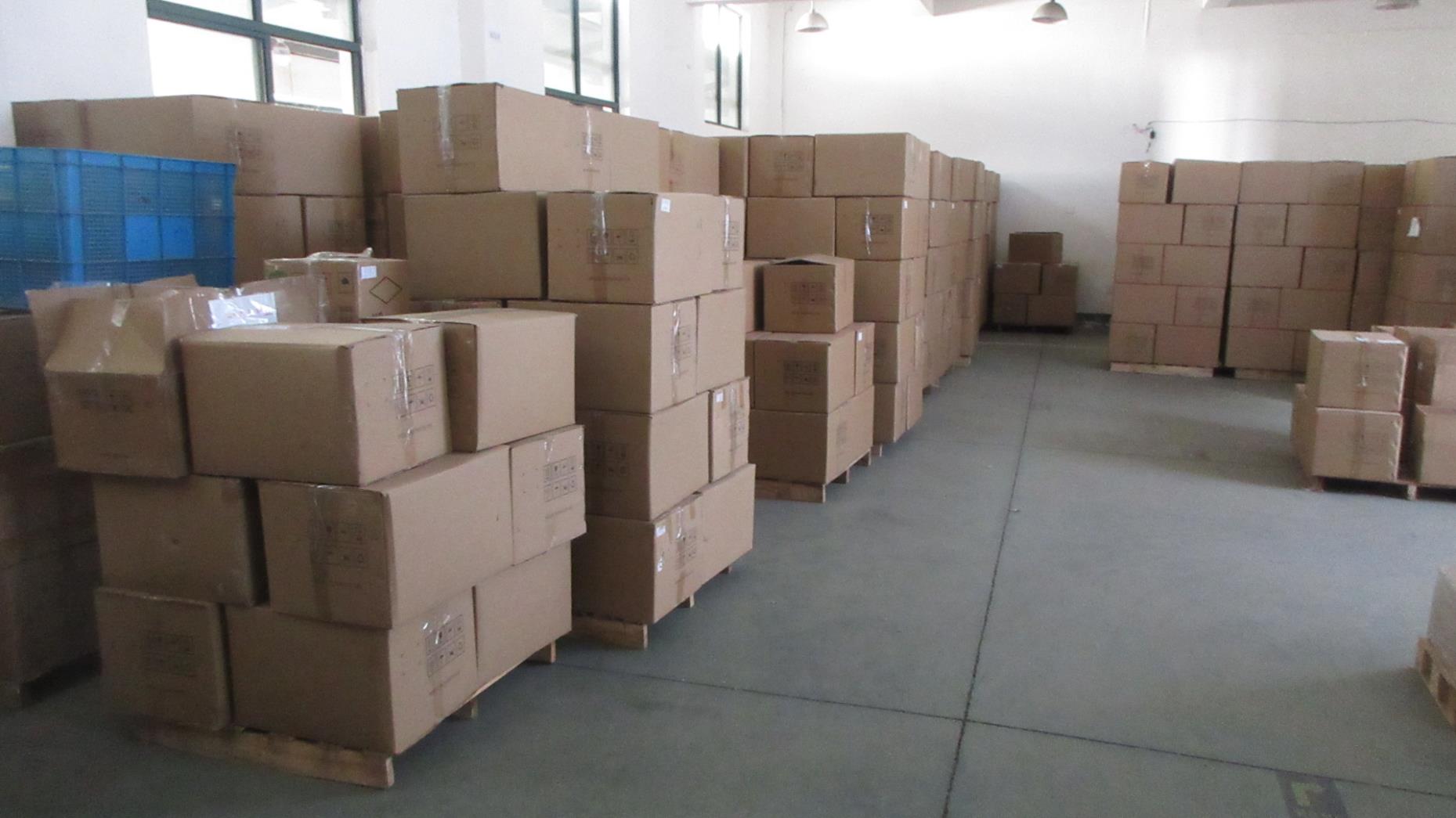
Optical networks are highly sensitive to microscopic contaminants and minor manufacturing variances. A single defect in an optical sub-assembly (OSA) can lead to signal degradation, increased packet loss, and costly network diagnostics. To prevent these field issues, Equip-Link implements a multi-stage quality assurance process managed by 36 experienced inspectors.
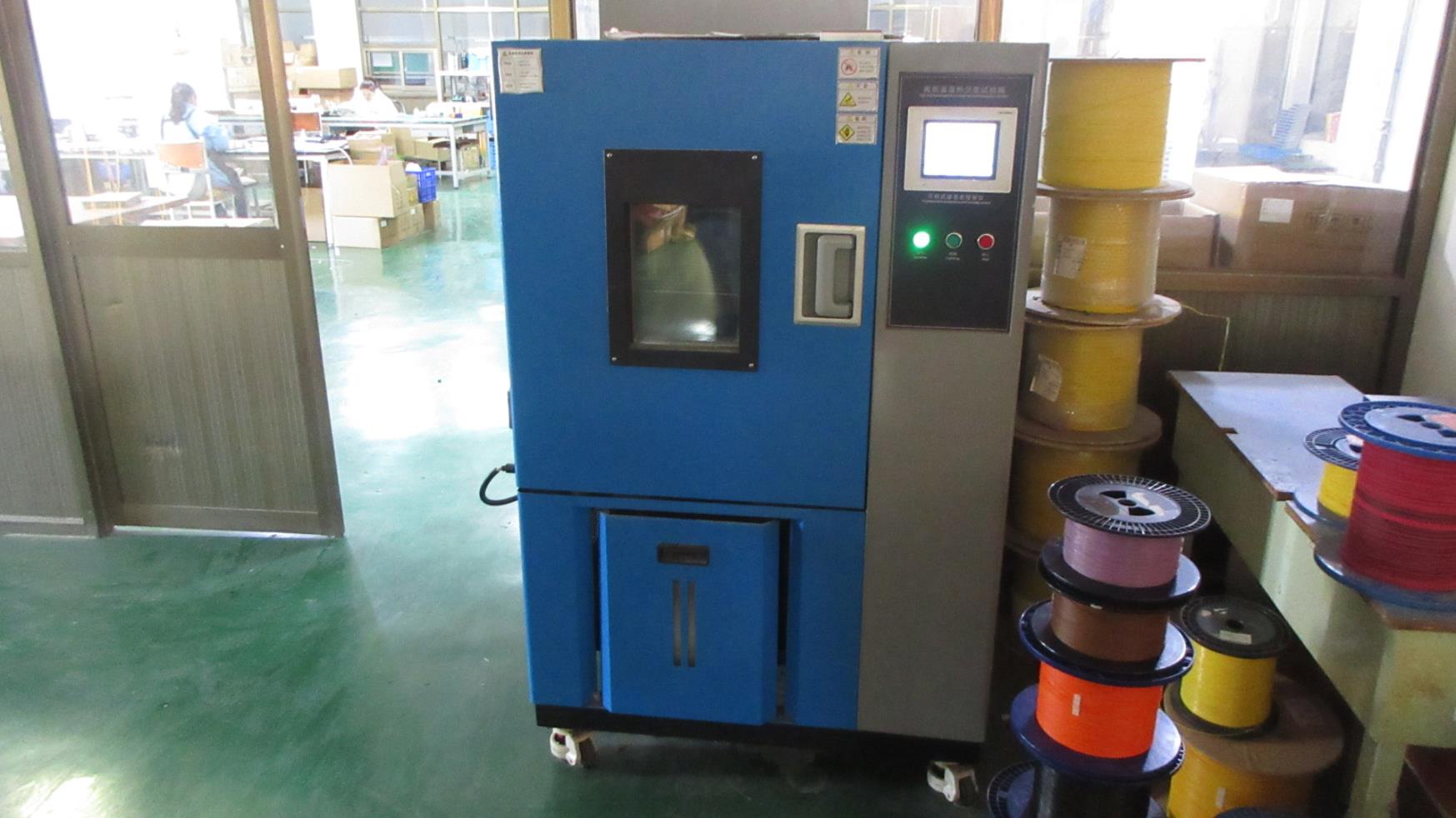
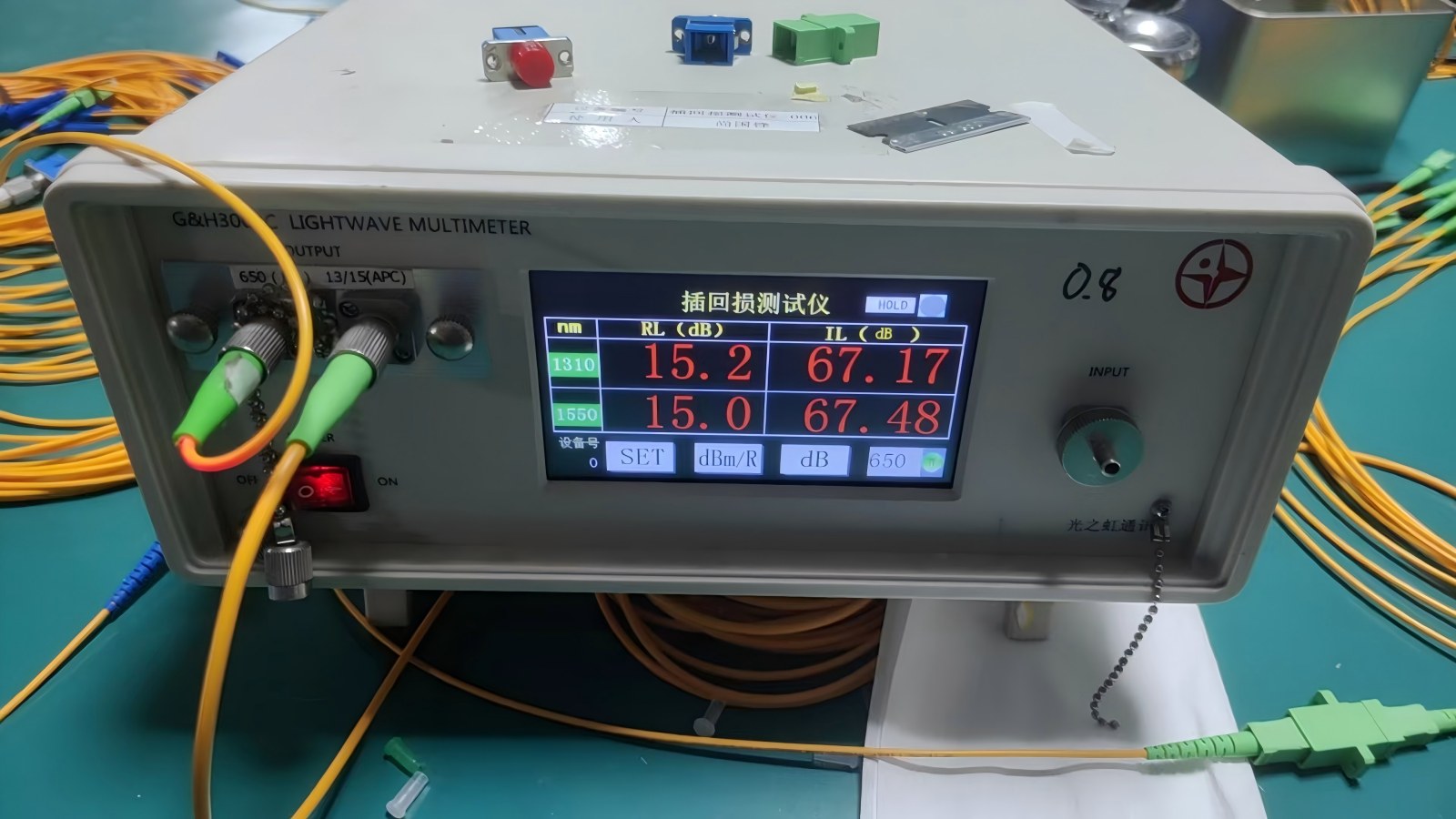
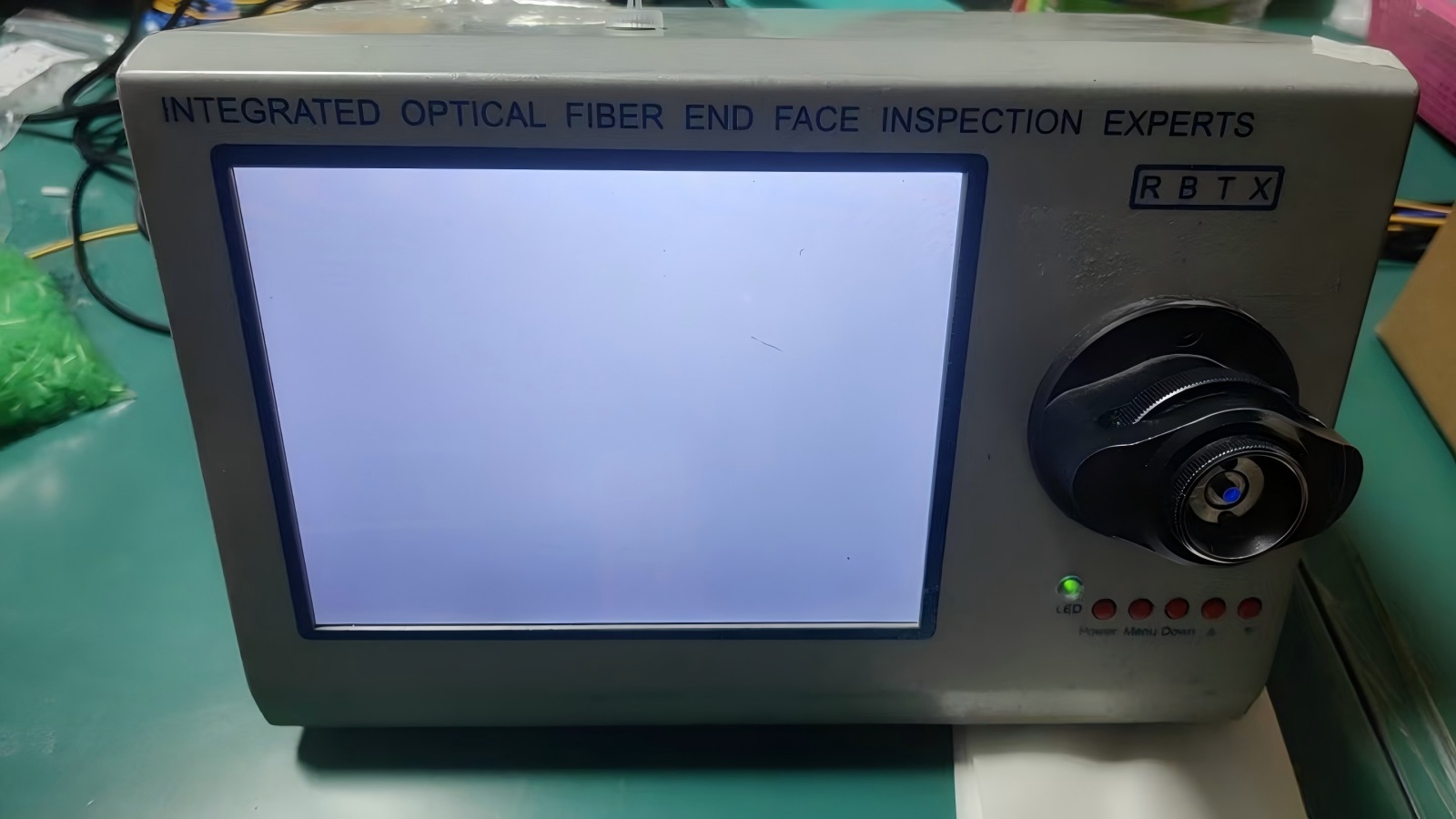
Every transceiver undergoes comprehensive testing on state-of-the-art diagnostic equipment. We verify performance across extreme operational parameters using high-low temperature alternating chambers, precision optical insertion loss testers, and digital end-face inspection systems. By testing transceiver modules in real-world switch configurations, we guarantee 100% compatibility and reliable performance before the products leave our factory.
Deploying networking equipment in South Korea requires strict adherence to international and local regulatory standards. Our transceivers comply with RoHS directives, ensuring they are free from hazardous substances like lead and cadmium. Furthermore, all components are engineered to meet CE, FCC, and KC (Korea Certification) framework equivalents. This focus on regulatory compliance minimizes import delays and ensures our modules are ready for immediate deployment in both private and public enterprise networks.
Technical answers to key questions about deploying our optical modules in Korean networks.
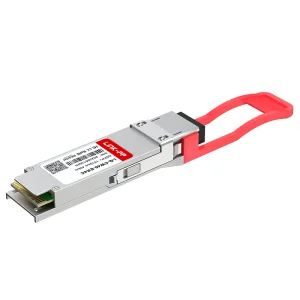
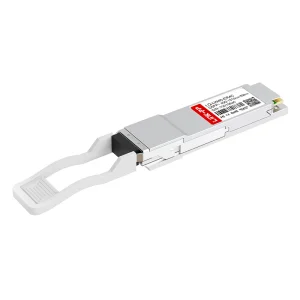
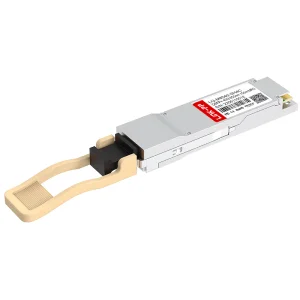
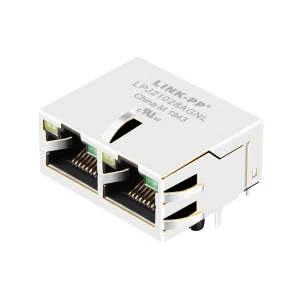
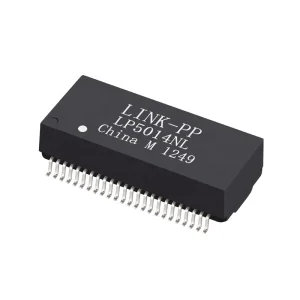
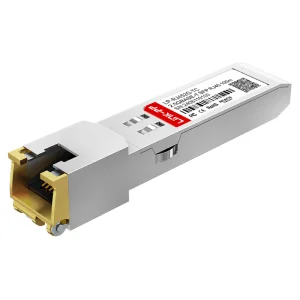
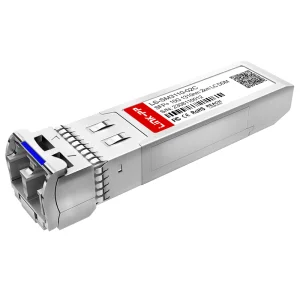
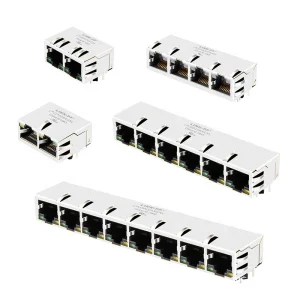
Explore our complete range of optical transceivers, RJ45 modular jacks, and telecom components.